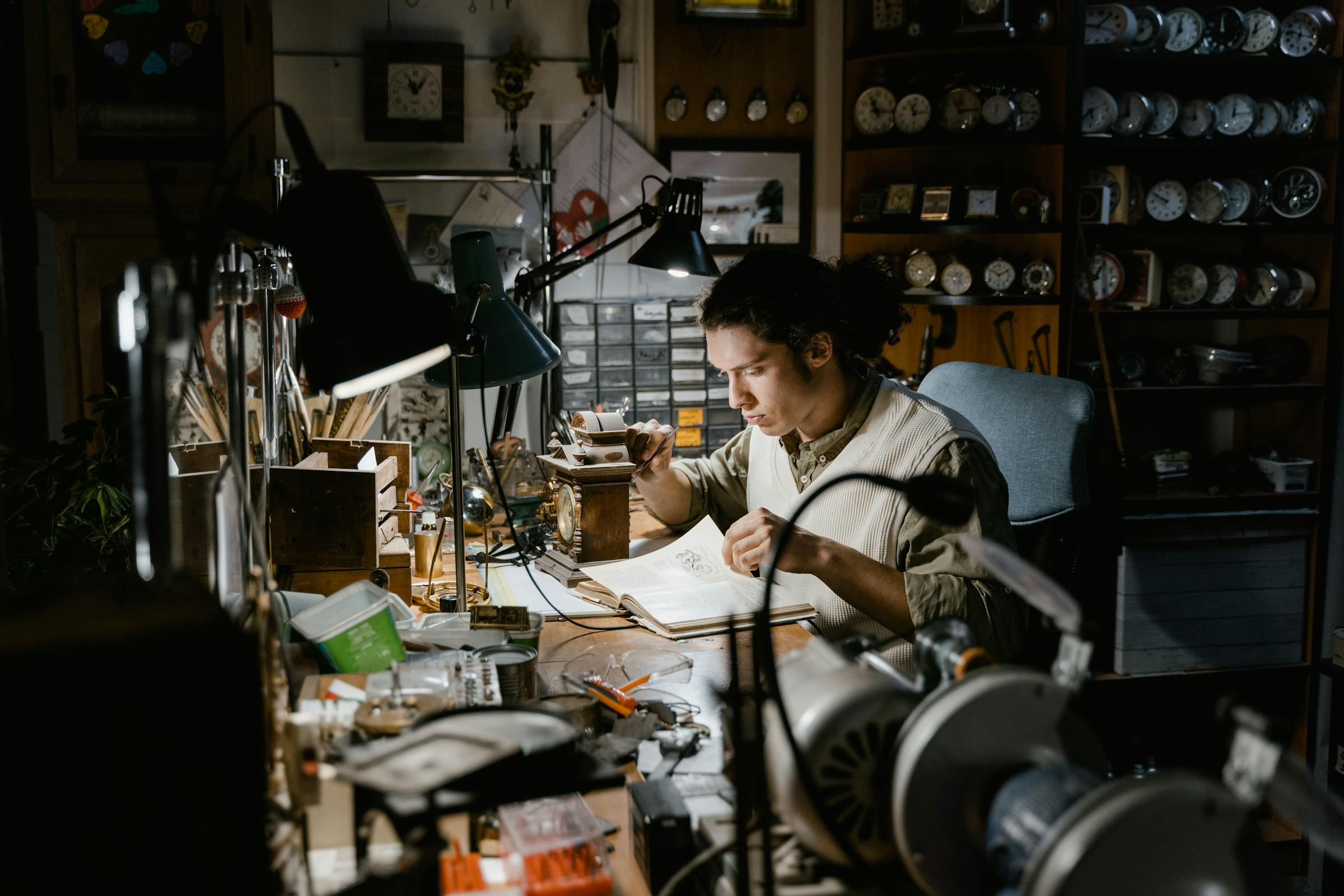
Walk through any collection of objects people keep for decades; furniture, tools, musical instruments, watches and a pattern emerges. The items that last aren’t always the flashiest or the most expensive at the time of purchase. They’re the ones made with care, intention, and an understanding that someone, somewhere, will still be using them years later.
Collectability isn’t created by hype alone. It’s earned over time, and craftsmanship sits at the centre of that process. When something is built properly, it doesn’t just survive; it becomes worth keeping.
Craftsmanship Is What Separates Use From Disposal
Most consumer goods today are designed to be replaced. They’re optimised for efficiency, speed, and short product cycles. Craftsmanship works in the opposite direction. It assumes longevity from the start.
When an object is crafted rather than merely assembled, details matter. Materials are chosen for durability, not just appearance. Components are finished to be serviced, not discarded. This mindset is why finely made mechanical objects, including a Patek Philippe watch, are still functional and desirable long after many contemporaries have disappeared.
The result is trust.
Precision Creates Confidence Over Time
Precision in craftsmanship shows up quietly. Tolerances are tighter. Finishes are consistent. Moving parts behave predictably even after years of use.
In collectable items, especially mechanical ones, this precision reduces uncertainty. Owners know what to expect. They don’t worry about sudden failures or irreversible wear. Over time, that reliability builds confidence, and confidence encourages long-term ownership.
Objects that feel dependable are less likely to be replaced, which is a key ingredient in collectability.
Hand-Finishing Leaves a Human Signature
One of the defining traits of true craftsmanship is human involvement. Attention to detail is intrinsic to handmade. Edges are softened deliberately. Surfaces are refined beyond what automated processes typically achieve. These subtle touches don’t scream for attention, but they’re felt and noticed over time.
Collectors often value these details not because they’re obvious, but because they signal care. They indicate that the maker expected the object to be examined closely and lived with, not used briefly and forgotten.
Serviceability Is a Hidden Collectability Factor
Many people overlook serviceability when thinking about collectability. But an object that can’t be maintained can’t realistically last.
Well-crafted items are designed with future repair in mind. Components can be disassembled. Parts can be adjusted or replaced. Documentation exists. Skilled professionals can work on them decades later.
This matters because collectability isn’t just about surviving physically; it’s about remaining usable. When an item can be serviced rather than retired, it stays relevant.
Consistency Builds Long-Term Reputation
Craftsmanship doesn’t exist in isolation. It’s reinforced by consistency over time. Brands and makers who commit to high standards across generations create a track record that collectors trust.
When people know that a maker hasn’t cut corners or dramatically changed quality philosophies, older pieces benefit from that reputation. Craftsmanship, when repeated reliably, compounds in value.
This is why some objects gain status years after they’re made. Their quality was always there – it just took time to be recognised fully.
Why Mass Production Struggles to Create Collectables
Mass production excels at accessibility, but it struggles to create long-term collectables. Speed and scale require compromises. Materials are optimised for cost. Designs prioritise trend relevance.
This doesn’t make mass-produced items bad! It just makes them temporary. When replacement is easier than repair, emotional attachment fades quickly.
Crafted items, by contrast, invite care. People clean them, service them, and adjust their habits around them. That relationship is what transforms an object into something worth keeping.
Craftsmanship Ages Better Than Design Trends
Design trends move fast. What feels modern today can feel dated tomorrow. Craftsmanship is less affected by this cycle.
A well-made object with restrained design often outlasts trends because its appeal isn’t dependent on fashion. Its value lies in how it’s made, not how loudly it announces itself.
Collectors often gravitate toward pieces that feel timeless because they can imagine living with them across different stages of life.
Emotional Attachment Follows Quality
People form stronger emotional bonds with things that perform well over time. An object that still works smoothly after years of use earns respect.
This emotional attachment is subtle but powerful. It’s the reason some items are repaired repeatedly instead of replaced. It’s why they’re passed down rather than sold off.
Craftsmanship creates the conditions for this attachment by making ownership satisfying over the long term.
Rarity Isn’t Enough Without Craft
Rarity can spark interest, but it doesn’t sustain it. Plenty of rare objects fail to become collectable because they lack substance.
Craftsmanship gives rarity meaning. When something is both well-made and limited, its value is reinforced rather than inflated. Collectors recognise the difference.
An object that combines scarcity with genuine quality has a far better chance of being valued decades later.
Craftsmanship Is a Long-Term Signal
At its core, craftsmanship sends a signal that the maker expected the object to matter in the future. That expectation shapes every decision, from materials to finishing to serviceability.
Collectability grows from that mindset. It isn’t engineered through marketing alone. It emerges when quality is consistent, care is evident, and time is allowed to do its work.