The bra industry is worth billions, yet more women than ever are choosing to go braless. At the same time, brands are reimagining what intimate apparel can be, moving away from rigid underwire and padding toward designs that prioritize comfort without sacrificing support. So do we actually need bras anymore, or are we entering a new era where the traditional bra becomes optional? The answer depends less on necessity and more on what modern women want from their undergarments: functionality that adapts to their lives, comfort that lasts all day, and designs that feel as good as they look.
Where the Bra Came From
The modern bra has a surprisingly short history. While women have used various forms of chest support for centuries, the bra as we know it today only emerged in the early 1900s. Before that, corsets dominated women’s undergarments, cinching the waist and pushing up the bust in ways that were often restrictive and uncomfortable.
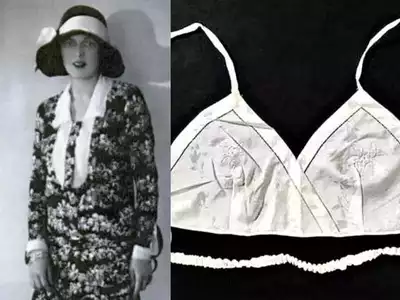
In 1914, New York socialite Mary Phelps Jacob patented one of the first modern bras, made from two handkerchiefs and ribbon. It was a radical departure from the corset, offering a lighter, more flexible alternative. By the 1920s, as fashion shifted toward looser silhouettes and women gained more social freedom, the bra became standard. Over the following decades, the industry evolved rapidly, introducing underwire in the 1930s, padded and push-up styles in the 1940s and 50s, and an explosion of designs catering to different body types and fashion trends.
But this evolution was largely driven by aesthetics and social expectations, not necessarily by what felt best for women’s bodies. For much of the 20th century, bras were designed to shape, lift, and enhance, often at the expense of genuine comfort.
Why Women Are Wearing Bras Less (and What’s Changing)
The past decade has seen a noticeable cultural shift. More women are choosing to go braless, whether at home, at work, or in public spaces. This movement isn’t just about comfort. It reflects changing attitudes toward body autonomy, beauty standards, and what women are expected to wear.
Several factors are driving this shift. The rise of remote work during the pandemic normalized more relaxed dress codes, and many women who stopped wearing bras during lockdown never went back. Social media has amplified body positivity movements, making it more acceptable to reject traditional beauty norms. Younger generations, particularly Gen Z, are less likely to view bras as a necessity and more likely to see them as a personal choice.
At the same time, the athleisure boom has introduced alternatives. Sports bras and bralettes offer support without the structure of traditional bras, and many women find them more comfortable for daily wear. The lingerie industry has taken note, with major brands shifting focus from padded push-up styles to wireless, unlined designs that prioritize ease and natural shape.
But while some women are ditching bras entirely, others still want support, especially during specific life stages like pregnancy, postpartum, or while managing larger cup sizes. The question isn’t whether bras are needed universally, but whether the industry can create options that feel genuinely good to wear.
The Future of Bras: Hybrid Designs That Actually Work
The future of bras isn’t about abandoning support. It’s about rethinking what support looks and feels like. Instead of rigid structures that separate undergarments from outerwear, the next generation of intimate apparel blends the two, creating hybrid pieces that function as both.
This is where brands like Embrace are leading the way. Founded in 2022 by Claire Mercieca, a former lawyer and mother who was frustrated by the lack of quality nursing bras on the market, Embrace has built its reputation on creating minimalist essentials that prioritize fabric innovation and thoughtful design. What started as a solution for breastfeeding mothers has expanded into a broader womenswear line that challenges what intimate apparel should feel like.
The brand’s approach centers on two core principles: exceptional fabric and intentional design. The brand uses a proprietary blend of U.S.A. Supima Cotton and luxury Austrian Micromodal, both Oeko-tex certified and chosen for their softness, breathability, and hypoallergenic properties. This combination creates garments that feel next-level soft while maintaining structure and durability through repeated washing and wear.
Their Soft-Cup Nursing Bra was designed after Claire surveyed mothers across Asia, Europe, and North America and found that 87% never found a nursing garment they truly loved. The result is a bra that eliminates the bulk and hardware typical of nursing designs. There are no clips, back clasps, or unnecessary layers, just a clean, pull-aside construction that makes breastfeeding accessible without compromising on aesthetics or comfort.
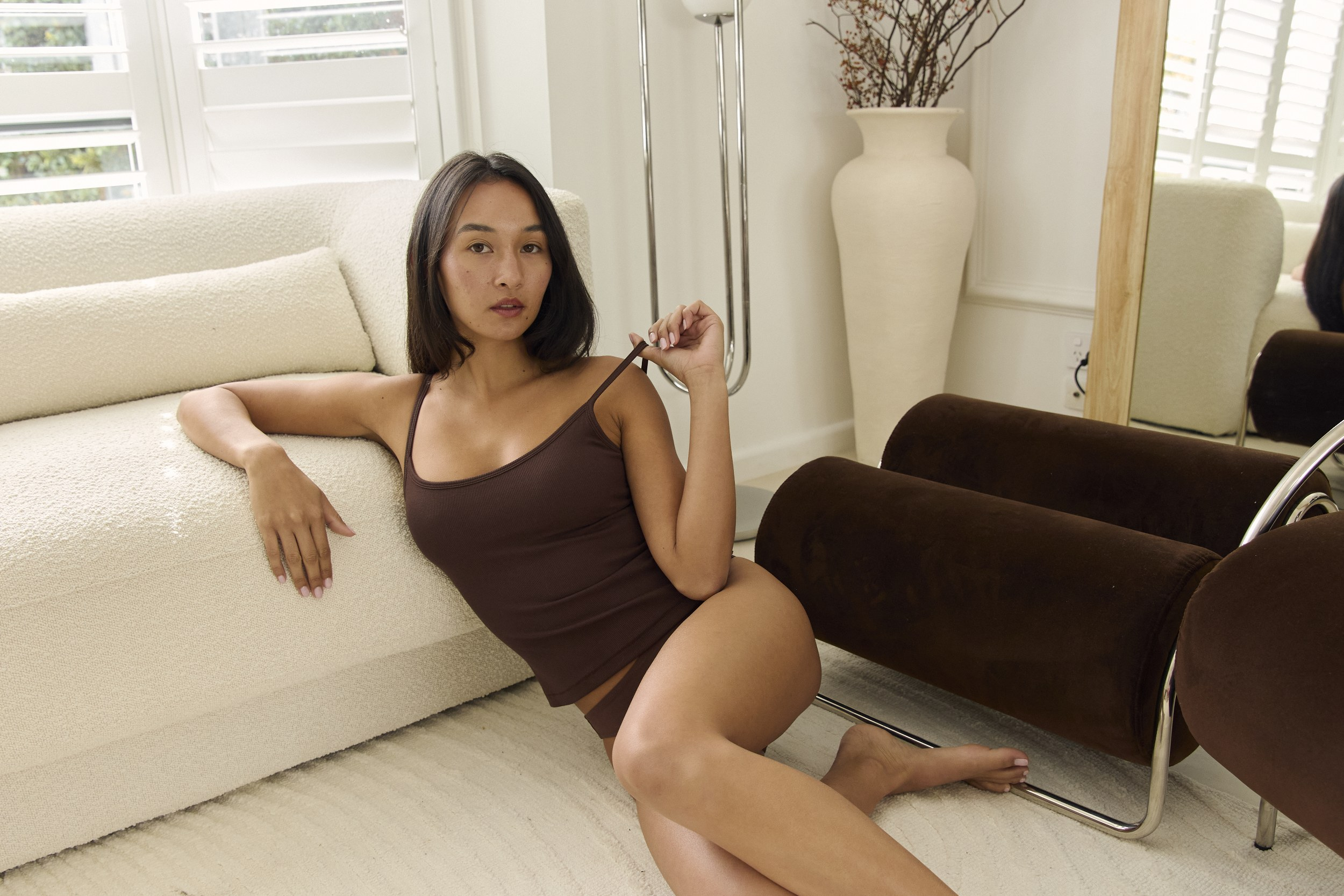
In 2025, Embrace introduced the Ribbed Bra Top, marking the brand’s expansion into everyday womenswear beyond maternity. This piece addresses a common frustration: camisoles and bra tops are often either lacking in support or uncomfortable to wear for long periods. It’s the kind of piece you can wear under a blazer, on its own with high-waisted pants, or layered under an open shirt, and it feels good all day. In 2026, they released the High Neck Bra Top for even more comfort!
What makes Embrace particularly relevant to the conversation about the future of bras is that it doesn’t ask women to choose between support and comfort, or between function and style. The brand’s designs prove that these qualities can coexist. By prioritizing fabric quality, eliminating unnecessary hardware, and focusing on fit-testing with real women at different life stages, Embrace has created a line that feels personal and practical.
What Women Actually Want Now
The debate over whether we need bras anymore misses the point. Women don’t want to be told what they need. They want options that respect their preferences, their bodies, and their daily realities.
For some, that means going braless entirely. For others, it means finding a bralette or wireless bra that offers light support without feeling constricting. And for many, especially those navigating pregnancy, postpartum, or simply preferring more structure, it means finding designs that deliver real support without the discomfort that has long been associated with traditional bras.
The brands that will succeed in this evolving landscape are those that understand this nuance. The shift away from traditional bras isn’t about rejecting support. It’s about rejecting the idea that support has to come with underwire that digs in, straps that slip, or fabrics that irritate skin. It’s about expecting more from the garments we wear closest to our bodies.
What Comes Next
The future of bras will likely be defined by versatility and personalization. Hybrid designs that function as both undergarments and outerwear will become more common, blurring the lines between lingerie and ready-to-wear. Fabrics will continue to improve, with more brands investing in natural, sustainable materials that feel better and last longer. And the conversation around what women should wear will continue to shift, with comfort and personal choice taking precedence over outdated beauty standards.
Brands like Embrace are showing what’s possible when design is led by real feedback from women rather than industry tradition. Whether you’re looking for a nursing bra that actually works, a tank with built-in support, or a bra top that transitions seamlessly from day to night, the message is the same: you don’t have to compromise.
So do we really need bras anymore? Maybe not in the traditional sense. But we do need well-designed support that adapts to how we live, feels good on our skin, and respects our choices. That future is already here, and it’s far more comfortable than what came before.