At the Maison symphonique, Apashe and the Orchestre symphonique de Montréal stripped away the spectacle and let the music carry the night.
Apashe brought his cinematic fusion of electronic music, hip-hop and orchestral grandeur to the Maison symphonique de Montréal on October 8, 2026, for his first collaboration with the Orchestre symphonique de Montréal. Stripped of smoke machines, screens and the countdown to the drop, it was a concert that put a simple question to its music: could it stand on its own? It could.
Apashe, the Belgian-born producer who now proudly calls Montreal home, built his international reputation on cinematic tracks where electronic beats and hip-hop rhythms collide with orchestral majesty. Reimagining his repertoire for the first time with the Orchestre symphonique de Montréal, his catalogue was rearranged by orchestrator Hugo Bégin and performed by the OSM under conductor Dina Gilbert, joined by Les Chœurs des Petits Chanteurs de Laval, prepared by chorusmaster Philippe Ostiguy. A rotating cast of vocalists stepped in along the way: KROY, Alina Pash, Geoffroy, Lia Kuri, YMIR, Wasiu and Cherry Lena.
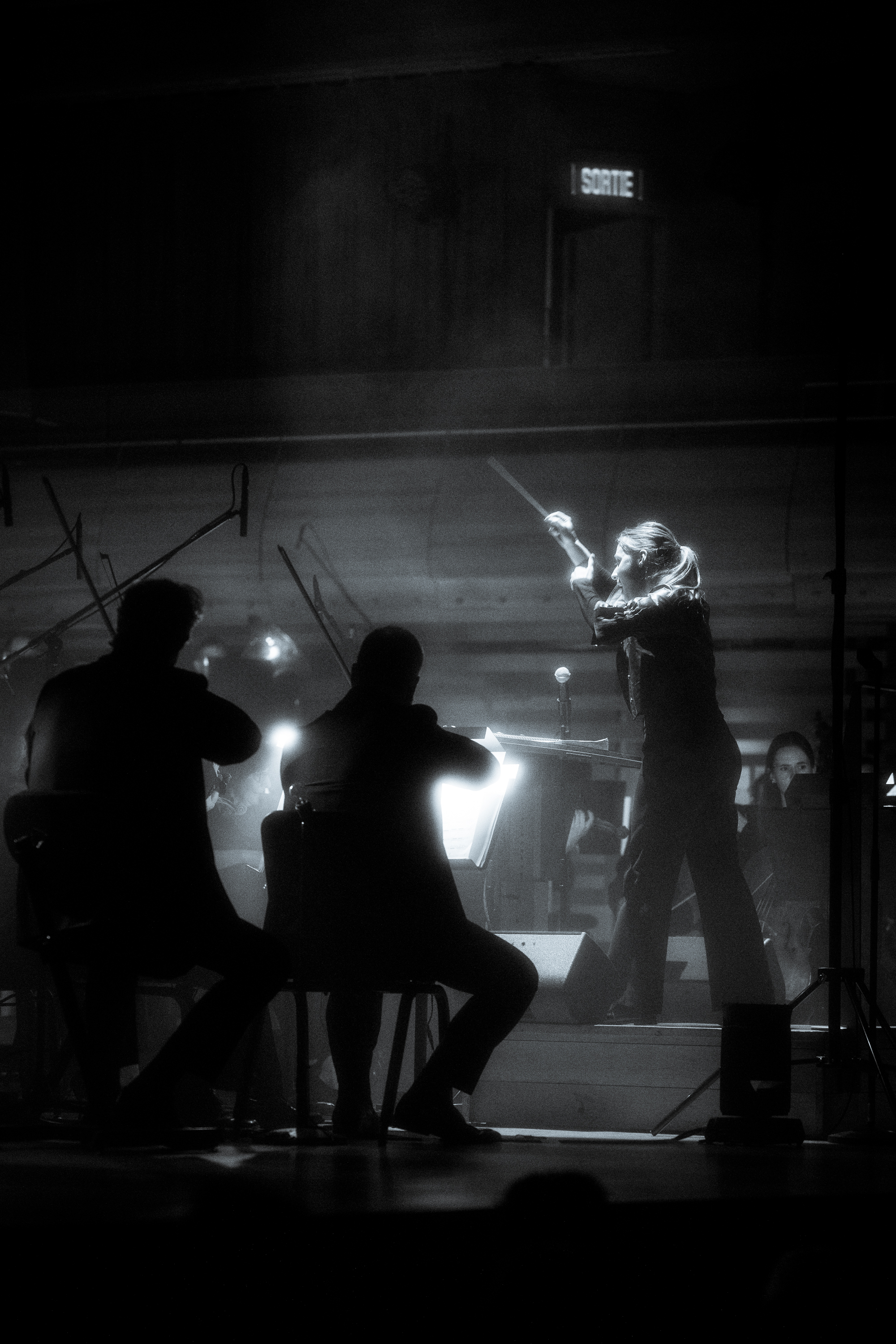
It felt as if we were transported into a classical era, while still being anchored to modern 2026.
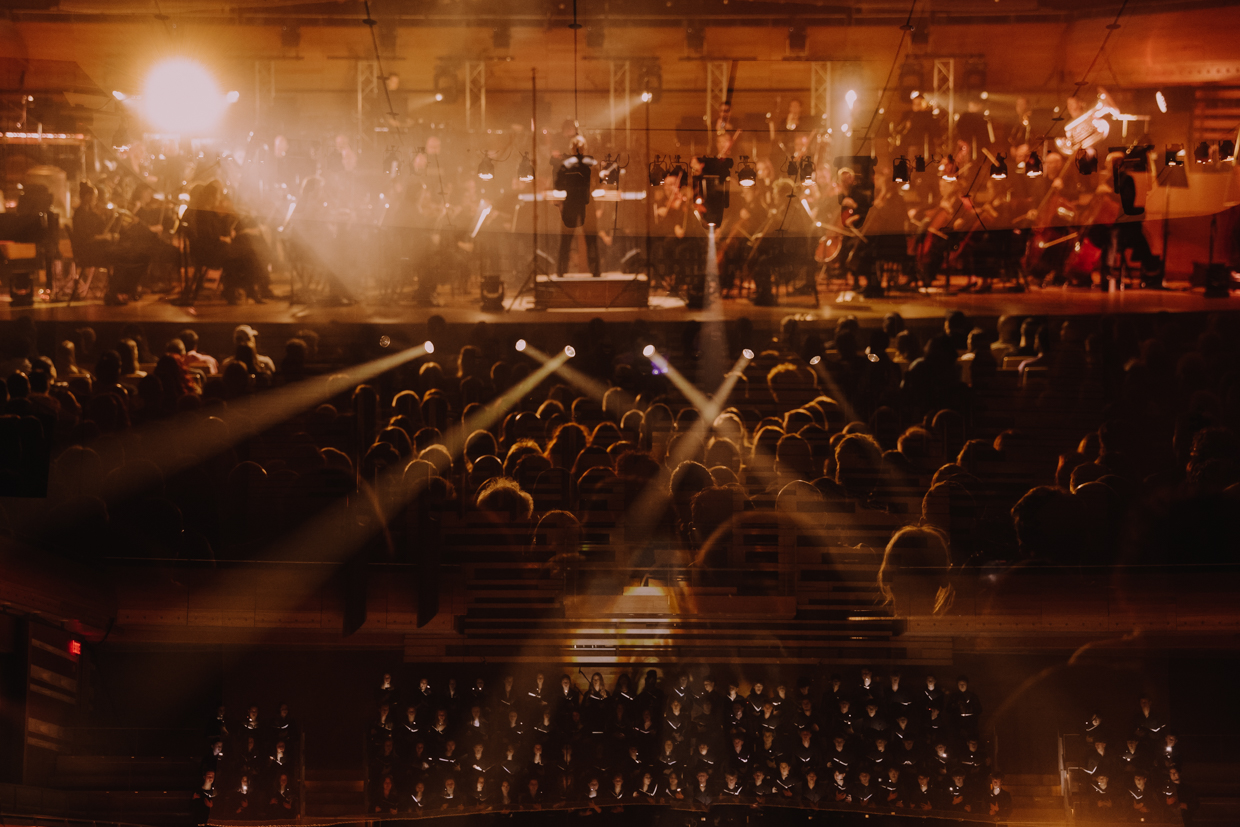
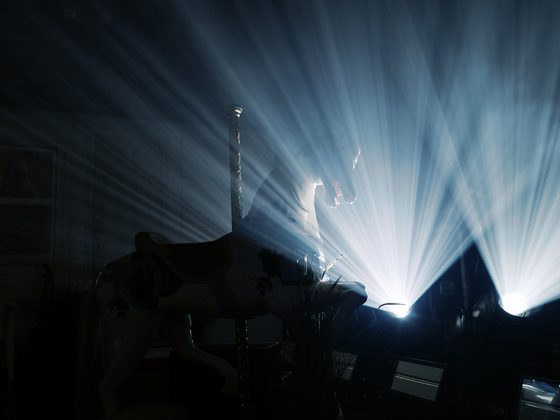
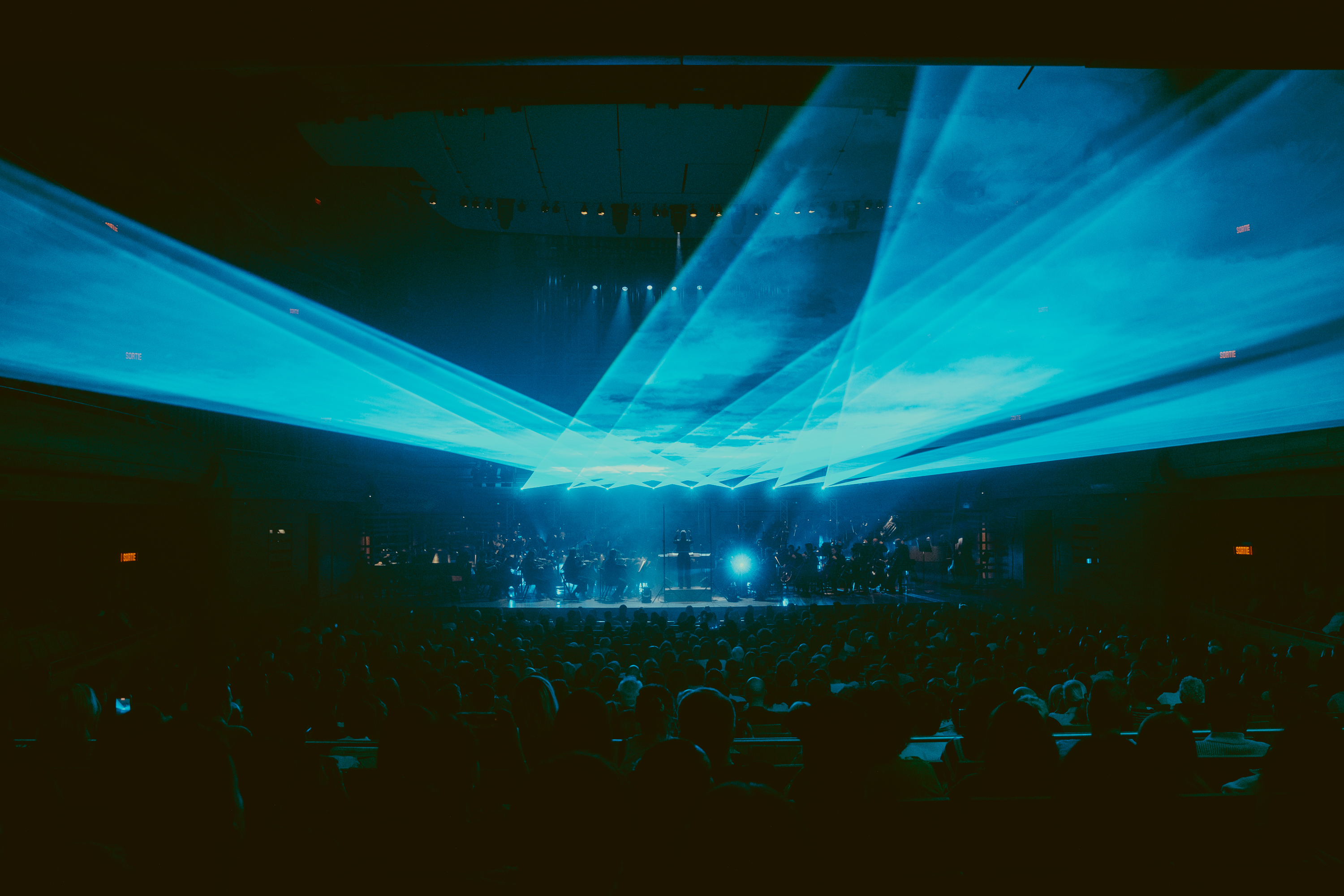
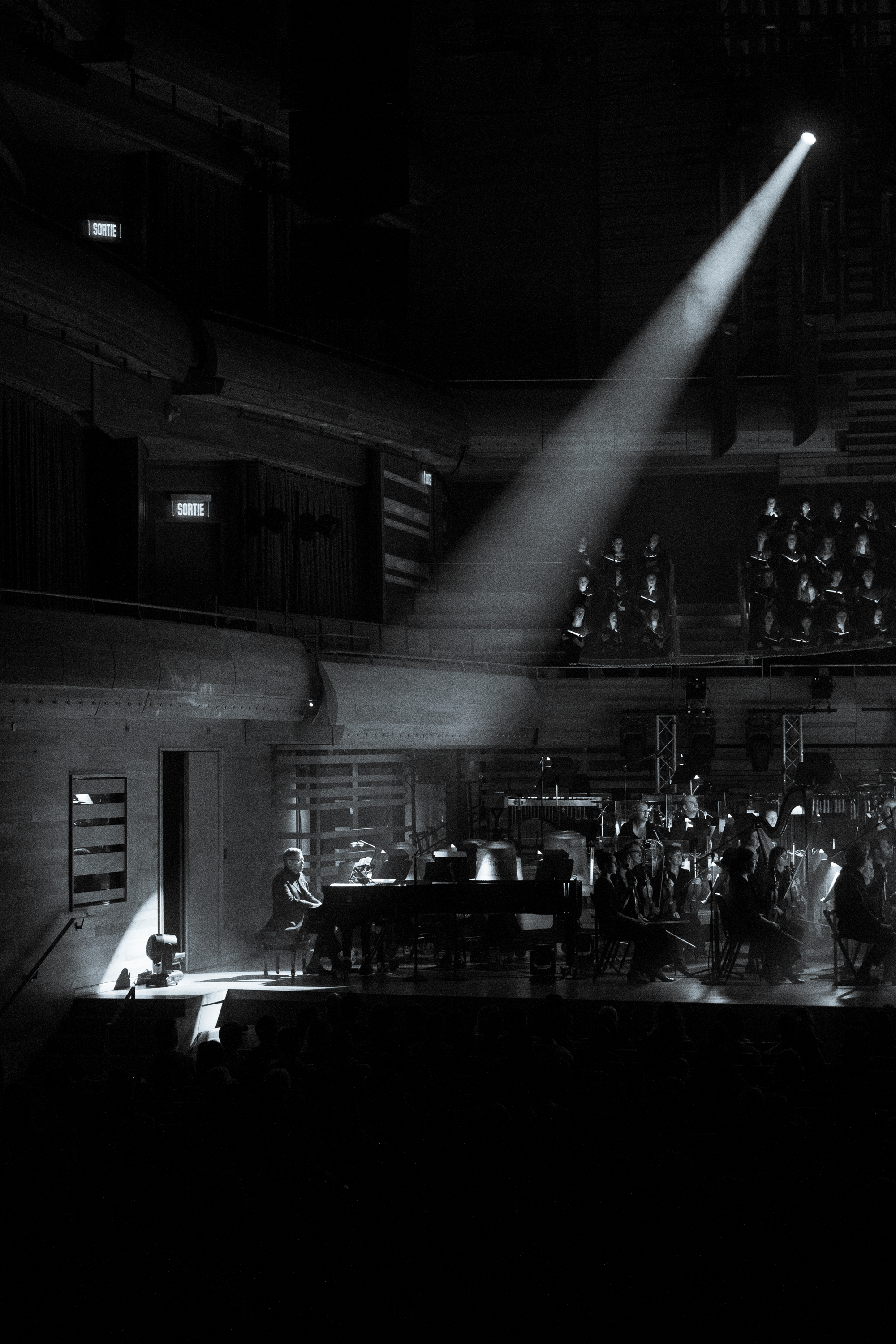
The concert started with a foundation of instrumentals only. The crowd was silent, focused, no one fidgeting in their seats. The staging was the difference of the night largely because there was so little of it. Beyond a lighting design, there was none of the spectacle that typically accompanies electronic shows. Apashe sat in the middle of the orchestra in the dark surrounded by the choir and percussion. The headliner was reduced to a silhouette seemingly content to hear his work from a new angle, letting the music and instruments take the center stage.
That restraint placed the weight of the evening on the musicians and they carried it. Strings took on the role usually played by synthesizers. Brass landed where a kick drum would. The choir floated above it all. The arrangements wove in the finale of Tchaikovsky’s Symphony No. 4 Which Apashe samples in his track “UEBOK,” a nod to the hall’s repertoire that sat naturally within his own.
At the midpoint, Apashe took the microphone. “Hello Maison symphonique,” he said, before telling the audience, “It must be the calmest show we have shared, but it is one where you hear the most detail.” He was right. Electronic music is usually felt in the chest. Here it was heard line by line, every element of each track drawn out and handed to the musicians to deliver in its rawest form.
“It must be the calmest show we have shared, but it is one where you hear the most detail” – John de Buck, Apashe
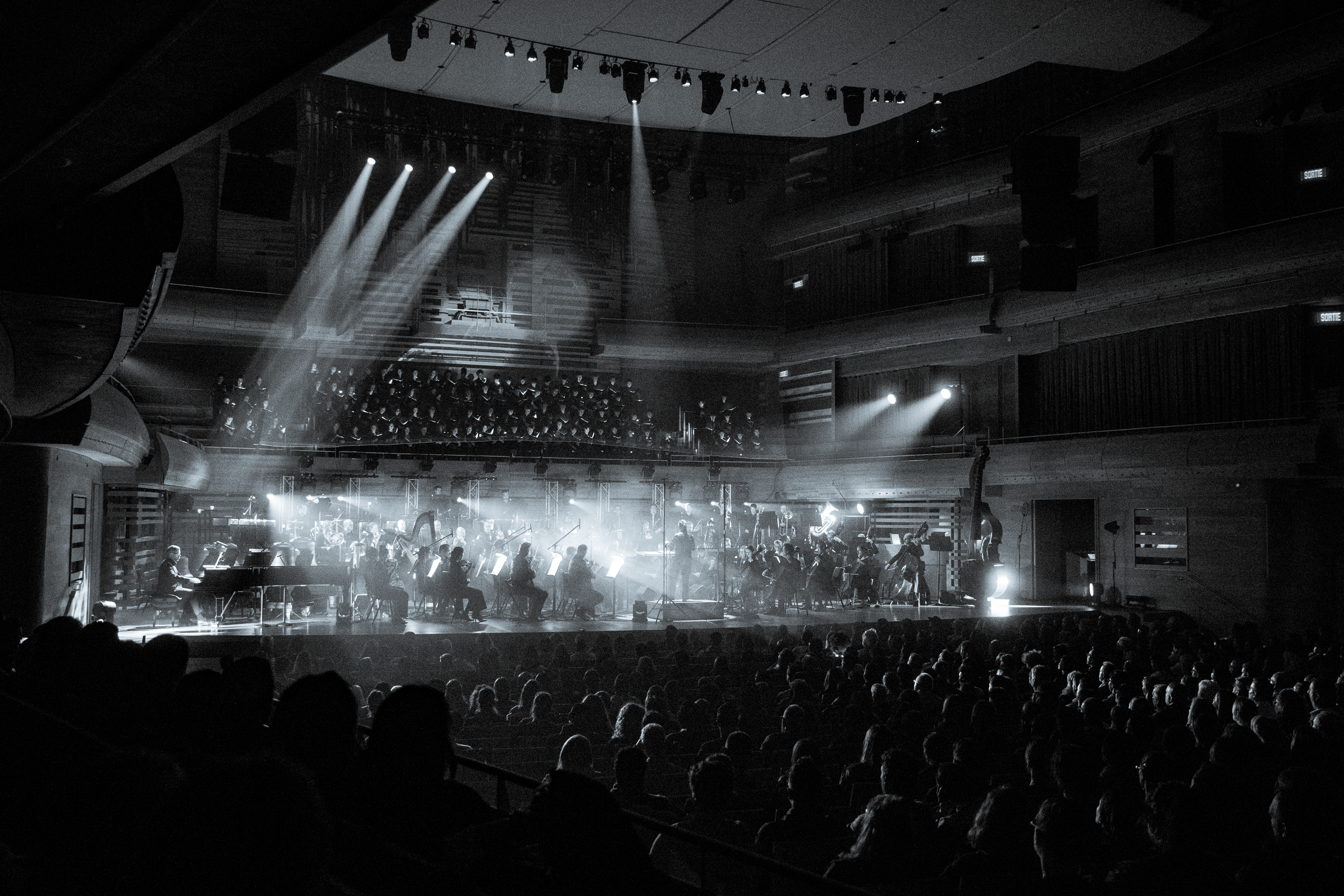
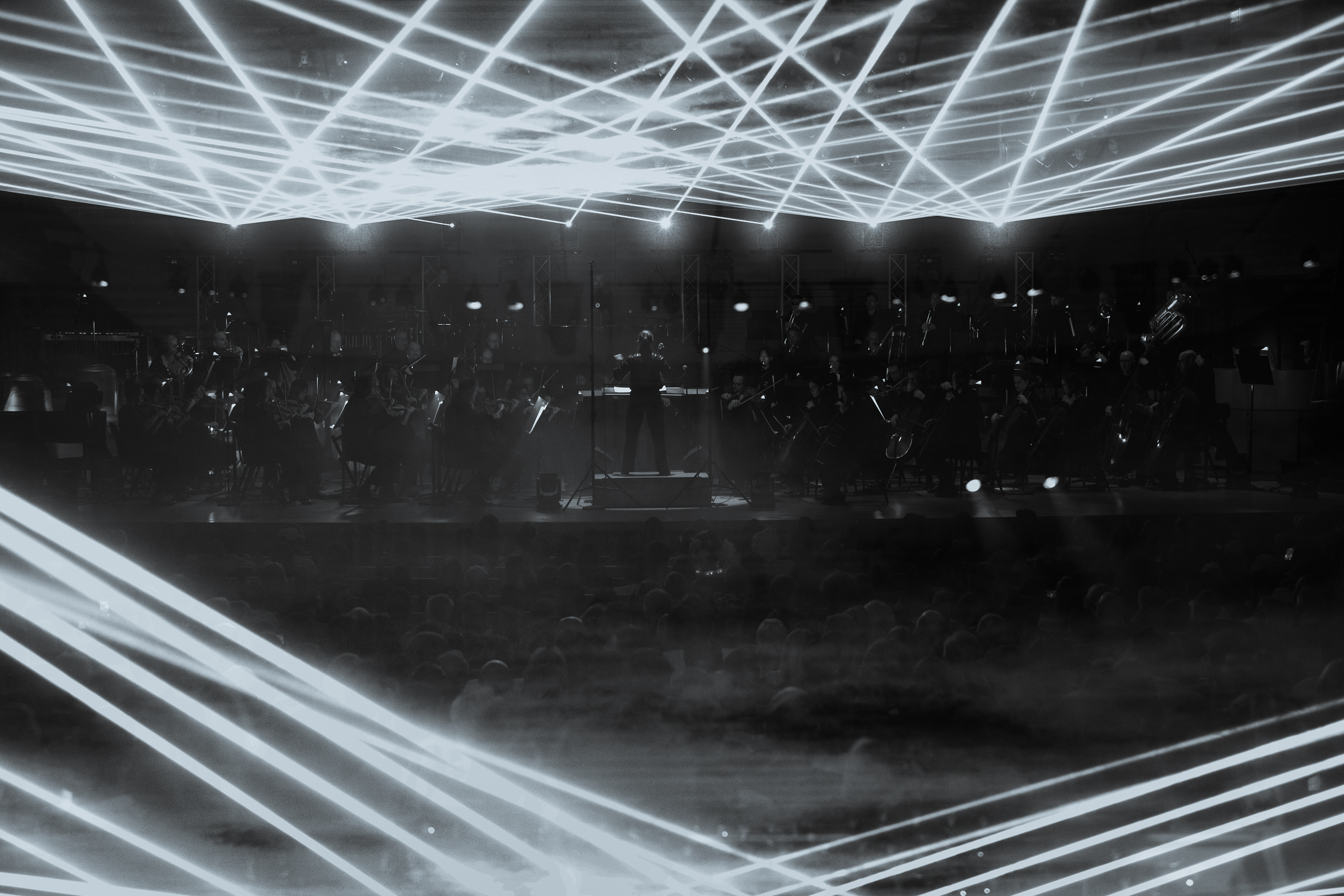
For an uninterrupted hour and a half, the program ran through Apashe’s classics: “Distance,” “Majesty,” “Catch Me” and, yes, “Revenge of the Orchestra.” (Has a title ever been more fitting? Here, the orchestra finally got its revenge). The vocalists could hardly be more different from one another. Geoffroy drew the reaction of the night, while Alina Pash delivered its striking moment. Introduced with “Résilience”: air-raid sirens sounded as Alina Pash entered from the back of the parterre, accompanied by young girls carrying lights. She spoke to the crowd about the current reality in Ukraine. She then performed an acoustic-electronic version of “Kyiv,” carried by powerful women’s voices.
Rather than move straight into his Mozart-inspired hits, Apashe first turned to “Lord & Master,” from Renaissance, one of his two orchestral albums. The track quietly echoes “Herr, unser Herrscher,” the opening chorus of Bach’s St. John Passion. Only then came “Lacrimosa” and “Dies Irae,” both drawn from Mozart’s Requiem. Wasiu closed the night with “Majesty,” its orchestration nodding to the Requiem’s “Rex tremendae,” and the Mozart thread came full circle on the final chord.
Is it a bit of a soup, mixing this many artists and styles in one program? Absolutely. But isn’t that what art has always done: borrow, blend, and make something new out of raw emotions and talent.
If the evening had one tension, it was physical. The Maison symphonique is built to be enjoyed seated. Heads bobbed through every row, and a restlessness ran through the audience. It was that unmistakable itch to get up and move. Since these are tracks written for bodies in motion, a few of them begged for a dance floor the hall simply does not offer. It forces you to listen with your soul, instead of your body.
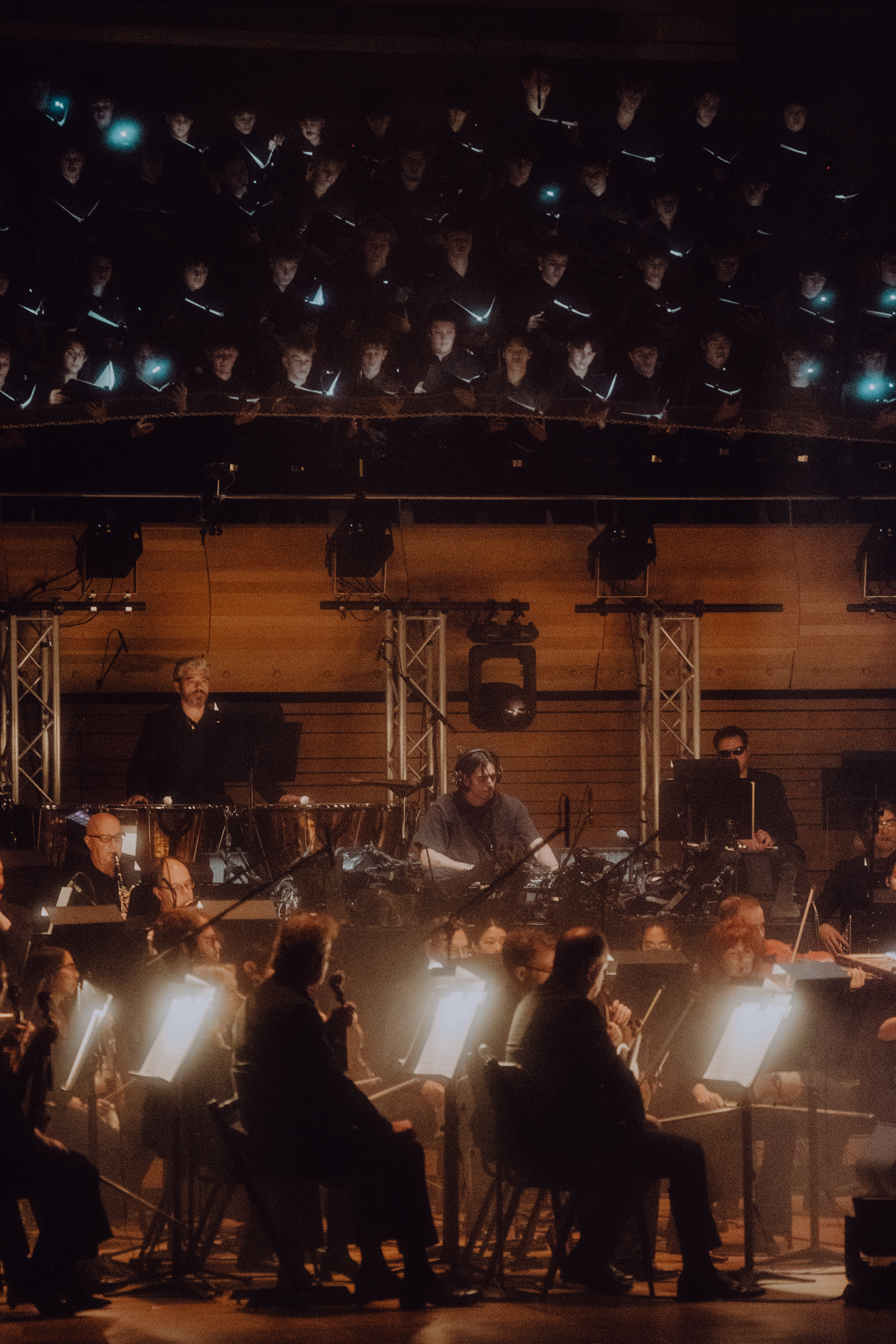
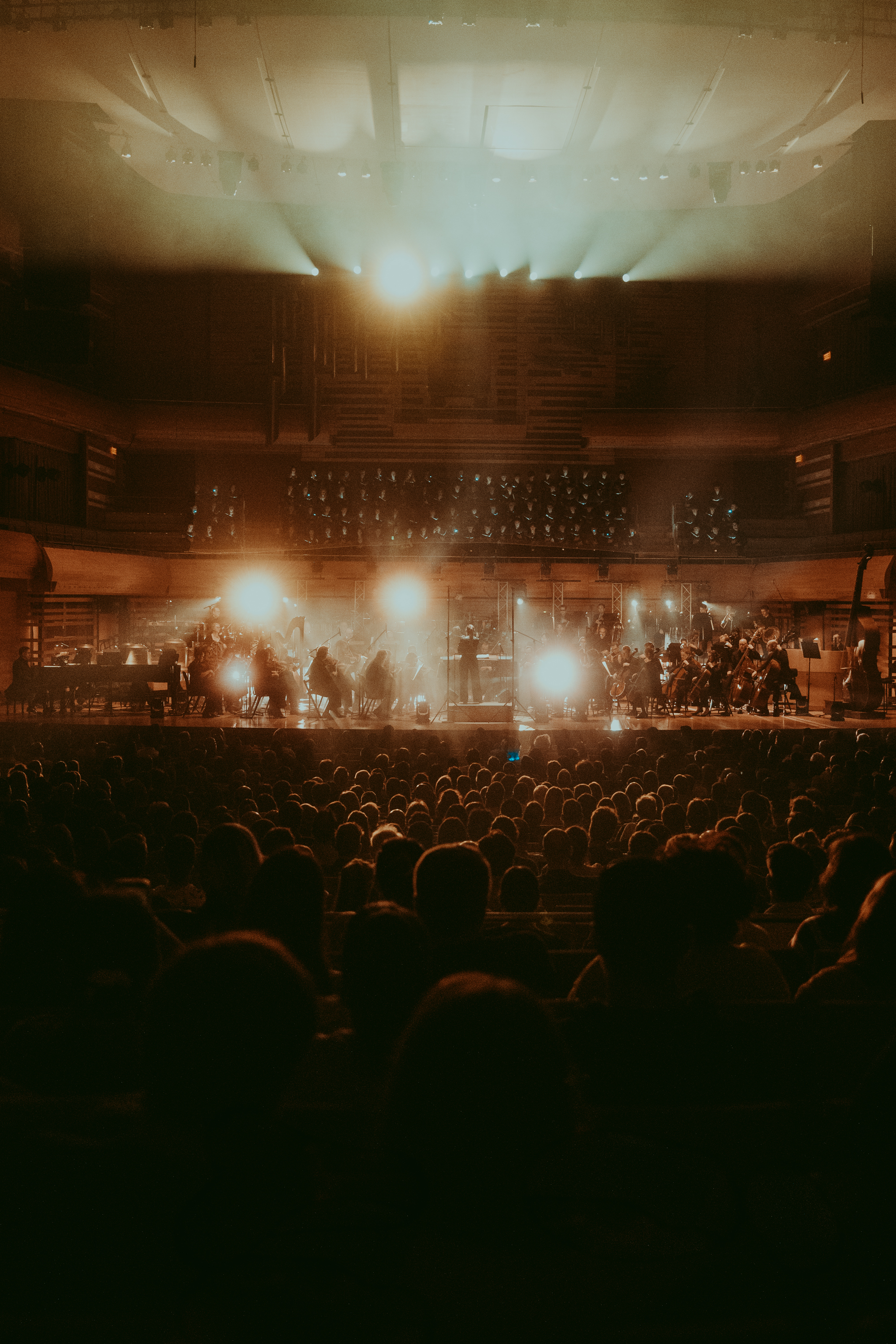
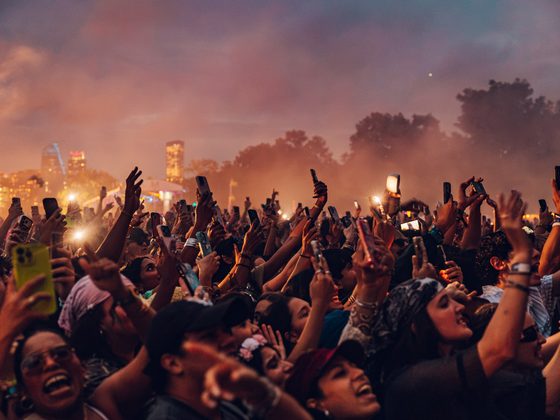
The crowd itself was notably diverse, with many spectators arriving in groups of friends. Younger listeners appeared to have come expecting something more electronic, while symphony regulars needed a few songs to adjust to the genre. The gap narrowed as the night went on. Several young concertgoers described the show as original and said they would return if given the chance. One couple, who said they had attended at least 50 concerts this year, called it the best of them all. She had cried throughout the performance.
Fans of Apashe will hear his music with its skin peeled back, while classical regulars will hear their orchestra speaking a new language fluently. And in its diversity, both will get a feast for the ears. What lingered was how little stood between the music and its audience. There were no screens and no pyrotechnics, just an orchestra, a choir, a handful of singers on stage and a producer in the shadows playing and listening along with everyone else. For a first collaboration at la Maison Symphonique, it set a high bar, and Montreal will be eager to hear where it goes next.
Words by Sarah-Eve Leduc
Photos by Nadia Davoli