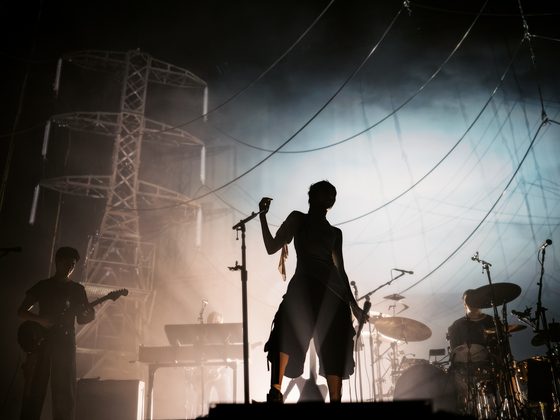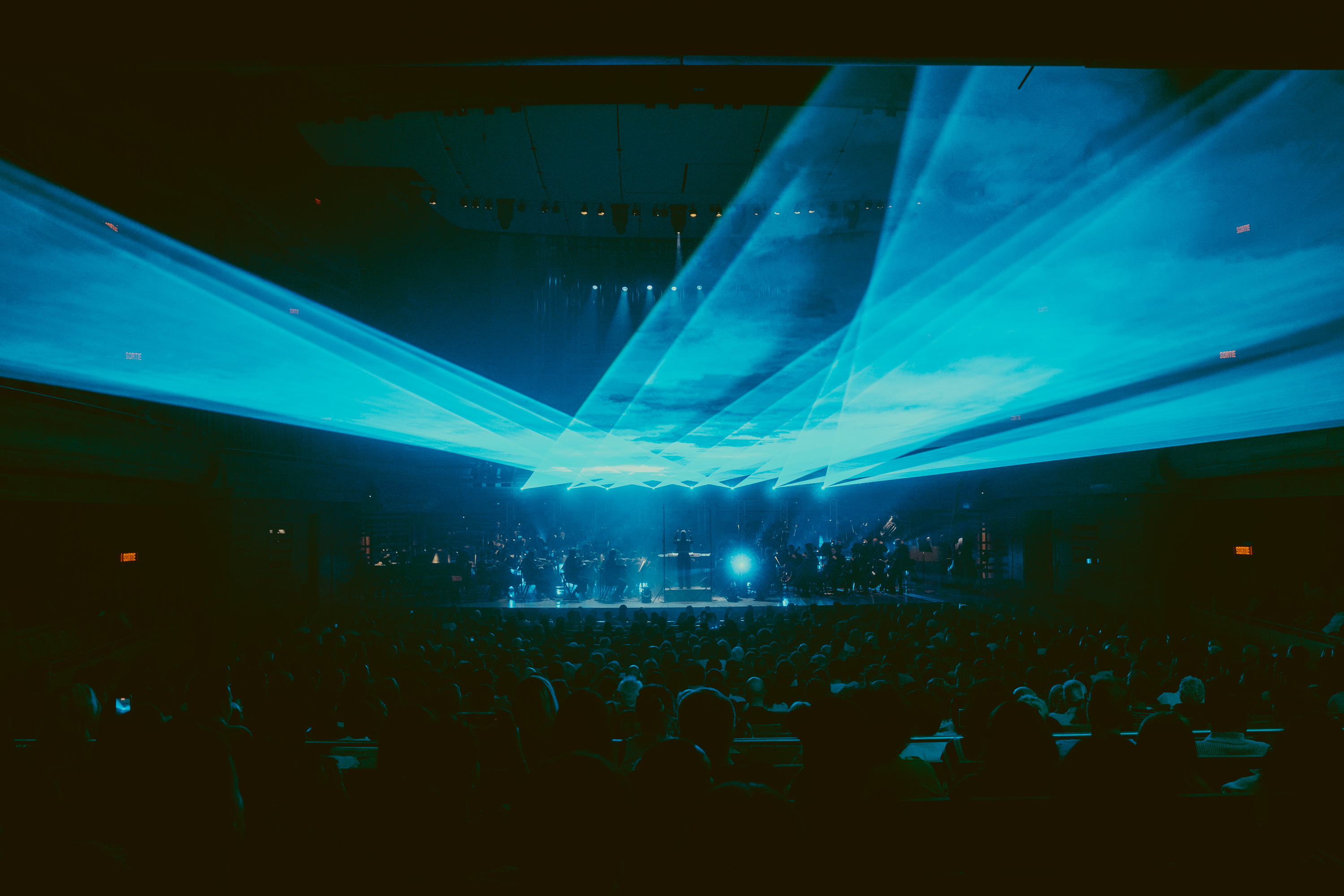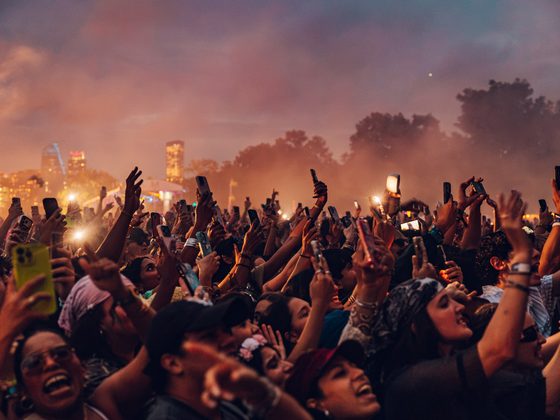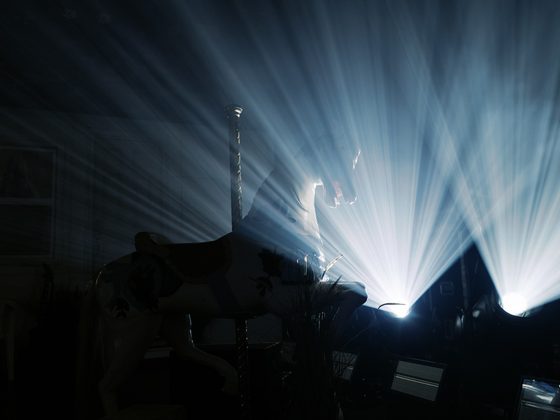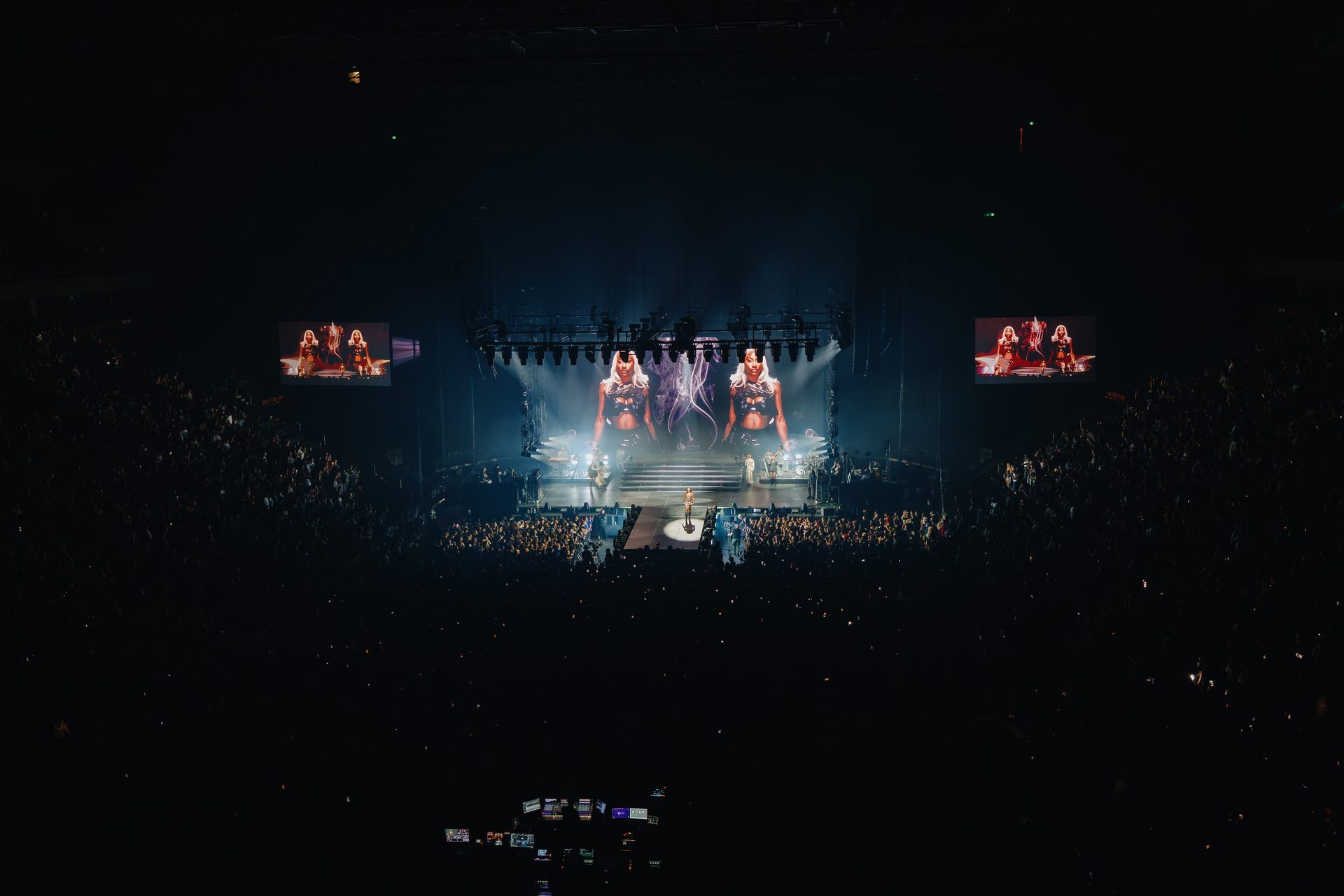
Fresh off the release of Destinée Supremacy, Aya Nakamura set the Montreal Bell Center alight on October 24th.
After six years of anticipation and two circumstantially cancelled appearances in Montreal, her sold out North American stop marked her first recorded performance on Canadian soil, and more broadly, the Americas. The performance was a grand sensory spectacle, melding catchy Afrobeats with an elaborate blend of R&B and dancehall choreography. By the end of the night, it was difficult to tell who was more eager to welcome the other, Nakamura or Montreal, either way it seemed that the third time was indeed the charm.
Text by Jamie Xie
Photos by Tiziano Raw
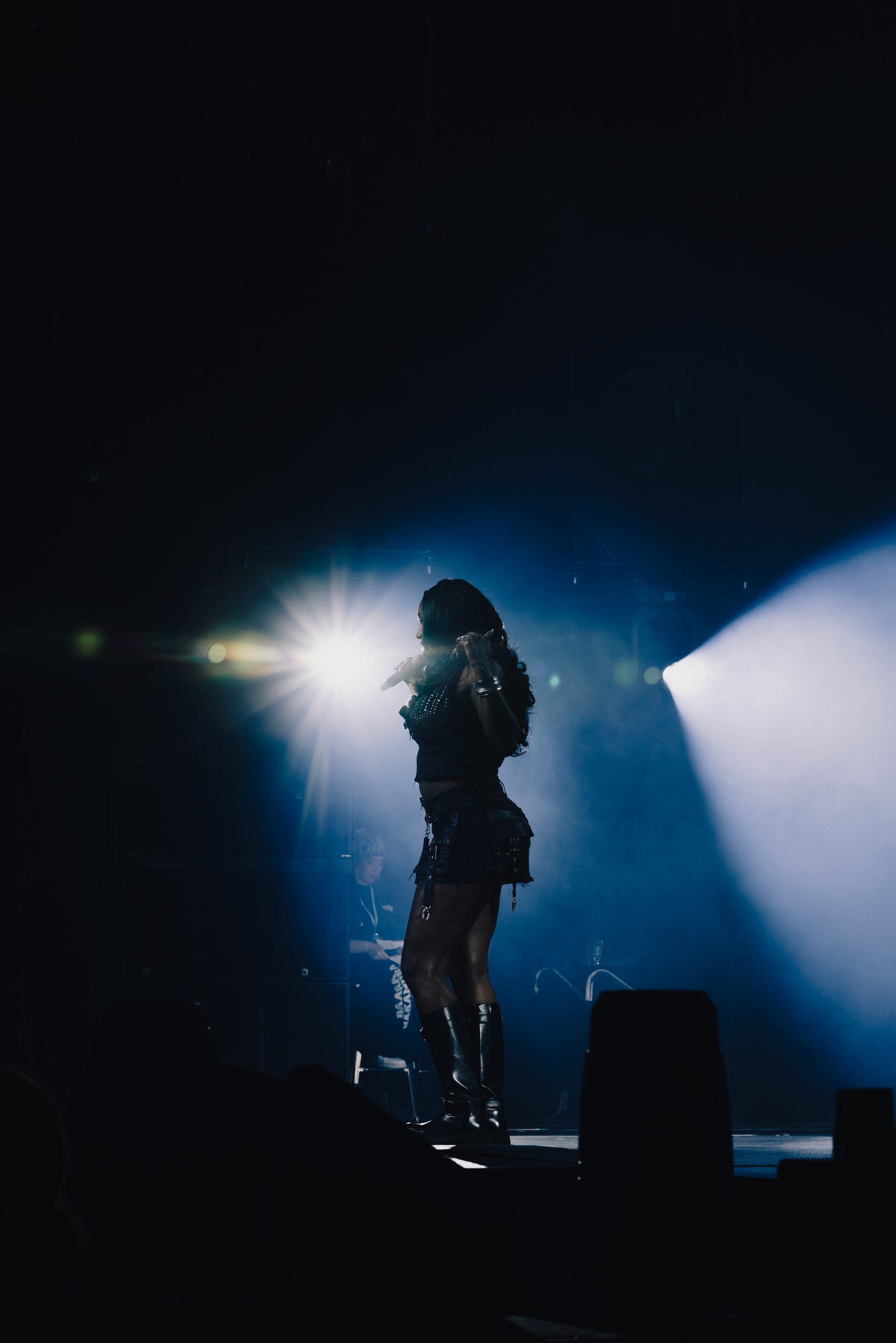
In recent memory, it is difficult to recall if there has ever been a superstar quite so warmly welcomed, by Montreal, as Aya Nakamura. After two circumstantially cancelled appearances, Nakamura had finally arrived at the Montreal Bell Center, on October 24th, to a sold out crowd that had been waiting six eager years. It was a fantastical night of Francophone euphoria, a high-production show which would mark her first recorded concert on Canadian soil—a sort of North American performance debut ritual; which presented less like a first meeting and more like an inevitable familiar reunion.
Nakamura’s ensemble cast was a vision in light and dark wash denim, evoking the greyscale tones of her cyber-chrome futurism background visuals. The international Afropop sensation, herself, donned a tailored two-piece denim bra-top, miniskirt and black knee high boots which perfectly complemented the wardrobe of the supporting dancers. Her aesthetic sprang to life in an elaborate rock style overture which featured strobe lights and intricate hiphop choreography. The concert opened with one of her earlier hits, “40%.” Nakamura moved through the show with a sense of chronology, placing songs early in her discography near the beginning of the night, and choosing to close with some of the most recent releases from the deluxe edition of Destinée. “40%” and its sister song “Baby” would set the tone for much of the rest of the concert which is a spectacular featurette of elaborate, crossgenre choreography, creative y2k futurism visuals and thoughtful up-tempo dance tracks.
Peppered throughout the night, in between the principle high valence, showstopping numbers, were sit down ballads that brought a striking counterpoint to the dance-heavy repertoire. Set to soft pink moodlighting, “Brisé” offered a captivating tender sensuality to the setlist as Nakamura serenaded the audience to the jazzy R&B tune of heartbreak. “J’ai Mal” performed with a soft strummed guitar accompaniment provided a much needed sense of vulnerability which only served to bring the audience further into Nakamura’s hot pink, chromatic fantasy. Lyrics such as “you hear me but don’t listen” and “you saw my pain […] but you did nothing to try to fix things,” spoke to Nakamura’s unique brand of authenticity, a commitment to remain true to herself even if it meant painting a portrait of romantic disillusionment. Despite projecting a teflon, empowered image, her sincerity offered insight into the interiority that is required to navigate the highs and lows of heartache which no one, not even a pop superstar, is absolved of.
Perhaps one of the most technically impressive elements of the concert was the manga-inspired music video which split the concert into two distinct acts—the memory of the past and the reality of the present. Acting as a transitional halftime show, the animation featured a compilation of Nakamura’s greatest hits set against beautiful hand-drawn visuals that would trace her journey from musical beginnings as a child, to a humble indie singer, and finally to an international superstar capable of selling out the Bell Centre. The brief musical interlude allowed the audience to reflect on the time they had spent with Nakamura over the last twelve years of her career; a guided walk down memory lane and reminder of everything that had led up to this momentous concert. It would be an understatement to say that the fans were in love at first sight. The elaborate interlude felt like the culmination of years of artistic evolution, bringing together the choreography, animation, music, and visual language that have helped shape Nakamura into the household name she is today. Through this passion project, Nakamura curated a sense of musical continuity, connecting the artist she once was with the superstar standing before the Bell Centre crowd. Rather than simply looking back at her career, the interlude made a compelling case for her legacy—one still very much in the making.
It is perhaps fitting that the concert should close out with a music representative of her current future direction. Playing fan favourites “Djadja” and “Pookie,” Nakamura returned to two of the songs that helped cement her reputation for turning betrayal and gossip into something playful and self-assured. “Djadja,” her sharp dismissal of a man spreading false rumours about her, and “Pookie,” her equally unbothered response to someone betraying her trust, both captured the laidback confidence that has since become synonymous with Nakamura’s music. “Sexy Nana,” the closing act of the concert, felt like a homecoming as Nakamura sang on embracing flirtation and desirability on her own terms.
After six years of waiting, Nakamura and all her fans had, for one night, found their way homeward bound to Montreal. There could hardly have been a more fitting welcome for a hometown hero; the Bell Centre made a perfect home away from home.