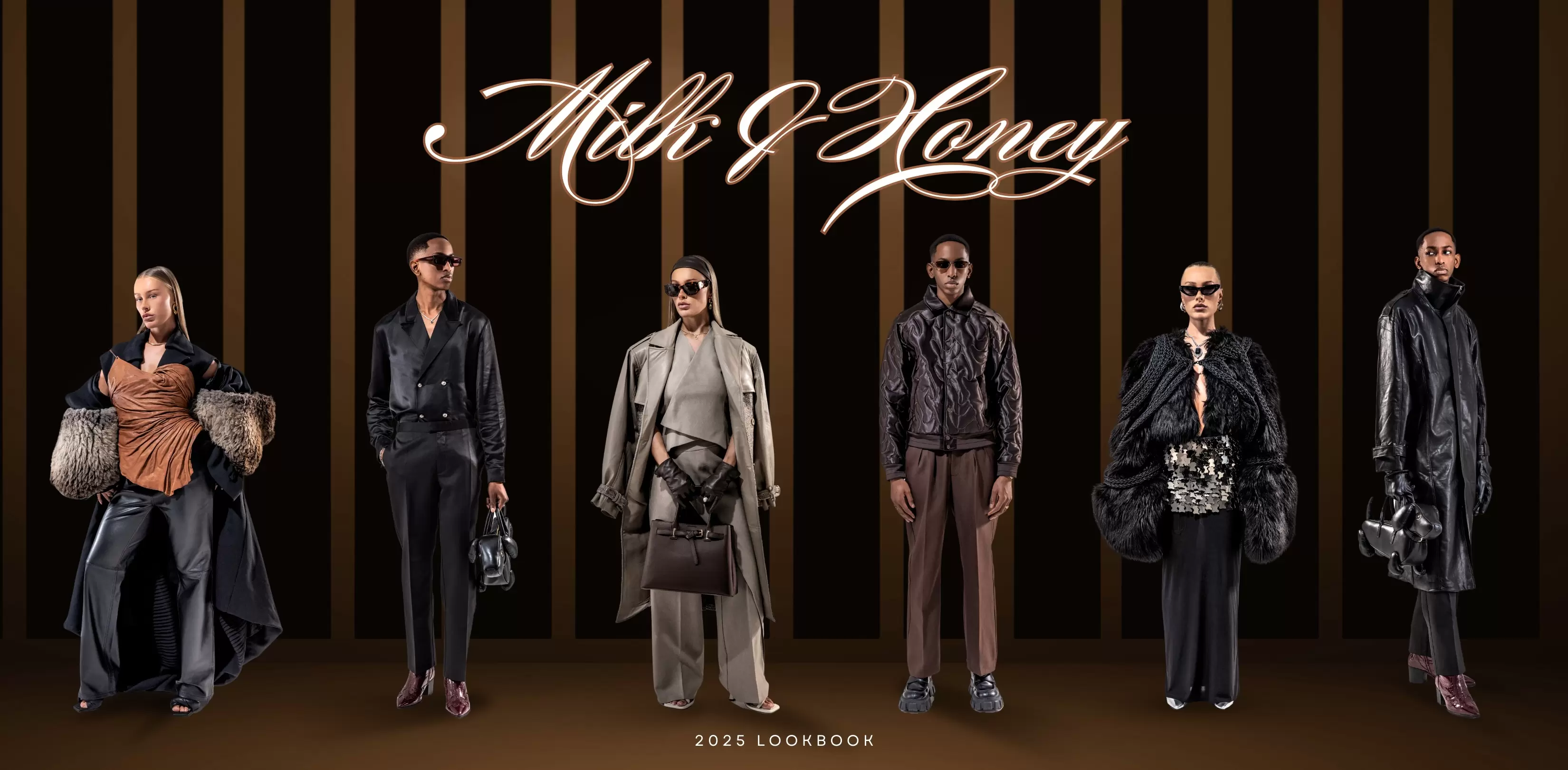
In a world of excess, can restraint become the ultimate luxury? Amidst an algorithm-driven digital landscape saturated with endless ‘must-haves,’ embracing quality over quantity feels more radical than ever. As society shifts towards thoughtful consumption, the fashion industry is undergoing a quiet revolution.
Quiet luxury, also known as silent luxury, is the art of restraint. It’s the pinnacle of new-age minimalism and the embodiment of ‘stealth wealth.’ It represents a value system that is not performative, but effortless. Refined and understated, yet rich in craftsmanship. Timeless in essence and perfected through impeccable tailoring, it is defined by an appreciation for detail and devoid of loud logos.It’s the ultimate form of self-assured elegance: one that does not seek to be seen but refuses to be ignored. While it may appear as a novel response to the maximalism of previous decades, this shift marks a return to fashion’s foundational values: craftsmanship, sustainability, heritage and timelessness. This new wave challenges us to reconsider luxury itself, not as something to be owned, but something to be felt.
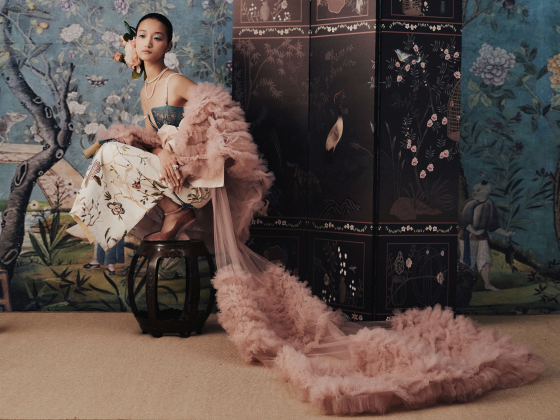
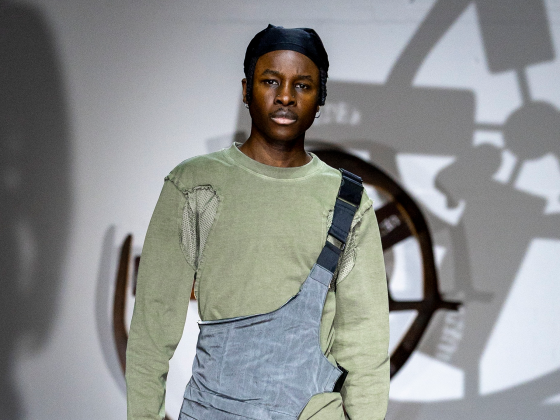
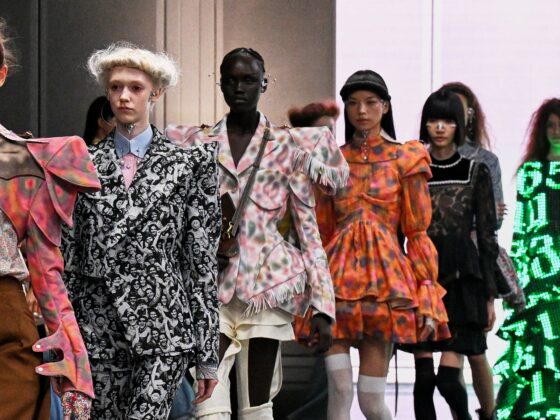
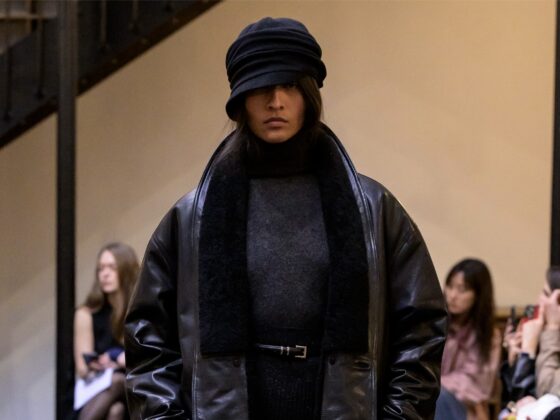
The Spring/Summer 2025 runways erupted in a symphony of bold silhouettes, rich textures, and theatrical embellishments from brands like Saint Laurent, Alexander McQueen, and Schiaparelli. While designers revel in opulence, a quieter revolution is underway. Consumers are now rewriting the rules of luxury. A new generation of buyers is moving beyond statement pieces, embracing an aesthetic rooted in discretion and longevity. Nowhere is this shift more evident than in Asia’s younger class of high-net-worth individuals, where quiet luxury is not just a preference but a statement of discernment. By 2030, Millennials and Gen Z are expected to command the majority of luxury spending, and their appetite for authenticity and sustainability suggests that quiet luxury isn’t fading. It’s simply evolving.
In an industry historically dictated by excess, the real shift isn’t on the runway. It’s in the values shaping tomorrow’s fashion. More than a design pivot, quiet luxury reflects a transformation in consumer priorities. Luxury is no longer about status-laden branding or short-lived trends. It’s now about substance, permanence, and story. A 2023 McKinsey report revealed that nearly 50% of Millennials and Gen Z are willing to pay more for environmentally conscious goods. Even across all demographics, over a quarter of consumers now prioritize ethical production. This is not just a trend. It’s a cultural reckoning.
This is not the first time fashion has embraced restraint. The post-war austerity of the 1940s saw the rise of structured yet understated silhouettes, championed by Christian Dior’s ‘New Look’. The 1990s saw another recalibration, with Phoebe Philo’s Céline and Jil Sander redefining luxury through clean lines and a muted palette, a reaction to the logo-heavy opulence of the 1980s. Quiet
luxury has always emerged in moments of cultural and economic change, offering a sense of stability and endurance in contrast to uncertainty.
“Quiet luxury has always emerged in moments of cultural and economic change, offering a sense of stability and endurance in contrast to uncertainty.”
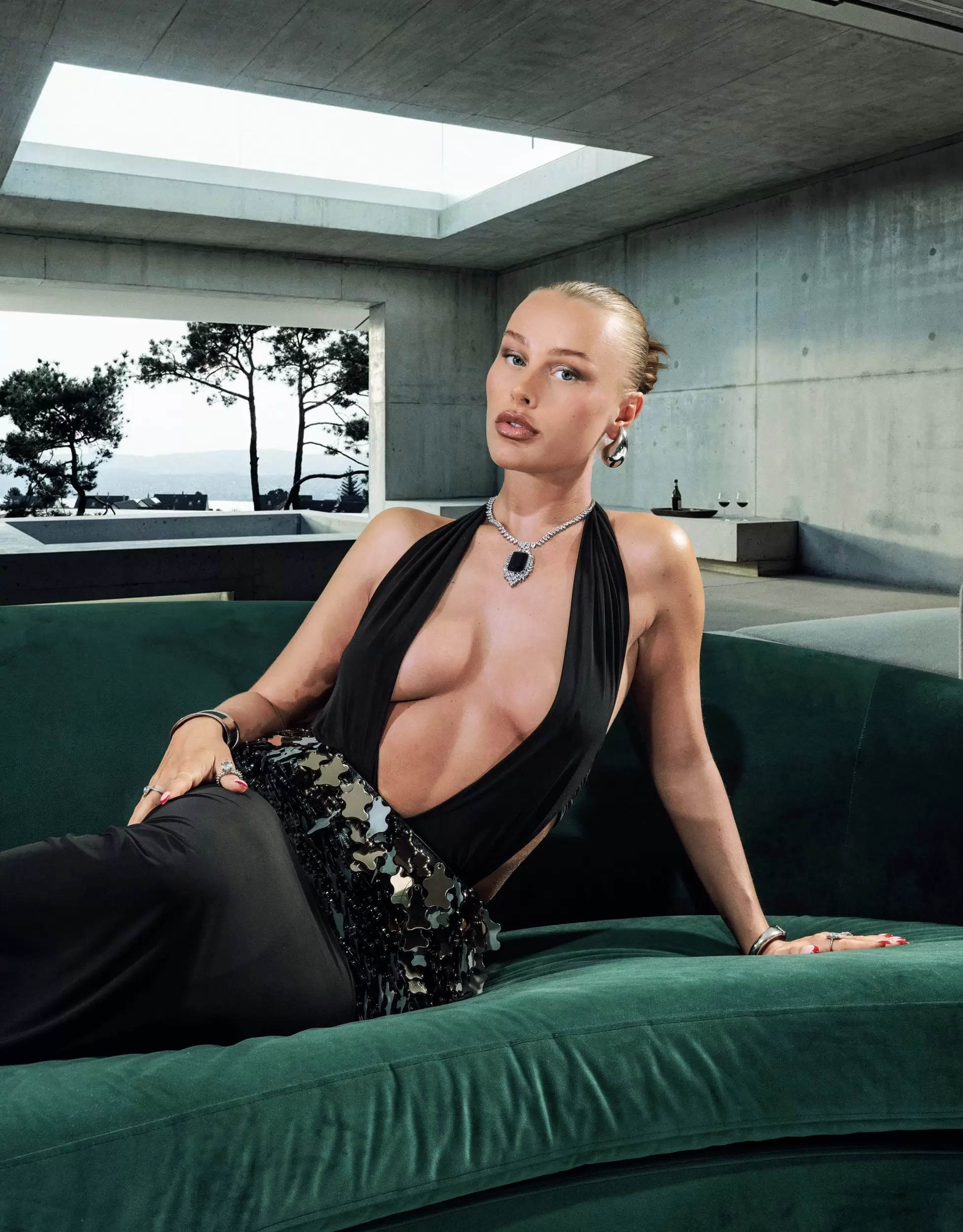
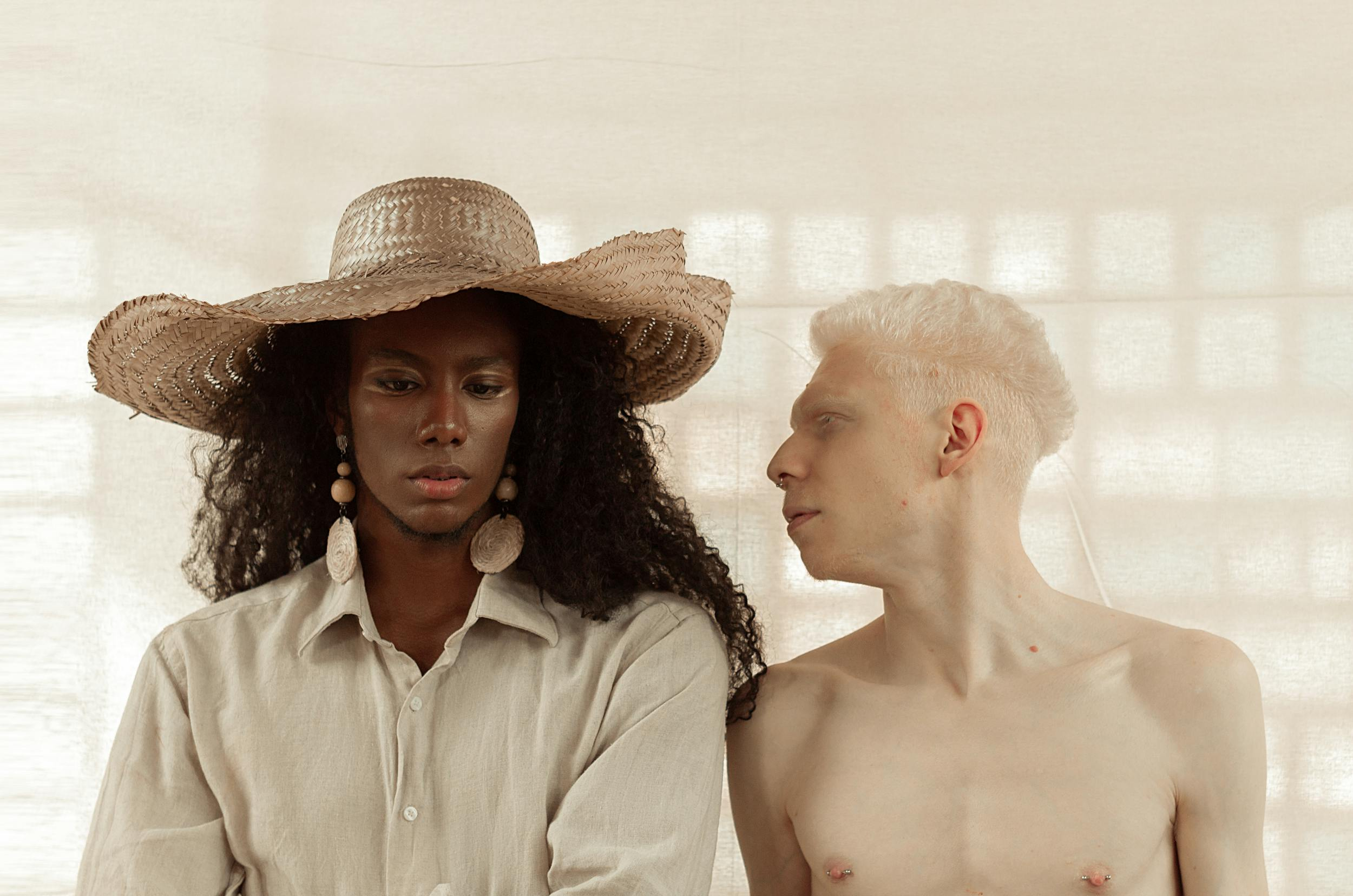
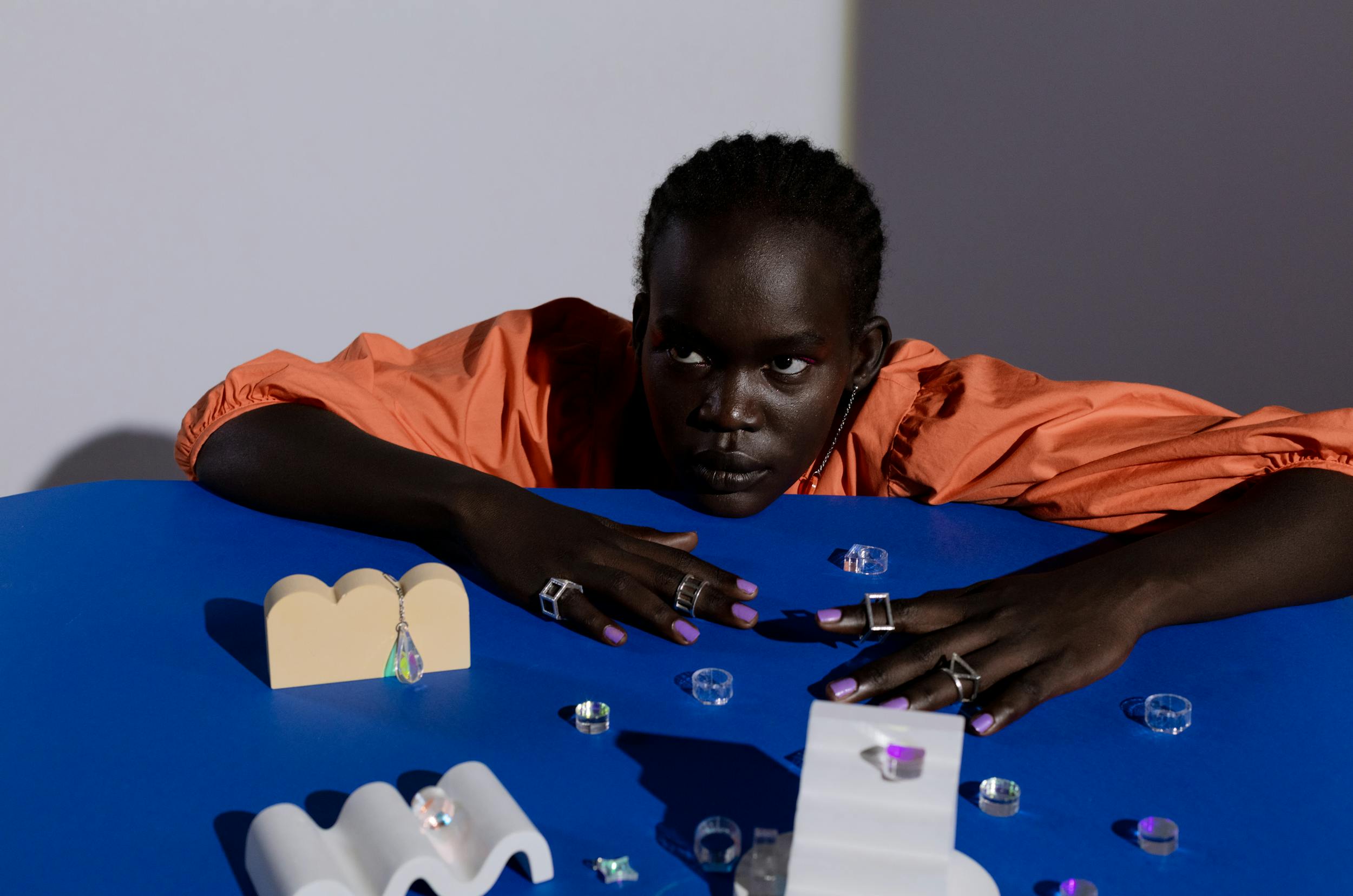
This philosophy finds a striking visual expression in Milk and Honey, an editorial crafted by British-Nigerian art director and producer Teniola Akinola. Drawing on the enduring elegance of Tom Ford, the editorial distills the essence of quiet luxury through sculptural compositions and garments that command attention. Akinola describes Milk and Honey as a demonstration that “simplicity, when thoughtfully curated, can be just as visually arresting and impactful as maximalism,” offering an understated yet deeply compelling statement on fashion’s evolving landscape.
For years, maximalism has dominated fashion’s visual language, with loud prints, clashing textures, and embellishments vying for attention. But Milk and Honey proves that restraint can be just as powerful. Could the tide be turning? Runways, retail spaces, and consumer habits all point to a fundamental shift in how luxury is defined, signalling that change is well underway. As quiet luxury gains momentum, the editorial’s visual storytelling embraces the minimalist ethos that less is more. By stripping away the distractions of loud logos, the fabric and cut become the defining elements of the editorial. Every detail, the way the silk shifts under light, the weight of wool draping with intent is captured through Frederick Wilkinson’s lens, evoking the craftsmanship of a bygone era. Set against minimalist backdrops crafted using CGI by Wilkinson, the designs exude effortless refinement, where every stitch speaks in hushed tones of artistry. It’s a quiet but powerful nod to the enduring beauty of restraint.
“Simplicity, when thoughtfully curated, can be just as visually arresting and impactful as maximalism.”
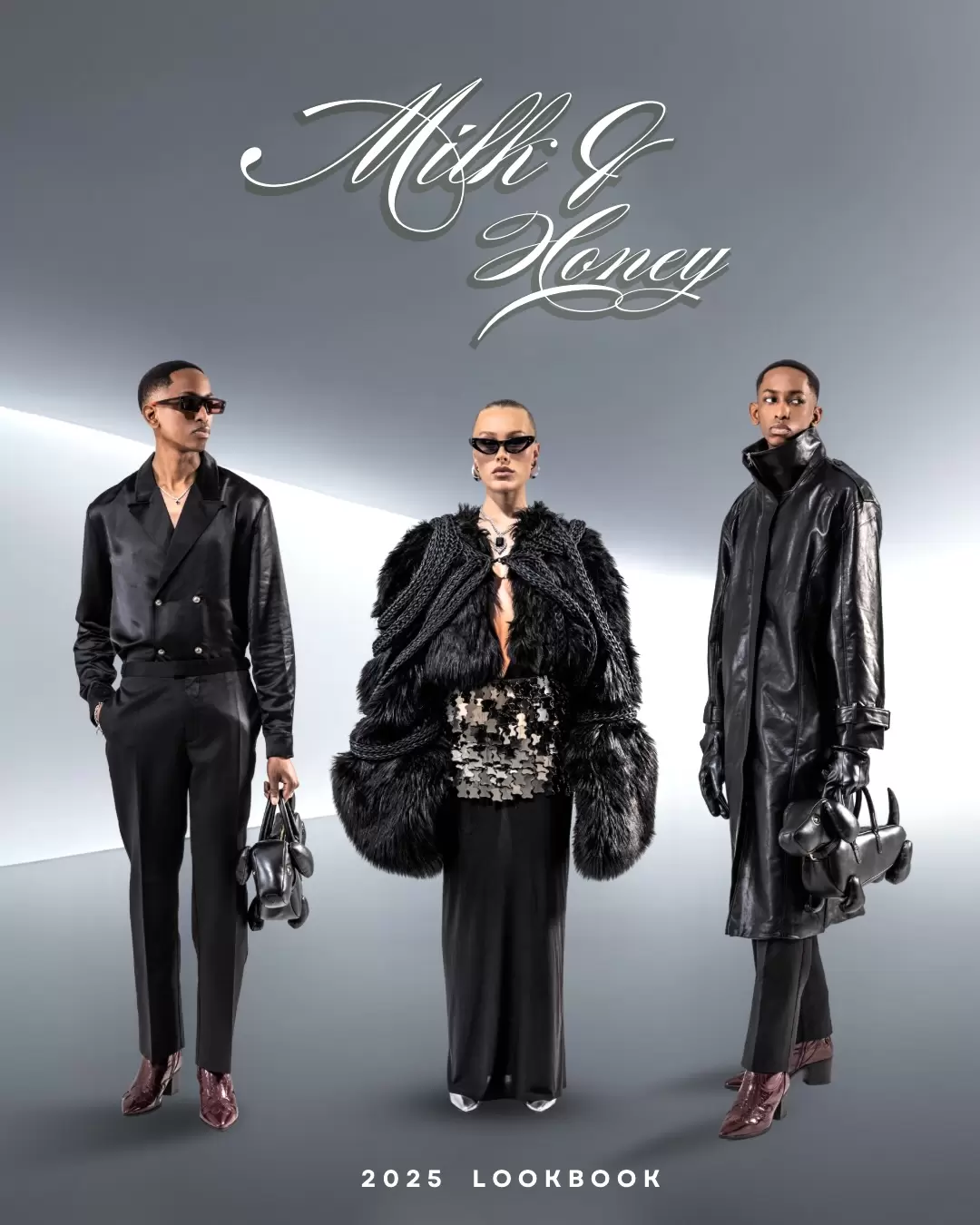
‘Milk and Honey’ can be seen as an ode to the minimalist movement, the restrained styling and considered compositions echo the principles of quiet luxury. Drawing on the metaphorical interplay of milk; the softness of layered textures and muted palettes symbolising abundance ( and honey )the boldness of sculptural poses and rich brown tones. These elements create a visual dialogue that celebrates new-age minimalism. More than a meditation on aesthetic restraint ‘Milk and Honey’ is a manifesto for intentional design, serving as a powerful visual parallel to this shift. Featuring emerging designers Tulasi Parmar, Molly Kathryn, Cayley Cochrane and Leyla Uysal, and established names like Reece Wabara’s Manière De Voir and Adam John Ward’s Phix Clothing, it showcases quiet luxury as a deeply personal human expression.
Luxury without heritage is fleeting; it is legacy that gives it lasting value. The great maisons: Hermès, Loro Piana, The Row, have long championed the ethos that luxury is a language of legacy, where garments transcend time, carrying tradition and cultural identity. Passed down like heirlooms, they hold stories within their stitches. In an age where fashion cycles move at neck-breaking speed, quiet luxury forces a pause, valuing heritage as a marker of authenticity. Yet heritage isn’t the exclusive domain of storied
fashion houses. New waves of designers are reclaiming tradition and preserving artisanal techniques while rewriting the narrative. Among them is Tulasi Parmar, whose Kenyan-Indian roots thread through her work. Her tailored silhouettes tell stories of migration, resilience, and cultural duality…proof that heritage isn’t static but constantly evolving. This interplay between preservation and reinvention mirrors quiet luxury’s ethos: honouring the past while making it relevant for today.
“Heritage isn’t just about looking back, it’s about shaping the future.”
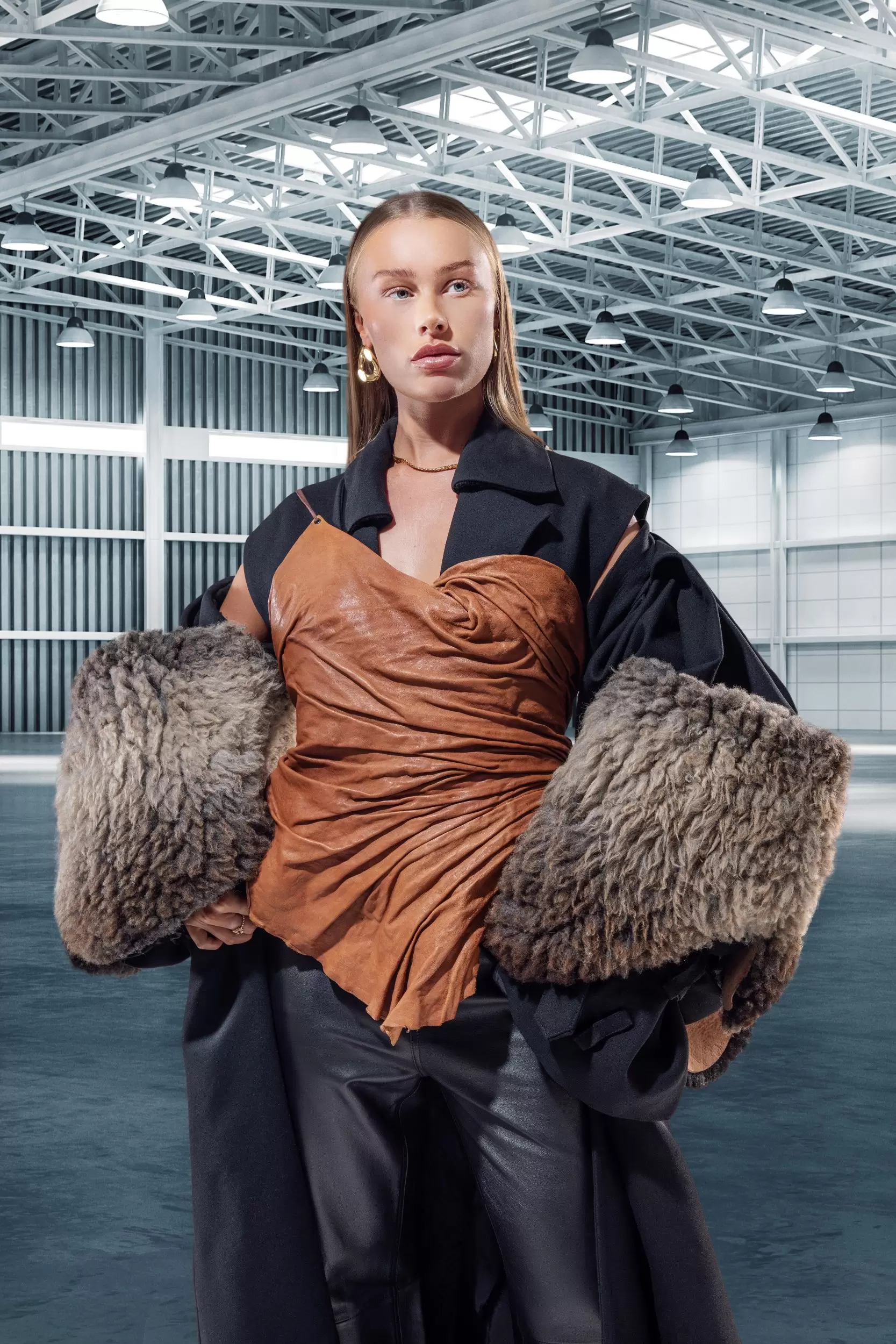
Once a symbol of exclusivity, quiet luxury now leads a new era, one where masterful craftsmanship converges with a commitment to eco-conscious luxury. Today’s luxury buyers are drawn to pieces that embody both timeless appeal and ethical integrity, reflecting a broader shift toward conscious consumption. A report by Bain & Company reveals that 65% of consumers now prioritise sustainability, marking a decisive shift in luxury’s core values. As this movement gains momentum, brands are racing to adapt to this trend. But can refinement and social responsibility truly coexist, or are we witnessing a complete redefinition of luxury itself?
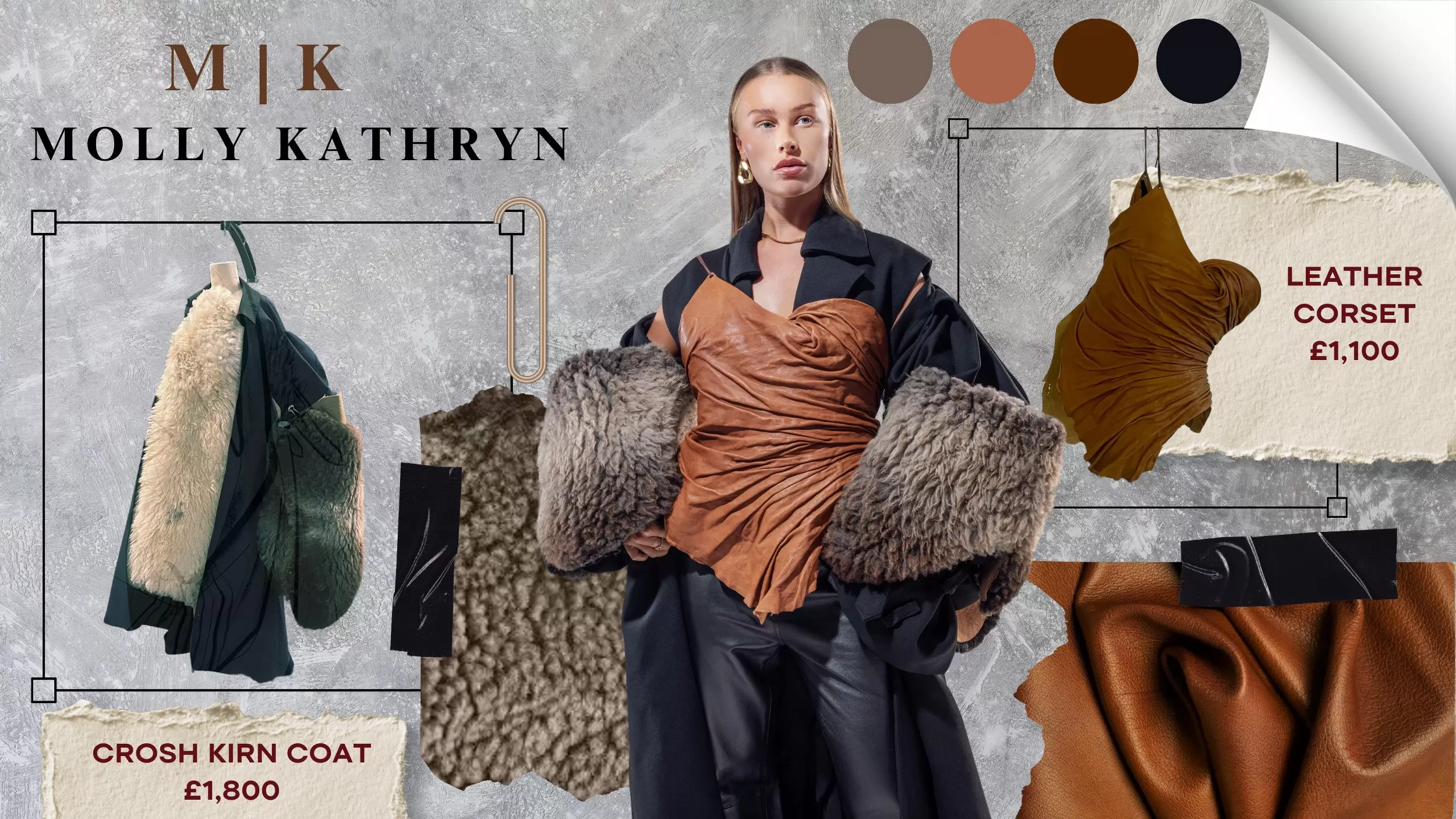
As sustainability takes centre stage, designers are redefining luxury by merging tradition with responsibility. The same principles that define heirloom-quality garments, meticulous craftsmanship, longevity, and material appreciation — now guide fashion’s response to environmental concerns.
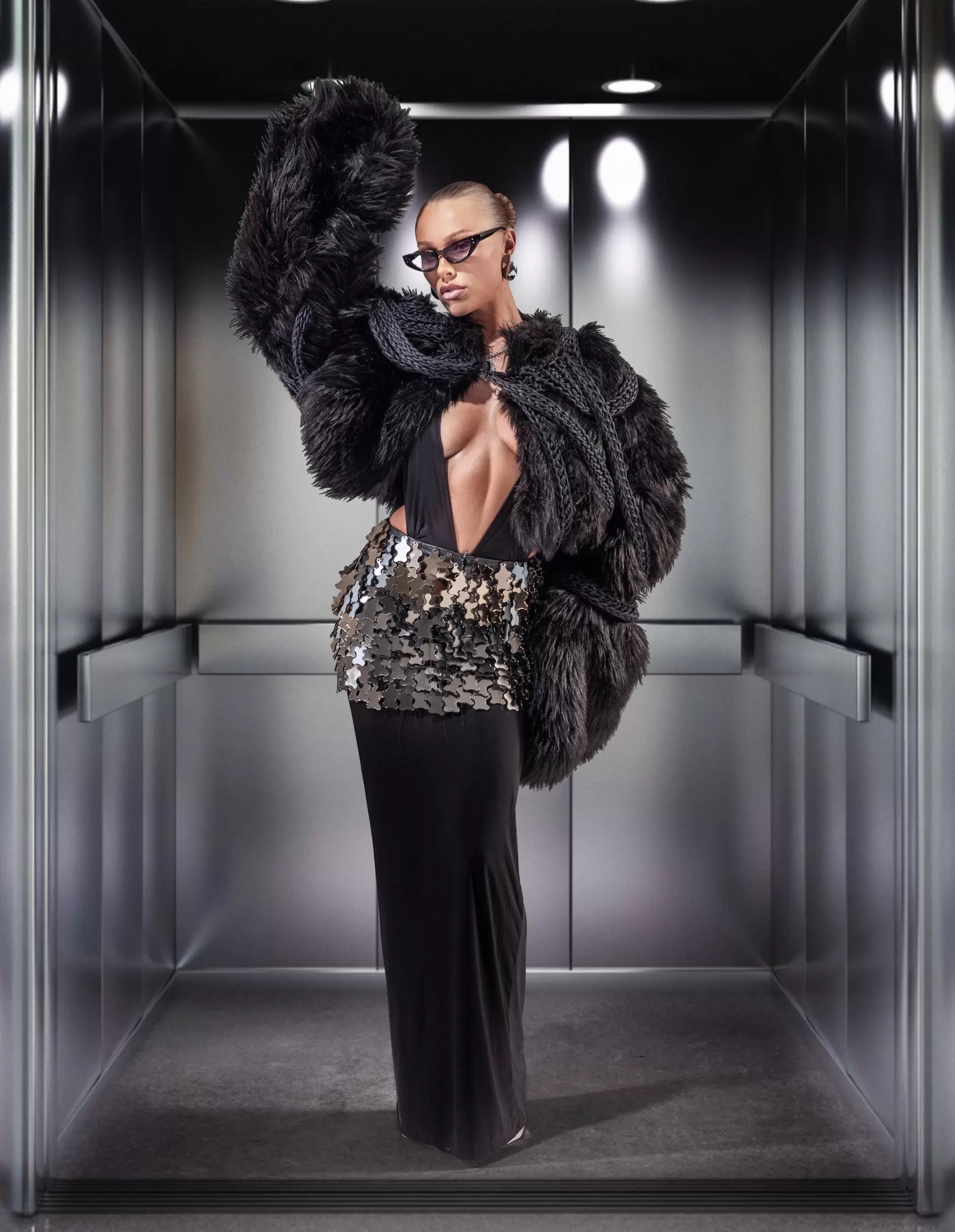
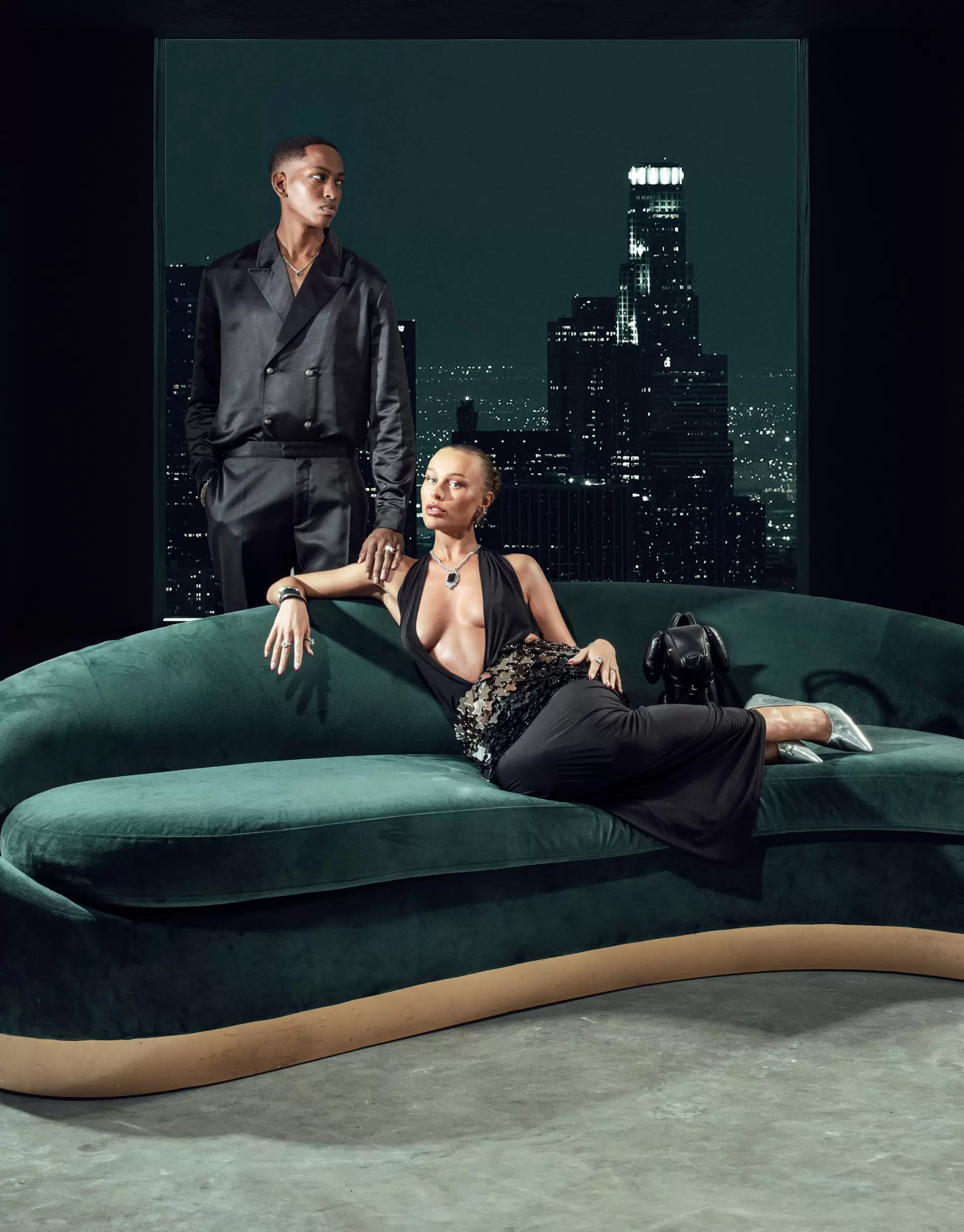
Across the industry, brands like Stella McCartney, Gucci, and Prada are pioneering the shift, weaving eco-conscious materials and ethical craftsmanship into their designs. Independent designer Molly Kathryn further cements this movement with tactile and intentional compositions in her designs. Through partnerships with local tanneries and abattoirs, Kathryn redefines luxury as a profound dialogue between the creator, the material, and the wearer. In one of ‘Milk and Honey’s’ most compelling images, model Cait Wightman is draped in a sculptural jacket layered with a rich vegan leather corset. For Kathryn, fabric is more than texture; it’s a narrative. “Fabric tells a story before you even touch it,” she reflects. This convergence of quiet luxury and responsible production marks a profound transformation in both consumer values and industry practices. Reinforcing this shift, designers are increasingly demonstrating that a deeper narrative is being told through fabric, proof that the future of fashion is not about grandeur, but about garments with depth, history, and purpose.
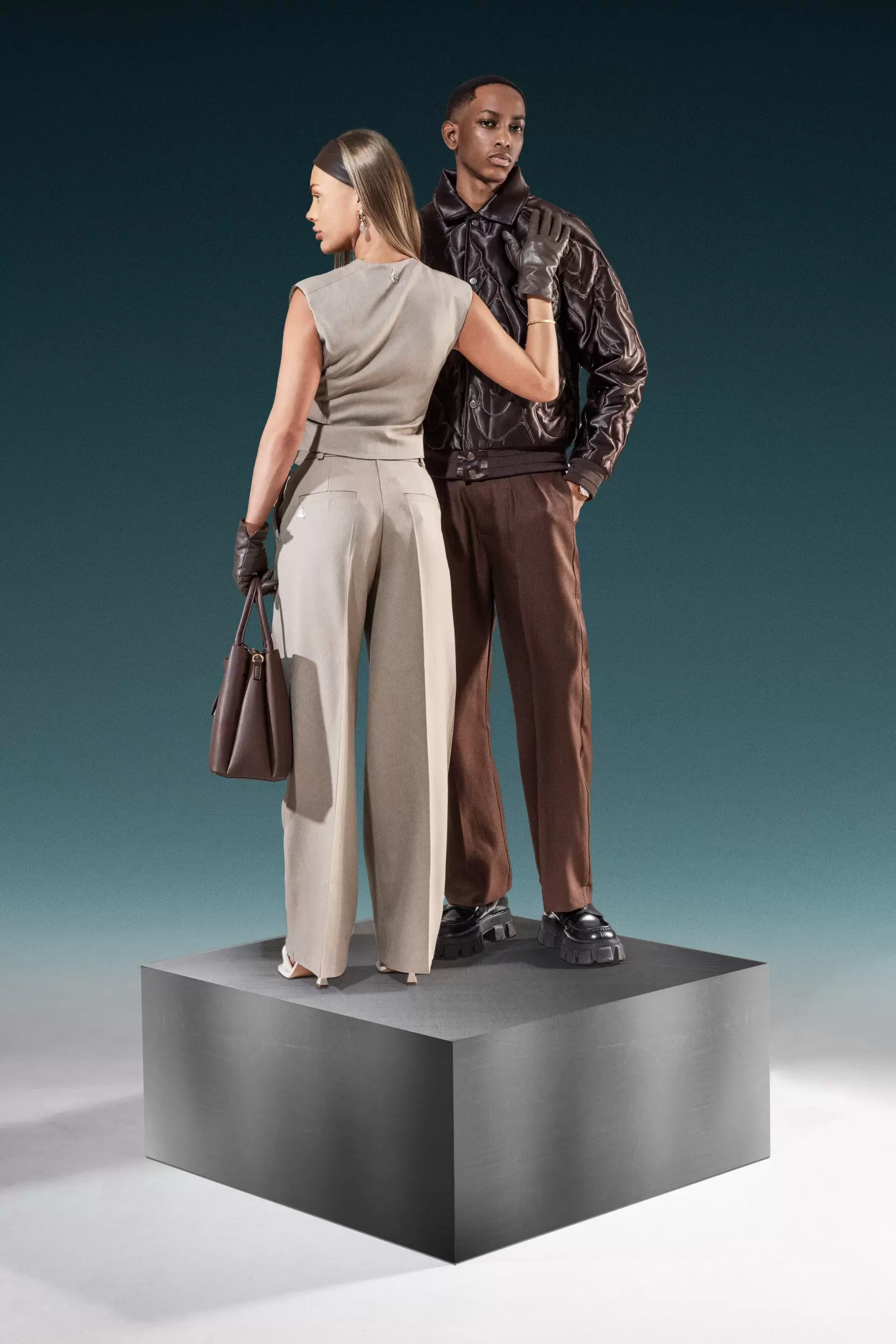
At a time of economic uncertainty, quiet luxury raises an uncomfortable question: who is it really for? The stealth-wealth aesthetic, defined by sumptuous fabrics and the absence of logo broadcasting, often comes with a hefty price tag. However, not everyone can afford a £5,000 coat. Does this mean anyone below the high-class echelon is confined to the realm of logomania, where branding is worn as a badge of aspiration? Not necessarily. Although traditionally quiet luxury has been associated with wealth and exclusivity. As the concept evolves, it’s becoming increasingly accessible across different social and economic classes.
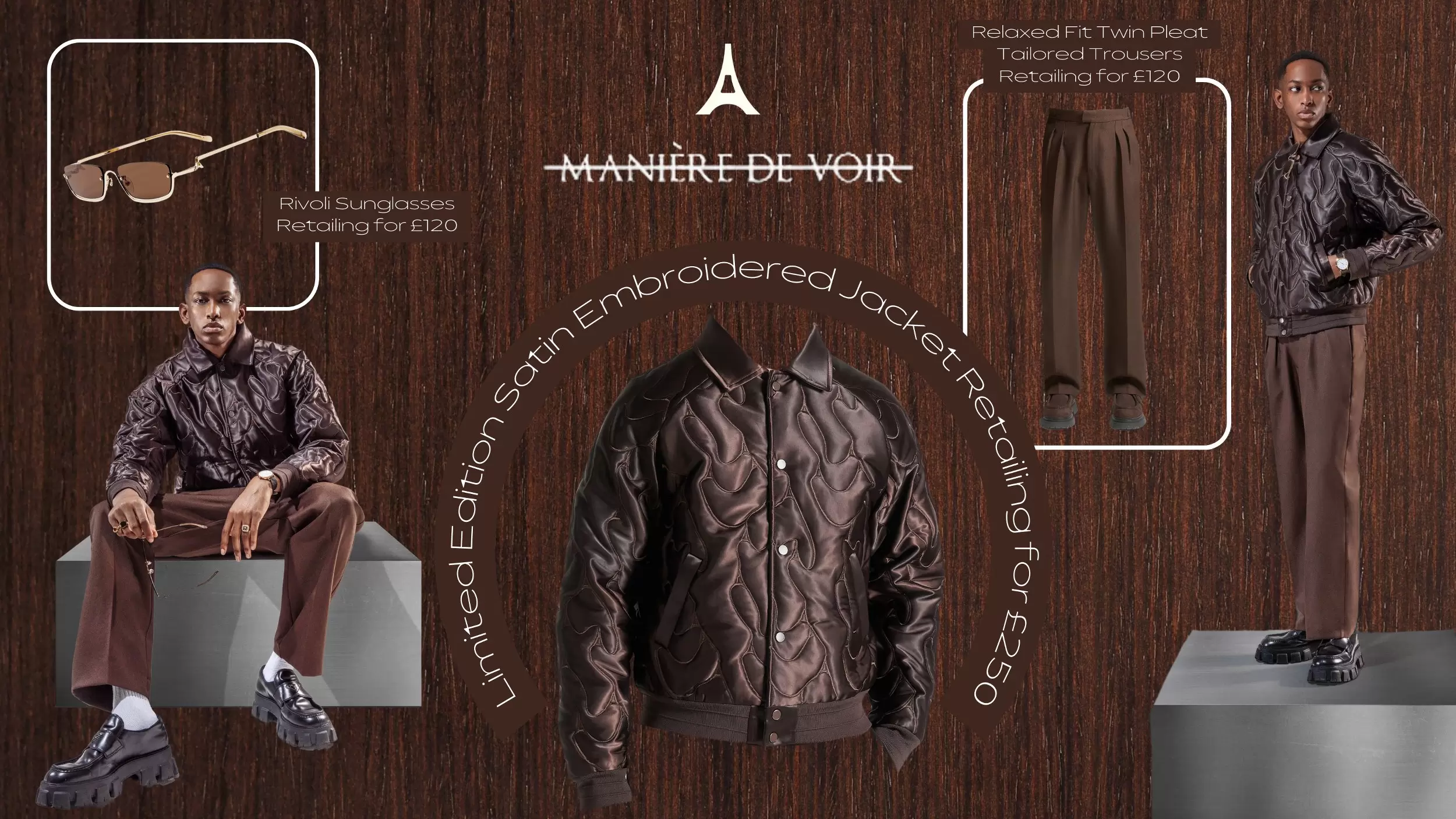
Premium contemporary brands like Manière de Voir are blurring the lines of exclusivity, proving that quiet luxury isn’t just for the ultra-wealthy. By prioritising quality, craftsmanship, and timeless design without the
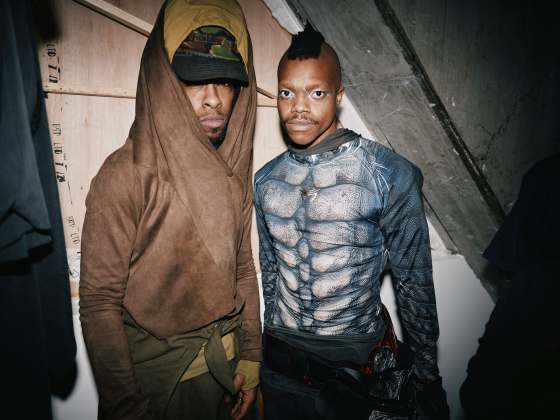
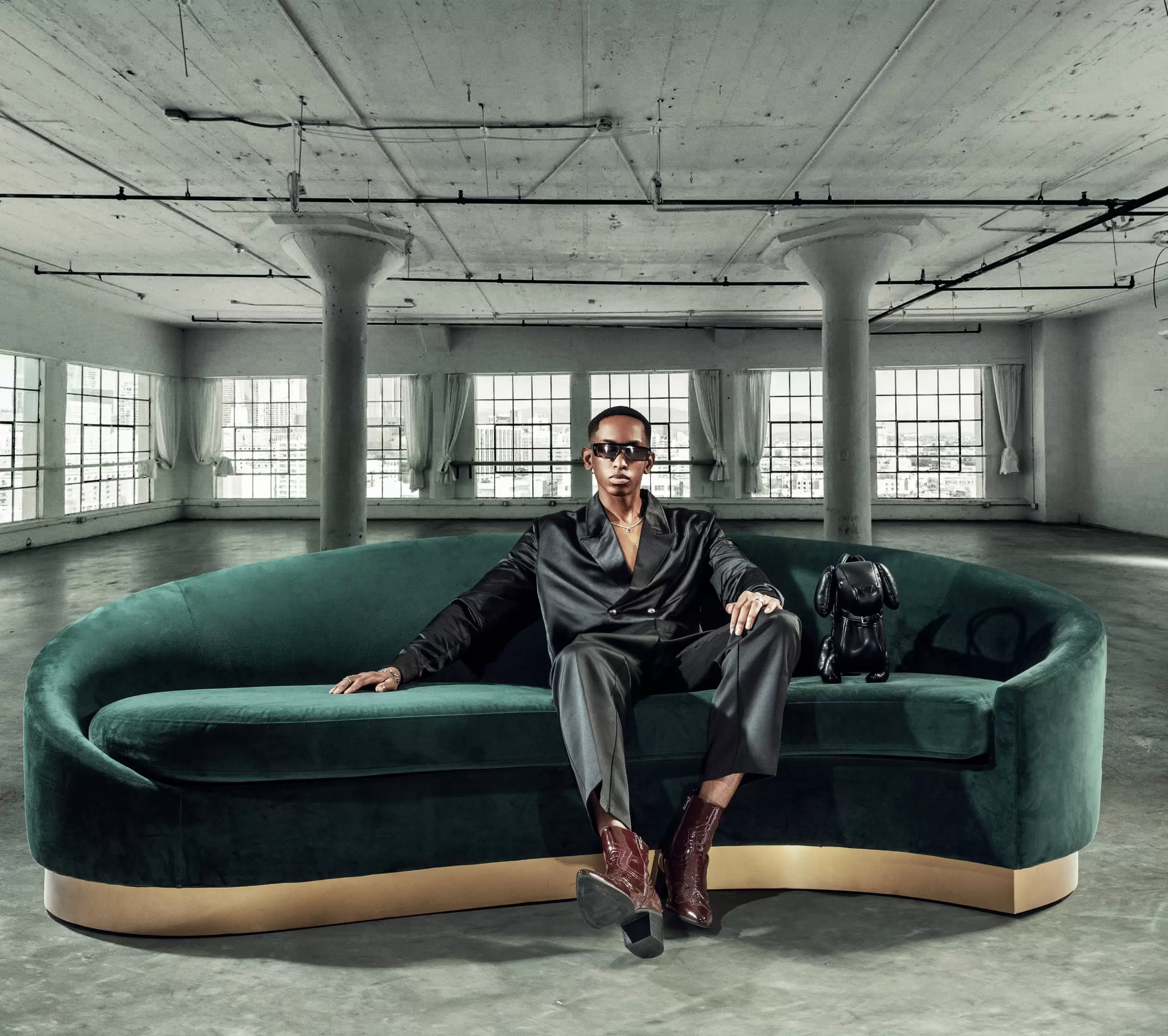
eye-watering price tags of legacy fashion houses, these brands are reshaping the narrative. In ‘Milk and Honey’, model Arif Sempala can be seen wearing Manière de Voir’s limited edition satin embroidered jacket, an opulent yet attainable statement at a modest £250.
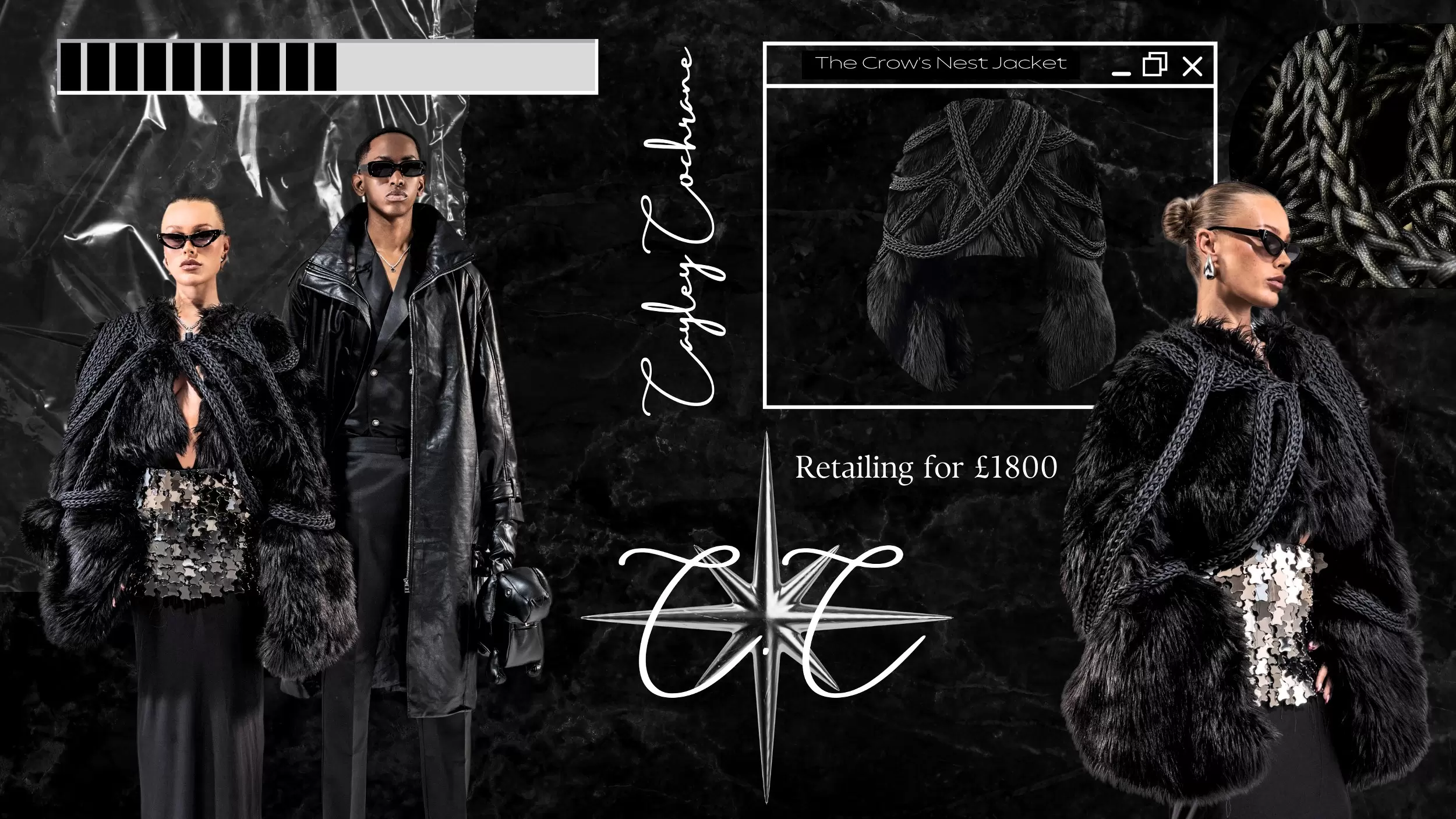
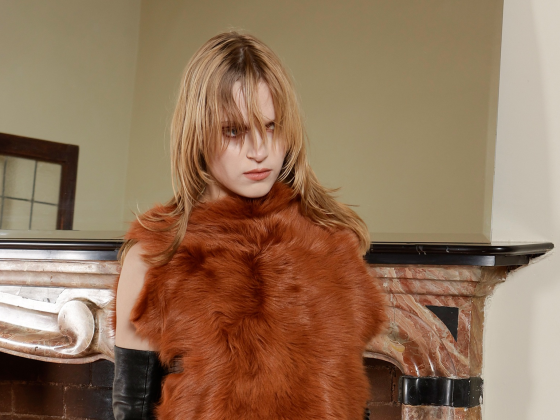
Cayley Cochrane is another designer who stands out as a hidden gem in quiet luxury, proving that refinement doesn’t have to come at the cost of accessibility or craftsmanship. Her Crow’s Nest jacket, priced at £1,800, is a masterclass in considered design — featuring faux fur sourced from Valentino’s
supplier, silk linings that cocoon the wearer, and intricate rope detailing that speaks to thoughtful construction. While high-end brands remain out of reach for many, designers like Cochrane are disrupting the notion that quiet luxury is reserved solely for the elite, proving that true craftsmanship and accessibility can, in fact, coexist. While traditionally rooted in the highest echelons of fashion, the principles of quiet luxury are gradually permeating contemporary wardrobes at all levels. As the demand for conscious consumption rises, the question isn’t whether quiet luxury can be affordable but whether it should remain exclusive at all.
“Quiet luxury isn’t just about looking refined; it’s about wearing something with soul.”
— Leyla Uysal, Founder of Bajer
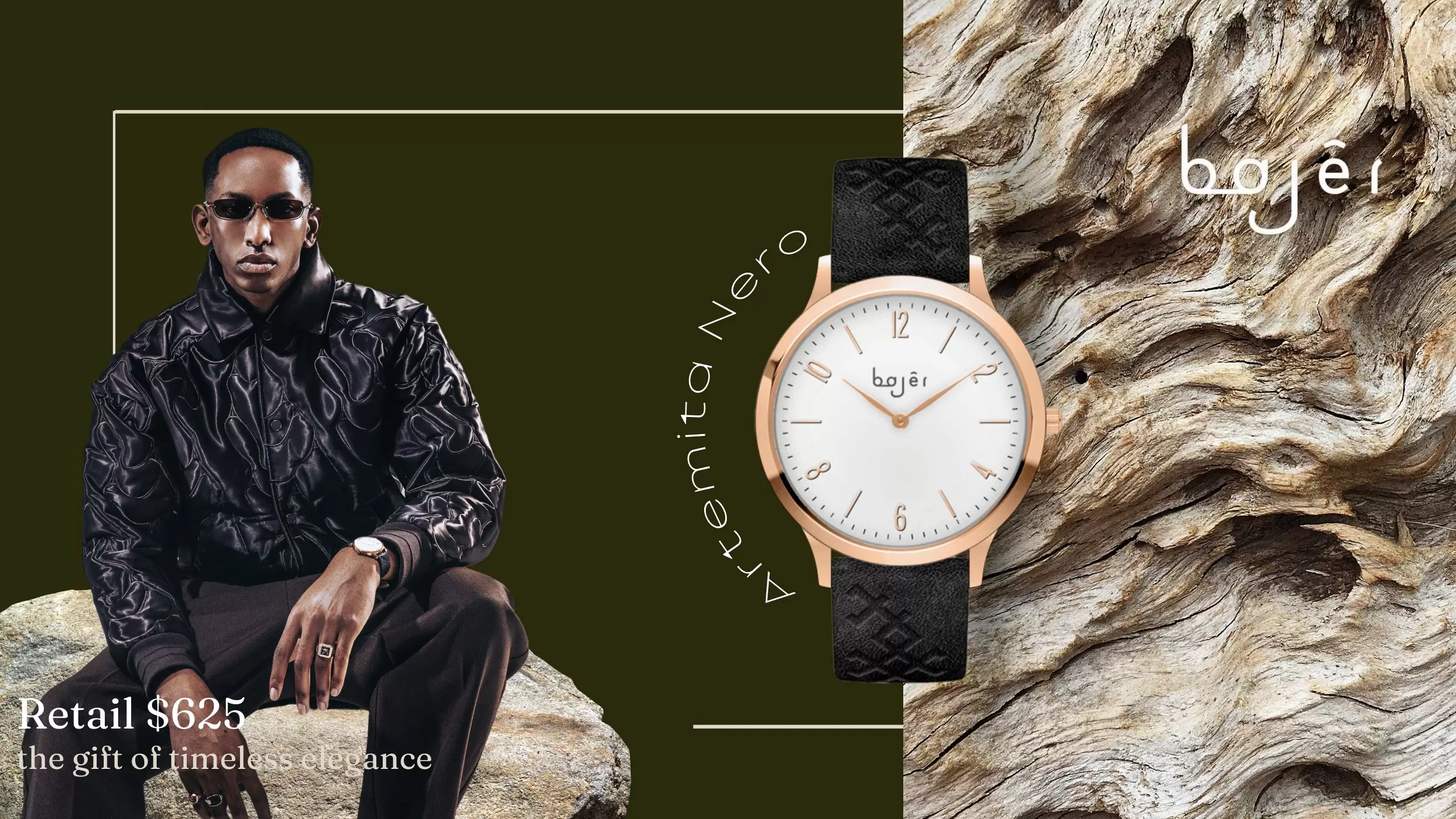
Watches, much like fashion, are cultural artefacts—marking moments, signifying shifts, and defining eras. Just as quiet luxury in clothing rejects the transient, the art of watchmaking is rooted in durability and intention. These timepieces do not chase trends; they are designed to be worn across lifetimes rather than seasons, becoming heirlooms that hold both personal and historical significance. Luxury extends beyond garments; it is woven into the very way we experience time itself. Nowhere is this ethos more evident than in fine watchmaking. Historically, brands like Patek Philippe, Vacheron Constantin, and A. Lange & Söhne have embodied this philosophy that true luxury is meant to be inherited rather than flaunted. More than mere accessories, watches—like garments—tell stories. Passed down through generations, they encapsulate history, memory, and legacy.
Defying fleeting trends, luxury watchmaker Bajer distils design to its purest form—timeless, precise, and built to endure. “Quiet luxury isn’t just about looking refined; it’s about wearing something with soul,” notes founder Leyla Uysal. With a commitment to authenticity and ethical production, Bajer’s brand aligns with this new era of understated sophistication, proving that true luxury isn’t disposable—it’s made to transcend time.Black Double Breast Satin Shirt by Phix Clothing, Photographed by Frederick Wilkinson For some, quiet luxury may be just another fleeting trend; for others, it’s a lifestyle. Its staying power isn’t up for debate—If history has proven anything, it is that fashion is deeply intertwined with the cultural psyche. The excessive glamour of the 1980s was a reflection of the economic boom and the hunger for visibility, while the early 2000s thrived on hyper-branded extravagance and fast fashion’s disposable culture. But now, in an era of digital overstimulation, economic uncertainty, and heightened climate consciousness, luxury is returning to something quieter and more intentional. Consumers are no longer seduced by logos but by longevity, turning towards pieces that hold meaning beyond a season. The modern wearer desires connection—to craft,to history, to something that feels personal in a world increasingly detached by mass
production.
This sentiment sits at the heart of the quiet luxury revolution. It is not about being loud, but about fashion that endures, curating a wardrobe that doesn’t chase seasons, but rather cultivates a lasting legacy. And perhaps that is the greatest irony of all. In a world overwhelmed by noise, the most powerful statement we can make is to embrace the quiet.
Writer / Fashion Journalist: Lola Carron
Art Director, Fashion Director, Producer & Graphic Designer: Teniola Akinola
Fashion Stylist: Naomi Aggrey-Fynn
Fashion Assistant: Maya Leonard
Male Model: Arif Sempala
Female Model: Cait Wightman
Makeup Artist: Ruby Yu
Hair Stylist: Templ Forde
Photographer, CGI Artist & Retoucher: Frederick Wilkinson