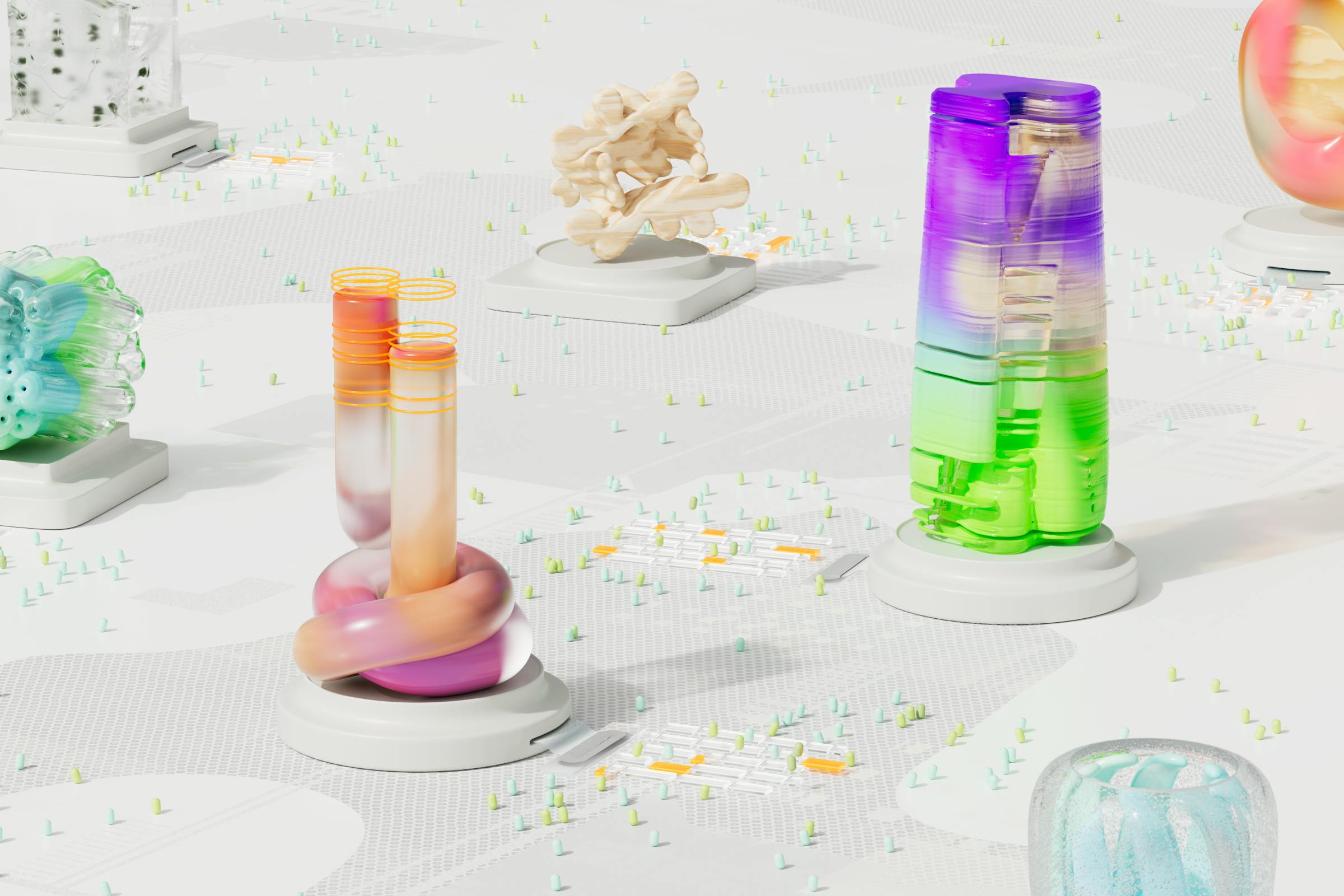
For many years, biotechnology and creative industries were viewed as completely separate worlds. Biotechnology was associated with laboratories, medical research, and scientific innovation, while creative industries focused on art, fashion, film, music, and design. Today, however, these fields are increasingly intersecting in fascinating ways.
Advances in biotechnology, synthetic biology, and bioengineering are giving artists, designers, and creators entirely new materials and methods to work with. At the same time, creative professionals are helping make complex scientific concepts more accessible, emotional, and visually engaging for wider audiences. This growing collaboration is transforming how creative work is produced, experienced, and understood.
Bioart Is Expanding Artistic Expression
One of the clearest examples of biotechnology influencing creativity is the rise of bioart. Bioart combines artistic practices with biological materials, laboratory techniques, and living systems. Artists may work with bacteria, tissue cultures, genetic engineering, or microscopic organisms to create installations and visual experiences that challenge traditional ideas of art.
Bioart often explores themes such as identity, ethics, environmental sustainability, and humanity’s relationship with science. Some projects involve living materials that continue to change over time, creating dynamic works that evolve naturally rather than remaining static, as in traditional paintings or sculptures. This blending of science and art encourages audiences to think differently about biology, technology, and the future of human innovation.
Fashion and Material Design Are Changing
Biotechnology is also transforming the fashion and textile industries. Designers are increasingly exploring biofabrication and biomaterials as alternatives to traditional manufacturing processes. Scientists and creative professionals are collaborating to develop sustainable materials made from algae, fungi, bacteria, and lab-grown biological structures.
These innovations may help reduce environmental waste associated with conventional textile production while opening new possibilities for creative design. Biofabricated materials can be engineered for flexibility, durability, texture, or biodegradability, allowing designers to experiment with entirely new forms of wearable products.
The growing field of biodesign demonstrates how biotechnology is not only improving sustainability but also inspiring new aesthetics and creative approaches.
Synthetic Biology Is Inspiring New Creative Tools
Synthetic biology has become one of the most influential branches of biotechnology in modern creative experimentation. The field applies engineering principles to biological systems, allowing scientists and creators to redesign or construct biological components for specific purposes. This technology is influencing architecture, product design, environmental art, and even music technology. Designers are exploring living materials that react to environmental conditions, while artists experiment with biological systems that generate changing visual or sensory experiences.
As DNA synthesis and engineering technologies continue to advance, researchers and creative professionals will gain more access to increasingly sophisticated tools for biological experimentation and design, such as 50kb clonal DNA. These help researchers work with larger DNA constructs that support advanced experimentation and synthetic biology applications. This allows creative industries to continue discovering new ways to merge biological systems with artistic design, immersive media, and sustainable manufacturing processes.
Biotechnology Is Influencing Entertainment and Media
The entertainment industry is also experiencing major changes as biotechnology and advanced computational systems converge. AI-assisted creative tools are already reshaping animation, music production, visual effects, and storytelling workflows. Researchers note that AI and synthetic biology together are accelerating innovation across creative and scientific disciplines.
Film studios, game developers, and digital artists are increasingly using biologically inspired systems, machine learning models, and advanced simulations to generate realistic visual environments and interactive experiences. These technologies can enhance production speed while expanding creative possibilities for artists and designers.
Importantly, many experts emphasize that technology is not replacing creativity itself. Instead, it is creating new collaborative relationships between humans and intelligent systems.
A New Era of Creative Collaboration
The relationship between biotechnology and creativity is still evolving, but its impact is already becoming clear across multiple industries. From biofabricated fashion and living art installations to AI-enhanced storytelling and synthetic biology design tools, biotechnology is reshaping how creators think about materials, processes, and artistic expression.
As biotechnology continues advancing, creative industries will likely keep exploring new ways to combine biology, technology, and imagination. The result may be an entirely new generation of creative experiences that blur the boundaries between the natural world and human design.