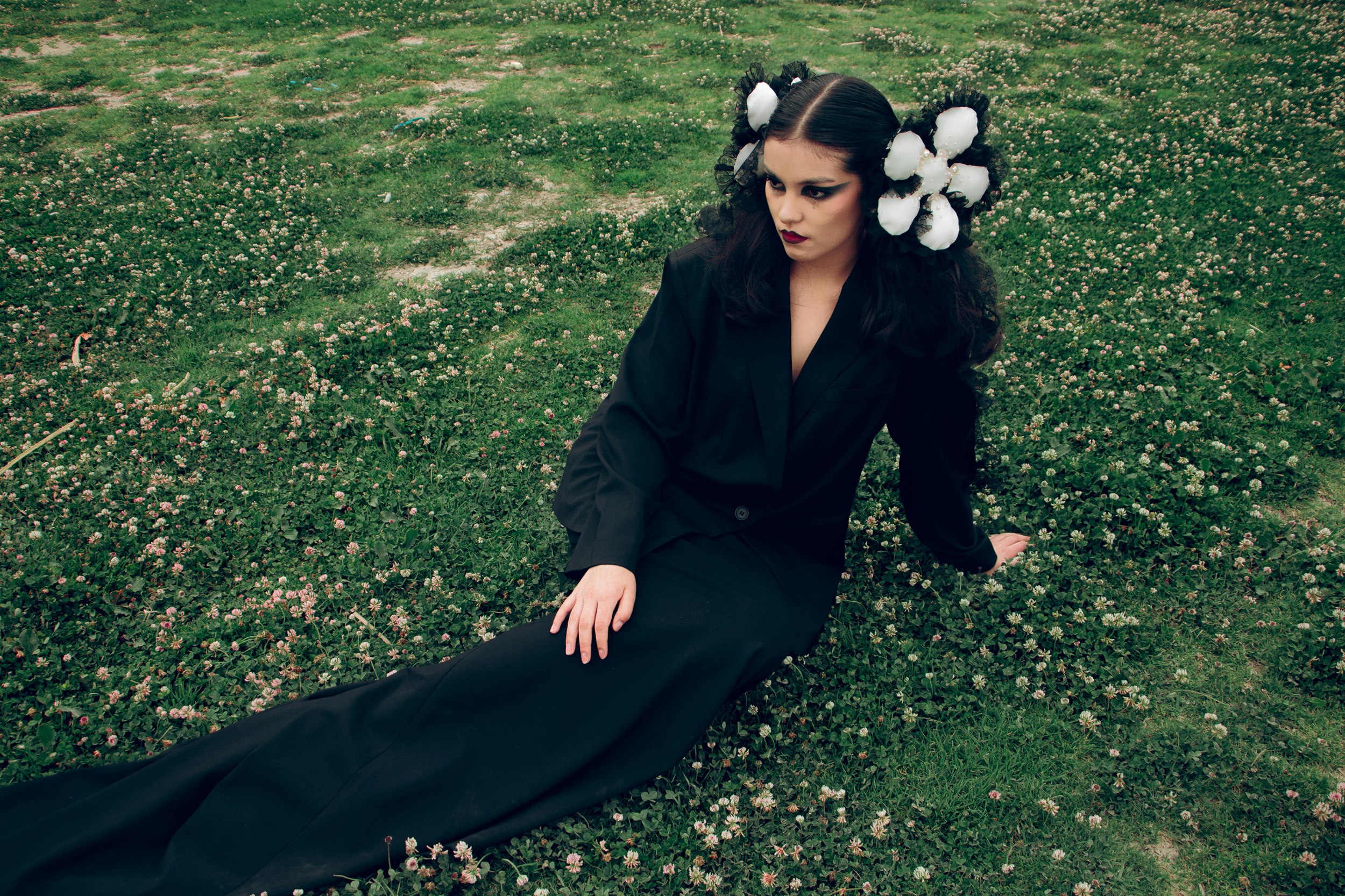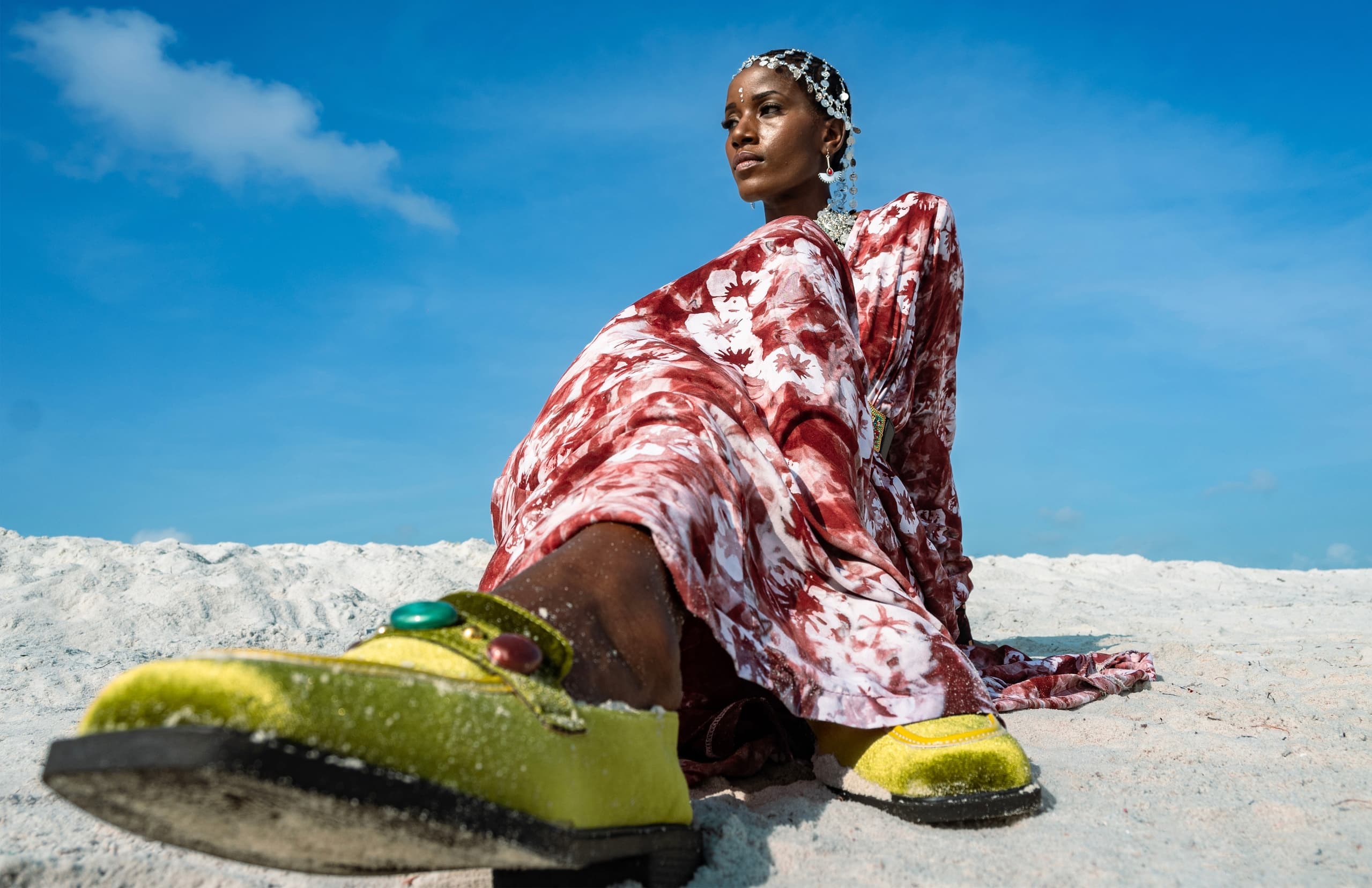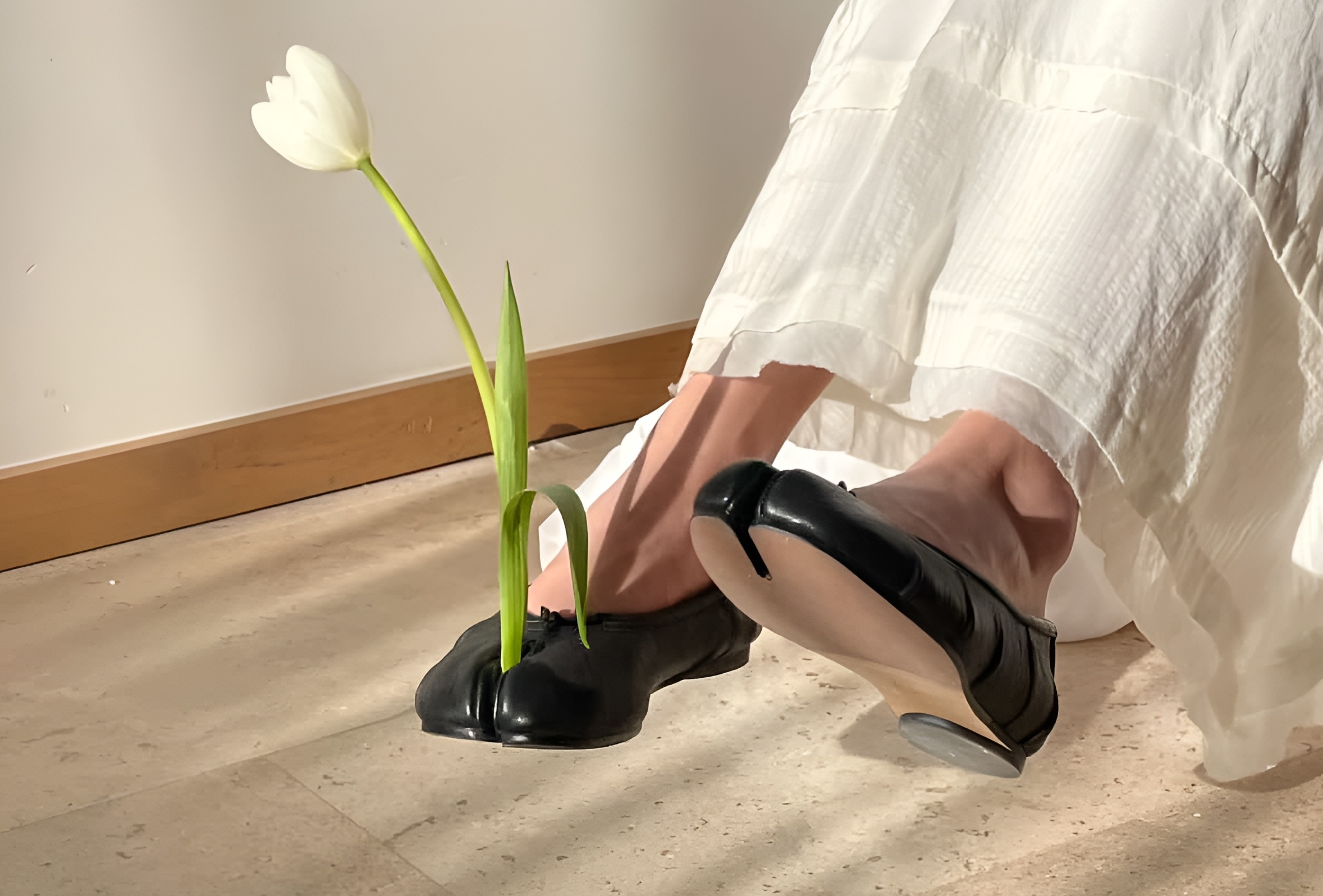
Real leather, handmade construction, and a fraction of the price. Meet your new favourite tabi brand.
If you want tabi shoes but cannot justify spending over $1,000 on a single pair, WoodChuck Sato offers handmade, real leather tabi footwear starting from around $260, without compromising on craftsmanship or design. But before diving into the options, here is some information on the Tabi style and why you should have one pair in your wardrobe.
What Are Tabi Shoes?
The word “tabi” translates loosely to “travelling sock,” which gives you a sense of just how deeply embedded this design is in Japanese daily life. The split-toe silhouette dates to the Heian period, roughly 794 to 1185 CE, when it was developed specifically to accommodate the thong of traditional sandals like zori and geta. It was never an aesthetic choice. The split-toe design was created as a means to balance properly, and it was worn by samurai, farmers, and merchants alike.
In its earliest form, tabi was a luxury item. The colours signalled social rank: purple and gold for the nobility, blue for commoners, and white for formal occasions. White tabi eventually became essential formal wear for traditional arts, including the tea ceremony, kabuki theatre, and classical dance.
The design evolved over centuries into a more rugged form. By the Edo period, jika-tabi, outdoor tabi boots with rubber soles, had emerged as workwear for construction workers, rickshaw drivers, and gardeners, combining the split-toe shape with durable outsoles that offered both protection and natural foot movement. That same practical logic still holds today. The split between the big toe and the rest of the foot encourages a more grounded, stable stride, which is partly why the silhouette continues to attract interest beyond fashion circles, from runners to ergonomic footwear advocates.
Why Tabi Became a Fashion Statement
The leap from workwear to high fashion happened in 1988. Martin Margiela had been inspired during a trip to Japan. He loved how obscure they were and brought the shape into the fashion world, keeping the same traditional name ( Jika-Tabi ), debuting tabi boots on the runway with red paint on the soles, leaving hooved footprints on the cloth below. That runway moment is now fashion legend, and the split-toe shoe has since grown from avant-garde provocation into a genuine wardrobe staple, spotted across street style, editorial shoots, and everyday dressing alike.
The response was polarising, which was entirely the point. Margiela’s whole practice was built around challenging what fashion was supposed to look like, and the tabi boot embodied that perfectly. It was sculptural, strange, and rooted in a tradition that most of his Paris audience knew nothing about. It became the house’s most enduring signature.
For decades, the tabi remained an insider reference. If you wore them, you knew what you were signalling: an interest in fashion history, a taste for the unconventional, and the budget to back it up. Then, in 2023, everything shifted. A viral TikTok about a stolen pair of Margiela tabis was viewed more than 178 million times and prompted a 342% increase in Google searches for the shoes, pushing the Margiela Tabi Mary Jane to the number one spot on the Lyst Index for the hottest product of Q3.
That moment did not create the interest so much as confirm it was already there, waiting. The tabi had crossed over from cult object to mainstream desire, and the conversation around accessible alternatives was already underway.
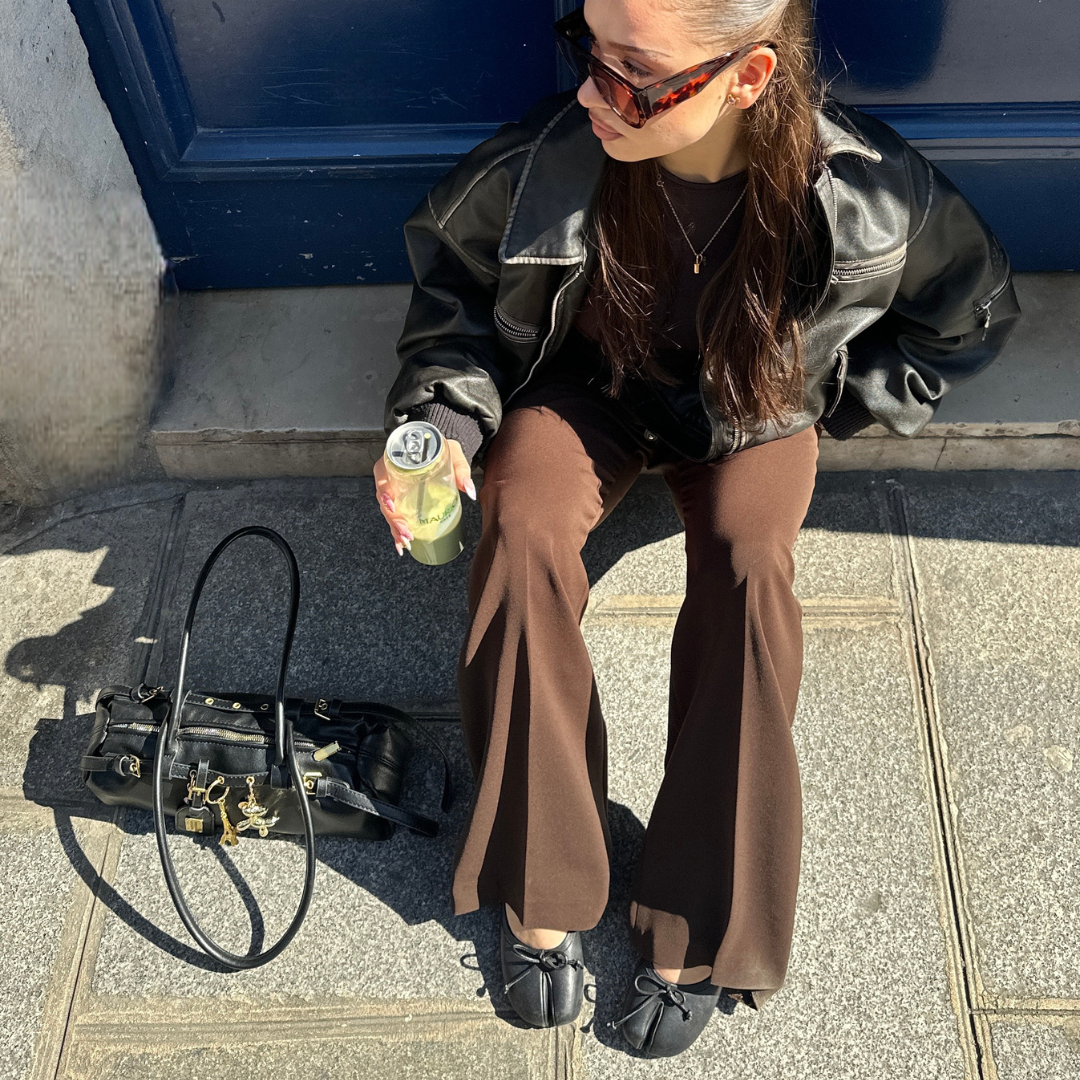
The appeal is easy to understand. Tabi shoes are architectural without being impractical. They read as fashion-forward but pair back to almost everything, from tailored trousers to relaxed denim to floaty midi skirts. Once a niche reference, they now sit firmly in the mainstream conversation.
How much does a Tabi cost?
Here is the issue: if you have been drawn to the tabi aesthetic, you have probably also been confronted with the price tag attached to it. Maison Margiela tabi ankle boots currently retail between $1,240 and $1,490, with taller styles reaching $2,450. For most people, that is simply not a realistic purchase, regardless of how much they love the look.
The resale market exists, of course, but second-hand Margiela tabis in good condition still command significant prices. There is also a handful of brands now producing tabi-style footwear at lower price points, and the quality varies considerably. They serve a purpose, particularly for someone who wants to test the aesthetic before committing, but the construction and longevity reflect the price. In the mid-range, a few independent labels work with genuine leather and overseas manufacturing to land somewhere between $200 and $400
WoodChuck Sato, a Singapore-based label that makes handcrafted tabi footwear in real leather, built entirely by hand rather than by factory machines, uses 100% real leather throughout, including cow leather and horse leather, and the process covers every stage from material selection to the upper, lining, midsole, and outsole.
What sets the brand apart is an obsessive approach to the shoe tree, which is the mould that determines how a shoe sits and feels on the foot. The founder has noted that two pairs of shoes can be made from identical designs and materials but feel entirely different based on the shoe tree alone, and it is an area the brand invests heavily in refining with each updated version. Those two things together are typically what justify a four-figure price tag elsewhere. The reason most brands cannot offer both at this price is simple: handmaking shoes takes time, and time is expensive. A factory can produce hundreds of pairs a day. A craftsperson cannot. WoodChuck Sato absorbs that constraint without passing the full cost on to the customer, which is part of what makes the brand’s pricing feel almost counterintuitive when you are holding the product in your hands. The idea that you need to either spend four figures or go without has kept a lot of people on the sidelines. That is where the conversation around accessible alternatives has started to gain real momentum.
The price range sits between roughly $260 and $375 across styles, which includes boots, loafers, heels, Mary Janes, ballet flats, and sandals. Every order also ships with a free pair of tabi socks.
The brand has accumulated over 7,000 verified five-star reviews, and the customer feedback is notably detailed. One reviewer put it plainly: they owned a pair of Margiela tabis and found the WoodChuck Sato pair more comfortable, and arguably better made. That kind of direct comparison, from someone who has worn both, carries weight.
What to Buy First
If you are new to tabi footwear, the entry point matters. Here is a practical breakdown by style to help you figure out where to start.
Tabi Ballet Flats: The ballet flat is the most versatile starting point. WoodChuck Sato’s fold-style ballet flats in black leather are clean, understated, and easy to style across casual and dressed-up looks. They work with everything and do not require any adjustment period the way a heeled boot might. Prices start from around $263.
Tabi Heels: The 3cm heel styles in horse leather are a strong second option. They offer the distinctive split-toe shape with a low, stable heel that suits both daytime and evening wear. Available in black, brown, red, and tan, these sit around $286 and give you a lot of versatility for the price.
Tabi Boots: For the full statement silhouette, the ankle boots are the obvious choice. WoodChuck Sato offers several variations, including zip and Chelsea styles in both cow and horse leather. These start at $373 and represent the closest direct comparison to the Margiela tabi boot, at roughly a quarter of the price.
Tabi Loafers :If boots feel like too much of a commitment, the monk strap loafers and slip-on lug sole styles are a good alternative. They carry the same split-toe detail in a more relaxed silhouette that works well in everyday outfits. Prices start from around $281.
A Note on Sizing
WoodChuck Sato recommends measuring your feet carefully before ordering, as the fit can differ from your usual shoe size. Several reviewers note that following the brand’s size guide and measuring at home gave them a more accurate result than defaulting to their standard size.
Returns are available, but return shipping costs fall on the customer. For buyers in North America, that can range anywhere from $50 to $150 depending on your location, which makes getting the sizing right the first time genuinely important. Take the extra few minutes to measure properly before you order.

Is It Worth It?
The honest answer is yes, with context. WoodChuck Sato is not trying to replicate Margiela. It is a different brand, with its own design language and its own approach to construction. What it offers is genuine leather craftsmanship, a wide range of tabi styles, and a price point that makes the silhouette accessible to people who would otherwise be priced out entirely.
If you have been watching tabi shoes from a distance for a while, waiting for a version you can actually afford, this is a reasonable place to start. The quality holds up, the sizing process is straightforward when you follow the guidance, and the range is broad enough that most people will find something that fits their personal style.
The split-toe shoe is no longer a luxury exclusive. It has found its way into everyday dressing, and brands like WoodChuck Sato are a big part of why. You can find them on their website at www.woodchucksato.com