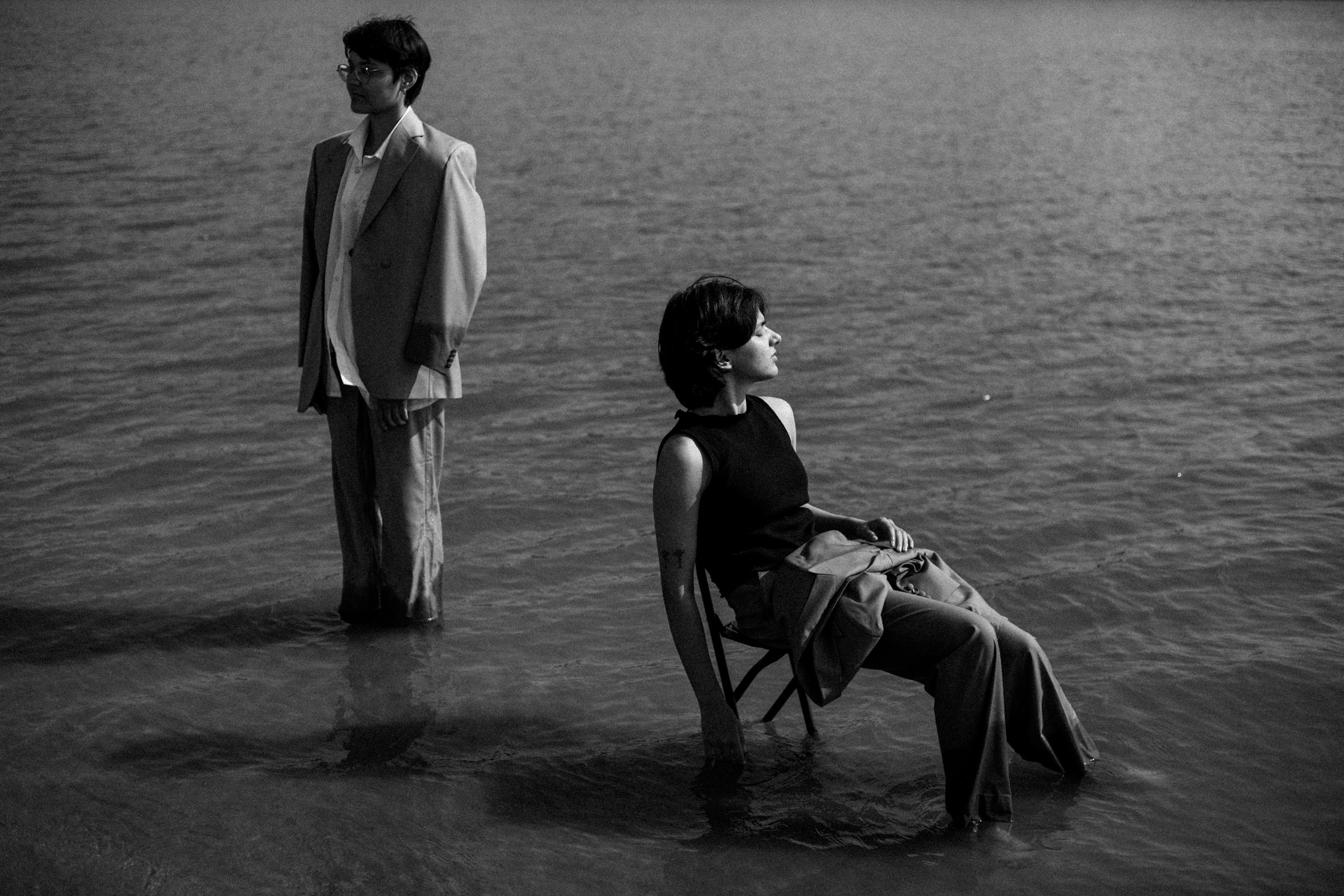
By Gloria Mura
Fashion in 2026 is often described as more authentic, personal, and emotionally driven than ever before…
Why Fashion is Becoming Personal Again in 2026? The New Meaning of Getting Dressed.
The conversation around clothing is fundamentally shifted in 2026: it has moved from being a public performance to a private language. For years, fashion felt dictated by the spectacle of social media and the pressure to signal status, but a deep-seated fatigue has prompted a return to the garment’s most basic function: expressing the self.
This piece explores the evidence of this shift, observing how contemporary style is favoring identity, comfort, and emotional truth over overt, transient trends, marking a pivot where getting dressed is less about impressing others and more about honestly expressing who we are.
What Caused Fashion Fatigue?
For the better part of a decade, the relationship between the wearer and their wardrobe was mediated by the lens of a smartphone. Clothing became a key part of the ‘personal brand,’ driven by visibility and the relentless pressure to be seen. This performative paradigm created an environment of “Fashion Fatigue,”characterized by constant newness and the exhaustion of trying to keep pace. The ultimate goal was external validation to signal belonging, wealth, or access.
Street style, once a vibrant celebration of individual flair, gradually devolved into a competitive arena where clothing served primarily as a costly costume for the photographers outside the shows. The looks were often impractical, worn for a single moment of exposure before being archived. The focus shifted from authentic expression to maximum visibility, creating a cycle where style was synonymous with being an advertiser for a transient aesthetic.
Fashion became heavily focused on signaling rather than feeling. Logos, rare collaborations, and highly recognizable items served as social shorthand, a quick way to communicate economic and cultural capital. You dressed not for the weather, your mood, or your daily context, but for the presumed judgment of an unseen, all-consuming social audience. This external reliance stifled true personal style.
The era of the micro-trend meant that an “in” item could be “out” within weeks, fueled by algorithmic churn and digital acceleration. This rapid, disposable cycle was financially, environmentally, and psychologically unsustainable. Consumers experienced a profound sense of burnout, culminating in a powerful desire for stability, longevity, and meaning in the closet. The collective realization was that chasing the spectacle was depleting, prompting the search for a deeper, more personal language.
How Is Fashion Becoming More Authentic?
Lately, the loudest voices in fashion are those speaking softly. The most visible change is the move toward personal narrative, a profound rejection of prescriptive dressing in favor of intentional, intimate choices. This is not merely the defining trend of 2026; it’s a foundational re-evaluation of what clothing means in a post-saturation world.
The media narrative surrounding “Quiet Luxury” often fixated on price tags and exclusivity. In reality, the profound appeal of this aesthetic was never primarily about cost; it was a deeply personal reaction against the noisy, logo-driven visibility of the past decade. It was, and remains, a craving for undisturbed fashion-clothing whose value resides entirely in the experience of the wearer.
The discerning eye of the current consumer is less concerned with the brand on the label and more focused on the source and substance of the material itself. Consumers are actively seeking out fabrics that promise longevity and sensation: pure, high-density cottons that hold their structure; silks that drape rather than cling; and wools (like Merino or cashmere) that soften with time and wear.
This engagement with provenance speaks to a desire for honesty in production, connecting the wearer back to the fundamental story of the garment. The logo has been replaced by the nuance of superior tailoring. A perfectly executed sleeve set, the subtle heft of a high-quality lining, or a precision-engineered trouser break communicates refinement without requiring explanation.
This commitment to superior craftsmanship is a non-verbal argument for enduring style. It demands that the wearer cultivate a discerning eye, moving the focus from passive consumption to active, internal appreciation.
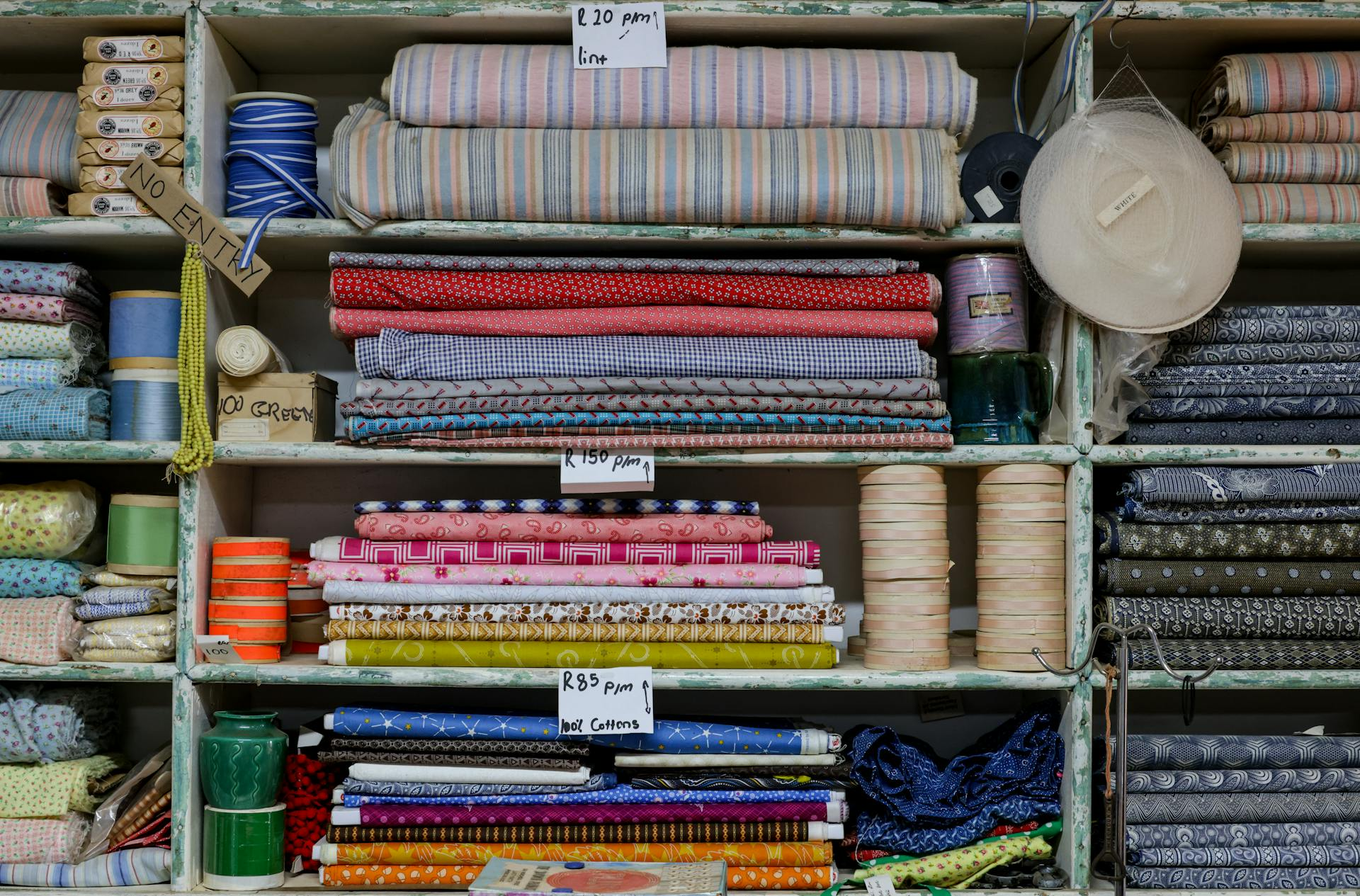
The new luxury is defined by feel and fit, not by visibility or logos.
Why Does Fashion Feel More Emotional Now?
The recent global shift may have normalized comfort, but 2026 has refined it. The goal is no longer sartorial sloppiness, but sophisticated ease. This represents a non-negotiable demand for clothes that support, not restrict the rhythm of daily life. Designers are focusing on clothes that truly facilitate life: relaxed tailoring, luxurious yet durable utility-wear, and garments with intentional movement. The widespread adoption of fluid silhouettes over rigid constructions speaks to a desire for physical freedom that mirrors the desire for emotional and stylistic freedom.Many style icons are embracing the personal uniform: a highly curated, limited selection of garments that removes decision fatigue and sharpens identity. This isn’t born of laziness; it’s a profound act of self-definition. By limiting the choice, the wearer amplifies the meaning of the few pieces they own, creating a powerful, recognizable, and highly personal aesthetic signature.
Is Authenticity the New Status Symbol?
This shift is ultimately psychological. In a world saturated with digital noise and external demands, clothing becomes a physical, tactile anchor a way to connect with the present moment and our internal state. Getting dressed is now an essential act of self-care and internal dialogue.
The purpose of the wardrobe changes from signaling status to regulating mood and offering psychological comfort. A heavy, structured blazer might be worn for grounding; a bright colour for a needed emotional lift; or a soft texture for reassurance. The relationship with the clothing is intimate and imperfect. Vintage, second-hand, and heirloom clothing are not just trend-driven; they are a rejection of newness as the highest value. A skillfully repaired tear, a beautiful patina, or a garment with a rich past life carries a narrative depth that a quickly-consumed item can never possess.
These pieces are chosen because they resonate with the wearer’s personal story, not because they are the season’s must-have. They celebrate permanence over ephemerality. In a culture that ceaselessly demands constant self-promotion and visual performance, choosing to wear something simple, subdued, or entirely classic is a subtle act of rebellion. It suggests that the wearer’s focus is elsewhere on their work, their relationships, or their inner life and that their clothing is simply a confident, enduring background to their substance. True confidence in 2026 is the ability to dress without apology or explanation. However, this raises a new question: has “being authentic” become the ultimate status symbol? In an age of artifice, showing that you don’t need to show off is, perhaps, the most sophisticated luxury of all.
Authentic style is when the clothes tell your story, not the brand’s
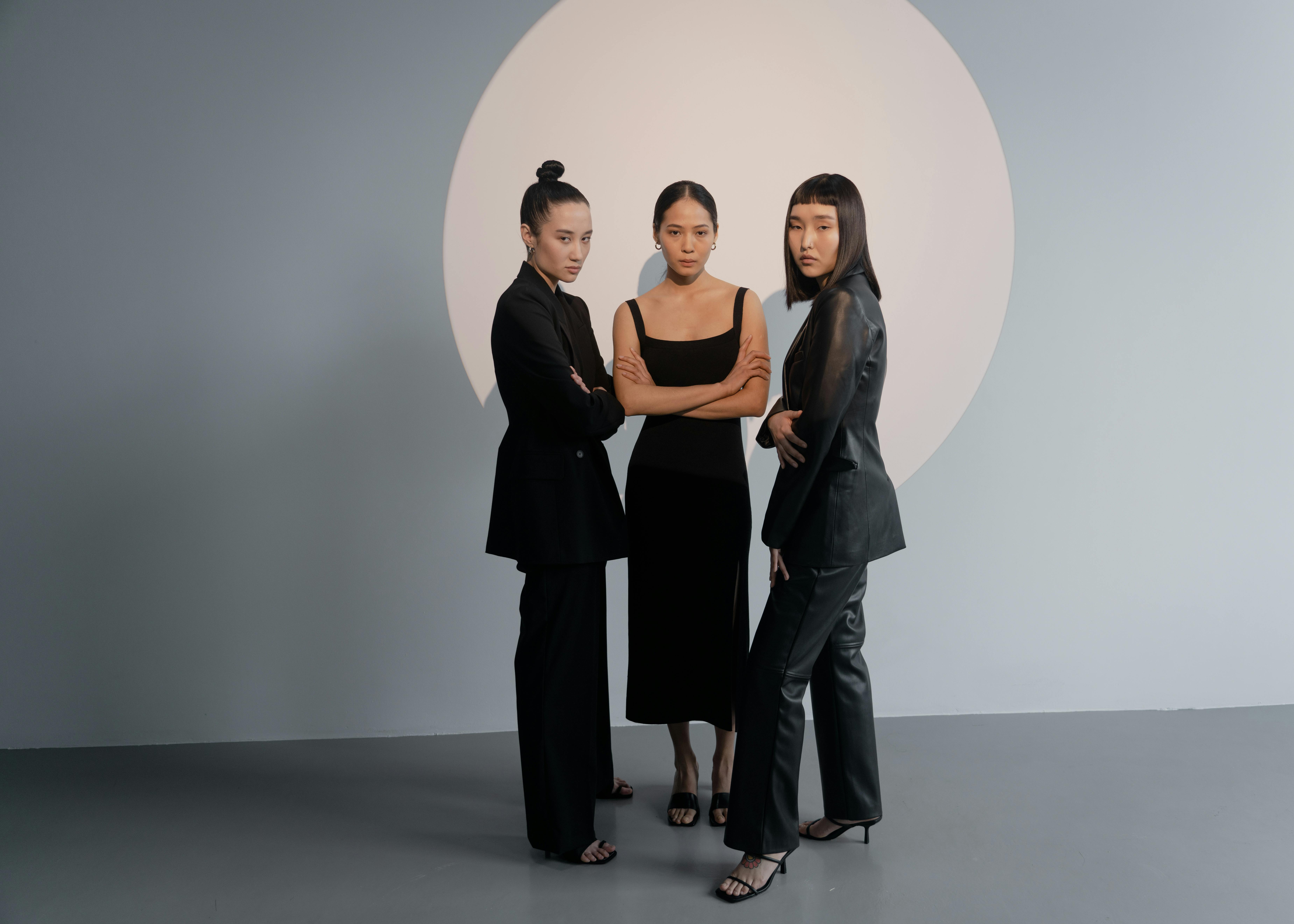
How to Build a Personal Wardrobe in 2026
For the reader embracing this personal shift, the process involves conscious de-programming from the dictates of the past and adopting a more mindful approach to consumption. This section offers clear, actionable steps for a sustainable, personal style journey.Before making any purchase, adopt a critical approach to shopping that focuses on longevity and personal alignment. Ask yourself these core questions:
- Does this item serve a practical function in my daily life?
- Does this item genuinely lift my spirits or make me feel more grounded and capable?
- Do I understand why I want this, or is it a reflexive reaction to seeing it on someone else or online?
Begin to investigate the provenance of your clothing. Understand the differences between material quality and choose items that are built to last and can be repaired. This is a foundational investment in enduring style.The foundation of true personal style lies in your everyday essentials base layers. A great t-shirt, a quality knit, and excellent trousers are the canvas for any outfit. When the basics are refined, the entire wardrobe elevates, regardless of the accessories or trends layered on top.
As we enter 2026, the relationship with our clothing has become private and precious. The most powerful shift of the year is not defined by color, silhouette, or designer, but by authenticity. Fashion is quietly retreating from the amplified arena of social media and returning to the sanctity of the closet. This evolution reflects a deeper cultural maturity, a recognition that the clothes that truly matter are those that mirror our emotional and physical realities, the ones only we fully understand. Getting dressed is no longer about proving something to the world; it is about affirming something to ourselves. The garment becomes a confidant. The relationship is once again intimate, imperfect, and deeply personal.