Can One Pair of Shoes Actually Replace Your Entire Collection?
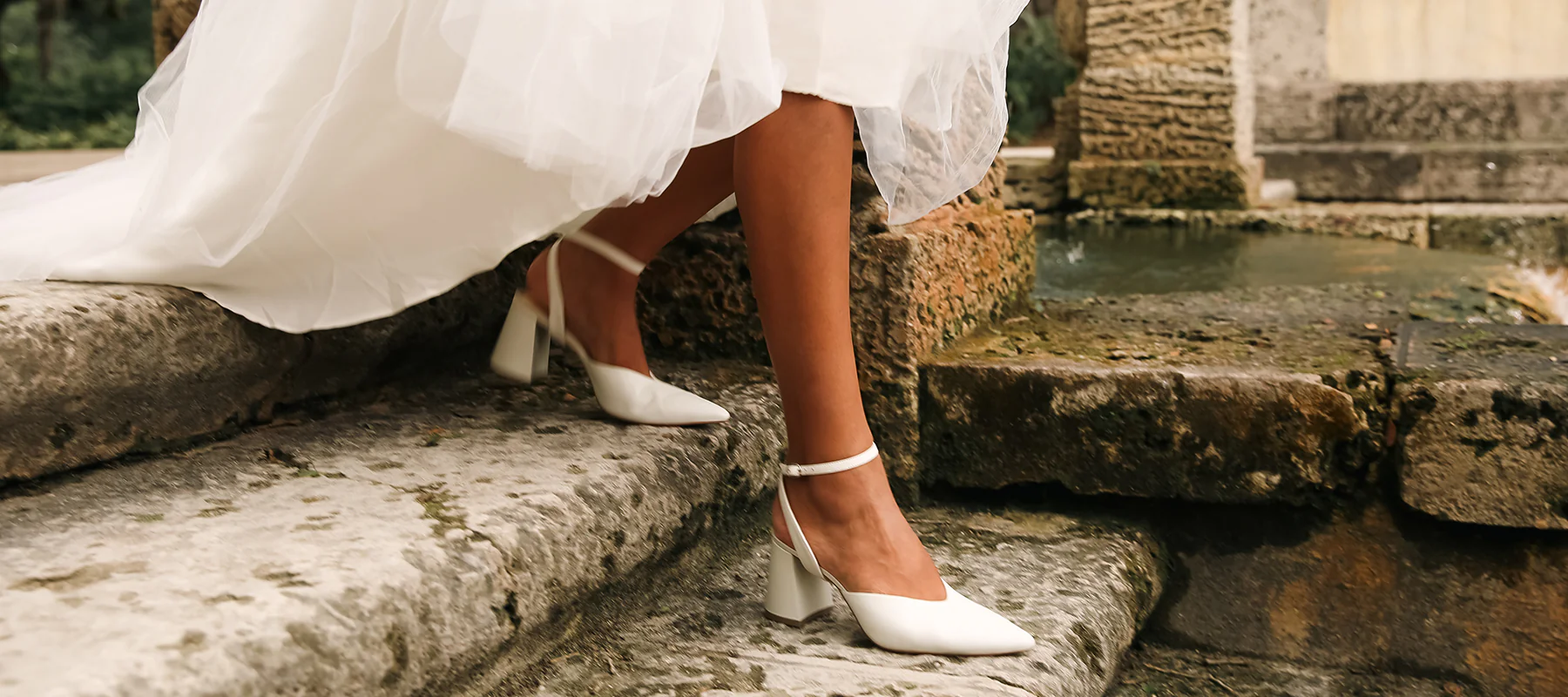
If you have ever stood in front of a wardrobe full of shoes and felt like you had nothing to wear, Alterre might be the brand that finally makes that feeling obsolete. Built around a patented interchangeable strap system, Alterre lets you transform a single shoe base into dozens of different looks in seconds. It is the kind of concept that sounds almost too convenient to be real, but the execution is where things get genuinely interesting.
The Women Behind the Brand
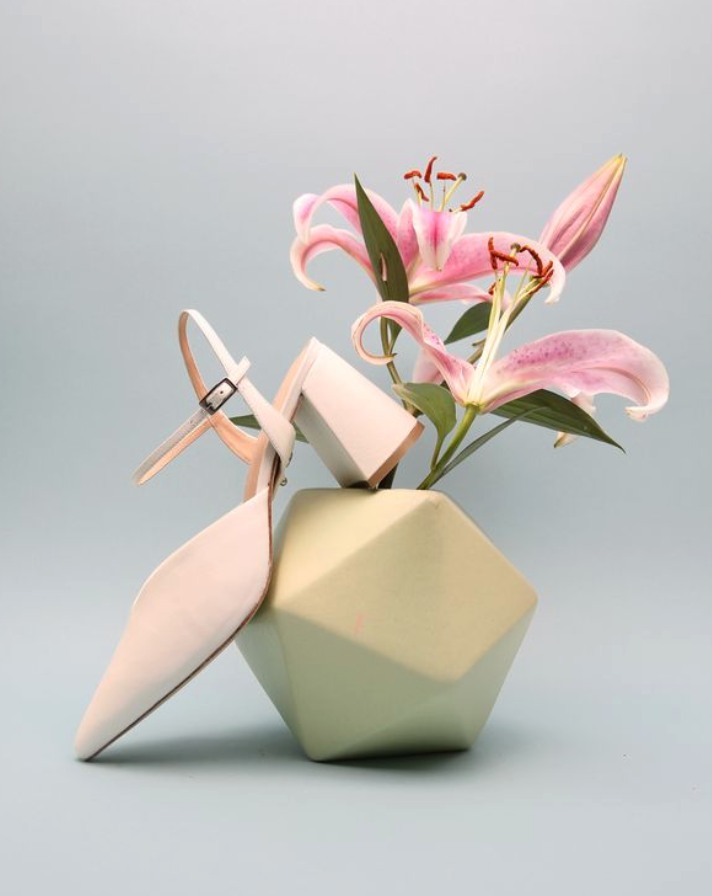
Shilpa Iyengar is the President and Co-Founder of Alterre, and the kind of founder whose credentials are baked directly into the product she makes. A graduate of Parsons The New School for Design, where she completed a BFA in Fashion Design with an emphasis in footwear, Shilpa built Alterre from a very specific place: deep technical knowledge of how shoes are made, and a clear frustration with how the industry was making them.
She founded the brand alongside Harmony Richards (née Pilobello), a fellow Parsons graduate whose background in menswear, trend research, and sustainability complemented Shilpa’s expertise in womenswear and shoe construction. The two met at school, bonded over a shared dark humor and love of travel, and eventually decided to turn a practical problem into a business. Living in cramped New York quarters and constantly overpacking shoes for trips, they wanted a modular solution that did not yet exist, so they built one.
What followed was two full years of groundwork before a single shoe went on sale. Rather than rushing to market, Shilpa and Harmony spent that time searching for a production partner that genuinely met their standards for fair treatment, pay, and benefits for factory workers. That search led them to Pacific Shoes in Sapiranga, Brazil, a factory managed by a woman, with a track record of transparency and worker advancement that held up under scrutiny. The brand launched at New York Fashion Week in 2015.
Harmony has since stepped away from Alterre to focus on her growing family. Shilpa continues to lead the brand from Miami, where she is based with her own family. For a small business, that closeness to the founder matters: reach out to Alterre and you are likely to hear back from Shilpa directly.
The Problem With How We Buy Shoes
Most of us have a shoe problem we do not talk about. Not a love-of-shoes problem, but a waste problem. A heel bought for one event and worn twice. A sandal that matched one specific dress. A flat that felt essential in the shop and has not left the shelf since. Multiply that by years of shopping and the result is a closet full of single-purpose footwear, most of it underused.
The issue is not that we buy too many shoes. It is that traditional shoes are completely inflexible objects. They do one thing, in one silhouette, for one set of occasions. The only way to get more versatility is to buy more pairs. Alterre was built to break that cycle entirely.
How the Interchangeable System Works
Using a patented stud technology, Alterre offers footwear that maximises style while reducing waste through interchangeable straps and high quality, thoughtfully chosen materials. The stud sits discreetly at the arch of the sole. To change the look of the shoe, you slip a strap over the heel and push the hole down onto the stud. That is the entire process.

What makes the shoes particularly unique is that you can change the straps between heel heights, allowing genuine customisation to match the occasion. The brand deliberately keeps heel heights fixed per base, a considered choice: moving the heel height on a fixed shoe affects the balance and fit, similar to the uncomfortable feeling when the rubber on a heel wears unevenly. The flexibility is built into the straps, where it actually works.
The strap range is broad. Choices span simple leather anklets, animal-print calf hair styles, western-inspired designs, bold patent finishes, and fabric options made from recycled denim. With over 500 combinations available across the full strap collection, the wardrobe potential from a single base is genuinely substantial. The brand also offers a custom shoe builder on site for those who want to mix and match before buying.
The Fall Collection retails between $250 and $345 for bases, with straps priced from $45 to $135. At first glance that reads as premium. Looked at differently, one base and three straps gives you three distinct shoes for less than the cost of three separate pairs at a comparable quality level, and takes up a fraction of the space.
Over 40% of Alterre customers return for a second purchase Faire, which suggests the concept holds up beyond the initial appeal. The model also changes the logic of shopping over time. Rather than asking whether you need another pair of shoes, the question becomes which strap fills the gap in what you already own. For anyone trying to consume less without sacrificing range, that shift in thinking is the real product.
Made Well, and With Intention
All Alterre shoes are produced at Pacific Shoes in Sapiranga, Brazil. The factory has signed a detailed Supplier Code of Conduct covering everything from protecting workers to prohibiting any form of human trafficking or involuntary labor. Alterre commits to withholding orders or switching production if the factory ever fails to meet their ethics standards.
The factory is managed by a woman and runs a program that sponsors any worker who wants to move into a management track, paying for training and qualification programs.
On materials, Alterre has removed 90% of single-use plastic from their production process since launching in 2015, increased to 75% of leather suppliers being LWG-certified or CICB certified for sustainability, and reduced leather use by incorporating vegan alternatives like deadstock fabrics from the garment industry. Packaging is made from recycled paper printed with algae ink. Heels are made with recycled plastic, and patterns are laser-cut to minimise leather waste.
Giving Back
Alterre also partners with Verdn to clean up ocean plastic, removing 2kg for every pair of shoes or straps sold. Returned shoes are donated to Soles4Souls, a non-profit that distributes unwanted footwear to people in need worldwide.
For its efforts, Alterre holds the Butterfly Mark from Positive Luxury and has been recognised as a Real Changemaker for meeting independently verified higher sustainability standards.
Five percent of every Alterre purchase goes to Restore NYC, a non-profit providing long-term rehabilitation to survivors of sex trafficking in New York City, covering housing for up to a year, education, and job placement. Alterre also serves as Entrepreneurs-in-Residence at Restore NYC, providing peer-to-peer counseling for survivors who are founding their own businesses.
It is a level of involvement that goes well beyond a donation line on a brand’s About page, and it is built into the fabric of why the brand was founded in the first place.
So, Is Alterre Worth It?
For the person who wants a cheap shoe, no. But for the person who is tired of buying the same type of shoe in five different versions, wearing each one twice, and clearing out their wardrobe every two years, Alterre makes a compelling case. The concept is smart, the quality holds up, the ethics are specific and verifiable, and the system genuinely delivers on its promise.
One well-chosen base. A handful of straps. A wardrobe that earns its space rather than quietly expanding to fill it. Browse the full collection at alterreny.com.