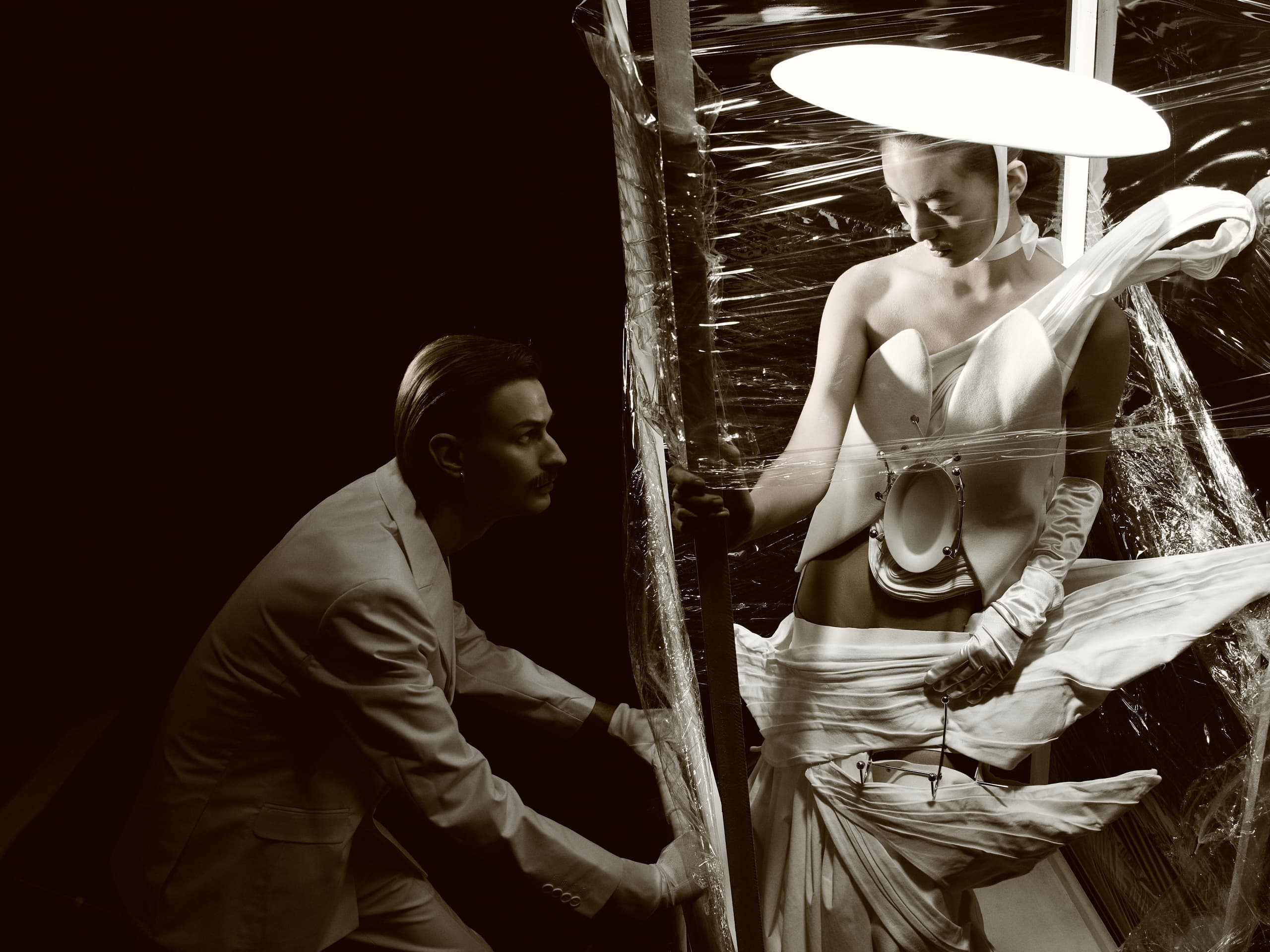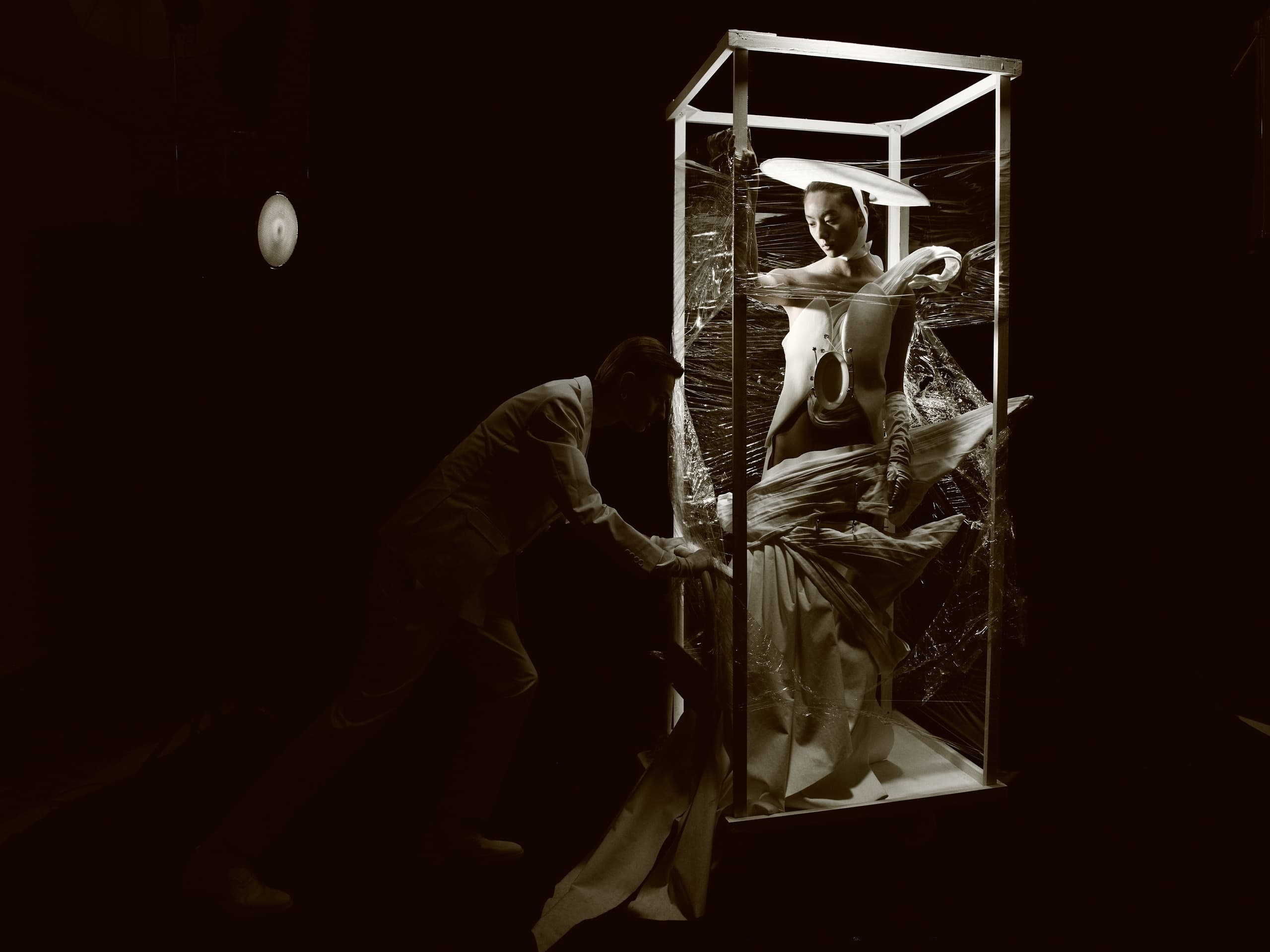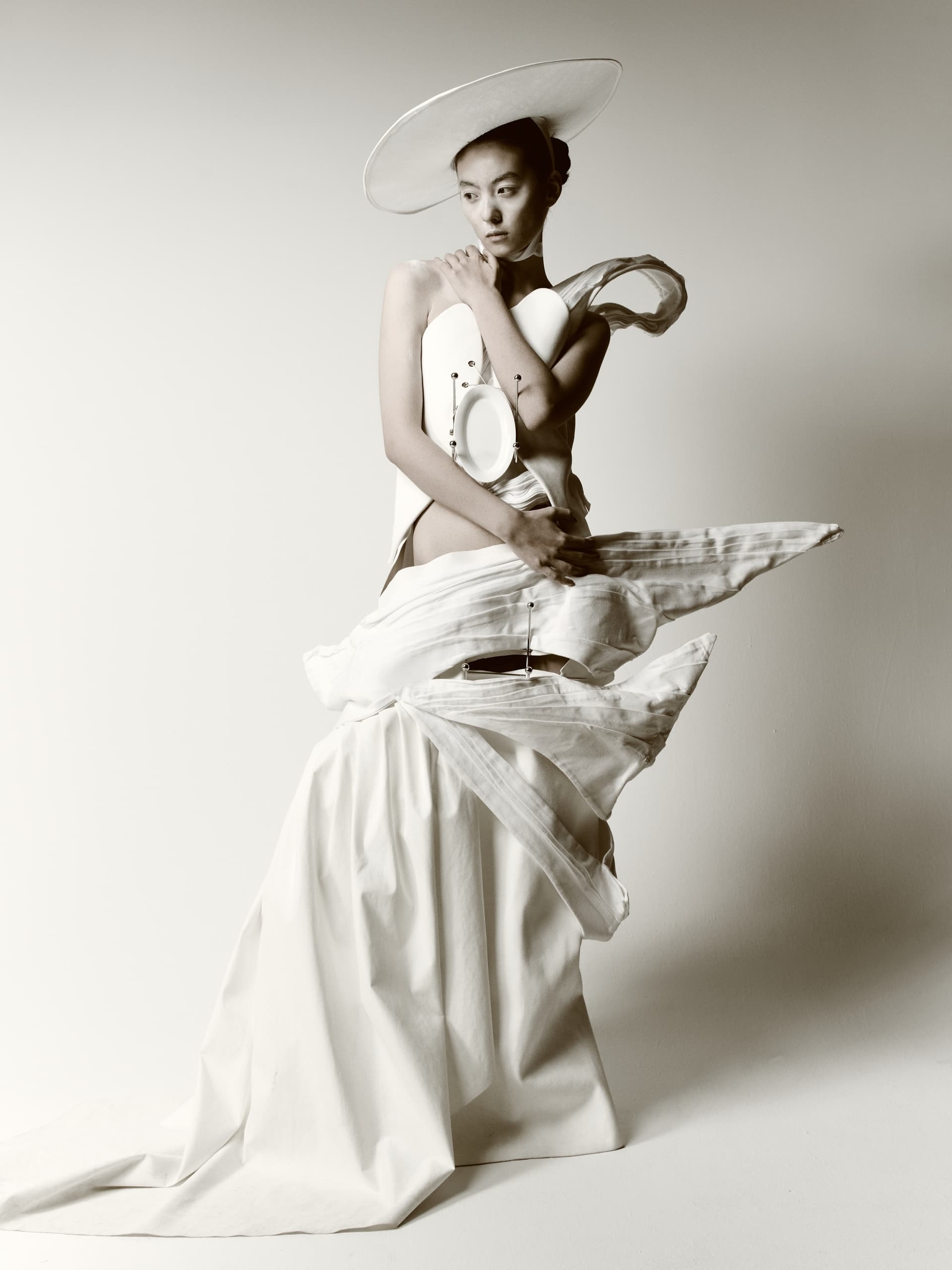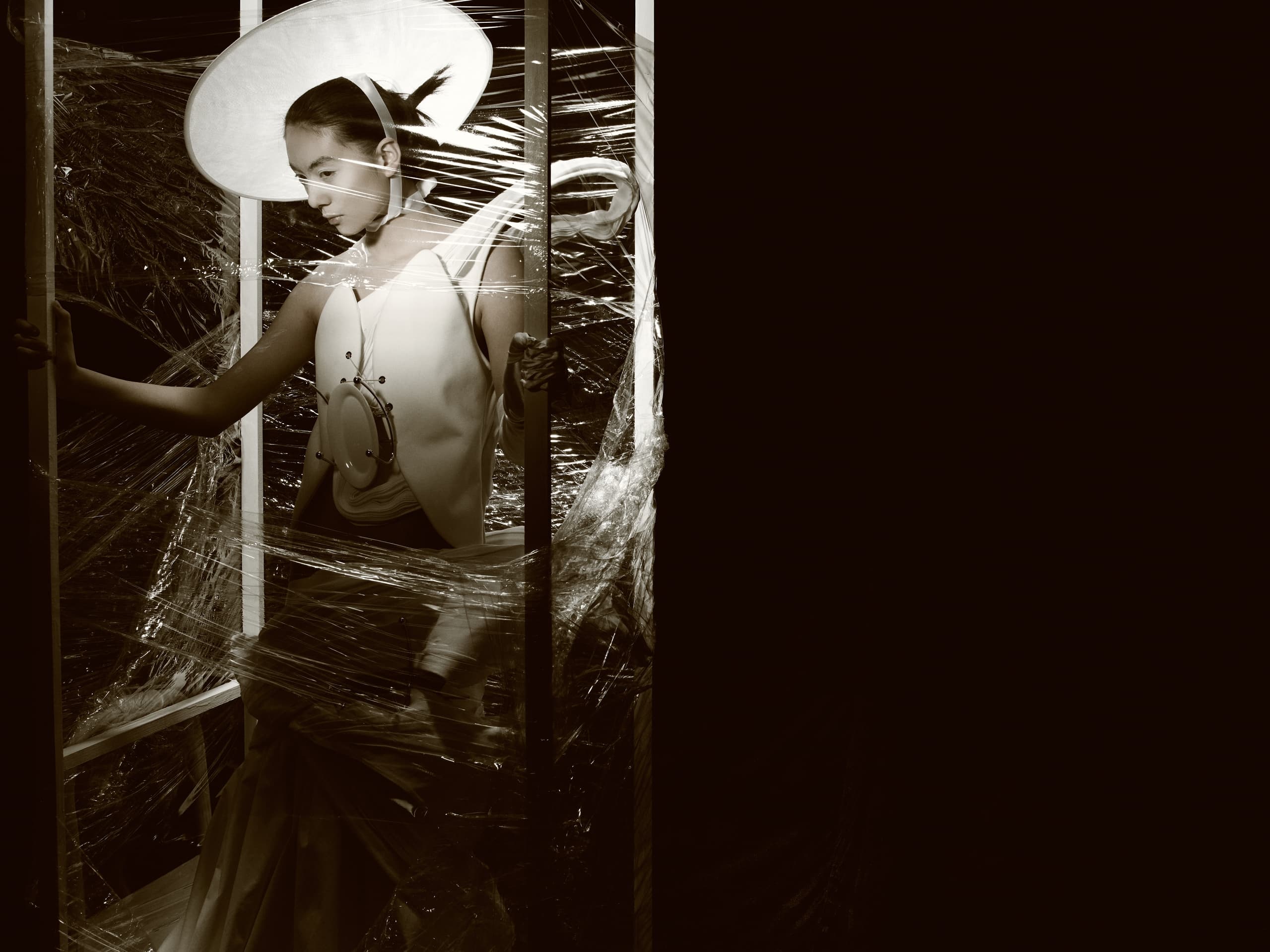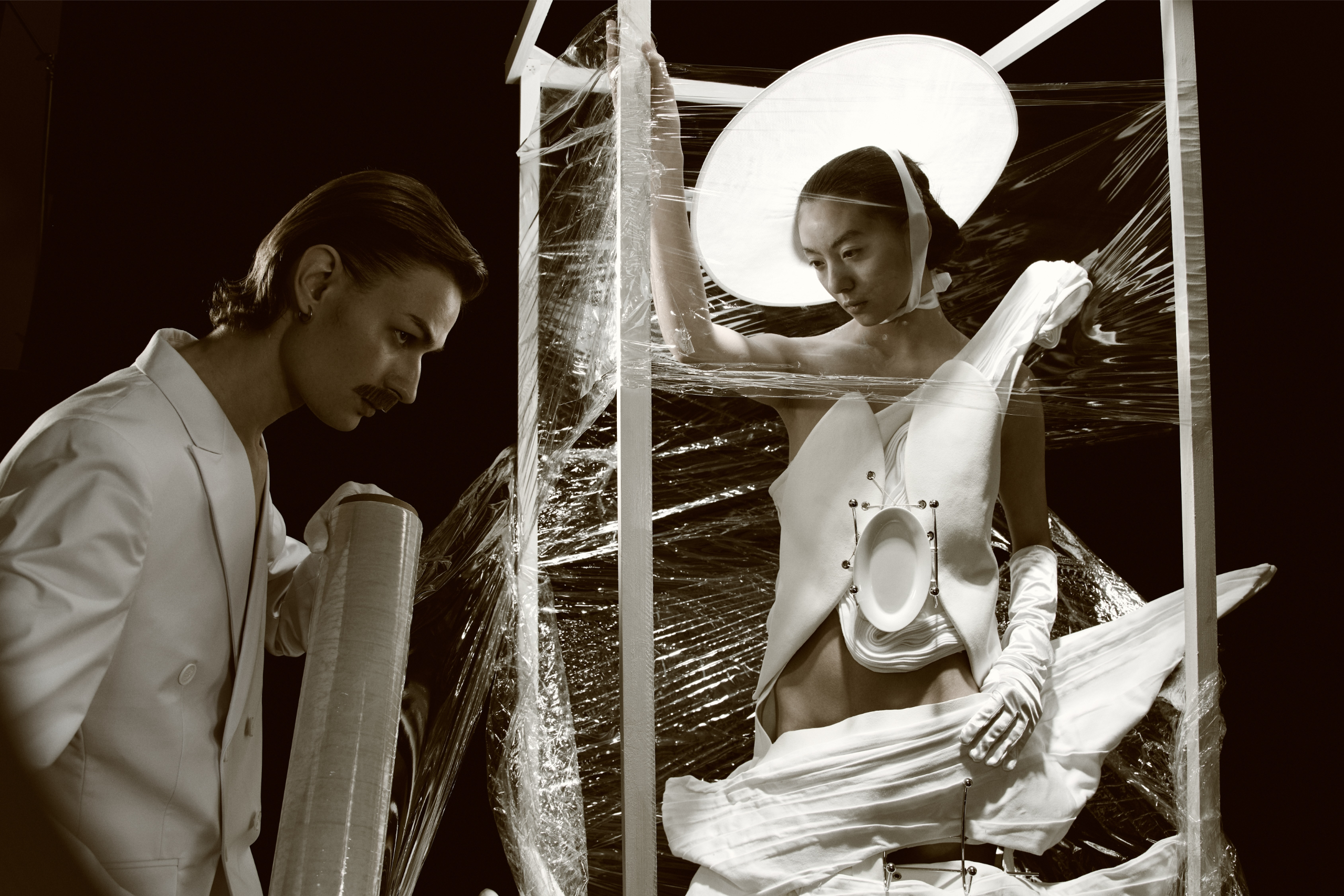
RElocate
A new project by one researcher and artist asks an unsettling question: by the time an Asian artifact reaches a European museum wall, how much of its original meaning has already been lost, and who decided what to replace it with?
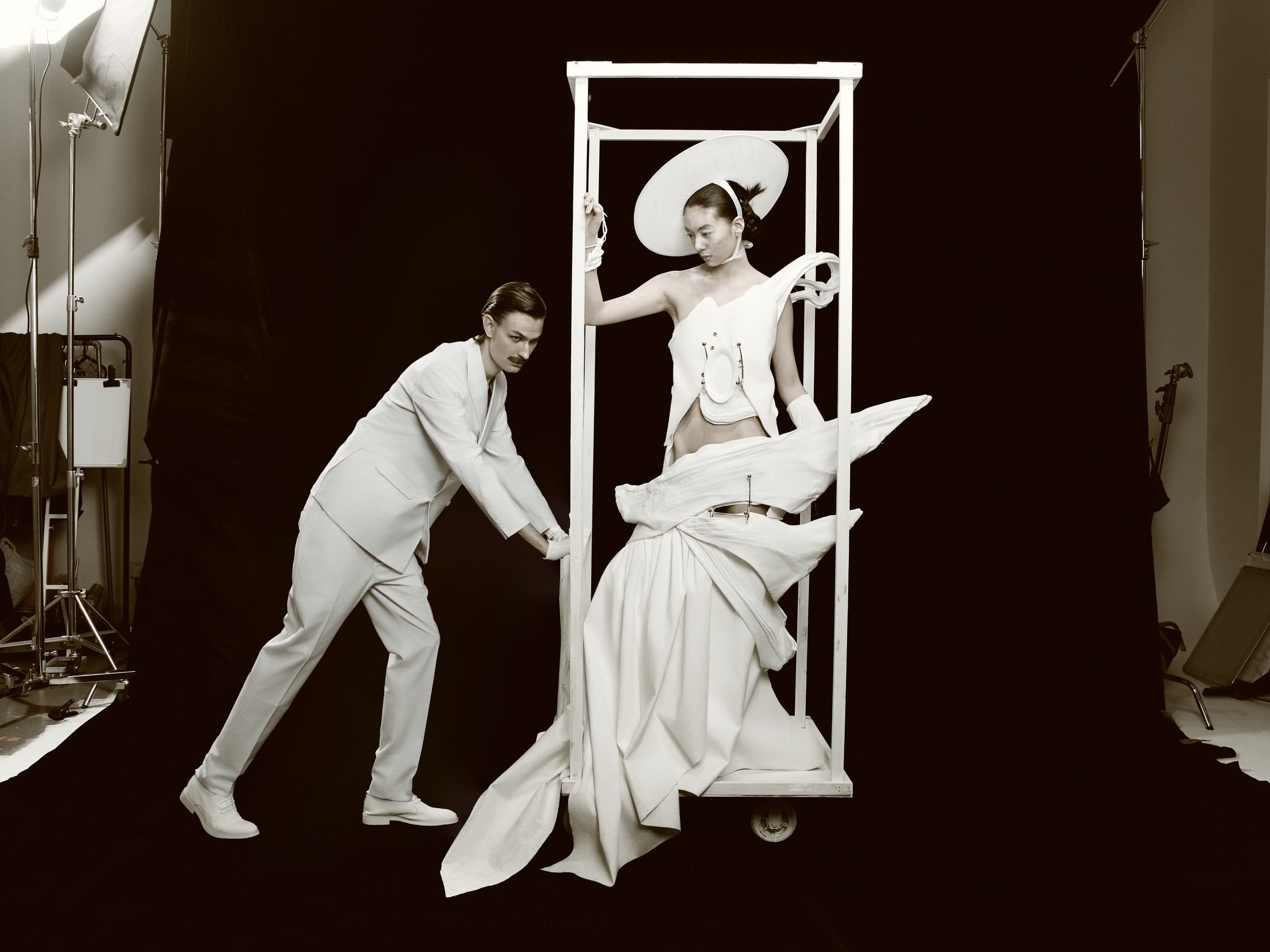
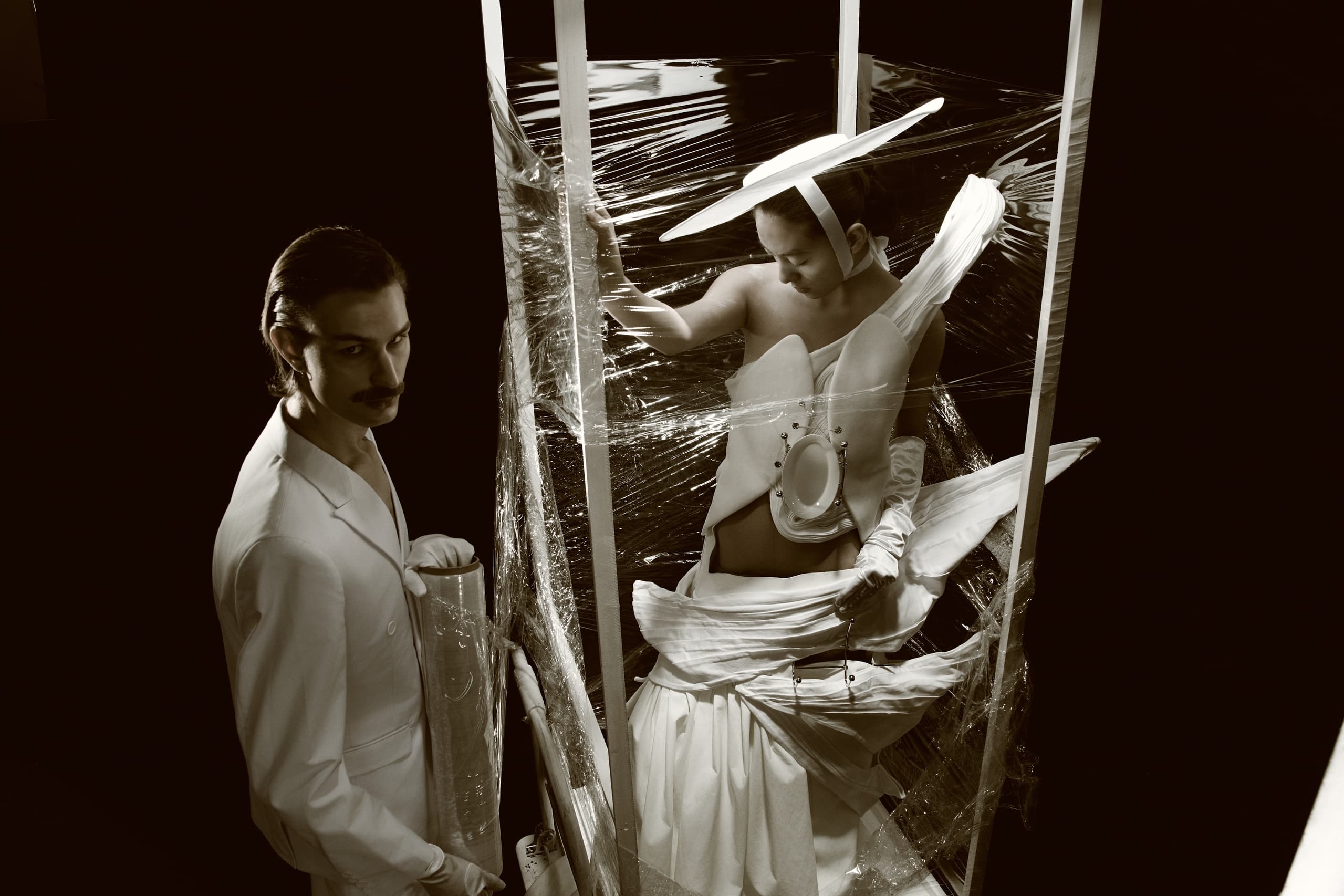
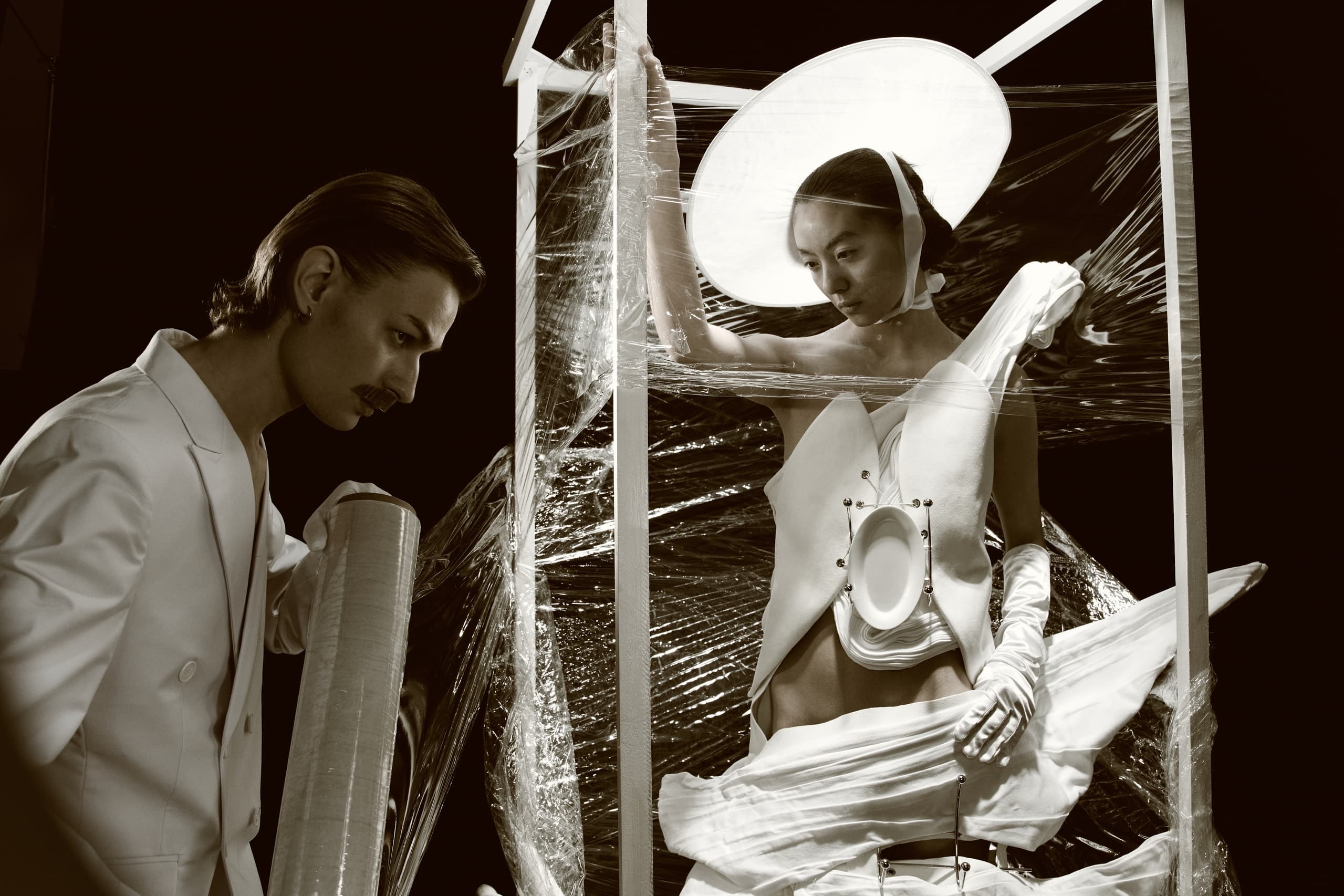
The crate arrives before the object does. It is numbered, documented, handled by conservators in white gloves and by the time the artifact inside is placed beneath a gallery spotlight, something has already changed. That transformation, largely invisible to the visiting public, is exactly what one artist and researcher has spent years trying to understand.
The work grows out of a long-term observation of how major European museums display Asian cultural artifacts; a practice the creator describes not as neutral presentation, but as active meaning-making. “Exhibition-making is not merely a method of presenting objects,” they explain. “It is also a mechanism of knowledge production and meaning construction.” Through the choices institutions make — how objects are classified, labelled, spatially arranged, and narrativized – museums do not simply show culture. They define it.
“Cultural meaning is often redefined in the very process of movement.”
The project draws on postcolonial theory to examine what happens when Asian objects carrying religious or spiritual significance enter Western institutional frameworks. The original context of such objects is frequently stripped away, the creator argues, and replaced by interpretive lenses rooted in Western art history or anthropology. This recontextualization, they are careful to note, is not simply an act of erasure, it can also be understood as a form of cross-cultural exchange. But it is never a neutral one. “Who has the power to define meaning?” the work asks, echoing Edward Said’s observation that cultural representation always involves a redistribution of discursive authority. “Who determines the narrative framework?”
“Cultural meaning is often redefined in the very process of movement,” the creator explains. It is a simple observation with profound implications. The transit phase — ordinarily the most invisible part of a museum’s operation — is, in this reading, also one of the most consequential.
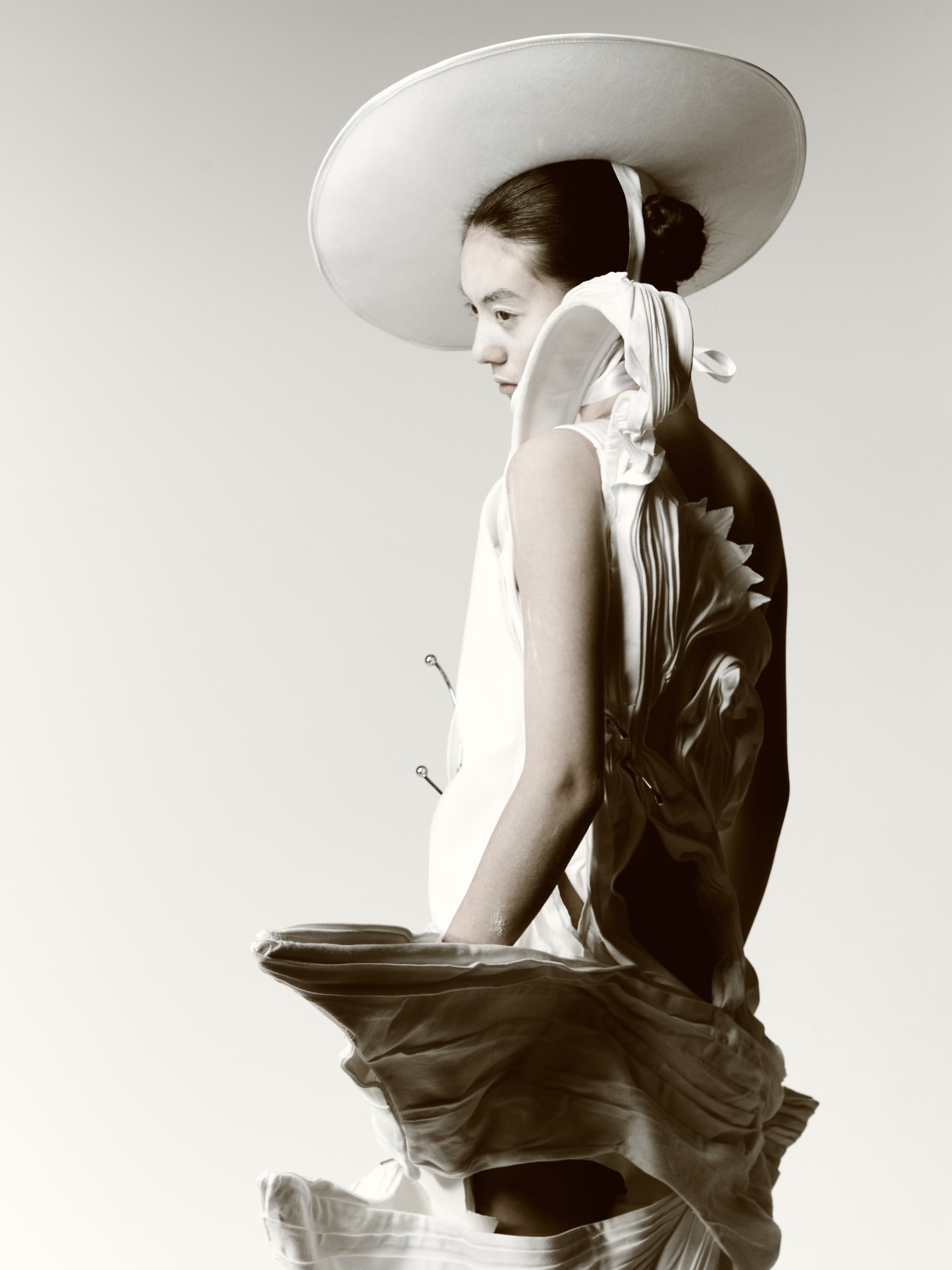
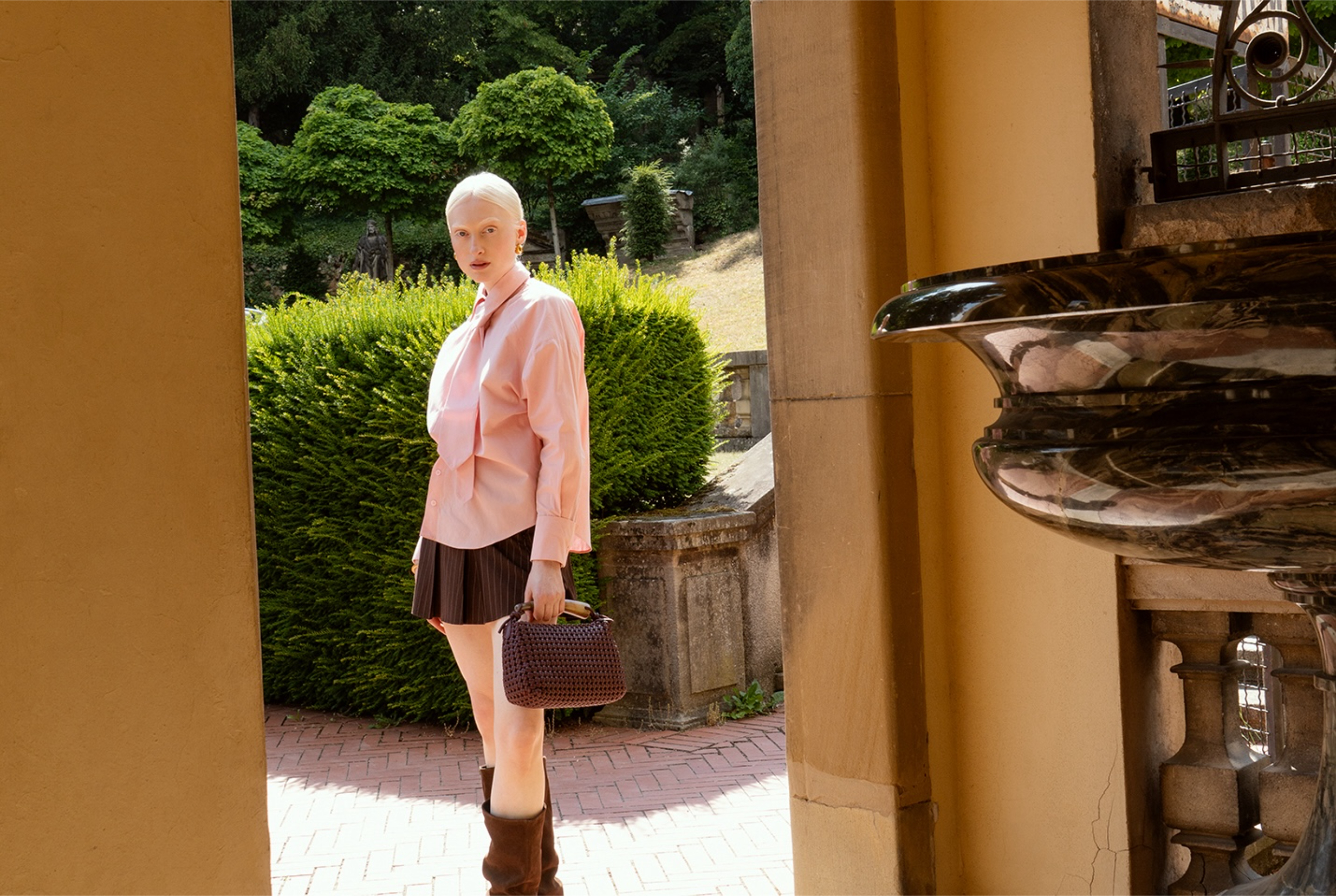
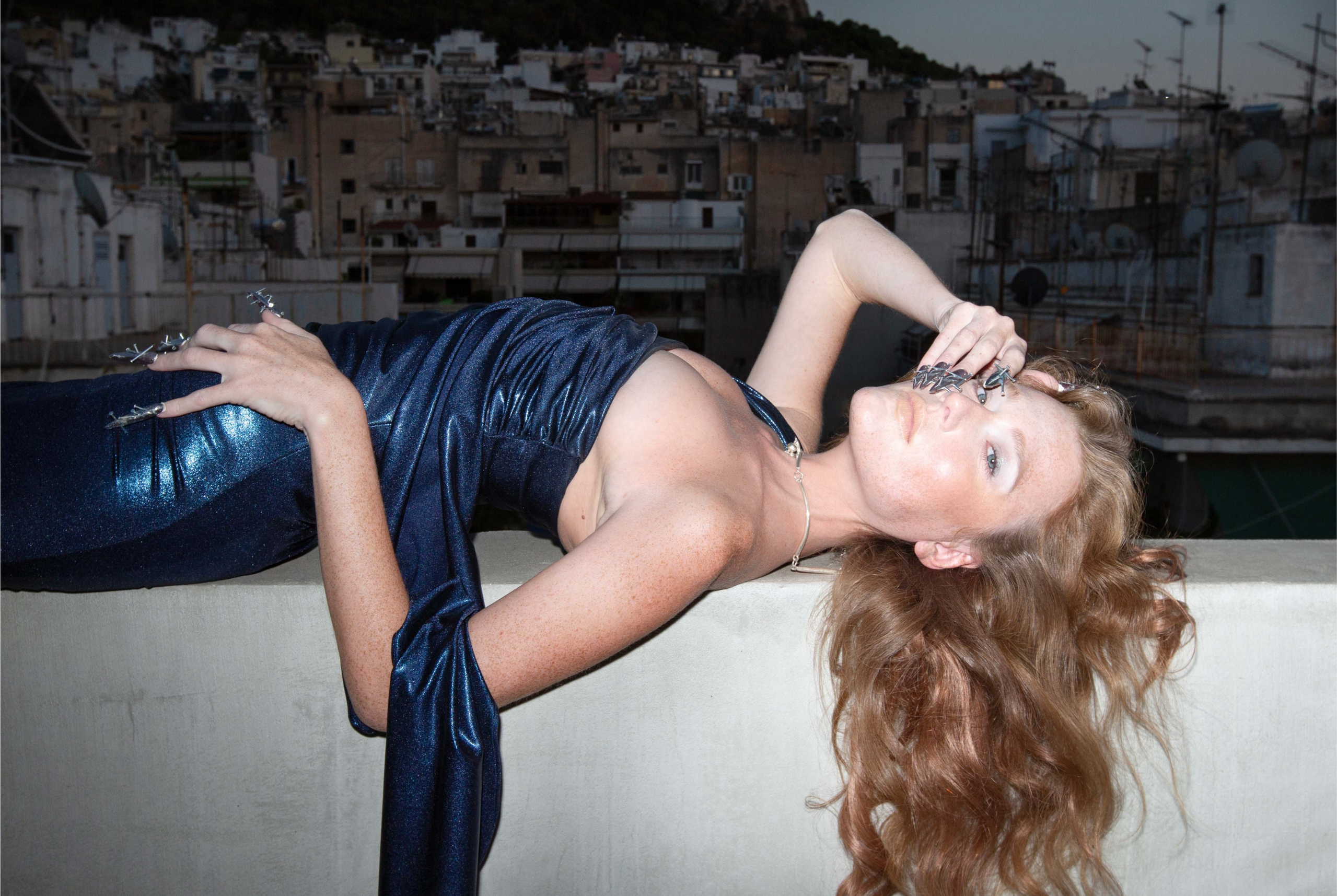
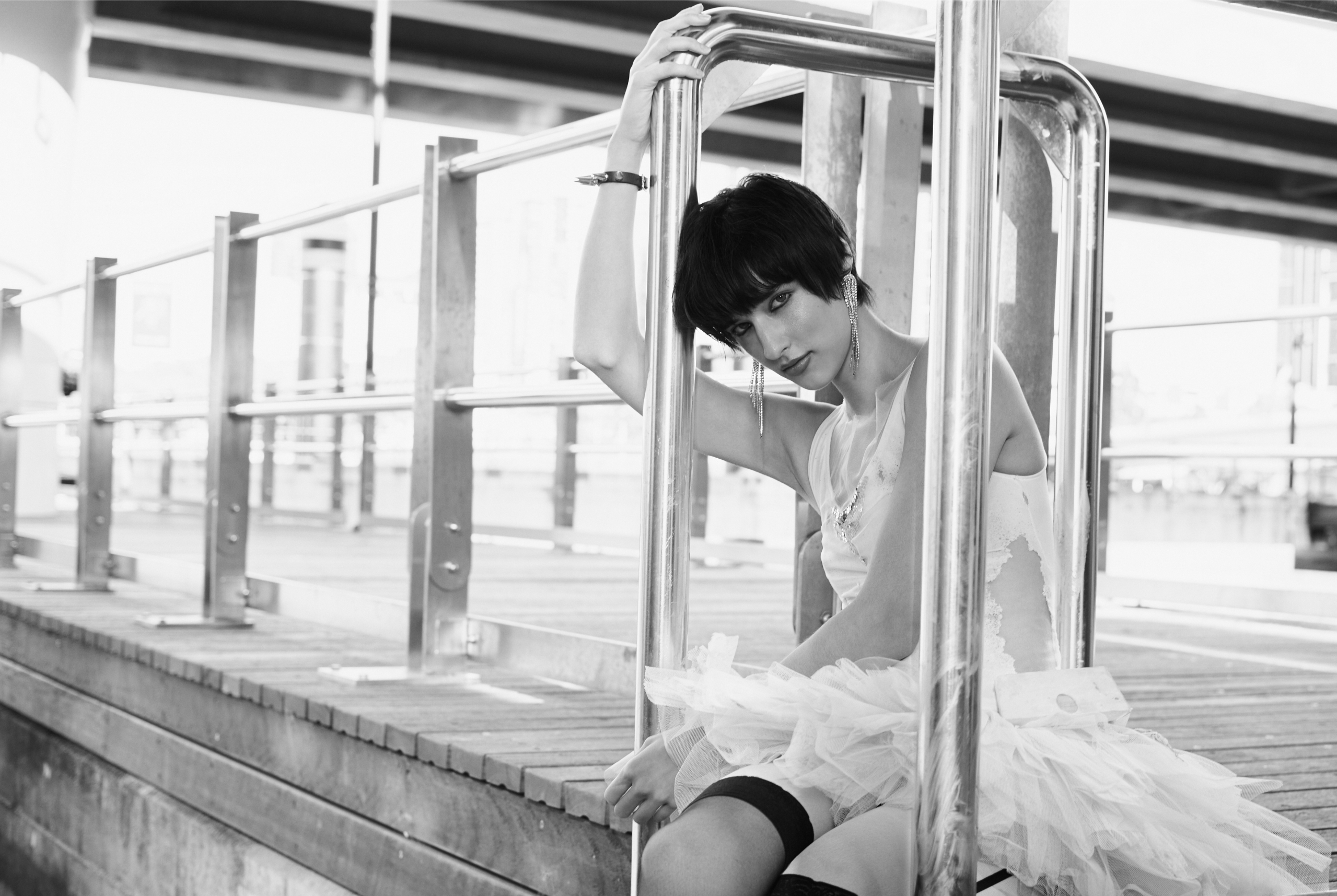
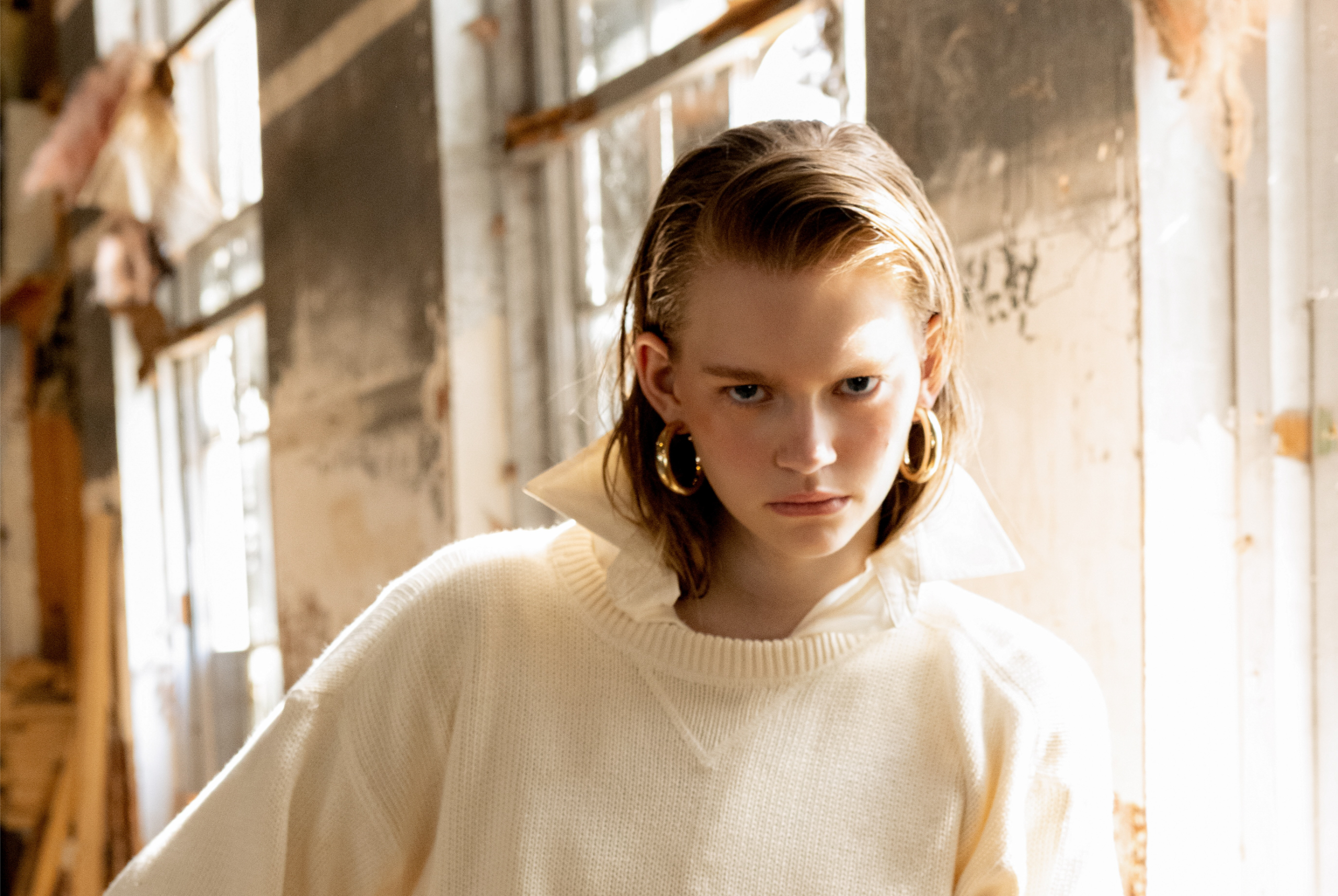
Photographer: JIUMEIZI @jiumeizichen // Makeup Artist: Honghonghong // Model: Yurui Ma @Rosamodels, Bernik Nikita // Fashion Designer: Hongshan Feng @_hongshan // Assistant: MIANBEI DAJING、panpan
Wardrobe credits: Look 1: Hongshan Feng @_hongshan // Look 2: Hongshan Feng @_hongshan