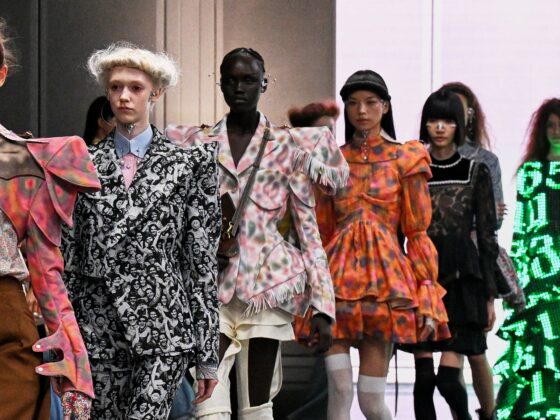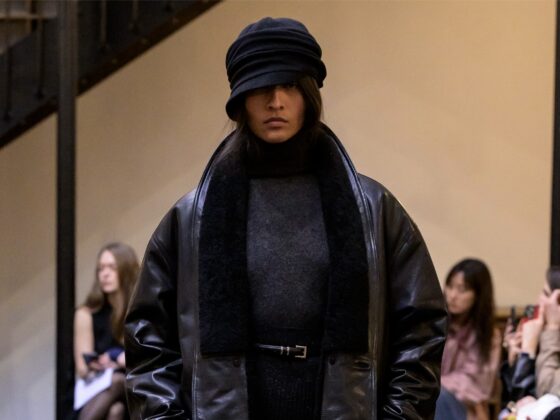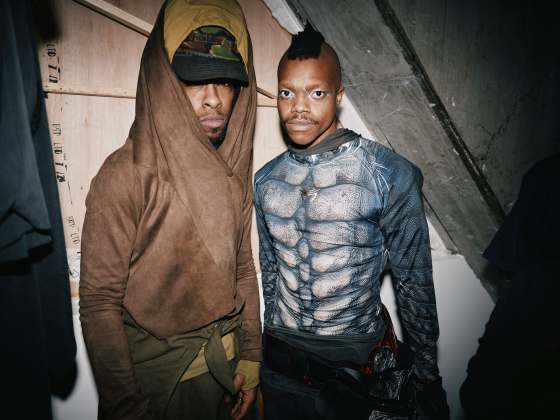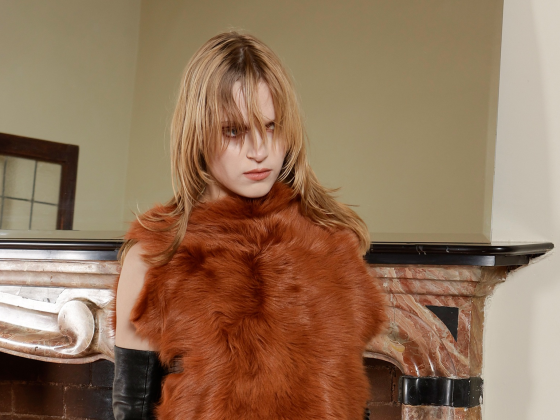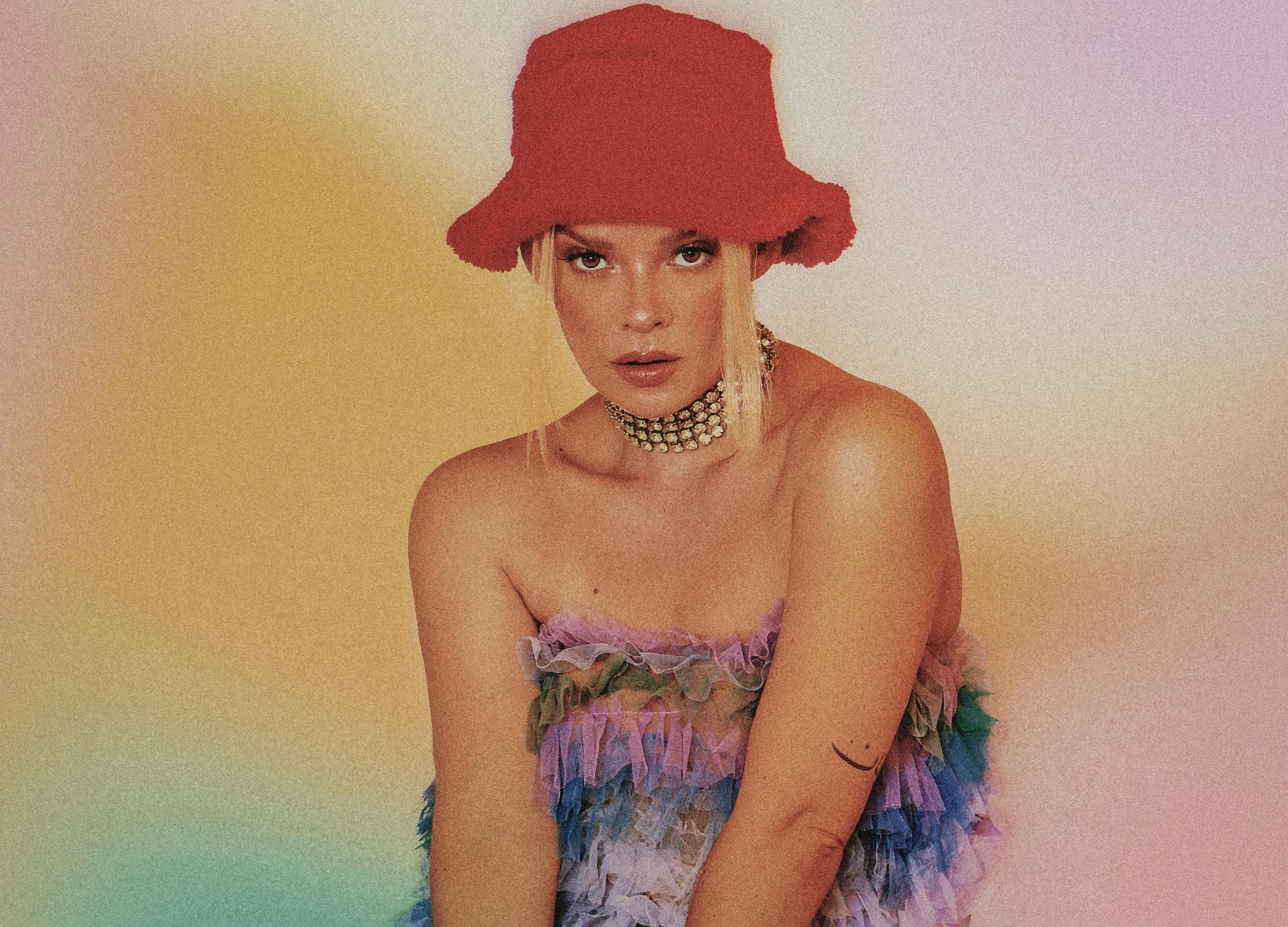
The fashion trends defining 2026 center on color’s strategic return to minimalist wardrobes, the refinement of quiet luxury into more expressive territory, and tailoring that balances structure with ease. These shifts reflect a maturing relationship with investment dressing where personality and longevity coexist, moving beyond the stark neutrals and rigid minimalism that dominated recent years.
Table of Contents
- Why Fashion Trends Are Changing in 2026
- How to Wear Tailored Blazers in 2026
- What Colors Are Trending in Fashion 2026
- Best Investment Pieces to Buy in 2026
- What Accessories Are Worth Buying in 2026
- What Fabrics Are Trending in 2026
- How to Build a Minimalist Wardrobe in 2026
- How to Build a Quality Wardrobe on a Budget
- What 2026 Fashion Means for How We Dress
Why Fashion Trends Are Changing in 2026
Quiet luxury has evolved beyond its initial austere interpretation. The past two years established restraint and quality as fashion’s governing principles, but 2026 brings texture, subtle color, and individual expression into the equation without abandoning the emphasis on craftsmanship and timelessness. This isn’t a return to maximalism or trend-driven dressing – it’s minimalism gaining nuance and depth.
Economic considerations continue shaping how people build wardrobes. Luxury price increases and inflation have made thoughtful purchasing essential rather than aspirational. Consumers are buying fewer pieces but demanding more versatility, better construction, and designs that remain relevant across multiple seasons. This environment favors trends rooted in wearability and longevity over Instagram-friendly statements that lose relevance within months.
How to Wear Tailored Blazers in 2026
What Blazer Styles Are Trending in 2026
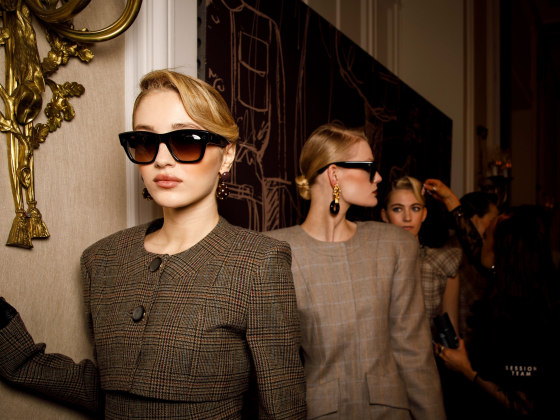
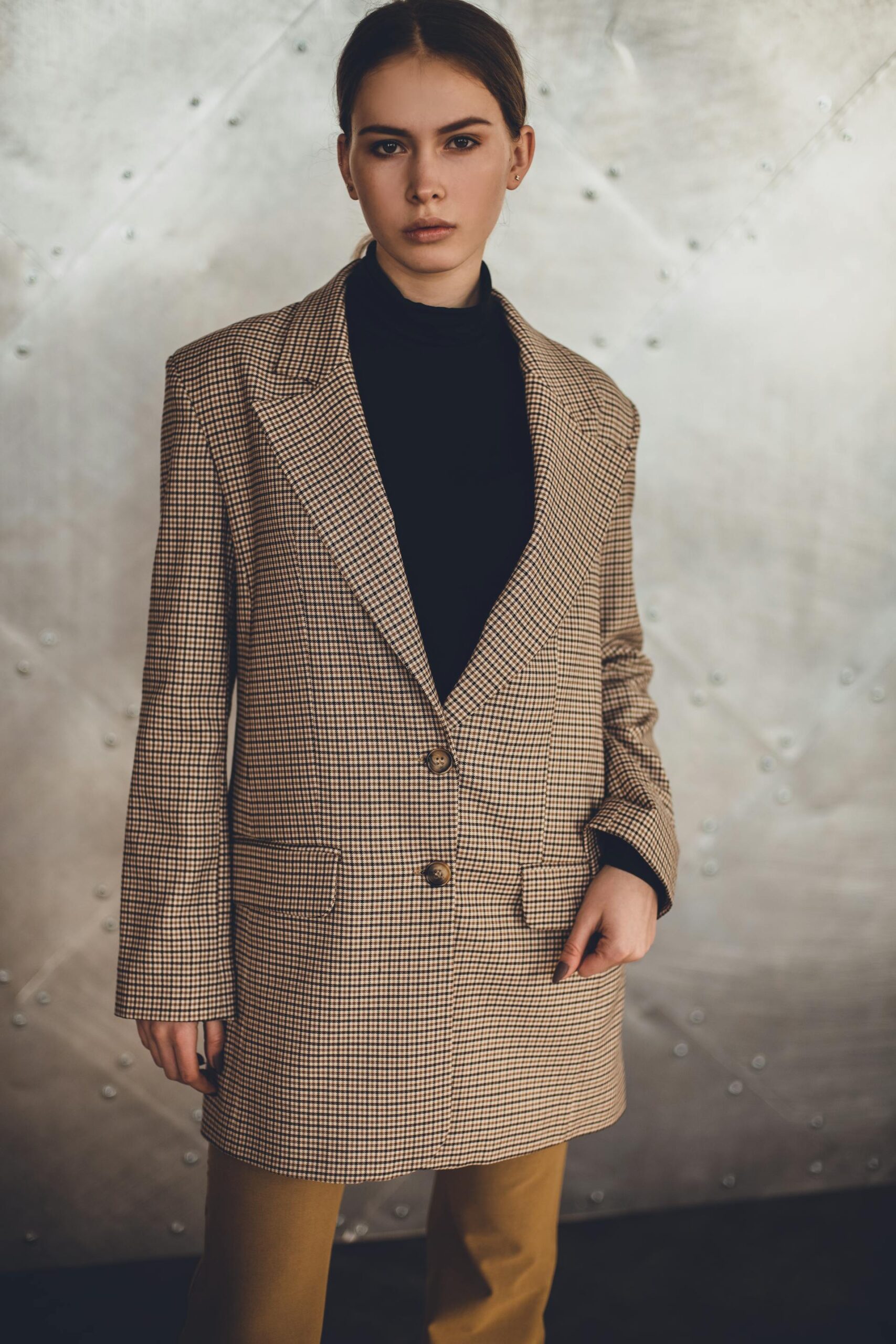
Tailoring remains central to 2026 style, but the silhouette has shifted from the oversized borrowed shapes of recent years toward more defined structures. Shoulders are returning—not the aggressive power shoulders of the 1980s, but gently structured shapes that create definition without feeling costume-like or restrictive.
This refined tailoring acknowledges that oversized proportions, while comfortable, can read as unfinished or borrowed rather than intentional. The new blazers fit cleanly through the shoulders with a slight taper at the waist, creating shape while maintaining ease of movement. Brands like The Row, Khaite, and Toteme demonstrate this evolution with blazers that feel polished and deliberate without returning to the rigid construction of traditional suiting.
Fabric choices reflect this shift toward structure with comfort. Wool blends with stretch, technical fabrics that hold shape while allowing movement, and softer constructions that create line without requiring heavy interfacing. The goal is tailoring that looks sharp but wears as comfortably as the relaxed pieces that dominated pandemic-era dressing.
How to Style Matching Sets for 2026
Coordinated separates are displacing the blazer-and-jeans combination that became quiet luxury’s default uniform. Matching trouser suits, skirt sets, and even elevated knit coordinates create cohesion that feels more sophisticated than simply pairing neutral pieces. This trend simplifies dressing while elevating the overall effect—the outfit arrives pre-composed, requiring minimal styling to look intentional.
The matching set’s appeal lies in its dual functionality. Worn together, the pieces create a complete, polished look appropriate for professional settings or evening occasions. Separated, they extend versatility by integrating with existing wardrobe items. A charcoal wool suit works as a set for meetings or dinner, while the blazer pairs with denim and the trousers work with a simple knit top for different contexts.
This approach also addresses decision fatigue. Having outfits that work as units reduces the daily calculation of what goes with what, while still allowing flexibility when you want to style pieces individually. It’s an efficient strategy for wardrobes built around fewer, better pieces.
What Colors Are Trending in Fashion 2026
Best Neutral Colors to Wear in 2026
The all-neutral, all-the-time aesthetic is expanding to include color used with the same restraint previously reserved for beige and gray. Rich, muted tones—burgundy, forest green, navy, deep rust, chocolate brown—are being integrated into wardrobes as neutrals rather than accent colors. These shades work together and with traditional neutrals, creating depth without sacrificing the versatility that made monochrome dressing appealing.
This shift acknowledges that endless beige and gray can feel limiting and even monotonous. Adding deeper, saturated tones provides visual interest while maintaining the cohesive, sophisticated aesthetic that defines contemporary style. A burgundy blazer functions the same way as a camel one in terms of versatility, but brings more personality to the wardrobe.
The key is treating these colors as foundational rather than seasonal. A forest green coat or chocolate brown trousers become pieces you reach for repeatedly across years, not trends you abandon when the color moment passes. This approach requires choosing shades that complement your existing wardrobe and personal coloring rather than following color-of-the-year declarations.
How to Wear Monochromatic Outfits
Monochromatic dressing continues but with expanded color options beyond cream, black, and gray. Head-to-toe burgundy, all-navy outfits, or full looks in chocolate brown create the same streamlined effect as traditional tonal dressing while feeling less austere. This approach maintains quiet luxury’s emphasis on cohesion and quality while allowing more individual expression.
Tonal dressing in color requires attention to fabric and texture to avoid looking flat. Mixing materials—a silk blouse with wool trousers, a cashmere knit with leather boots—creates depth within a single color story. The technique that made all-beige outfits interesting applies equally to richer shades, but the color itself brings additional dimension.
Best Investment Pieces to Buy in 2026
Is a Trench Coat Worth Buying in 2026?
The trench coat remains 2026’s most essential outerwear piece, but variations are expanding beyond the classic khaki. Leather trenches, oversized silhouettes that work as coat-dresses, and trenches in unexpected colors like deep green or burgundy offer alternatives to the traditional style while maintaining the coat’s versatility and timeless appeal.
What makes the trench coat an investment is its functionality across contexts. It works for travel, professional settings, casual weekends, and even evening occasions when styled intentionally. The coat’s structured yet not overly formal nature makes it more versatile than most outerwear, justifying the higher price points that quality versions command.
When choosing a trench, prioritize fit through the shoulders and overall proportion over trendier details like exaggerated sleeves or unusual lengths. Classic elements—a defined waist, quality hardware, and substantial fabric—ensure the piece remains wearable for years. The investment logic only holds if you’ll actually wear it repeatedly rather than relegating it to special occasions.
Best Leather Pieces to Invest In
Leather has evolved beyond motorcycle jackets and ankle boots to include refined pieces that integrate seamlessly into minimalist wardrobes. Leather blazers, trousers, and tailored coats offer texture and substance while maintaining clean lines and wearability. The material provides visual interest without pattern or embellishment, fitting the aesthetic of restrained luxury.
Quality matters significantly with leather. Well-made pieces develop character as they age, becoming more valuable with wear, while poor quality leather cracks and deteriorates. This makes leather genuinely suited to investment dressing—pieces improve rather than decline over time when properly maintained. Butter-soft leather trousers or a structured leather blazer can anchor a wardrobe for a decade or more.
The styling approach keeps leather feeling sophisticated rather than edgy. Pairing leather trousers with a cashmere sweater and minimal jewelry creates refinement, while a leather blazer over a silk slip dress feels elegant rather than rock-and-roll. Context comes from styling choices rather than the material itself.
How to Choose the Perfect White Shirt
The white button-down shirt remains fundamental, but the ideal iteration has changed. Oversized, borrowed fits are giving way to shirts that actually fit through the shoulders and waist while maintaining comfort. Fabric quality distinguishes investment versions from basic options—crisp cotton poplin, silk blends, or heavyweight oxford cloth that holds shape through multiple wears.
Details matter more than they did when oversized shapes dominated. Collar construction, button quality, stitching precision, and how the shirt drapes all become visible when the fit is more refined. These elements separate shirts that elevate outfits from those that simply fill a wardrobe slot.
The white shirt’s versatility justifies investing in multiple versions rather than one perfect option. A crisp poplin for formal contexts, a relaxed oxford for casual wear, and a silk blend for evening occasions cover different needs better than trying to make one shirt work across all settings.
What Accessories Are Worth Buying in 2026
Best Designer Bags to Buy in 2026
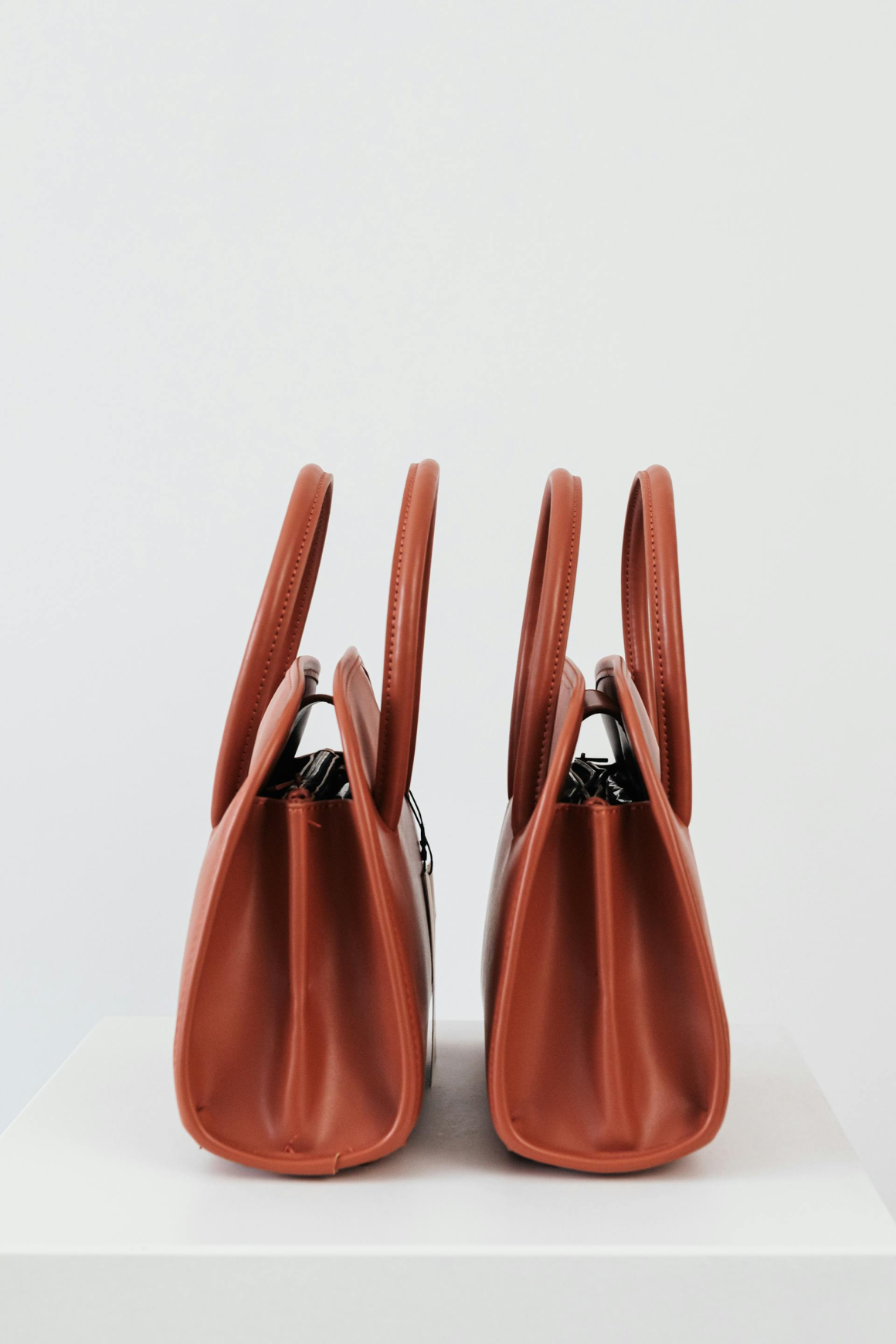
Micro bags and nylon totes are being replaced by structured leather bags sized for actual daily use. The shift reflects practical needs—people are carrying more again as work and social lives normalize—but also a return to accessories as long-term investments rather than trendy additions.
Classic shapes are dominating: structured totes, top-handle bags, and well-proportioned shoulder bags in neutral leathers. These styles have proven longevity and functionality, making them sound investments when quality construction backs them up. Brands known for leather craftsmanship—Métier, Valextra, and legacy houses like Hermès—are gaining ground over logo-heavy options that feel more about status than substance.
The investment logic requires choosing bags you’ll use regularly. A beautiful bag that doesn’t fit your daily needs sits unused regardless of its quality. Consider your actual carrying requirements, preferred silhouette, and how the bag integrates with your existing wardrobe before committing to higher price points.
How to Choose Quality Shoes That Last
Footwear is seeing renewed emphasis on construction quality and timeless design over trend-driven styles. Well-made loafers, riding boots, minimal leather sneakers, and classic pumps in neutral colors form the foundation of considered wardrobes. These pieces cost more initially but prove economical over time when properly maintained.
The shift toward quality footwear reflects broader changes in how people approach fashion purchases. Buying fewer pairs of shoes that last years makes more sense economically and environmentally than cycling through cheaper options that wear out quickly. This calculation requires knowing what distinguishes well-made shoes from marketed-as-quality versions that don’t deliver.
Look for Goodyear welt construction in leather shoes, which allows resoling and extends lifespan significantly. Evaluate leather quality by touch and smell—genuine full-grain leather has substance and subtle variation that corrected or bonded leather lacks. These indicators help identify pieces worth investment pricing.
What Jewelry to Wear in 2026
Fine jewelry in simple forms continues dominating over costume pieces or trend-driven designs. Gold hoops, delicate chains, signet rings, and classic watches provide subtle polish without competing with clothing. The approach treats jewelry as permanent wardrobe elements rather than seasonal accessories, justifying higher investment in pieces you’ll wear continuously.
This minimalism extends to styling—one or two quality pieces make more impact than layering multiple items. A single substantial gold chain or a pair of perfectly proportioned hoops provides all the jewelry an outfit needs. The restraint keeps focus on overall composition rather than individual elements.
Choosing jewelry for long-term wear means considering personal style beyond current trends. Pieces should feel like natural extensions of how you dress rather than additions you have to plan around. This makes classic designs in quality materials the safest investment—they integrate effortlessly regardless of how other aspects of your style evolve.
What Fabrics Are Trending in 2026
How to Mix Textures in Outfits
Texture is becoming as important as color and silhouette in creating visual interest within minimalist aesthetics. Chunky knits, bouclé, mohair, and textured weaves add dimension to simple shapes, creating outfits that feel rich and considered without pattern or embellishment.
This emphasis on texture rewards in-person shopping where you can touch fabrics and understand their weight and hand. Online images flatten these qualities, making it difficult to appreciate what distinguishes a beautiful textured knit from a basic one. The tactile element becomes part of the luxury—clothing that feels as good as it looks.
Mixing textures within monochromatic or tonal outfits creates depth that keeps minimalist dressing interesting. A smooth silk blouse with textured wool trousers and a chunky knit cardigan all in cream creates visual richness without color or pattern. This layering of textures requires attention to how materials interact, but the results feel more sophisticated than flat, uniform fabrics.
Why Natural Fabrics Are Better Than Synthetic
Wool, silk, cashmere, linen, and cotton are taking priority over synthetic materials even in casual pieces. This shift reflects both sustainability concerns and the superior performance of natural fibers in terms of comfort, breathability, and longevity. Well-made natural fiber garments wear better, age more gracefully, and feel more pleasant against skin than most synthetic alternatives.
The emphasis on natural materials also connects to the broader investment dressing mentality. Natural fibers, when properly cared for, last significantly longer than synthetics. A cashmere sweater maintained well serves for decades, while acrylic alternatives pill and deteriorate within seasons. The higher initial cost distributes across years of wear, ultimately proving more economical.
Understanding fabric care becomes essential when investing in natural fibers. Wool requires different handling than cotton, silk needs specific cleaning approaches, and cashmere demands gentle treatment. This knowledge helps protect investments and ensures pieces remain wearable for their full potential lifespan.
How to Build a Minimalist Wardrobe in 2026
How to Style Minimalist Outfits with Personality
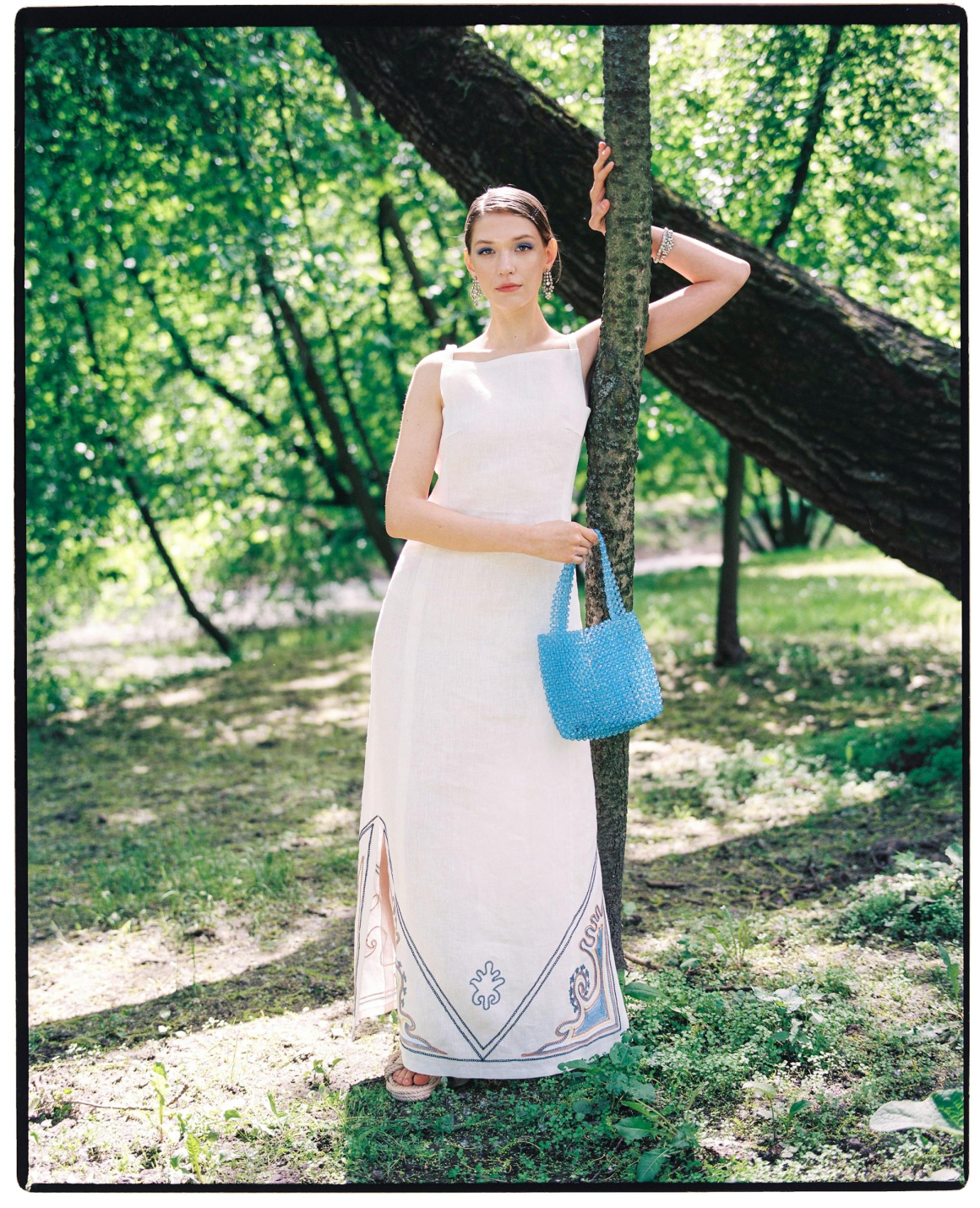
Minimalism is softening without abandoning its core principles. Outfits maintain clean lines and limited color palettes but incorporate texture, subtle color, and pieces with personality. This evolution acknowledges that stark minimalism can feel cold or impersonal, while too much restraint limits self-expression.
The balance lies in choosing quality pieces that bring individuality through cut, texture, or color while maintaining overall cohesion. A burgundy leather blazer stands out more than a beige one but still functions as a neutral in terms of versatility. A chunky knit in cream provides visual interest through texture rather than pattern or color.
How to Create Complete Outfits That Look Intentional
Styling is moving toward outfits considered as complete compositions rather than individual pieces layered together. This approach means thinking about proportion, texture, and color balance across the entire look rather than building from a single statement piece. The result feels more intentional and sophisticated.
This requires stepping back to evaluate the full effect rather than focusing on whether individual pieces work. A beautiful cashmere sweater might be too visually heavy when paired with textured wool trousers and chunky boots, while the same sweater balances perfectly with smooth leather pants and minimal footwear. The outfit’s overall composition dictates choices rather than whether individual pieces are “good.”
How to Develop Your Personal Style
The most significant shift for 2026 is the growing emphasis on personal style confidence over trend following. Fashion is moving away from everyone wearing the same uniform toward individuals developing distinct approaches within broader aesthetic principles. This means understanding which trends serve your lifestyle and personal aesthetic rather than adopting everything current.
This confidence comes from knowing what works for your body, lifestyle, and preferences rather than deferring to external validation. It’s the difference between buying a trendy piece because everyone else has it versus choosing something because it genuinely serves your wardrobe and feels authentically you. The former approach leads to regret and unused purchases, while the latter builds wardrobes that remain satisfying for years.
How to Build a Quality Wardrobe on a Budget
How to Audit Your Wardrobe Before Shopping
Before adding new pieces, audit your existing wardrobe for what you genuinely wear versus what you think you should wear. The pieces you reach for repeatedly reveal your actual style and needs more accurately than aspirational items that sit unused. Build from this foundation rather than trying to transform your style completely.
This audit also identifies gaps—not in terms of trends but in terms of functionality. If you repeatedly struggle to find the right piece for certain occasions or weather conditions, those gaps deserve investment. A wardrobe that serves your actual life makes every piece more valuable than a collection of beautiful items that don’t align with reality.
Where to Invest Your Fashion Budget
Prioritize investment in pieces that contact your skin and items you wear most frequently. High-quality basics—perfect white shirts, excellent knitwear, well-made undergarments—provide more daily value than occasional statement pieces. The pieces you wear weekly justify higher spending more than items reserved for special occasions.
Outerwear also deserves investment priority. Coats and jackets get seen more than anything else you wear and must withstand weather and frequent use. A quality coat lasts a decade or more with proper care, making the cost-per-wear calculation favorable even at higher price points.
How to Shop for Quality Clothing
Creating a quality wardrobe takes time. Rushing to acquire everything at once usually results in purchases you later regret or pieces that don’t integrate well together. Building gradually allows you to understand what actually works for your life and refine your style as you go.
This slower approach also spreads cost over time, making investment dressing more financially accessible. One or two quality pieces per season builds a substantial wardrobe over several years without requiring major outlay at once. The gradual accumulation also helps each piece integrate naturally into how you dress rather than forcing new additions to work.
What 2026 Fashion Means for How We Dress
The trends defining 2026 share a common thread: they prioritize longevity, versatility, and personal expression within a framework of quality and restraint. This represents fashion maturing beyond the rapid trend cycles and disposable consumption that characterized previous decades. The shift isn’t just about what we wear but how we think about clothing’s role in our lives.
This evolution suits both economic realities and growing awareness of fashion’s environmental impact. Buying less but better serves multiple goals simultaneously—it’s more sustainable, more economical over time, and results in wardrobes that feel more cohesive and personally meaningful. The fashion that emerges from these priorities feels more grown-up, more intentional, and ultimately more satisfying than the trend-chasing approach it’s replacing.
For individuals building or refining their wardrobes, 2026’s aesthetic offers a clear direction: choose quality over quantity, prioritize versatility, invest in craftsmanship, and allow your personal preferences to guide decisions rather than following trends blindly. This approach requires more initial thought and sometimes higher upfront investment, but it rewards you with clothing that remains relevant and wearable for years rather than seasons.