Searches for cloud skin jumped 870% in the past year. Around 724,000 searches last month alone. At this point, it’s not a micro-trend bubbling up on TikTok. It’s the direction beauty is actually moving, and if you haven’t tried it yet, you’ve probably already seen it on someone’s face and thought their skin just looked really good.
What Is Cloud Skin and How Is It Different From Glass Skin?
Glass skin was never really that wearable. Beautiful to look at on a screen, yes. But in real life, under office lighting, after three hours? It starts to look less “dewy glow” and more “I ran here.” The look demanded constant upkeep, a specific skin type, and products that cost more than most people want to spend on something they’ll sweat off by lunch.
Cloud skin is quieter. The finish is soft, slightly diffused, semi-matte, closer to how skin actually looks when it’s healthy and well-rested than to a glass surface or a filtered photo. Think of it as the difference between a mirror and frosted glass. Both are smooth. One reflects everything. The other just looks good.
Danielle Louise, a beauty expert at Fresha, calls it “the midpoint between Clean Girl perfection and something more experimental.” That sounds like PR speak until you actually try it and realize she’s right. It’s dressed up enough for a dinner, underdone enough for a Tuesday.
The blur is the whole point. Not coverage. Not glow. Just skin that looks like the best version of itself, with the rough edges softened.
Why Is Cloud Skin Trending So Hard in 2026?
Partly because of how we look at ourselves now.
A generation ago, makeup trends were shaped by magazine covers and red carpets, aspirational but distant. Now the face you’re most confronted with is your own, on your phone, on video calls, in front-facing cameras at slightly unflattering angles in fluorescent light. High-shine finishes that looked incredible in a professionally lit campaign photograph can look oily and flat on a Zoom call. Cloud skin doesn’t have that problem. The diffused, non-reflective finish is almost camera-agnostic. It works in bad light, good light, direct sunlight, and the weird yellow glow of a bathroom at a bar.
But there’s also a more emotional reason it’s resonating. After years of increasingly technical beauty looks: baked foundations, sculpted contour that required a YouTube tutorial to execute, glass skin that demanded a 12-step skincare routine as a prerequisite. People are tired. Not tired of makeup. Tired of makeup that feels like homework.
Cloud skin is achievable. You can get there in ten minutes with products you already own. That’s not nothing.
And unlike trends that require buying into a whole new category, this one slots into existing routines. Blurring primers, skin tints, tinted SPFs, sheer foundations. These products have been sitting in bathroom drawers for years. Cloud skin didn’t invent anything. It just gave people permission to use what they already had.
How Do You Get Cloud Skin? A Step-by-Step Method
The technique is the thing here, not the specific products. You could spend £200 on a blurring foundation and still miss the effect entirely if you apply it wrong. Or you could use a £9 skin tint and get it exactly right. Here’s what actually matters.
Start with a light moisturizer, not a heavy one. Rich, oil-heavy creams are great for nighttime but they work against you here. They push the finish toward shine rather than blur. A gel moisturizer or a lightweight barrier cream gives you hydration without the slip. Anything that still feels wet after sixty seconds is probably too much.
Use a blurring primer. This is the step most people skip, and it’s the one that makes the biggest difference. A silicone-based blurring primer fills in texture, softens the appearance of pores, and creates a surface that makes everything applied on top look more diffused. Elf’s Poreless Putty Primer costs around £10 and is genuinely difficult to beat. The Hourglass Veil Mineral Primer has been doing this job quietly and brilliantly for years.
Apply a skin tint or a light-coverage foundation, not full coverage. Anything labeled “full coverage” or “matte” is designed to sit on top of the skin, not blur into it. You want something sheer enough that the actual skin underneath is still visible. A skin tint, a tinted SPF, a sheer buildable foundation. Apply less than you think you need.
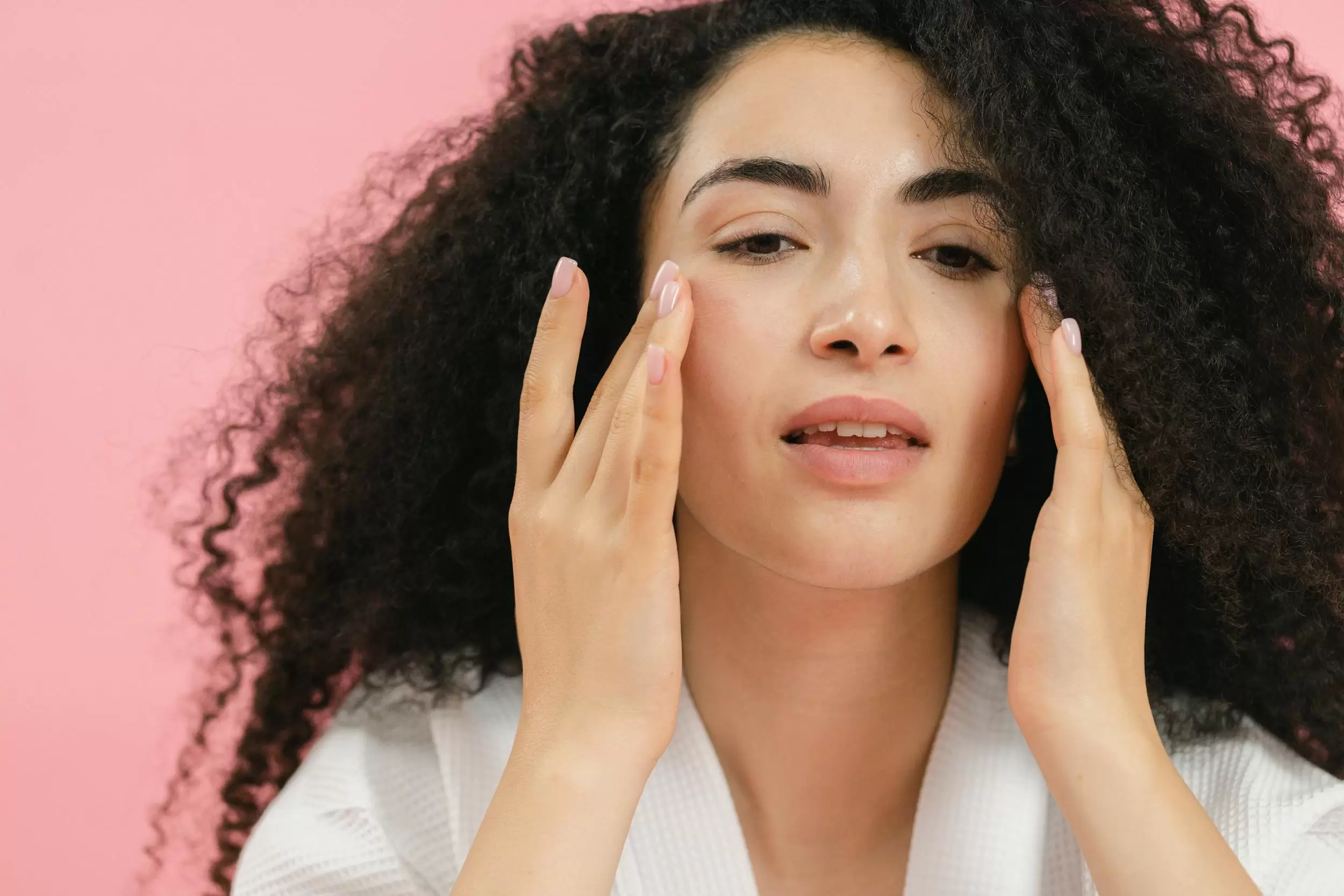
Blend with your fingers or a damp sponge. Put the brush down. A dense foundation brush applies product in a way that looks, and photographs, like product. Fingers press the formula into the skin. A damp sponge does the same thing while sheering it out even further. Either gives you that “this is just what her skin looks like” quality that a brush almost never does.
Use cream textures for everything else. Blush, bronzer, highlighter. All of it in cream. Powder products layered over a blurred base tend to break the effect and start looking chalky within a few hours. Cream formulas sink into the skin, which is exactly what you want. Charlotte Tilbury’s stick blush in Pillow Talk, blended with a finger, is a good benchmark for how this should feel.
Set lightly, only where you need to. A translucent powder across the T-zone, applied with a fluffy brush and a light hand, controls shine without flattening everything you’ve just built. MAC’s Prep + Prime Transparent Finishing Powder is the one. Leave the rest of the face alone.
The most common mistake is over-perfecting it. Cloud skin is supposed to look slightly unfinished. If you’re standing in front of the mirror blending for twenty minutes trying to get it exactly right, you’ve missed the point.
What Skin Prep Does Cloud Skin Actually Require?
More than most looks, this one shows what’s underneath.
Full-coverage foundation is forgiving. It covers dehydration, texture, uneven tone. Cloud skin doesn’t. The whole look is built around the skin being visible, so if the skin is dry, flaky, or congested, that’s going to come through the blur effect and sit there looking patchy by 11am.
None of the prep is complicated. A week of consistency with a hydrating serum morning and night (hyaluronic acid, polyglutamic acid, niacinamide, any of these work), SPF every morning, and a slightly richer moisturizer before bed. That’s it. Do that for five to seven days and the skin starts behaving differently under makeup. Less pilling. Better finish. Less touch-up needed by midday.
Exfoliation matters too, but not in a dramatic way. A chemical exfoliant twice a week, something with lactic acid or a low-percentage glycolic acid, removes the surface buildup that makes skin look dull and rough. The difference it makes under a blurring primer is noticeable. The blur looks intentional rather than like you just didn’t blend properly.
This isn’t advanced skincare. It’s just that cloud skin asks the skin to carry more of the visual weight than a heavy foundation does, which means the skin actually has to be in decent shape to carry it.
Which Products Work Best for Cloud Skin?
A few things keep coming up in every conversation about this look right now.
For primers: Elf’s Poreless Putty Primer is the easiest entry point, affordable, widely available, and genuinely effective. The Benefit Porefessional is the reliable mid-range option that’s been in people’s kits for years. Milk Makeup’s Blur + Set Matte Powder works as both a primer and a setting step if you want to simplify.
For coverage: The Nars Pure Radiant Tinted Moisturizer applied with fingers is as close to effortless as this category gets. The Armani Luminous Silk Foundation applied very lightly is the slightly more polished version of the same idea. Charlotte Tilbury’s Airbrush Flawless Finish Skin Perfector is worth knowing about for days when you want a bit more evenness without losing the blur.
For setting: The Hourglass Ambient Lighting Powder in Diffused Light does something slightly magical. It scatters light in a way that actually adds to the cloud effect rather than flattening it. It’s expensive. It’s also genuinely different from a standard setting powder, and the difference shows.
The expensive products are not required. The technique matters more. But if you’re going to invest in one thing specifically for this look, a good blurring primer is where that money makes the most difference.
Does Cloud Skin Work on All Skin Types and Tones?
Better than most finish trends, actually.
Dewy, high-shine finishes are notoriously skin-type specific. They look beautiful on dry skin and actively terrible on oily skin after about two hours. Full matte can look ashy on deeper skin tones and aging on mature skin. Cloud skin’s diffused, non-reflective quality sidesteps a lot of those issues. The finish isn’t reliant on light bouncing off it in a particular way, which means it reads well across a wider range of skin tones and doesn’t pick up the greasiness that a glossy finish would.
For oily skin, the blurring primer and the light translucent setting powder do most of the work. For dry skin, the lightweight moisturizer underneath keeps things from looking patchy. Mature skin tends to respond well to the cream textures and the light-handed application. The look doesn’t settle into lines the way heavy powder can.
It’s one of the more genuinely inclusive trends in that respect. Not every look is.
Is Cloud Skin Just a Trend, or Is It Changing Beauty for Good?
It’s hard to call something a fleeting trend when the search data looks like that and the cultural conditions driving it aren’t going anywhere.
The appetite for perfection in beauty has been declining for a while. Not the appetite for looking good, that’s not going anywhere, but the specific kind of looking good that requires technical skill, expensive tools, and thirty minutes of blending. Glass skin, Clean Girl, the various waves of “no-makeup makeup” all gestured toward naturalness while still demanding an enormous amount of effort and product. Cloud skin actually delivers on the promise. The process is forgiving. The ingredients are accessible. The result looks like good skin rather than good makeup.
Whether the name survives is a different question. “Cloud skin” might get absorbed into some other phrase by next year, the way “glass skin” eventually just became shorthand for dewy. But the approach — light layers, blurred texture, skin that looks improved rather than covered — that’s not going anywhere. It matches how people actually want to look right now, which is always the most durable foundation a trend can have.
Try it with whatever you already own. Worst case, you look well-rested.