The market for pre-loved bags has grown significantly, fueled by a combination of sustainable fashion trends and the appeal of owning unique, high-quality items at a fraction of the original price. Whether you are a seasoned collector or a first-time buyer, purchasing a second-hand bag requires careful consideration to ensure you get the best value for your money.
Research the Brand and Model
Before making any purchase, it is essential to familiarize yourself with the brand and specific model of the bag you are interested in. Understanding the typical features, materials, and signature details of the bag will help you distinguish between genuine items and counterfeits. Check for serial numbers, authenticity cards, and official logos, as these are often key indicators of legitimacy. Websites, forums, and social media groups dedicated to luxury fashion can be excellent resources for verifying details and learning about common issues with certain models.
Inspect the Condition Closely
One of the biggest factors in the value of a pre-loved bag is its condition. Examine the bag thoroughly, paying close attention to the stitching, hardware, zippers, and lining. Signs of excessive wear, such as frayed threads, tarnished hardware, or stains, can affect both the bag’s aesthetic and structural integrity. While some minor wear is acceptable and often expected with pre-owned items, you want to ensure that any damage is cosmetic rather than compromising the bag’s functionality.
Know Your Materials
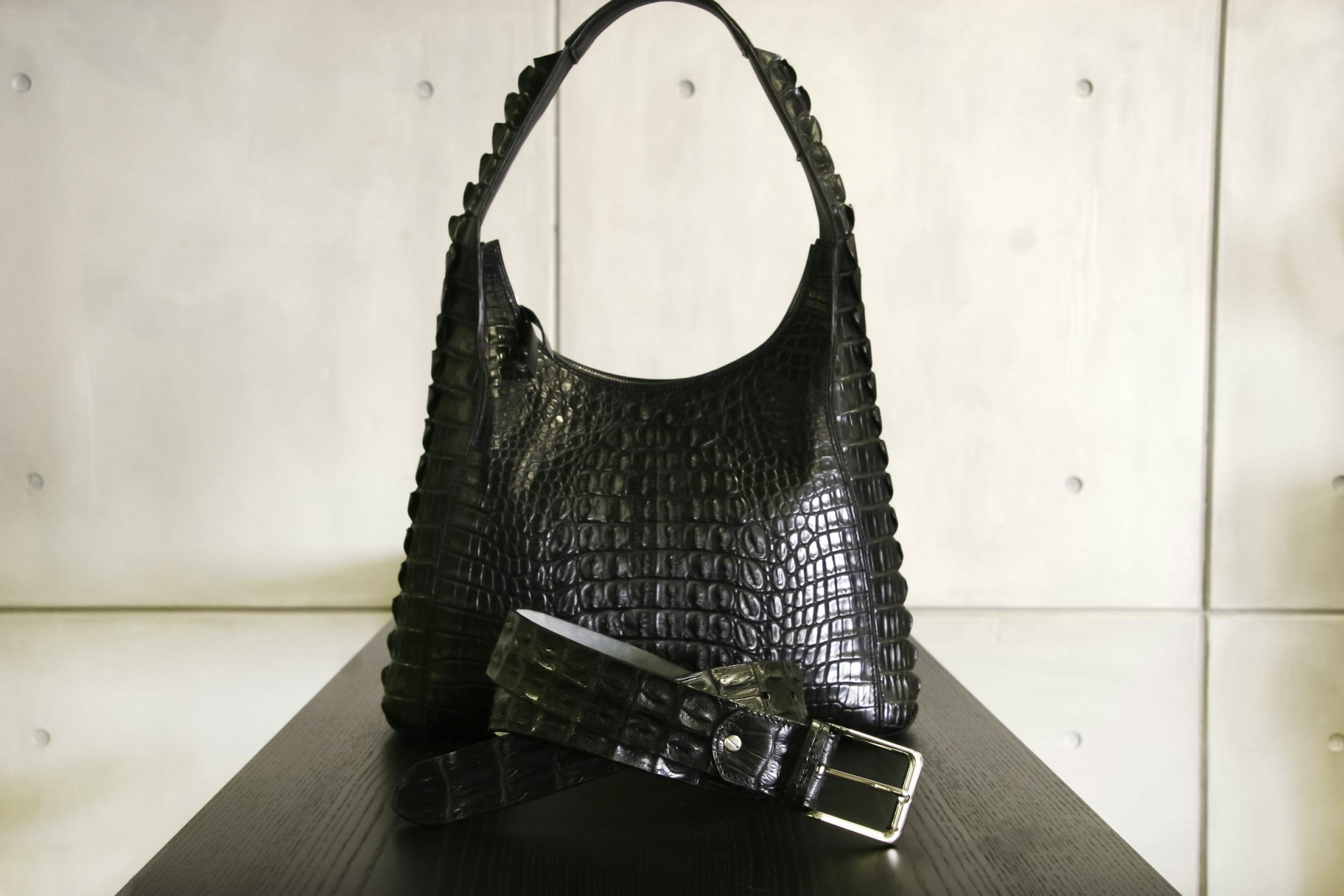
Different bags are made from various materials, each requiring specific care. Leather bags, for example, can develop patina over time, which can enhance their charm if cared for properly. Fabric bags, on the other hand, might show signs of fading or staining more readily. Familiarize yourself with the typical aging process of the material your bag is made from so you can make an informed decision and estimate potential restoration costs if needed.
Check for Authenticity
Authenticity is a major concern when buying pre-loved luxury bags. Counterfeit items are common, especially for high-demand brands. Look for telltale signs such as irregular stitching, incorrect logos, or misaligned hardware. If possible, request proof of purchase or a certificate of authenticity. Professional authentication services are also available and can provide peace of mind, especially when purchasing from online marketplaces where you cannot inspect the bag in person.
Consider the Seller’s Reputation
When buying pre-loved bags, the credibility of the seller matters just as much as the bag itself. Check reviews, ratings, and feedback from previous customers. Established consignment stores and reputable online marketplaces often offer buyer protection and return policies, which can be invaluable if the bag does not meet your expectations. Personal sellers may offer lower prices, but the lack of a return policy or verification increases risk, so proceed with caution.
Explore Vintage Options
One of the joys of buying pre-loved bags is discovering unique pieces that are no longer available in stores. Vintage bags often have distinctive designs and superior craftsmanship that stand the test of time. If you are hunting for one-of-a-kind finds, consider exploring platforms that specialize in vintage bags. For example, vintage bags can offer a range of classic styles that are both stylish and sustainable.
Evaluate Price vs. Value
Finally, always weigh the price against the bag’s condition, rarity, and demand. A slightly worn but rare bag can be a smart investment, while a heavily used bag at a steep price may not offer good value. Set a budget in advance and be prepared to walk away if the deal does not meet your standards. Patience often pays off when hunting for pre-loved treasures.