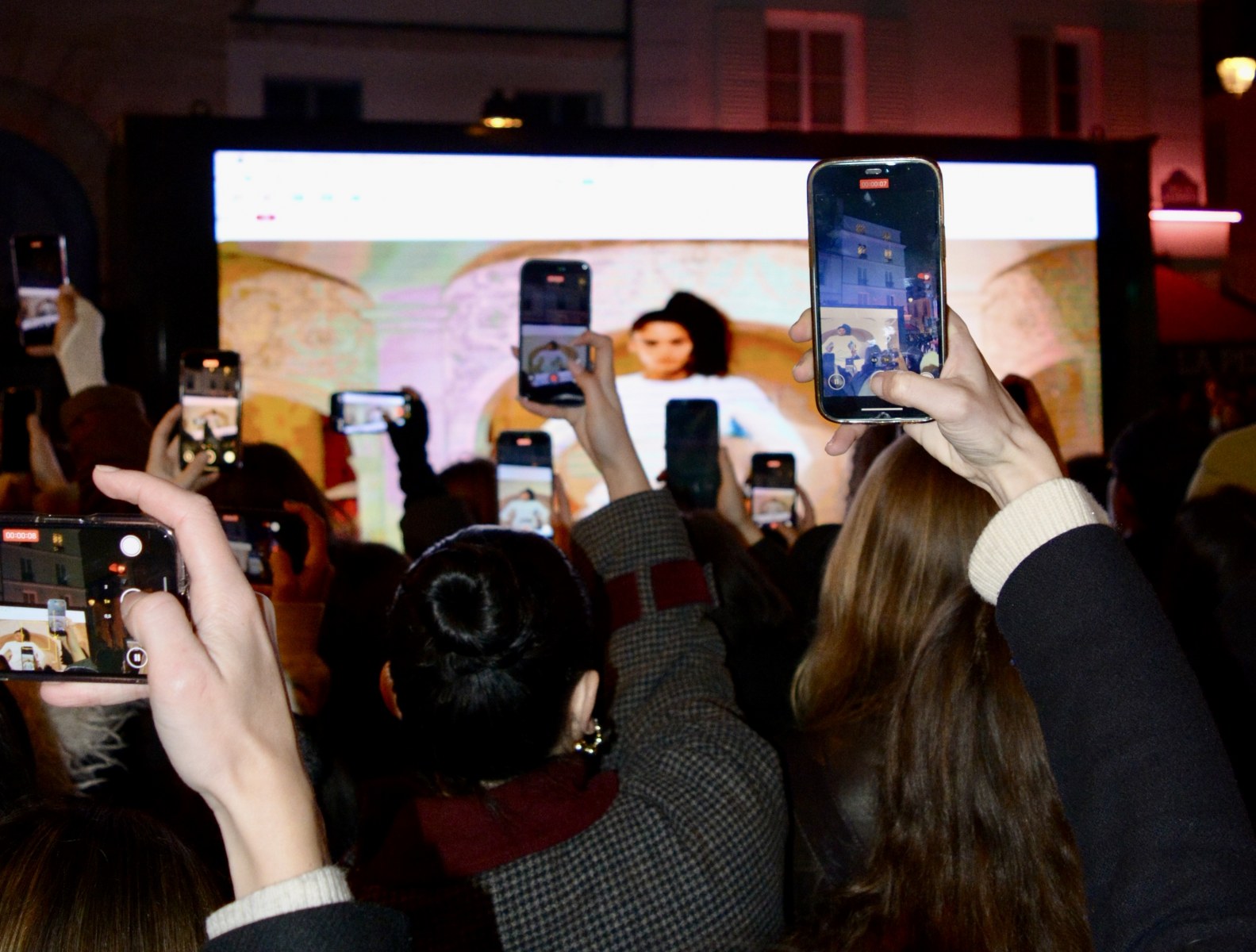
Fashion houses livestream their shows to millions on Instagram and YouTube, yet they fiercely guard who actually experiences these spectacles in person. While technology has made it possible for anyone to watch a runway presentation from anywhere in the world, not every brand embraces full digital accessibility. The reason lies in a fundamental tension between fashion’s traditional exclusivity and the democratizing force of the internet. This contradiction has never been more visible than in 2025, when French fashion critic Elias Medini, known online as Lyas, turned fashion show viewing into a mass spectator event across Europe.
The History of Fashion Show Livestreaming
Fashion’s relationship with livestreaming began long before the pandemic forced it into widespread adoption. Helmut Lang pioneered runway broadcasting in 1998, and Alexander McQueen followed in 2010. But it was London Fashion Week in February 2010 that truly changed the landscape. The British Fashion Council, working with Streaming Tank, launched the first comprehensive digital schedule, making shows accessible to viewers worldwide.
Burberry quickly seized the opportunity, broadcasting a star studded 3D show that demonstrated how technology could enhance rather than diminish the fashion experience. By 2015, IMG reported that 2.6 million people livestreamed New York Fashion Week. The numbers proved that appetite existed far beyond the traditional front row.
Yet even as streaming became more common, resistance persisted. Many French fashion houses remained skeptical, supported by the Fédération Française de la Couture. Their concerns were not unfounded. Designers worried about fast fashion retailers and counterfeiters gaining instant access to their collections before they even reached production. Others mourned the loss of intimacy that had defined shows at venues like Bryant Park in the 1990s.
Why Exclusivity Still Matters
Fashion, particularly luxury fashion, operates on principles that directly conflict with mass accessibility. The industry has spent decades cultivating an image built on rarity, prestige, and controlled scarcity. As one fashion law analyst noted, luxury brands succeed not by expanding their consumer base but by remaining heavily coveted by many while accessible to only a wealthy few.
This exclusivity serves multiple business functions. It maintains prohibitive pricing power. It creates artificial scarcity that drives demand. It preserves brand prestige through carefully curated guest lists. Fashion Week was designed as an industry event for two specific groups: journalists who would write about collections, and store buyers who needed to see and touch fabrics before placing orders.
The cost of livestreaming also plays a role. Professional streaming services charge between $6,500 and $100,000 per show. For smaller brands operating on tight budgets, this represents a significant investment. Even brands that can afford the technology must weigh the benefits against potential downsides, including loss of control over how their work is perceived and discussed.
Perhaps most significantly, luxury fashion thrives on the perception of being unattainable. Opening shows to everyone online challenges the mystique that drives desire. Fashion has historically been, as one researcher described it, the appendage of the ruling classes. Democratizing access through livestreaming fundamentally alters this dynamic.
The Pandemic Changed Everything
COVID-19 forced fashion’s hand. During lockdowns, physical shows became impossible. Major houses like Prada, Saint Laurent, and Zimmermann pivoted to prerecorded online presentations at New York Fashion Week 2020. Suddenly, digital formats were not optional but essential.
Burberry streamed its Spring/Summer 2021 show on Twitch, using Squad Stream to provide multiple perspectives and chat functionality. The partnership demonstrated how interactive digital experiences could create community rather than simply broadcasting content. Louis Vuitton, Miu Miu, and other major houses followed, embracing livestreaming to maintain relevance.
What began as necessity evolved into opportunity. Brands discovered they could reach global audiences, collect valuable data about viewer preferences, and generate social media engagement at unprecedented scale. The pandemic proved that fashion shows could exist digitally without losing their cultural impact.
The Rise of Lyas and La Watch Party
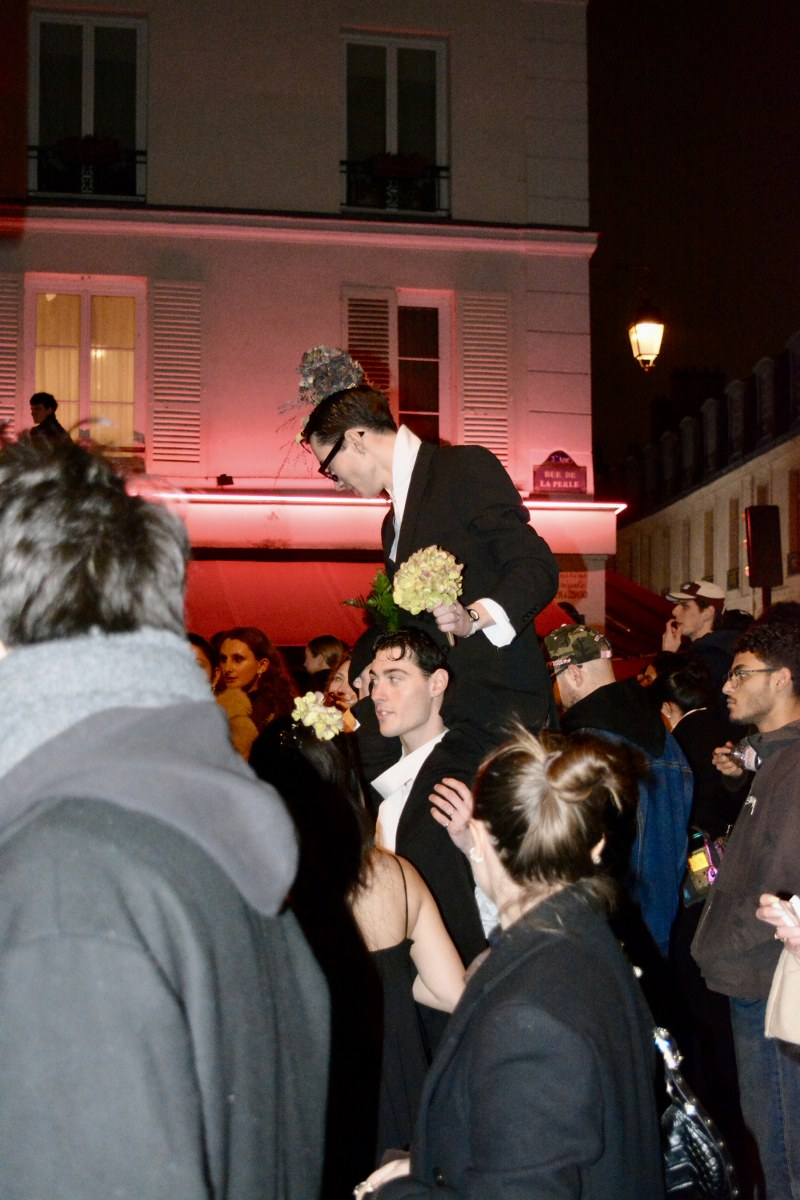
In June 2025, something unexpected happened. Elias Medini, a 26 year old Franco Algerian fashion critic known online as Lyas, did not receive an invitation to Jonathan Anderson’s highly anticipated first show for Dior Homme. Rather than accept exclusion, he projected the livestream onto a screen in a small Parisian bar and invited his followers to join him.
Nearly 300 people showed up. The event went viral, reaching over 1.8 million views. Lyas had accidentally discovered something the fashion industry had overlooked: people wanted to experience shows communally, not just watch them alone on their phones.
What started as frustration became a movement. By September 2025, Lyas had organized a full tour across London, Milan, and Paris. Partnering with the British Fashion Council, Meta, MAC Cosmetics, and other sponsors, he created La Watch Party, a series of free public screenings during fashion month.
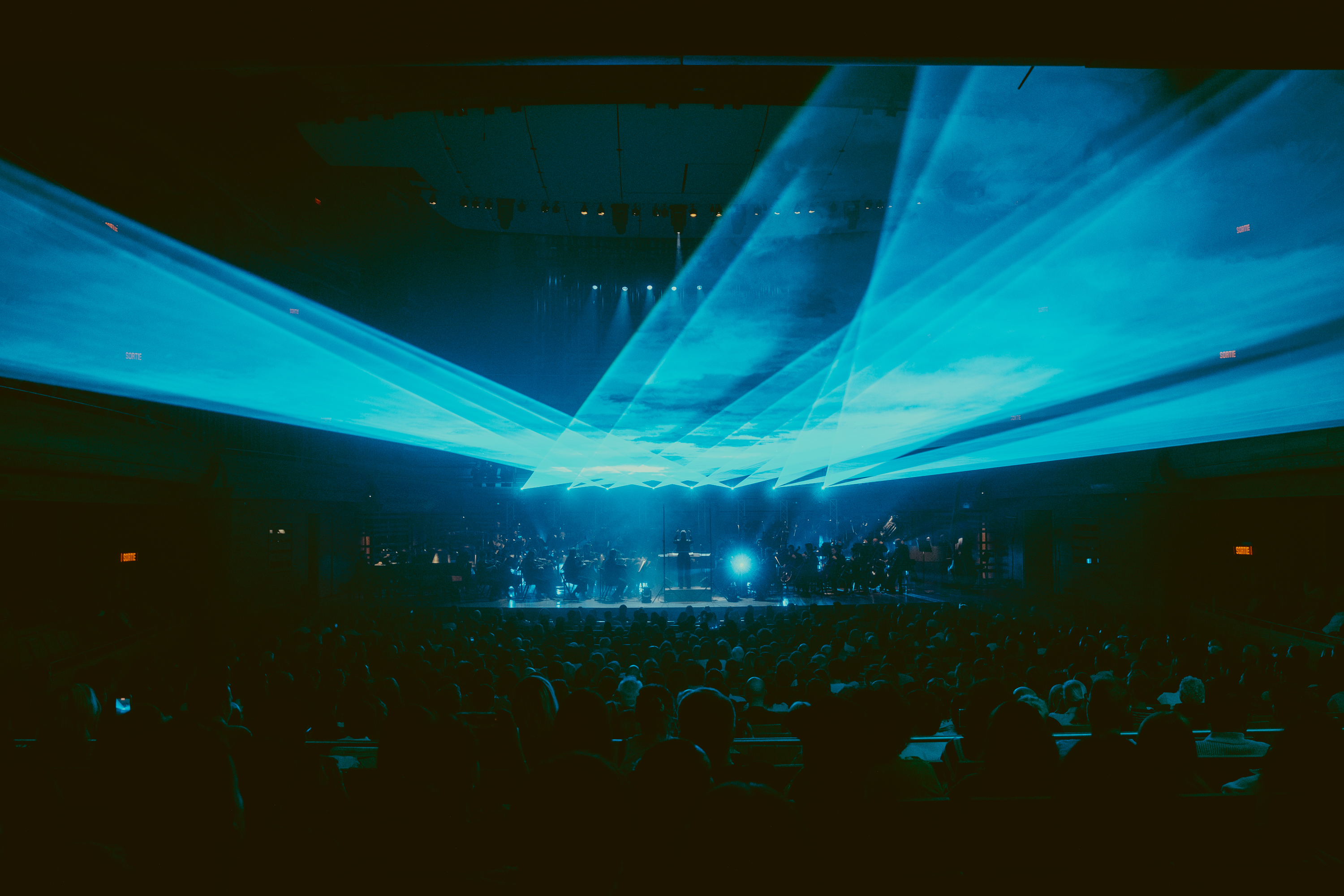
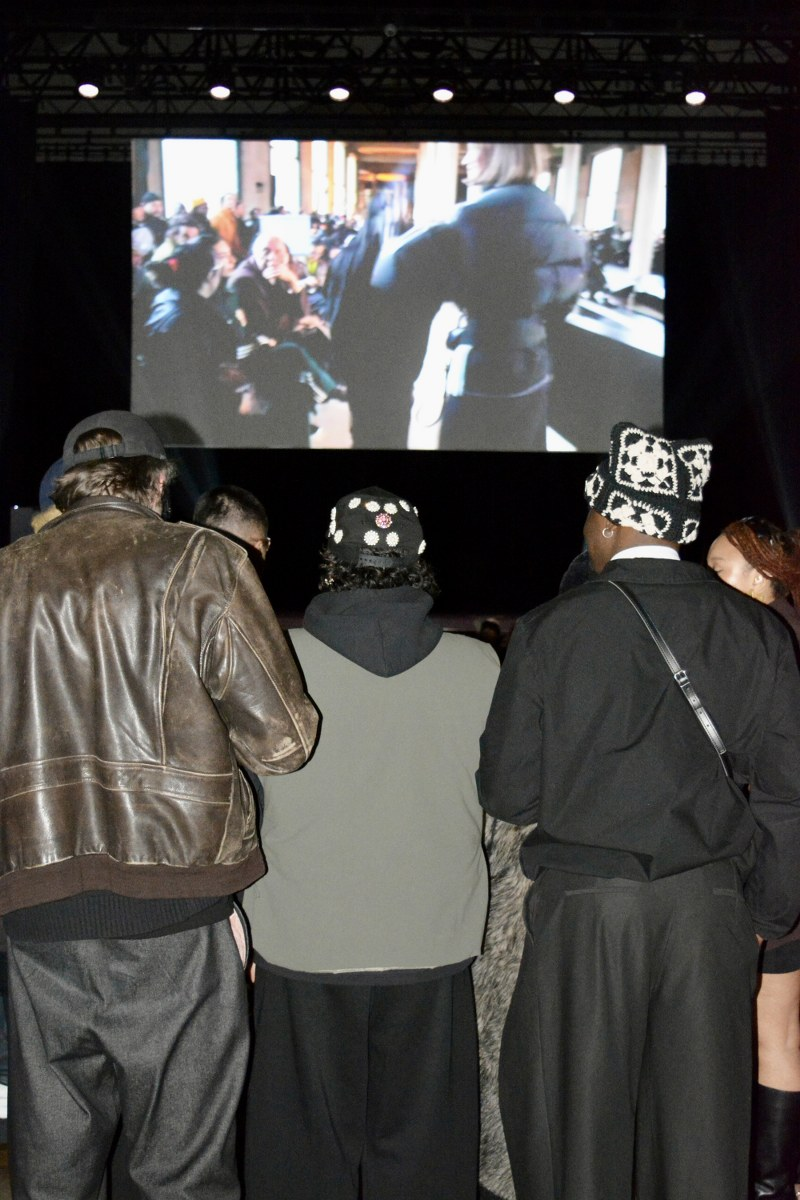
At La Caserne, a former fire station in Paris, Lyas hosted over 13,000 people across eight days. Shows from Dior, Chanel, Saint Laurent, Balenciaga, and other major houses were broadcast on a giant custom built laptop screen. The atmosphere resembled a sports watch party more than a fashion event. When strong looks appeared, the crowd erupted in cheers. When designs disappointed, boos filled the venue.
The impact was immediate. For Matthieu Blazy’s debut at Chanel, 3,000 people gathered at La Watch Party while only 1,000 sat inside the Grand Palais at the actual show. Lyas’s audience tripled Chanel’s official one. The watch parties generated 34 million impressions and $3.9 million in earned media value, with an engagement rate 13 times higher than the season average.
By January 2026, La Watch Party had expanded further. For the Fall Winter 2026-2027 menswear season, Lyas secured venues like Élysée Montmartre and La Chapelle Reille, broadcasting shows to 1,000 spectators daily. What began as an outsider’s response to exclusion had become an unofficial but essential part of Paris Fashion Week.
Why Watch Parties Work
The success of La Watch Party reveals something fundamental about how people want to experience culture. Fashion psychologist Carolyn Mair explained that traditional runway shows emphasize exclusivity, hierarchy, and quiet observation. Watch parties invert this completely. They are communal, noisy, and participatory.
Humans are inherently social beings. Shared experiences amplify emotion in ways that solitary viewing cannot replicate. Being in a room where others react, debate, and celebrate creates a sense of belonging and collective elevation. The fashion industry had spent decades perfecting the art of making people feel excluded. Lyas created a space where everyone felt included.
The timing also mattered. Generation Z and millennials, who spend over four hours daily on social platforms, are simultaneously hungry for in person connection. They organize run clubs, creative collectives, and DIY dinner parties. Fashion’s digital underground, long active on TikTok and Discord, was ready to step into physical spaces.
For many attendees, La Watch Party represented access to a world that had always felt closed. Lou Agathe, an 18 year old artist who normally follows shows on social media, won a jacket at one event and said it was a huge opportunity for those who never get invited. The watch parties proved that passion for fashion exists far beyond the velvet ropes.
The Industry’s Response
Lyas’s success created an interesting paradox. While building his movement by democratizing access to fashion shows, he also received what he had initially been denied: invitations to the actual shows. By October 2025, he was sitting front row at Chanel and Dior, absorbed into the very establishment he had positioned himself against.
The fashion industry watched carefully. Some designers embraced the new model. Dilara Findikoglu requested that London attendees wear all black to her watch party screening. Others saw Lyas as hijacking intellectual property he did not create. Fashion houses spend millions producing shows; Lyas brought a television from home to a bar and built an empire on their content.
The comparison to disruptive platforms like Net a Porter and Farfetch is apt. These companies built distribution channels using brands’ products and inventory. Lyas did the same thing for fashion shows themselves. He became the platform. Brands became the content creators. And just like with social media, luxury houses discovered they do not own the venue where their content is consumed.
Some industry voices worried about the quality of fashion criticism in this new landscape. Designer Edward Buchanan expressed concern that uninformed commentary could damage designers’ work. But others argued that traditional media had failed to build platforms that could compete with the entertainment value of TikTok reviews. The democratization of critique was happening whether establishment voices liked it or not.
What This Means for Fashion’s Future
The tension between exclusivity and accessibility is not new to fashion, but it has never been more visible. Livestreaming technology makes it possible for anyone to watch fashion shows from anywhere. Yet many brands still limit who can experience their work in person, and some resist even full digital broadcasting.
This resistance is rooted in legitimate business concerns. Exclusivity drives desire. Scarcity maintains pricing power. Control over image and narrative protects brand equity. For luxury houses in particular, democratization can feel like dilution.
But the success of La Watch Party demonstrates that exclusivity and community engagement are not mutually exclusive. Brands can livestream shows to massive audiences while still curating intimate in person experiences. They can maintain prestige while acknowledging that passionate fans exist beyond the traditional front row.
The fashion industry faces a choice. It can continue to view platforms like Instagram, YouTube, and events like La Watch Party as threats to be managed, or it can recognize them as opportunities to build deeper connections with audiences who are already watching, discussing, and caring deeply about their work.
Fashion shows are already public in the sense that they stream to millions online. The question is not whether people will watch, but how they will experience what they watch. Lyas proved that when given the opportunity to gather, celebrate, and debate together, people will show up in numbers that rival official audiences.
The Democratization Paradox
The irony of fashion’s current moment is that the industry has always relied on aspiration. People buy luxury goods because they represent something unattainable. Yet fashion also needs passionate communities who care enough to follow every show, discuss every collection, and invest emotionally in the work.
Livestreaming offers a way to satisfy both needs. Shows can remain exclusive events for invited guests while simultaneously reaching global audiences through digital channels. Brands maintain control over who sits front row while acknowledging that the front row no longer defines who matters.
The rise of watch parties like La Watch Party adds another layer. They transform passive viewing into active participation, turning fashion shows into cultural events that build community rather than reinforce exclusion. For an industry that often talks about inclusivity while practicing exclusivity, this represents both challenge and opportunity.
Not every fashion show is livestreamed because not every brand has decided that broader access serves their interests. Some houses still believe that mystique and scarcity are more valuable than reach and engagement. Others lack the resources to invest in professional streaming infrastructure. Some simply prefer tradition to innovation.
But as Lyas demonstrated, when brands do stream their shows, audiences will find ways to experience them together. Whether fashion houses embrace this reality or resist it, the genie is out of the bottle. The question now is whether the industry can find a model that preserves what makes fashion special while acknowledging that special does not have to mean secret.
Fashion shows in the age of AI and internet access remain both public and private, accessible and exclusive, democratic and hierarchical. This paradox defines the industry’s current moment. How brands navigate it will shape fashion’s future for years to come.