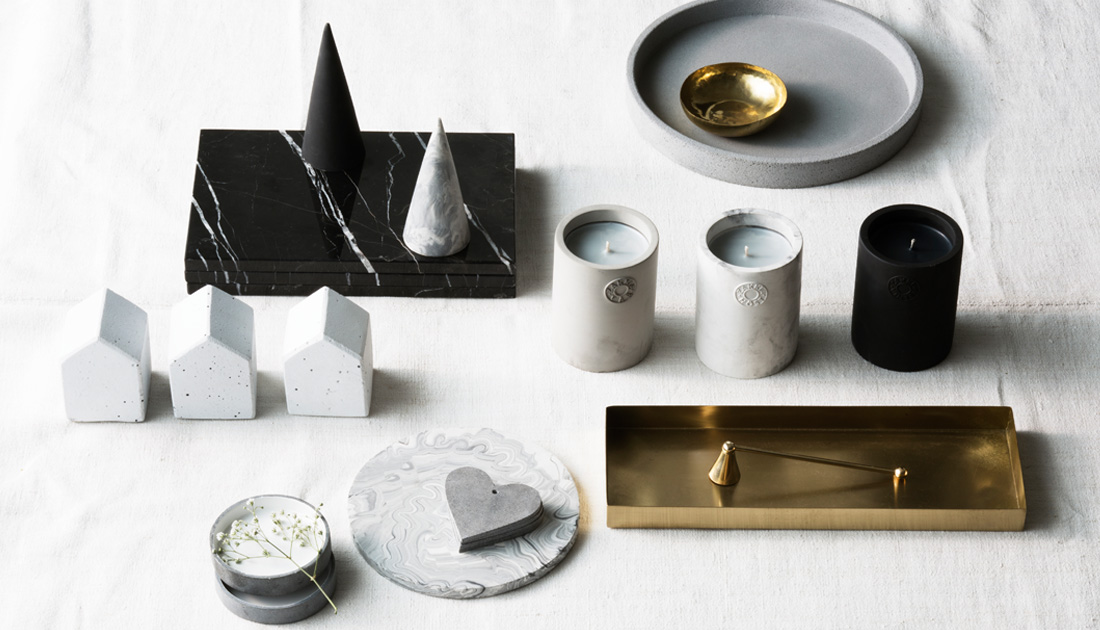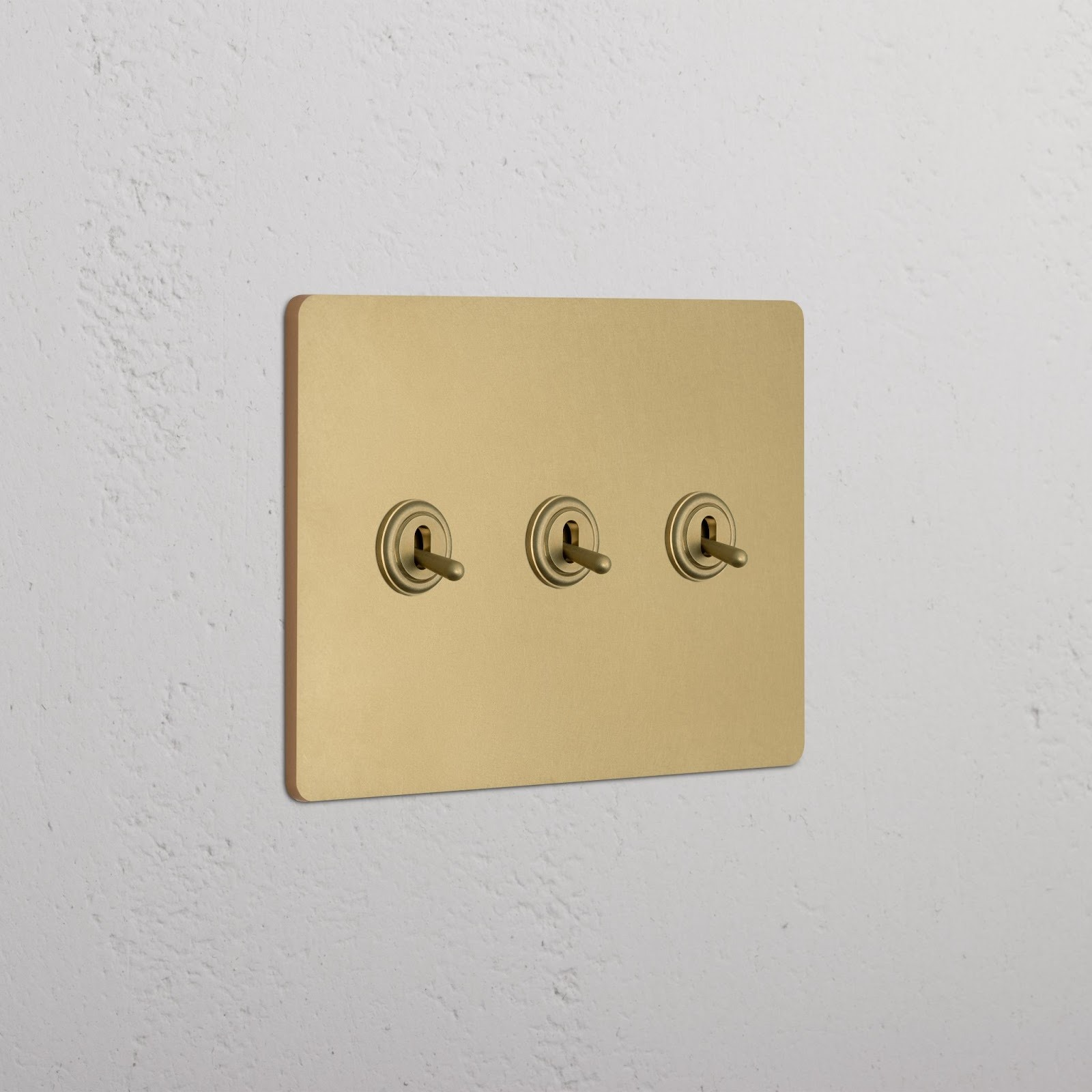
New York, 2026 – As the design world looks ahead to 2026, a clear shift is emerging toward interiors that feel warmer, more human, and deeply considered. Corston Architectural Detail is embracing this evolution, aligning its work with the year’s defining trends: natural materials, sculptural forms, rich color palettes, statement surfaces, and conscious design.
“At a time when clients are craving authenticity, we’re seeing a return to materials and details that feel honest, tactile, and built to last,” says Nick Burrows, Sales and Strategic Projects Director at Corston Architectural Detail. “The emphasis is no longer on perfection or uniformity, but on character, craftsmanship, and spaces that age beautifully over time.”
Trend 1 – Natural Materials, Texture & Craftsmanship
2026 marks a renewed appreciation for artisanal finishes and tactile materials – from reclaimed wood and eco-textiles to hand-crafted tiles and textured surfaces. Rather than polished, mass-produced finishes, designers are embracing imperfection and bespoke detailing.
“For us, craftsmanship has always been central,” Burrows adds. “Custom millwork, reclaimed materials, and hand-finished surfaces allow us to create architectural details that tell a story – pieces that feel personal and enduring rather than disposable.”
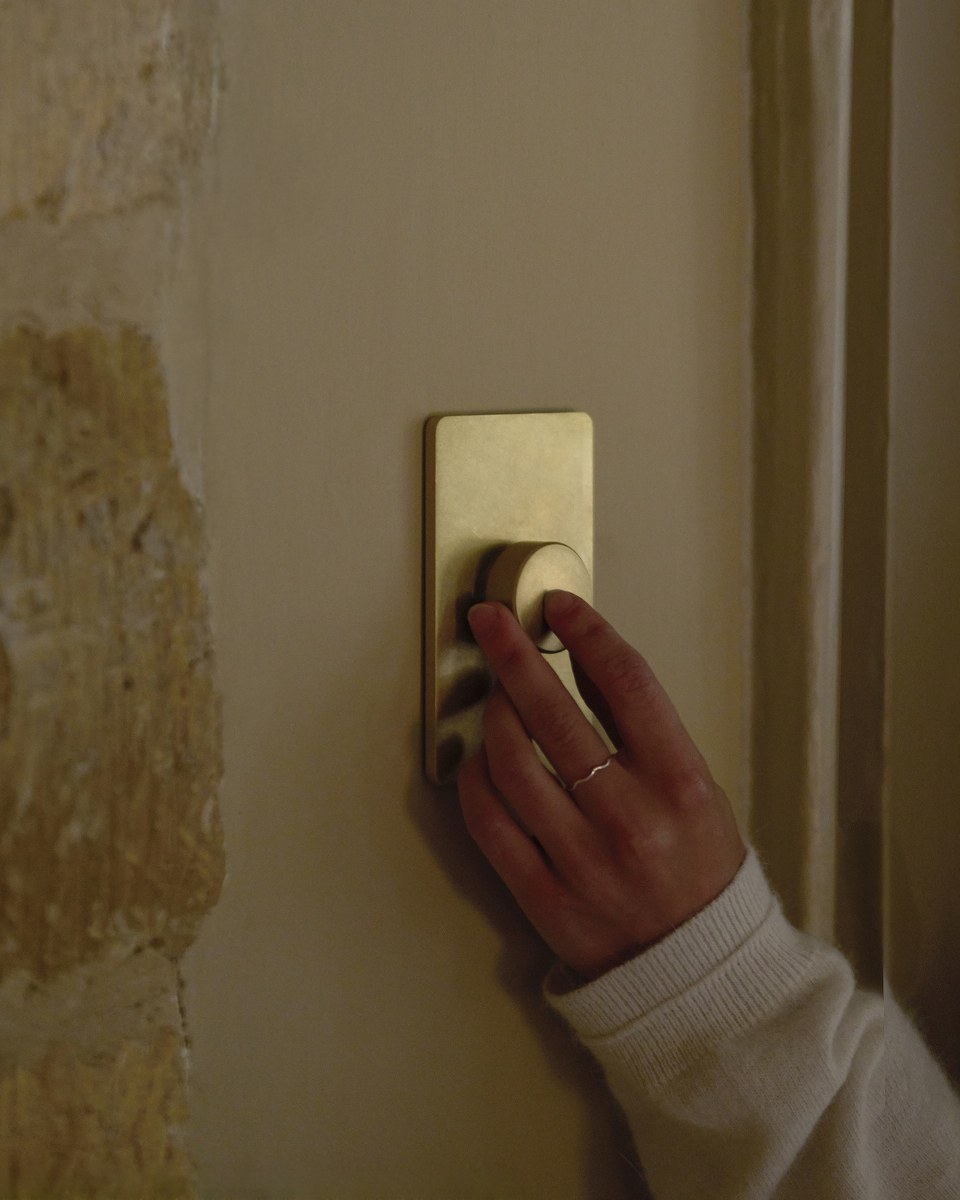
Trend 2 – Curves, Organic Forms & Sculptural Architecture
Rigid minimalism is giving way to softer, more organic architecture. Curved islands, arched doorways, and fluid transitions are shaping interiors that feel calmer, more inviting, and human-scaled.
“Organic geometry creates an emotional response,” says Burrows. “When you introduce curves and sculptural forms, spaces immediately feel more welcoming. It’s an opportunity for architectural detail to guide how people move through and experience a room.”
Trend 3 – Bold Color, Warm Palettes & Earth-Inspired Hues
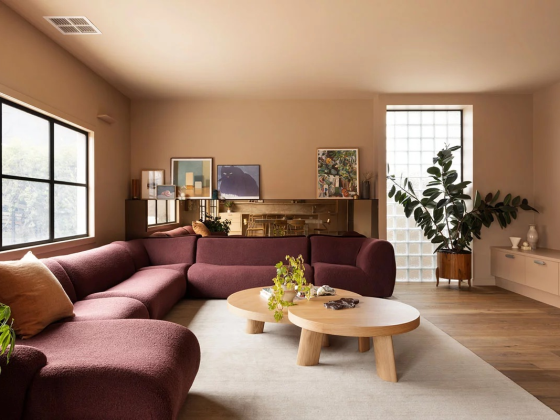
Stark whites and cool greys are being replaced by clay tones, terracotta, olive greens, and deep, smoky blues — often layered with texture to create depth and warmth.
“Color is becoming more expressive and personal,” Burrows notes. “When paired with natural materials and thoughtful detailing, these palettes help interiors feel grounded and lived-in, not trend-driven.”
Trend 4 – Stone, Statement Surfaces & Mixed Materials
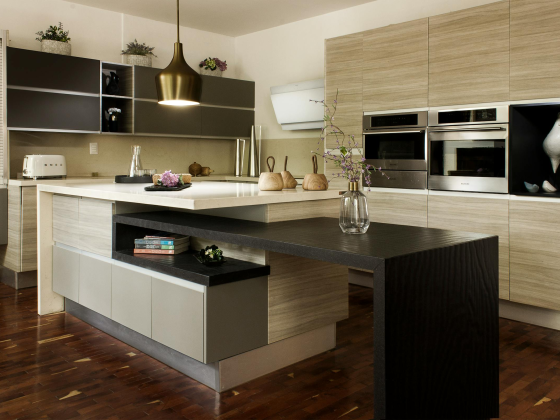
Dramatic stone slabs, bold veining, and raw-edge finishes are turning surfaces into focal points, while the thoughtful mixing of wood, stone, metal, and plaster adds richness and contrast.
“The junctions between materials are where architecture really comes alive,” says Burrows. “We focus on those transitions — stone meeting wood, texture against smooth — to elevate surfaces from functional to expressive.
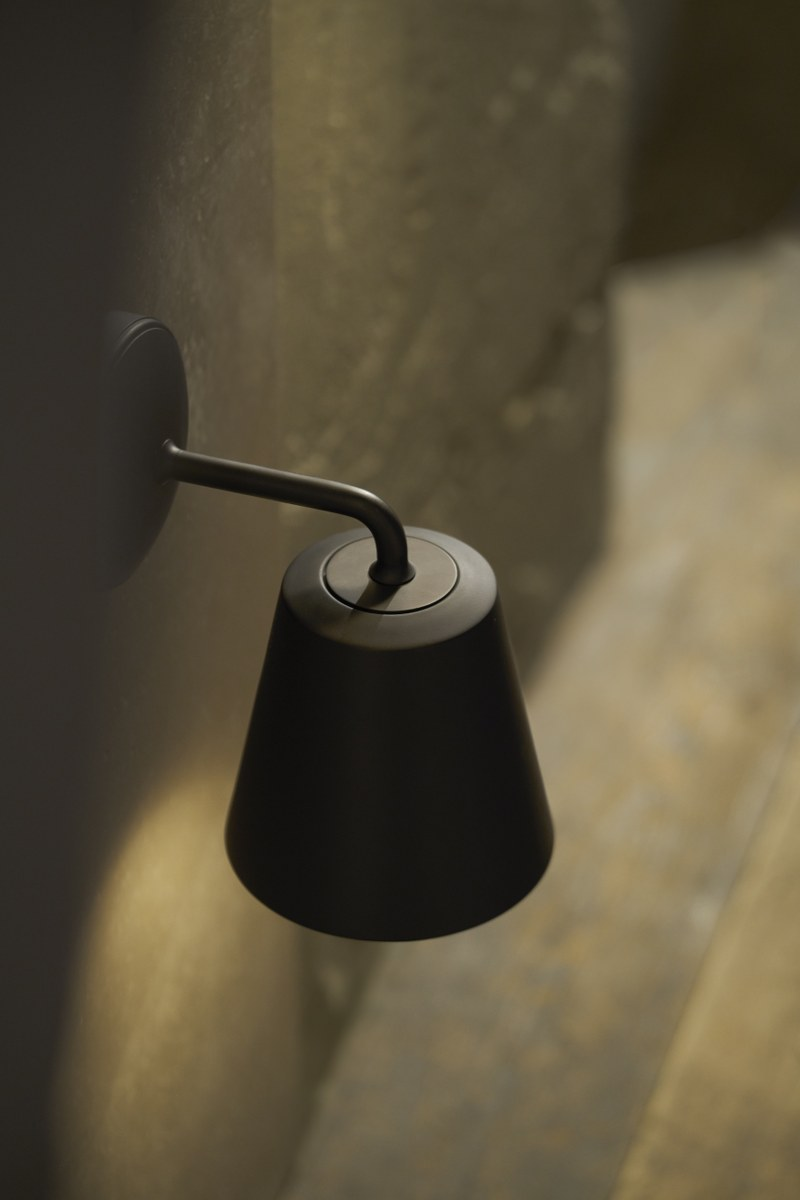
Trend 5 – Reuse & Eco-Conscious Design
Sustainability continues to move beyond a checkbox, becoming integral to both aesthetics and storytelling. Reclaimed materials, adaptive reuse, and circular design practices are shaping projects with meaning and longevity.
“Responsible sourcing and reuse aren’t just better for the environment – they create spaces with soul,” Burrows explains. “Designing with what already exists often results in richer, more compelling architecture.”
Designing for the Future
These trends resonate across Corston’s diverse audience – from homeowners seeking individuality, to developers focused on long-term value, to design-forward clients evolving beyond minimalism.
“Our goal is to help clients invest in architectural detail that stands the test of time,” says Burrows. “By focusing on quality, sustainability, and human-centered design, we’re creating spaces that feel relevant today and meaningful well into the future.”
ABOUT CORSTON
Based in Wiltshire, England, Corston Architectural Detail was founded by Giles Redman and David Gray in September 2019. Corston is a company of in-house designers and engineers dedicated to supplying customers with quality products that are affordable and timeless.
What began with the dedicated duo has now grown to over 100 skilled professionals. The company believes that the switches, outlets, hardware, and lighting that you use every day are important and should be developed to the highest standard.