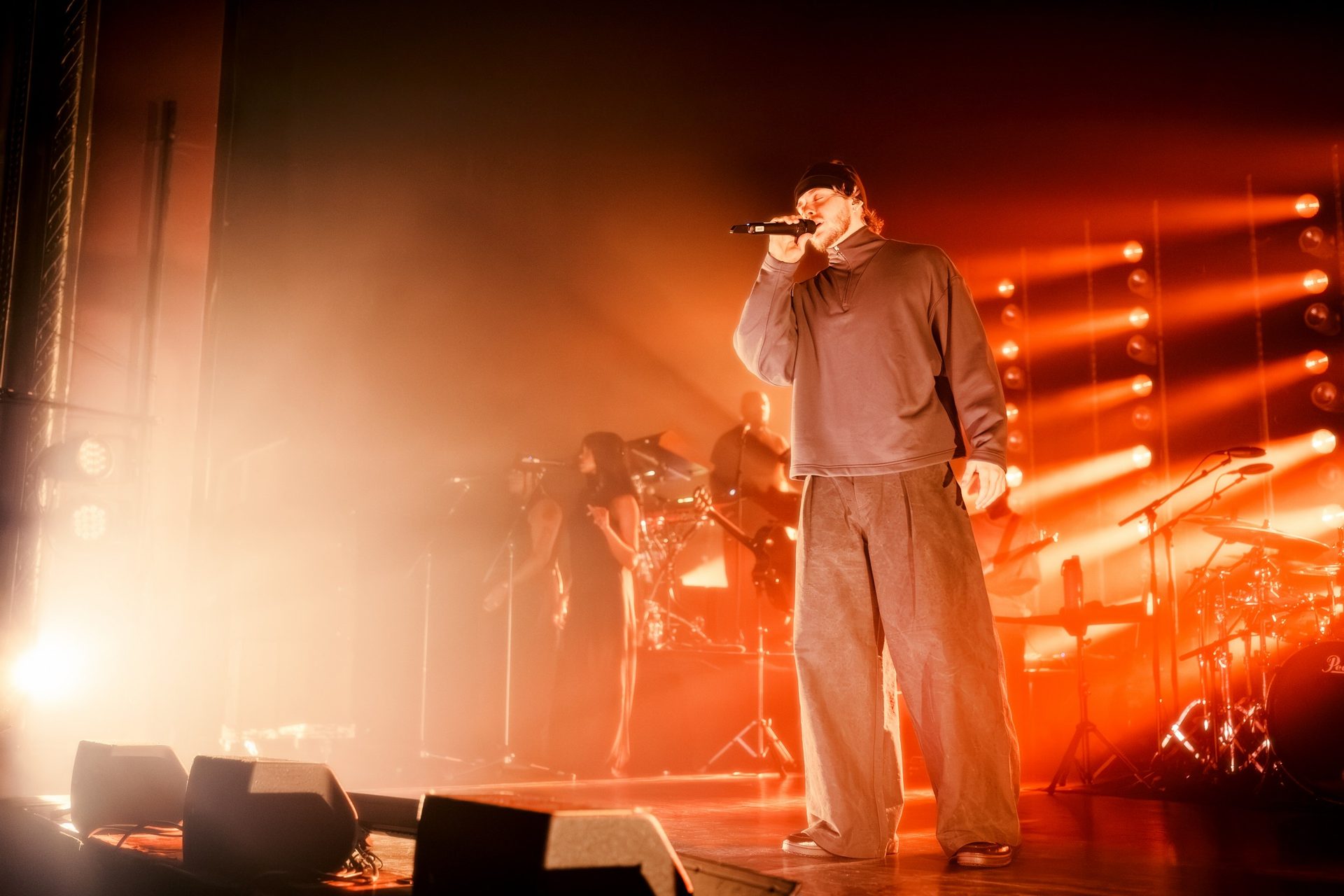
In his first headlining show in Montreal, Jack Harlow’s signature boyish raps found new depth against soulful R&B and jazzy grooves, revealing a softer voice beneath all of the swagger.
Text by Mia Colaner
Photos by Louis Alson
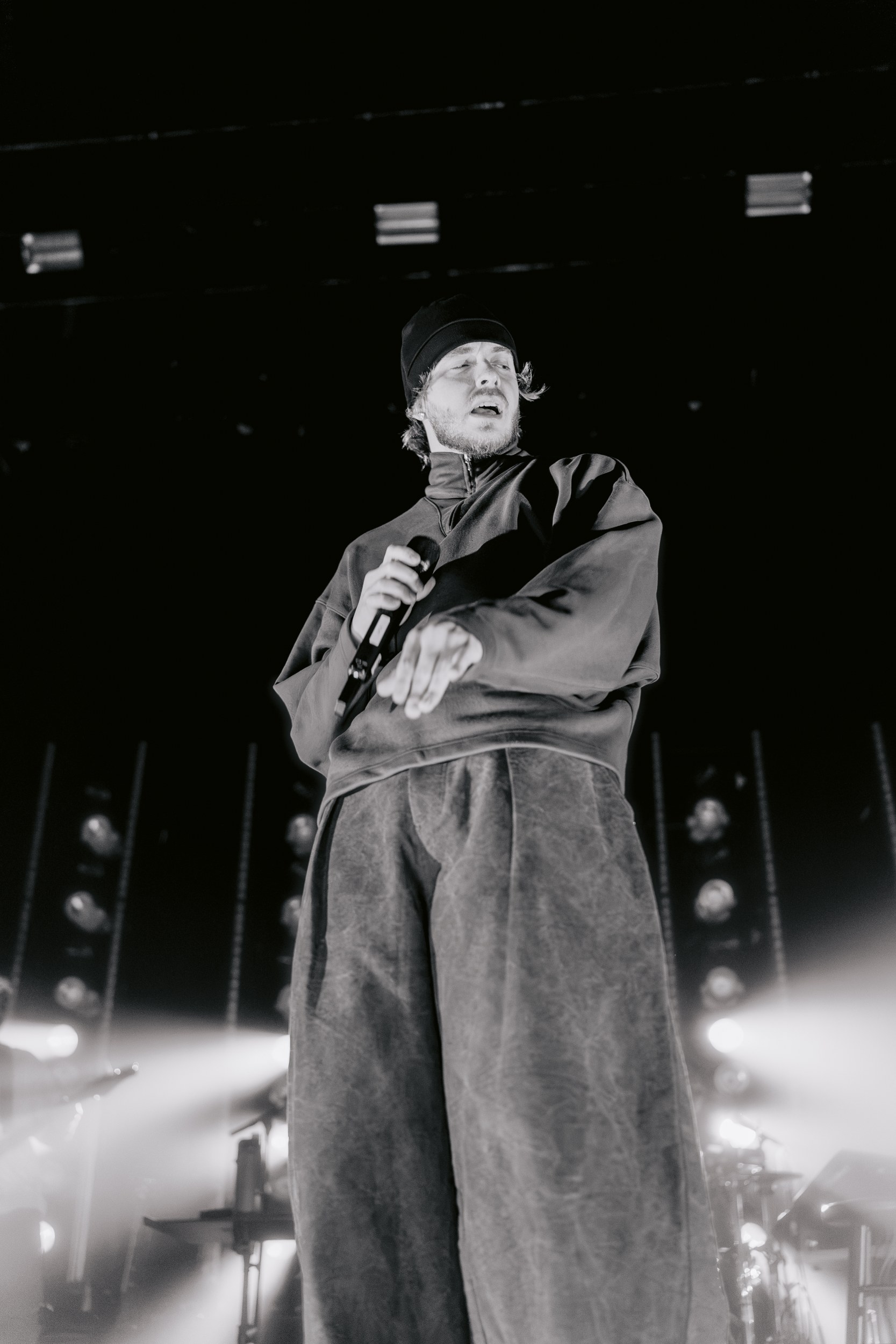
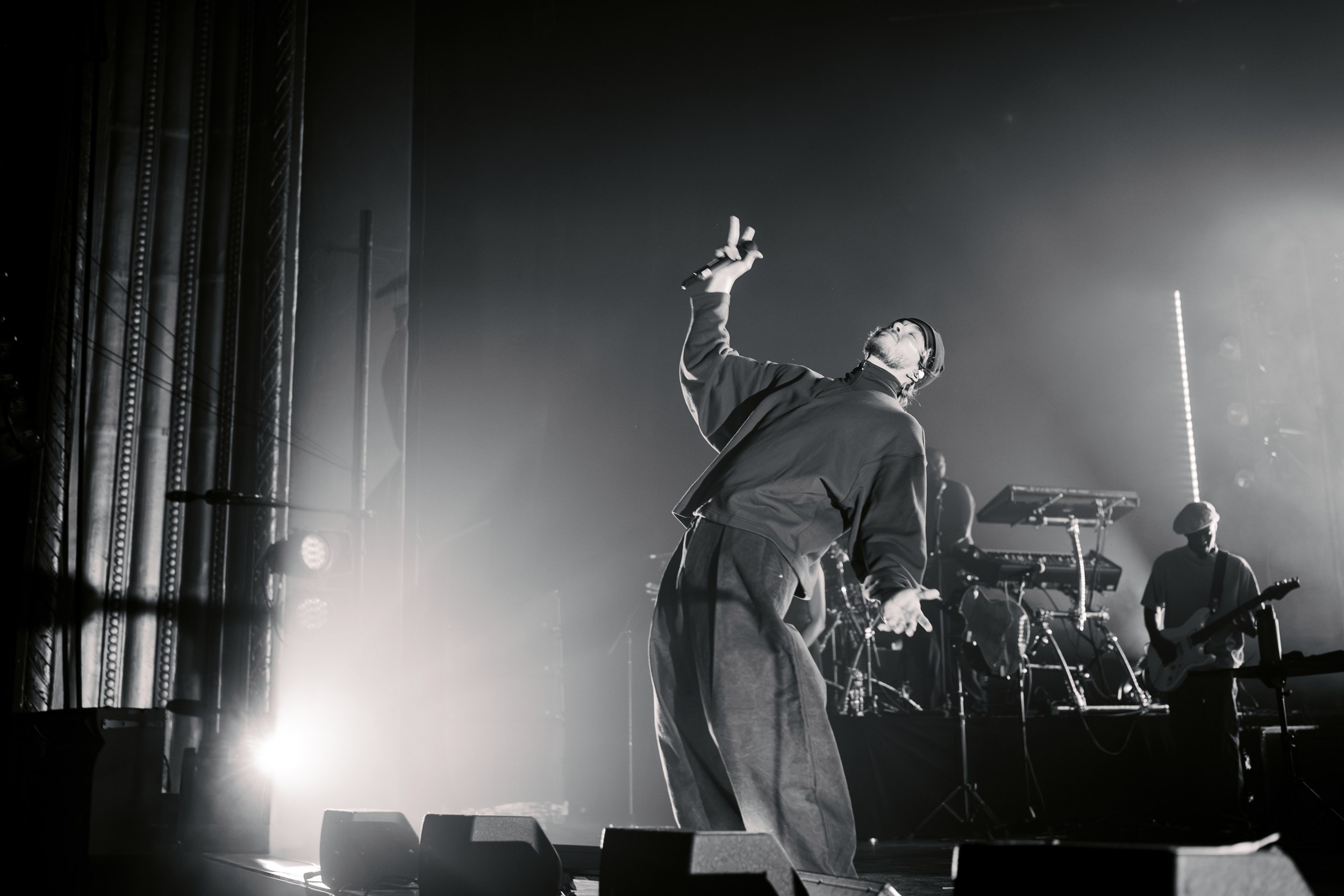
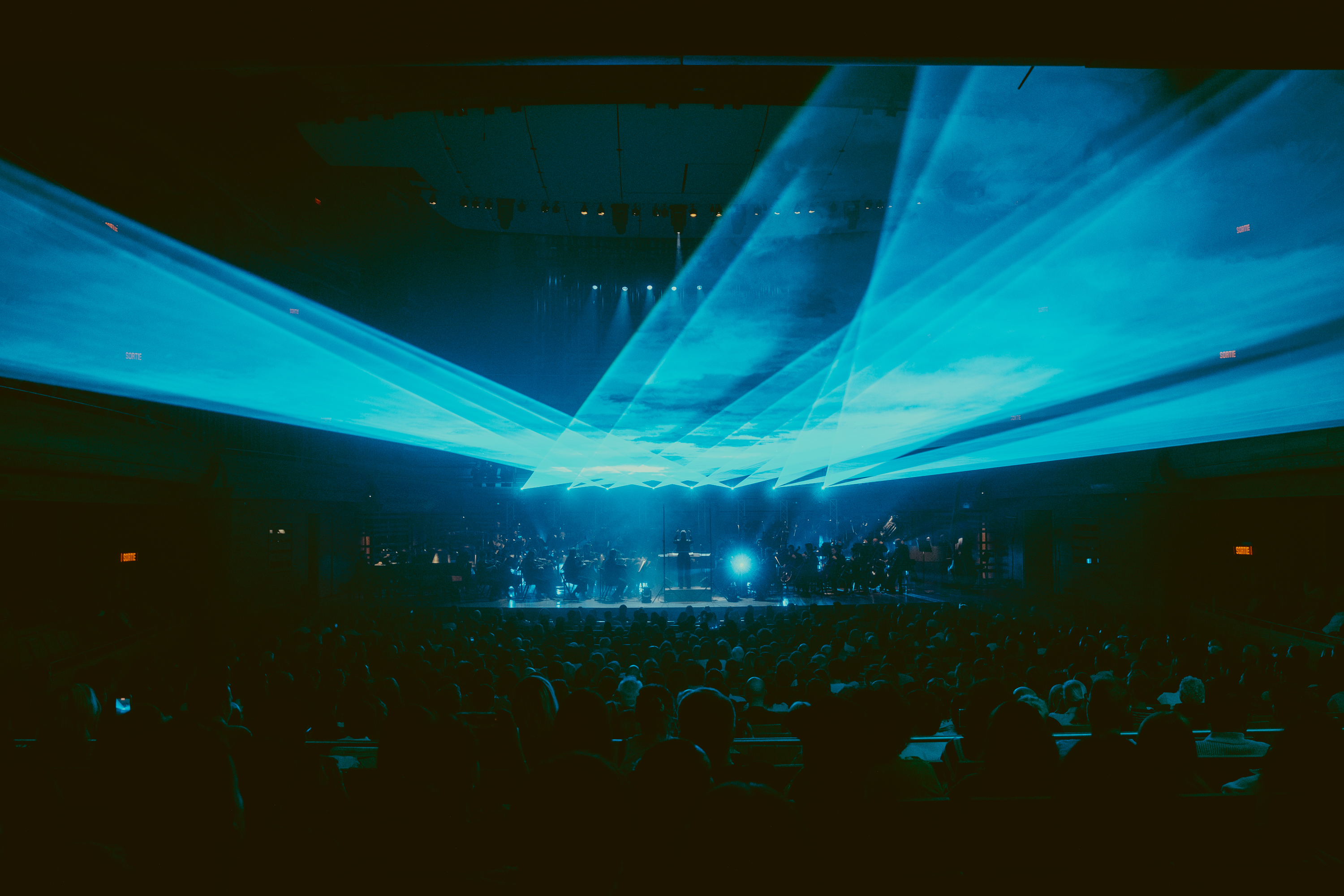
On August 19, 2026, Jack Harlow brought his Monica tour to MTELUS, marking his first tour in four years and his first-ever headlining show in Montreal. With the night devoted to his recent turn toward soul in his new album, Monica, Harlow seemed to relish the freedom of a sound that allowed him to loosen his grip on rap’s familiar rhythms and lean into the softer side of his voice. Through his performance, Harlow revealed the voice that had lived beneath the surface of his quick-witted bars, another dimension of an artist comfortable doing what he does best, now proving he can do more.
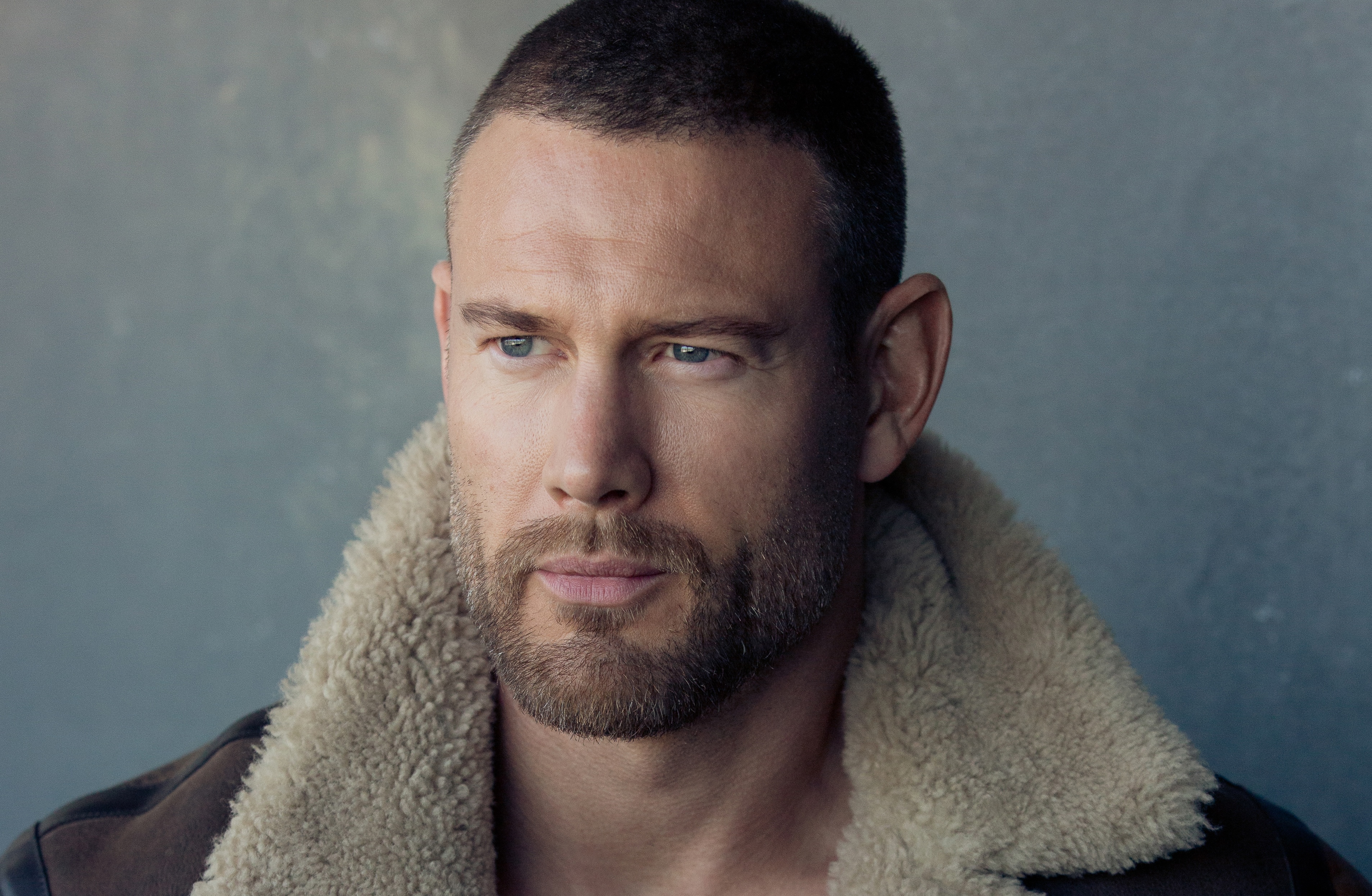
In the hours before the show, Harlow was spotted in some of Montreal’s quaintest Plateau corners, and, fittingly, they seemed to be keeping pace with his new musical mood. At De Stiil, one of the neighbourhood’s charming independent bookstores, he was seen settling into one of its weekly reading nights and browsing the shelves like a man with nowhere else to be. From The Anthropologists by Ayşegül Savaş to Things I Don’t Want to Know by Deborah Levy, he picked up books, looking every bit the bookish Plateau local. It was a fitting prelude to the performance that evening, as he moved through the city at its own unhurried pace by day, then brought that sense of ease and introspection to the soulful, jazz-tinged world of Monica at MTELUS by night.
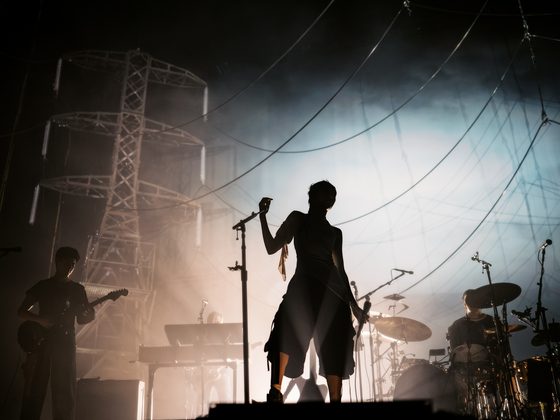
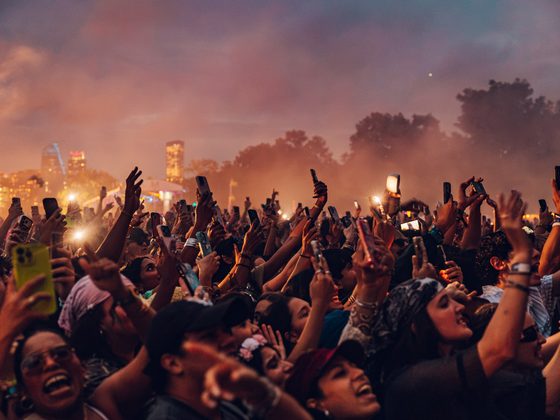
Starting the show with tracks from his new album, Harlow moved through “Trade Places,” “Lonesome,” and “Prague,” letting the softer side of Monica settle into the room before shifting into what he called his “day one” hits. His connection with the crowd was playful and flirtatious. He often leaned into the edge of the stage, pausing between lines to take in the screams before answering with a sly smile. When he asked if anyone had been listening to his music since before Monica, the room erupted in one enormous roar, the kind that seemed to say, but of course we have. Harlow met it with a mischievous “Let’s see about that,” before launching into “Love Is Dro,” turning the exchange into a playful challenge and the song into its proof.
Harlow then eased into more crowd-pleasing hits like “Already Best Friends,” dedicating the song to everyone who had come with their best friend. Arms wrapped around one another as voices rose together, turning the room into something of a chorus. From there, he stripped the track back entirely, rapping it without the music and leaving only his voice to carry the song between himself and the crowd. With everyone already knowing the words, it felt like a playful jam session. The stripped-back moment allowed his voice to sit at the centre of the music, bringing out its softer tones without anything to hide behind.
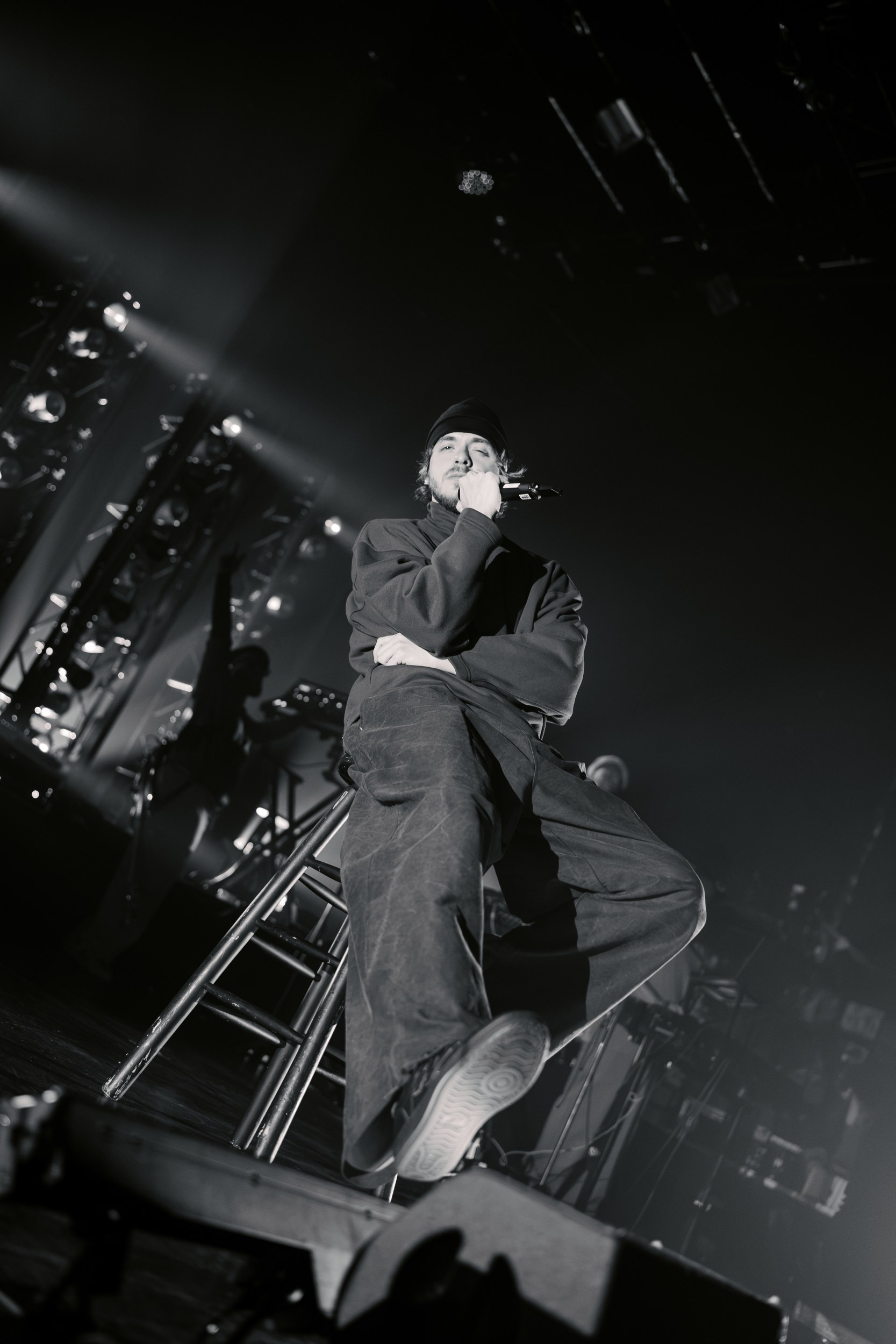
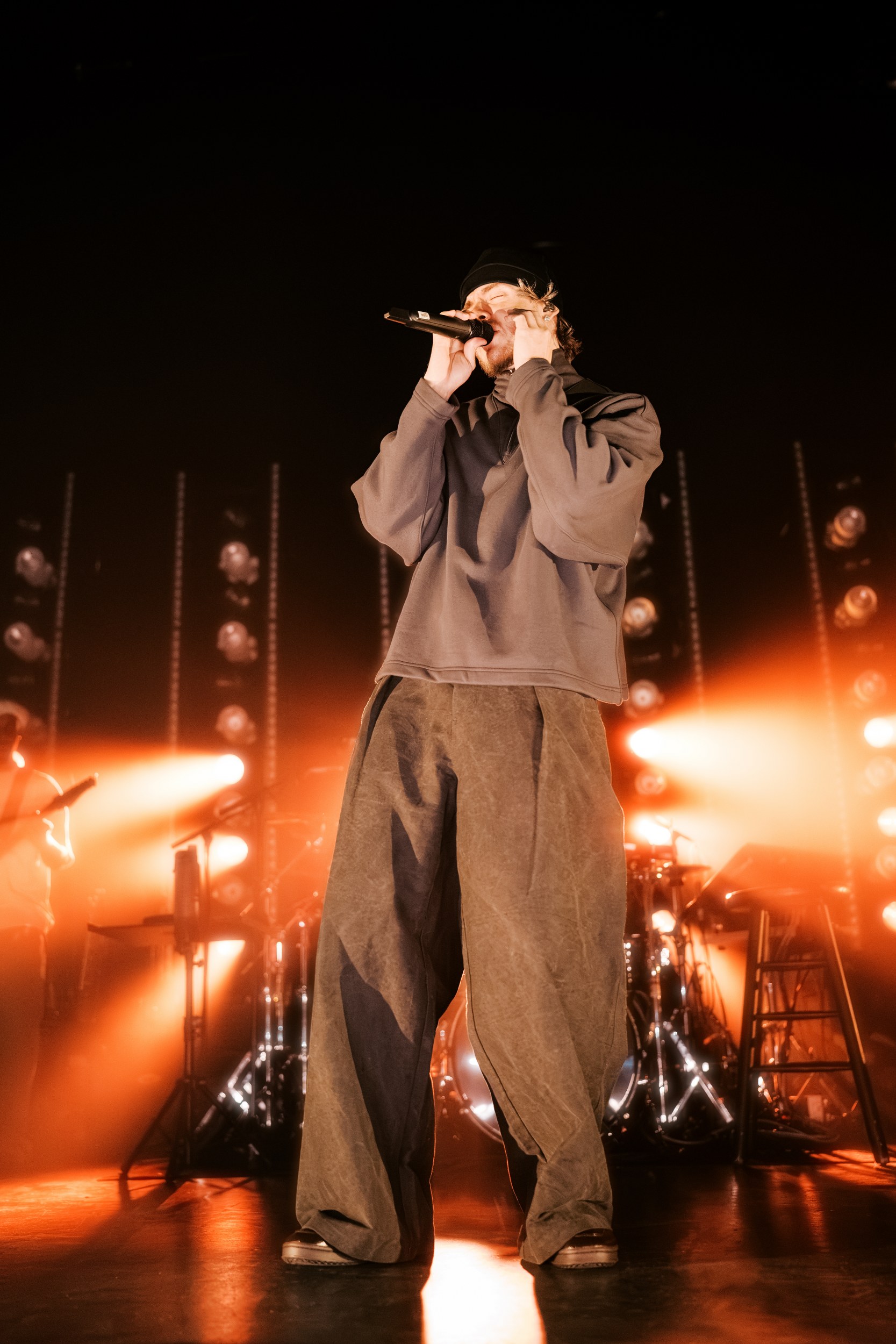
If Monica had expanded Harlow’s musical palette, touring seemed to give him the freedom to explore it. He told the crowd that one of his favourite parts of touring was setting up a microphone in his hotel room and seeing what came out of it. There was something about moving through new cities, meeting new people, and letting unfamiliar places pull something different out of him, and it’s where tracks like “Denver” were born. Harlow continued to move effortlessly between chart-topping hits like “Tyler Herro” and stretches of unaccompanied rap, almost teasing the crowd with just how much his voice could hold. He could glide from the smooth, soulful textures of Monica into the bigger, bolder sounds that had made him a chart-topping rapper in the first place. The crowd rapped every word back to him, and it never seemed to get old, watching an artist hand a song back to the people who had made it their own.
For all the jazz, R&B, and softer edges of Monica, Harlow still knew how to bring the house down. He closed with “WHAT’S POPPIN” and “Lovin On Me,” asking Montreal to give him whatever they had left and making it clear that the hits deserved nothing less. After spending the night stretching beyond the boyish rap persona that made him a household name, Harlow showed that he had not lost what got him there, he had merely given it more room to move. Rapper, vocalist, chart-topper, whatever Monica made of him next, by the time he walked offstage with a final, “Montreal, my name is Jack Harlow,” the city already knew.