Almost everyone moving to a big city puts all their energy into the apartment, which makes sense, since it costs the most and has a deadline.
Then the lease gets signed, and everything else shows up at once: a commute that turns out to be an hour each way, parking rules on your own street, and a building where nothing can be delivered.
The apartment is about a third of what makes a city move work, and the rest of it never appears in a listing.
The Commute Costs More Than It Looks
A cheaper neighborhood ninety minutes out stops being cheap once you add up three hours a day for a year.
Test the trip before you sign anything, at the time you would be traveling and on the line you would be using, instead of trusting the estimate on a map. A change between two trains at rush hour is a different thing from the same trip on a Sunday morning.
Price it out as well, so the monthly pass, parking if you drive, tolls, and what a car is worth to you once insurance and a space are included. A lot of people arrive with a car and sell it within the year.
Getting Your Things Into the Building
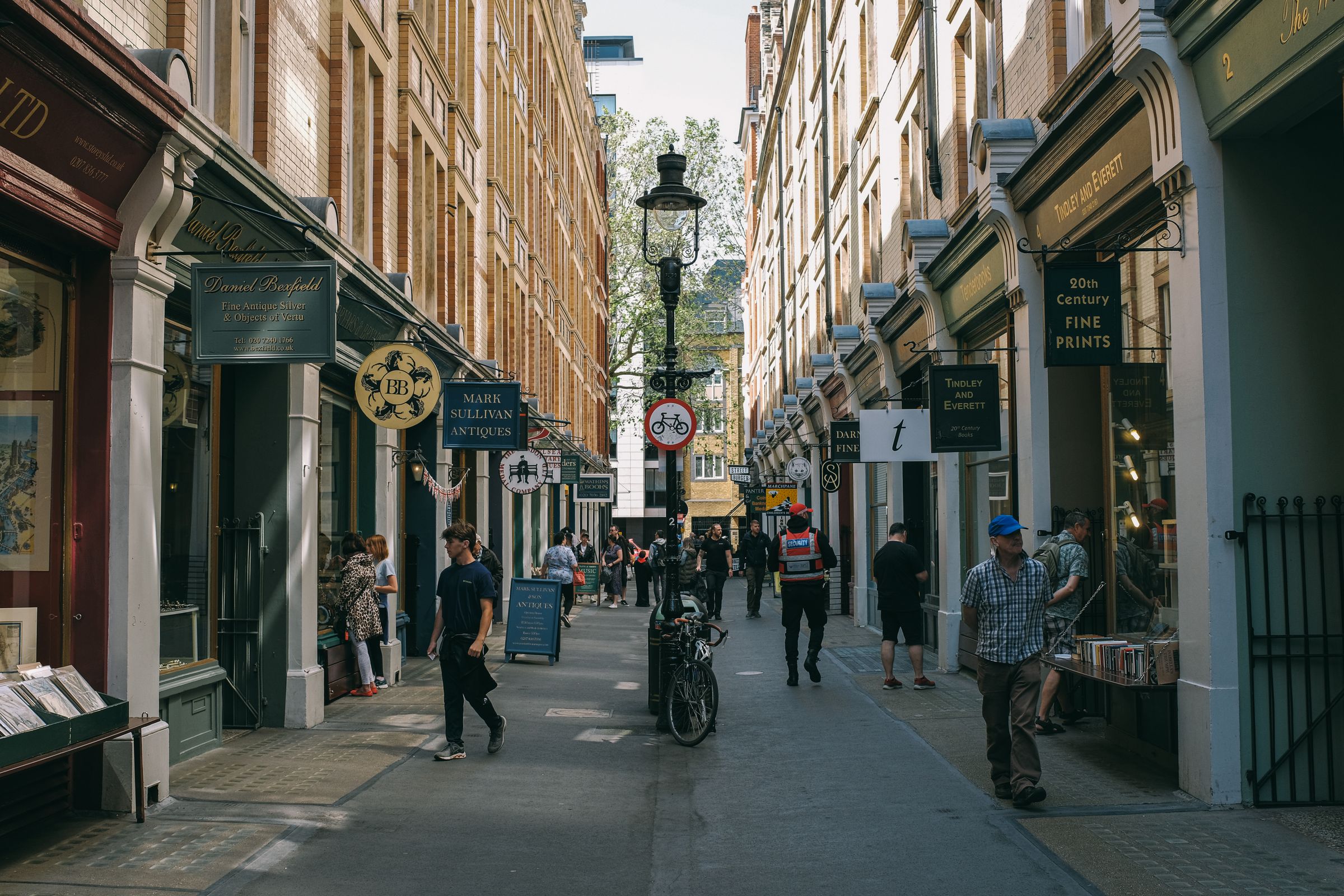
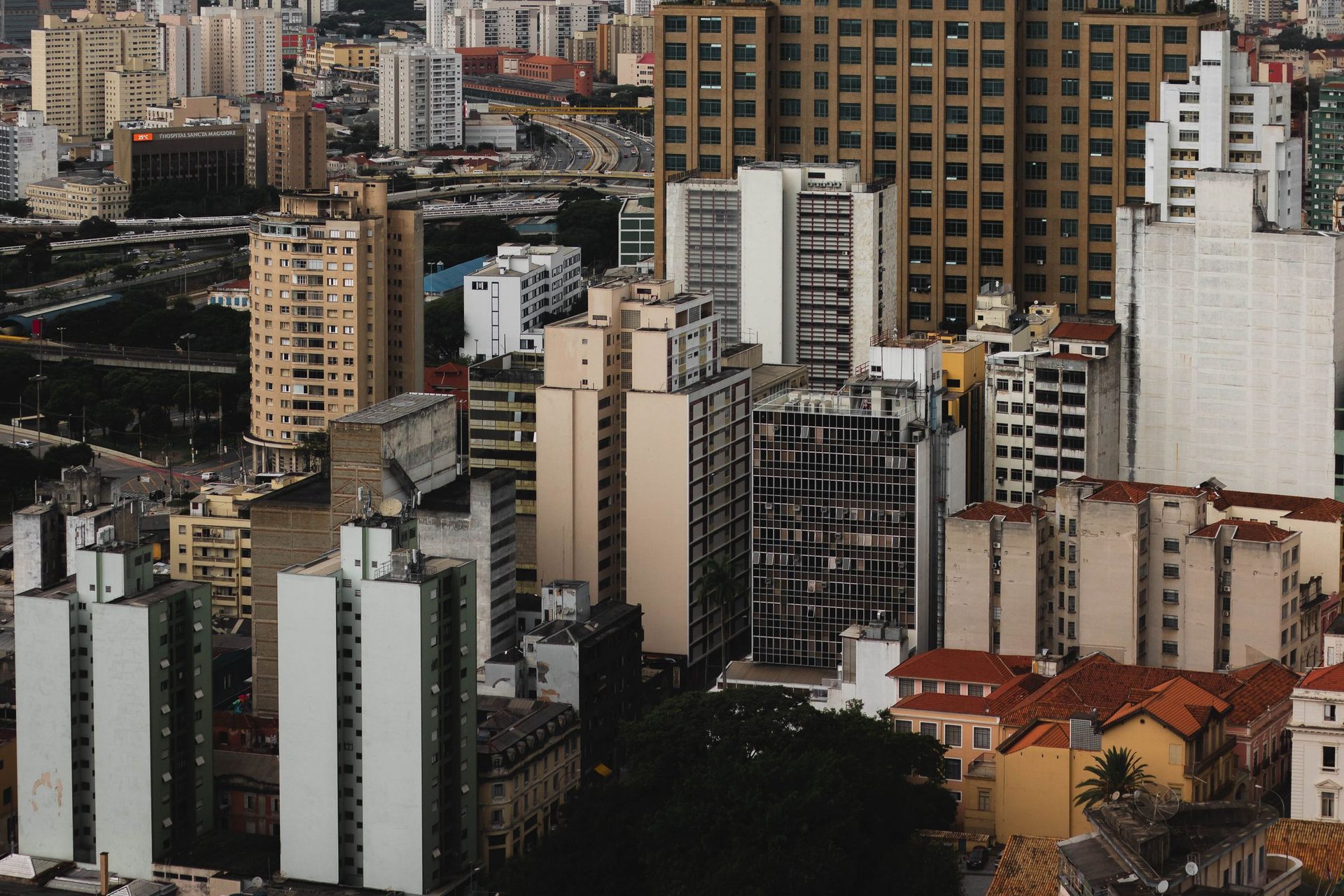
City buildings are where moves go wrong, because none of it works the way it does at a house with a driveway.
Narrow stairs, a service elevator you have to book, a loading dock with a two-hour slot, a street with nowhere to park, and a management company that wants proof of insurance before anyone enters the lobby are all normal. Most of that has to be arranged weeks in advance.
That’s why people hiring experienced long-distance movers for a city move often ask about walk-up apartments, elevator reservations, and building paperwork. An experienced moving company knows how to coordinate these details ahead of time, avoiding delays on moving day. Without that preparation, the crew could end up waiting outside while someone tracks down the building manager or sorts out access.
Measure the doorways and the turn in the stairwell before you move anything big, because a sofa that will not go up the stairs is a common and expensive thing to find out on the day.
What It Costs Beyond the Rent
Rent is the number everyone compares, and it is rarely the one that catches people out.
Groceries, a gym, laundry if the building has no machines, eating out because the kitchen is small, deliveries, storage for whatever does not fit, and a transport pass all add up to far more than most people expect.
Spend an evening pricing your own version of that list before you commit to anything. A city that looks twenty percent more expensive on paper can be closer to forty percent once you live there, and it is better to know that now than in March.
Look at the Street Rather Than the Area
Neighborhoods in big cities change character within two or three blocks, and no amount of reading online will tell you that.
Walk around at three different times, so a weekday morning, a Saturday afternoon, and around ten at night, and notice the ordinary things. How noisy it is, how well lit it is, how far the nearest grocery store is, and how the street feels when your hands are full.
Ask what is above and below the apartment too, because a bar downstairs, a trash pickup at five in the morning, or a neighbor with wooden floors will affect your year far more than the color of the hallway.
Meeting People Takes Some Effort
A big city is the easiest place to spend six months without getting to know anybody, and new arrivals are rarely ready for that.
The size of the place works against you, since there is plenty on every weekend and no reason for the same people to turn up at two of them. What builds a social life is anything that repeats, so a weekly class, a team, a volunteer shift, a regular cafe or the gym at the same hour.
Say yes to work invitations for the first few months, even on the evenings you would rather go home, because colleagues are how most people meet the friends they keep. Then give it a year, since the people who leave a city early tend to leave before they know anyone.
The Paperwork Side of Arriving
A new city comes with a stack of admin that nobody warns you about, and some of it has deadlines.
There is the license and car registration if you have crossed a state line, a parking permit, voter registration, a new doctor and dentist (both with waiting lists), renters insurance the building may require, and your taxes if the job or the state has changed.
Do the things with waiting lists in the first month and let the rest take the next six, because a few small items will still be unfinished by summer, and that has never caused anyone a problem.