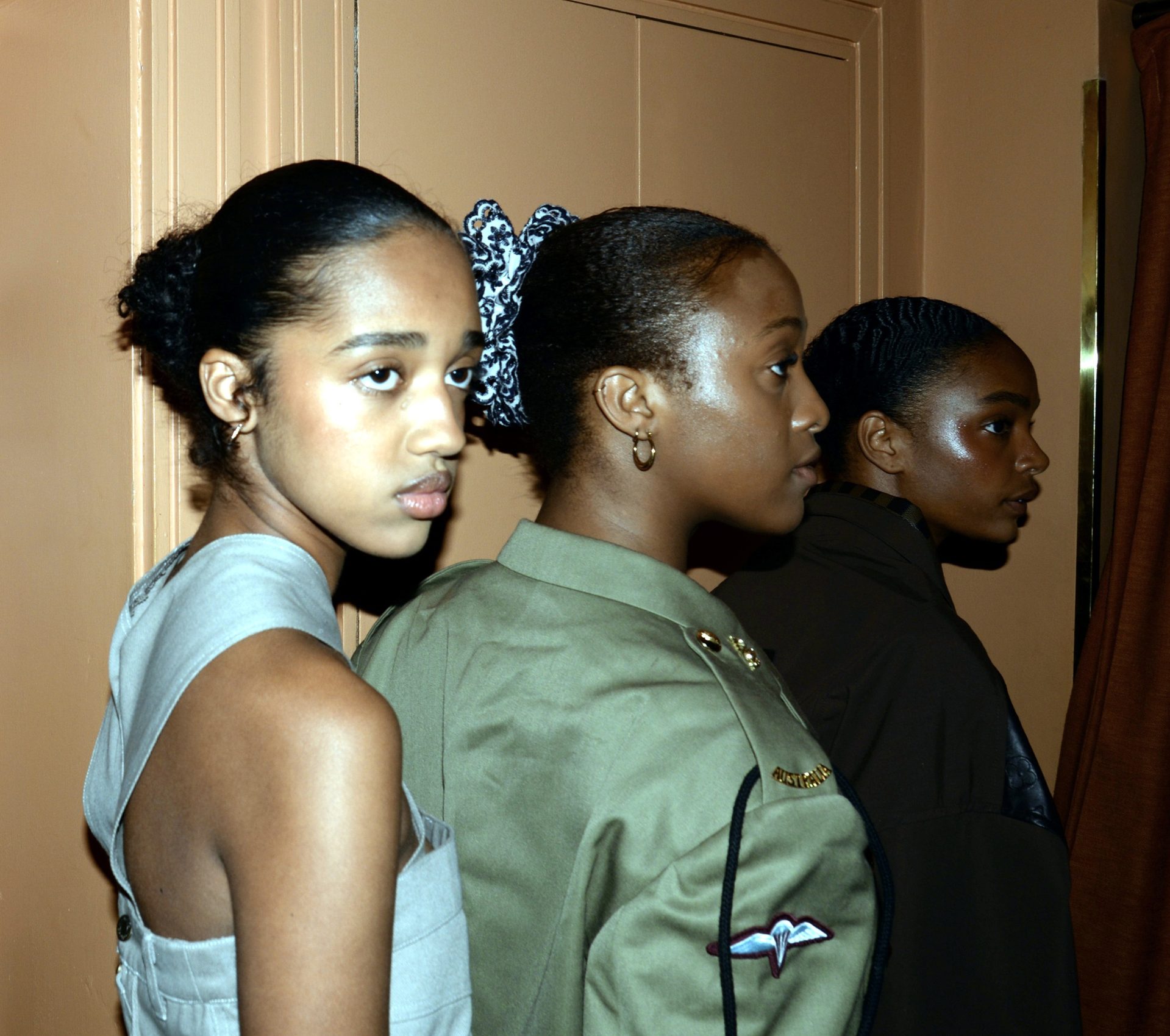
The joy, freedom, and self-expression that can be found in fashion can often be tempered by the consequences of buying new clothes and the ramifications such purchases have on a planet that’s already in a perilous state.
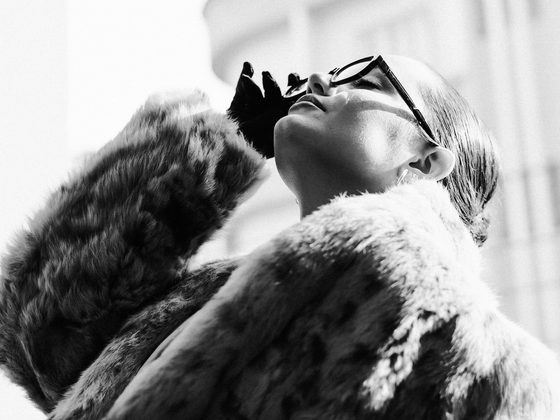
One person who cares passionately about these consequences and the climate emergency is Eunice Olumide. A modern maverick and polymath, Eunice is Scotland’s first black supermodel and excels in a multitude of disciplines that include activist, actor, art gallery curator, author, DJ, and presenter.
Having walked for Harris Tweed, Prada, Vivienne Westwood, Mulberry and Christopher Kane, fashion is in her DNA. Drawing on her prodigious knowledge of the industry and commitment to environmental issues, Eunice has launched a fashion label named “Trillionaire Apparel” (TRNAIR). It’s one that’s imbued with ethical intentionality and a staunchly sustainable ethos.
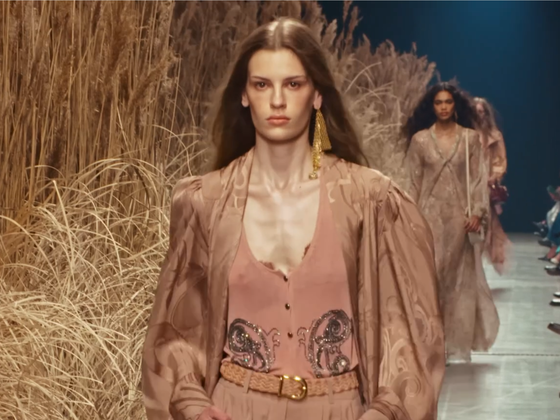
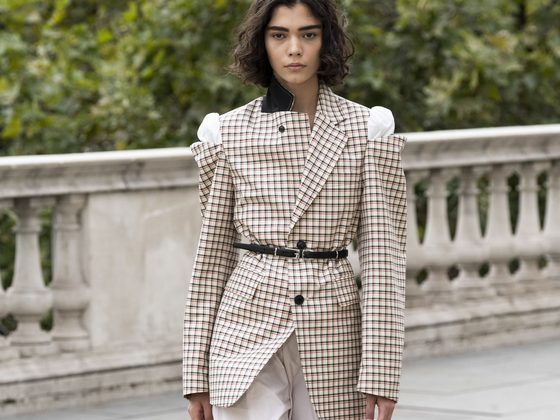
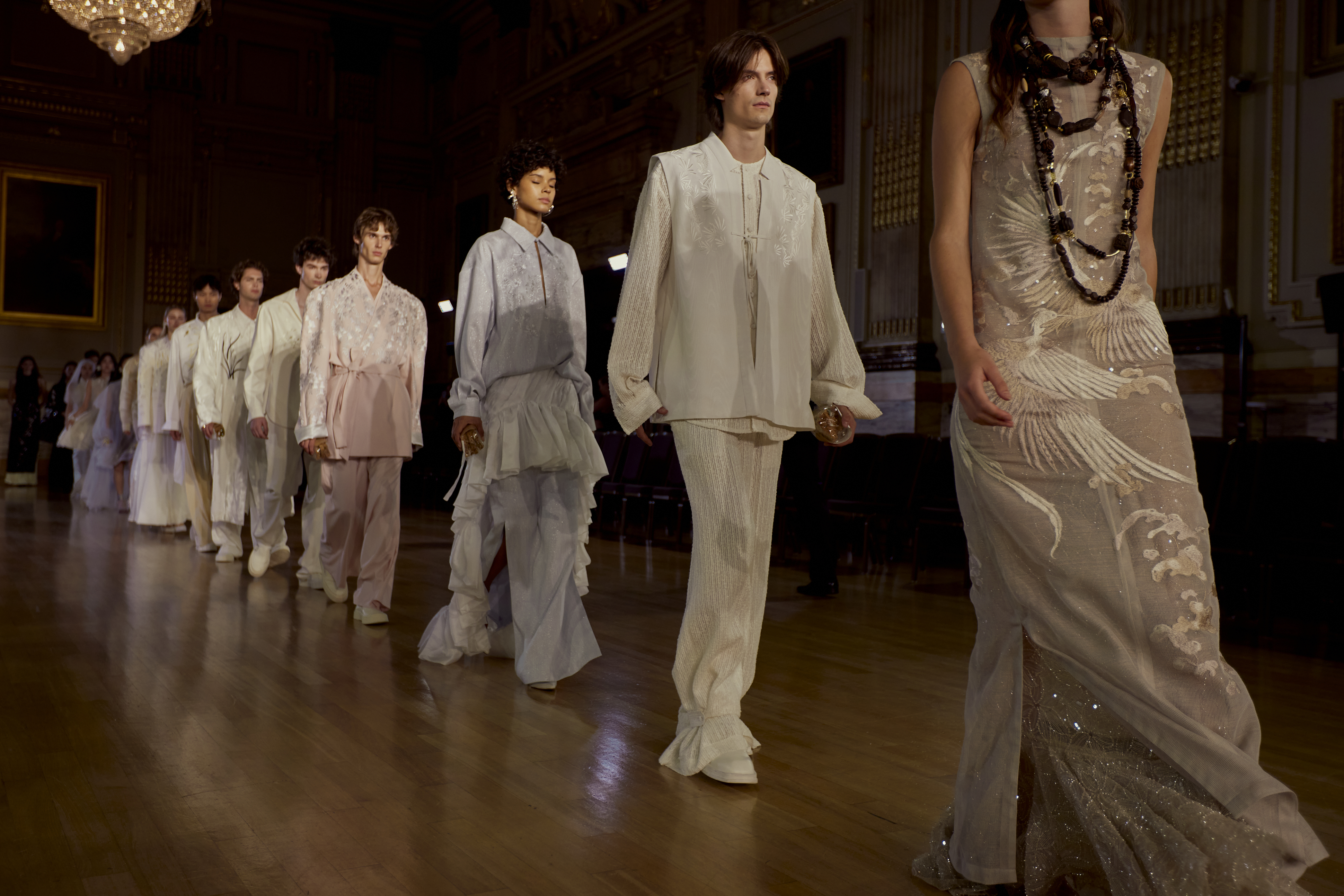
TRNAIR takes recycled and upcycled garments, clothing offcuts and discarded materials and transforms these unwanted leftovers into bold, fresh pieces. It’s a practice that’s underpinned by a fashion philosophy which seeks to shift the dial on our understanding of what’s valuable, luxurious and wearable.
Ahead of the brand’s official launch in 2027, Eunice showcased a sample collection at London Fashion Week. Plugged into similar frequencies, Eunice collaborated with Oxfam, whose “Second Hand September” initiative coincides with Fashion Month. The pieces were showcased at Soho’s seminal Groucho Club, before an audience of taste makers and change makers. More than a fashion show, it included a fascinating panel discussion with some of those driving the sustainability conversation and concluded with a DJ set from Eunice herself.
Flanelle spoke to Eunice about the inspiration behind Trillionaire Apparel, how she hopes the brand can influence and help change our fashion habits, and her storied, multi-disciplinary career.
Words by Brian James
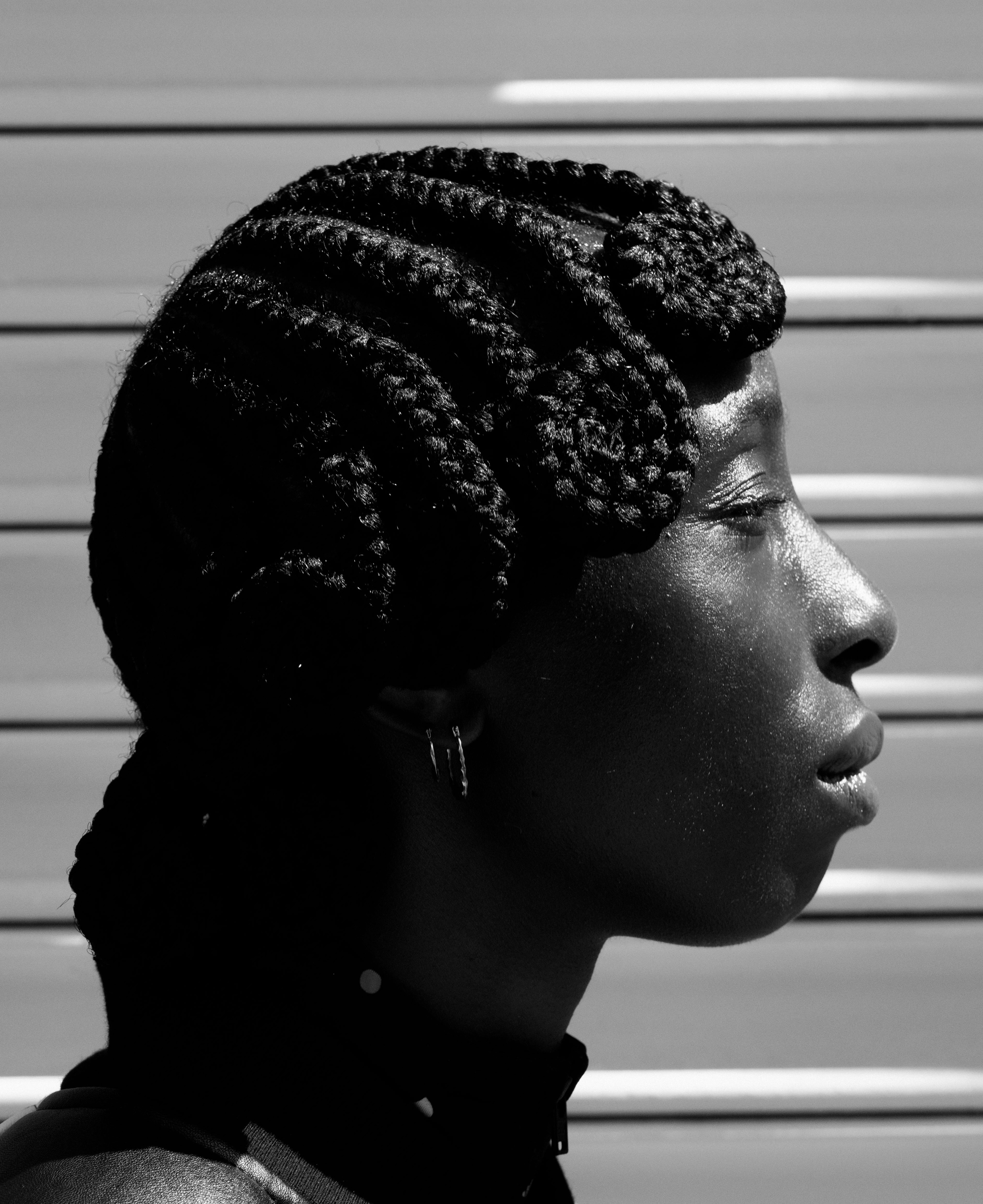
Congratulations on the launch of your label Trillionaire Apparel. What motivated you to start the brand and how would you describe its vision and values?
I decided to start Trillionaire Apparel because, after more than a decade of working in sustainability, I felt there was a massive disconnect between what we know about fashion’s environmental impact and the way we continue to consume clothes. Growing up on a typical British council estate also shaped my relationship with fashion and second-hand clothing. I want to make second-hand fashion cool and show that you don’t have to compromise individuality or creativity to make more sustainable choices.
TRNAIR is about individuality, freedom and making the ordinary extraordinary. The vision is to challenge what we consider valuable, luxurious and wearable by transforming unwanted fashion into bold, individual pieces and turning waste into desire.
You debuted a capsule collection at London Fashion Week. Can you tell us about the materials you used, where you sourced them and the inspiration behind your creations?
The collection was created entirely from recycled and upcycled garments, clothing offcuts and discarded materials. Rather than treating these materials as waste, I wanted to see their potential and transform fashion’s unwanted leftovers into something desirable, individual and exciting.
The inspiration comes from that process of reinvention, taking something ordinary or overlooked and making it extraordinary. The collection is also about challenging conventional ideas of luxury and asking ourselves why something new should automatically be considered more valuable than something that already exists.
Oxfam collaborated with you on the collection. What do Oxfam’s activism and legacy mean to you and how did the collaboration come about?
Oxfam has been having an important conversation about the value of clothing and the environmental consequences of buying more and wearing less. That message is very closely aligned with what I want Trillionaire Apparel to communicate.
The collaboration came together around Oxfam’s Second Hand September campaign and its vision for the future of fashion. It gave us an opportunity not only to present the sample collection ahead of its launch in February 2027, but also to bring people together to have a bigger conversation about where the industry could be by 2035.
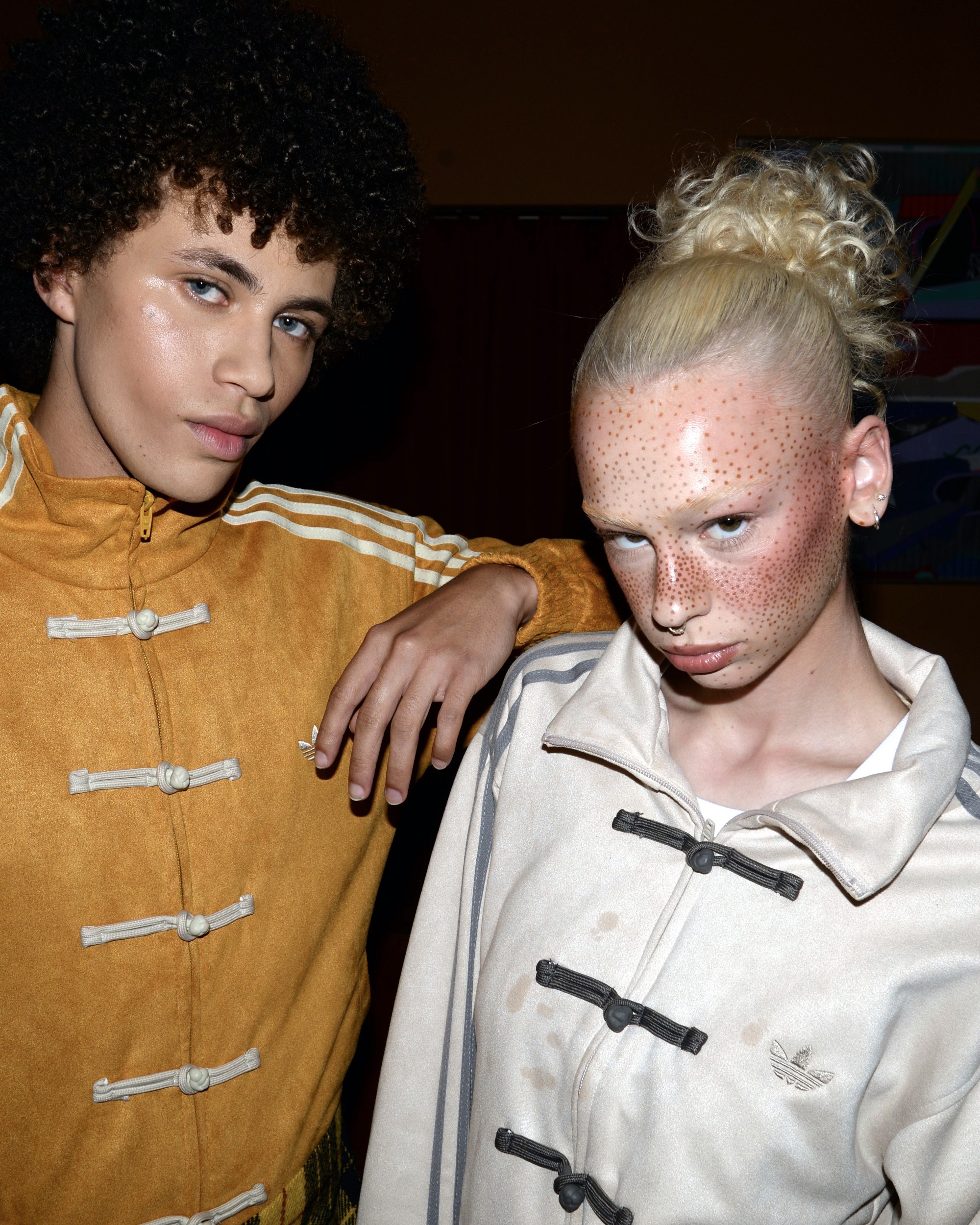
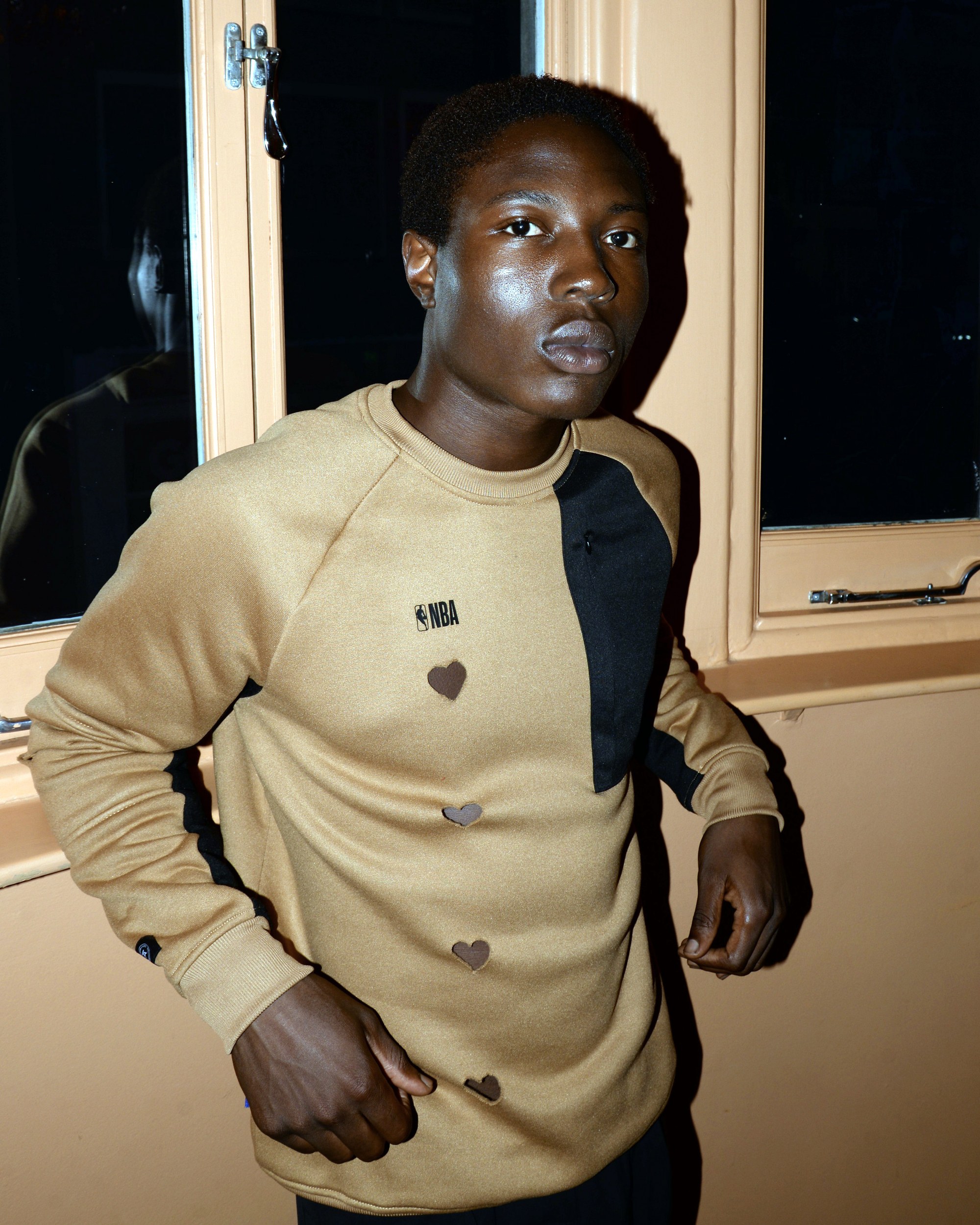
The charity’s “State of Style” report makes for stark reading. What statistics most alarmed you and how do you think the fashion industry can play its part in addressing this environmental catastrophe?
One statistic that really stands out is that a fifth of unwanted clothes end up in the bin. That says a lot about our relationship with clothing: we are buying more, wearing less and treating garments as disposable.
The industry has to rethink that entire model. We need to place much greater value on what already exists through second-hand fashion, upcycling, repair and creative reuse, rather than constantly producing something new. I think designers have an important role because we can demonstrate that discarded materials can become desirable, beautiful and exciting. That’s why I created Trillionaire Apparel to act as a bridge. It gives companies and brands who may not be sustainable an opportunity to collaborate with the brand on new and exciting apparel that is created from their waste.
We understand that every piece was made in Scotland. How rewarding was that and how has Scotland and your Scottish upbringing shaped your views on fashion and the climate emergency?
It was incredibly rewarding to make the pieces in Scotland. Scotland is such an important part of who I am, and being Scotland’s first Black supermodel has been a significant part of my journey.
My upbringing also shaped the way I think about value. Growing up on a council estate was hard for us all, and that experience gave me a different perspective on consumption and second-hand clothing. It became starkly obvious that so many who have great intentions really have just got it completely wrong.
If you’re not from a certain background and are of a higher class there is often a disconnect, which is why I feel sustainable clothing and the entire topic is taking so long to get a serious foothold that’s not just online but in the hearts and minds of the people who really keep our country going, everyday working class people. We really do have to empower people from different classes and backgrounds so that we can come together and fuse our unique experiences and expertise to finally really change things in a way that endures.
Having released your first Trillionaire Apparel collection, what advice would you give other new or emerging designers looking to make an environmentally conscious collection?
In my book How to Get Into Fashion I talk a lot about the industry so that is a really good start. I’d encourage emerging designers to experiment, be inventive and challenge the idea that luxury has to mean something brand new. For me, the most exciting thing is taking the ordinary and making it extraordinary. I also started by showing a sample collection, to let people know about the brand in advance of when it will actually launch.
The collection launched at London Fashion Week with the support of the British Fashion Council. How important is that BFC commitment to sustainable fashion and how else would you like them to advance the debate?
Having the support of the British Fashion Council at London Fashion Week is incredibly important because institutions and industry leaders have the ability to make sustainability part of the mainstream fashion conversation. I am really proud of the direction we are heading under the leadership of Laura Weir. It is my honour to be given this opportunity as truly sustainable designers are few and far between.
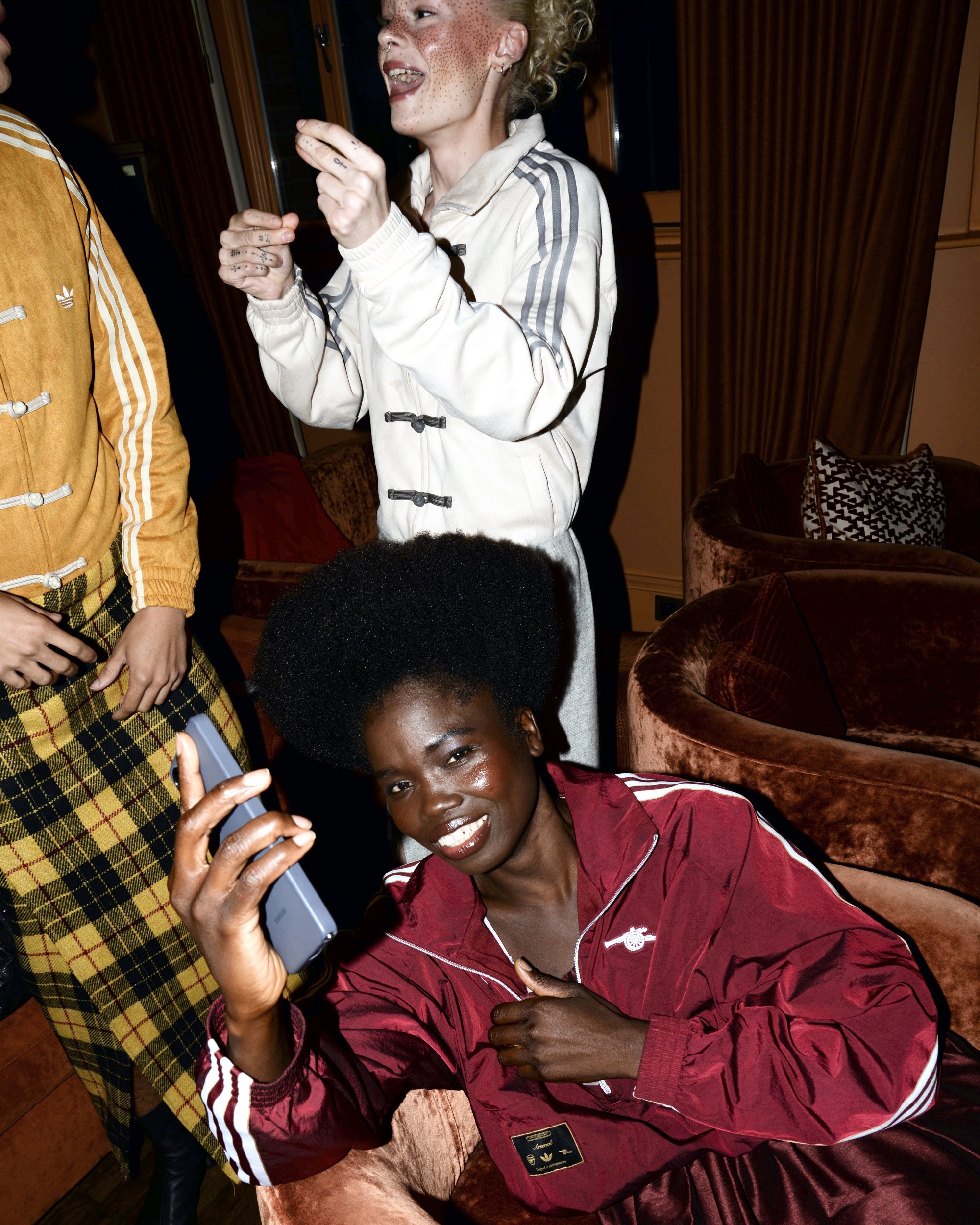
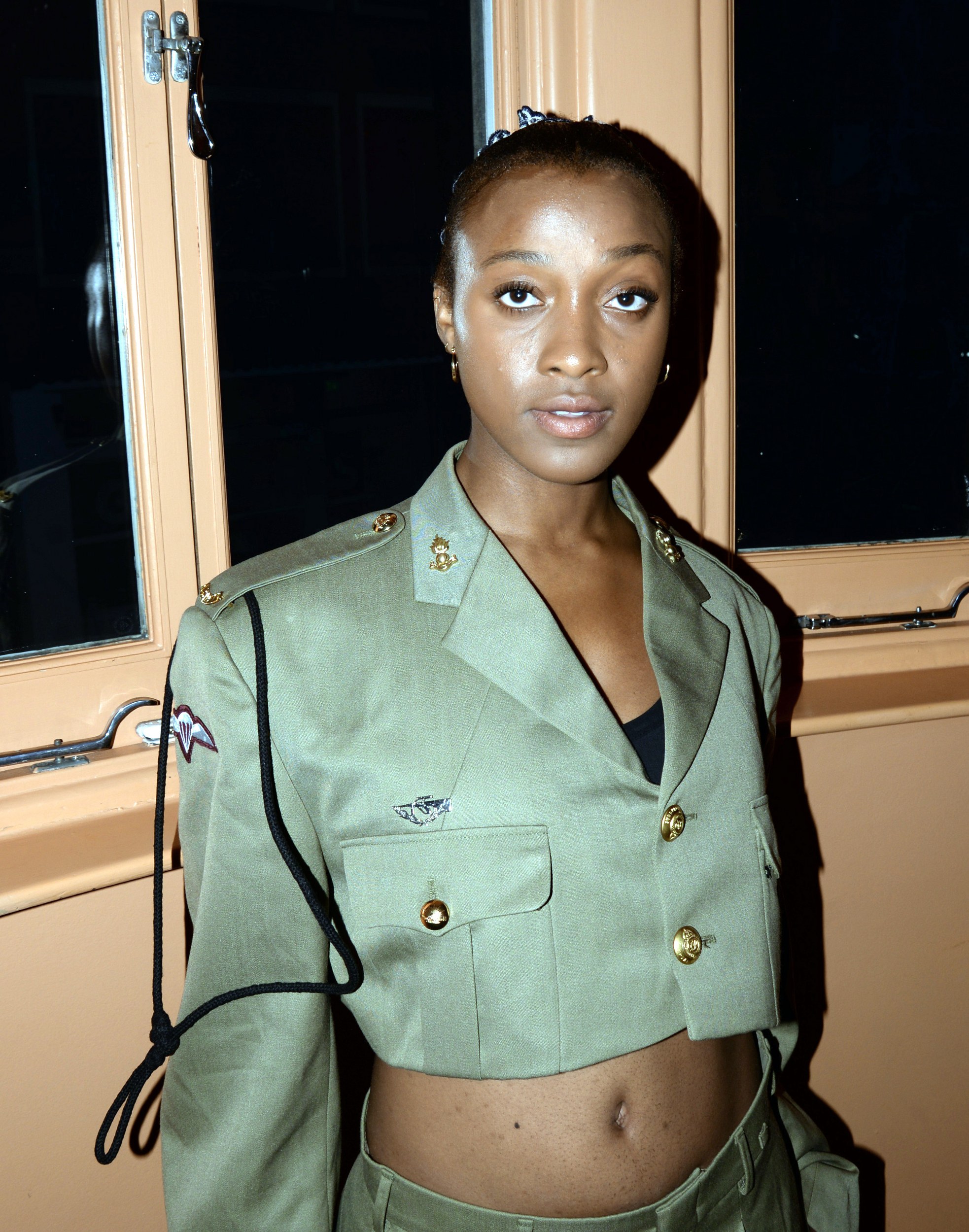
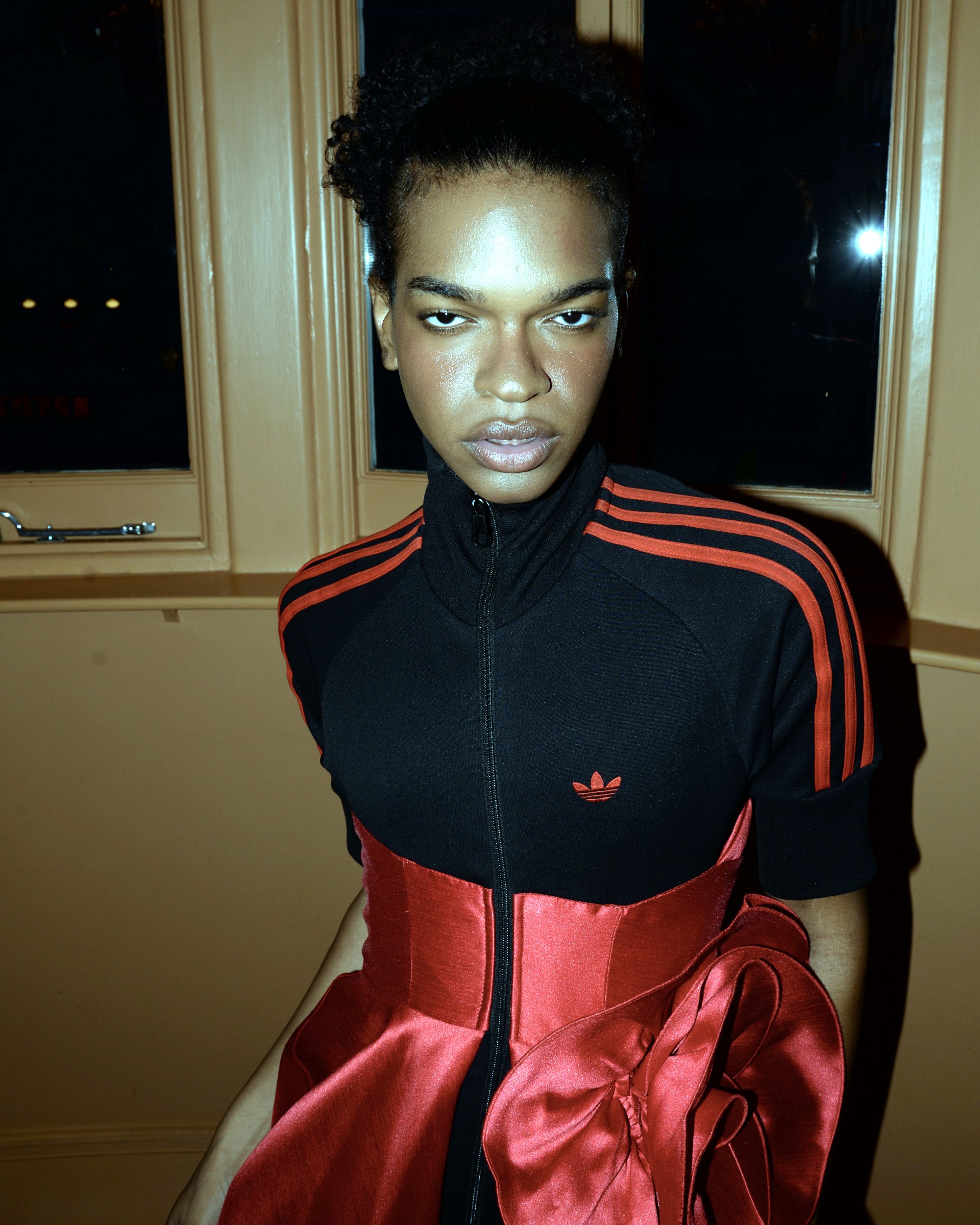
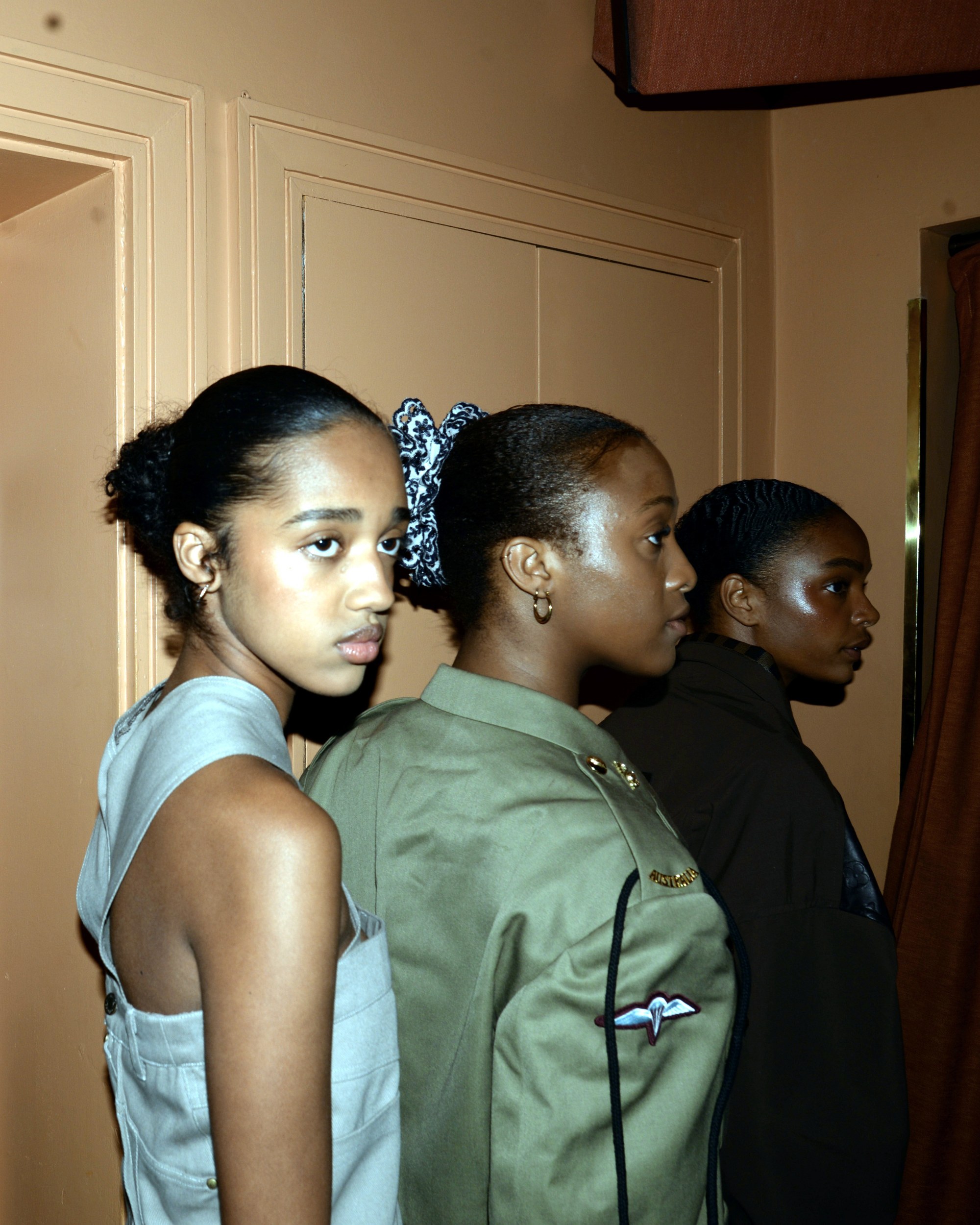
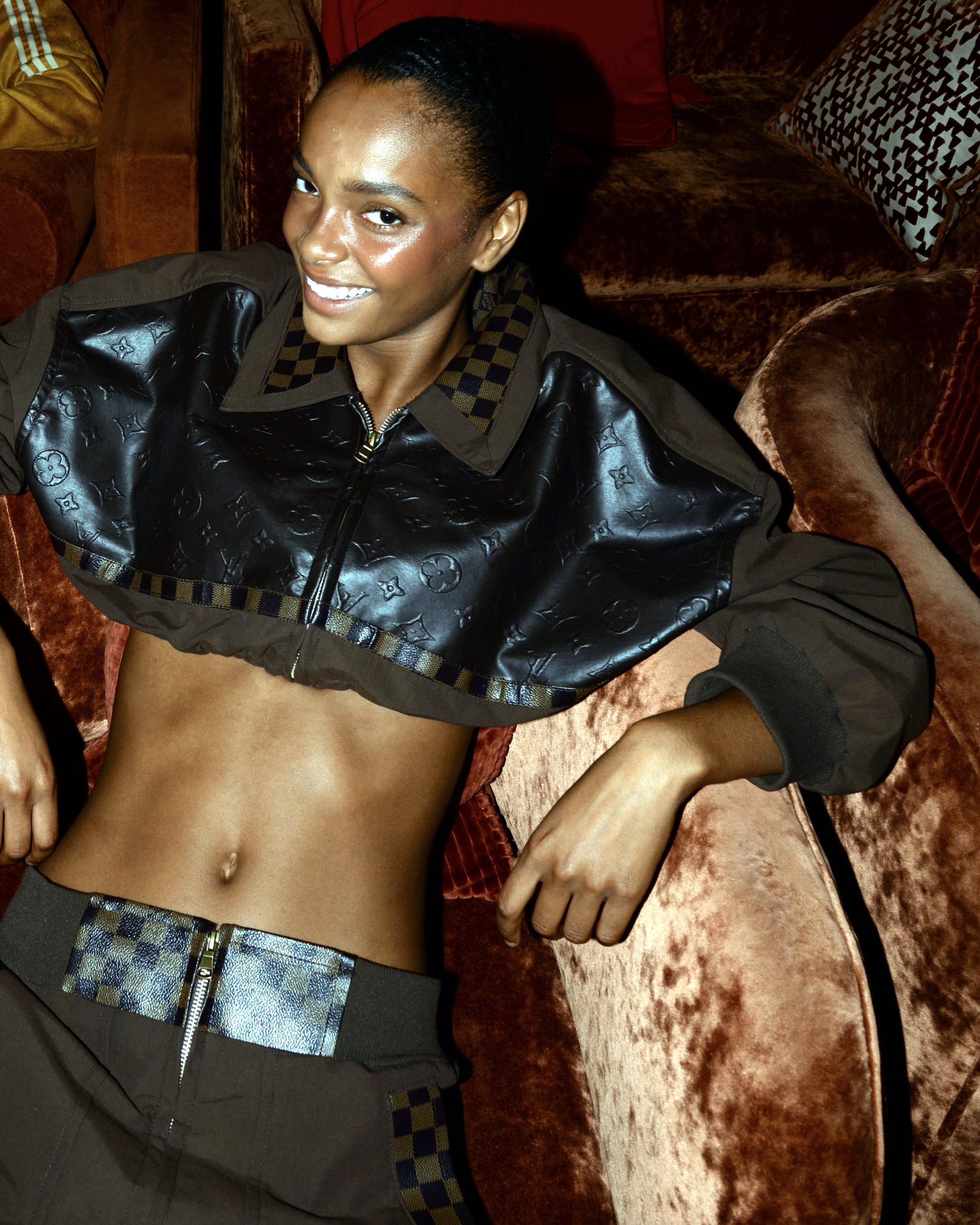
There’s still a stigma in some sections of society to second-hand clothes and for many people “retail therapy” is just that, with purchases providing an instant dopamine hit and escape from reality. Do you think it’s possible to change these entrenched societal habits and if so, how?
Absolutely. That’s one of the reasons I started Trillionaire Apparel. I want to make second-hand fashion cool and most importantly real. We have to change the perception that second-hand means something inferior or undesirable. It can actually be more individual because you’re finding pieces that already have a history and then giving them a new life. Designers, artists, musicians and cultural figures can help change that perception by showing how creative and aspirational second-hand fashion can be.
Ultimately, we need to make people excited about what already exists rather than always making them feel that they need something new.
Your LFW presentation was followed by a fascinating panel discussion featuring some of those driving the sustainability conversation. What gave you the most cause for optimism from that conversation?
What gave me the most optimism was seeing people from different parts of fashion and culture coming together around the same question: what could fashion look like in 2035?
Bringing together voices such as Lucy Siegle, Harris Elliott and Bay Garnett showed how broad the sustainability conversation has become. For me, that kind of dialogue is essential because changing fashion isn’t something one person or one brand can do alone. It requires designers, journalists, stylists, activists, organisations and consumers to rethink what we value.
As well as founding a fashion label, 2026 has also seen you release a hip-hop album “Love Tree” under the name “Oracle” and continue to excel across a number of disciplines. What motivates you to explore these new avenues and is there anything else on your creative wish list?
I’ve always moved between fashion, art, music and culture. For me, they aren’t really separate worlds, they’re different ways of communicating ideas and creating change that require specific knowledge, training and understanding of each craft. People often call me a maverick or renaissance woman, which I am now starting to understand why.
Making music is like breathing air. I have always believed in talent first, looks second, and it does concern me that we are still not allowing women to be judged by their work alone, which is why I kept it completely underground until now. I have had the most amazing life and experiences as part of Ruff Ryders, Banana Klan with UK’s Roots Manuva and touring with Lauryn Hill, Damien Maley, Nas, Scotland’s Revalations, DMX to mention a few.
I’ve spent two decades disrupting those boundaries, and I’m motivated by curiosity and the desire to keep creating. Whether it’s fashion, music, art, community or politics, I’m interested in using culture as a catalyst for change. There are always new ideas I want to explore, so I don’t think the creative wish list ever really ends. I am just most happy when I am making and producing beautiful things which help people.
Returning to Trillionaire Apparel, the brand officially launches in 2027. What can we expect to see from that official launch and how excited are you to share it with us?
The 2027 launch will build on the ideas introduced through this first sample collection: recycled and upcycled garments, discarded materials and offcuts transformed into bold, individual pieces. Most importantly, I want Trillionaire Apparel to challenge the way we think about value, luxury and what is wearable. I’m incredibly excited to share the brand because this is about more than making clothes, it’s about making second-hand fashion desirable, celebrating individuality and showing that what we consider waste can become something extraordinary.
A sustainability savant, Eunice Olumide’s activism and advocacy for these environmental issues has given birth to Trillionaire Apparel. As an arbiter of style with a storied and hugely successful career, few are better placed to launch a brand that provides an antidote to the deification of the new and that looks to address society’s seemingly insatiable obsession with mass-produced fashion.
Resourcefully reusing unwanted materials and garments to make fresh creations, Trillionaire Apparel is playing its role in providing an alternative to a culture of over-production and over-consumption. As Eunice tells us, it requires us all to rethink what we value and implicit in that is a recognition that we all have a role to play in reversing fashion’s role in the climate emergency.
Making the discarded desirable and the ordinary extraordinary, we look forward to what Trillionaire Apparel brings us next.
TRILLIONAIRE APPAREL LFW S/S 2027
SUSTAINABLE FASHION SHOW
PRESENTATION GROUCHO CLUB SATURDAY 19 SEPTEMBER @TRNAIRAPPAREL
IMAGE CREDITS @OLUMIDEGALLERY RICHIE MAFWA
SET, STYLING, PRODUCTION, CREATIVE & ART DIRECTION, CASTING OLUMIDE GALLERIES LTD @EUNICEOLUMIDE