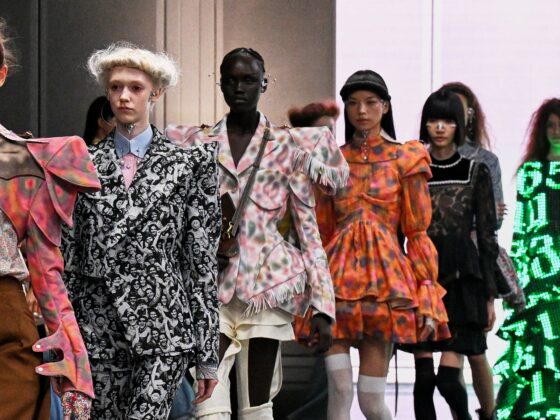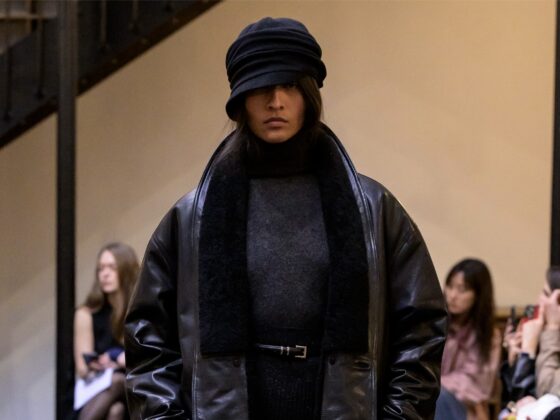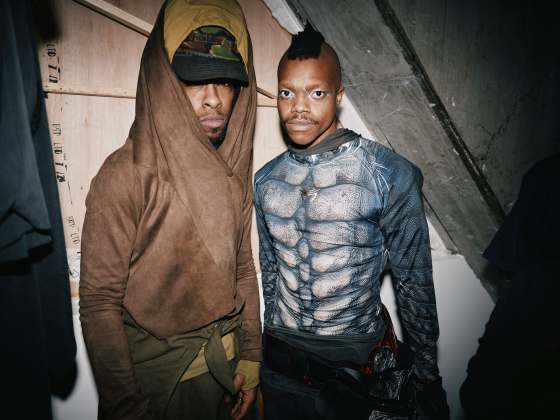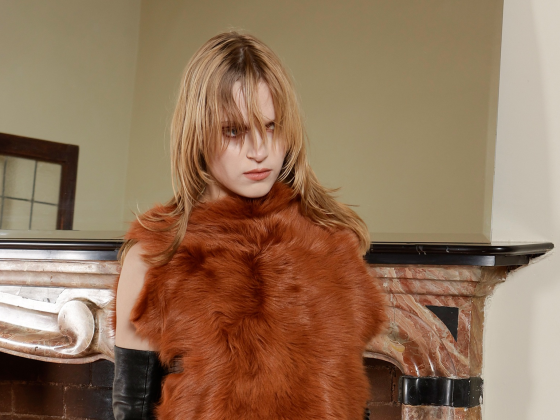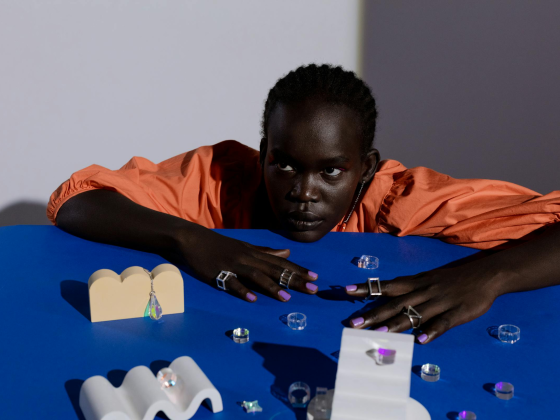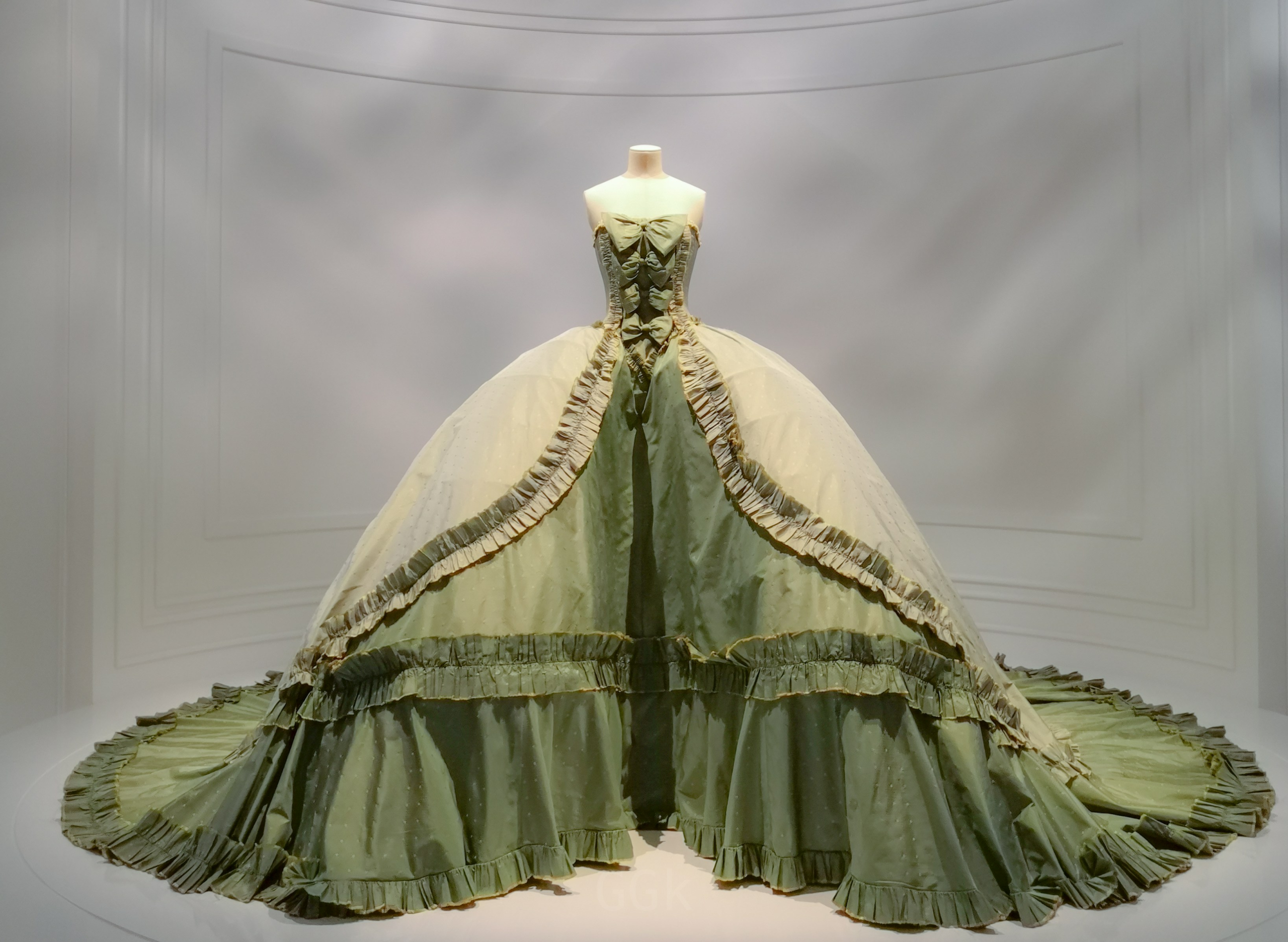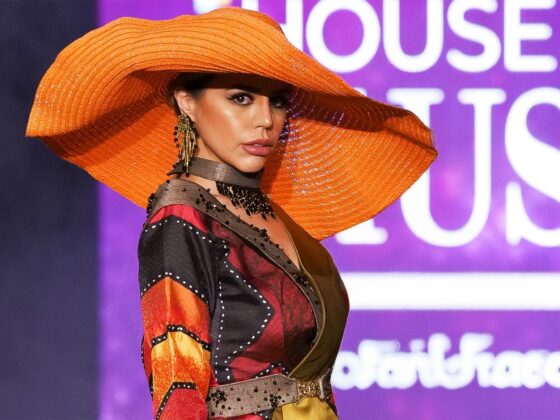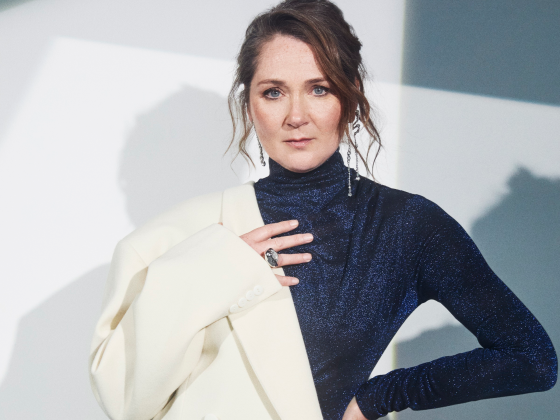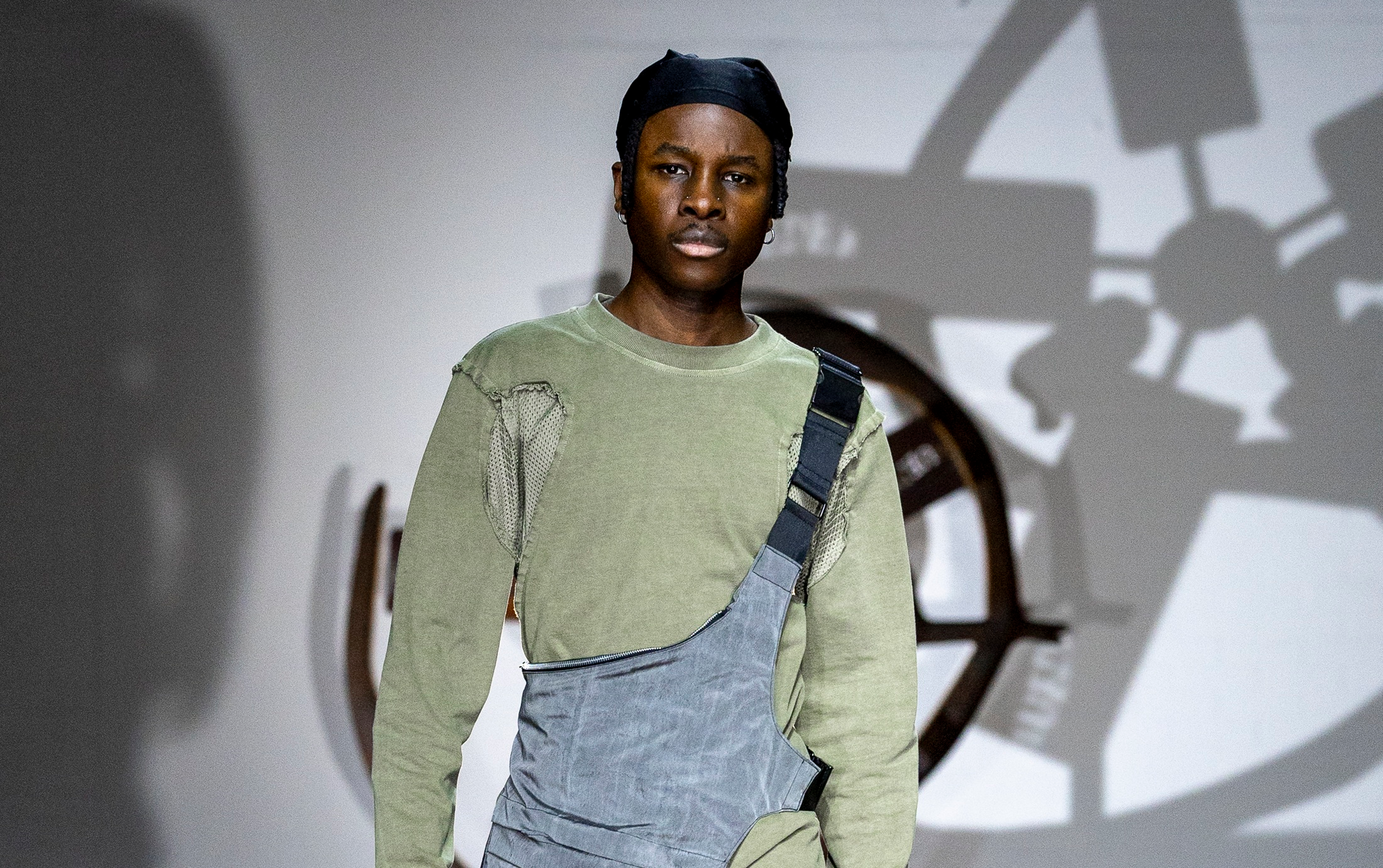
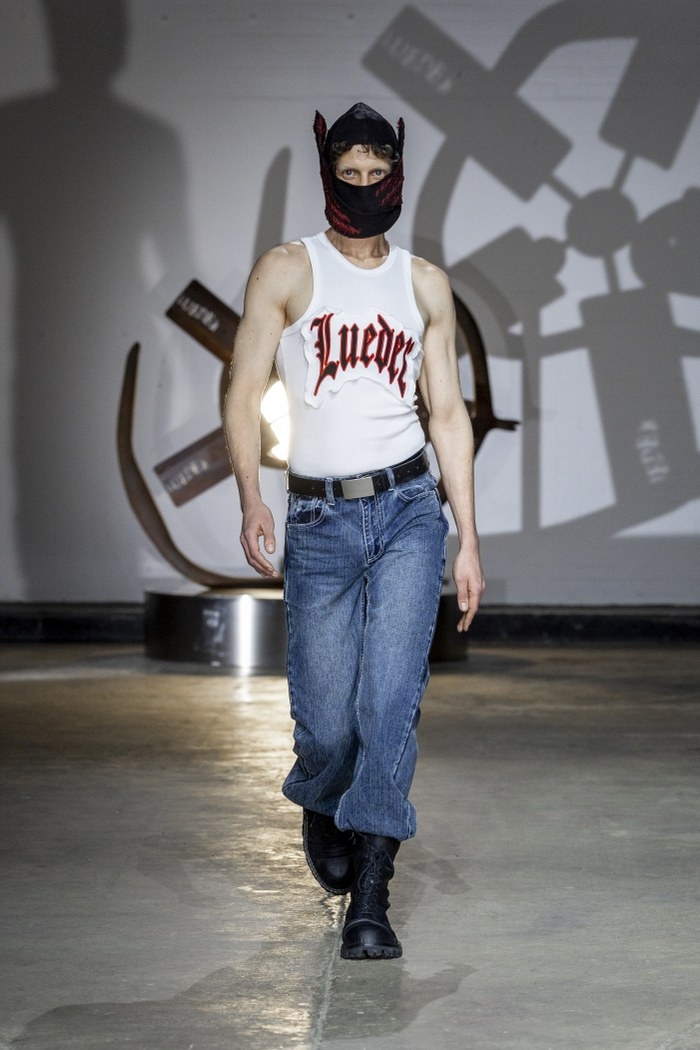
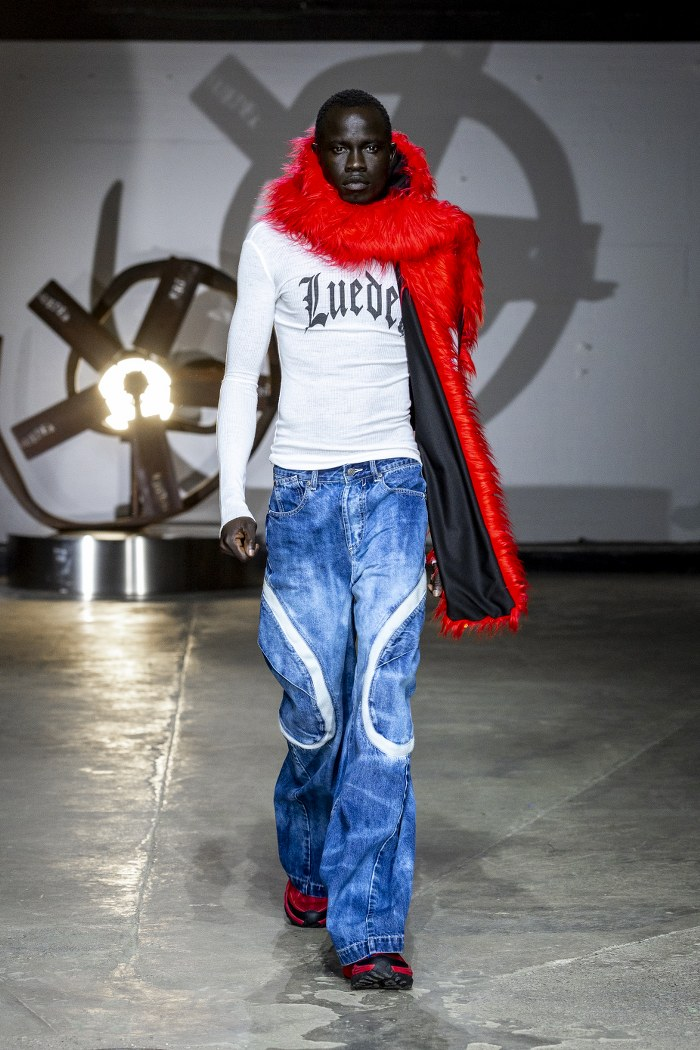
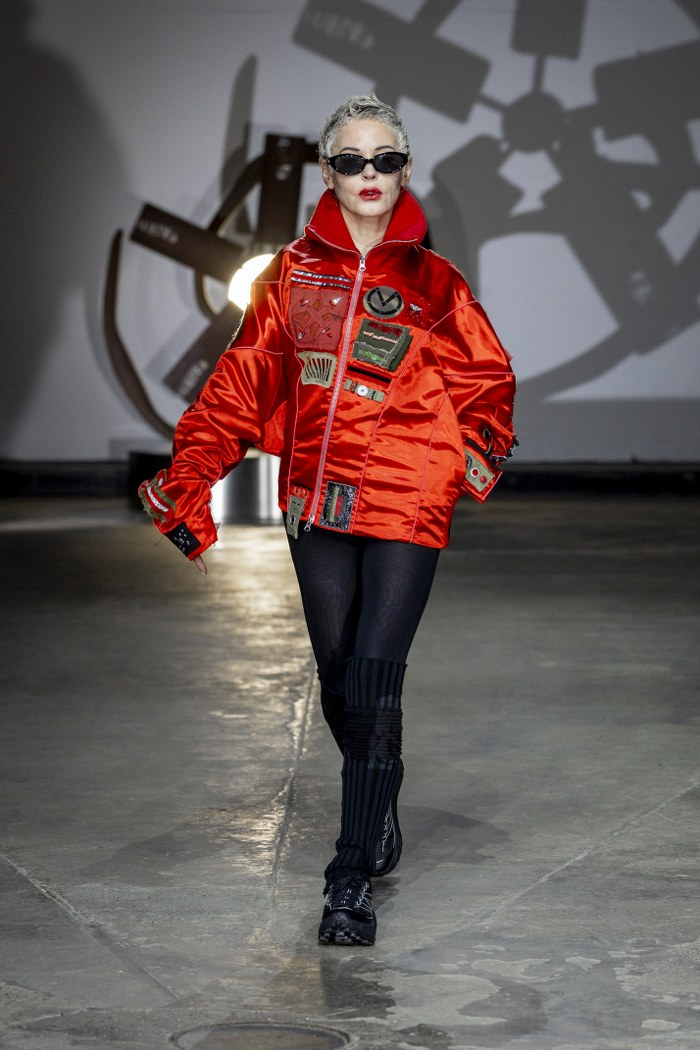
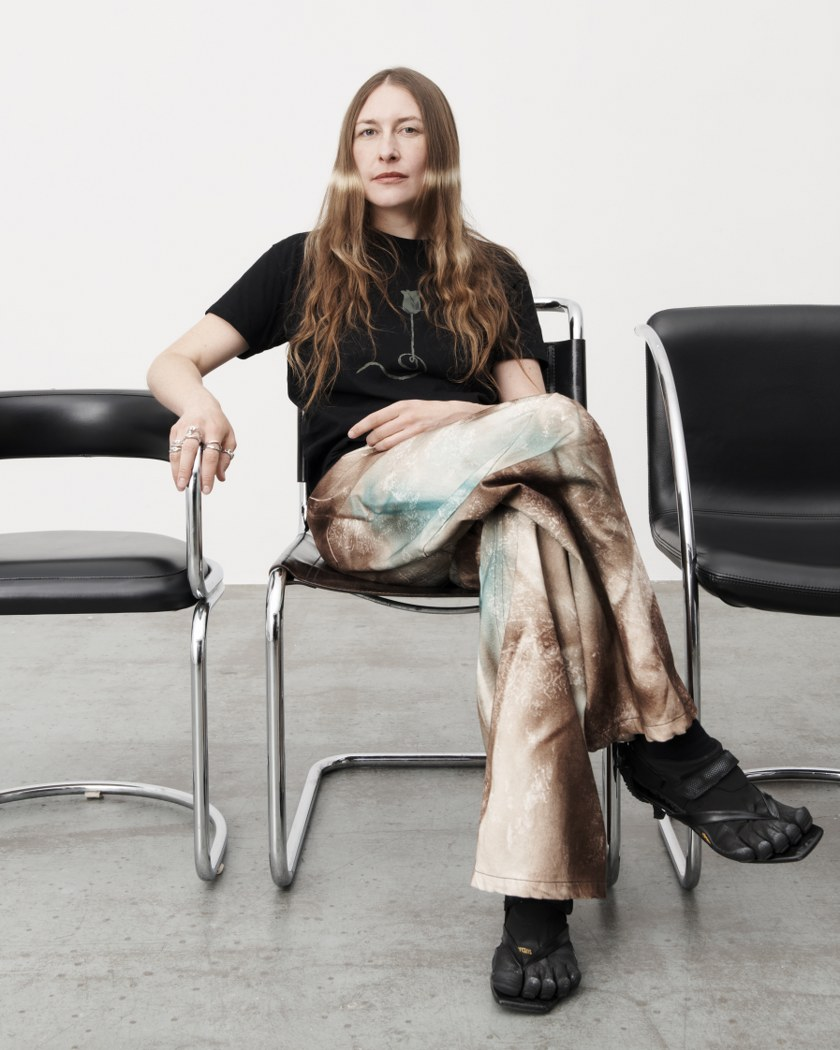
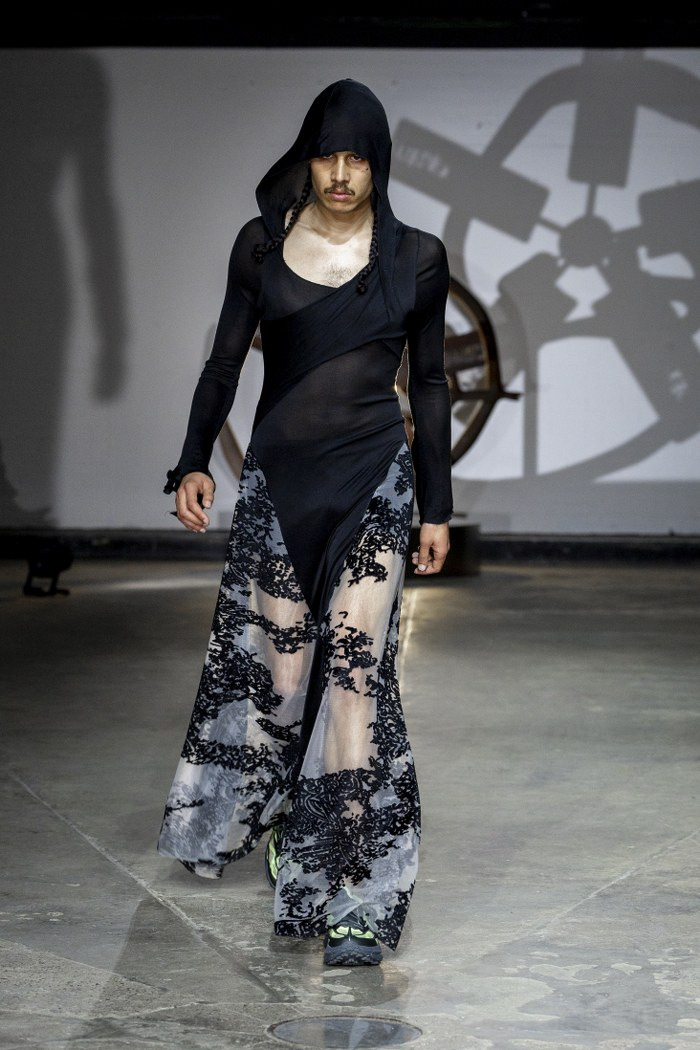
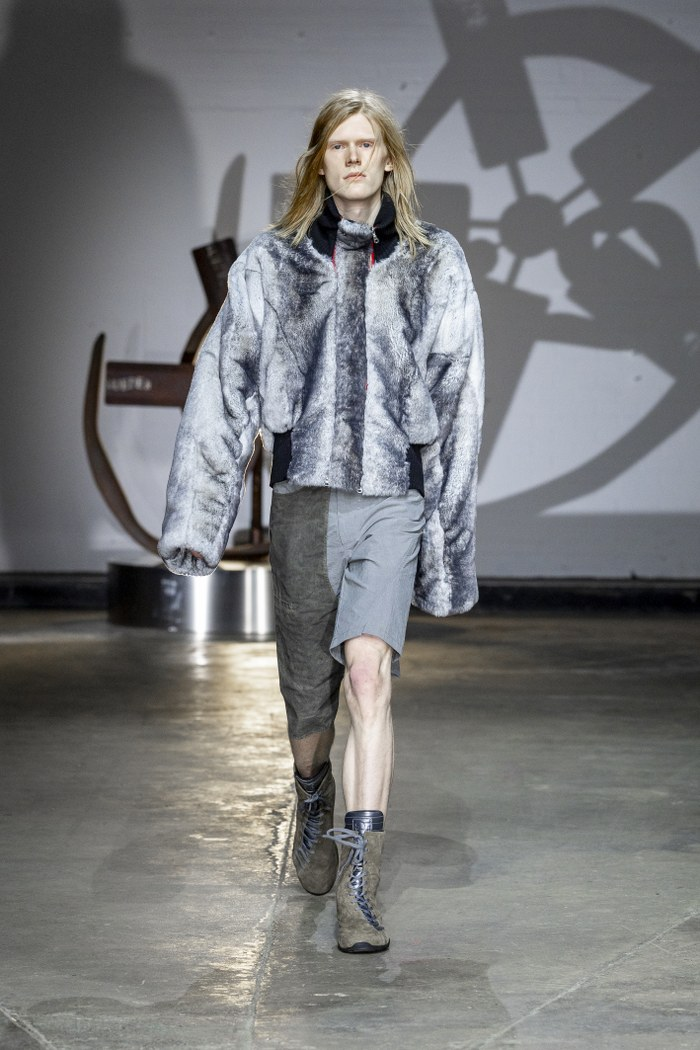
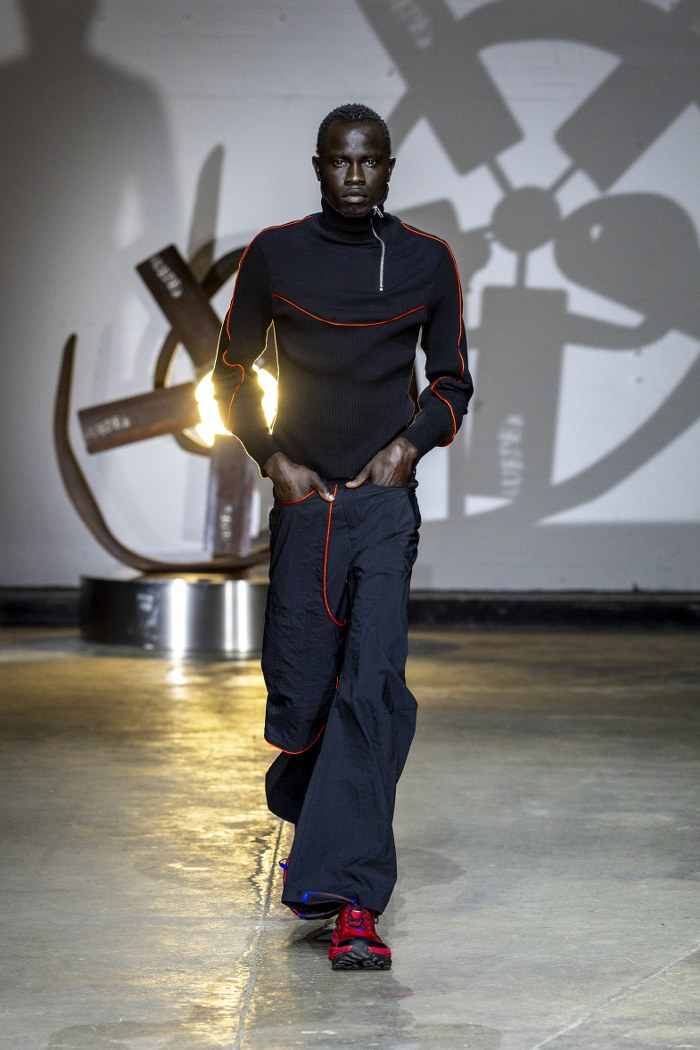
For Marie Lueder , founder of eponymous London -based brand LUEDER , February 2026 was bookended by two highly significant events. The beginning of the month saw her unveil a retrospective entitled “In The Pit” at Berlin Fashion Week before showing her latest collection , “Ghosts of My Life” in London as the month drew to a close.
A designer who innovatively mixes the codes of sportswear and tailoring with an added inspirational dimension that looks to medieval history and myths , it’s often said that you need to look back to move forward. Marie Lueder’s February seemed to be a microcosm of that adage.
“In The Pit” was an immersive, multidisciplinary experience which reanimated key pieces from recent connections running from AW24’s “Monomyth” through to SS26’s “Convivum” which showed last September at LFW. A living retrospective that explored memory, mythology and mood , it brought together some of the house’s most defining moments and presented them before a Berlin fashion cognoscenti that have been some of the designer’s most ardent supporters.
It’s a kinetic connection with a community that the Hamburg-born designer cherishes and there’s a deftness in the way she incorporates her background and childhood influences into the LUEDER aesthetic which speaks to a genuine authenticity. An authenticity that reveals itself in her thoughtful and thought-provoking fashion philosophy.
It’s a boundary-pushing approach that’s seen LUEDER recognised by the British Fashion Council and invited to be part of their NEWGEN cadre of designers, an accolade that’s richly deserved and has helped to further amplify the brand’s visibility and build meaningful connections.
Flanelle spoke to Marie prior to her showing in London and we talked about her inspirations , aspirations and what we might expect from the A/W 26 collection “Ghosts of My Life”.
Text by Brian James
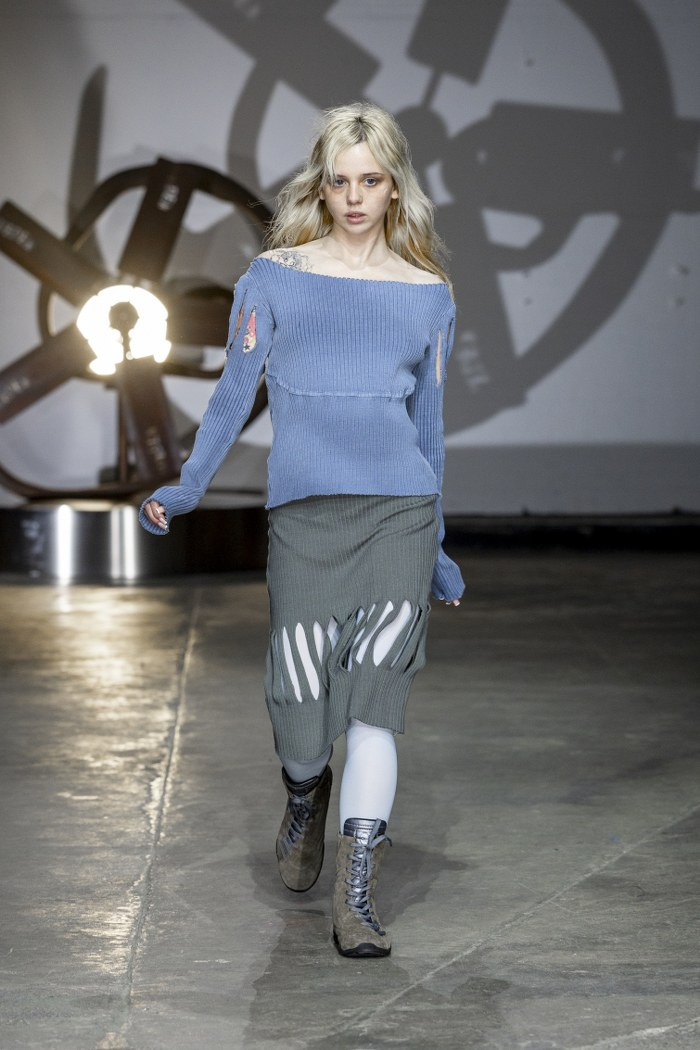
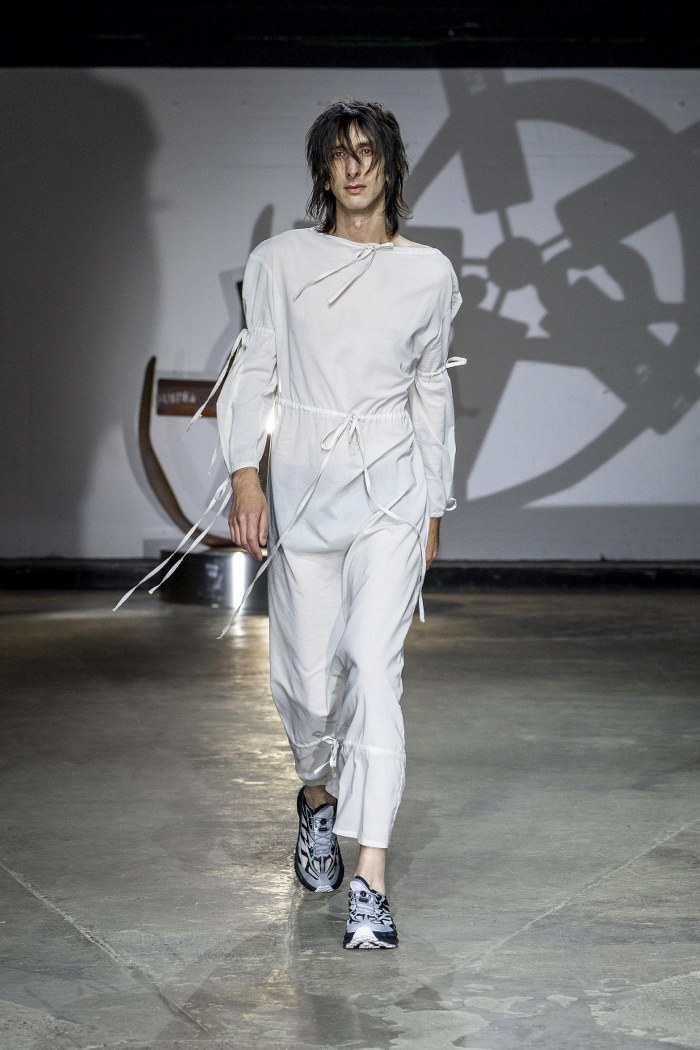
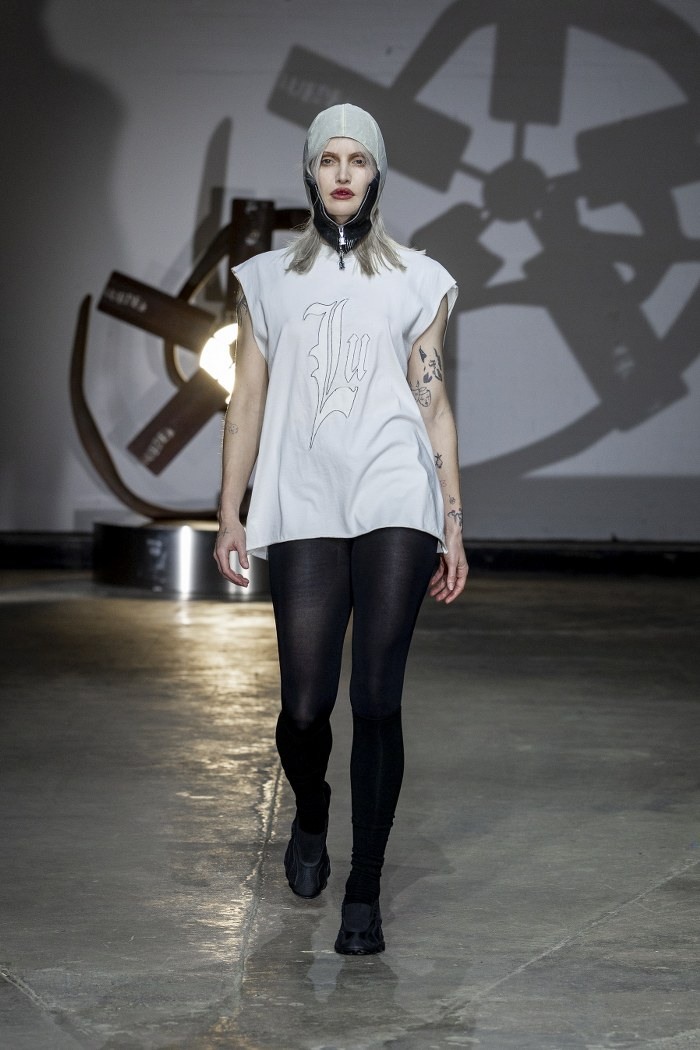
Congratulations on your Berlin Fashion Week presentation “In the Pit,” a multidisciplinary retrospective of your work. What inspired this reflection on your archive and how fulfilling was it to reintroduce it to the BFW audience?
Thank you. “In the Pit” felt very true to what LUEDER is about and how it started: movement, music, and collaboration. I wanted to step back and look at what we’ve created over the past two years, which, in retrospect, felt like a heartbeat.
Reintroducing the work in that way, especially to the Berlin audience, was incredibly fulfilling. It allowed us to honour the community that has grown with us and to frame our archive not as something static, but as something alive and evolving.
You regularly show at Berlin and London Fashion Weeks. How do they differ in mood and atmosphere, and what different qualities does each possess?
They are super different, but both are inherent to me as a creative. Berlin feels more intimate, while London is more about the overall growth of the brand.
I’m good friends with many designers in Berlin, we support each other and exchange business advice. The German Fashion Council supports us massively, organising business trips to our biggest markets in Korea, Japan and the US.
London, on the other hand, offers scale and visibility. It pushes the brand outward in a very direct way.
In what ways do each city’s culture and subcultures influence your creative process?
Berlin feels super free and flexible in terms of its creative scene. Creatives can still afford to live there more easily and develop their practice.
London is so expensive that it can limit that freedom. Many incredibly talented people have to work more commercially than they might want to. I think that’s one of the biggest differences. London has immense talent, but without backing or commercial success, sustaining a long-term practice can be challenging. And good things take time.
As well as tapping into club culture, much of your work draws inspiration from medieval history, myths and folklore. What draws you to that period and what can it tell us about society today?
As a child and teenager, I participated every summer in a one-week camp where we re-enacted different historical epochs, from 300 BC to the 15th century. The organisers, the history pathway of Hamburg University, would send us a brief introducing the period we would L.A.R.P. in, and my mother and I would research and develop an outfit for it.
That experience sparked my interest in historic clothing, its function, engineering, class systems, hierarchy and symbolism. It also made me curious about spirituality and ritual. I think there are still many parallels between those societies and today, especially in how we use clothing to signal belonging, belief and power.
This time last year you staged an immersive “rave” presentation at LFW for your A/W 25 collection. How fulfilling is it to blur the lines between show and audience, creating a definite LUEDER community?
It’s incredibly fulfilling. I never want the audience to feel passive. When people move with the garments, dance in them, and experience the energy together, the collection becomes something shared rather than observed.
That sense of gathering, of collective emotion, is central to LUEDER.
How do you want that community to feel about themselves and the world around them when wearing your creations?
Empowered. Open to sharing and gathering with others. Conscious, mystical, and attractive.
Sustainability lies at the core of the brand identity. Can you tell us about the sustainable practices and ethical values you follow when constructing the garments?
We design within different categories. Pieces that are more trend-oriented are often upcycled or reworked, for example, our reworked fantasy tees or upcycled football tops and dresses. For AW25, we used a faux fur made of wood pulp.
In our wardrobe staples, we use deadstock or certified fabrics. In our core categories, we source cotton locally and dye it on demand.
Sustainability for us is not just about materials, it’s about responsibility, longevity and thoughtful production.
What experiences and people in your earlier life cultivated your practice, and what was the catalyst for founding the label?
My parents had friends in creative fields, seamstresses, female painters, film directors, who influenced me early on. I trained as an apprentice at the Hamburg State Opera and performed for the artist Sanna Helena Berger for six years.
My first fashion show, created with friends, started as an art show in a gallery in SE20 in London. It was packed, and that moment really began my journey and led to opening the studio in 2019.
Who are the designers and artists that have inspired you?
The designers are Marithé + François Girbaud, Vivienne Westwood, Alexander McQueen, Hussein Chalayan, John Galliano, Massimo Osti.
In cinema it’s the film director Luchino Visconti.
With artists it’s Anselm Kiefer, Sylvie Fleury, Werner Herzog, Hildegard von Bingen, Hito Steyerl, Isa Genzken.
LUEDER is part of the British Fashion Council’s NEWGEN initiative. In what ways have they supported you and how beneficial has that been to the brand’s profile?
Being part of British Fashion Council’s NEWGEN has been a huge support. It made it possible for me to create professional runway shows with an incredible team, collaborate with brands like Hoka, Nothing and Vibram, and grow our wholesale business.
It has also introduced me to industry professionals, mentors and role models, which has been invaluable.
As part of the “Canvas for Creativity” programme you collaborated with Pull&Bear on your S/S 26 collection “Convivium.” How did that collaborative process work?
The collaboration with Pull&Bear felt natural and easy. Sitting in their headquarters with over 20 designers, all excited about developing categories like shoes and bags, things I hadn’t yet been able to produce independently, was inspiring.
The team is kind and collaborative. I also really appreciated the idea of democratising fashion through working with a mainstream brand and making elements of the LUEDER universe accessible to a wider audience.
What can you tell us about the themes you’ll be exploring in your upcoming LFW show, and what are your plans and aspirations for 2026?
We’re excited to continue expanding our presence in Asia, developing our portfolio and collaborating with local stores and footwear partners in 2026.
We’ll continue to build presentations in both Berlin and London and focus on expanding our e-commerce platform further.
The upcoming show continues to explore ritual, gathering and transformation, but in a way that feels lighter, sharper and more forward-looking.
There’s an anarchic alchemy aligned with sincerity at the heart of all Marie Lueder does and which spoke to us literally through one of the pieces within her “Ghosts of My Life” collection. That piece was emblazoned with the mantra “Sorry no budget” , a message which will resonate with all creatives who navigate the freelance fashion marketplace , a sector where asking to be paid for your time, efforts and expertise can often be viewed as an unrealistic request !
That runway recognition of one of the fashion world’s most used , and most mis-used , statements demonstrated LUEDER’s refreshing transparency in addressing one of the industry’s unspoken issues. Transparency is also the benchmark of sustainability and both Marie Lueder’s retrospective and latest body of work reminded us that a commitment to environmentally ethical processes has lain at the centre of the brand’s identity since inception and remains at its very core.
LUEDER’s A/W 26 show was a captivating finale to February with the designer’s signature pattern cutting combining with her trademark subversive sensibility to give us another tour-de-force collection.
The architect of creations that become a dialogue between form and feeling , between the seen and the unseen , between the past and the present, we celebrate what Marie Lueder has gifted us to date and look forward to what she gifts us next.