New York-based 3D and graphic designer Zoey Zhou works at the intersection of commercial branding and experimental digital art, shaping visual identities for artists, institutions, and global brands. From crafting the visual language for avant-pop artist Sevdaliza to repositioning China’s largest artist community for a worldwide audience, her work raises a question worth sitting with: what does it mean to tell a story in three dimensions, and what can that do for a culture?
Text By Sarah-Eve Leduc
New York as a Creative Filter
For Zhou, New York is less a home base than a pressure test. The city’s density of cultures and visual noise demands a certain kind of discipline from designers working within it. “The city’s global nature means that even when working on a project for the Songzhuang Art District or an international artist, the visual language has to survive a very high-pressure environment,” she says. “It forces a designer to find universal visual anchors.”
That pressure, she explains, has shaped the core of her approach: visual storytelling must be instantaneous and visceral to cut through the noise. Whether the context is Eastern or Western, the work has to land immediately. It is a discipline that informs everything she does, from large-scale cultural identity projects to collaborations with individual artists.
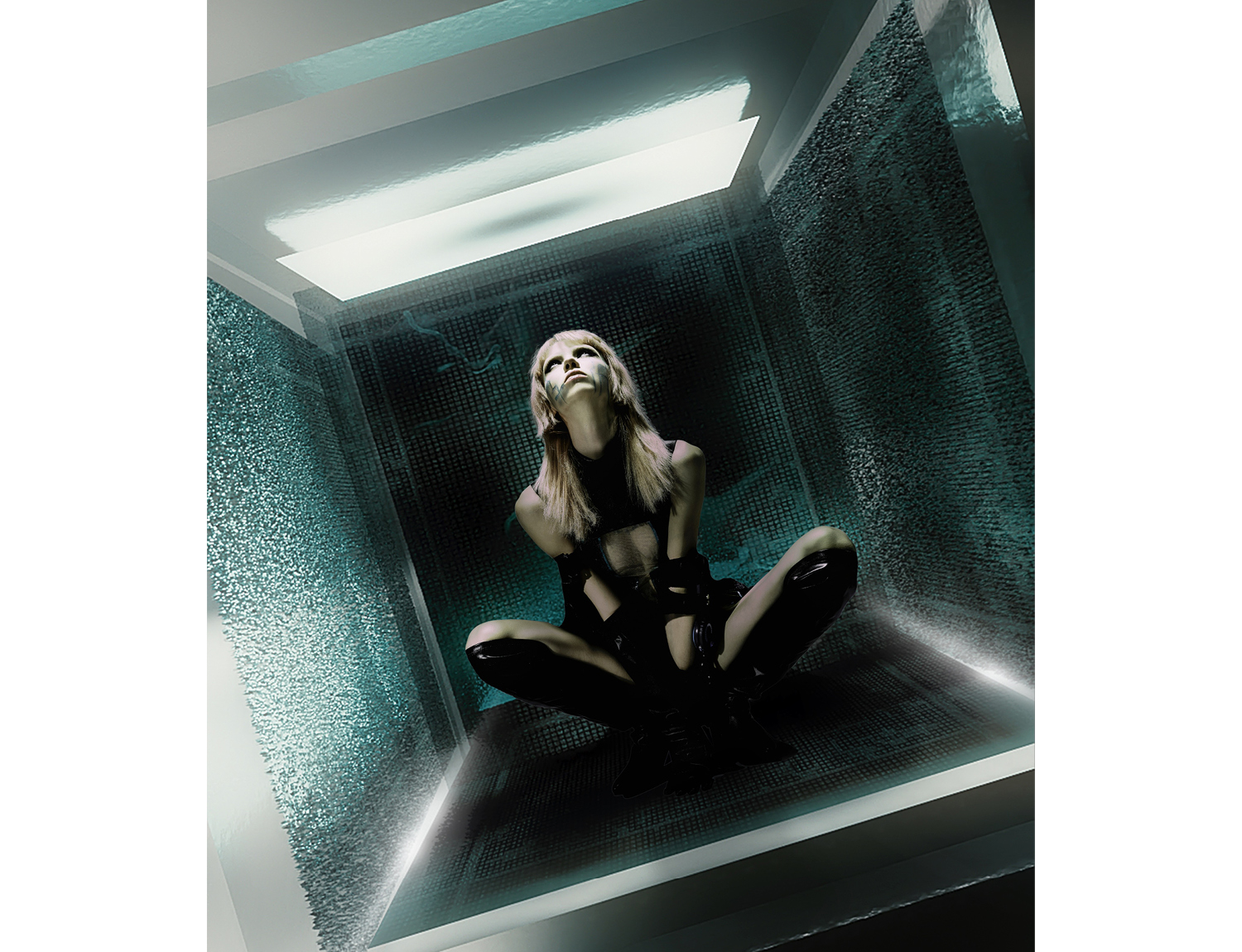
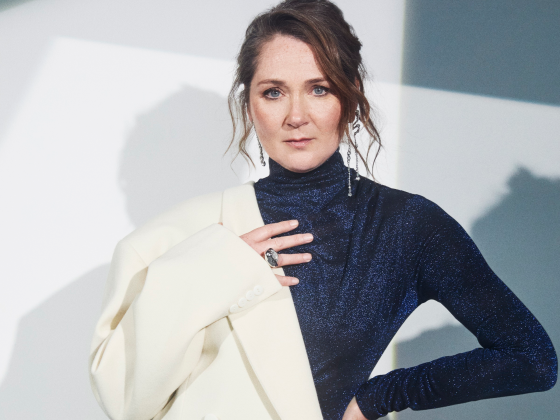
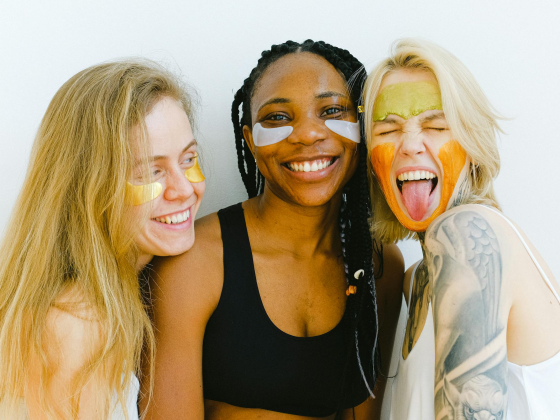
Designer: Kiki Zuo @ki_ki__zuo , 3D Artist: @zyu_zoey , Model: Mary Ocean @themaryocean, On Nasty Magazine.
Between Branding and Experimental Art
Zhou’s practice deliberately occupies a space that most designers choose one side of. Branding work is structured, problem-oriented, and goal-driven. Experimental art is open, speculative, and resistant to easy resolution. Holding both at once creates friction, but for Zhou, that friction is productive. “Branding provides the structure, the problem to be solved, and the target. Experimental art provides the ‘what if’ and the soul,” she explains.
The tension becomes a problem only when commercial constraints threaten to flatten the aesthetic. When they don’t, the results are genuinely alive: custom 3D simulations and glitch aesthetics that make a brand feel human rather than static. It is a philosophy that positions her experimental practice not as a side project, but as the engine that makes her commercial work distinctive.
The broader industry has been catching up to what Zhou has been doing for some time. 3D design has shifted from a utility, primarily used for realistic product renders, into something with its own aesthetic grammar. “We are seeing a move away from ‘perfect’ photorealism toward stylized digital surrealism. Designers now use 3D to create textures and physics that don’t exist in the real world, treating digital clay as a medium for expression rather than just a way to mimic photography.”
That shift matters because it changes what the medium can do. When 3D was primarily a simulation tool, its value was in convincing realism. Now that it has moved toward surrealism and stylization, it can carry emotional weight, cultural meaning, and artistic intent in ways that photography or flat design cannot.
On AI: The Brush Still Needs a Hand
The rise of AI-generated imagery sits uncomfortably alongside the kind of work Zhou does, but she approaches the question with clarity rather than anxiety. The technology is capable, she says, but it lacks the one thing that makes design meaningful: intentionality. She said: “AI can generate a thousand iterations, but it can’t understand the emotional nuance of a specific brand or the personal depth of an artist’s journey, It’s a sophisticated brush, but the hand holding it still needs a point of view.”
In her view, the rise of AI doesn’t diminish the designer’s role. It reframes it. The value shifts from execution to curation and direction, from knowing how to make something look a certain way to knowing why it should. That distinction becomes more important, not less, as generative tools become more widely available.
Sevdaliza and the Uncanny Valley
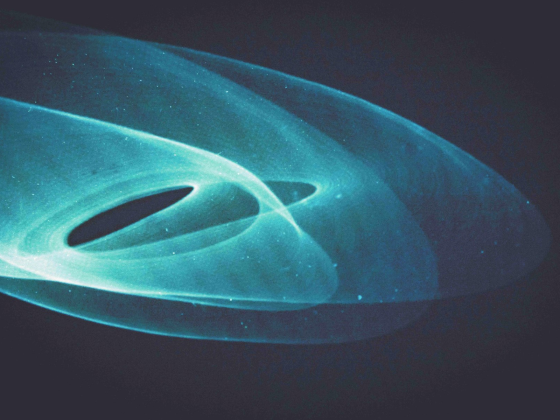
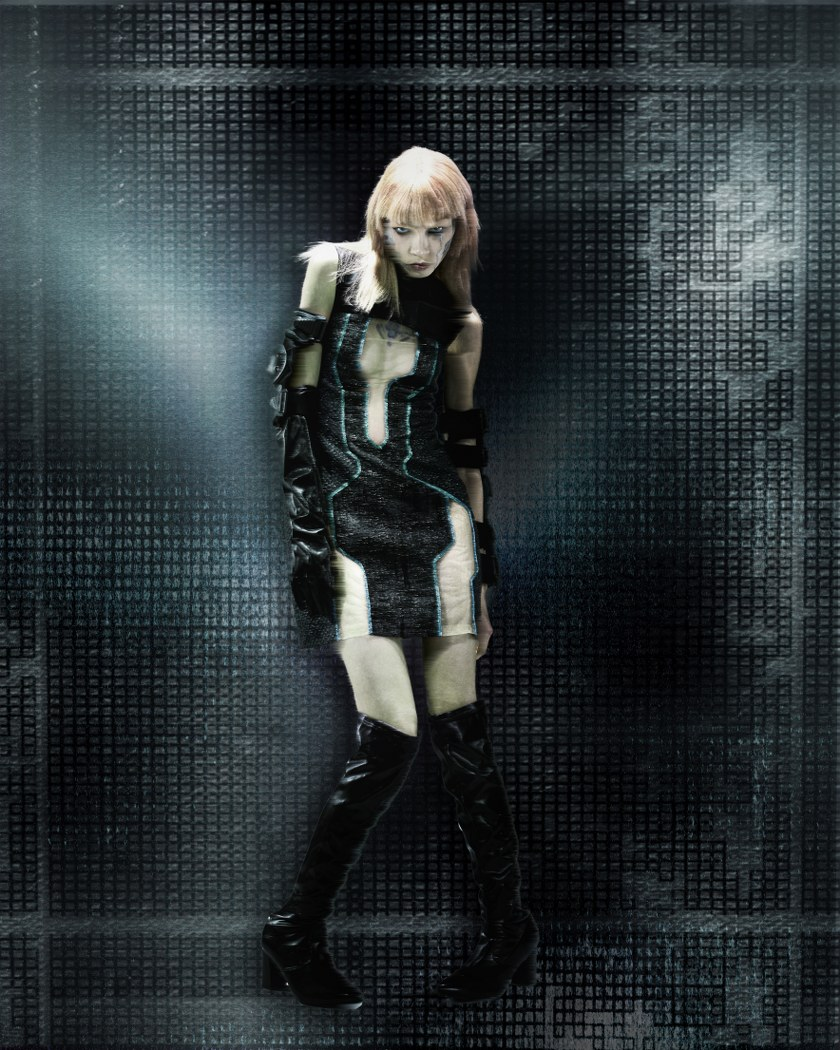
Working with Sevdaliza on the visual language for her Heroina album placed Zhou squarely in the territory the Iranian-Dutch artist has always inhabited: the space between the human and the digital, the ancient and the futuristic, the visceral and the ethereal. “Sevdaliza’s identity is rooted in the uncanny valley, the space where the human and the digital blur,” Zhou says. “The visual language focused on anatomy, fluid textures, and a sense of digital soul.”
The collaboration was iterative by necessity. Sevdaliza works from conceptual and philosophical prompts rather than literal briefs, which meant Zhou’s job was to translate abstract ideas into 3D forms that could hold that same depth. The process also revealed something about how sound and image relate in her work: rhythm dictates motion, frequency informs texture. Sharp sounds produce jagged edges; bass generates heavy, slow movement. The music usually establishes the atmosphere first, but as the visuals develop, they can circle back and influence how the final presentation feels.
Songzhuang: Translating Local Identity for a Global Stage
The Songzhuang Art District project presented a different kind of challenge. China’s largest artist community carries a specific, locally rooted cultural history, but the brief required communicating its significance to audiences with no existing frame of reference for it. The risk of flattening or exoticizing that identity was real.
Zhou’s solution was to move deliberately away from traditional folk or regional visual tropes and toward a high-tech, avant-garde aesthetic. “By using 3D-driven identities, we signaled to a global audience that Songzhuang isn’t just a local village; it is a sophisticated, forward-thinking center of creativity,” she says. The strategy reframed the community not through the lens of cultural heritage, but through the lens of contemporary ambition, allowing it to speak to international audiences without requiring them to decode local context first.
Eldos: Where It Is All Heading
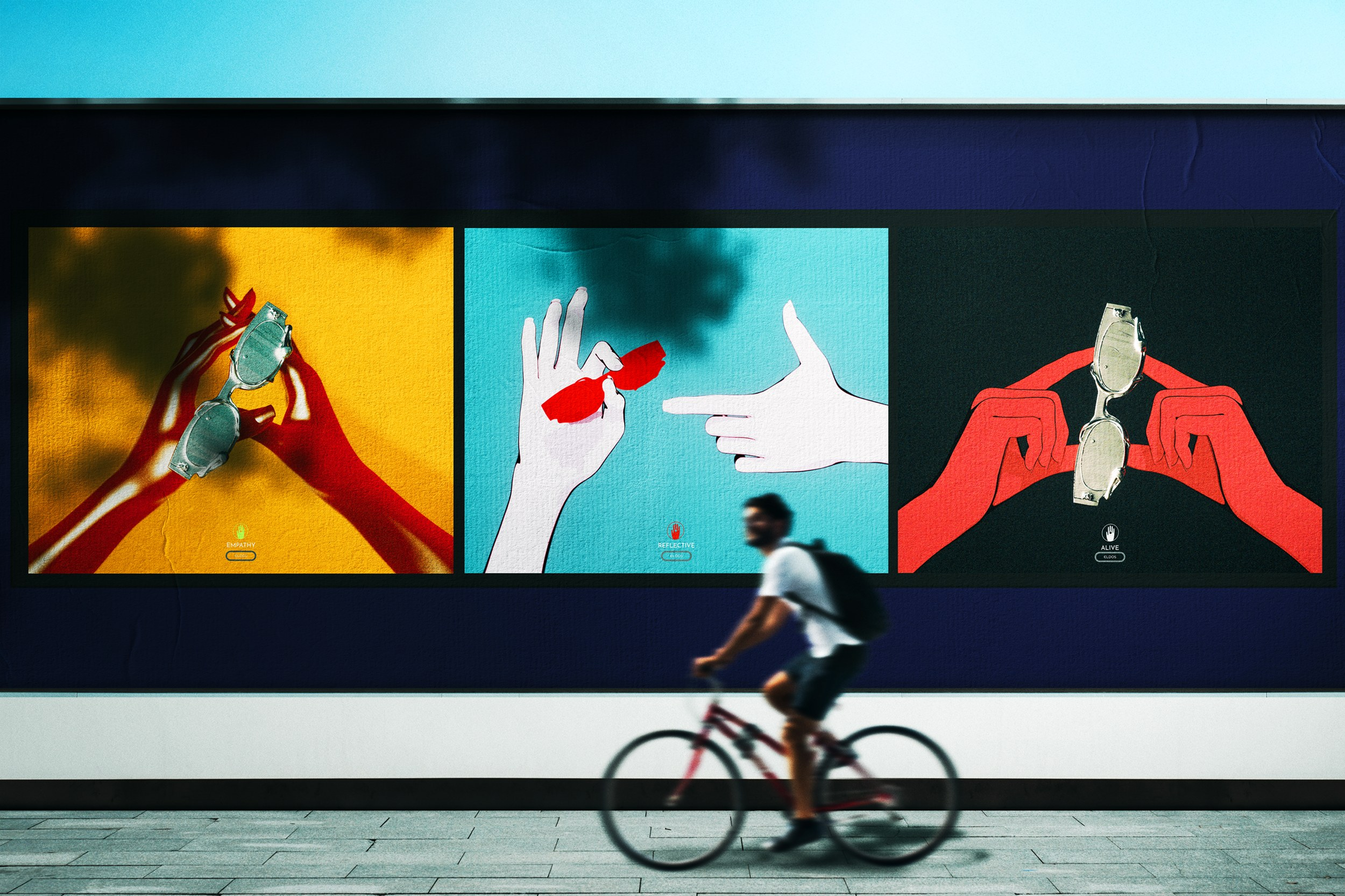
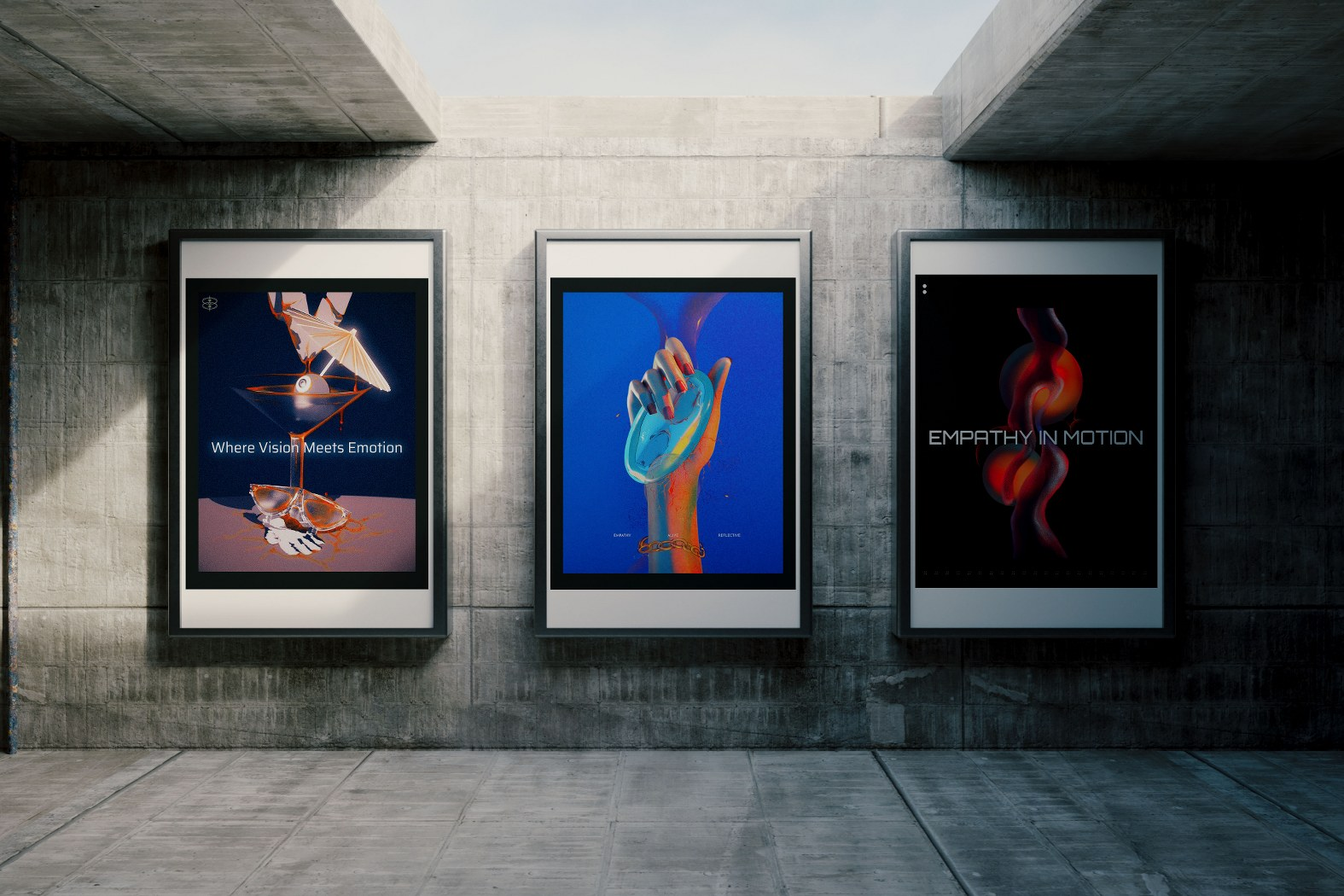
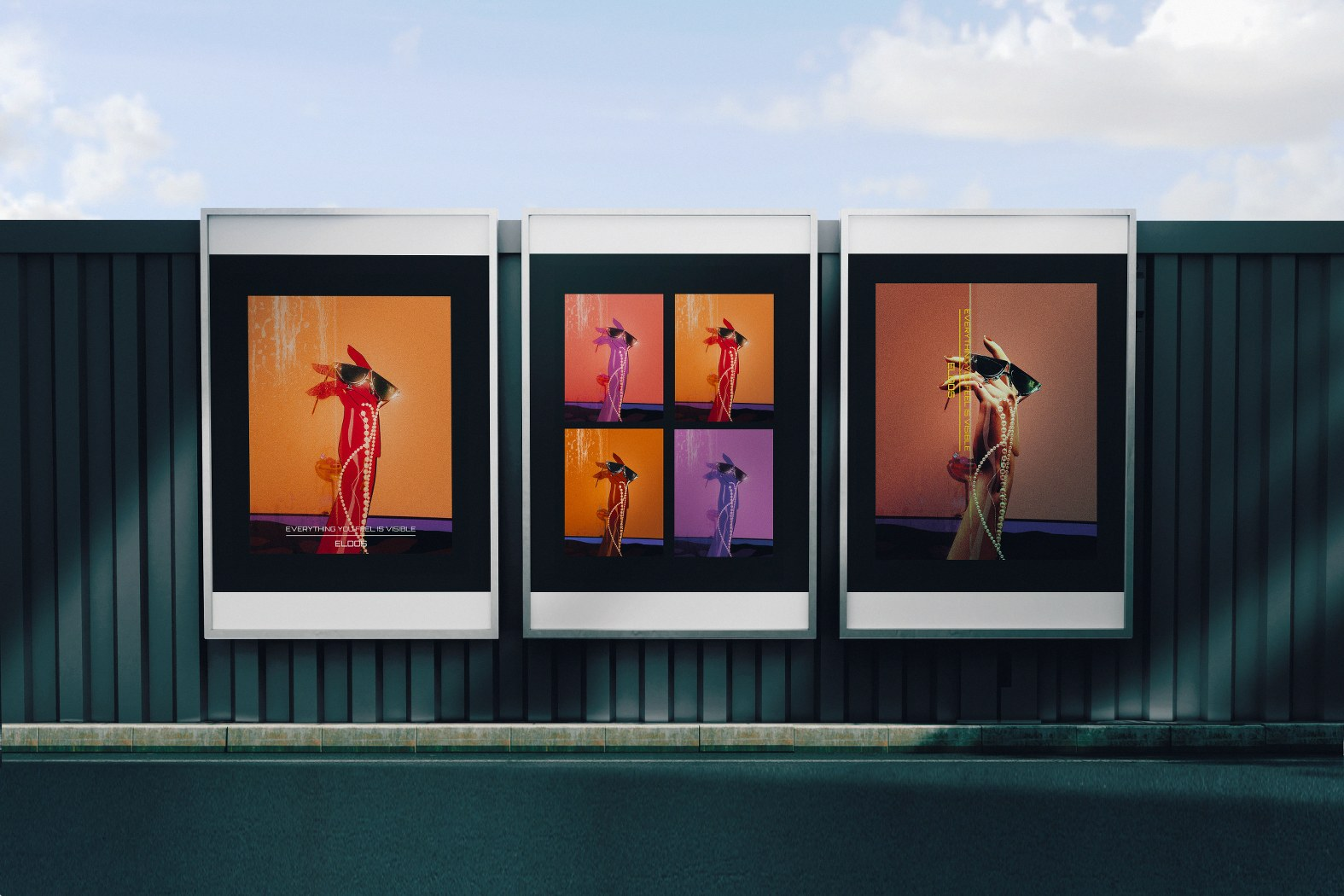
When asked what project would feel like the fullest expression of everything she is working toward, Zhou points to Eldos, a conceptual eyewear brand she developed around the idea that a lens can be an emotional vessel. It is the kind of project that makes her larger ambitions concrete. The branding explores the space between human sensitivity and machine precision, using mist, liquid surfaces, and subtle light pulses to create warmth within a futuristic aesthetic.
“Rather than presenting technology as cold or distant, Eldos reimagines it as something intimate, responsive, breathing, and quietly alive,” she says. It is also a vision of where she sees the medium heading: a fully immersive digital ecosystem where packaging design, 3D motion, and interactive digital art exist together as a single coherent world.
That ambition connects back to everything she has said about New York, about the tension between branding and art, about what 3D can do that other mediums cannot. For Zhou, the medium is not a tool for making things look impressive. It is a way of making things feel true.