Designer eyewear used to mean one thing: a trip to an optician with boutique prices, a sharp intake of breath at the till, and the quiet hope that you would not sit on them within the first month. But the landscape has changed. Today, finding beautifully designed frames from respected names is less about budget and more about knowing where to look.
The Old Rules of Designer Eyewear No Longer Apply
For decades, the assumption held firm: if you wanted glasses that looked good, you paid premium prices. Designer frames sat behind glass cases in upmarket opticians, their price tags reflecting brand prestige as much as material quality. The equation was simple. Expensive meant better.
That equation has quietly collapsed. The eyewear industry now operates largely through licensing agreements, where fashion houses lend their names and design input to manufacturers who produce frames at scale. This is not a secret, nor is it a compromise. It is simply how the modern market works. The same factories that produce frames for high-end boutiques often supply high street retailers. The difference in price frequently reflects retail markup and brand positioning rather than a fundamental gap in craftsmanship.
What this means for anyone shopping for glasses in 2026 is straightforward: the hunt for well-designed eyewear no longer requires a willingness to overspend. It requires a willingness to look in the right places.

What to Actually Look for in a Great Pair of Glasses
Before discussing where to buy, it is worth considering what separates a good pair of glasses from a forgettable one. The answer has less to do with logos than most people assume.
Frame construction matters. Hinges should feel solid, not flimsy. Acetate frames should have depth and weight to them, a sense of substance when you hold them. Metal frames should flex slightly without feeling like they might snap. These are tactile qualities that transcend brand names, and they are available at every price point if you know what to feel for.
Design details matter too, though not in the way luxury marketing suggests. A well-designed frame flatters your face shape, sits comfortably on your nose, and feels like an extension of your personal style rather than an accessory fighting for attention. The best glasses are the ones people notice without quite being able to say why. They simply suit you.
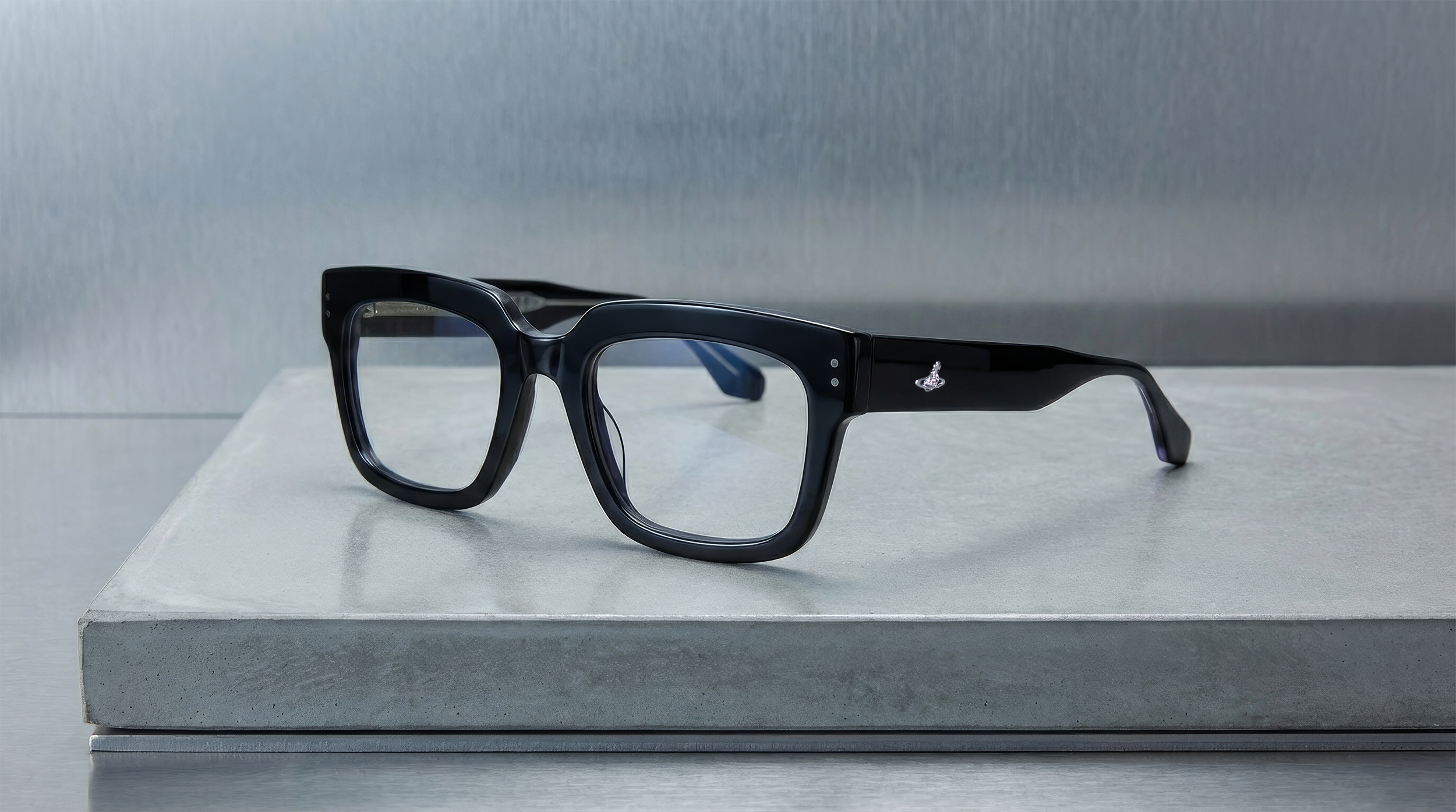
This is where high street retailers have quietly excelled. Specsavers, for instance, has built partnerships with designers who understand these principles. Their Vivienne Westwood collection channels the late designer’s irreverent spirit through bold shapes and the signature orb logo, but never at the expense of wearability. Marc Jacobs frames in their range balance playfulness with sophistication. These are not diluted versions of runway eyewear. They are thoughtfully designed pieces that happen to be accessible. The range is refreshed regularly to include the latest styles, with popular names like Tommy Hilfiger sitting alongside the rest.
The in-store experience matters here too. Customers choose their frames first, trying styles and finding what suits their face, and then a complete pair with prescription lenses is custom-made for them. This is not off-the-rack eyewear. It is personalised vision correction wrapped in designer styling.
Summer 2026: The Frames Worth Considering
This season’s eyewear trends reward those who favour character over caution. Bold acetates in tortoiseshell and honey tones are everywhere, lending warmth to summer wardrobes. Soft metallics offer a subtler option for those who prefer understatement. Retro silhouettes continue their dominance, with oversized rounds and cat-eyes proving that some shapes never really go out of style.
The Kylie Minogue collection at Specsavers captures the glamorous end of this spectrum. The frames lean into polished femininity with refined shapes and subtle detailing. They are the kind of glasses that feel slightly elevated without trying too hard. For those drawn to a cooler, more minimal aesthetic, the HUGO range offers clean lines and modern proportions that work as well in a meeting as they do at a rooftop bar.
What unites these collections is a shared understanding that eyewear in 2026 is about personal expression. The frames you choose say something about how you see yourself and how you want to be seen. That statement does not require financial sacrifice.
The Psychology of Eyewear: Why Your Frames Matter More Than You Think
Glasses occupy unusual territory among accessories. Unlike a watch or a handbag, they sit on your face. They are the first thing people notice in conversation, the detail that frames every photograph, the silent communicator of personality before you have said a word.
This visibility cuts both ways. The right pair of glasses can sharpen your presence, add intellectual weight, or inject a note of playfulness into an otherwise serious wardrobe. The wrong pair can undermine an outfit, age you unnecessarily, or simply fade into forgettable neutrality.
Understanding this gives eyewear purchases a significance that justifies careful consideration. But significance and expense are not the same thing. A thoughtfully chosen pair of frames from an accessible designer collection can transform your look just as effectively as a pair costing five times the price. The difference lies in selection, not spending.
Collections like Vivienne Westwood and Marc Jacobs at Specsavers succeed because they bring genuine design sensibility to an accessible price point. They do not ask you to choose between looking good and being financially sensible. They recognise that style-conscious consumers in 2026 are too savvy for that false choice. Specsavers Canada sweetens the deal further with ongoing offers like two pairs from $149, and limited-time promotions that can bring that down to two pairs for $99. When designer frames come with that kind of value, the old excuses for settling for boring eyewear start to feel rather thin.
The Takeaway
Designer glasses no longer demand a designer budget. The industry has evolved, and the smart move now is to focus on what actually matters: fit, construction, and a design that reflects who you are. High street collections from names like Kylie Minogue, Vivienne Westwood, HUGO, and Marc Jacobs offer exactly this, without the boutique markup.
Summer 2026 is as good a time as any to reconsider what sits on your face. The frames are out there. The prices are reasonable. The only question is which pair feels like you.