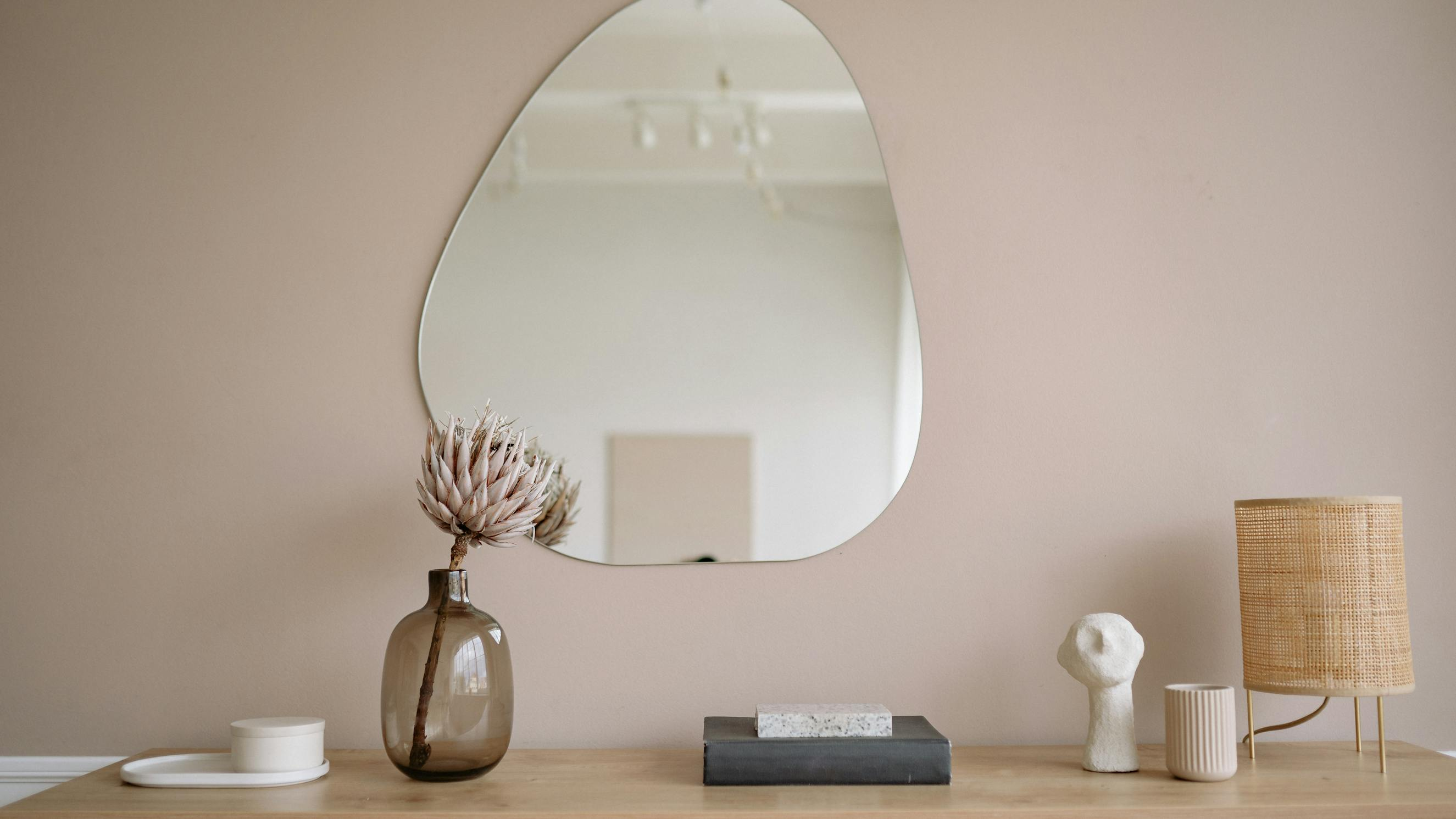
When it comes to interior design, it’s no secret that mirrors are among the most versatile and cost-effective tools you can use to transform a space. Aside from the practical purpose they serve, mirrors have the ability to alter perception – making rooms appear larger, brighter, and more inviting. Whether we’re talking about a small apartment, a dark hallway or even a cosy living area, being clever with your mirror placement can have an impressive impact… and then when you combine this with thoughtful lighting choices like modern pendant lights, mirrors can elevate your interior design and create spaces that feel both stylish and spacious.
What Role Do Mirrors Play in Decent Interior Design?
Mirrors do way more than reflect our own appearance back to us; they can serve as bold design statements in their own right. Their reflective quality brings a sense of openness and flow into a room, making them invaluable in homes where natural light may be limited or where space might feel a bit tight.
Here are just a handful of the key benefits mirrors provide:
– Enhancing natural light by bouncing it around the room
– Creating the illusion of space in small or narrow areas
– Adding elegance and drama through their frames and shapes
– Highlighting key design features when positioned strategically
These qualities make mirrors an ideal choice for anyone looking to brighten or visually enlarge a room without undertaking major renovations.
Strategic Placement to Brighten Spaces
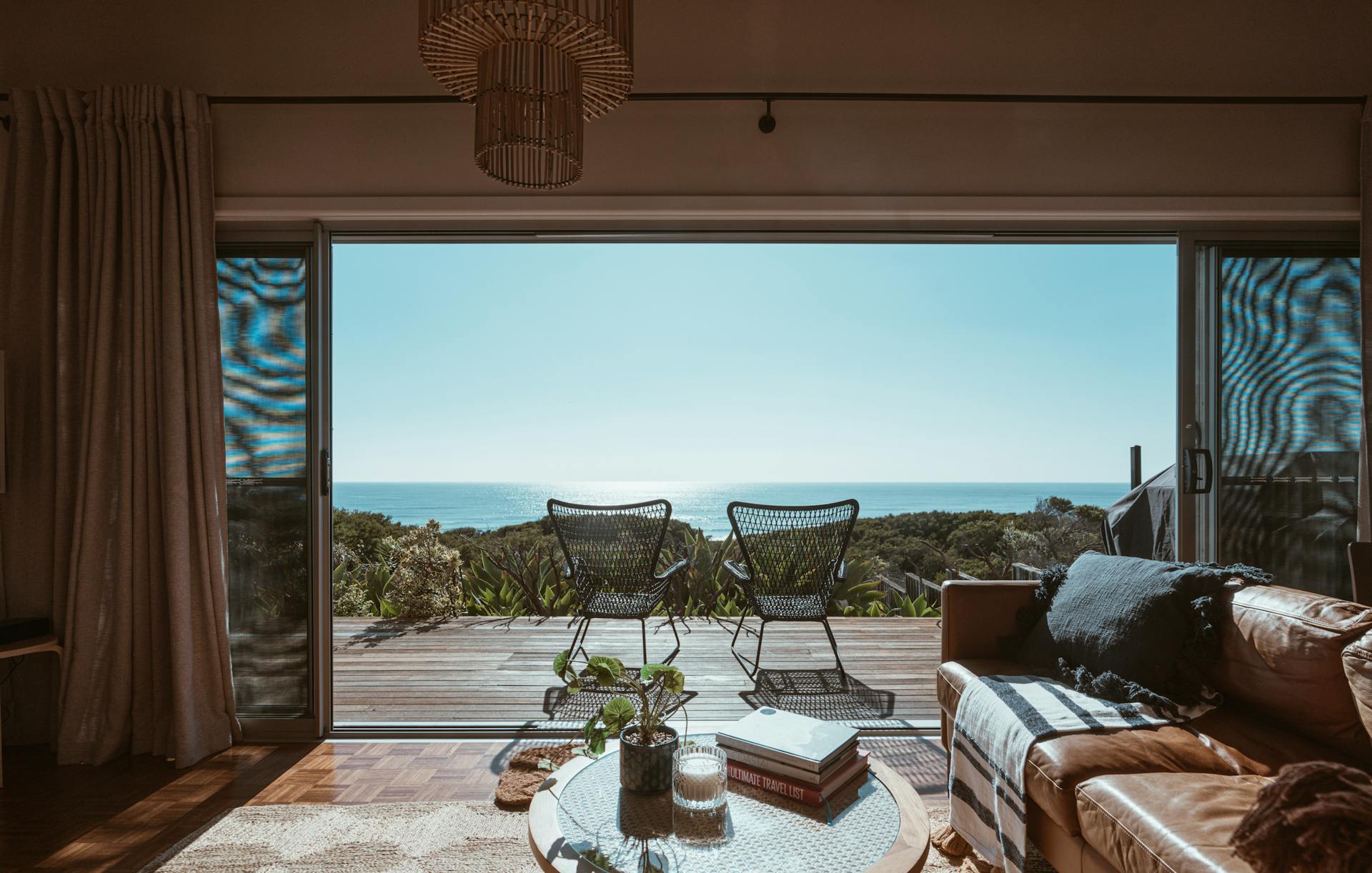
One of the simplest ways to brighten a room is by reflecting light sources. What do we mean by this? Placing mirrors across from or adjacent to windows allows sunlight to scatter throughout the space, instantly lifting its mood and making it feel more alive.
– Opposite a window: A large mirror opposite a window can essentially double the daylight, bringing in more brightness during the day.
– Beside a window: Mirrors placed to the side can catch and redirect light into darker corners.
– In hallways: Narrow corridors often lack natural light; a sequence of mirrors can help them feel less confined and more welcoming.
Artificial lighting also plays a major role here. For example, pairing mirrors with pendants or sconces will amplify the glow they produce – this is particularly effective in entryways, where a mirror combined with warm lighting sets a positive tone for the home.
Making Rooms Appear Larger
For smaller spaces, mirrors are a clever design trick to give the illusion of extra square footage (this works especially well in apartments, compact living rooms, or bathrooms where every centimetre counts).
– Full-length mirrors can make bedrooms and living areas appear taller than they really are.
– Mirrored walls create a sense of continuity, often making dining rooms or lounges feel twice their actual size.
– Furniture with mirrored finishes (think coffee tables and sideboards) can provide subtle reflections that reduce visual clutter.1
A key principle to keep in mind is that mirrors should reflect something worth looking at. For example, in a small living area, positioning a mirror to reflect artwork, plants, or modern lighting fixtures adds to the perceived depth and richness of the space.

Pairing Mirrors with Lighting
While natural light is invaluable, not every room benefits from large windows or sunlit exposures – this is where artificial lighting becomes essential, and mirrors act as perfect partners.
By combining mirrors with modern pendant lights, you can achieve a layered look that enhances both brightness and style. Pendant lights can serve as focal points in a room, and when reflected in a mirror, their glow and design are magnified. This creates the impression of multiple light sources, boosting brightness without the need for additional fittings.
Looking for some other innovative pairing ideas?
– Wall sconces and mirrors in bathrooms, which provide even illumination for grooming while reducing shadows.
– Table lamps reflected in mirrors, adding depth and atmosphere in living rooms or bedrooms.
– Chandeliers with mirrored walls, delivering glamour and drama to dining rooms.
Mirrors and lighting, when thoughtfully combined, work as a duo to create warmth, ambience, and visual balance.
Choosing the Right Mirror Style
The effect a mirror creates depends not only on its placement, but also on its design – the style, shape, and frame material can influence how it contributes to the overall aesthetic.
– Round mirrors: Ideal for softening sharp architectural lines and creating a contemporary focal point.
– Rectangular mirrors: Classic and versatile, they can elongate walls or echo the proportions of doors and windows.
– Frameless mirrors: Sleek and modern, they integrate seamlessly into minimalist spaces.
– Antique or ornate frames: Add texture and personality, especially in eclectic or vintage-inspired interiors.
The choice should always complement the surrounding décor, reinforcing your desired design theme while enhancing light and space.
Using Mirrors in Key Rooms
Living Room
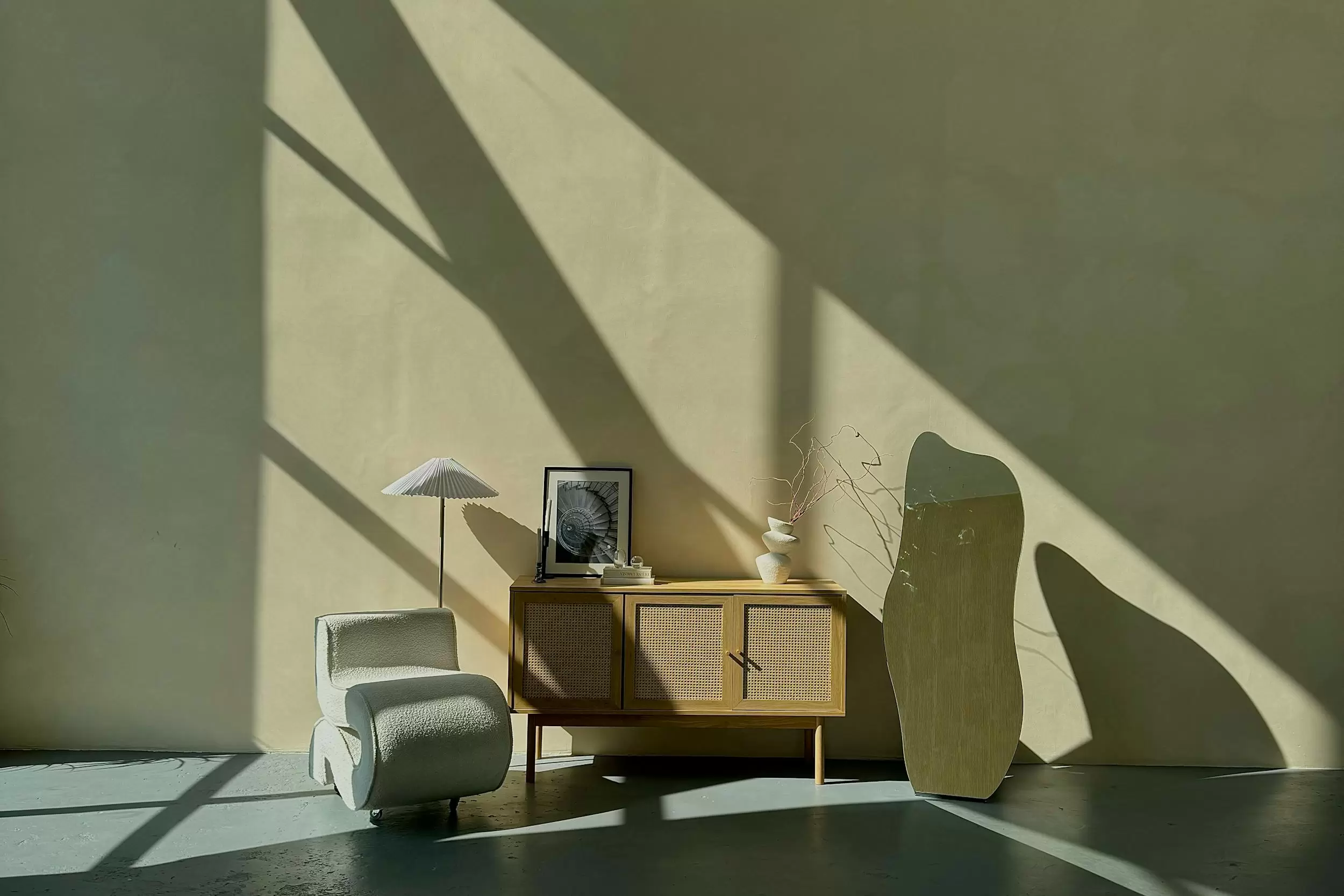
A statement mirror above a sofa or fireplace can draw the eye and expand the sense of space. Placing it to reflect a window or lighting fixture adds brightness and interest.
Dining Room
Mirrored walls or sideboard mirrors are particularly effective here, doubling the appearance of table settings, pendant lights, and décor elements. This creates a sense of elegance and occasion during meals.
Bedroom
Full-length mirrors are both practical and space-enhancing. Positioning them to reflect natural light or a pendant light fixture will help keep the room bright and airy.
Bathroom
It goes without saying that mirrors are essential in bathrooms, but going beyond the standard vanity mirror can make the space feel more luxurious. A large wall mirror or mirrored cabinets can open up even the smallest of bathrooms.
Hallways and Entryways
These areas often feel dark and enclosed, but a well-placed mirror can add depth while reflecting light from nearby fixtures or windows, making the first impression of your home much more welcoming.
Practical Tips for Using Mirrors
To get the most out of mirrors in your design, consider these practical guidelines:
– Reflect beauty, not clutter: Always be mindful of what the mirror will reflect. Avoid positioning it where it captures mess or distracting views.
– Mind the scale: Larger mirrors generally have a greater impact, but ensure they are proportionate to the wall and furnishings.
– Experiment with height: Hanging mirrors slightly higher than eye level can help create the illusion of taller ceilings.
– Groupings and gallery walls: A collection of smaller mirrors arranged creatively can act like artwork while enhancing brightness.
– Safety and stability: Particularly in homes with children or pets, ensure mirrors are securely fastened.
Mirrors are far more than decorative accessories – they are functional design tools that can completely transform a space
From amplifying light to creating the illusion of greater depth, their impact is immediate and powerful. And by pairing them with thoughtful lighting and selecting designs that align with your interior style, you can craft rooms that feel brighter, larger, and more harmonious.
Whether you’re styling a compact apartment or refreshing a family home, the right use of mirrors can redefine your interiors without the need for major renovations. It’s a small change that delivers big results, proving that sometimes the simplest solutions are also the most effective.