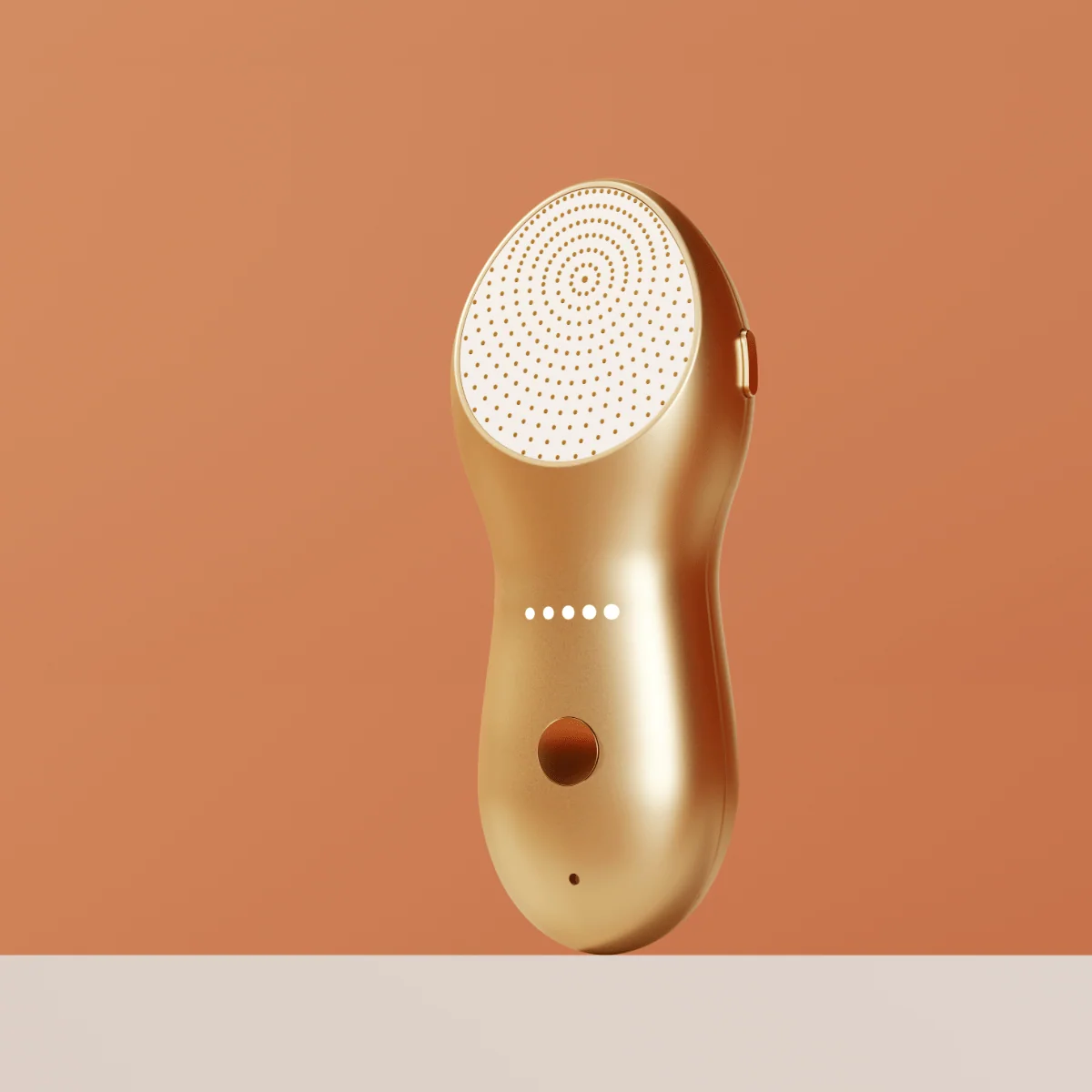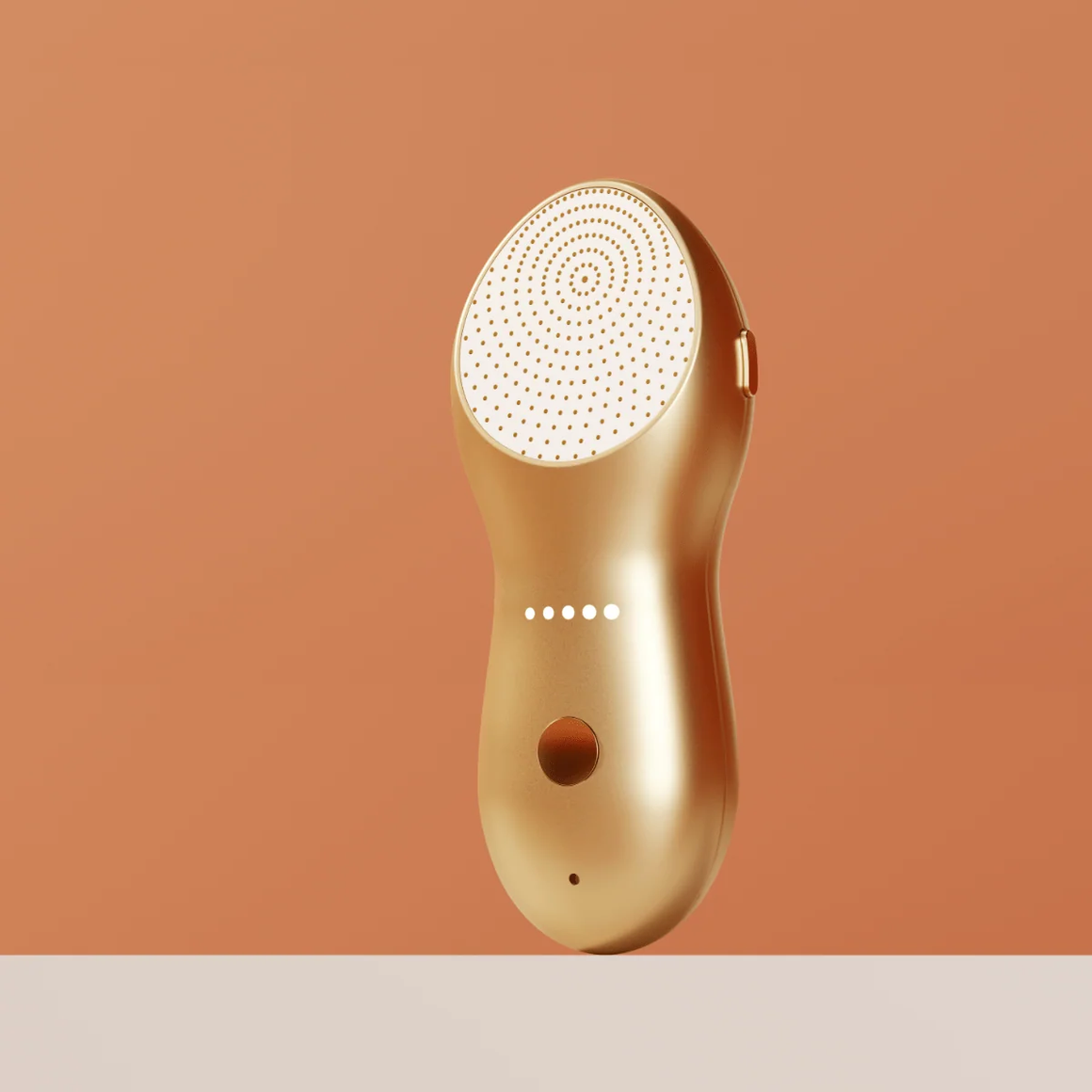
Ten minutes into my weekly Korean cooking show, my cheeks had gone the pink of someone who has just been complimented at a dinner party and has no idea what to do about it. That flush is the first thing the Nebulyft R1G Golden State does to your face. After four weeks, my verdict on the rest: this at-home radiofrequency device gave me a visible glow within days, and steadier results once I dropped to three or four sessions a week.
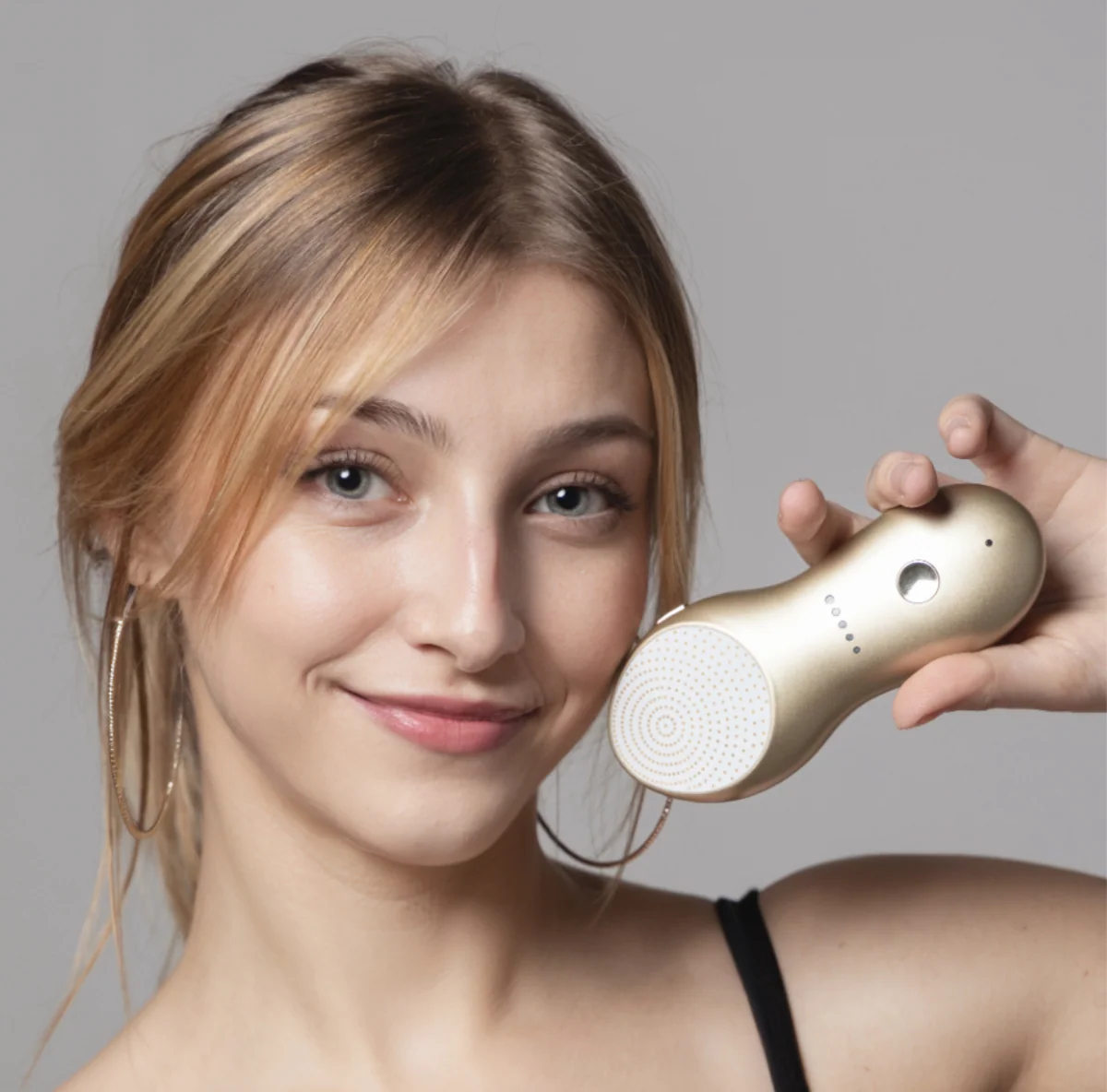
What Radiofrequency Does to Your Skin, and Whether It Is Safe
Radiofrequency is old news in a dermatologist’s office. The current meets resistance as it passes through skin, and that resistance turns into heat in the dermis, the collagen-rich layer under the surface. Heat makes existing collagen fibers contract on the spot. Over the following weeks, fibroblasts respond to the controlled injury by building new collagen. That two-step sequence explains why the first results you see are fast and the real ones are slow.
In clinic, machines like Thermage push a lot of energy deep into the skin, often with a cooling system to protect the surface. The price can make you reconsider your grocery budget for a month. Home devices take the opposite approach. A 2024 peer-reviewed review in Clinical, Cosmetic and Investigational Dermatology explains that they use bipolar or multipolar RF, which keeps the heat shallower and removes the need for cooling, so a layperson can use one without burning themselves. The trade is plain. Less energy, less risk, smaller and slower results.
The question readers may ask most is about cancer. The radiofrequency in these devices is non-ionizing energy, the same broad family as the signal from your radio, and it does not break DNA the way UV rays or X-rays do. I could not find any evidence linking cosmetic RF to skin cancer. For me, that was the non-negotiable before I put anything on my face nightly.
The documented risks are more ordinary. The same 2024 review mentions news reports of low-temperature burns from home beauty devices, which is why Nebulyft caps the surface at 42°C (107.6°F) and monitors it with sensors. People with pacemakers or other implanted electronics, and people who are pregnant, should skip RF unless a doctor says otherwise. ( So should anyone with active, inflamed skin. I learned that last one the hard way. )
One point of confusion worth clearing up. In October 2025, the FDA warned about serious injuries, including burns, scarring and nerve damage, from RF microneedling, which drives energy through tiny needles. The Nebulyft has no needles and sits in a different, much gentler category.
The Device and the Company Behind It
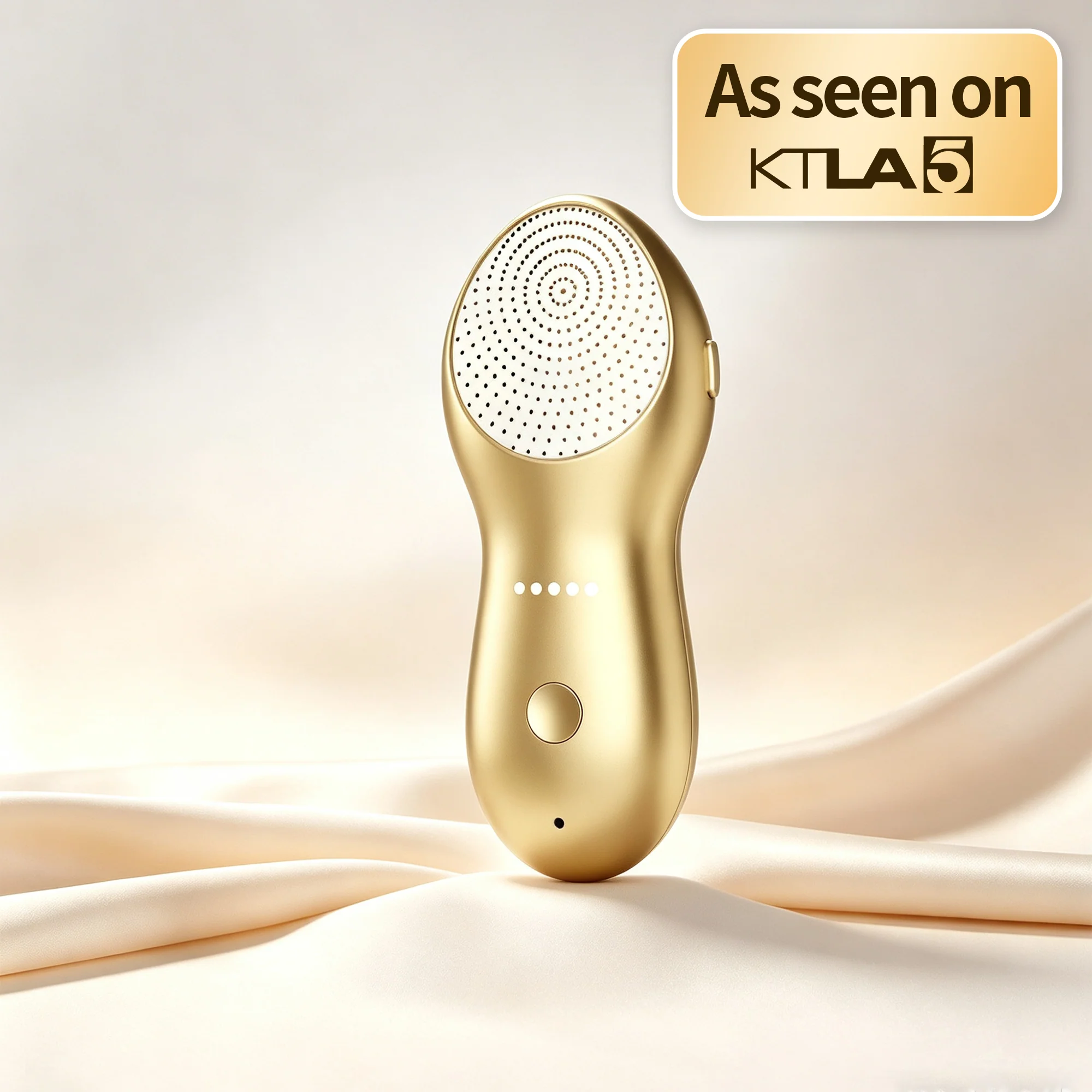
Nebulyft belongs to Rebeccatech, an Irvine, California company that says it grew out of a 2015 meeting between business people and RF specialists at the University of California, Irvine. Its founder and CEO, Arthur Zhang, was not modest at launch. “Our patented RFMEMS technology is highly recommended by top dermatologists in Los Angeles,” he said in the original press release, which also credited a 2018 National Science Foundation I-Corps program.
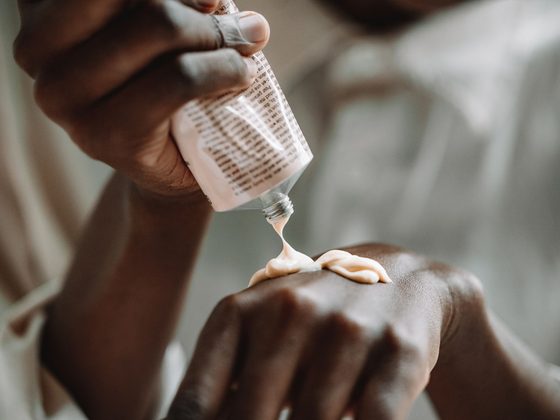
The gel is not optional. Made with lavender extract, panthenol and witch hazel, it lets the panel glide and conduct heat evenly. I learned this on night one, spending two confused minutes dragging a dry device across my forehead and wondering why nothing was happening. Use a generous layer. More than you think.
Weeks One and Two: Fast Results
I’ll be direct, since beauty reviews rarely are. I was surprised. Fast. On night one I turned the R1G up to its strongest level out of curiosity and kept it moving in slow circles over my cheeks. The warmth spread gradually, like holding a mug of tea to your face on a February morning. Within the first week my skin looked awake in a way that usually takes either a vacation or a very expensive facial. It felt like I didn’t need any foundation. I did the routine every night with the zeal of a convert: gel on, device on, ten minutes, done.
The ritual itself won me over, which I did not expect. Most anti-aging steps are cold. A serum, a cream, a retinoid that stings. This was the most pleasant thing I did all day that didn’t involve food.
Now the caveat I owe you. What I saw in those first days was almost certainly not new collagen. Heat increases blood flow to the surface and causes a little temporary swelling, and both look a lot like radiance in a bathroom mirror. Nebulyft’s own product page promises “instant lifting and firming from the first session,” which tells you the brand knows exactly how good that first impression is. Collagen remodelling runs on a calendar of weeks and months. The glow was real. What it meant was still an open question.
Week Two and a Half: The Breakout
Nebulyft markets results at 28 days, however I didn’t make it there in one clean run. Around day 17, I hit one of those stretches everyone knows: several very stressful days, too little sleep, and hormones doing what hormones do. My skin, which is sensitive on a good day, broke out in a mix of cystic and surface acne.I assumed the device had nothing to do with it, so I kept going, because consistency is supposedly the whole point.
That was a mistake. The flush that had felt lovely in week one now felt like turning up the burner under a pot that was already boiling over. The breakouts went from red to angry red, and the skin around them looked irritated rather than radiant.
Home RF guidance generally lists an active acne flare as a reason to pause, and heat is a well-known trigger for reactive and rosacea-prone skin. I didn’t know the first part when I started. I know it now, and I’d rather tell you than pretend the test went perfectly. Use it on calm skin, or pass a few days if you have active breakouts.
Week Four: The Comeback
I gave my skin eight days off. The stressful stretch passed, I caught up on sleep, and the breakout calmed down. Then I started again with a new rule set: the R1G three or four times a week instead of nightly, never on the same evening as red light, and never over an active spot. Same ten minutes, same generous layer of gel, same warm hum along the jaw.
It worked. The glow from week one came back within a couple of sessions, and this time it stayed. My skin looked calm, even and rested, with the plumped, just-had-a-facial quality I’d fallen for in the first place. No new breakouts. No lingering irritation. The flush after each session faded within the hour and left the good kind of pink behind.
The pace also suits the battery. I get four or five sessions per charge, so at three nights a week, one charge lasts me well over a week.
What the Sceptics Get Right
A glowing four-week review proves less than it feels like it does. Here is the case against getting excited, and where I land on each point.
The science on home devices is thin. The 2024 review by Bu and colleagues found only nine clinical trials on home RF devices for facial rejuvenation, and flagged small sample sizes and short follow-up periods as recurring problems. The authors called the effectiveness of home devices a contentious issue, precisely because their energy output sits below medical machines. A 2022 systematic review in Archives of Dermatological Research was kinder: it recommended low-power home RF for wrinkles and found a favorable safety profile, while warning about the shortage of randomized trials and long-term data . Read together, the evidence says modest benefit, low risk, unknown durability. I agree with that reading.
My test can’t measure collagen. Four weeks, one face, no before-and-after imaging, and a routine with too many moving parts. What I can report is how my skin looked and felt. Firmness that lasts six months is a different claim, and I’m not making it.
Is the Nebulyft R1G Worth It?
I loved the experience. The R1G delivered visible results faster than any at-home tool I have tested, and the nightly ritual became something I looked forward to. The price is harder to love: about C$700 at list (US$499), for a device whose long-term benefits remain unproven. Expect results, just not a new face. The change is subtle, closer to a week of good sleep than a trip to the clinic. The R1G now sits on its charging pad on my desk, gold and patient. It earned the spot.
The Nebulyft R1G Golden State was provided by the brand. All opinions are my own.