With Bridgerton Season 4 now complete on Netflix, Ruth Gemmell on why Violet’s story is only just beginning
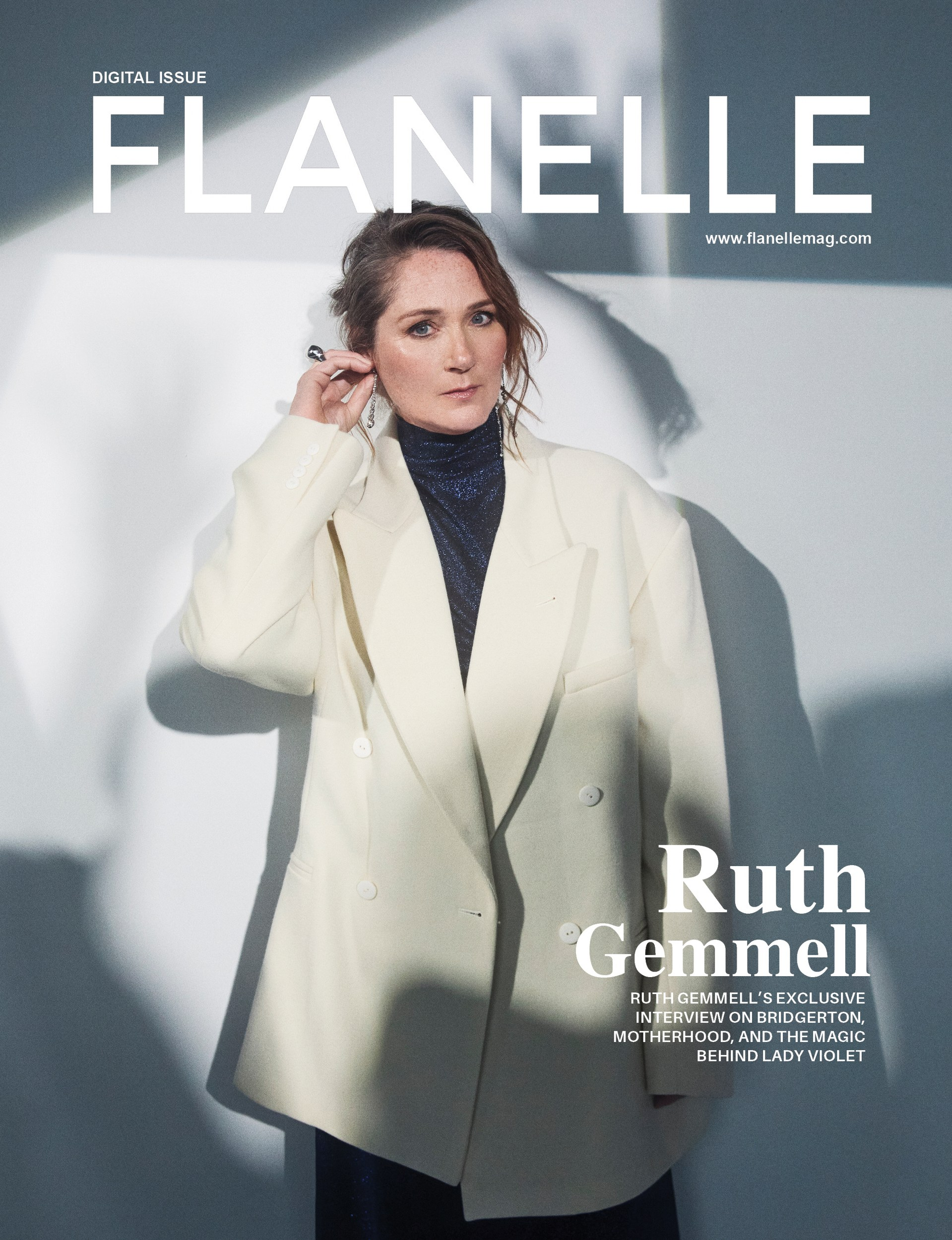
Ruth Gemmell has been the emotional heart of Bridgerton since the show first swept the world during lockdown in 2020, and five seasons in, her role as Lady Violet Bridgerton is only growing richer. As the matriarch of London’s most watched family, Violet has shepherded her children through courtships, scandals, and hard-won happiness, all while quietly carrying the weight of her own grief and longing. With Season 4 now fully streaming on Netflix, it is Gemmell’s performance that anchors the season’s most emotionally charged storylines, from Benedict’s class-defying romance with Sophie Baek to Violet’s own tentative steps toward love with Lord Marcus Anderson.
Gemmell brings something rare to a role that could easily be reduced to warm smiles and maternal wisdom: she makes Violet’s contradictions feel completely believable. The woman who insists her children marry for love is herself still bound to the memory of the man she lost. The mother who pushes Benedict toward responsibility is the same woman quietly learning, for the first time in years, to ask for what she wants. And the aristocratic hostess who opens the season with a dazzling masquerade ball is, underneath the candlelight and silk, someone still figuring out who she is when no one is watching.
It is a performance built on restraint as much as feeling, and it is precisely that quality that makes Violet so compelling to watch. In a show full of grand romantic gestures and breathless confessions, Gemmell tends to do her most interesting work in the quiet moments: a glance held a beat too long, a laugh that gives way to something more fragile, a piece of advice that tells you more about the giver than the receiver.
We sat down with Gemmell to talk about the joys and challenges of inhabiting the Regency world, what it felt like when Bridgerton became a global phenomenon overnight, and what it means to play a character who, after years of putting her family first, is finally beginning to put herself first, too.
Your career is incredibly diverse. Looking back, which role outside of the Regency era do you feel was most pivotal in shaping you as an actor?
I played Paulina in “Death and the Maiden” by Ariel Dorfman. It is a pivotal play, an important piece and the portrayal of a traumatic slice of history that should never be forgotten. Working on it was hard, but the company I worked with were exceptional, and because of its darkness we found a way to be light. God, we laughed at the end of the day, and it taught me that sometimes you need to leave the day behind. You can’t live in that trauma all the time, otherwise it could drive you insane – I can visit trauma, and re-visit it, but I don’t want to live it.
You’ve mentioned you are not a method actor and prefer to work with the script’s words. What is the core element you look for in the text to unlock a character like Violet?
I would never judge anyone’s way of working; everything is relevant, but Method is just not how I work. For starters, I like to feel confident and comfortable with the environment around me – be that the cast, the crew or the script, because it’s that confidence that allows me to fail, and I think you need to feel in a safe environment to not worry about failure. We have to fail first to succeed. And when it comes to the script, I suppose it’s what truth I can find in the words. You know you don’t have to agree with what your character says or does but you have to find their truth in the words being said. Some actors really involve themselves in back stories, which is wonderful, yet for me, whatever I dream up for my character is going to be completely different to what the audience dreams up, so I stick to the facts that I can see – the words.
What specific challenges or joys come with portraying a character who must adhere to the restrictive social codes of the 19th-century Regency era?
This show is very much its own world, so we have very much blurred the lines when it comes to its social codes. As actors, social etiquette is almost in our DNA, we’ve been brought up on the Classics of Theatre. At the start of Bridgerton, we did workshops and were then told to ignore everything we’d learnt – pretty much in keeping with the books, where the families don’t adhere to a lot of the social norms of the day. That being said, marriage is part of that social code, where a woman once married belongs to a man, and it is therefore the bedrock of Violet’s pursuit for her children to marry for love – the only way for the women to be protected. Practically, I found the corsets challenging, day in and day out for almost a year. That’s tough. And whilst I believe corsets come historically later, they are still part of a restrictive social code. In the same vein, wearing those costumes is a delight and a privilege. The team involved is extraordinary.
Bridgerton became a global phenomenon. Can you describe the moment you realised the massive scale of the show, and how that level of public scrutiny and success impacted your daily life and career choices?
The show hit our screens when we were all in lockdown because of the pandemic. It was such a time when everyone needed something to smile about – everything about it was bright and vivid, it was about love, with love winning out in the end.
The realisation came slowly for me because we were still in lockdown. I don’t do social media, so I completely missed that moment when it all happened. I suppose being on holiday on the other side of the world and suddenly realising people knew I played Violet felt quite extraordinary.
I was recently at the supermarket buying loo roll – definitely not dressed for the red carpet – when a lovely woman, about my age, ran after me wanting a photo. She spoke no English but was very animated, and when her daughter joined her, I understood she was Brazilian, where the books are so loved. It was really nice to know that a fan of the original books approved of my interpretation of this character.
I live outside of London, where most people ignore me because they know me – Golda once said in a joint interview, “Don’t ask her, she lives in a fucking field,” which is pretty much true. I only feel a little scrutinised when I’m back in London, and that can feel strange sometimes, but people are very respectful and it’s lovely to know we’re still making people smile.
Violet’s life is defined by the great love she shared with Edmund and the subsequent profound grief. How do you balance portraying that deep, underlying sadness with Violet’s duty and her determination to find true love for her children?
I think because she had such a great love, and that he was taken from her and the children so cruelly, she desperately wants her children to know the same. It is one of the things that binds her still to Edmund, to make sure their children thrive. As far as playing those emotions: I think grief is something universal – we have all lost something, and I think it’s important to portray that. We are all a myriad of emotions, we all have baggage – they don’t make us less of a person they make us who we are, warts and all.
Which specific part of the beginning of Benedict’s story, or perhaps which specific scene, were you personally most excited to film and portray Violet’s reaction to?
That’s very hard to pick just one scene. I have loved working with Luke this season, and pretty much all of our scenes have been exciting to film. I’ve especially loved the moments we get to ourselves, as then it really feels like a proper conversation we’re having. There have been so many revelations between these characters.
One of the first scenes we filmed was after I discovered that Benedict had commissioned Lady Whistledown to write about him, and I really enjoyed needling him and running rings around him – the overbearing “Mother!” It was a lot of fun.
Season 4 focuses on Benedict’s quest for his ‘Lady in Silver.’ What does this new attention on the second brother mean for the dynamic of the family?
It means that Benedict is willing to settle down, and it means that as far as Violet is concerned, he is growing up – he’s taking responsibility. She won’t know what to do with herself once they all marry! She might take up drinking Gin – Mother’s ruin.
The Benedict/Sophie storyline centers on a major class clash, and the stakes could not be higher. What is your personal opinion on how this dynamic will challenge the traditional rules of the Ton?
As you know, ‘our Ton’ in Bridgerton is very much ‘our Ton’ – and although it will cause a stir and there is a possibility of having to let my son go to pursue happiness, this is Bridgerton and we will find a way. This is a world where people have risen above the ranks or dropped. It’s wonderful to go down below stairs and see a part of this world that keeps the rest of us in check. It’s been long overdue. I’ve often been asked about what it’s like to be a single parent to eight children, but in fact, I have an entire household helping me with that task – there’s not much single parenting going on really. ‘Our’ world will challenge these rules and come out on top – something that in reality couldn’t have been further from the truth.
The season kicks off with the iconic masquerade ball. What was your favourite memory from filming the visual spectacle of the iconic masquerade ball, which begins Benedict’s love story?
This ball was filmed at Shepperton Studios, where the costume department is now based, and it was the first time that any of those amazing costumiers were even near the set to see their work in its full glory. When fitted for the clothes, it’s quite often without those who make them, but even then, we are without what hair and make-up transform us into – let alone what the Art Department have achieved in the Ballroom. So to see us all in their creations, fully made up, in situ, along with all the supporting artists in their costumes, was wonderful. Their faces just beamed. Quite often, the only time they get to see everything all together is on screen. That was a privilege to witness.
What is one scene in Season 4 – Part 2 that you are most excited for fans to finally experience?
One scene I simply cannot pick. What I am excited for fans to see is the chemistry between Yerin and Luke. It is just beautiful, and I feel like a very proud mother.
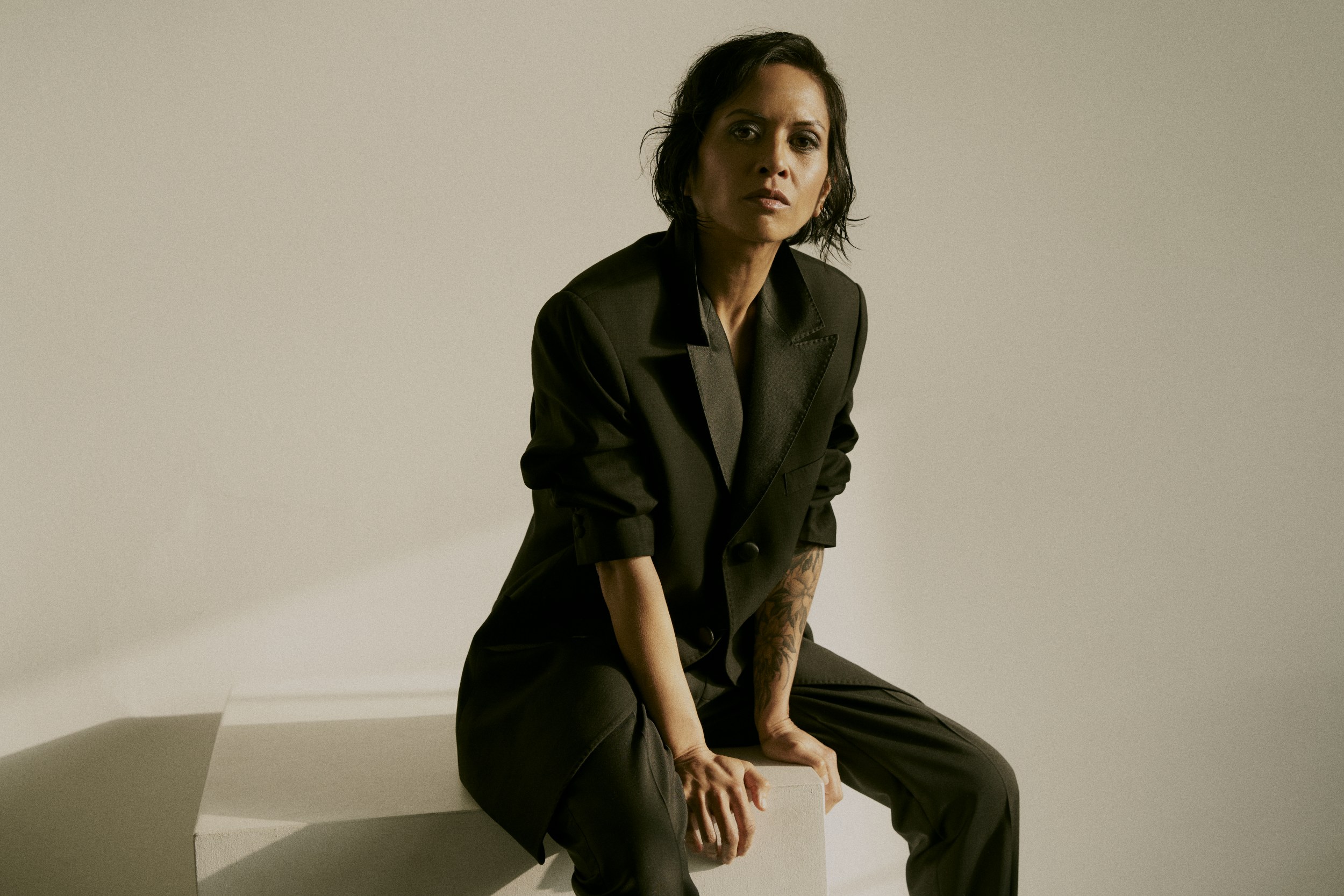
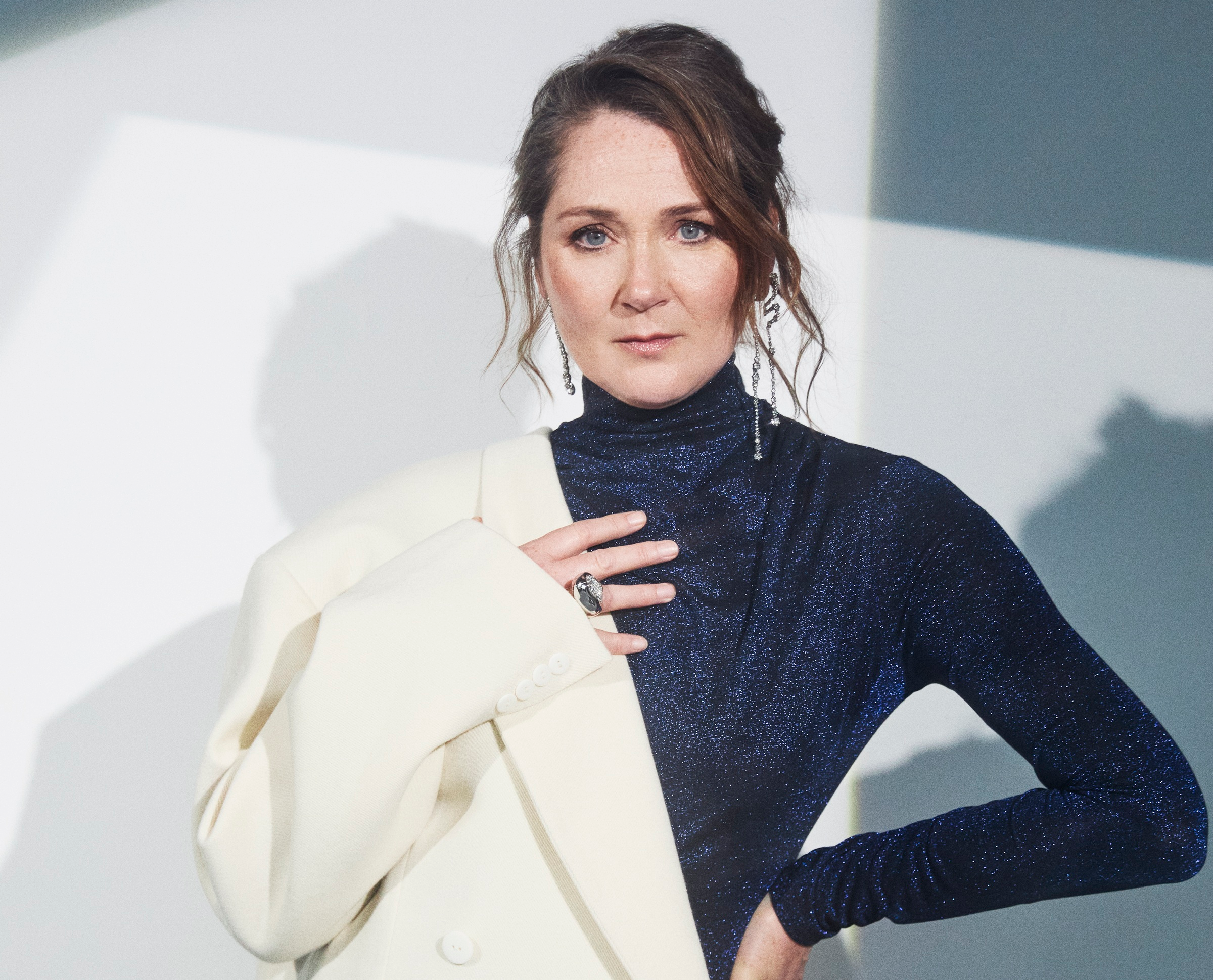
Photographer – David Reiss
Styling – Miranda Almond
Make-up – Charlotte Yeomans
Hair – Adam Cooke