By Sarah-Eve Leduc
The air is thick, saturated with heat and the pulse of a conga beat drifting from a radio. Somewhere nearby, someone is rolling a cigar by hand. Elder men hover over dominoes with the gravitas of philosophers, their laughter signaling a wisdom that outlasts the day. At a small ventanita, a woman slides a tiny paper cup of café cubano – dark, sweet, and blisteringly strong. A fruit store stacked mangoes like sacred offerings. Down the street, a mural of Celia Cruz watches over a corner where grandmothers gossip in Spanish.
You aren’t in Havana, but the air doesn’t know the difference. This is Miami acting as a vessel for a memory so strong it has become a physical reality. Except there’s a McDonald’s down the block, and you paid for this moment with an Apple Pay tap.
In Miami, nearly half of those walking these streets were born on other shores, yet no place feels like a truer definition of what was once the American promise. It’s a city so infused with diasporic energy that even the sidewalks seem to dance. But behind the tourist-favorite Cubano sandwich and mojitos lies a deeper truth: Miami doesn’t just reflect Latin America and the Caribbean, it is shaped by them. This is the Miami that matters. Not the one of celebrity yachts and nightclub queues, but the real city, built by exiles and dreamers, layered in hope. This is a city built by those who carried their countries, not packed into heavy luggage, but woven into the marrow of their memory, their language and the heat of their recipes.
To know this Miami, you have to experience it; its museums, neighborhoods, and tables where the city’s soul is still being made. Here’s where to begin.
Long before Miami became the “Magic City,” it was home to the Tequesta. For over a thousand years, they fished the Miami River and Biscayne Bay, living on soil that wouldn’t see a European map for centuries. The Spanish arrived in 1567, and the early economy was carved out of the wilderness through tobacco and citrus plantations, often on the backs of enslaved Indigenous people.
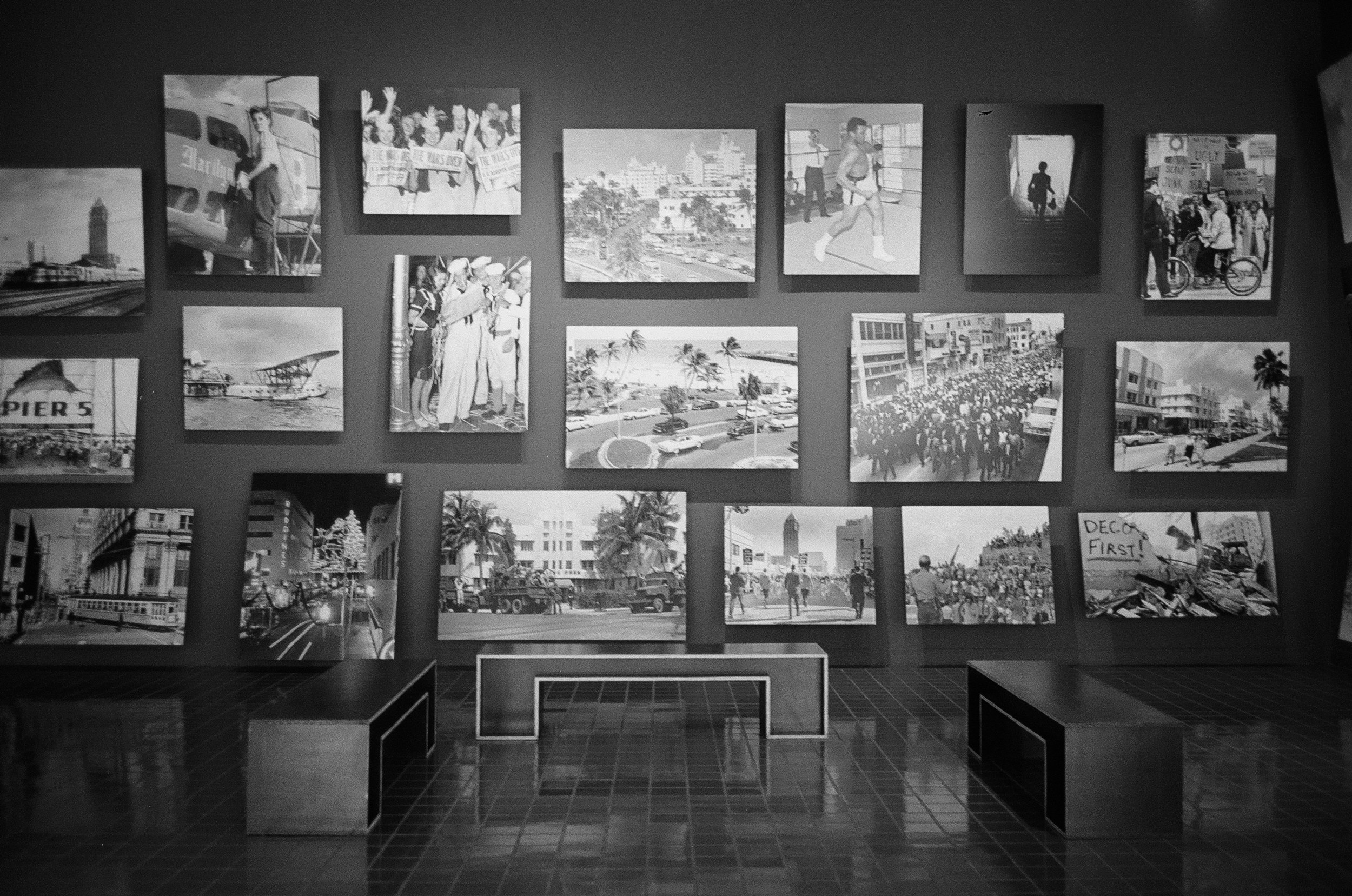
To truly understand this era, the HistoryMiami Museum tells the longer story. The museum holds more than 30,000 artifacts and over 2 million historic photographs, making it one of the most comprehensive regional history institutions in the Southeast.
A few blocks away, in a pocket of Allapattah neighborhood, the Colonial Florida Cultural Heritage Center houses La Merced Chapel. While the chapel remains a place of quiet preservation, the Center moves with a sense of profound local care. In the quiet of the archives, the Constitución de la República de Cuba holds the weight of a nation’s genesis and the sorrow of its scattering. The museum continues this narrative of beautiful displacement; a Picasso waits on the floor, and Dalí’s surrealism finds a temporary home in the kitchen – treasures of a lost world tucked into the corners of a new one. They also hold the world’s most extensive collection of colonial tobacco memorabilia – tiny wooden boxes and faded labels that tell the story of the leaf that built empires.
By the 1920s, the city began to grow not just by necessity, but by design. George Merrick, the visionary behind the Coral Gables neighborhood, imagined a Mediterranean dreamscape. He didn’t want a standard American suburb; he wanted a curated multiculturalism. To see how these influences merged, the Miami Magic City-Bus & Walking Tour with Dragonfly Expeditions is an eye-opener. Guides lead you through neighborhoods inspired by French, Chinese, and Moorish architecture. You see how Merrick planted trees from India and named streets after Spanish cities, creating a “New World” that looked like the “Old World” but felt entirely tropical.
This era also gave birth to the iconic Art Deco style on the beach. For a lighter perspective, you feel the city’s spirit best with a salt breeze in your face and your hands on the handlebars. The Art Deco Bike or Segway Tour with Bike & Roll Miami carries you through South Beach’s neon heart. Gliding past sherbet-colored buildings and geometric façades, you realize that even the architecture here is a form of cultural translation.
The most poignant symbol of Miami’s immigration history stands tall in the heart of downtown: The Freedom Tower. Originally, the building was the headquarters of the Miami Daily News. It found its true purpose after the Cuban Revolution in 1959, when hundreds of thousands of Cubans fled to Miami. It became a vital passage point for thousands of Cuban refugees fleeing Fidel Castro’s regime. Inside, men and women queued with uncertain futures, and paperwork was processed. Lives, once paused in exile, began again, here, in the echoing hallways of the Cuban Refugee Emergency Center.
Today, as the building approaches its 100th anniversary in 2025, the weight of those stories is being curated into permanence. A major renovation by Miami Dade College is transforming the interior into a multi-level cultural and educational space.
But history in Miami isn’t just found in the quiet of a gallery; it is lived on the tongue and felt in the heat of the sidewalk. On Calle Ocho, in Little Havana, the air carries the scent of toasted bread and deep-fried memories. Joining the Little Havana Food Tour with Miami Culinary Tours feels less like a guided walk and more like an invitation into a family kitchen. You wander through the heartbeat of the neighborhood, sampling croquetas and empanadas. You duck into dim, cedar-scented shops where cigar rollers work with an hypnotic focus, their hands moving beside sepia-toned photographs of the islands they left behind. And over a Cuban sandwich, you learn the truth: this iconic stack of roast pork and pickles wasn’t born in Havana, but right here, in Florida.
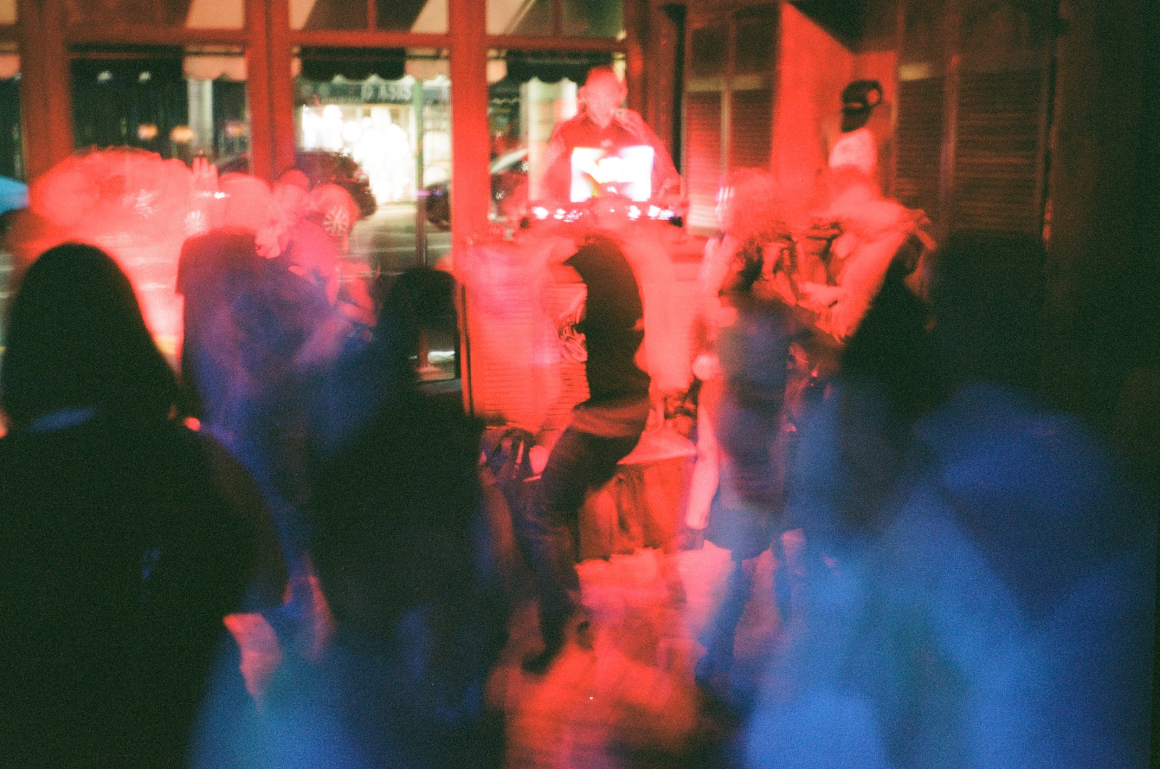
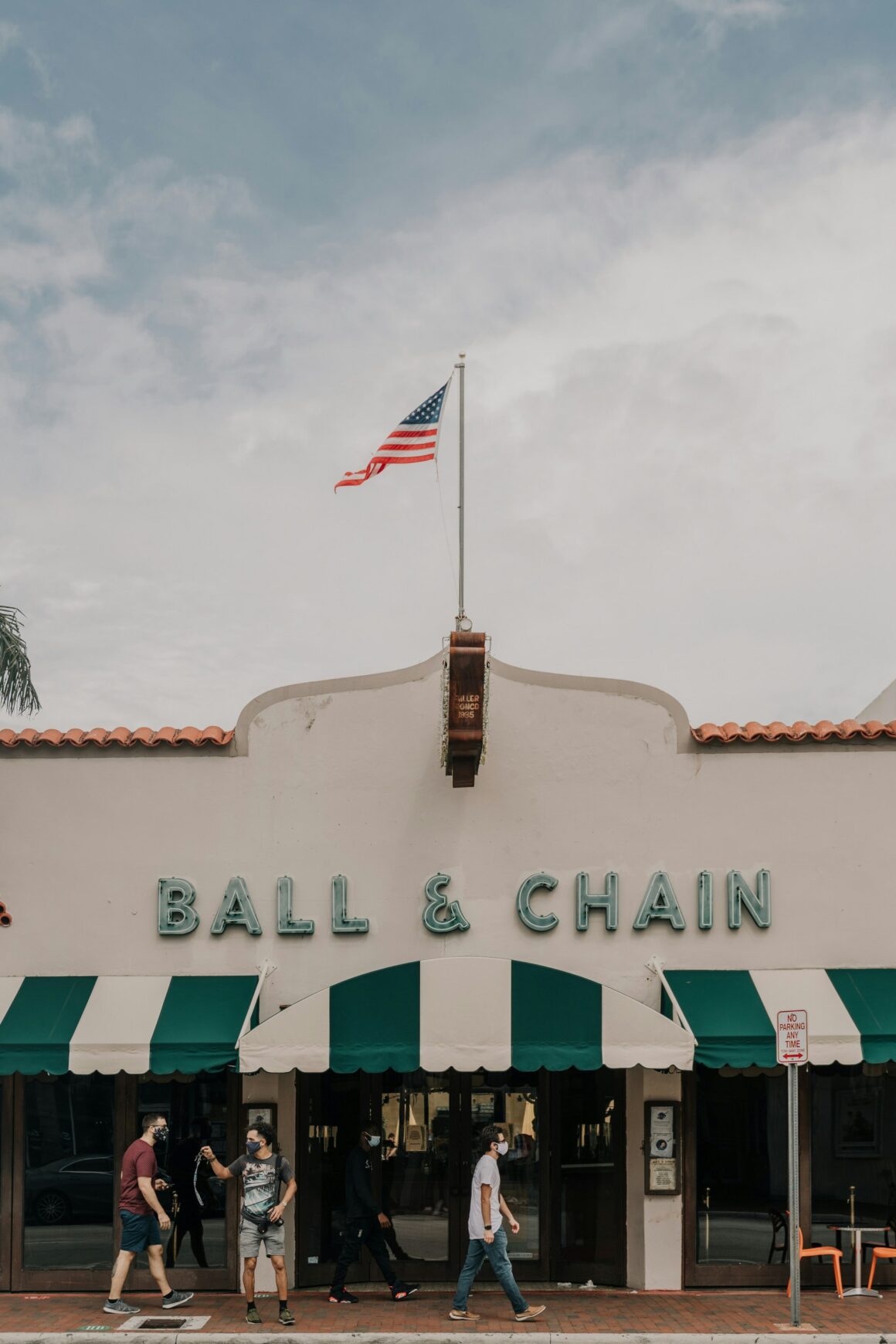
As the sun sets, Little Havana comes alive with rythm. Nowhere more so than at Ball & Chain. First opened in the 1930s, this storied jazz-era lounge once echoed with the voices of Billie Holiday and Count Basie. Today, it has been reborn, pulsing under string lights and swaying palms. The Pineapple Stage, set deep in the lush courtyard, vibrates with the brassy heat of salsa and Cuban timba. Dancers whirl in a blur of color, cocktails clink, and the past feels close enough to touch. You might come for the mojito, but you stay for the rhythm.
Further north, the tone shifts as the Spanish guitar gives way to the soul-stirring bass of the West Indies. In Little Haiti, flavor and colors are everywhere. On the La Perle de Miami tour with Tap Tap Tours, Jean Dondy leads you through a landscape of vibrant murals and monuments that scream of resilience. You pause at the Little Haiti Cultural Center and the Caribbean Marketplace, but the soul of the tour rests at Librairie Mapou.
Inside this bookstore, Jan Mapou presides over a cultural stronghold. The shelves are packed wall-to-wall with works in Kreyòl, French, and English, centering the literature and politics of the Haitian diaspora. Here, you are reminded that language is the ultimate survival tool. Haitian Kreyòl wasn’t born in a classroom; it was forged in the fires of resistance by Africans stripped of their homelands, creating a new way to communicate, to organize, and eventually, to liberate a nation.
Today, that language still anchors the community. At places like Vegan Marie, the menu is printed in English but the soul of the place hums in Kreyòl. Part restaurant, part remedy, the shelves are lined with herbs and holistic cures. The owner might pull you to sample home brews from unlabeled bottles. You came for the vegan Haitian food, but you leave with something else. A conversation you didn’t expect. A remedy you didn’t know you needed. And somehow, that cough you’ve had for days is gone by morning.
For a more contemporary take on Miami’s cultural story, head across the causeway to the Pérez Art Museum Miami (PAMM). Through the PAMMSonic series, curated by collectives like Paperwater, the museum’s minimalist architecture transforms into a sonic playground. Live DJ sets fill the air with Afro-Caribbean percussion and global electronica. You wander through exhibitions of Latin American art, then step outside to find a crowd dancing beneath hanging gardens to music that knows no borders.
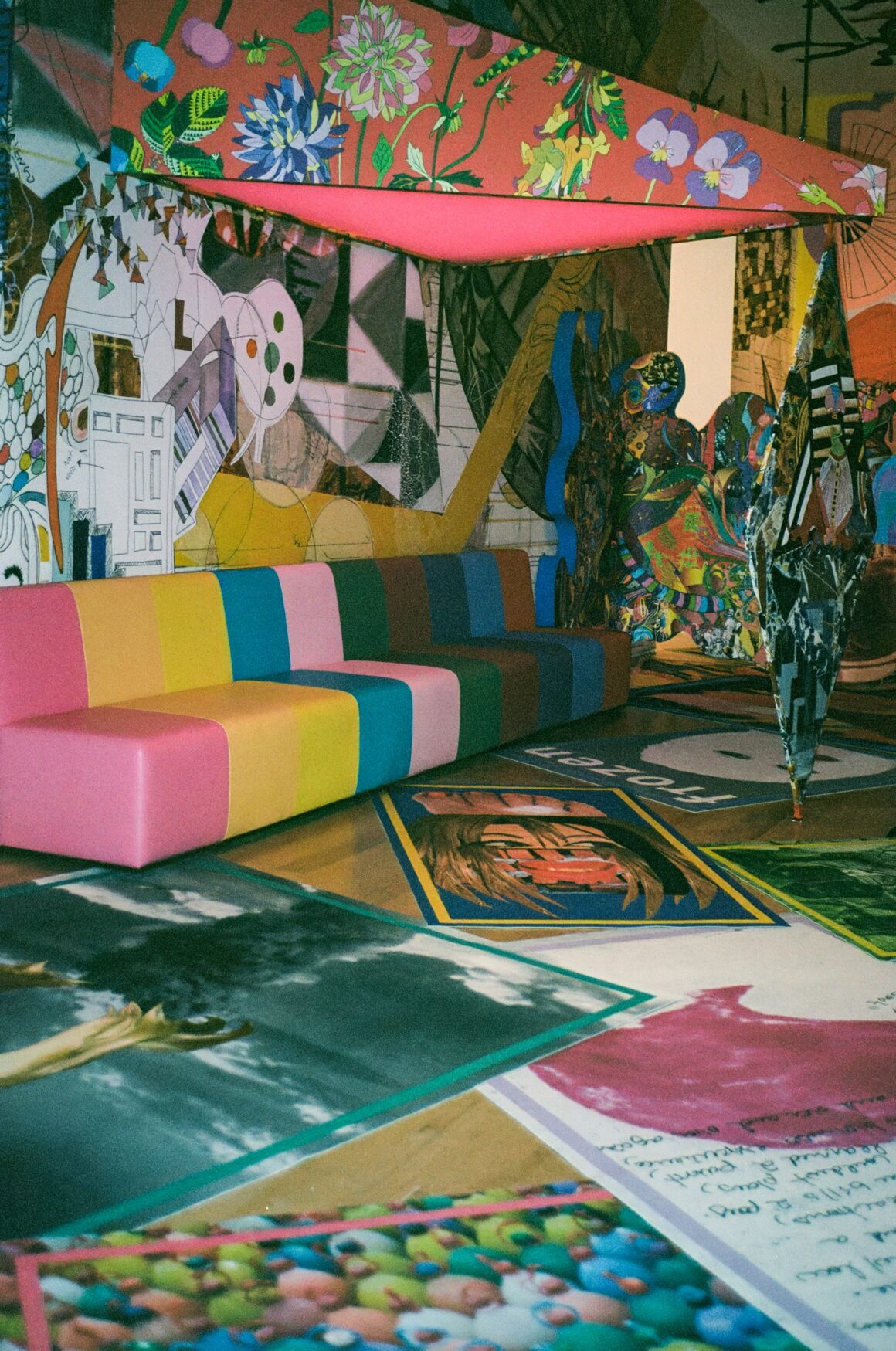
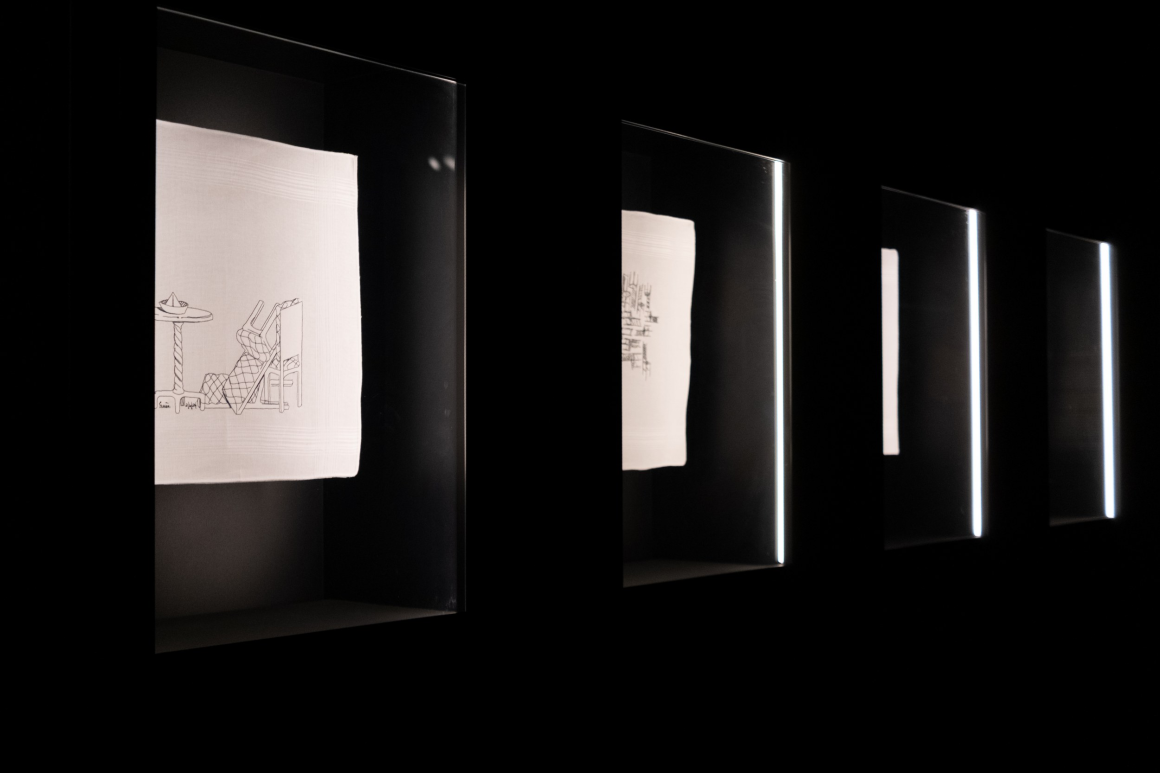
To the west, The Bass offers something quieter. Miami Beach’s contemporary art museum speaks to the global and the local simultaneously. Video art and sculptural installations that whisper of migration, architecture, and the fragility of memory.
Miami doesn’t merely host the Americas; it is the Americas. A living sediment of revolution and exile, where joy and preservation dance with the ghosts of contradiction and communion.
The American story has always been written by those who arrived with nothing but stories in their hands and futures in their hearts. In Miami, those futures aren’t just a dream. They are unfolding in real-time, in full, unapologetic color. While the rest of the world struggles to decide who is allowed to belong, Miami offers a simpler truth: you belong because you are here. Everything beautiful about this city was made by someone who once arrived with nothing but a dream to build, a love for life, and the courage to begin.