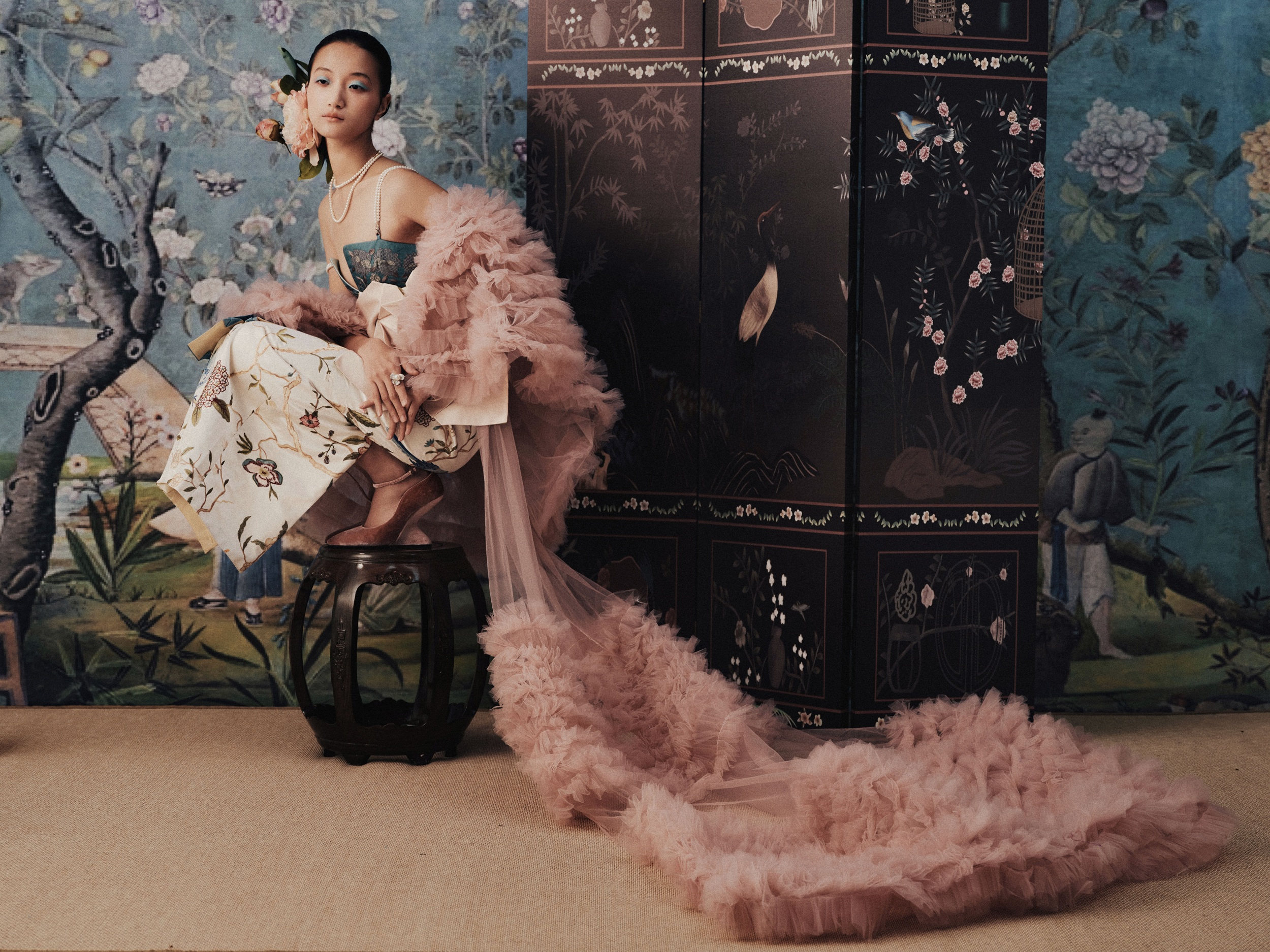
From Parsons to Harper’s Bazaar: the fine arts-trained creative using fashion imagery as a form of cultural documentation.
Operating between New York and Hong Kong, Florence Y. is a fashion stylist and creative director whose work sits at the intersection of fine art, cultural research, and editorial storytelling. Trained in oil painting, Chinese painting, calligraphy, sculpture, ceramics, photography, and textile practices from the age of three, she describes her early immersion in fine arts as the foundation that shaped her understanding of fashion, not merely as a trend or a form of consumption, but as a cultural language that carries history, memory, and identity.
Driven by a deep curiosity about different cultures, Y. traveled extensively from a young age. Experiencing diverse traditions, rituals, and visual systems firsthand profoundly influenced her worldview, instilling a lasting commitment to cultural preservation, ethical representation, and cross-cultural dialogue through fashion imagery. She later pursued formal studies in Fashion Design and Fashion Management, bridging artistic sensitivity with industry structure, and came to understand fashion as operating on a global scale, not only as an economic force, but also as a powerful vehicle for cultural influence and storytelling.
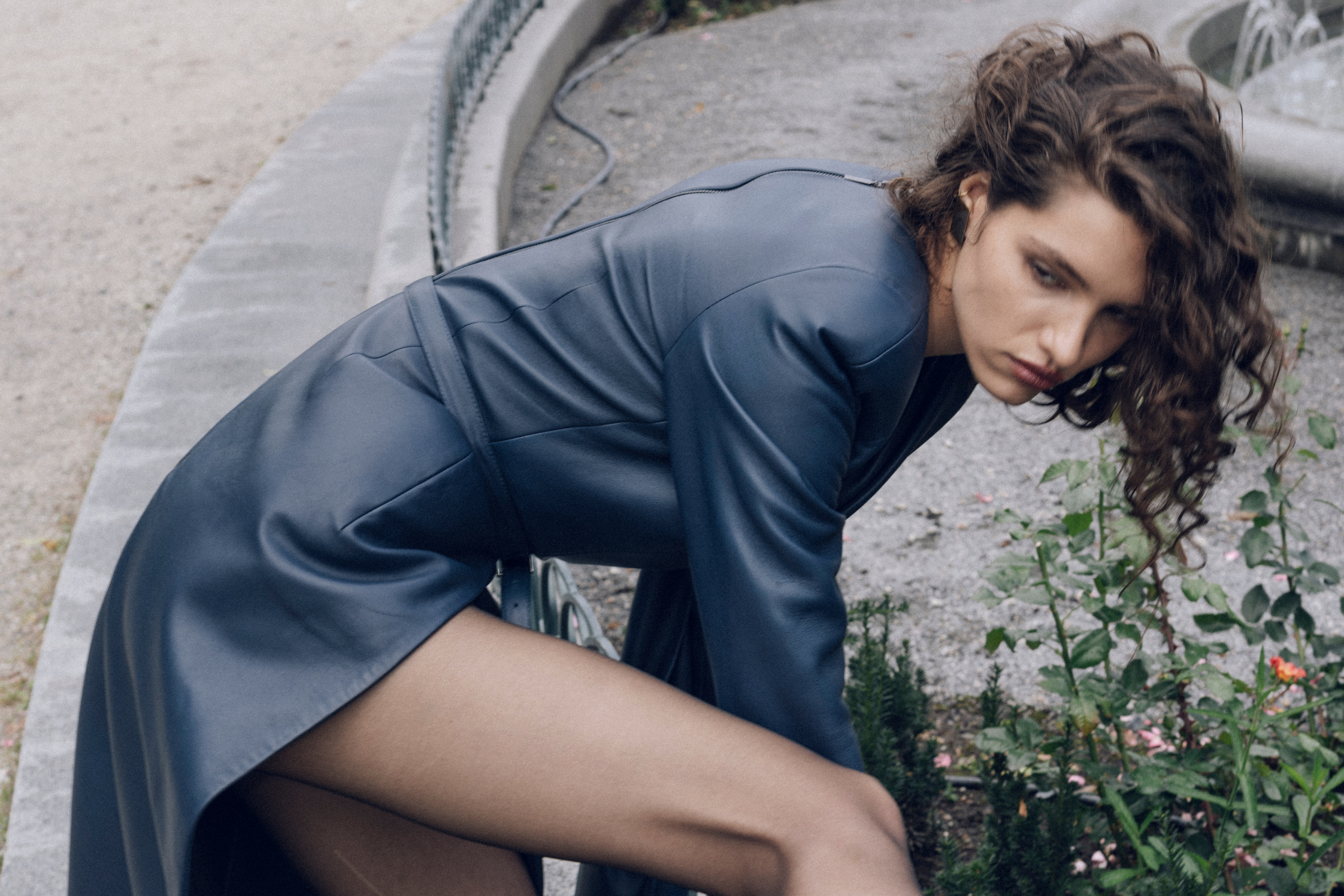
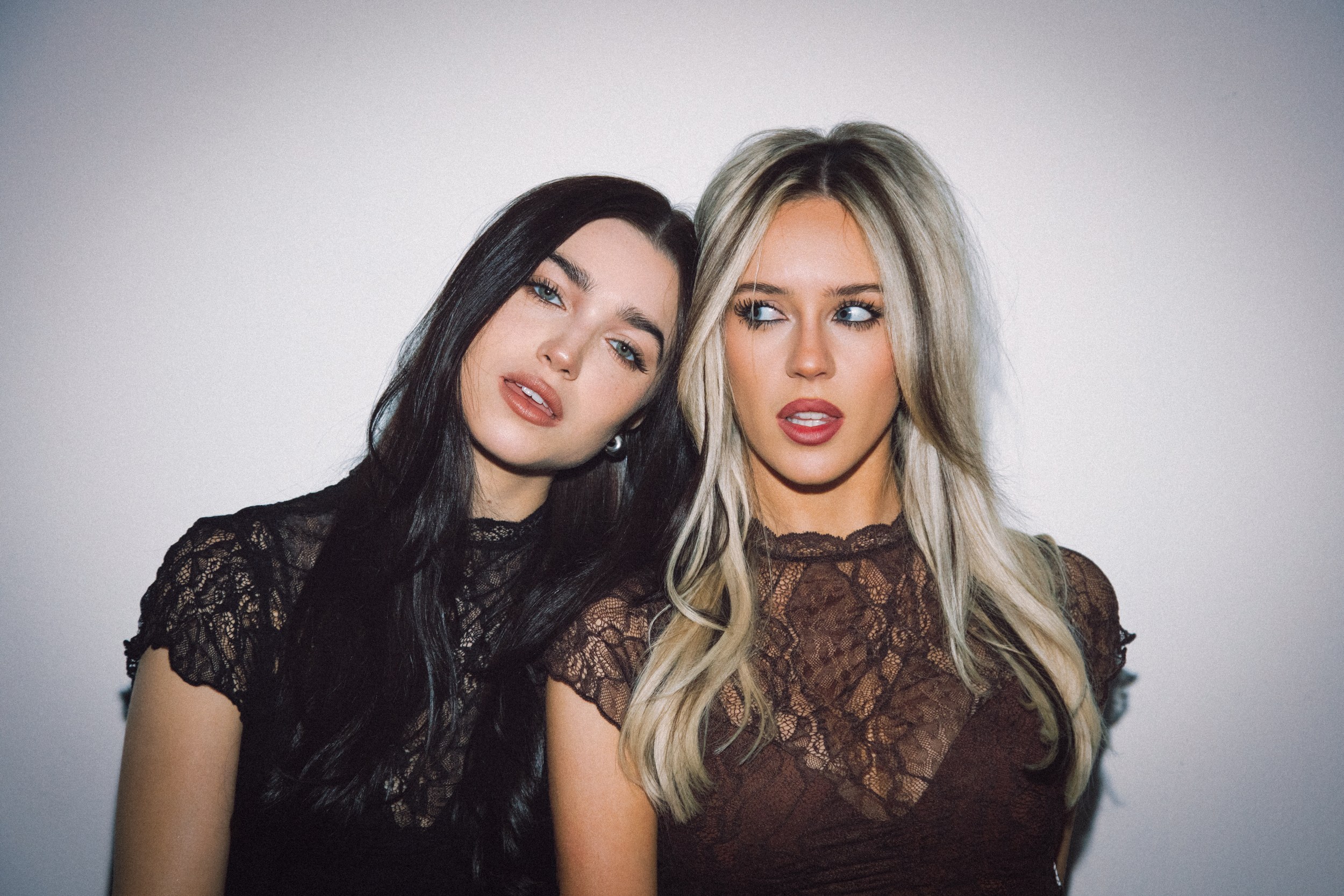
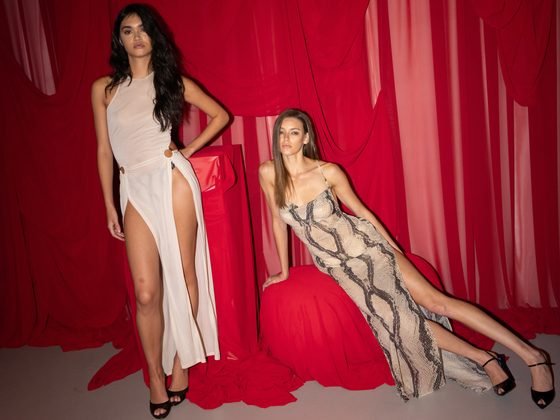
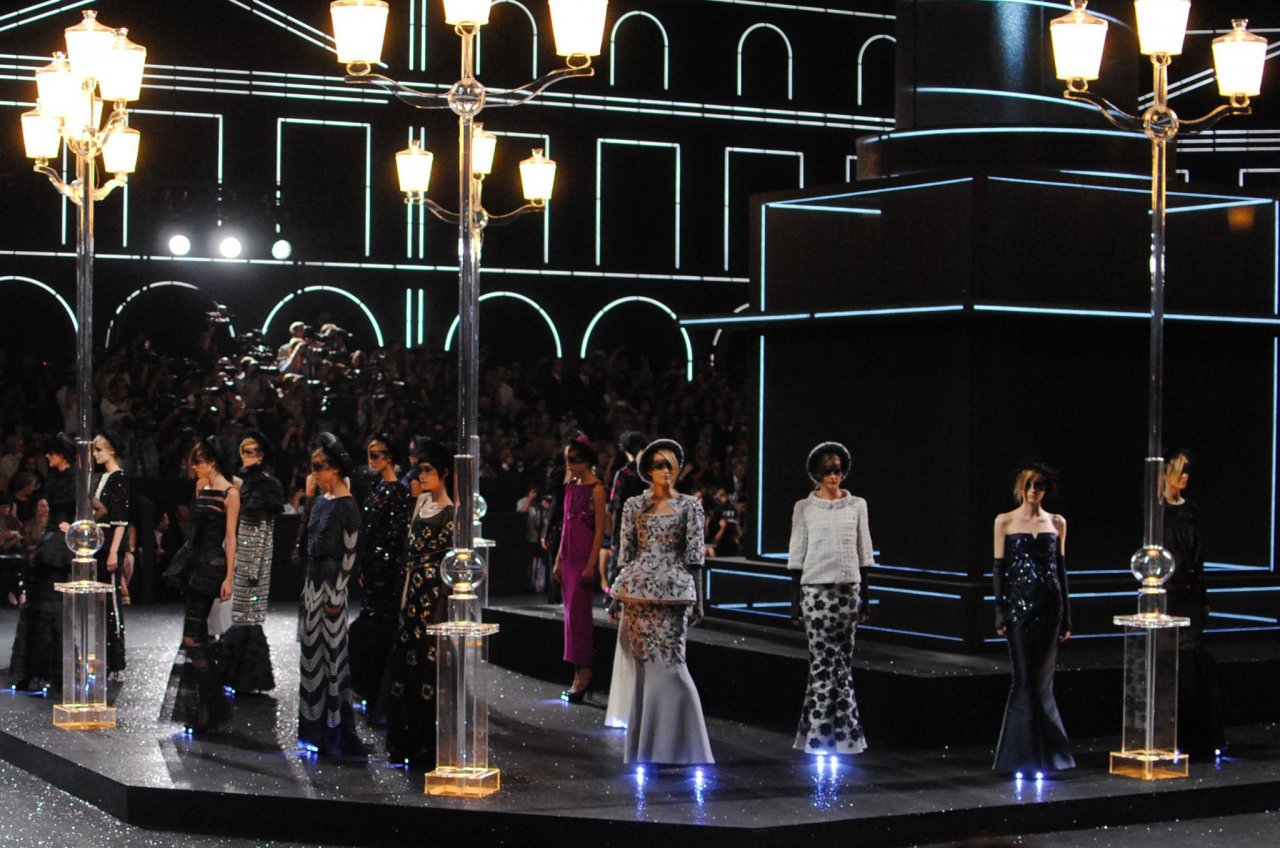
After Parsons, she built Florence Y. Studio into an independent platform for concept-driven editorials and culturally grounded campaigns, with work published in Harper’s Bazaar, Lucy’s Magazine, Basic Magazine US, and Flanelle. We spoke with Florence about her process, her references, and why she believes fashion is as much a form of cultural preservation as it is an industry.
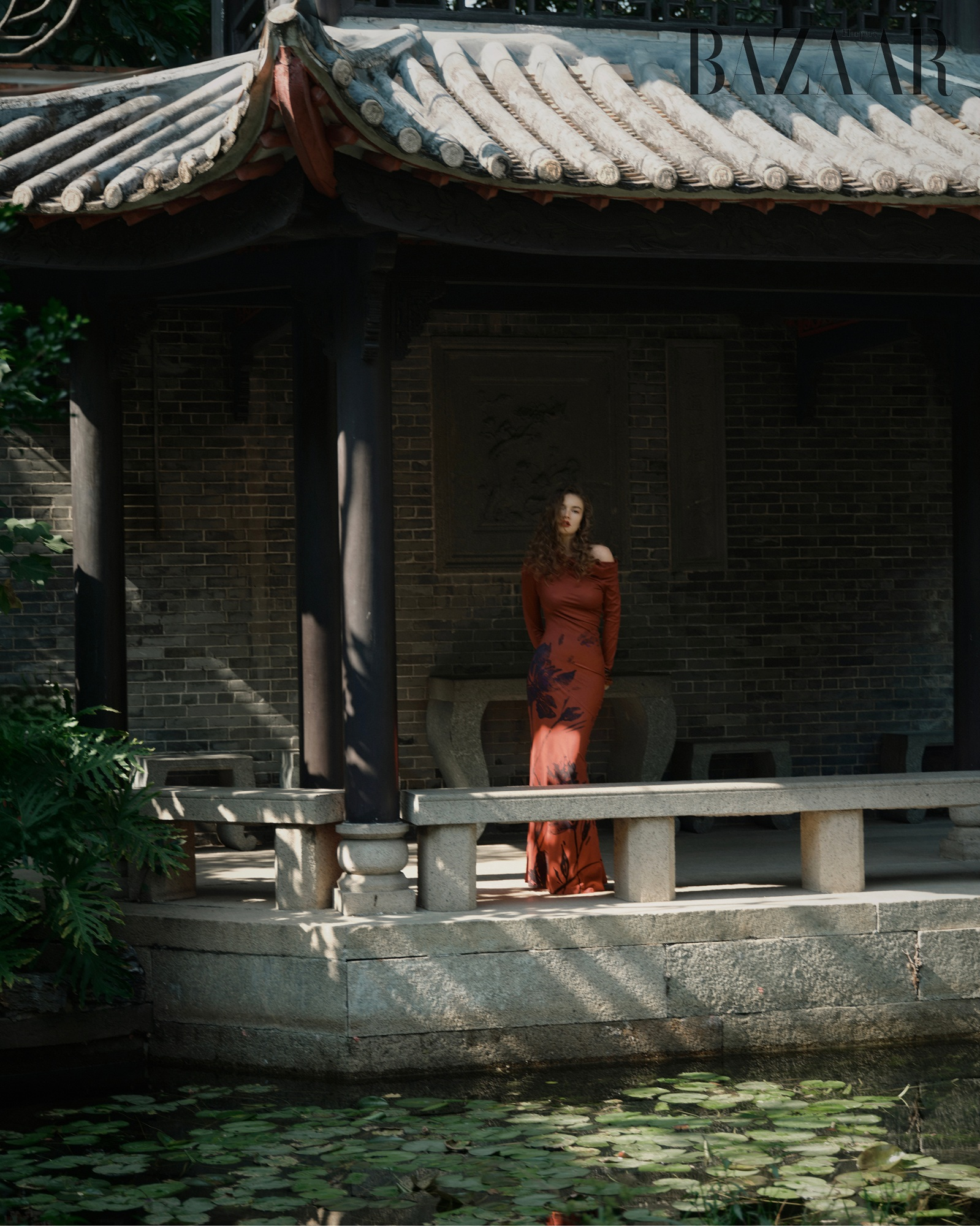
What drew you to fashion styling and creative direction specifically? Was there a defining moment or experience?
What drew me to fashion styling and creative direction was both instinctive and experiential.
Since childhood, I have been deeply fascinated by styling and visual transformation. I was a devoted Barbie fan, and I would spend hours dressing and re-dressing my dolls, creating different identities and scenarios through clothing. Looking back, I realize that was my first experience with visual storytelling. I wasn’t just changing outfits. I was building characters and narratives. That early play shaped my sensitivity to how clothing can transform perception and emotion.
As I grew older and formally studied fashion design, I initially believed that becoming a designer was the natural path. However, my personality played an important role in redirecting my career. I am naturally extroverted and genuinely curious about people. I love learning about their backgrounds, cultures, and personal stories. When I was focused solely on design, I often spent entire days alone in the studio. While I value craftsmanship, I realized that I was more energized by collaboration and communication.
A turning point in my journey came during my time as a freelance content creator for Vogue under Condé Nast. Working closely with fashion editors exposed me to the power of editorial direction and styling. I saw how imagery is constructed, how garments, casting, composition, and narrative work together to create meaning. That experience opened my eyes to another possibility: perhaps my strengths were not only in designing garments, but also in shaping the stories around them.
I then made the deliberate decision to shift from design to styling and began working at Elizabeth Sulcer Studios in New York. The environment was fast-paced and intense, supporting high-profile campaigns and celebrity clients. It required precision, endurance, and strong coordination skills. Despite the pressure, I felt a deep sense of fulfillment. I was collaborating with talented individuals from around the world, and I could see the direct impact of my work in global campaigns.
That experience confirmed for me that styling is where my personality, artistic background, and cultural curiosity intersect. Creative direction became not only a profession, but a way for me to connect people, cultures, and stories through fashion.
What did you study at Parsons? Walk us through the path that led you to where you are today.
I studied Fashion Management after completing my B.F.A. in Fashion Design. This academic journey allowed me to explore fashion from both creative and structural perspectives. I examined fashion as a global system, including supply chains, branding strategies, sustainability frameworks, consumer behavior, media positioning, and international market dynamics. This education enhanced my ability to think critically about how fashion functions not only as a form of artistic expression but also as an economic and cultural force.
While attending Parsons, I began working at Elizabeth Sulcer Studios in New York, all while further developing Florence Y. Studio. I worked on international campaigns and high-profile projects, which strengthened my skills in styling precision, sample coordination, on-set decision-making, and collaboration. I learned how to communicate efficiently with photographers, models, publicists, brand teams, and production crews.
With the academic foundation from Parsons and the industry training that followed, I made the decision to formally expand my own practice. I began building Florence Y. Studio as a fashion styling and content creation platform, combining cultural research, editorial storytelling, and strategic visual development. My education taught me how to structure and strategically position a business, while my industry experience taught me how to execute at the highest professional level.
What kinds of projects does Florence Y. Studio typically take on?
Florence Y. Studio currently focuses on concept-driven editorials, culturally grounded campaign storytelling, and cross-disciplinary visual projects. Each project begins with thorough research, not only visual references, but also historical context, cultural symbolism, and narrative structure. Whether I am developing an editorial story or a commercial campaign, I establish a clear conceptual framework first: What is the cultural reference? What emotional atmosphere are we creating? What dialogue does the image contribute to?
I collaborate with a mix of well-known and emerging designer brands, as well as international editorial platforms in both print and digital formats. My work has been published across global magazines, and I partner with creative teams from diverse artistic backgrounds. This international exposure allows me to position projects within a broader cultural conversation rather than confining them to purely seasonal trends.
Collaboration is also central to my studio practice. I frequently work alongside talented art directors, photographers, and makeup artists who possess a deep understanding of art history, film, and visual culture. These interdisciplinary exchanges elevate the final outcome, making the process feel more akin to creating a visual exhibition than merely producing a fashion shoot.
Ultimately, my studio operates as a hybrid space, a blend of styling practice and cultural storytelling platform, committed to depth and quality across brands, editorials, and artistic collaborations.
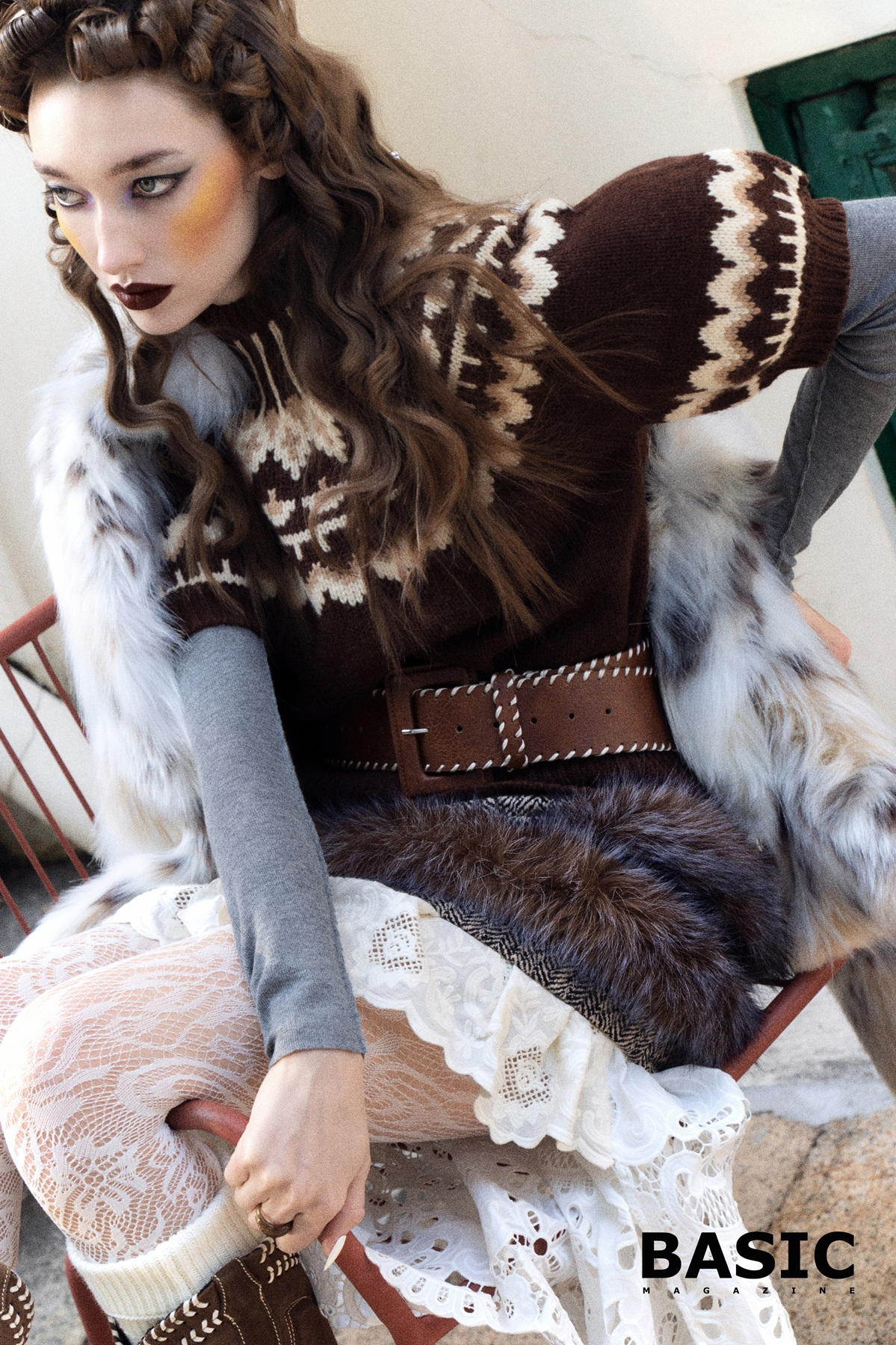
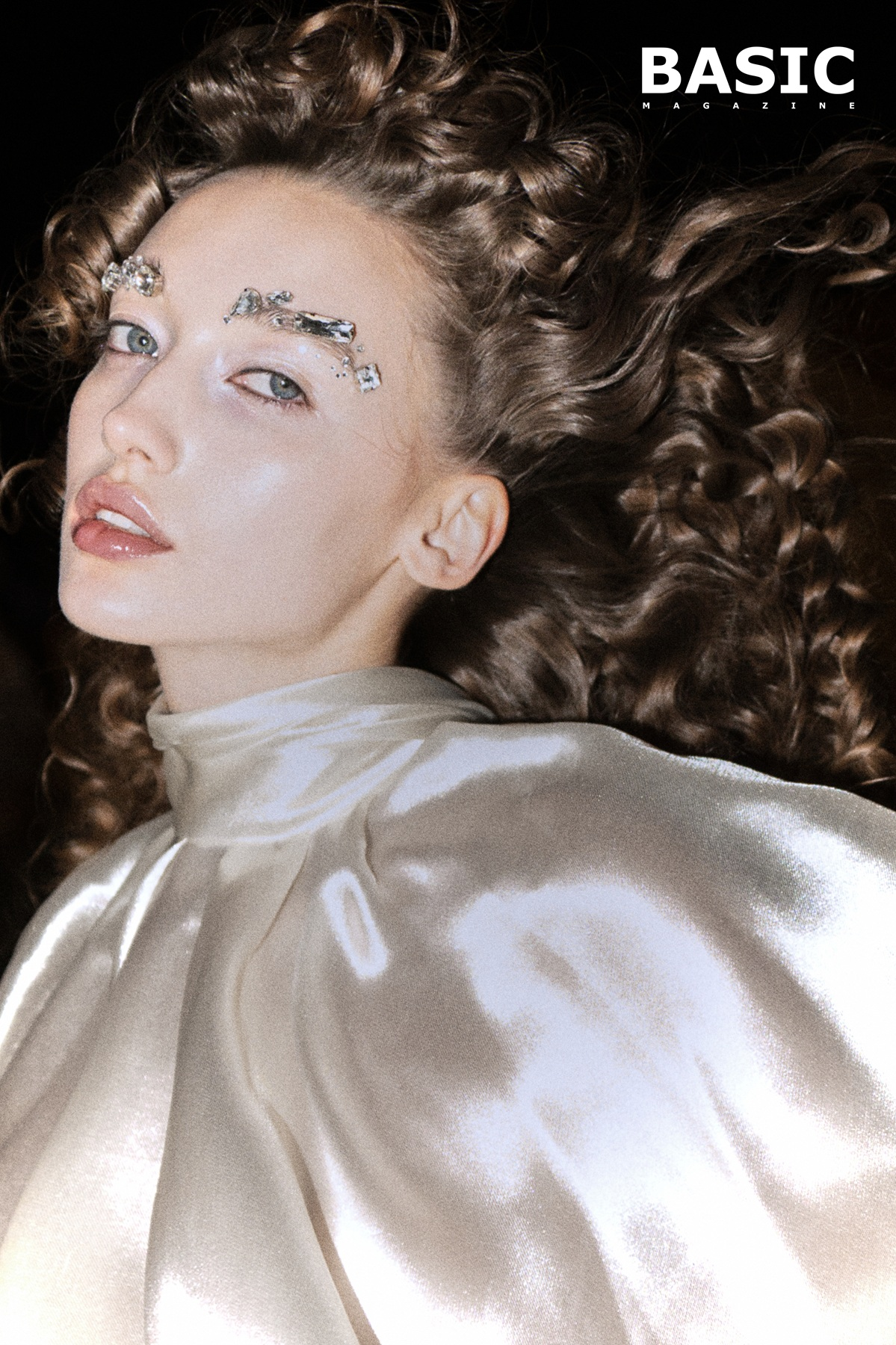
How would you describe your aesthetic signature? If someone saw your work without your name on it, what would give it away as yours?
I would describe my aesthetic signature as refined, emotionally layered, and culturally nuanced.
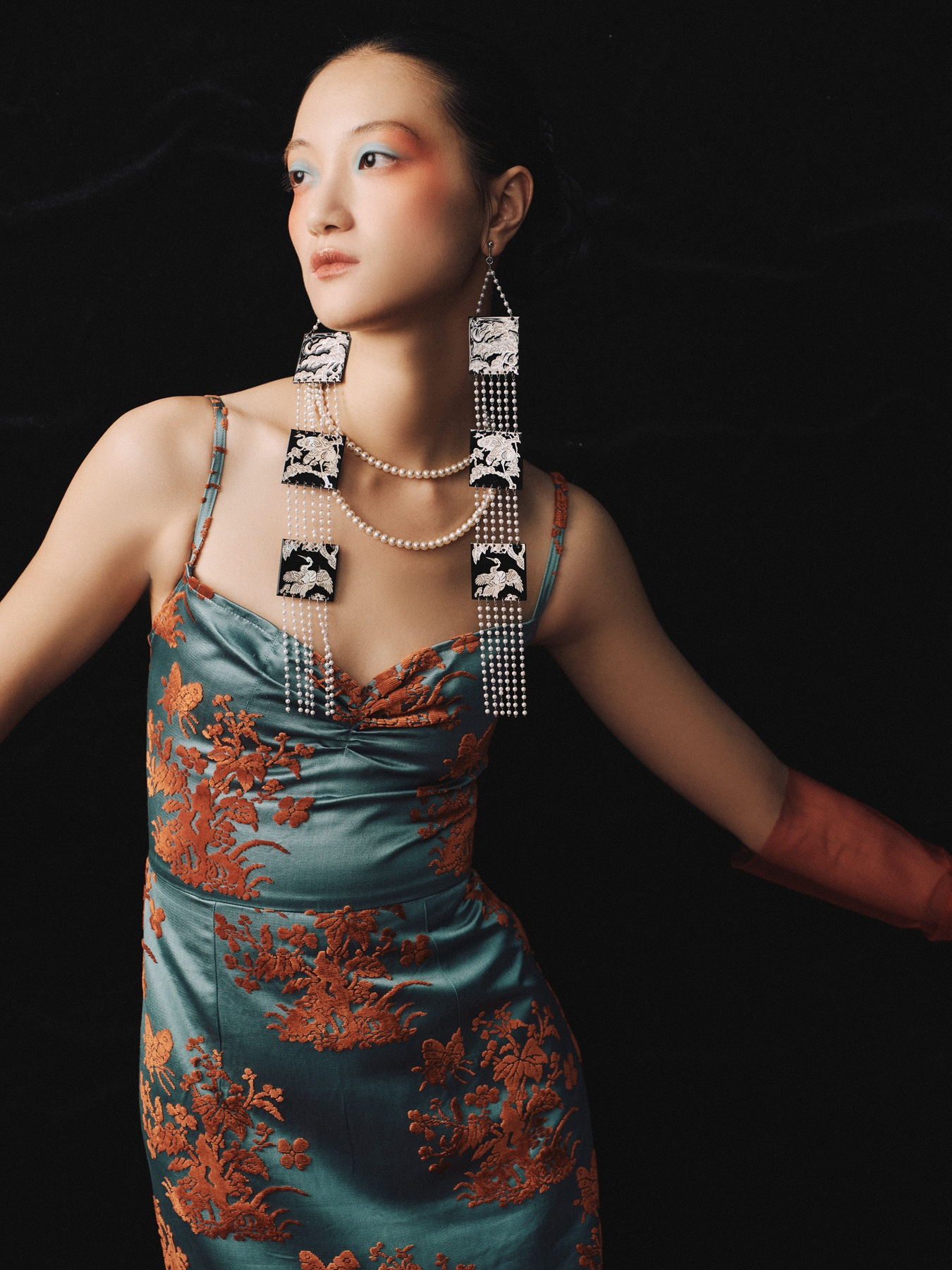
I am highly sensitive to color relationships and tonal harmony. Every palette is intentionally selected to support the overall atmosphere of the image. Rather than using color for shock value, I use it to build mood, tension, and subtle psychological resonance.
Because I was trained in painting from a young age, I naturally think in terms of composition, rhythm, negative space, and visual balance. I approach an image almost like a canvas. The placement of garments, the direction of movement, and the distribution of light all follow a compositional logic rooted in fine art principles.
If someone saw my work without my name attached, the elements that would likely give it away are subtle cultural references embedded thoughtfully within styling choices, balanced compositions influenced by classical art training, a quiet but intentional emotional atmosphere, and symbolism that reveals itself gradually rather than immediately.
Even in commercial projects, I maintain narrative integrity. I resist creating images that feel disposable or trend-driven. Instead, I aim for work that feels timeless, imagery that retains its relevance beyond a single season and invites viewers to look more than once.
Where do you draw inspiration from? Are there non-fashion references that consistently inform your work?
I draw inspiration from both everyday observations and structured cultural research, with museums and cultural archives serving as my most consistent and foundational sources.
In daily life, inspiration can emerge unexpectedly, from a beautifully crafted vase using ancient glazing techniques or the pattern on a ceramic fragment. Film also plays a significant role in shaping my visual sensibility, particularly in its atmosphere, color relationships, and emotional tone. I find myself inspired less by costumes themselves and more by the psychological environment a scene creates.
Architecture is another source of inspiration, especially structures that possess a strong spatial identity. The fluid geometry found in the designs of I. M. Pei and Zaha Hadid, as well as the atmosphere of historic temples, influence my understanding of silhouette, structure, and negative space in styling.
Art history is equally central. Various movements consistently inform my visual language, from the bold color sensibility of Pop Art and the humanism of the Renaissance, to the light of Impressionism, the gestural intensity of Abstract Expressionism, and the ornamentation of Rococo. While I do not replicate these styles directly, I internalize their philosophies regarding space, narrative, and emotion.
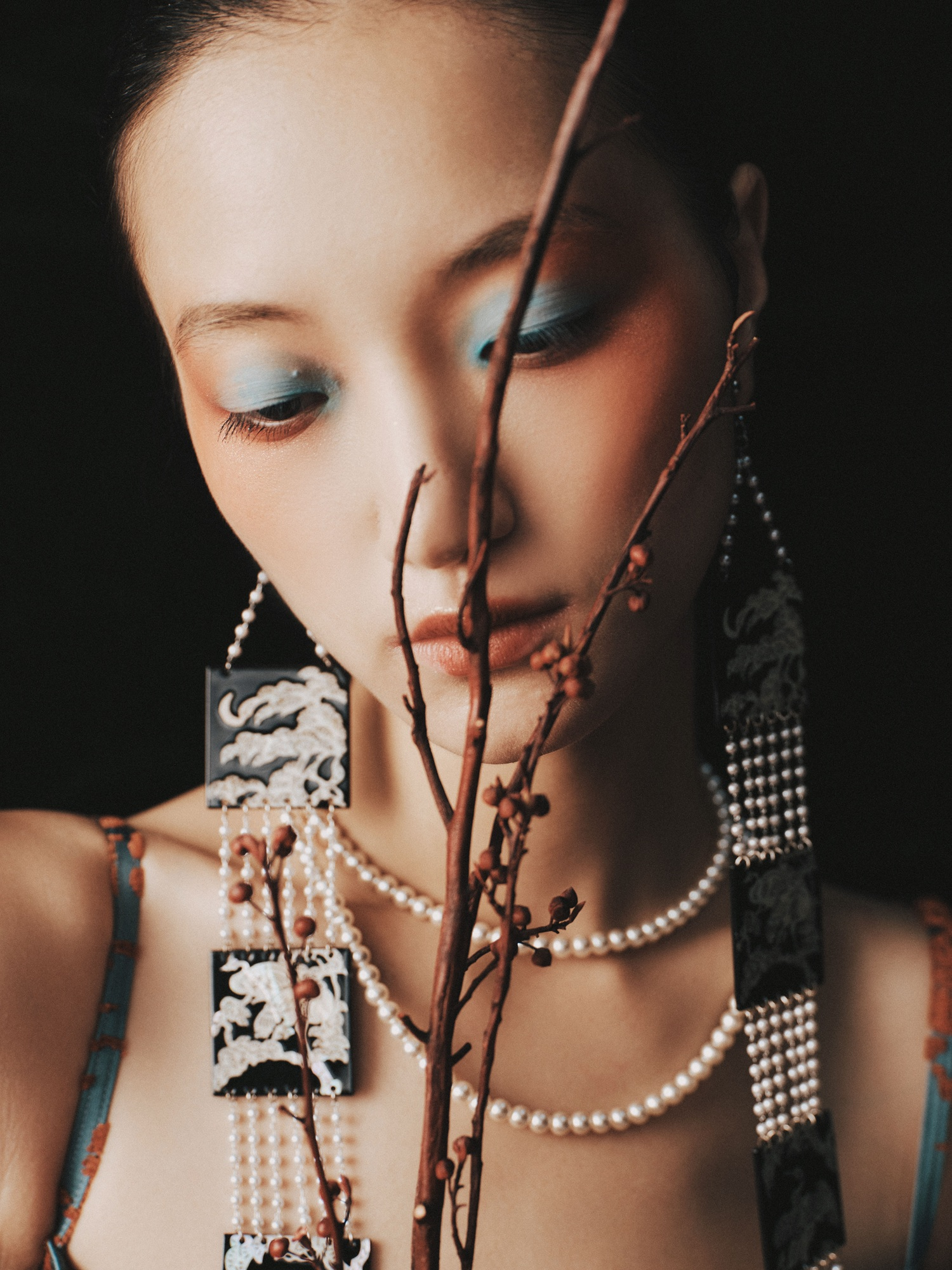
The majority of my inspiration, however, comes from museums and cultural archives. My experiences volunteering at the Metropolitan Museum of Art, M+ Museum, and the Asian Art Museum deeply shaped my perspective. Observing how garments, textiles, and artifacts are preserved and contextualized historically helped me understand that fashion is embedded within collective memory. Whenever I travel, visiting local museums is always a priority.
What do you think is the biggest challenge facing stylists and creative directors working independently today?
One of the biggest challenges facing independent stylists and creative directors today is economic instability. Budgets are tighter, production timelines are shorter, and competition has become global rather than local. Clients expect high-impact visuals with fewer resources, which puts significant pressure on independent creatives to deliver more with less.
In addition to financial constraints, traditional styling workflows can be inefficient. Large quantities of samples are often shipped from multiple brands across cities or even countries, yet only a small portion of these garments are ultimately used. This results in unnecessary shipping costs, rental fees, packaging waste, and time spent on coordination and returns. In a fragile economic climate, this model is increasingly unsustainable, both financially and environmentally.
To address these challenges, I have begun integrating technology-assisted tools, including AI image generation, into my creative process. Before requesting physical samples, I generate preliminary visuals of models styled in proposed garments. This allows me to evaluate proportion, color harmony, and narrative cohesion early, and request only those pieces with a high likelihood of being used. As a creative director, I also collaborate with my team using AI-assisted visualization to forecast the final outcome of a shoot, including styling combinations and set design concepts. This pre-visualization stage helps us anticipate composition issues, refine color palettes, and test spatial arrangements before building physical sets.
Can you tell us more about your biggest project and the milestones you are working toward?
One of the most significant milestones in my career has been the establishment and ongoing development of Florence Y. Studio as an independent platform for culturally grounded visual storytelling. While I have had the privilege of contributing to international campaigns and collaborating with globally recognized creatives, the project that matters most to me is building a sustainable studio model rooted in research, preservation, and narrative integrity.
Rather than defining a single shoot as my biggest project, I view my larger body of work as an evolving, long-term initiative: positioning fashion editorials as a contemporary form of cultural documentation. Through carefully constructed visual narratives, I aim to archive textile traditions, costume history, fashion cultures, minority aesthetics, and underrepresented craft histories in ways that are accessible to global audiences.
Looking ahead, I am working toward expanding Florence Y. Studio into a cross-cultural creative platform. My long-term goal is not merely commercial growth. It is to deepen and broaden our cultural impact, demonstrating how fashion can serve as a means of heritage preservation, visual diplomacy, and collective memory.
What stands out most about Florence Y. is that her ambitions are not primarily commercial. She is building something longer-term: a studio practice that treats fashion imagery as a form of cultural documentation, preserving textile traditions, minority aesthetics, and historical craft in a visual language accessible to global audiences. In an industry that moves fast and forgets quickly, that kind of intentionality is worth paying attention to. Follow Florence Y. Studio’s on Instagram.
By Sarah-Eve Leduc | Flanelle Magazine | March 2026
Photo Credits: Courtesy of Florence Y.