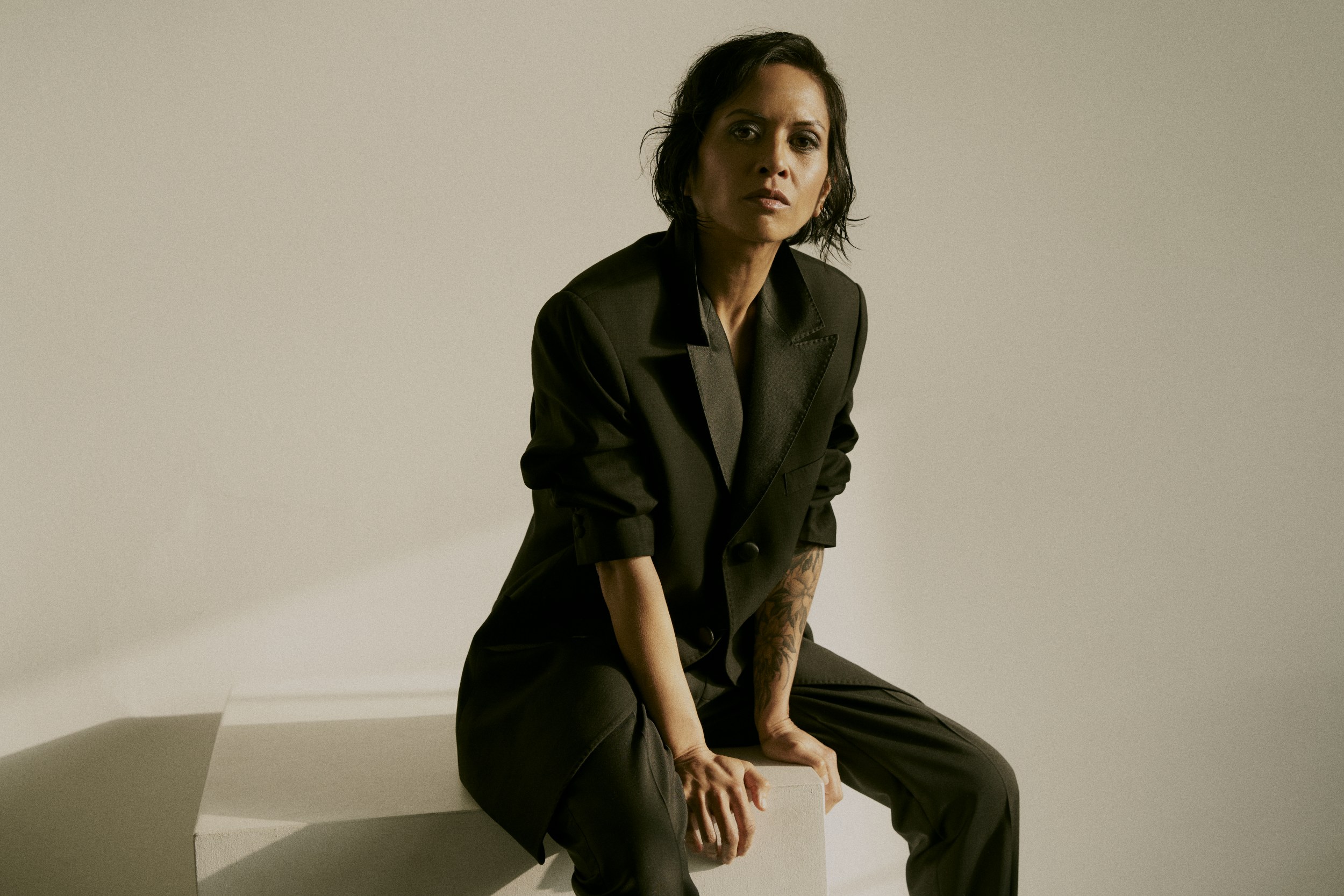
On identity, invisible labor, and trusting the journey a conversation with Amielynn Abellera
Amielynn Abellera is best known right now as Perlah, the sharp, hijab-wearing Filipino-American nurse at the center of Max’s breakout medical drama The Pitt. The show, which unfolds across a single 15-hour ER shift, has drawn praise for its unflinching look at frontline healthcare after COVID, and Abellera’s performance sits at the heart of that honesty. Before landing the role, her path ran through psychobiology at Santa Clara University, an abandoned pre-med track, and two MFA acceptances that changed everything. She spoke with Flanelle about representation, cultural identity, the emotional weight of playing someone in perpetual crisis, and why she still thinks of her career as a marathon with no finish line in sight.

Flanelle: You studied Psychobiology at Santa Clara University, were on a pre-med track, and then left Stanford’s program after getting into USC and DePaul’s MFA programs. What was that decision like, and how did the switch feel to you ?
I had a genuine love for psychobiology and was excited about the pre-medical track, but deep down, I knew my true passion was acting. However, for me, it was always seen as a hobby rather than a career. At a certain point, after waffling for many years, I decided to audition for a Master’s in Fine Arts program since I didn’t have any formal training and didn’t study it in undergrad. I thought that if I got accepted, it meant I had something to offer. Then I was accepted to USC and DePaul. From that moment on, I decided to pursue acting. I had to give myself that chance. Since then, I haven’t looked back.
You’ve described watching productions like Les Misérables and Miss Saigon in San Francisco as a child as formative experiences. What was it about those shows specifically that stayed with you?
I remember watching Les Misérables, Miss Saigon, The Phantom of the Opera, and being stunned to see someone go through so many emotions right in front of me—elation, joy, pain, fear. They expressed it through dance, song, speech, and movement. I was truly moved by that art. Then I learned these actors do this night after night on stage, television, and in movies. I was fascinated by the art form and became obsessed with learning everything about it. I watched theater, movies, and television relentlessly. In school, I tried out for plays and took singing and dance lessons. I was interested in feeling those emotions while watching an actor and eventually wanted to ignite that same feeling in an audience.
How did you feel reading Perlah’s script for the first time ?
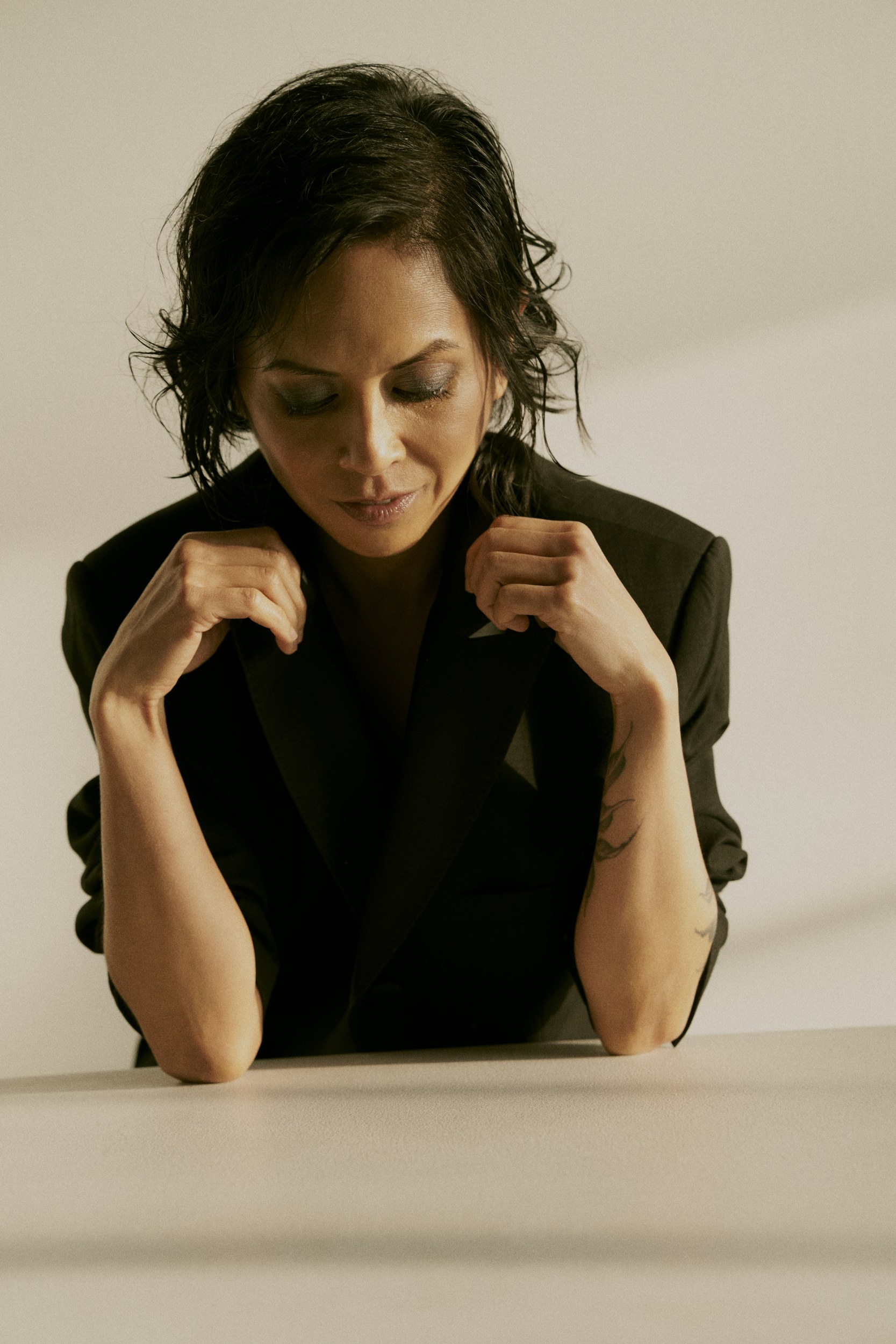
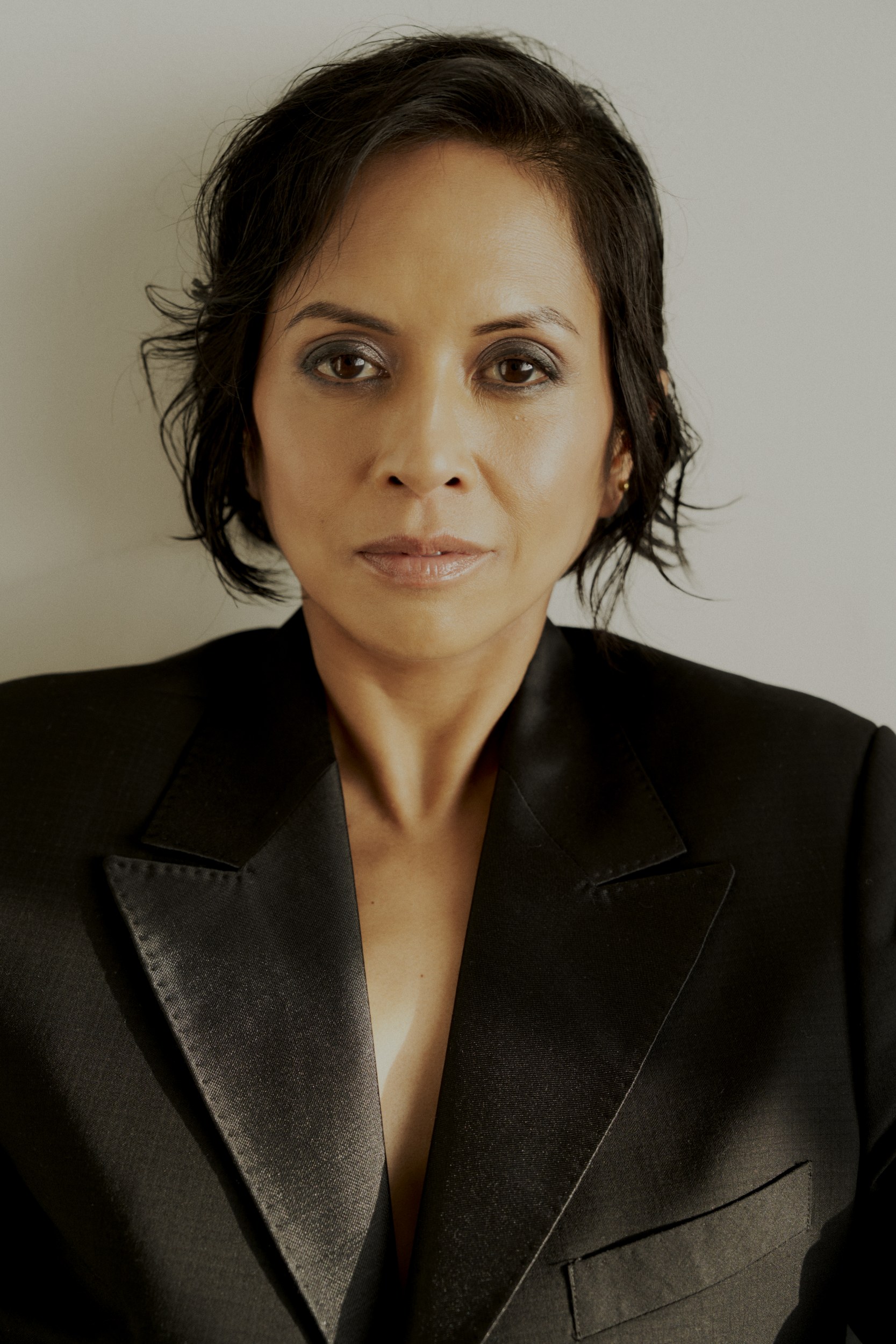
When I first read the pilot script for The Pitt, I was thrilled by the character Perlah. She is strong, smart, capable, competent, and fearless in her vocation and in her patient care. I loved that when you first meet her, she is questioning the doctors and speaking up for her job. That first impression of Perlah has really stuck with me.
Perlah is written as a practicing, hijab-wearing Muslim woman, which is a specific identity that rarely lands at the center of American television. You grew up Catholic, so there was research involved in getting this right. What did that process look like, and was there a moment during it that genuinely surprised you or changed your perspective?
It’s truly an honor to play Perlah. She is a hijab wearing Filipino-American Muslim woman, and these specific cultural dimensions are seldom seen in mainstream media. I don’t take this responsibility lightly. As soon as I got the part, I dove deep into researching the Filipino-American Muslim experience. In the two weeks before we started filming season one of The Pitt, I realized that fully understanding this experience is impossible in such a short time. The real question I needed answered was how this way of life influences their work as a nurse. After speaking with several Filipino-American Muslim nurses, the answer was that it doesn’t change a thing. They remain passionate about patient care and relentless in their empathy.
The Pitt is set across a single 15-hour shift in a Pittsburgh emergency room, and it’s been praised for how honestly it portrays the post-COVID realities of frontline healthcare workers. What was your understanding of that world before joining the show, and how did it shift once you were inside it?
My mother is a nurse practitioner, and she worked all through the pandemic. I remember being terrified for her physical and mental health every single day. I’m so happy that The Pitt is shining a light on the mental health of healthcare workers. We need to care for them and make it a priority, just as they prioritize caring for us.
Episode 206 puts the nurses’ perspective at the center, looking at the bonds they form with patients and the emotional labor that so often goes unrecognized. What does it feel like to have an entire episode dedicated to that side of the job, and was there anything in filming it that stayed with you after the cameras stopped?
I respect and admire nurses so much. They have a unique role in the army of healthcare professionals in a hospital. Speaking from my experience, whenever I visit a hospital, the nurse is the first and last person I see and the one who stays with me throughout my journey as a patient. That often results in a deeper emotional bond. However, for nurses, the deeper the bond, the harder it is to lose a patient. I’m very proud that The Pitt shines a light on this dynamic and on how emotionally and mentally difficult it can be to lose a patient. What stayed with me after filming that episode is how much these experiences stay with nurses throughout their day. As empaths, they often have to compartmentalize these losses and keep going to care for the next patient, and the next, while the toll continues to build.
The show explores the mental health toll that healthcare professionals carry, the difficulty of leaving the weight of the job at the door when the shift ends. Playing a character who lives inside that kind of pressure, episode after episode, is its own version of that same challenge. How do you protect your own wellbeing while still honoring the emotional truth of what you’re portraying?
It takes a conscious, consistent effort for me to remove myself from the emotional, mental, and physical stress of being an actor, which has its own pressures, while also playing someone under stress. It’s almost like removing yourself from a double layer of stress. I feel very lucky to have my partner and my daughter to come home to. They are a calming, grounding place for me when I return from work.
The Pitt features three Filipino women in its main ensemble, which is unusual for a mainstream American drama. What has it been like to be part of a set where that’s simply the reality rather than the exception?
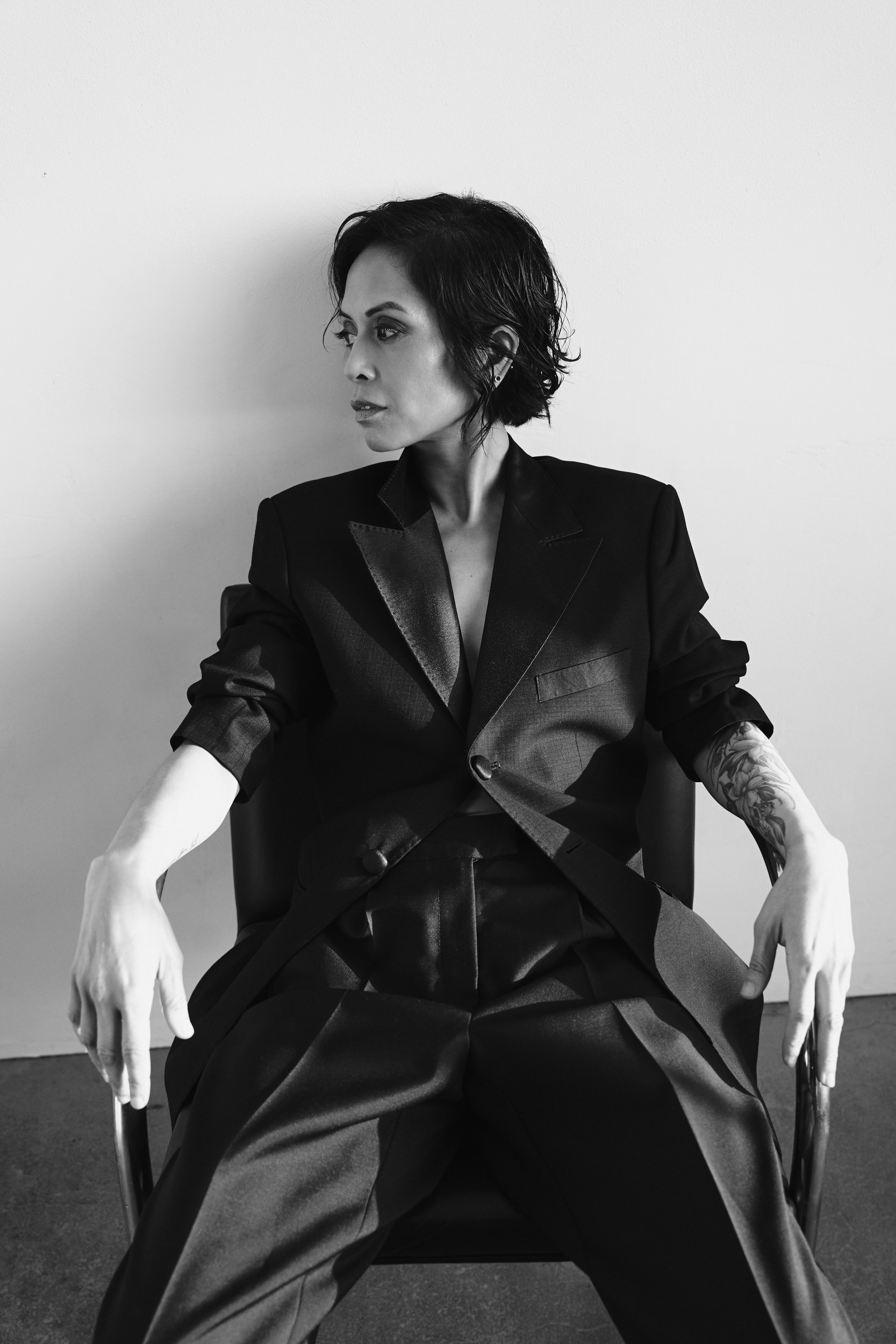
One of the many things I love about The Pitt is its commitment to portraying reality. Three Filipinas in an ensemble of healthcare professionals is simply the reality rather than the exception.
Perlah and her colleague Princess, played by Kristin Villanueva, speak Tagalog to each other throughout the show, sometimes to bond, sometimes to say things they don’t want the doctors to hear. For audiences who aren’t Filipino, that choice might just read as charming. What does it actually mean within the culture, and why does it matter that it’s on screen in a show of this scale?
I am the daughter of two immigrants, and I grew up watching my parents switch between Tagalog, Ilocano, and English for many different reasons—to bond, to share secrets, or to talk about things away from their children. In the case of Princess and Perlah, they move in and out of Tagalog to bond, connect, and share information away from their colleagues. I see it as a celebration of their heritage and culture.
You’ve described your career path as less like a sprint and more like a train ride, trusting the direction even without a clear destination. Looking at where you are now, does it feel like the direction has clarified, or is it still very much about trusting the process?
My acting career has always felt like an unknown roller coaster—three steps forward, two steps back, five steps forward, eight steps back. The only way for me to manage expectations is to trust the process and experience the journey with all its ups and downs. I try to lean into the fact that it’s a marathon, not a sprint.
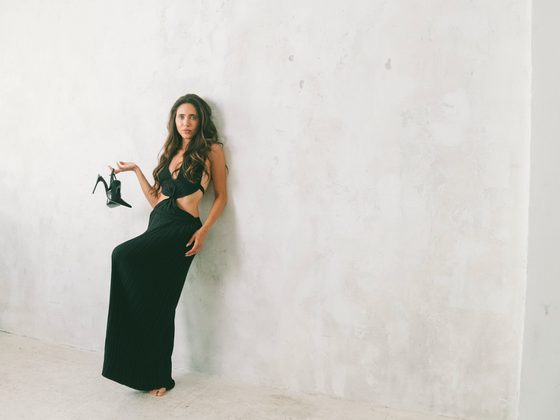
Photography: @matt_kallish // Hair & Makeup: @ashleyceemakeup // Styling: @sky_is_dlimit Press images courtesy of Warner Bros. Discovery — press.wbd.com/na/property/pitt/images