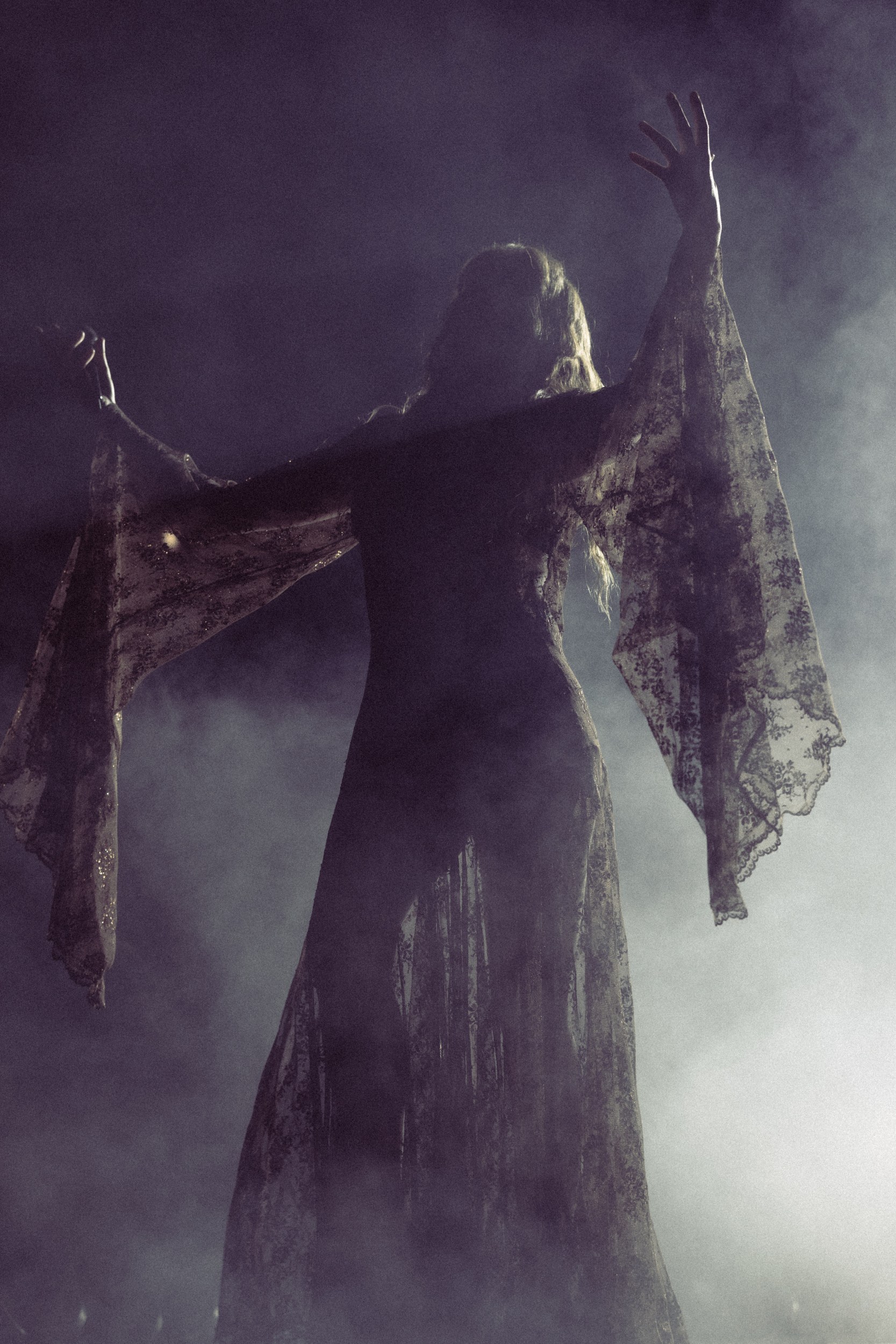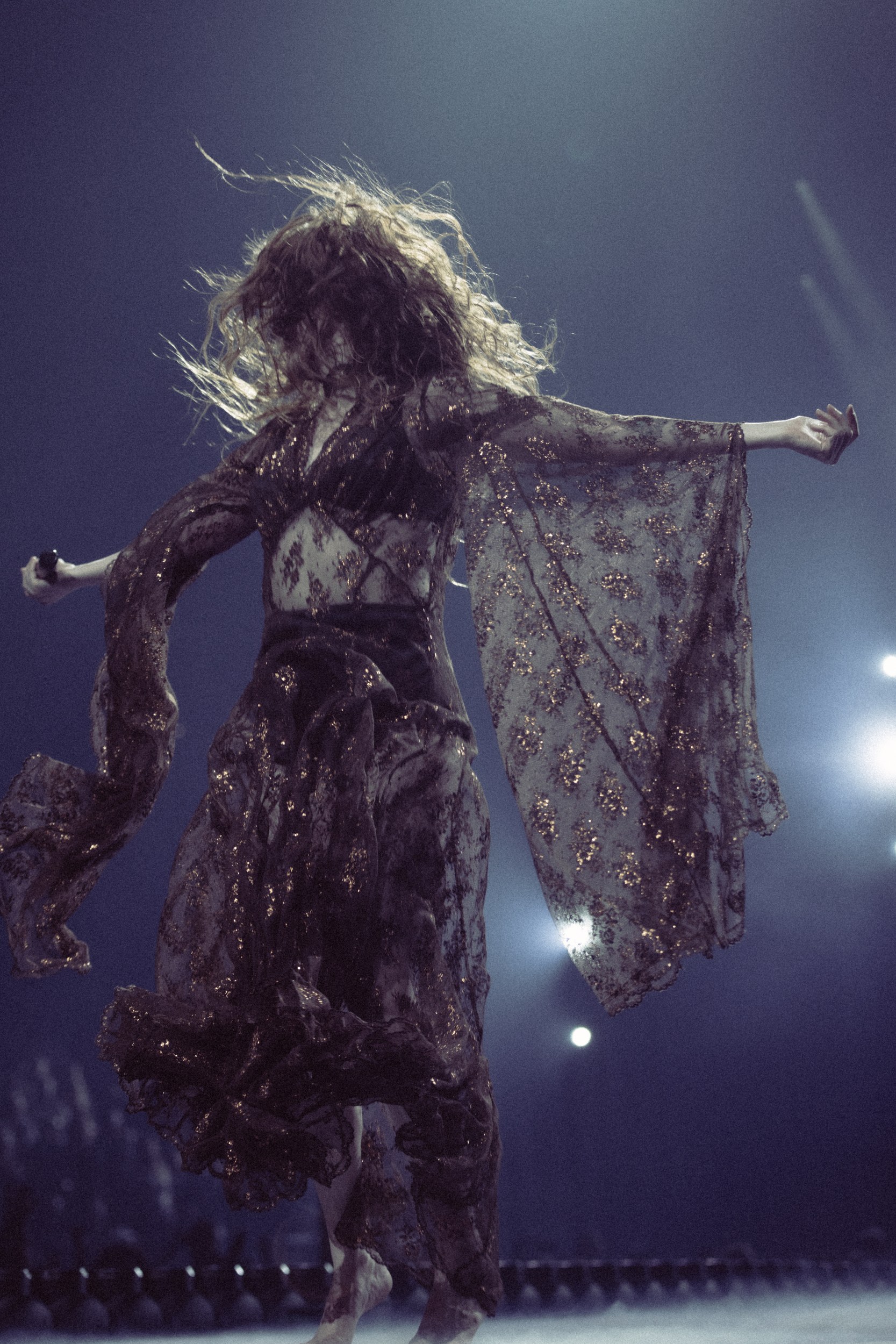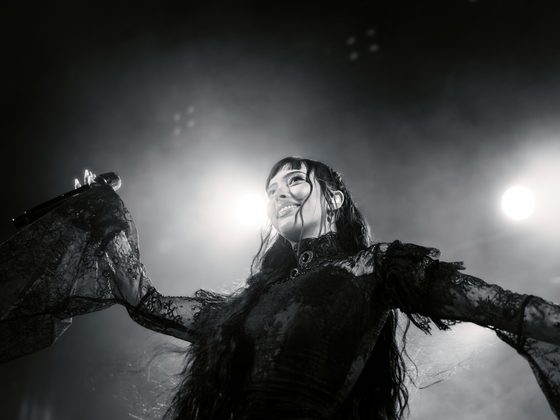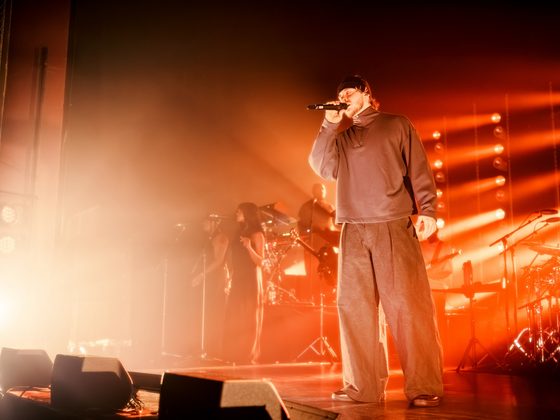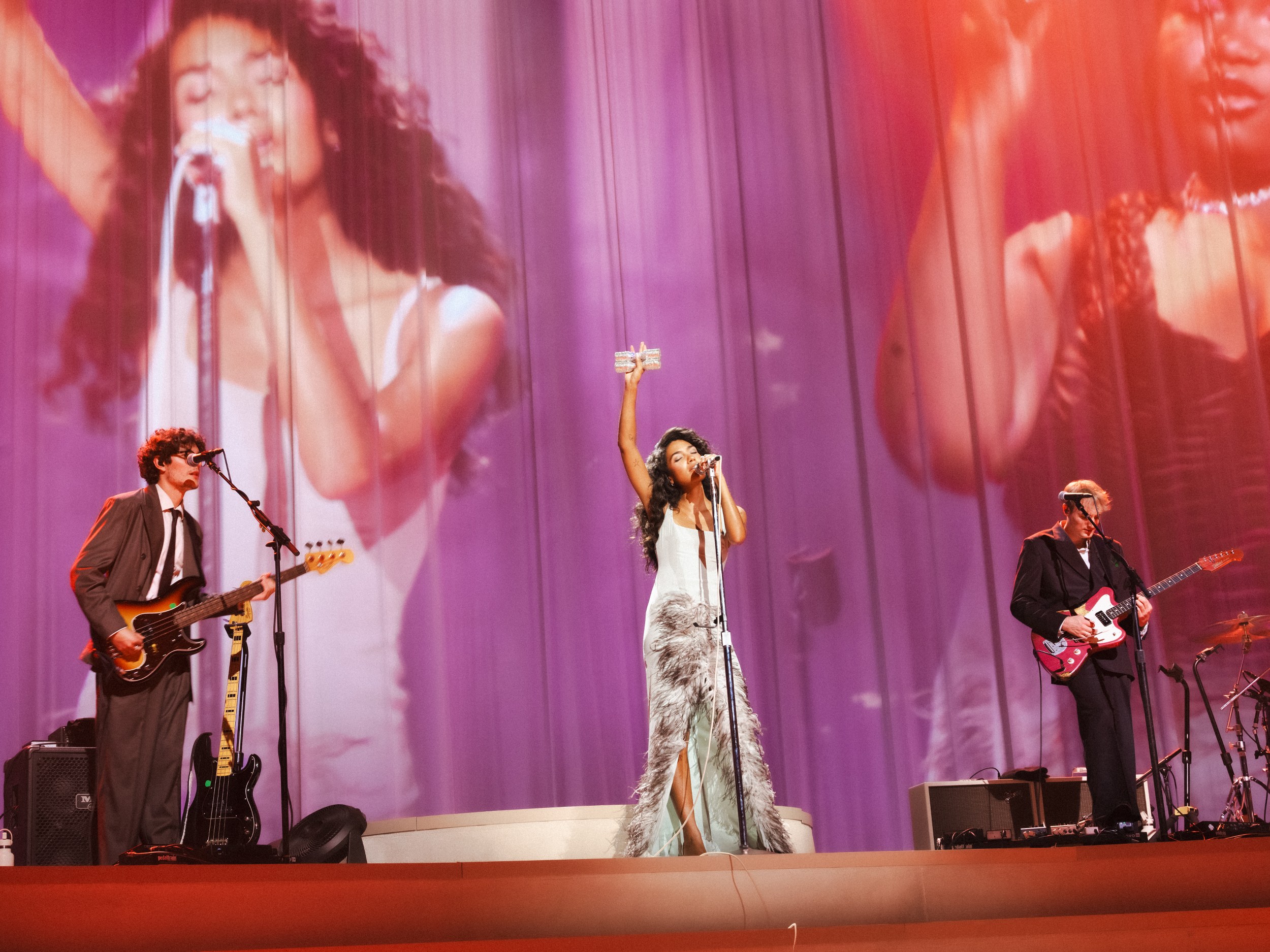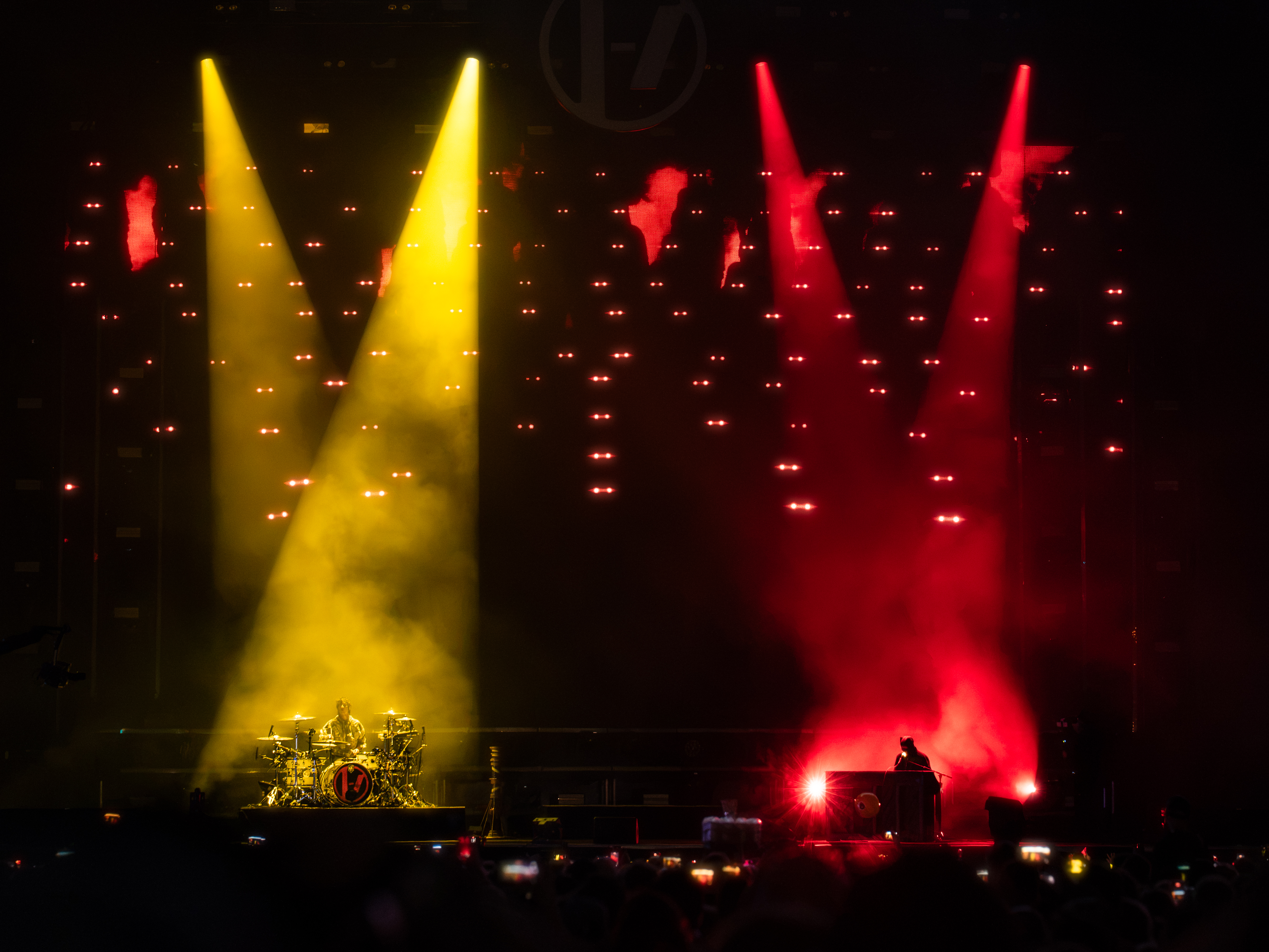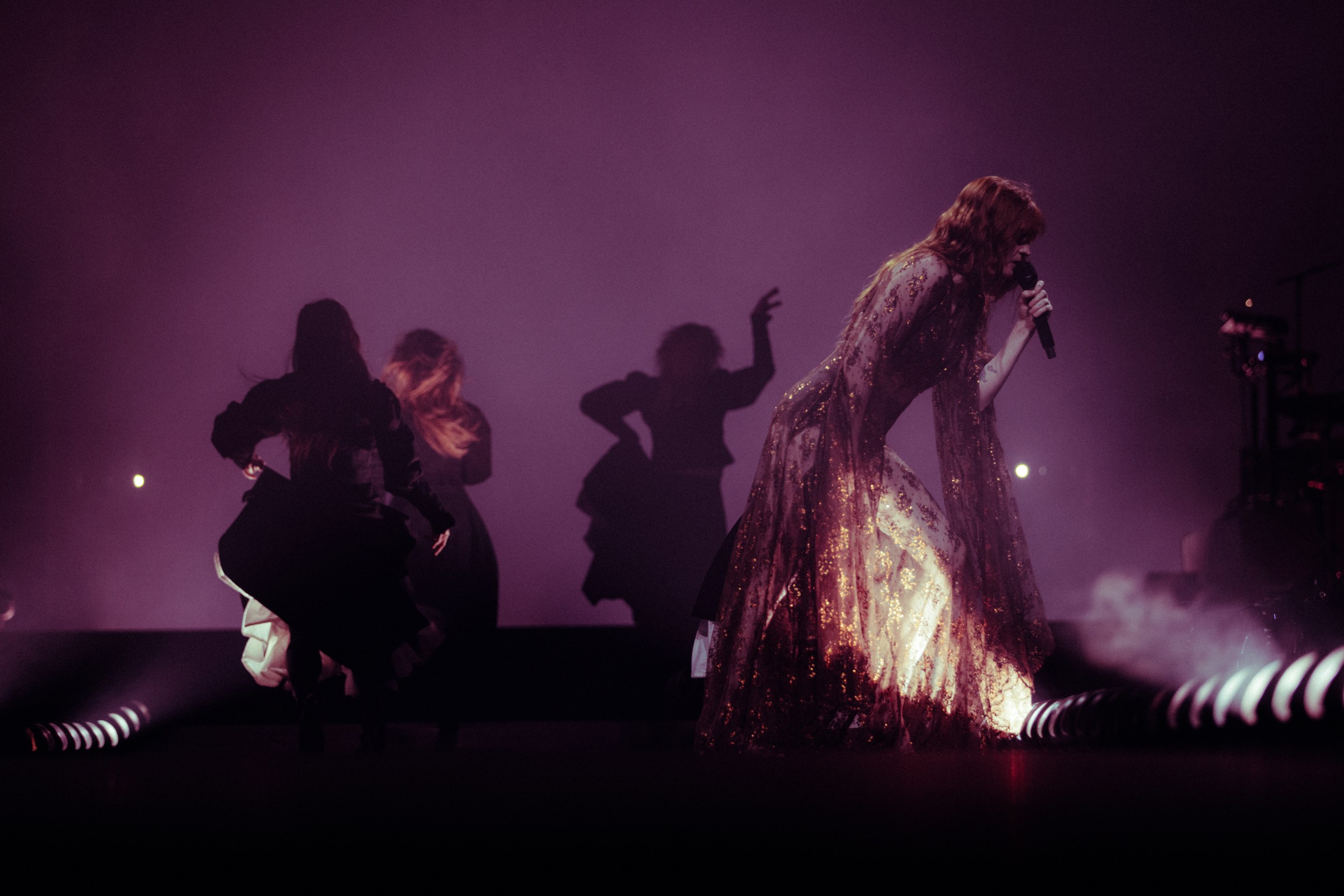
At the Montreal Bell Center on April 15th, Florence + The Machine embodied gothic excellence as a part of their Everybody Scream North American Tour. Accompanied by a coven of witches and a brilliant chamber choir, Florence Welch proved no stranger to the dark, embodying all the anger, grief and release of self-reflection as she found her voice not just to sing but to scream.
Text by Jamie Xie
Photos by Lillie Eiger
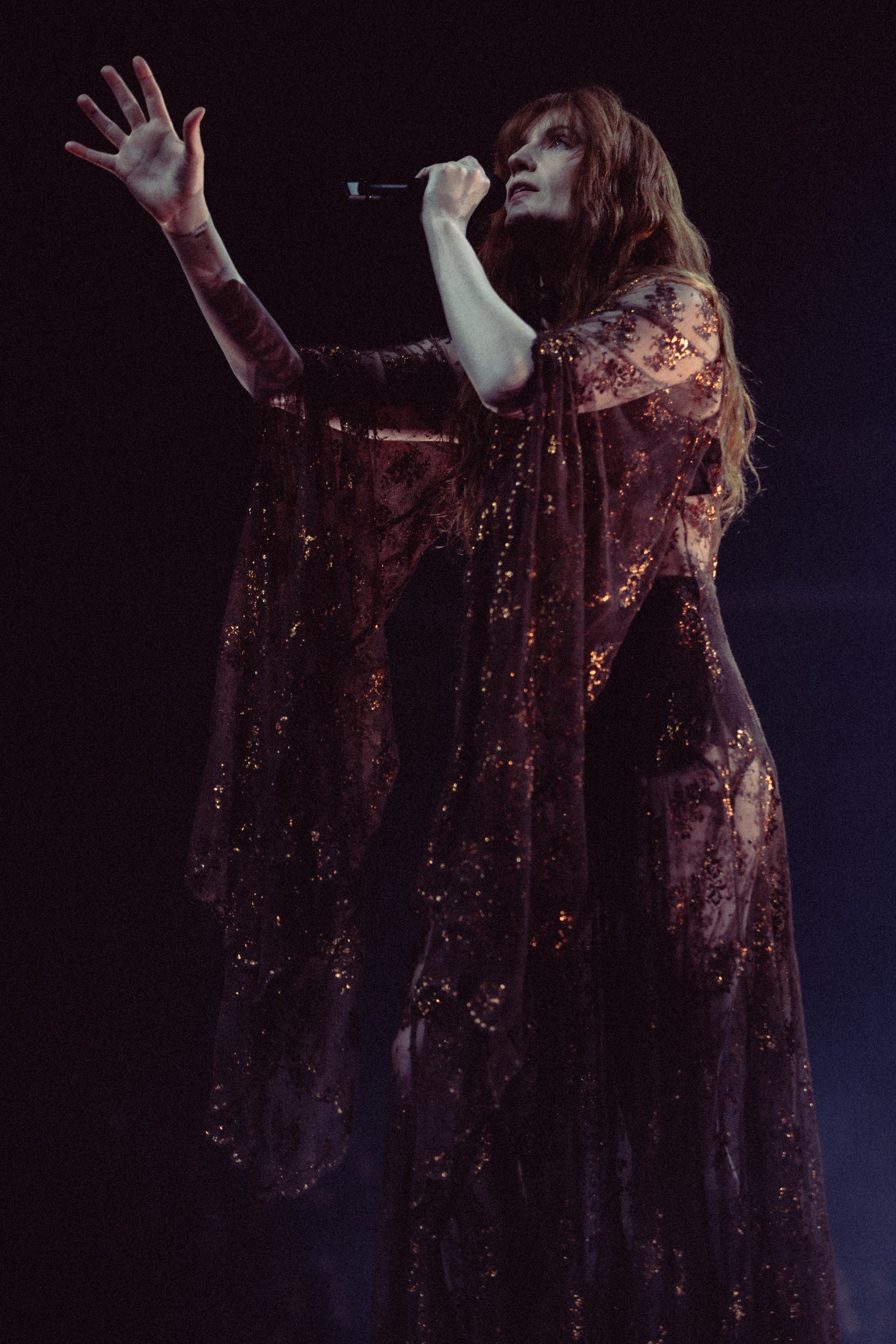
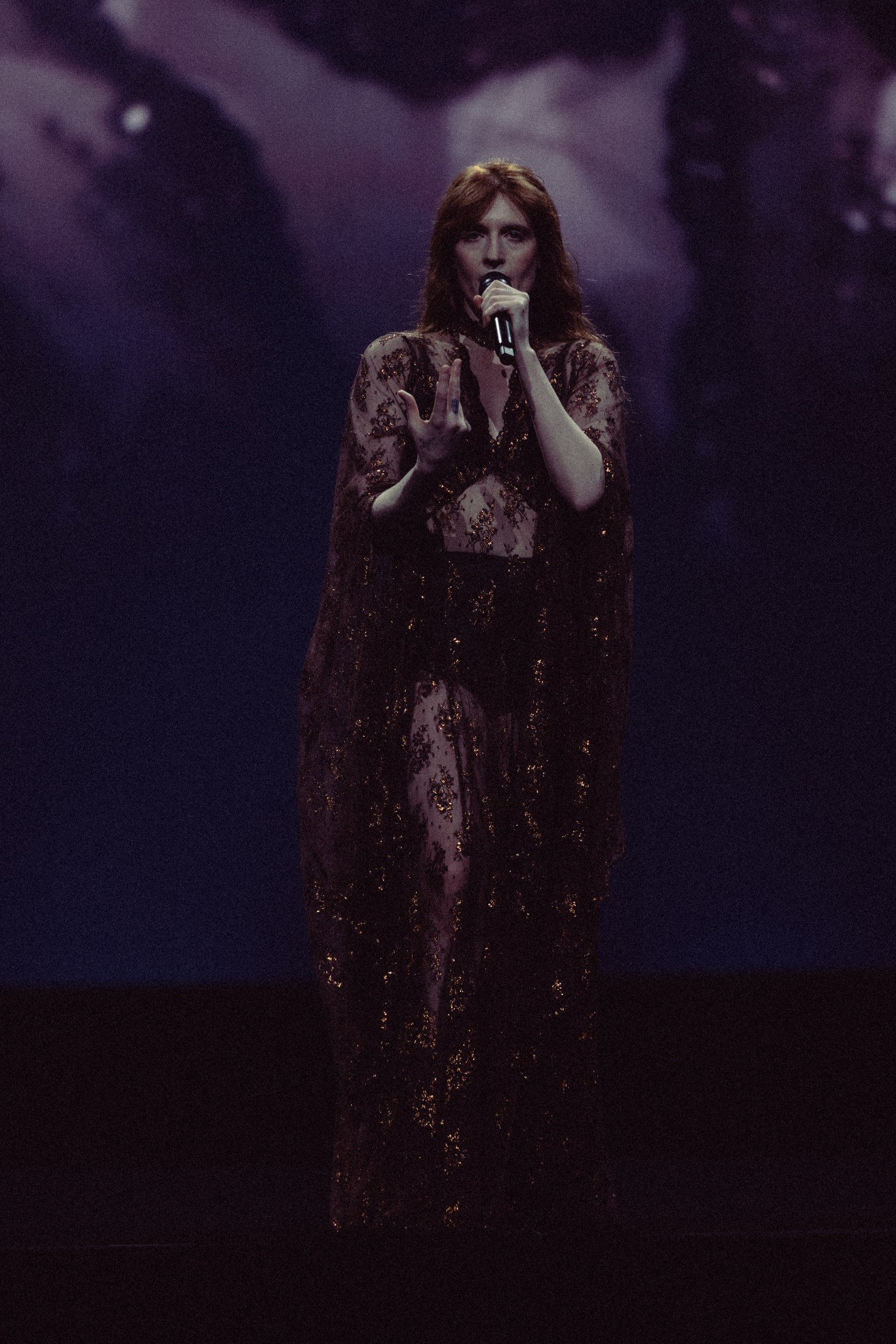
The modern witch takes her concert the way she takes her drinks—dark and stormy on a Wednesday night. It was April 15th at the Bell Center, the air was thick with incense and the palpable hum of collective catharsis. Florence Welch was a barefoot priestess and her machine was composed of a smoke system, chamber choir and coven of four contemporary dancers in flowing nightgowns of black and white.
Like a scene out of Suspiria, Florence and her entourage twirled and convulsed to the opening notes of “Everybody Scream”—the titular track from their latest album release (2025) and the namesake of the North American tour itself. It was a fitting invocation, an invitation to let go of composure and find power in the primal.
From there, the stage was set for “Shake It Out,” a sermon of hope. The chorus of witches swayed side-to-side with their tambourines in hand, a recollection of popular indie folk-rock influences like Stevie Nicks. “It is always darkest before the dawn,” Florence sang out. She outlined darkness not as something to be afraid of, but a promise of inevitable brightness to be inherited by all who struggle. Florence is no stranger to the dark; in fact she is a welcoming friend—a theme that she would continue to return to throughout the night.
In “Seven Devils,” she channeled this idea in strides, exploring the idea of not running from darkness but taking a blind leap of faith into it. Dissonant chimes echoed as catatonic dancers acted out an eerie possession scene. The red light enveloped the stage as they crawled and contorted themselves to a haunting melody while Florence whispered softly into the microphone. The miasma of heresy contributed a horror element, a brief flirtation with the corporeal and morbid. This was no exorcism, this was an invitation.
In an interview with NME, Florence revealed that the song was inspired by the book If He Hollers, Let Him Go, which follows the experiences of an African American man enduring racism during World War Two. The song embodies the mantra of the othered and the role of unity in realizing productive social change. In tandem with the song “Big God,” Florence illustrates darkness as a powerful transformative force experienced by marginalized people. It is often the darker parts of ourselves that are the most interesting and truthful. It’s the shadow that informs the light.
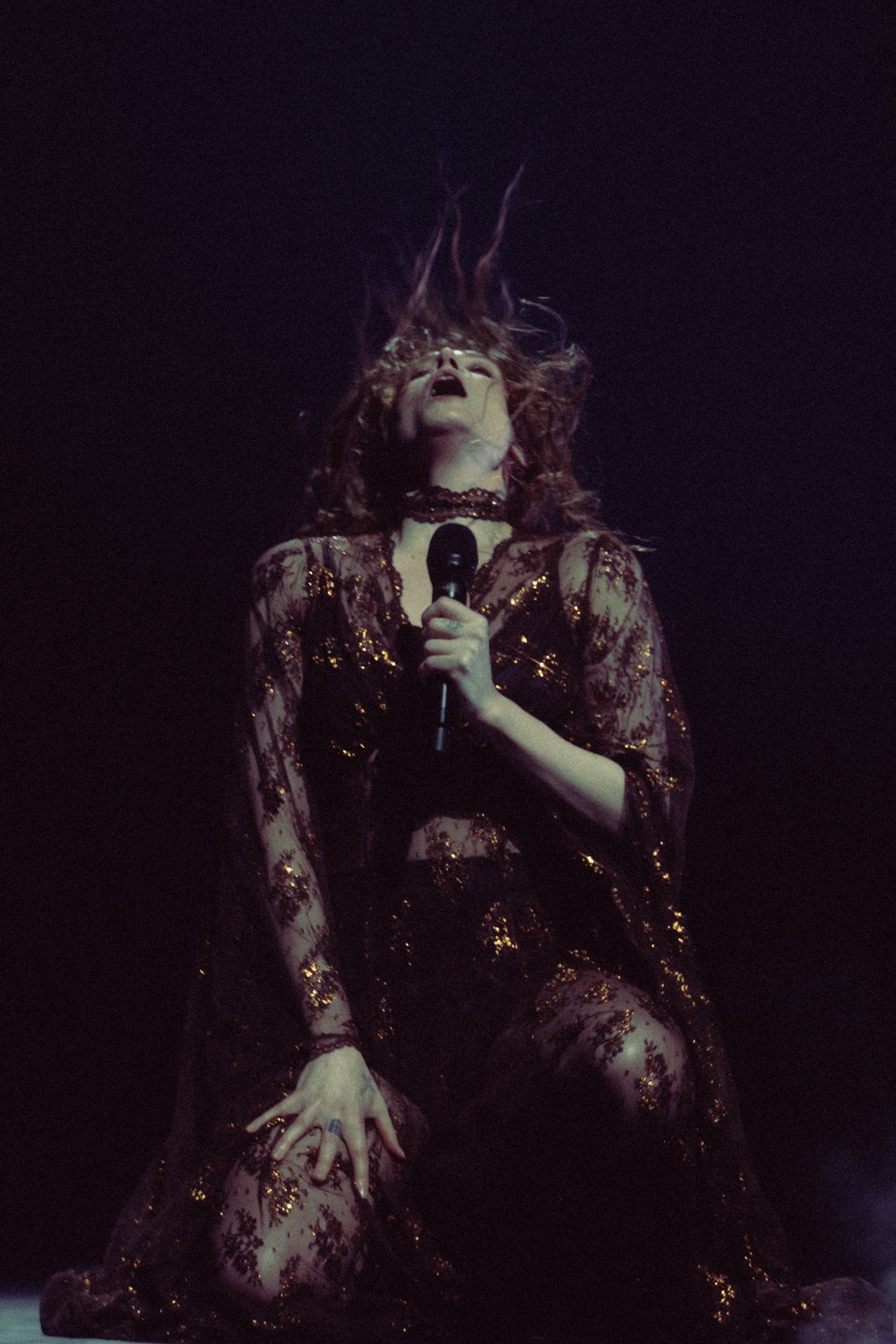
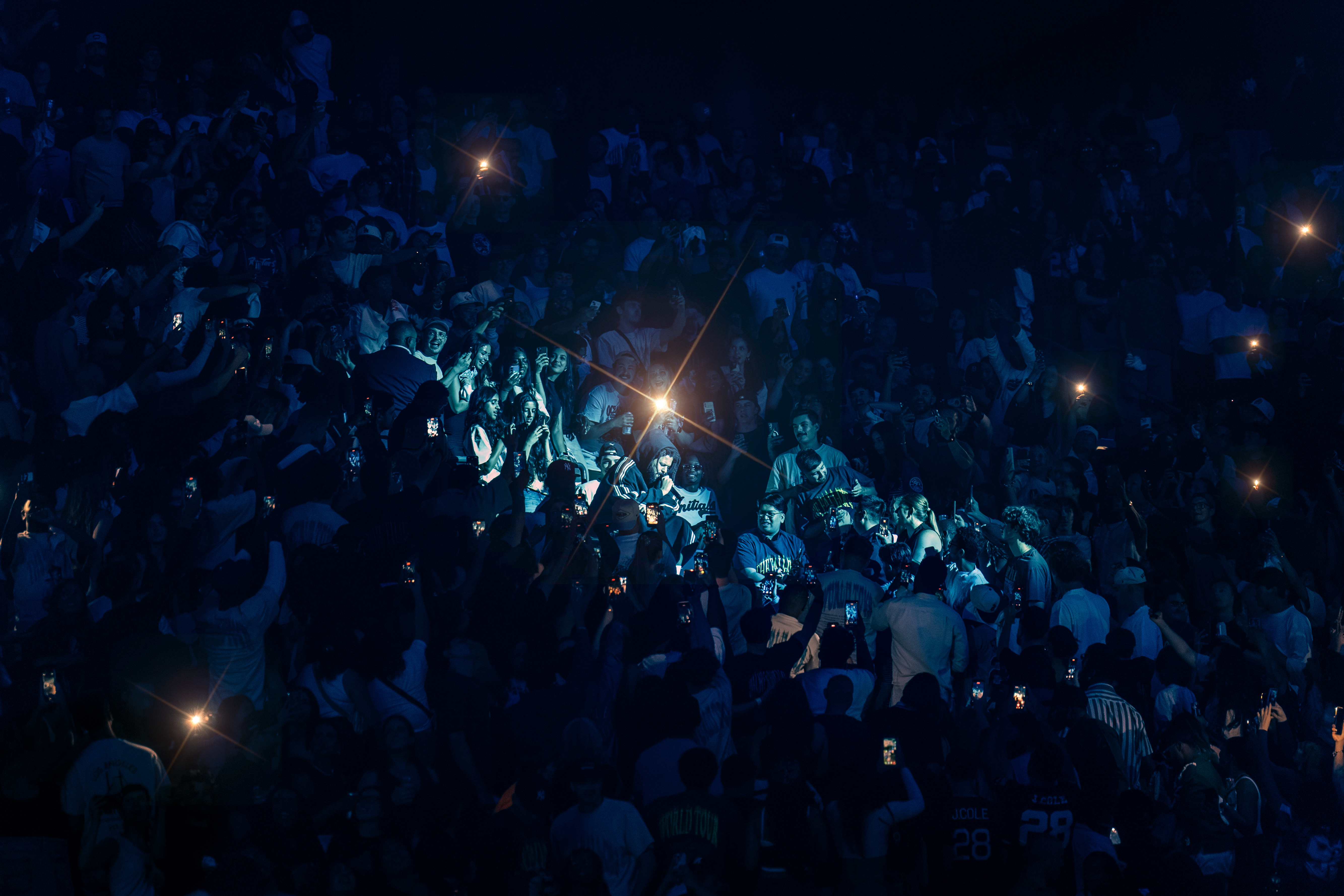
Having been buried for ten years, “Never Let Me Go” stood as an especially memorable point, as Florence broke her silence on the song which she had sworn to herself that she would never play again. “I refused to play it but you just never stopped loving it. You never stopped listening to it,” she remarked. “I started to not see it as a song about pressure or pain but as a song of what we have survived to still be here today. So thank you for bringing this song back to me and for never letting it go.” In that moment, the Bell Center had become a cathedral, a transformative space where the private and painful became something shared. It was an act of collective remembering and radical hope where the audience and artist met in the middle, a silence broken by a crowd that never stopped singing. The stadium filled with a constellation of phone lights, conducted by Florence, all part of one big machine.
The song “Buckle” was produced in collaboration with indie darling Mitski. Performing the track live in concert, Florence burst at the seams with character and relatability. Florence + The Machine has been making music for nearly two decades. They have sold out arenas, headlined festivals and cemented themselves as one of the most compelling acts of tour generation and yet here was Florence, laughing on stage about a song she almost didn’t write because she thought it was “too embarrassing.” “Buckle” is the evidence of something reassuring: There is no amount of success or experience that can absolve you of your humanness. It captures all the frustrations, charms and follies of being someone who cares too much. Or as Florence put it, “a song about someone not texting you back.” The crowd laughed in recognition, nodding along to the all-too-familiar ache of waiting by a silent phone. With contributions interspersed through the album, including in the title track “Everybody Scream,” Mitski haunted the show with her musical influence in the backbone of the night offering her unique brand of raw confessional lyricism.
Florence closed the night with “Sympathy Magic.” She moved through the crowd to greet fans in the pit, her voice breaking out into a whisper as she met people eye to eye. She echoed questions of what suffering we as humans can handle. Some cried, some sang along. For a few minutes, the barrier between performer and audience dissolved entirely. She was no longer on a stage but in the middle of the room to underpin that the real magic that she has to offer, as a self-proclaimed witch, is the magic of sympathy. It was a fitting sentiment for a night where every ticket sold would also send a dollar to Doctors Without Borders, a humanitarian organization that specializes in providing medical care to crisis zones.
“I’ve never been afraid,” she said as she reflected on the unfamiliar fear that has accompanied this tour, “but every night when I go to bed after performing, something comes back to me. You have helped me make sense of things.”
That was the spell, then. No smoke, no mirrors. Just radical sympathy, and the courage it takes to enact change. Revisiting songs you thought you knew, learning to befriend the dark, Florence + The Machine performed a masterclass in survival, the grand miracle of being human. Everybody screamed and for just one night, that was prayer enough.