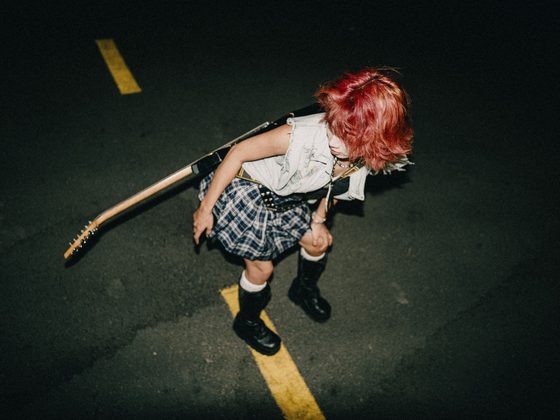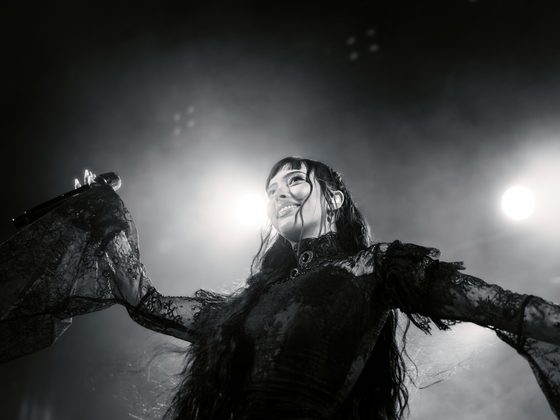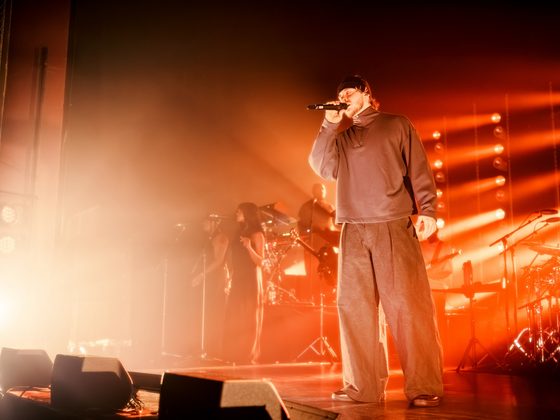
Ashnikko was a force of nature on May 18th at MTELUS, and the crowd was positively blown away. For one special night to close off her tour, Ashnikko brought together the artistically-minded and alternative crowd of Montreal with pop punk anthems, neon pink set pieces and a vision larger than life, a lesson in friend worship and all the oddities that make up girlhood.
Text by Jamie Xie
Photos by Louis Alson
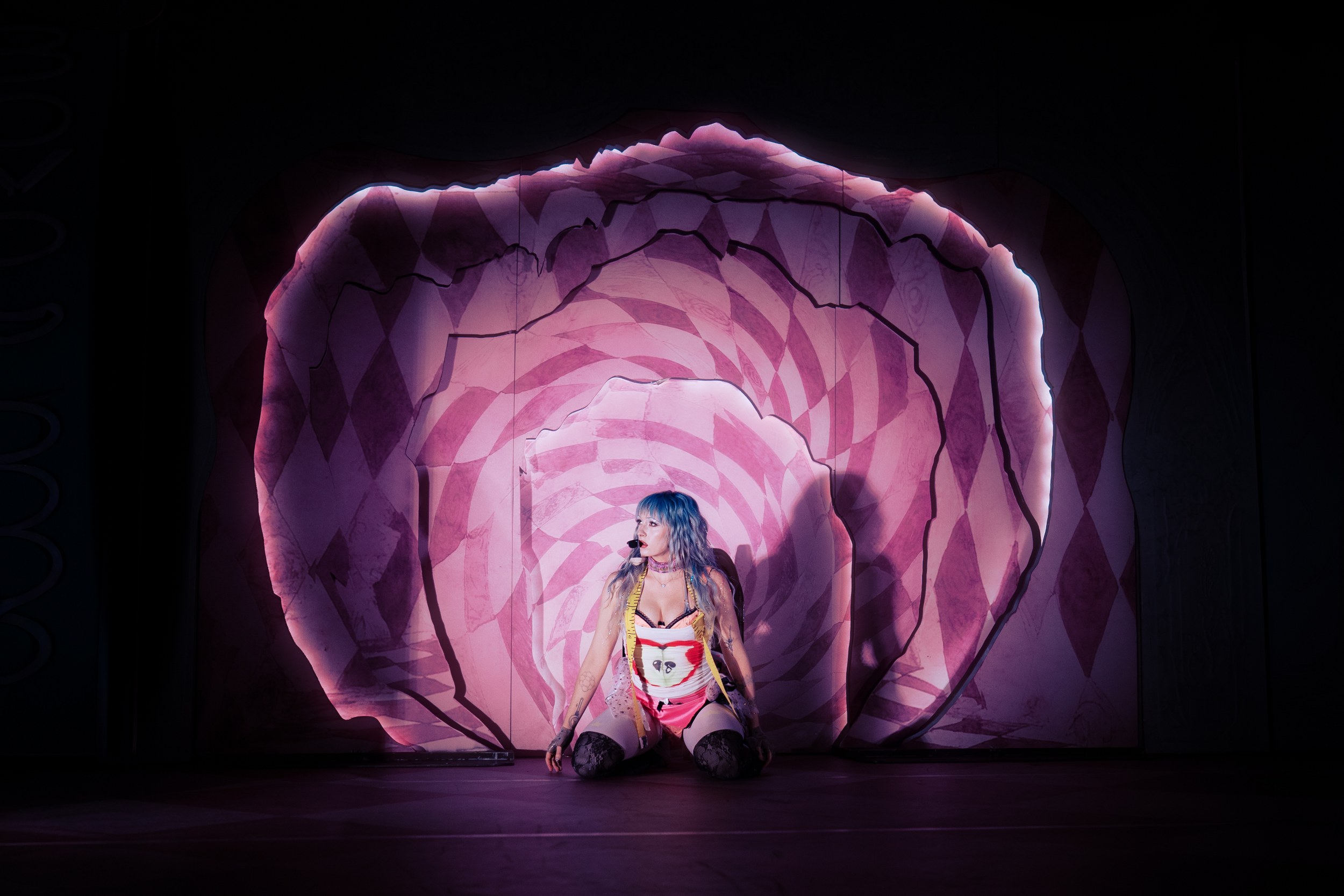
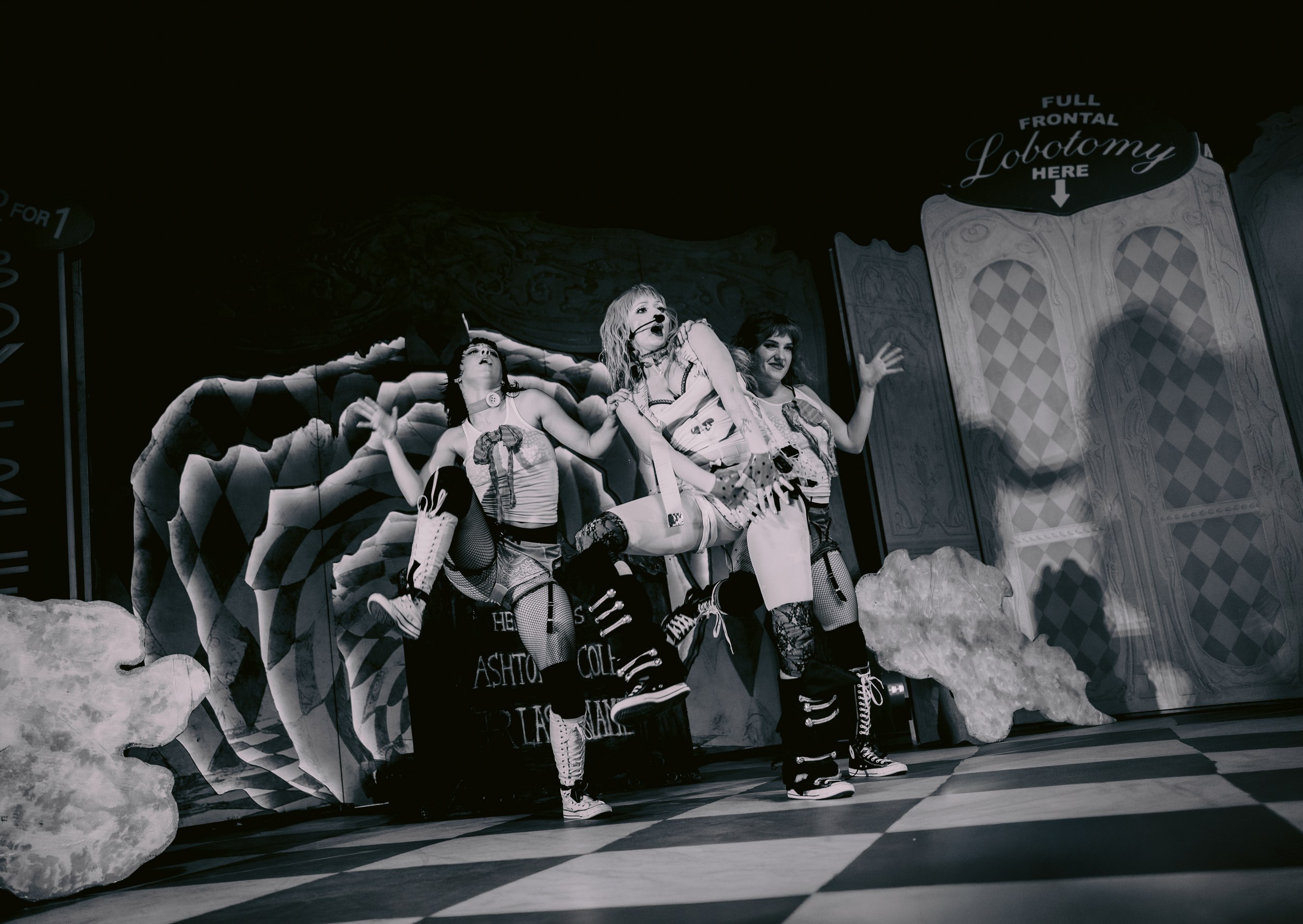
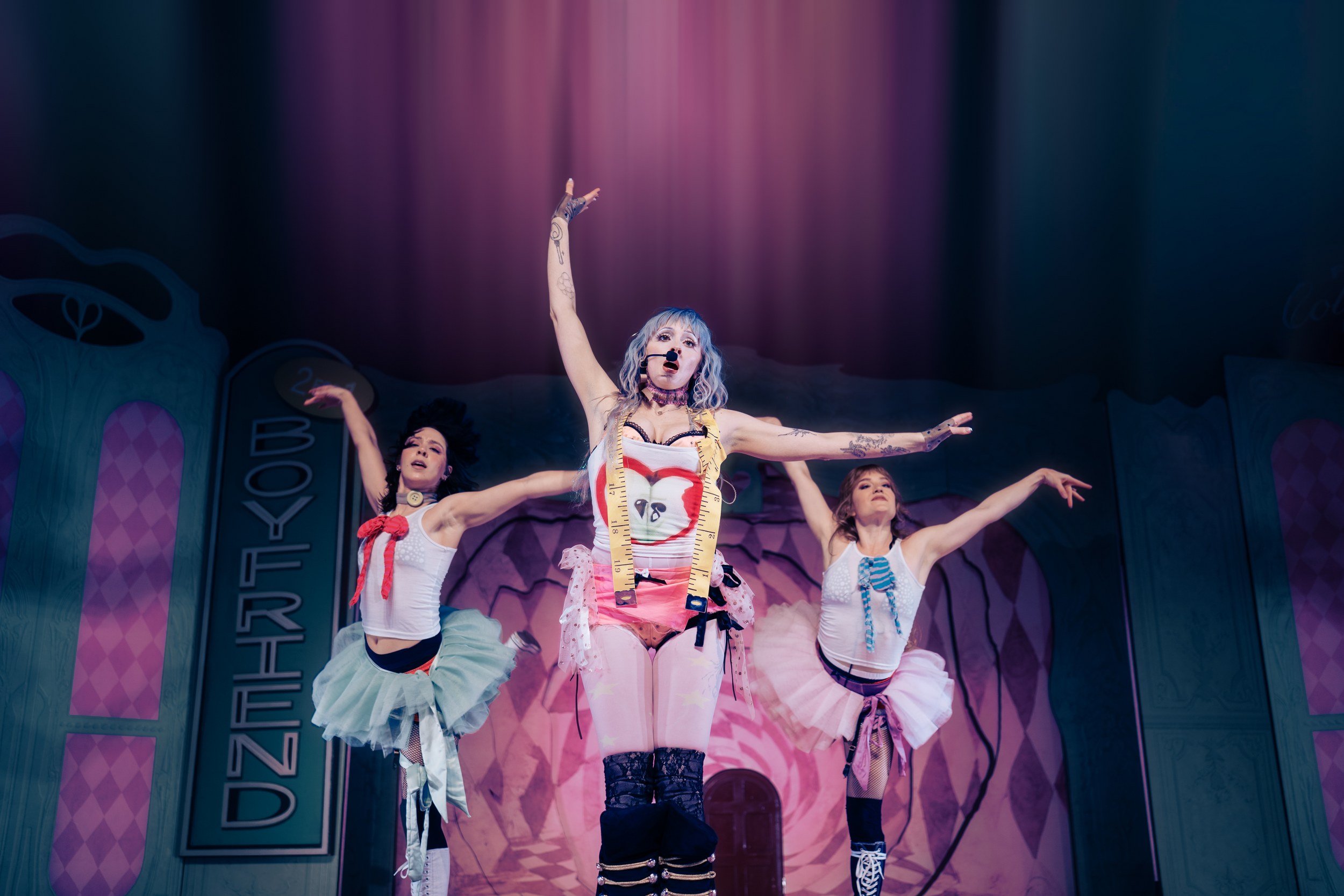
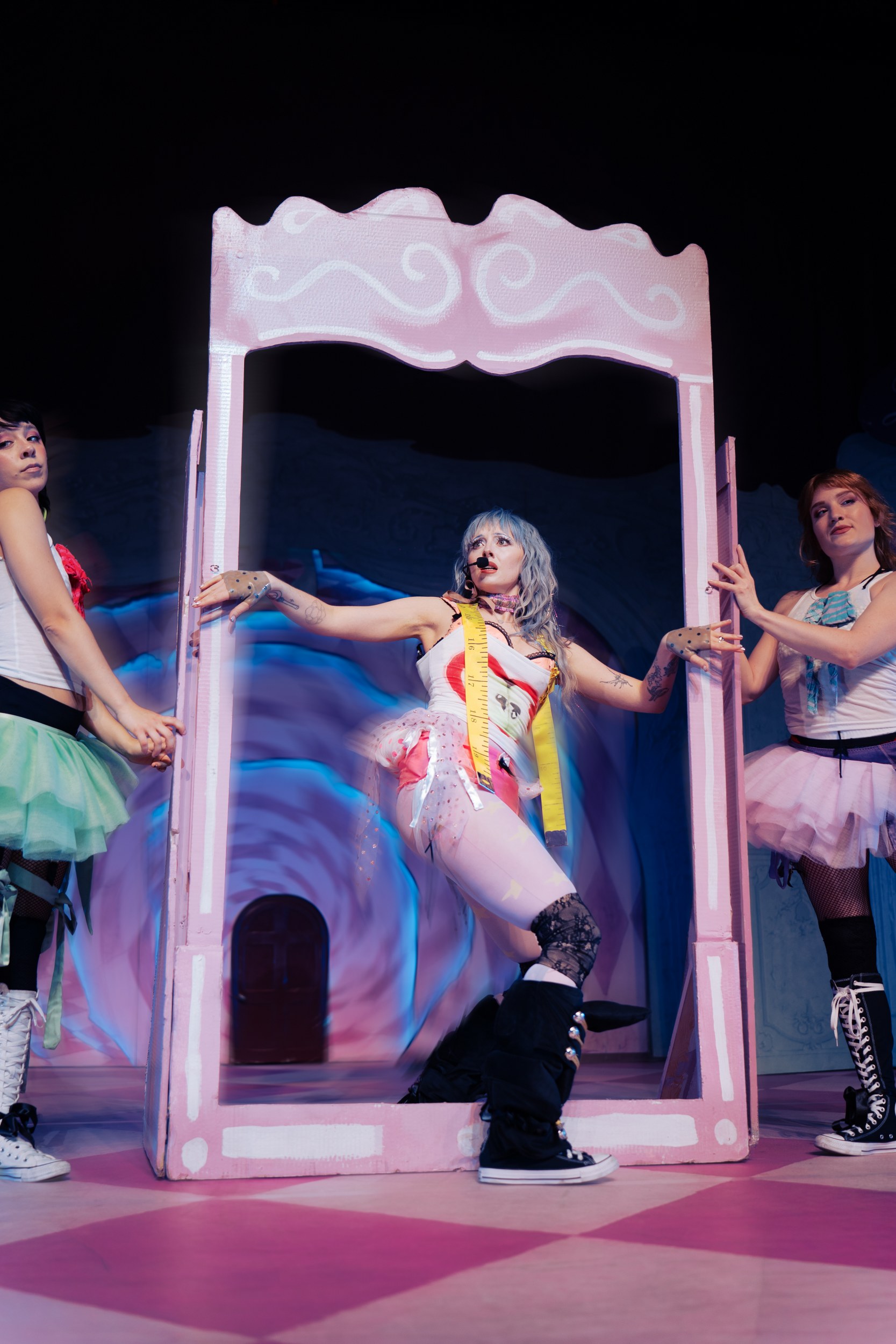
There is always a specific type of magic that occurs when an artist decides to turn a concert into a sleepover with her best friends. To close out the North American leg of her Smoochies world tour, Ashnikko brought a fever-dream enthusiasm to MTELUS on May 18th. Set to a glowing pink grotto with a sign promising boyfriends at a two-for-one discount, she encapsulates a haven for the weird girls, envisioning an enchanted dreamscape at the bottom of her purse where the only convincing acts of bravery are those of self-expression.
Few artists are able to commit to a bit as well as Ashnikko. She is a character lost in her own whimsical crisis, perpetually losing her imaginary mind over missing tubes of lip gloss. Opening the night with a monologue where she frantically dug through her purse, Ashnikko set the tone for the night, crafting a classic Alice in Wonderland narrative where she would stumble upon all sorts of trinkets after falling down the rabbit hole of girlhood.
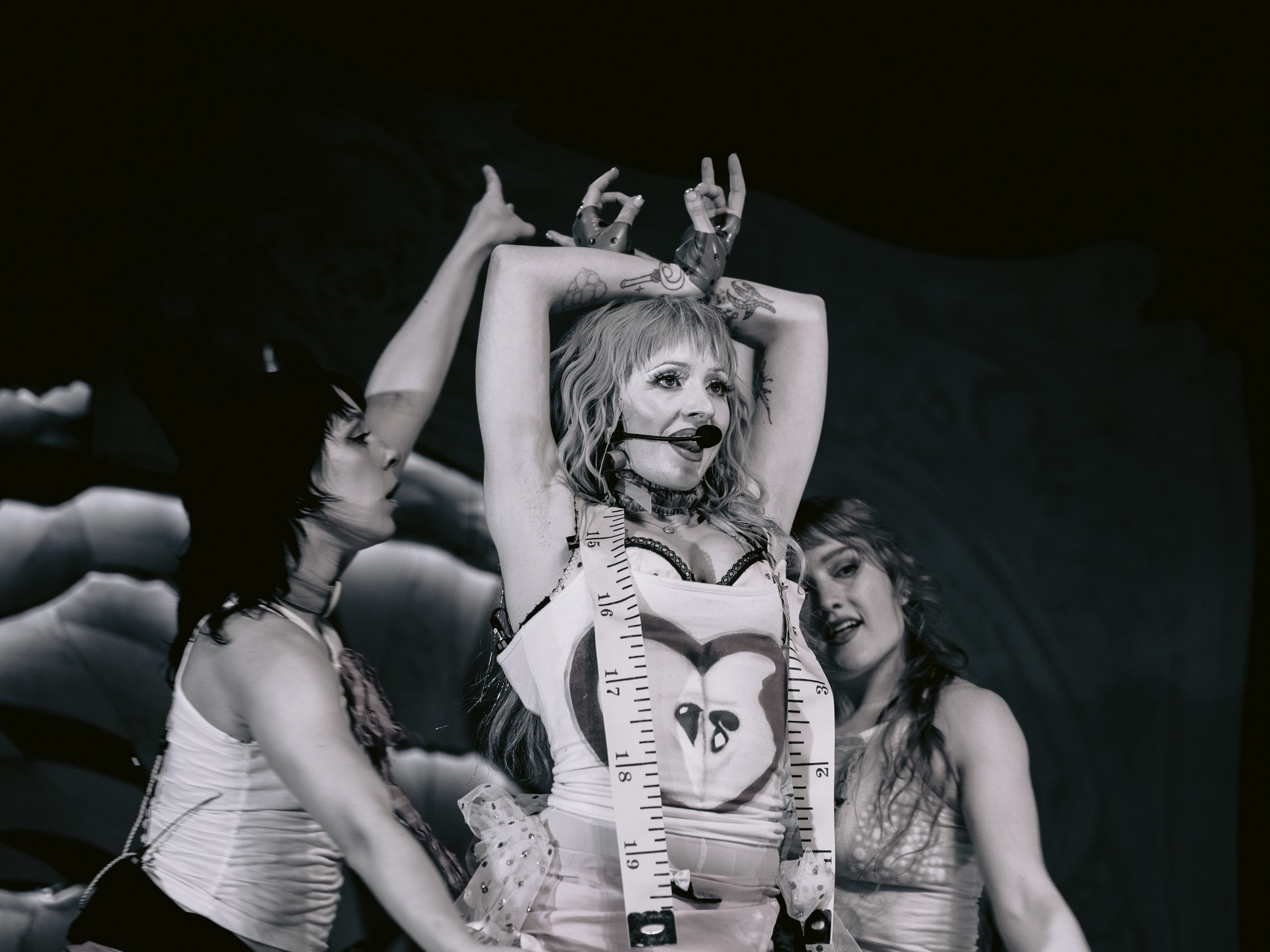
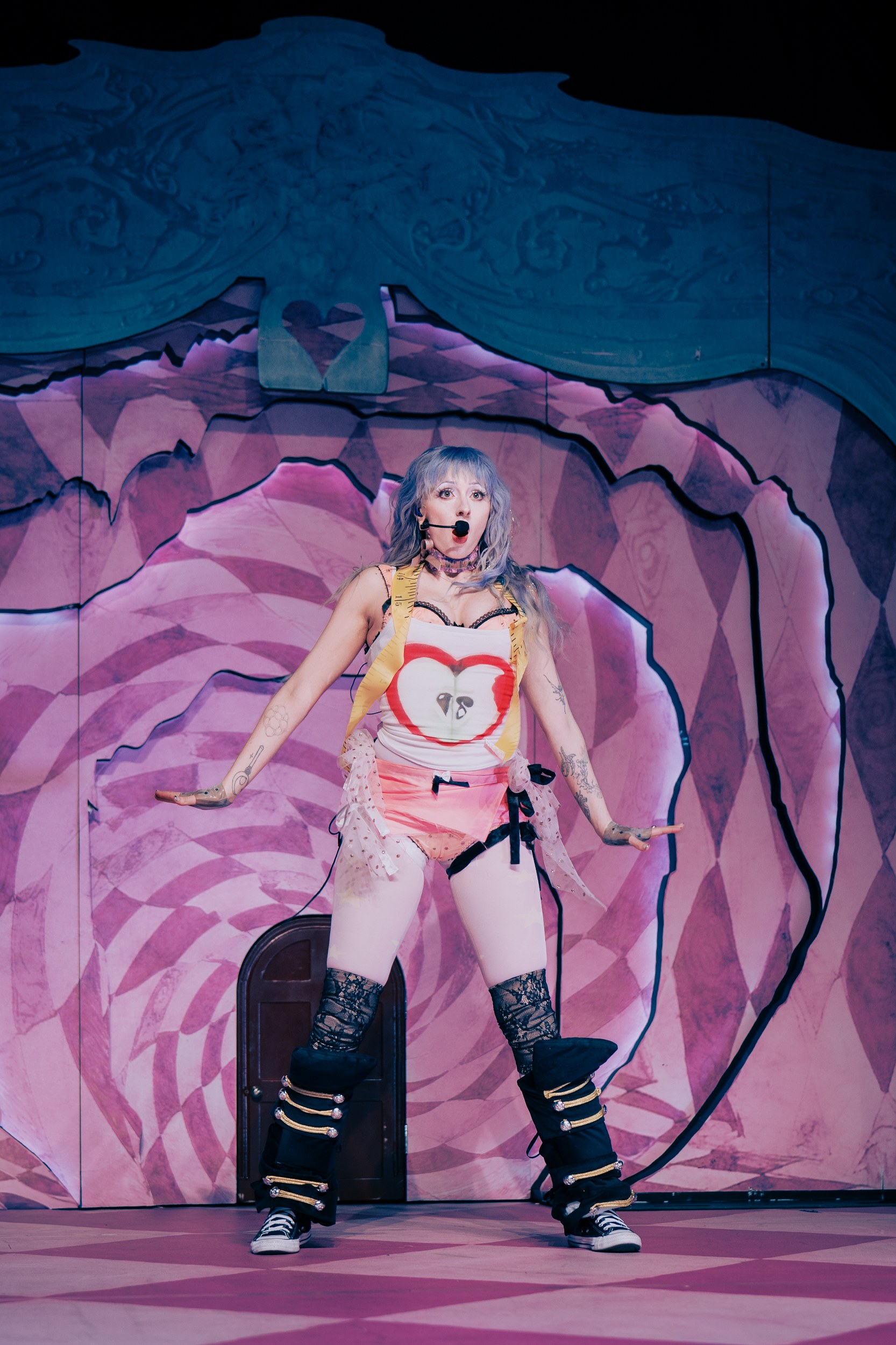
She emerged centre stage in a bright apple-print graphic tee, tailor’s measuring tape draped like jewelry, fingerless gloves and scuffed Converses which grounded her in a punk attitude. To the tune of “Sticky Fingers,” her corps de balllet moved with the stiff repetitive charms of wind-up toys to briefly perform the Danse des petits cygnes choreography from Tchaikovsky’s Swan Lake—a reference to the line “Nutcracker, I’m Tchaikovsky.” Ashnikko collapsed high culture into bedroom-performance theatrics to find a perfect middleground between parody and homage.
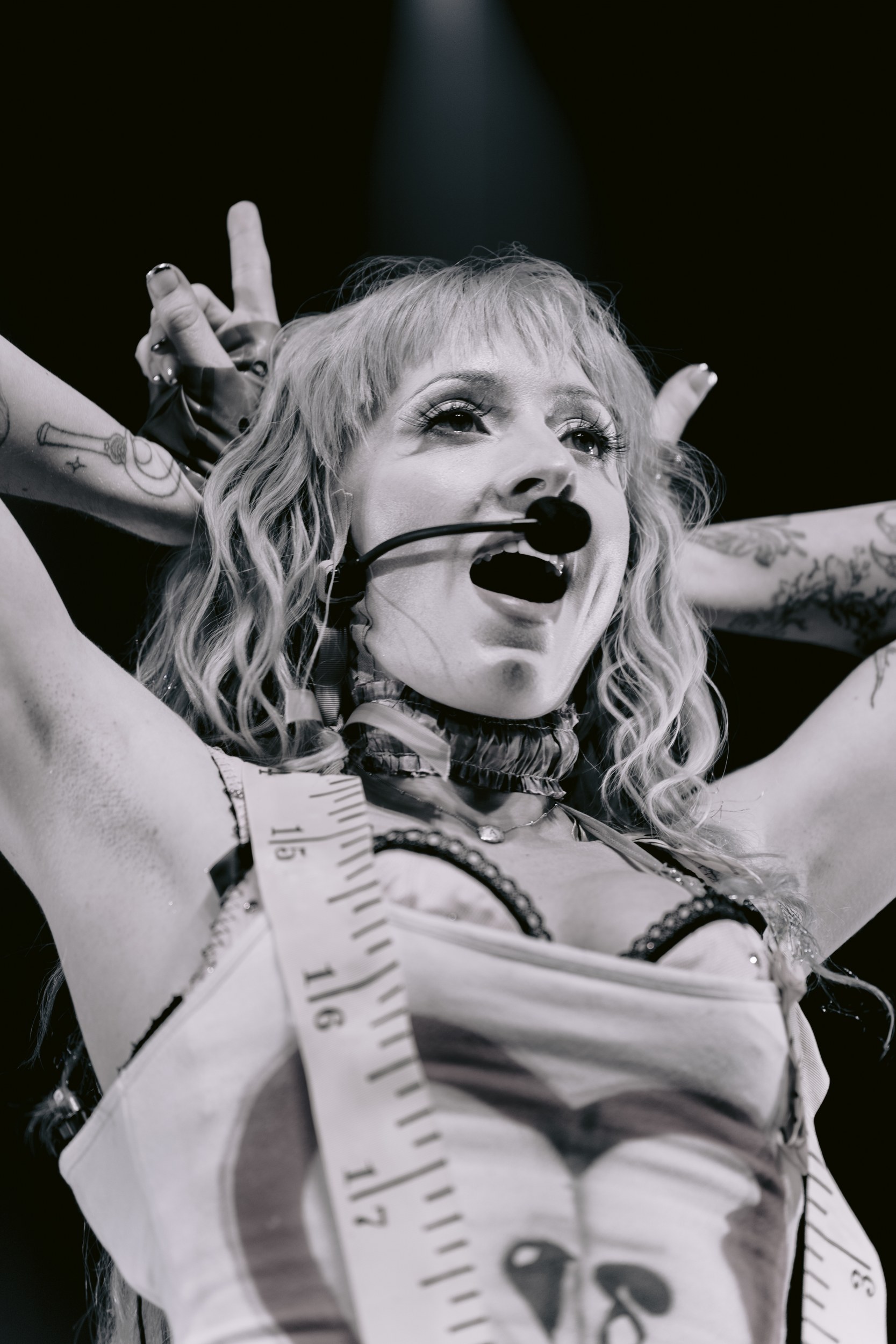
The night had been full of audience interaction, imbuing the theatre with an intimacy that stretched far beyond the stage. On the subject of creating music, Ashnikko indulged the crowd, remarking that “at the core of music making is just having fun with the girls.” Here is Ashnikko at her core, an artist who doesn’t take herself too seriously and is able to play with character and narrative through staging and production. In the song “Microplastics,” she went as far as to bring out a gravestone labelled “here lies Asthon Nicole ‘her last name,’” an ode to her former self—a playful burial of the person she was before she allowed herself to embrace absurdity.
Ashnikko was completely unafraid to draw up niche cultural references to give shape to her fantasy vision. In spirit of the Tiktok trinket trading trend, she allowed for a collection of fan gifts to the stage as “protectors of the stage” and encouraged audience members to make “cutie connections”—facilitating trinket trading amongst fans throughout the duration of the show. She had, perhaps unknowingly, brought upon a Montreal deluge of knitwork and craftsmanship. Pickles, ponies and an assortment of small toys made their way towards the front of the stage to form a patchwork accumulation of fanmade offerings which Ashnikko would remark upon as a sort of “friend worship.” All this to prelude the fan favourite song “Trinkets.” The dancers adorned crow masks—a reference to their propensity to collect small objects—and flapped their wings in tight synchronized bursts. Their bodies aligned into a shifting multi-limbed silhouette that briefly created the illusion of a single creature composed of many moving parts. In this sense, Ashnikko reimagines digital culture as folklore: internet rituals of collecting and gifting which are at the core of internet communities and their communal mythmaking practices.
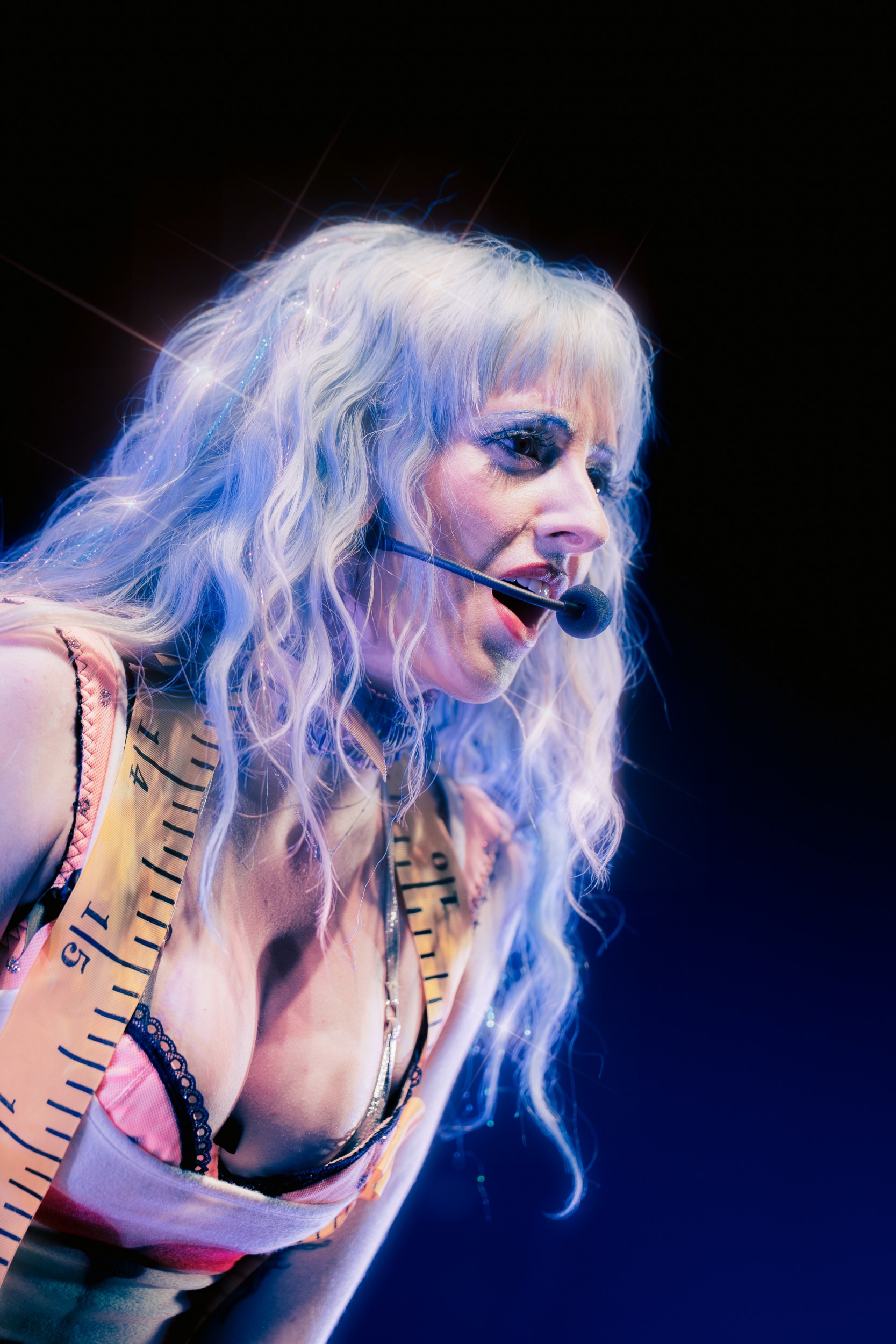
The crow embodied a Cheshire cat archetype, offering artistic guidance and promises of change. “Step into my chrysalis […] we’re going to be reborn. You can be whoever you want to be.” The crow, alluding to Elsa Schiaparelli and Salvador Dali’s infamous 1937 surrealist shoe-hat design, asked: “Do you want to wear a shoe for a hat? A teapot? A fish?” As the dancers conjured up cardboard cutouts of the objects, the stage dissolved into a game of absurdist dress-up, an exercise in imaginative play and infinitely entertaining for the audience fully adorned in their eccentric handmade hats. The most striking of which would eventually be brought on stage and crowned the “Smoochie of Montreal.”
The night then shifted into something unexpectedly personal through Ashnikko’s intro to “It Girl.” Written for her mother, the song mused upon the restrictive demands that are placed on women as protectors of society. “I’m so much more than how I can prop up the egos of the men in [my] family […] my mom is so much more than that.” She spoke of the song as something “to heal [her] lineage.” Reflecting on the anger that fueled much of her earlier work, she argued that hope persisted in people’s instinctive urge to love and protect one another but simultaneously that it should not come at the cost of a woman’s personhood. This tension materialized in the staging of the song, in which Ashnikko would reenact a metaphoric strangling of the “It Girl”—not as a rejection of femininity but as a direct confrontation with the harsh, idealized standards of desirability and self-sacrifice that make up performative womanhood.
The Smoochies Tour brought together some of the most clever minds of stagecraft and music production, spearheaded by Ashnikko, to formulate a fully envisioned musical adventure. As a vibrant reimagining of fairytale tropes into a meaningful narrative, Ashnikko is at her best when she is orchestrating the kinds of everyday magic she alone seems capable of. “There is no expiration date on being a curious person. I will be a child until the day I die,” Ashnikko noted. It was curiosity, after all, that led her to the bottom of that purse.