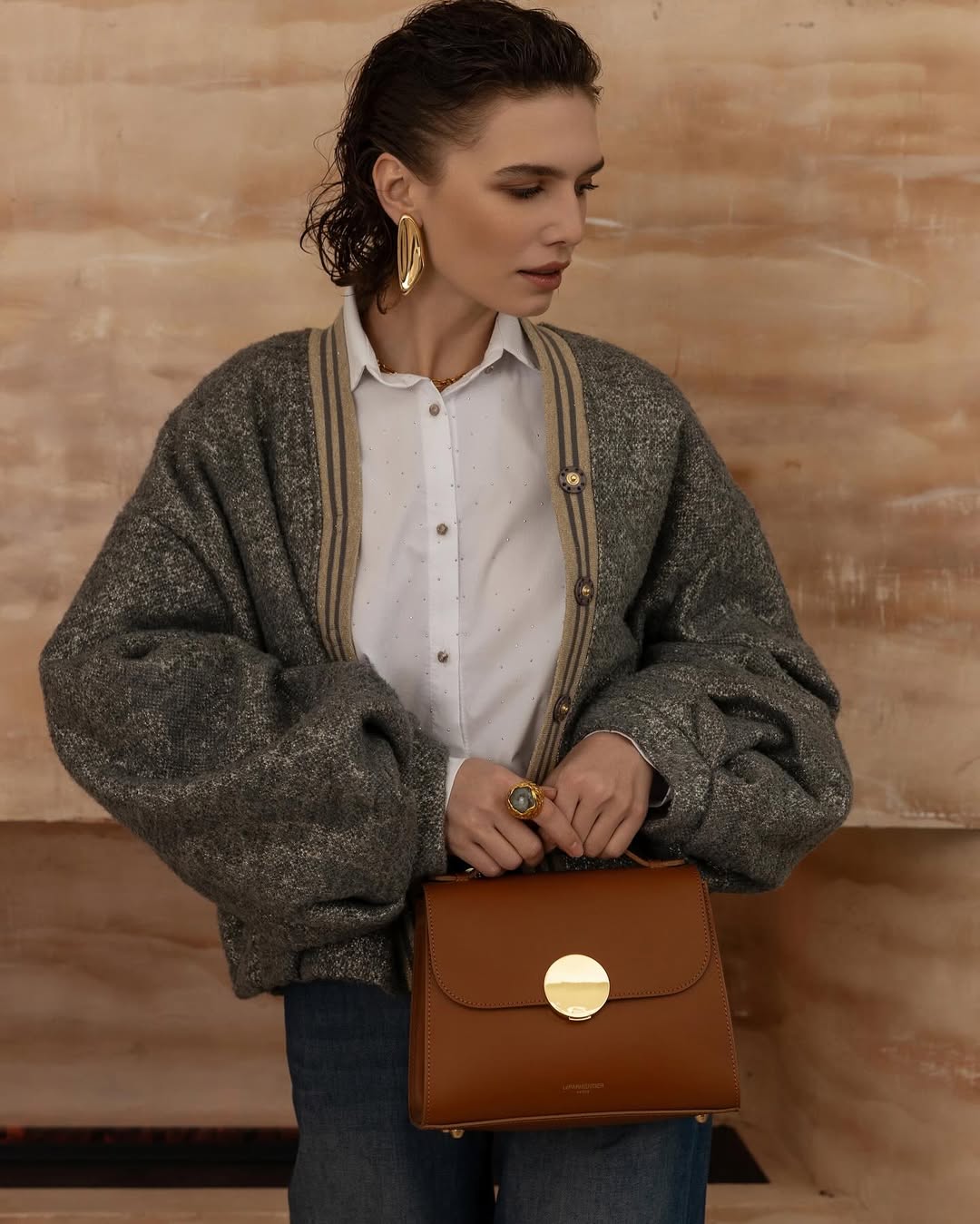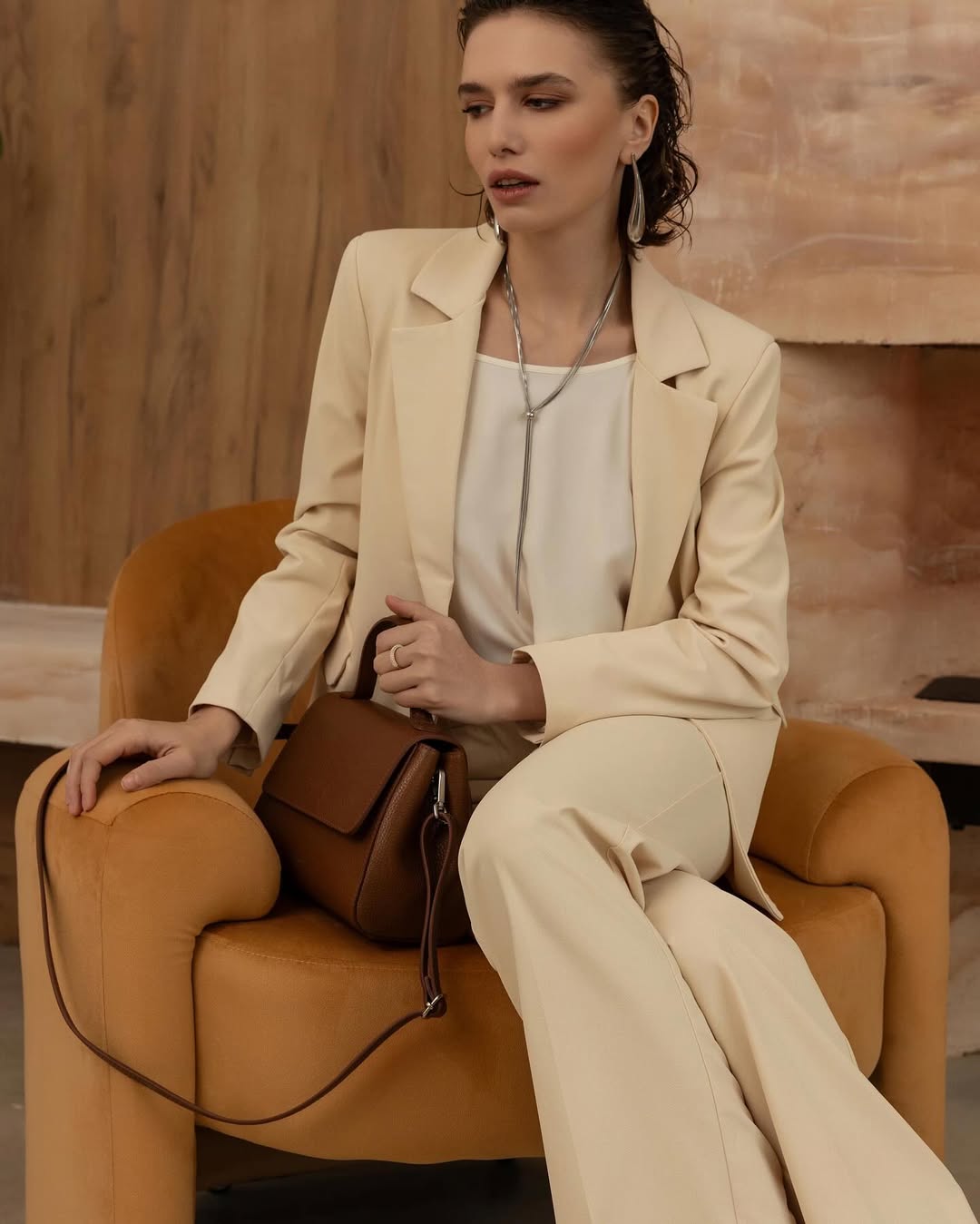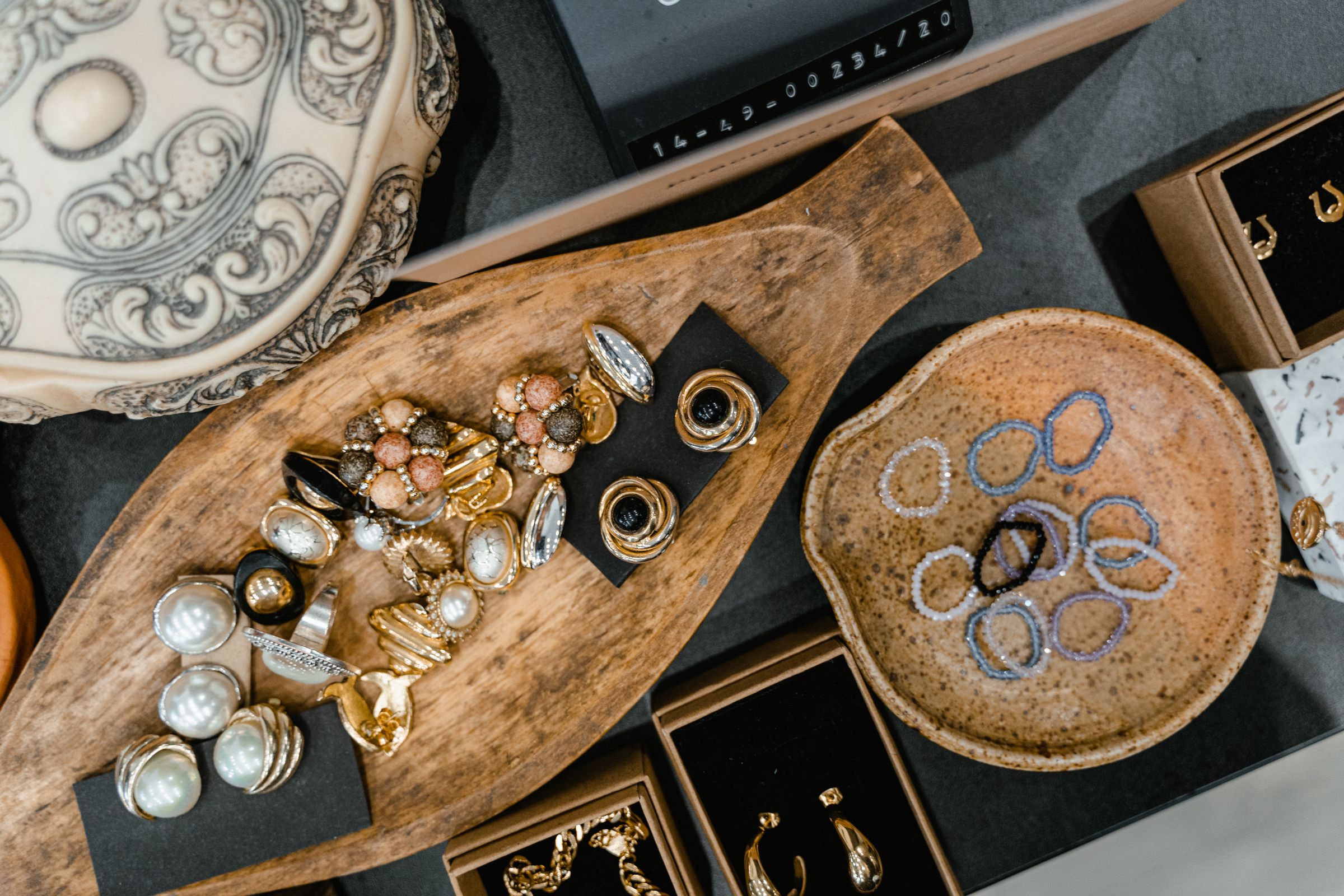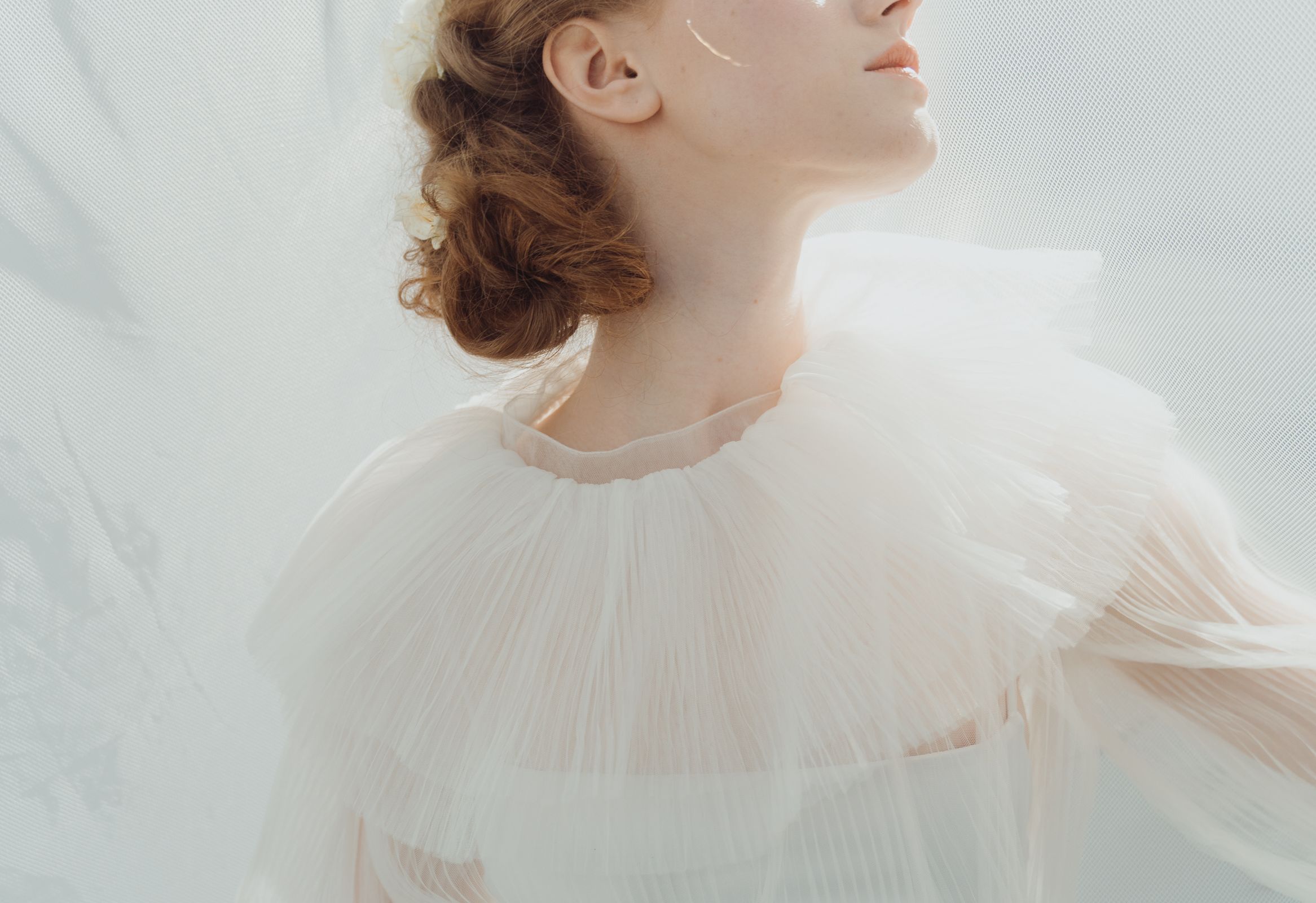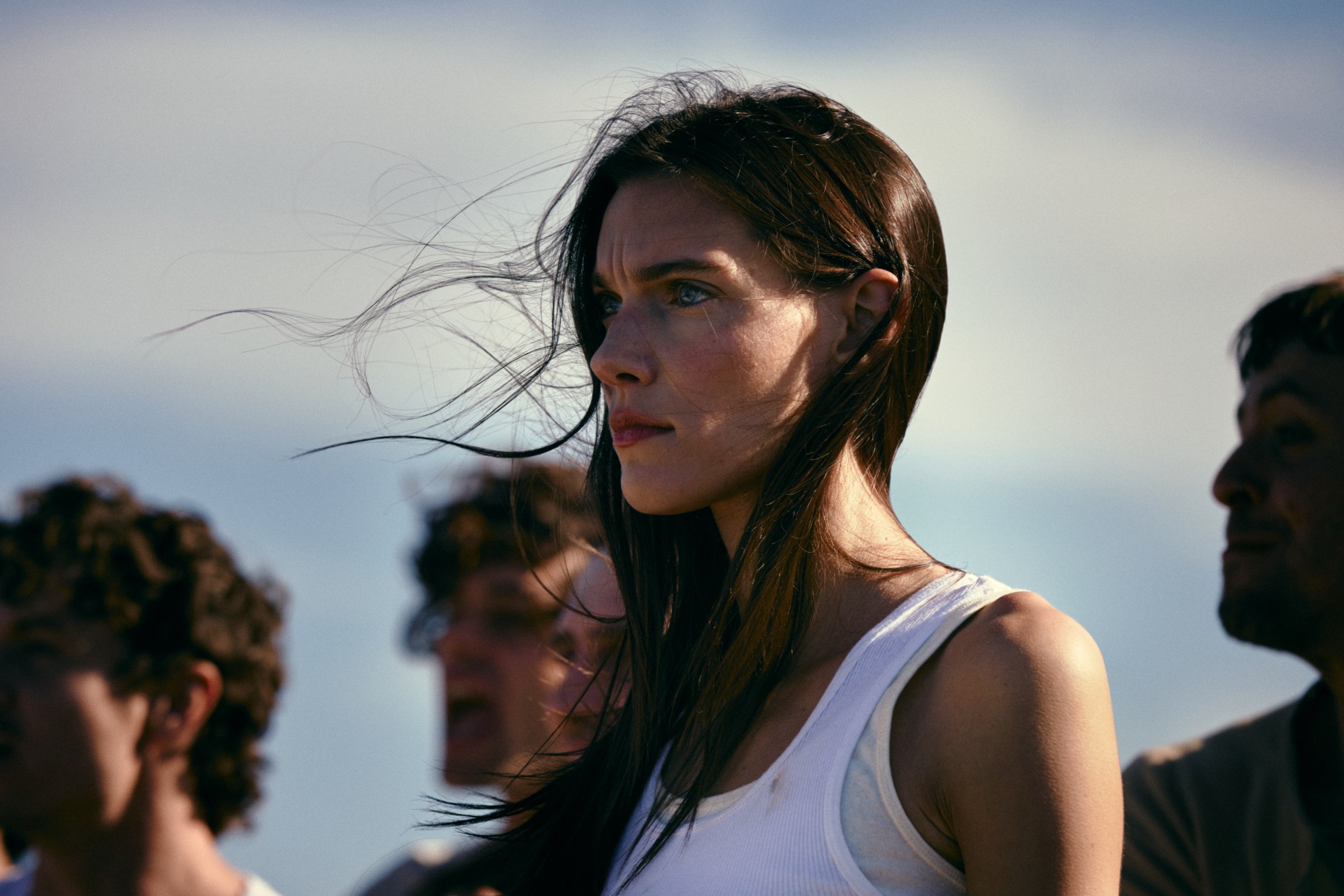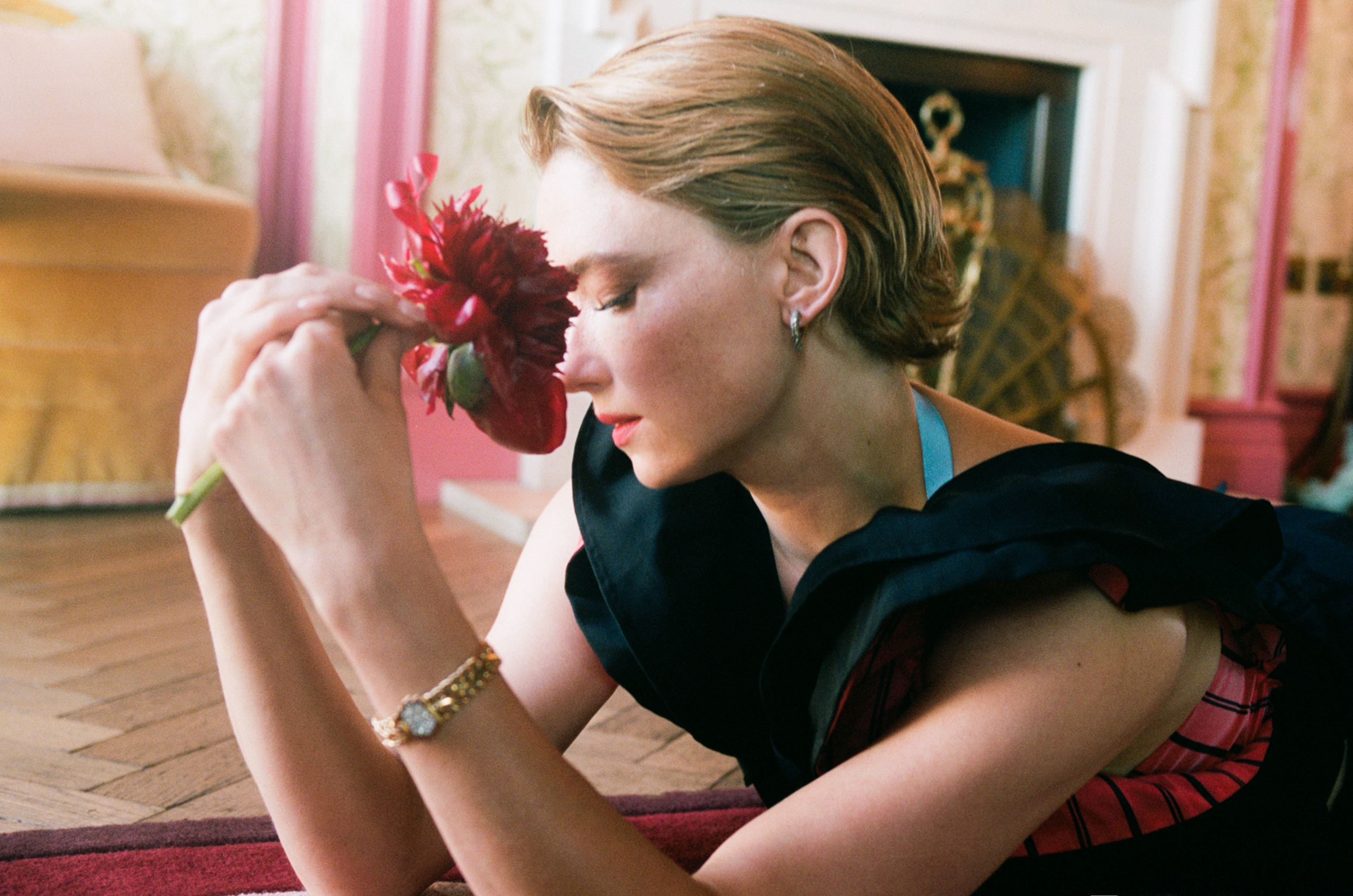
There is a particular kind of education that comes from generational and family-owned businesses. Alessandro Forzieri and his brother Andrea got theirs at Forzieri, their family’s multi-brand fashion platform in Florence, where for years they moved between the showrooms of Milan and Paris and the workshops behind them, buying and selling more than 180 international houses. It is not the typical origin story for a leather goods label, no design-school beginnings, no runway apprenticeship, and it shows in the brand the brothers eventually built. LeParmentier, founded in 2016 by the brothers.
“Through Forzieri we were in showrooms every season, and we were also in the workshops,” Alessandro says. “So we knew both ends of the equation: what a bag cost to make, and what it sold for. And the gap was frequently indefensible. We would handle a bag priced at €1800 and know, because we knew the tannery and we knew the construction, that the leather in it was not €1800 leather. What you were paying for was the logo on the front and the campaign shot behind it.“
That gap is the real founding story of LeParmentier; not a moment of inspiration, but a slow accumulation of evidence. “There wasn’t a single moment,” Alessandro explains. “There was an arithmetic problem we couldn’t stop seeing.” The brothers had spent years handling both the finished product and its raw materials, which meant they knew, more precisely than most people in fashion ever do, exactly where a bag’s price stopped reflecting its construction and started reflecting its marketing. “That’s the frustration,” he says. “Not that luxury is expensive; good leather is expensive. It’s that the price had detached from the object.“
An Apartment on Avenue Parmentier
The brand’s name suggests an invented Parisian elegance, the kind of gesture Italian labels sometimes make toward French chic. When the Forzieri brothers travelled to Paris each season for the family business, they always stayed in the same flat in the 11th arrondissement, a short walk from the Parmentier métro stop. “It was not a glamorous arrangement,” Alessandro recalls. “Cold mornings, coffee standing at the counter downstairs, then out, down Avenue Parmentier and across the city to the showrooms of the French houses, to spend the day handling leather we couldn’t stop taking apart in our heads.”
It was on those walks, he says, that the brand was effectively argued into existence. The two of them thinking aloud about the gap between cost and price, about the houses they admired and the ones they didn’t, about what they would do differently. When it came time to name the company, they took the name of the street they had walked a hundred times on their way to look at bags. “It’s a bridge,” Alessandro says, “the Parisian eye, the Florentine hand. That’s still exactly what the brand is.”
What Forzieri Taught Them
If the name captures the brand’s sensibility, its rigor comes from somewhere less romantic: years spent in the family business developing what Alessandro calls, simply, an eye. “When you sell hundreds of brands, you stop being seduced,” he says. “You learn to turn a bag inside out, to read an edge-paint job, to feel whether a lining is doing structural work or just hiding a mess, to know within about four seconds whether a piece will still look good in five years or fall apart in two seasons.” Just as important, he adds, was learning “what customers actually buy, as opposed to what the industry tells itself they buy.“
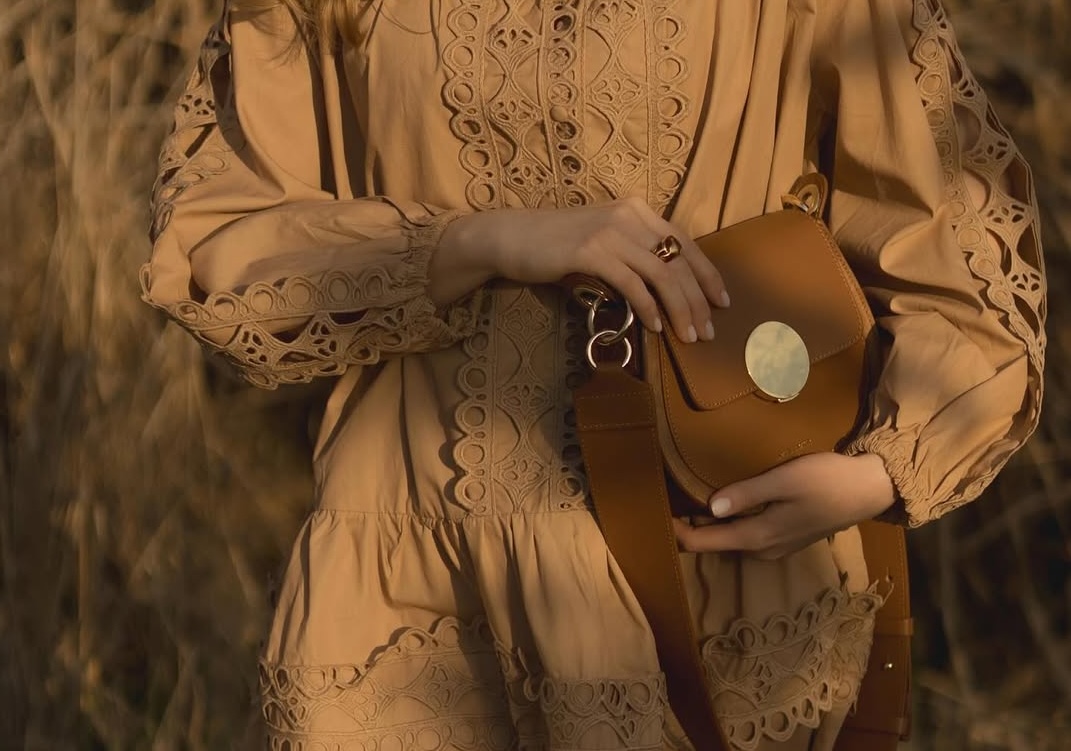
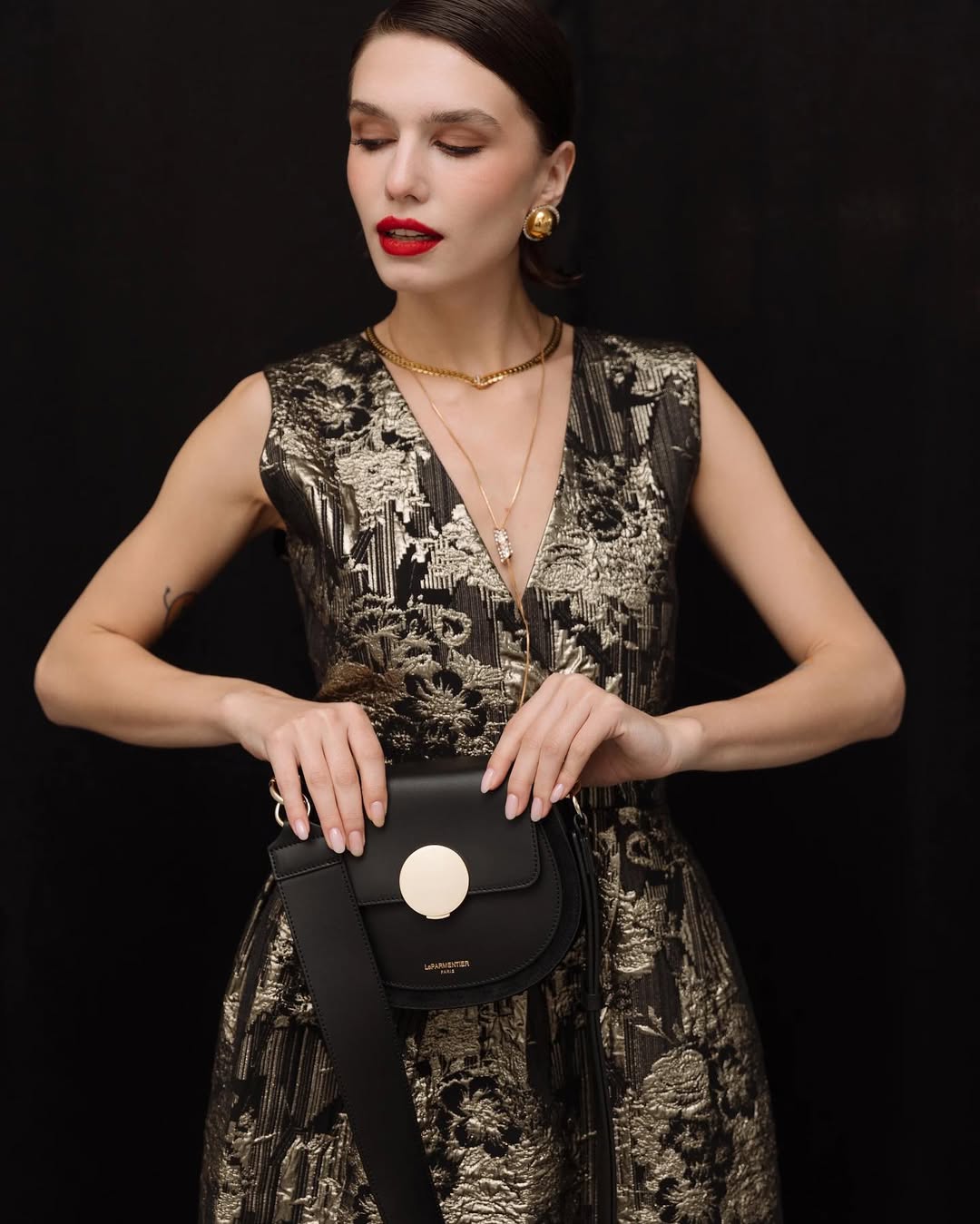
That combination is a trained, almost forensic sense of construction quality, paired with a clear-eyed read on what a customer actually wants from a bag. It became the foundation of LeParmentier’s original pitch: build the object properly, and price it honestly. The house debuted in 2016 with three models, Agave, Thaïs and Yucca, priced between roughly €200 and €350, using Italian calf leather and Florentine construction that Alessandro maintains is genuinely comparable to bags selling for four or five times as much. It was, in effect, an attempt to close the very gap that had bothered the brothers for years.
Sourcing Italian Leather: How LeParmentier Built Tannery Relationships
None of this was possible on ambition alone. High-grade Italian leather is not simply available to whoever wants to buy it; the best tanneries work with minimum orders that make sense for established houses, not new ones. Alessandro is unsentimental about how LeParmentier got its start. “The romantic version is that you walk into a Tuscan tannery and they hand you the good hides,” he says. “The real version is that the best tanneries have minimum orders, and a new brand ordering 20 square metres of quality calf leather is not a customer they need.“
What made the first collection possible, he says, was relationships rather than leverage: “Our first collection existed because people who had known our family for twenty years agreed to run small lots for us. That’s not a strategy; that’s goodwill, and goodwill has a ceiling.“
That ceiling is part of why LeParmentier looks different today than it did in its earliest seasons. The brand is now owned by an Italian group with decades of experience manufacturing at the top level of European luxury, and creative direction sits with that group’s in-house design team rather than with Alessandro directly. Andrea, meanwhile, has moved on to other projects. It would be easy for a founder to gloss over that kind of transition; Alessandro instead describes it as the point at which the brand’s original idea acquired the infrastructure to fully realize itself. “LeParmentier no longer has to ask,” he says of the group’s standing in the leather market. “It’s part of a group that has been buying at the top of the Italian leather market for decades, with the volume, the technical knowledge and the tannery relationships that come with that. The brand didn’t earn that access so much as inherit it, and I’d rather say so plainly than pretend otherwise. It’s the single biggest reason the product today is better than what we were able to ship in the early years.“
Inside the Workshop
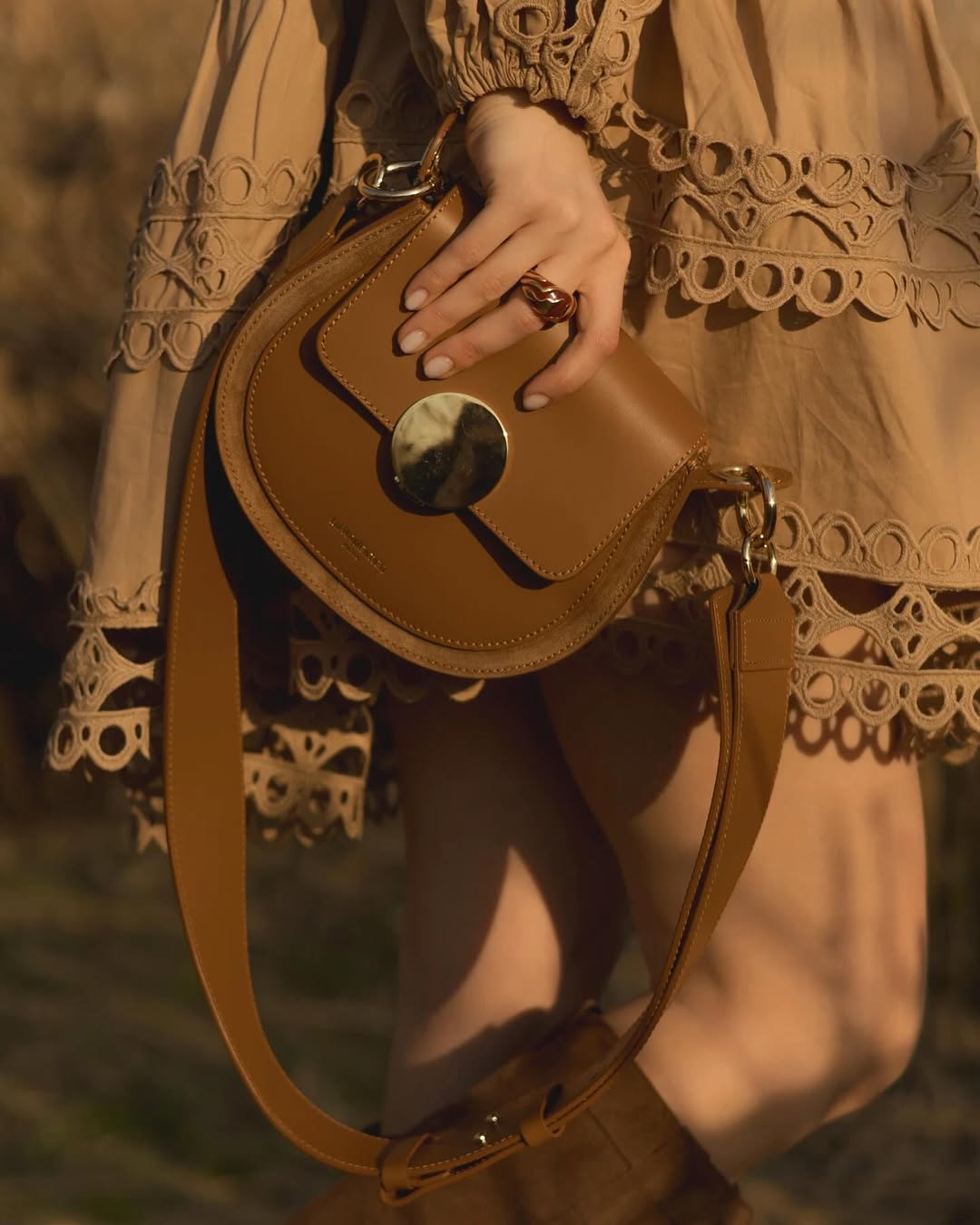
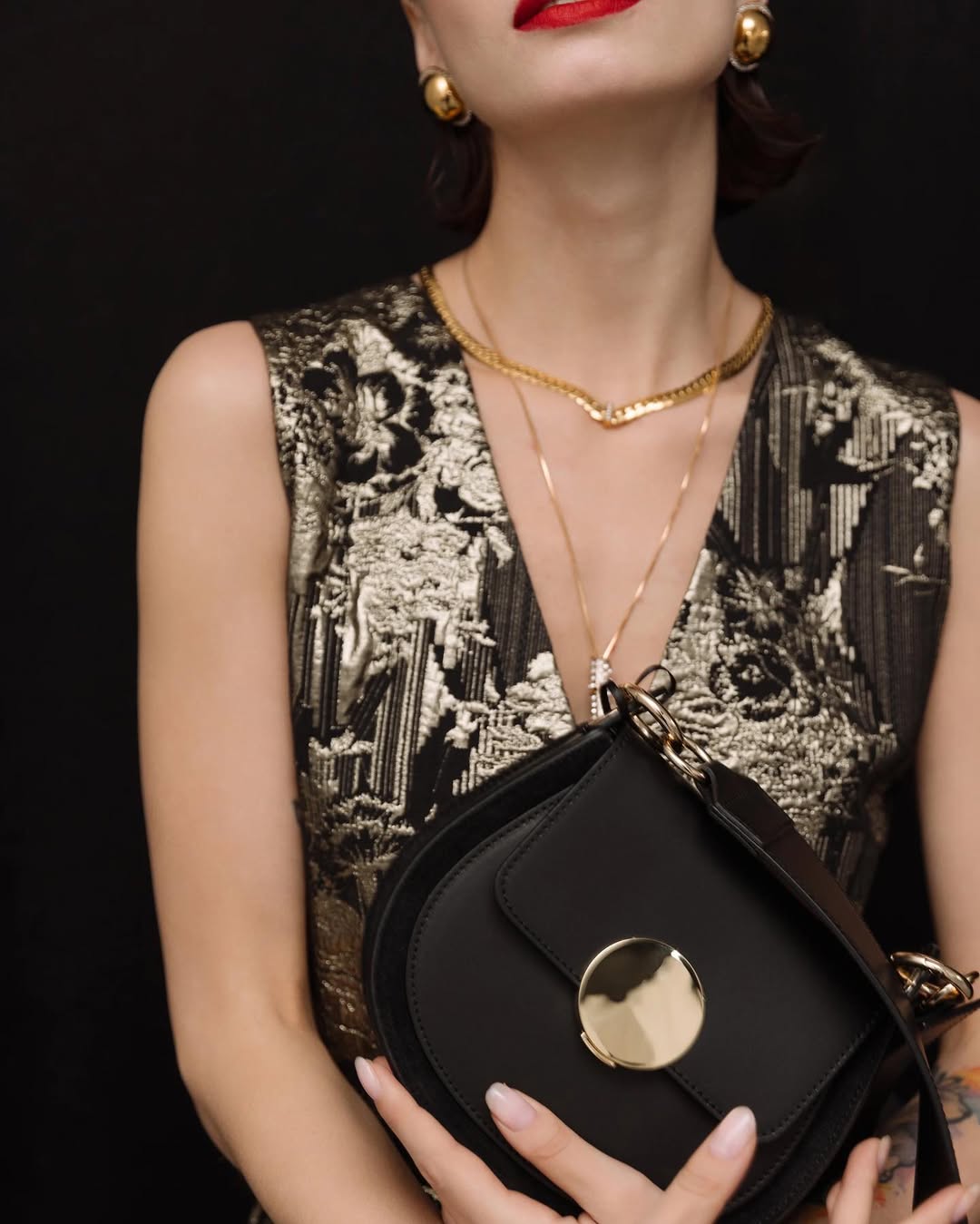
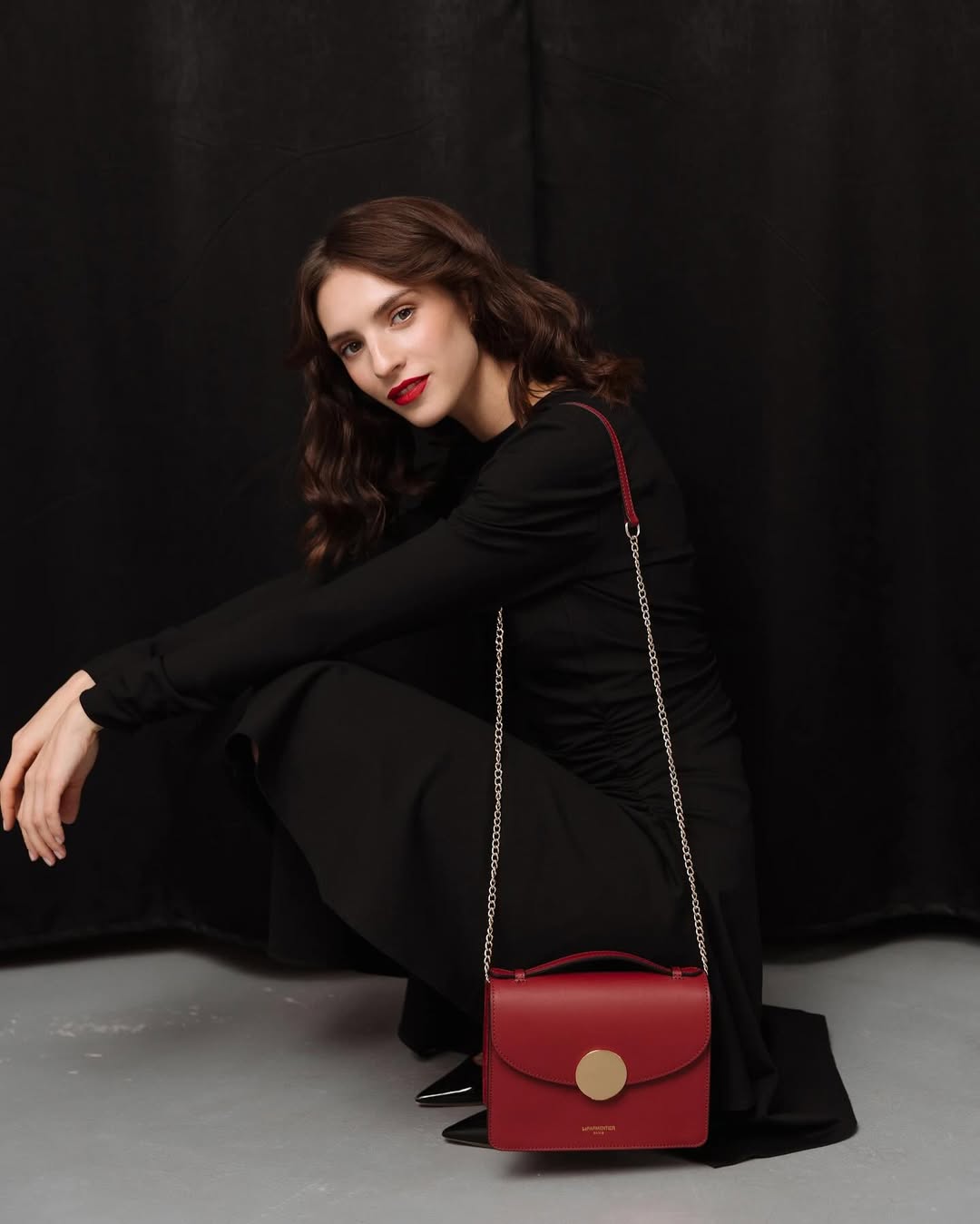
The clearest evidence of that improvement is in the construction itself, all of it still done in Florence and the valley surrounding it – the same concentrated pocket of Tuscany that produces a large share of the world’s luxury leather goods, regardless of whose name ends up on the finished product. Alessandro points to the Yucca, the piece most closely associated with the brand, as a case study in how much invisible decision-making goes into what looks, from the outside, like a simple object.
It starts with hide selection, a stage that sounds procedural but isn’t. A single calf skin contains regions of markedly different quality, and where a pattern piece is cut from that hide determines whether the finished bag holds its shape after three years of use or begins to sag within one. From there, the leather is cut and skived, its edges painted and dried in careful layers, before the bag is assembled and finished largely by hand. Thirteen separate pieces, roughly three hours of labor, before hardware chosen for its hypoallergenic quality and a durable, easy-care synthetic lining complete the piece.
There is also a less obvious inheritance at work. The group now behind LeParmentier built its reputation in high-end outerwear; coats and tailoring, where structure has to be flawless and completely invisible to the wearer. According to Alessandro, that discipline transfers directly into bag-making in ways that are hard to fake. “The internal architecture of the current bags, the way they hold their form under weight, comes from a manufacturing mind,” he says. “It’s a kind of expertise you can’t buy in as a service. You either have it in the building or you don’t.“
A Deliberately Small Footprint
LeParmentier’s approach to selling its bags is as calculated as the way it makes them. The brand’s center of gravity remains direct-to-consumer, sold primarily through its own site, supplemented by a small, carefully chosen set of marketplaces and boutiques; the United States has emerged as its strongest market by a clear margin. What the house has consistently avoided is the seasonal choreography that defines most of the industry, the drops, the recurring markdowns, the sense of manufactured urgency. “A brand that puts a bag on sale four times a year is telling you exactly what it thinks the bag is worth,” Alessandro says. Collections at LeParmentier are built to remain in the line for years rather than a single season.
Under its current ownership, Alessandro says that philosophy is being pursued with more discipline than the brand’s founders were able to manage on their own… A smaller, more tightly edited catalogue, and plans for physical flagship retail. “Editing is the hardest discipline in this business,” he says. “It costs you revenue in the short term, every single time. And it’s being applied properly now.”
What Comes Next
Asked about the next five years, Alessandro is candid that the answer is no longer entirely his to give, but he is clearly still invested in the outcome. “Andrea and I started something in 2016 with a strong idea and a small company,” he says. “Ideas are the cheap part. A house is built out of manufacturing, patience and capital.” The group that acquired LeParmentier, he argues, supplied all three, backed by decades of experience making product at the level where European luxury actually gets made.
“So the next five years look, to me, like the chapter where LeParmentier stops being a promising idea and becomes a house,” he says. “International growth, flagship stores, a tighter and more confident line. The same philosophy: no fast fashion, no discounting, no logo tax. But with the industrial depth to actually deliver on it, which is the part we were always missing.“
It is a rare thing for a founder to speak about his own creation moving on without him, and rarer still to do so without a trace of resentment. Alessandro seems entirely at peace with it. “It’s a better brand now than the one we built,” he says. “I say that with no bitterness at all. It’s precisely what you hope will happen to something you started.”
You can find LeParmentier on www.le-parmentier.com