As a part of his “Deadbeat” World Tour, Tame Impala brought an audiovisual triumph to the Bell Center on July 22nd. In a dazzling fusion of stagecraft, cutting-edge production design, and psychedelic rock, he transformed the arena into an immersive multimedia sensory experience. Equal parts electronic rave and theatrical production, the Montreal stop unfolded as a series of paradoxes: a synchronized lightshow right next to an intimate bedroom studio, a room full of strangers who, for one night, felt like your closest friends.
Text by Jamie Xie
Photos by Louis Alson
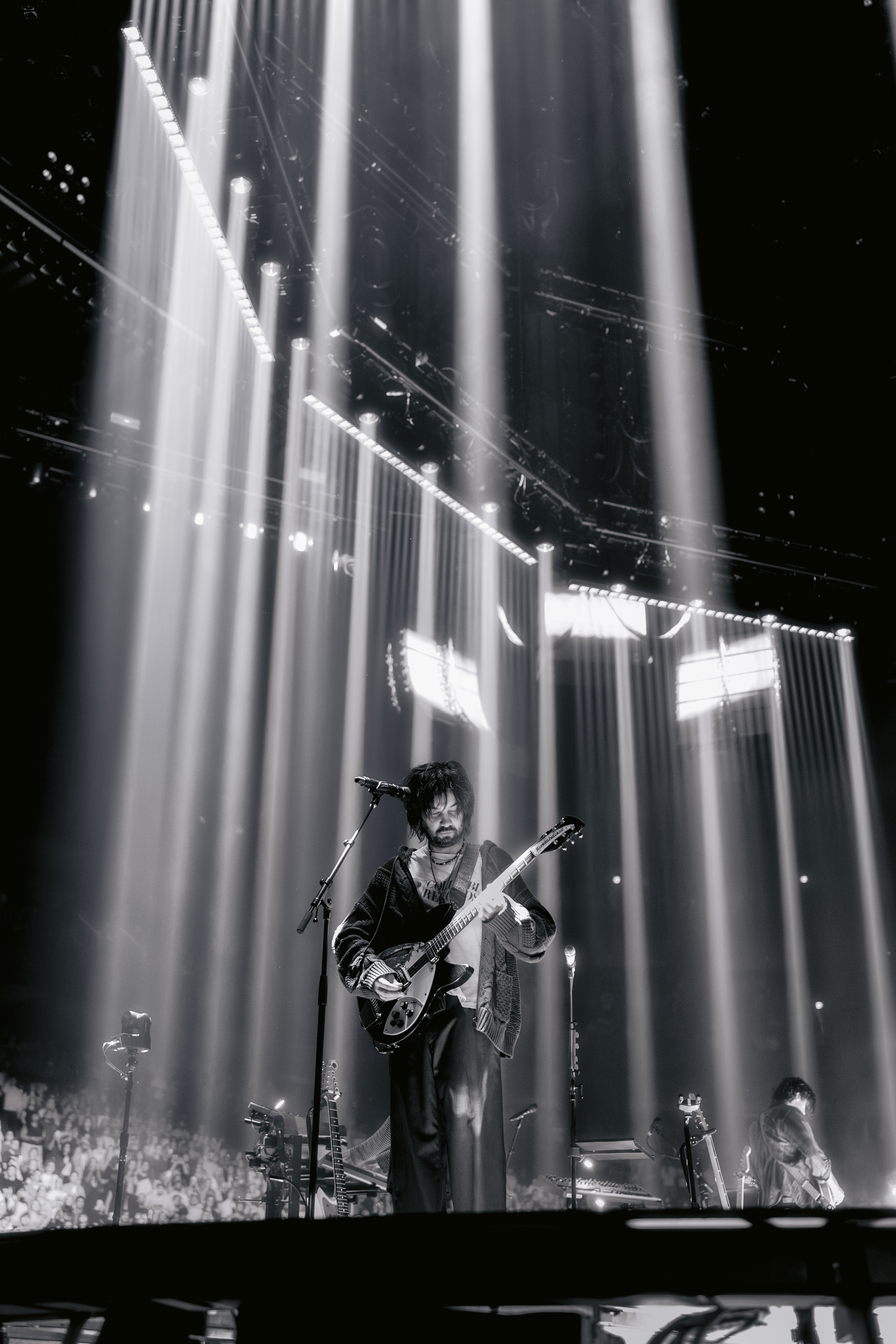
A concert is more than an opportunity to hear an album performed live; it’s a chance to step inside the world an artist has spent years building. Away from headphones and speakers, the songs come to life under the intended conditions the artist envisioned. In many ways, a live concert is a rare invitation to see the artist’s vision as they see it themselves, surrounded by the lighting, atmosphere, visuals and energy that they have carefully curated to shape the way their music is experienced.
If there ever was an artist who embodied this concept and pushed the infrastructure of the Bell Center to its technical limits, it surely would be Tame Impala.
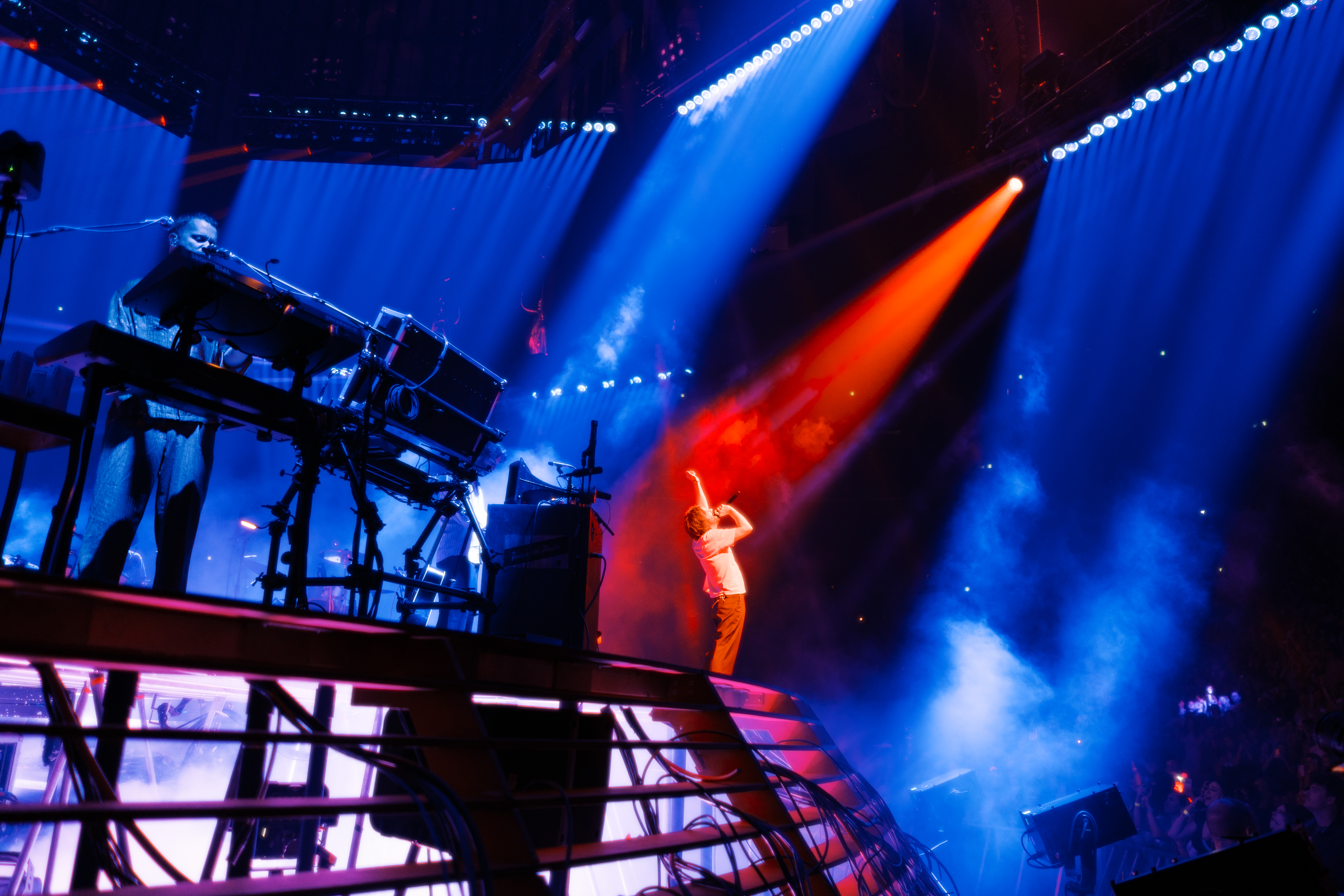
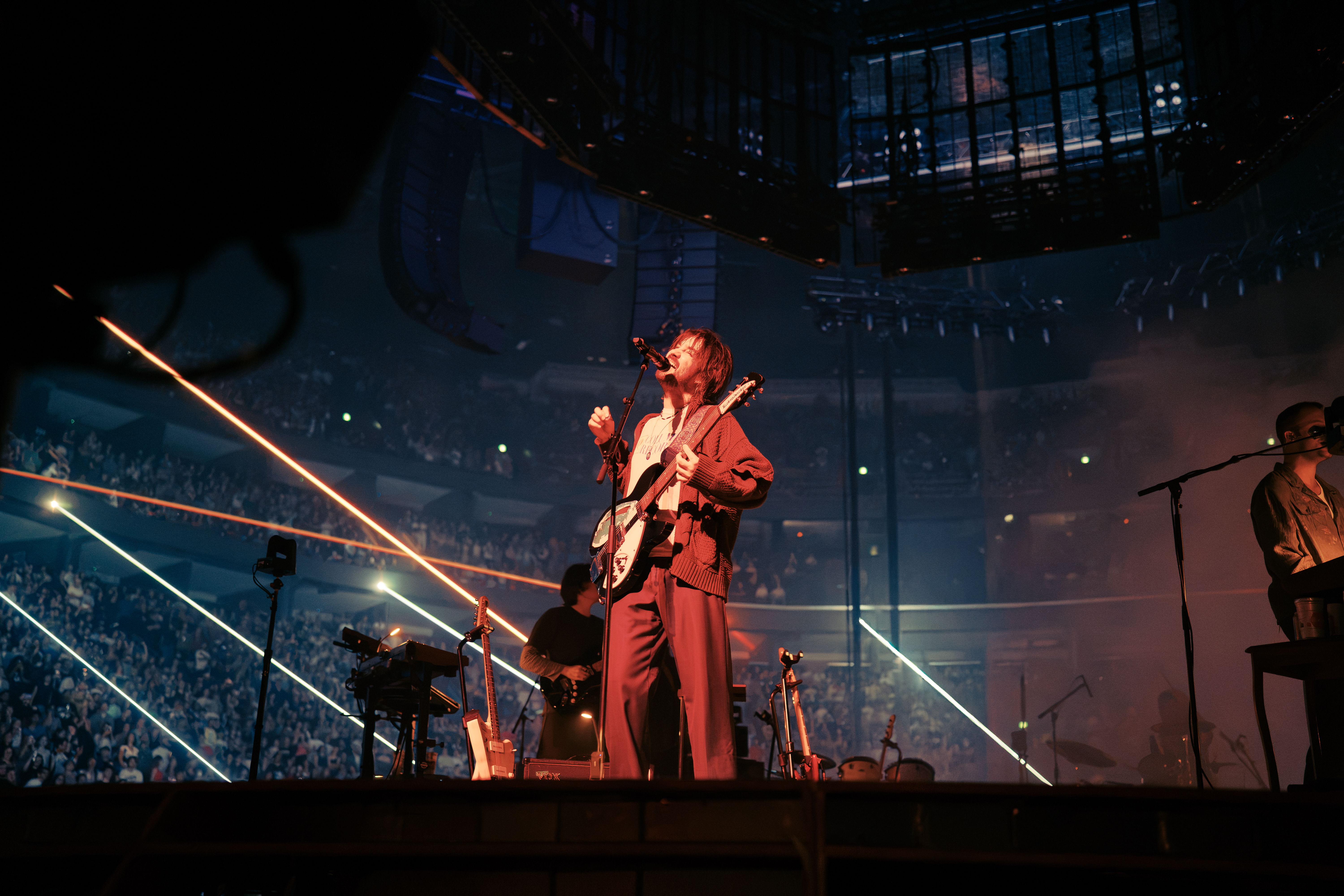
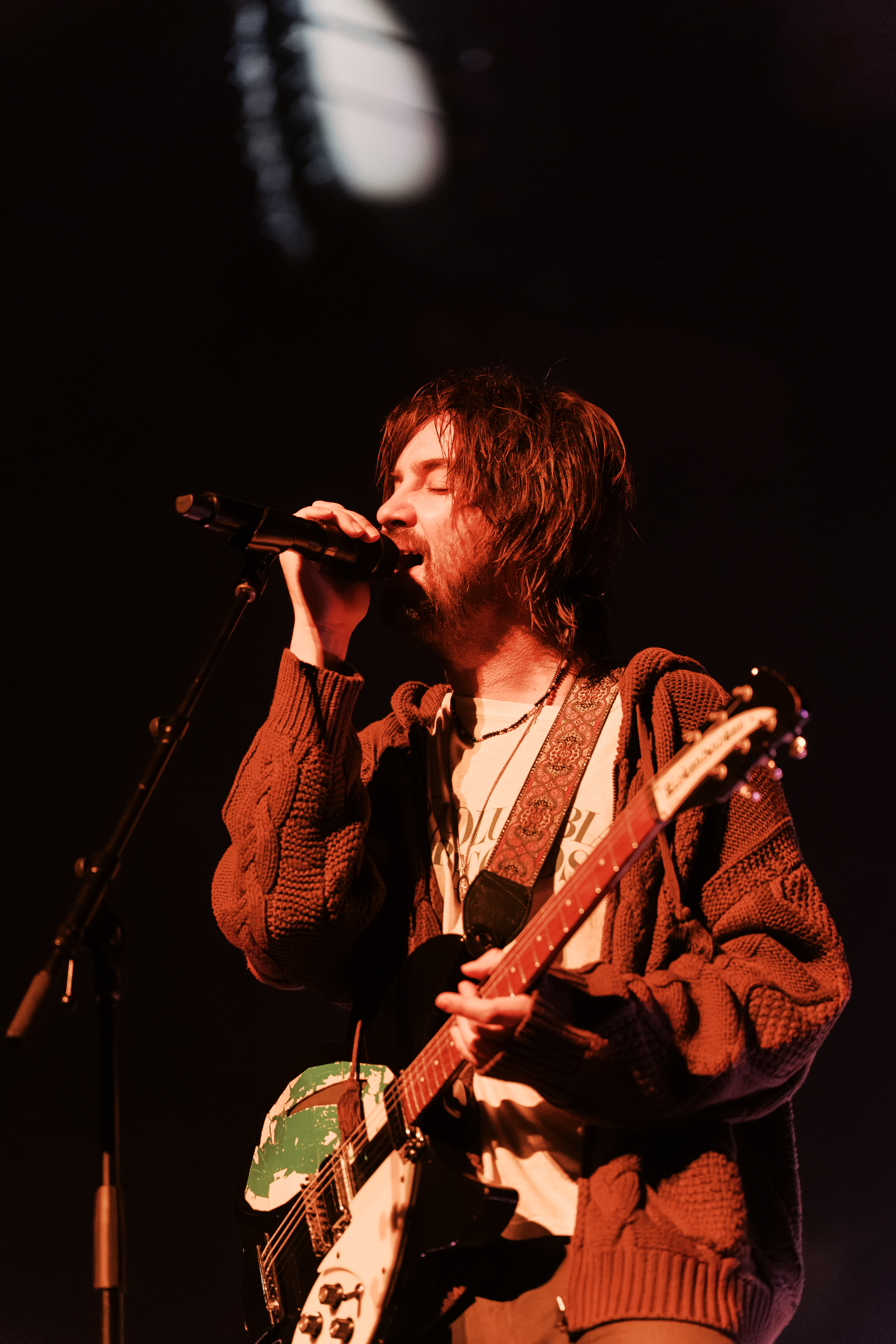
On July 22nd, Kevin Parker brought Tame Impala’s Deadbeat World Tour to Montreal for an audiovisual phenomenon of a show. After nearly four years of being away, he arrived in Montreal with a newfound appreciation for the 1990s rave scene, drawing heavily from Australian “bush doof” culture throughout the eponymous Deadbeat album—an influence made especially apparent in his performance of “End of Summer.” Equipped with huge lighting rigs, lasers, and confetti cannons, the concert hall was transformed into a psychedelic landscape where classic psychedelic rock and EDM dance pop collided. He opened the concert with “Apocalypse Dreams” from his 2012 album, Lonerism, performed on the main stage in the round. The stage was ablaze, equipped with powerful strobing laser beams. Rigged as a large halo of light that dappled in harmony with the chords, the stadium became entrenched in a retro synthwave aesthetic. Distorted camerawork which overlaid Tame Impala with himself created a visual mystique that the fog machines on full blast complemented.
Making his way through to “Deadbeat Jam” and his hit single “Loser,” Tame Impala drew upon some core themes of self-acceptance by subverting the obsessive studio perfectionism he’s known for in the industry, by approaching the stadium with spontaneity and an ironic self-deprecation. “I found my way back to Canada,” Parker told the crowd. “Something gives me the feeling that it’s going to be a special night.” To the tune of the instrumental “No Reply,” Tame Impala effortlessly transitioned from the familiar psychedelic rock soundscape he’s known for, to a B-stage set entrenched in a love for classic music production. Ethereal connection served as an ode to the art of live house music mixing. On this smaller stage illuminated by only flickering house lamps, Parker remixed “Not My World” live, singing while lying on cushions and a carpeted floor that recreated the intimacy of a bedroom studio. The moment offered the audience a rare glimpse behind the curtain, a window into the music-making process itself. In returning to the environment where Tame Impala began, Parker highlighted the contrast between the global scale of the production surrounding him and the solitary, experimental roots that first shaped his approach to music.
Moving back to the main stage with dramatic orchestration, Parker performed “Let it Happen,” a technical bravura melding the rave set lighting with the theatricality of full blown confetti cannons. The song featured an extended bridge reimagined by a stutter edit while a granular glitch effect played on the overhead screens.
“Obsolete” perhaps stood out as the most heartfelt song of the night. Radiating rings of purple and blue strobed across the arena as Tame Impala sang on “not knowing if the connection is still there.” In contrast to all the up-tempo rave sequences, “Obsolete” brought a down-to-earth poignancy to the concert in its balladic, heartfelt downbeat.
Closing out the show, Tame Impala performed “Dracula” and “The Less I Know the Better” as a part of the encore. Bringing the night to its final euphoric peak, the crowd erupted into one of the evening’s most recognizable moments. The night’s towering lights, pulsing bass, and psychedelic visuals all converged into one last moment of sound and spectacle. The final visual of the concert was a slow fading shot that fell upon the drumset, across which were labelled two words:” Dead Beat”.