Founder and perfumer Hannah Wu behind Perfume Who talks surrealism, hand-poured batches, and why she’d rather unsettle you than simply please you.
Ask most fragrance houses what they do, and you’ll get a version of the same pitch: notes, accords, an origin story tidied up for a press release. Ask Hannah, and she’ll tell you she isn’t entirely sure fragrance is the point. Scent, she says, is just the medium she happens to work in most often. The real project is something closer to translation: turning a Maya Deren film, a patch of tree moss in a park, or the particular cold rawness of an East Williamsburg photography studio into something you can only access through smell.
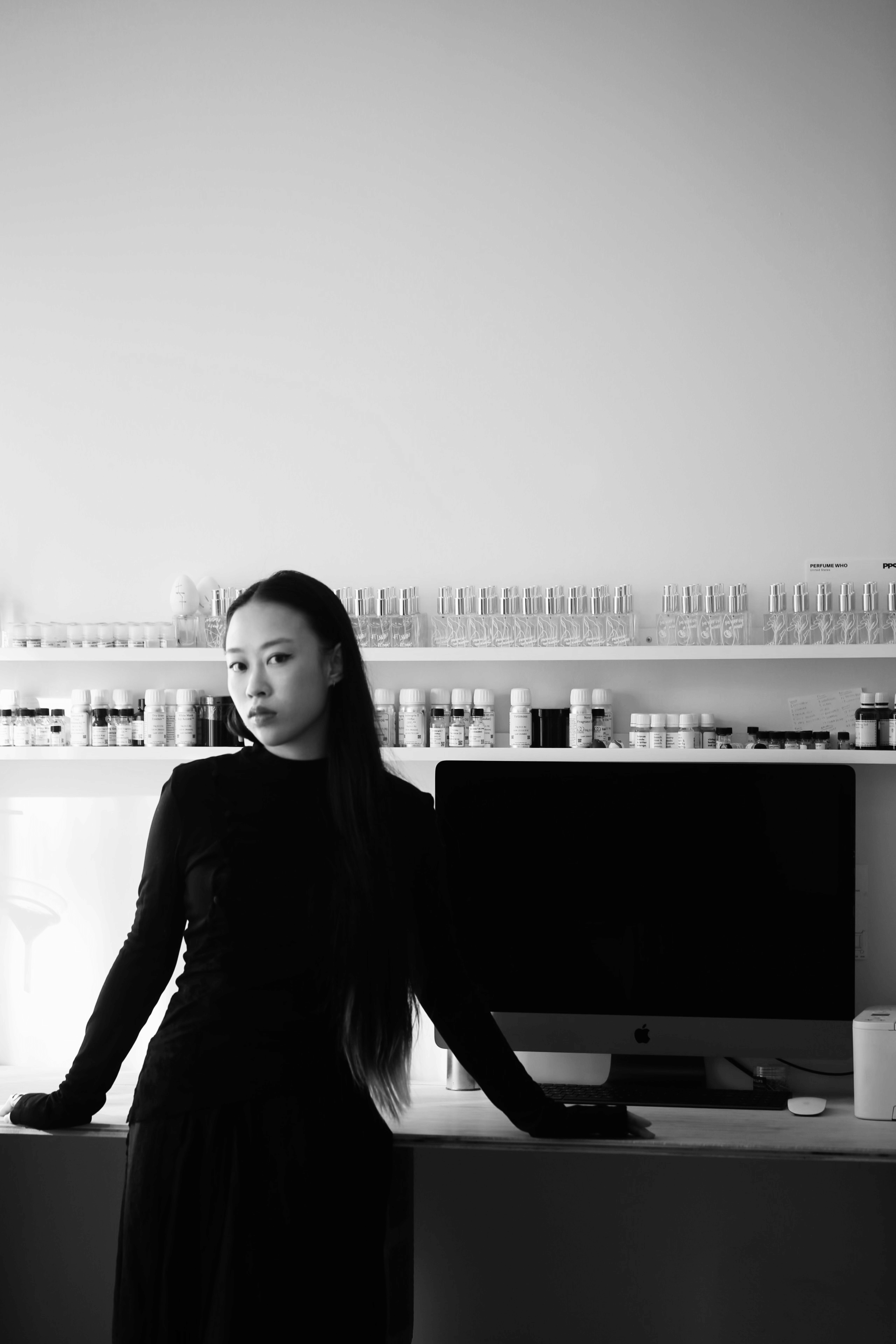
Based in Brooklyn and still hand-pouring every bottle in small batches, the brand has built its reputation less on polish than on friction. Its founder studied fashion business and cosmetics marketing at FIT before completing the Art of French Perfumery course at ISIPCA, but her real education, she suggests, came earlier: a childhood habit of noticing the strange detail in a room, the shadow that didn’t quite belong. That instinct, later sharpened by a deep dive into Surrealism and experimental film, now shapes everything the studio releases, down to its animalic notes and its willingness to let a fragrance read as unsettling before it reads as beautiful.
The brand now sits on shelves in Taiwan, the UK, Canada and the US, but the studio has stayed defiantly small, still a handful of people working by hand. Below, its founder talks through the messy origins of a scent, the tension between growth and intimacy, and why she’d rather a fragrance make you pause and ask “why does this feel familiar” than simply smell nice.
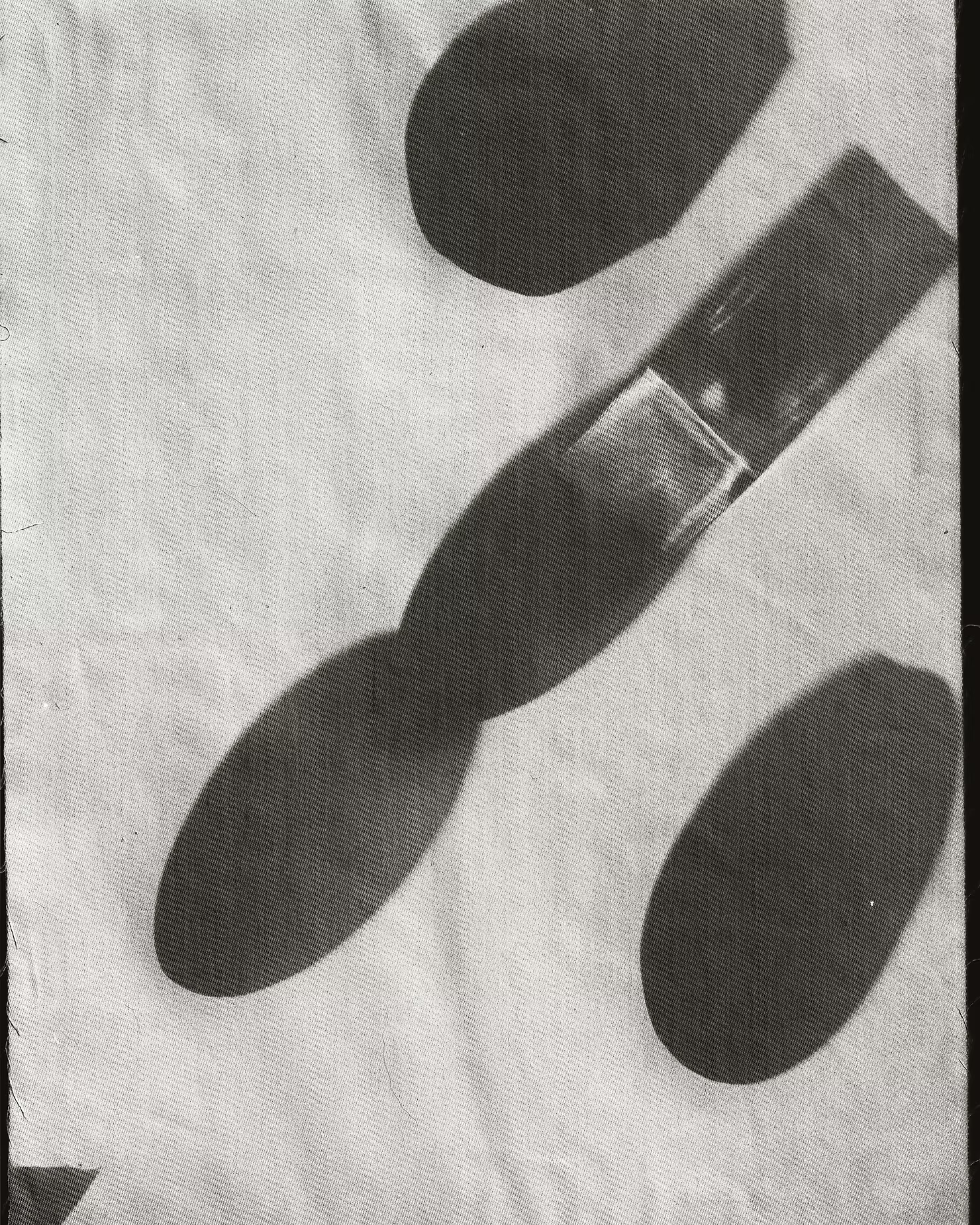
How would you describe what you do in your own words, without using the language you’d normally put on the website?
I make fragrances, and Perfume Who is my small fragrance studio based in Brooklyn, New York. But really, it’s a way for me to translate things I’m interested in, such as memories, films, materials, and images, into scent.
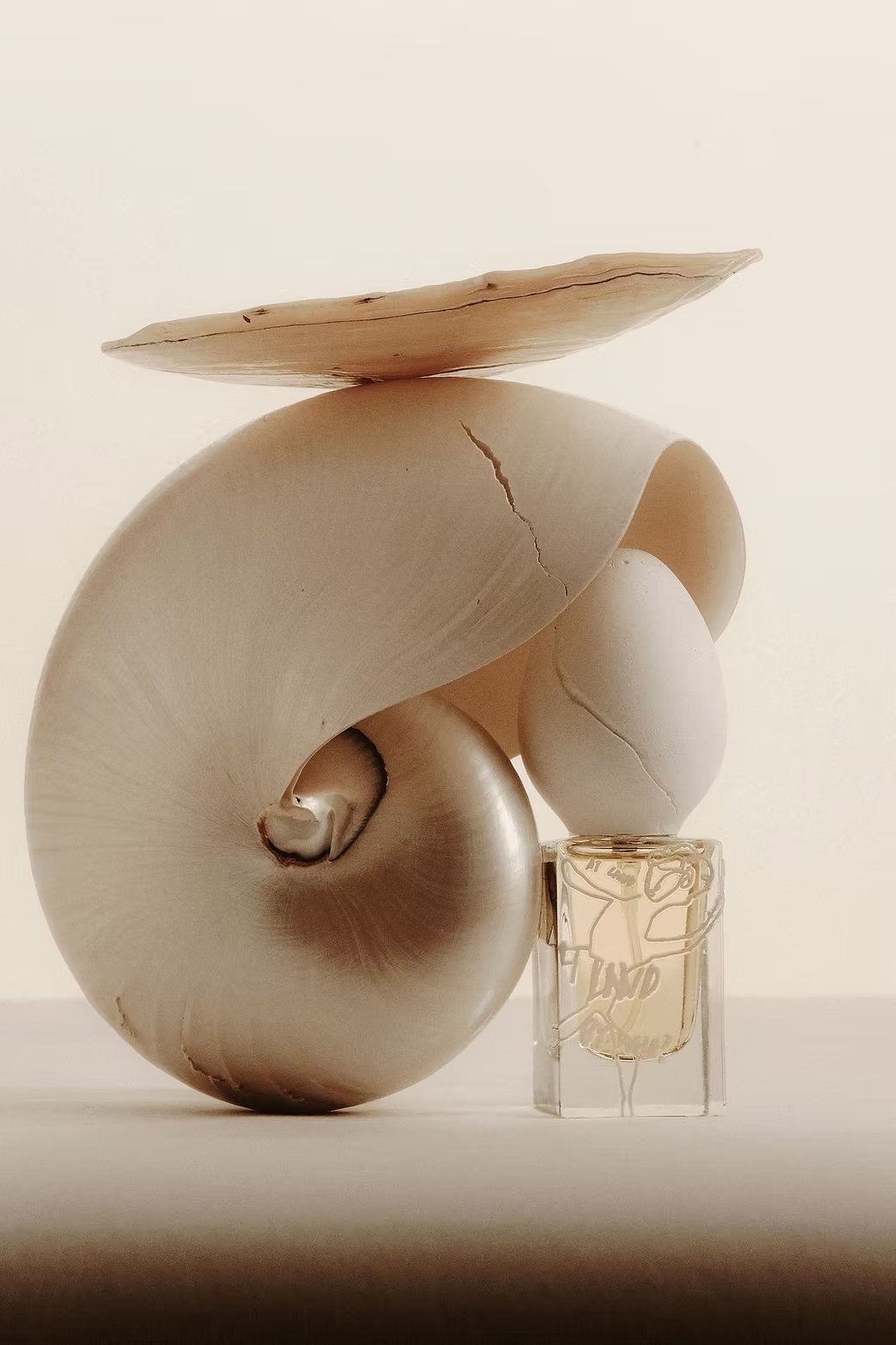
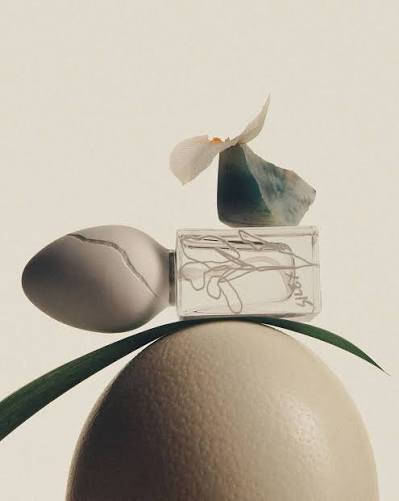
At the moment, I make all of the fragrances by hand in small batches, and I’m also very involved with the objects and experiences around them, from the plaster caps to how the perfumes are displayed or experienced within a space. So even though Perfume Who is a fragrance brand, I think of it more as an ongoing creative practice. Scent is the main medium, but also gives me a way to bring together a lot of things I care about.
The “Who” in Perfume Who is also meant to be an open question. I named it that way because I’ve always been curious about who I can become. Through building Perfume Who, I think I’ve discovered things about myself that I didn’t necessarily know before. I like the idea that fragrance can do something similar for the person wearing it; bring out a memory, a feeling, or even a side of yourself you haven’t encountered yet.
You have this distinct aesthetic and vision throughout everything you present in your life – from styling and personal aesthetic to Perfume Who. Can you tell us more about your background in the arts and what pushed you to become a creative? What were you doing, professionally or otherwise, right before you started Perfume Who?
My background is really a mix of fashion, fragrance, and art. I studied fashion business at the Fashion Institute of Technology and spent several years working with independent fashion brands, mainly in PR and marketing. Working with smaller creative teams was very formative for me because the roles were never completely separate. I was constantly moving between storytelling, image-making, styling, events, and thinking about how a brand could create its own world.
At the same time, I was becoming more interested in fragrance. I went on to study Cosmetics and Fragrance Marketing at FIT and later took the Art of French Perfumery course at ISIPCA, where I learned more about formulation and the technical side of creating scent.
One experience that really pushed me toward starting Perfume Who happened while I was still working in fashion. A photographer friend asked me to create a fragrance for his exhibition. It was the first time I thought about scent in direct conversation with another artwork, not just as a product, but as something that could respond to an image, an atmosphere, or an idea. Seeing something I had formulated exist in that context made perfumery suddenly feel much more open to me.
Two years later, I had the opportunity to create scents for two designers I worked for. Those experiences made me think that maybe I could actually build something of my own around this.
I’ve never really felt like I belonged to only one creative discipline. Fashion was my professional starting point, but I was always interested in experimental film, photography, objects, and scent. Perfume Who grew pretty naturally out of all of those interests; it became a space where I could bring them together and create something that felt very personal to me.
Perfume Who treats scent as one medium among several: photography, sculpture, film, installation. Was there a specific moment when you realized fragrance alone couldn’t convey everything you wanted to say, and you needed the other mediums to complete the story?
I think I realized quite early that I never wanted Perfume Who to exist only through fragrance. I took on film studies, most importantly, experimental film, which shaped the way I think about atmosphere, movement, and even scent. I’ve wanted to make a short film for a long time, and I still see that becoming part of Perfume Who in the future.
Glassblowing has also been an interest of mine. I’d love to eventually create vessels and objects to understand the material from the inside. I think Perfume Who will always be centered around scent, but I want it to remain open enough that a fragrance could become a film, an installation, a sculpture, or something I haven’t learned how to make yet.
Surrealism finds magic in the uncanny rather than the purely beautiful. a. Do you think of yourself as someone who’s always seen the world a little sideways, or is that a lens you had to develop consciously?
I think I’ve always had that tendency, although I didn’t think of it as “seeing things sideways” when I was younger. I was often attracted to the strange detail in things, the shadow, something slightly uncomfortable, or something that felt out of place. It wasn’t until college, when I started studying Surrealism and experimental film, that I realized there was actually a language and history around that way of looking.
What does an “uncanny” scent smell like to you?
Uncanny can mean so many things, and I actually don’t know if any smell is inherently too uncanny for me. A lot of it has to do with cultural norms and the context in which we experience a smell.
In perfumery school, for example, we would smell materials like castoreum and civet, which are animalic materials that can smell incredibly strange or even unpleasant to people. Historically, though, these kinds of notes were important materials in perfumery, and were used to give fragrances warmth and depth. So what we consider beautiful or disturbing in scent can really shift depending on context, culture, and familiarity.
I think I’m quite open to smells in that way. I’m often more interested when something makes me question whether I like it immediately.
And can you describe a fragrance you made that people found unsettling before they found it beautiful?
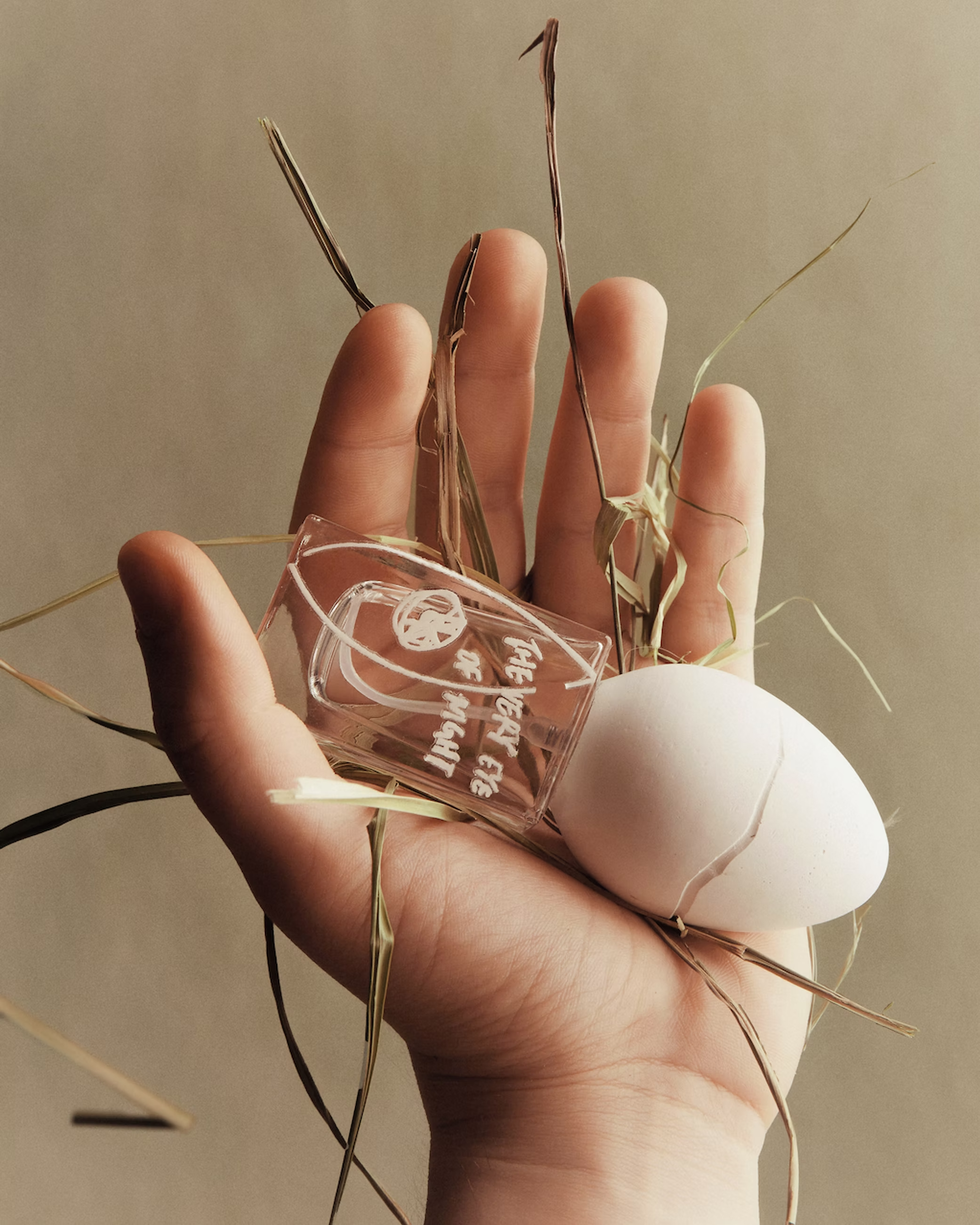
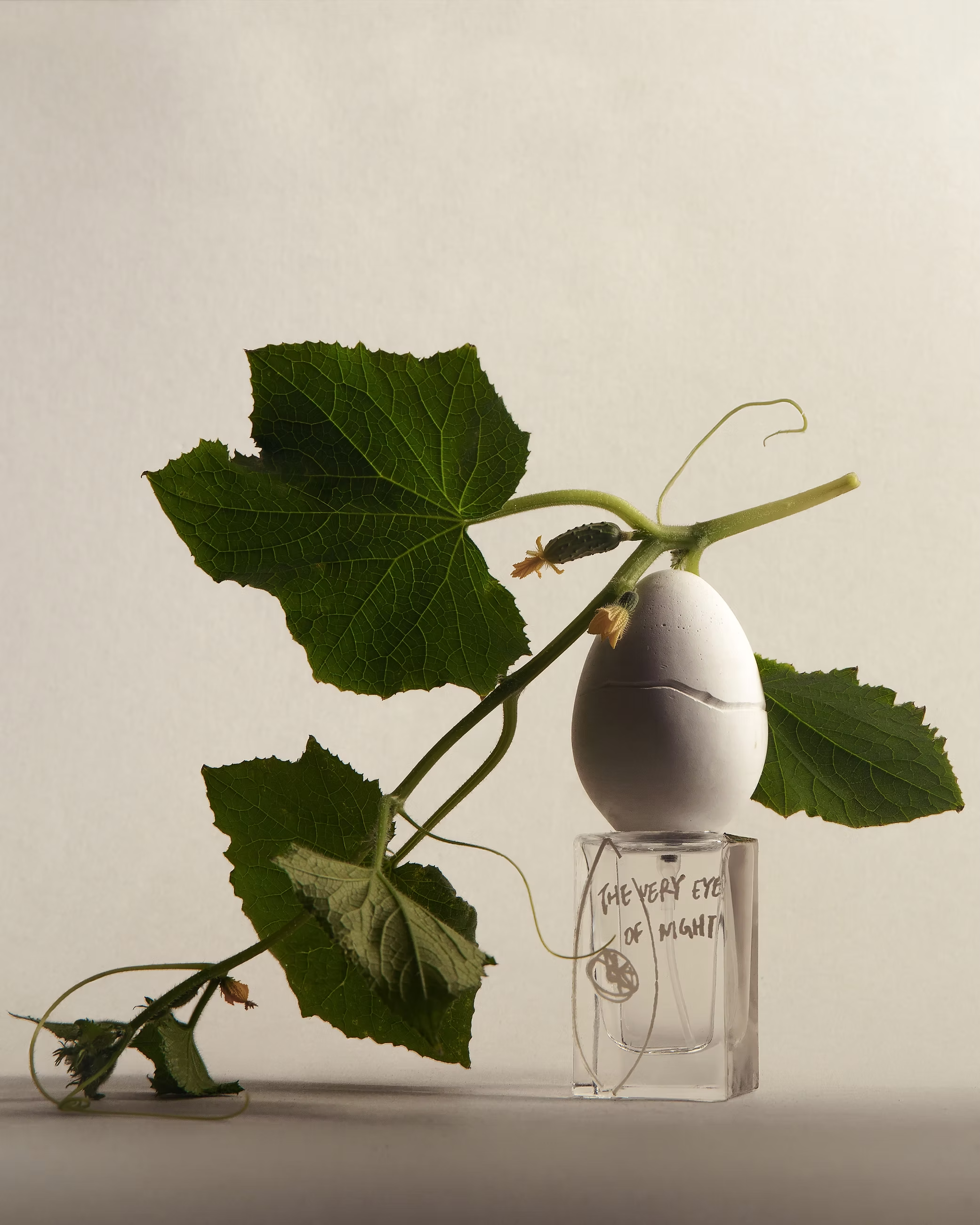
The Very Eye of Night, which we launched this spring, is probably a good example. It has a very strong rhubarb note on the top that can come across as sharp and almost too piercing at first. I’ve heard completely different interpretations of it, some people describe it as strange, while someone said it reminded them of the silicone watch they wore as a child, and some said it smells like salad in the best way possible.
I think that’s what makes scent so interesting to me. The exact same formula can bring one person somewhere comforting and nostalgic and make another person feel slightly unsettled. There isn’t necessarily one correct interpretation. So I’m not always trying to make something that everyone finds immediately beautiful. Sometimes I think of that little moment of uncertainty: Why does this feel familiar? is where a fragrance becomes much more interesting
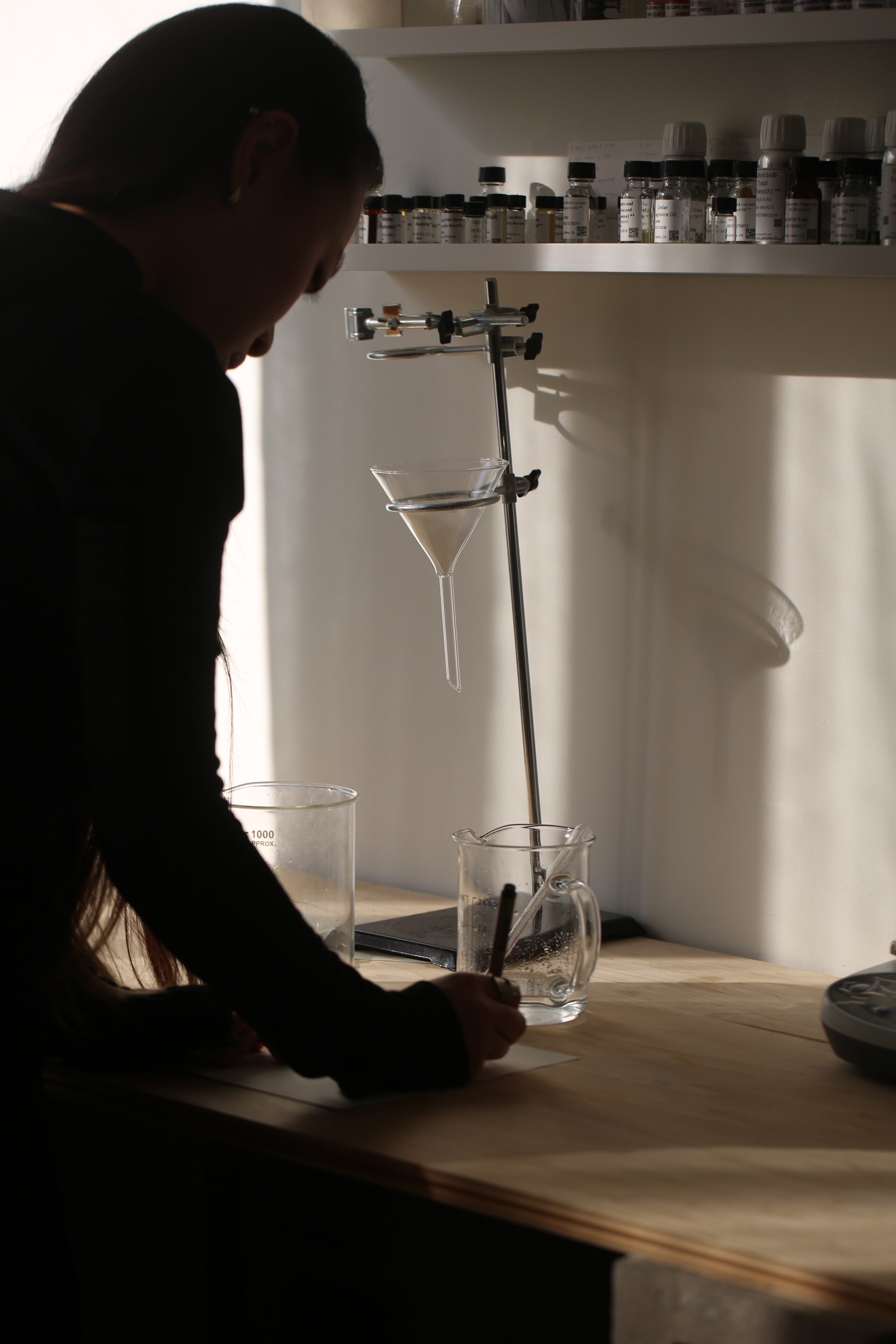
When you begin a new fragrance, what comes first? A scent memory, a visual image, a piece of writing, or something else entirely? Walk me through the earliest, messiest stage of how an idea becomes a bottle.
I think it could really begin with anything. Sometimes it’s a visual, a piece of writing or a film, and sometimes it’s just an atmosphere or something I encounter in everyday life. I remember walking through a park once and noticing tree moss, and that alone sparked an idea. I think I’m always collecting these small impressions without necessarily knowing what they’ll become.
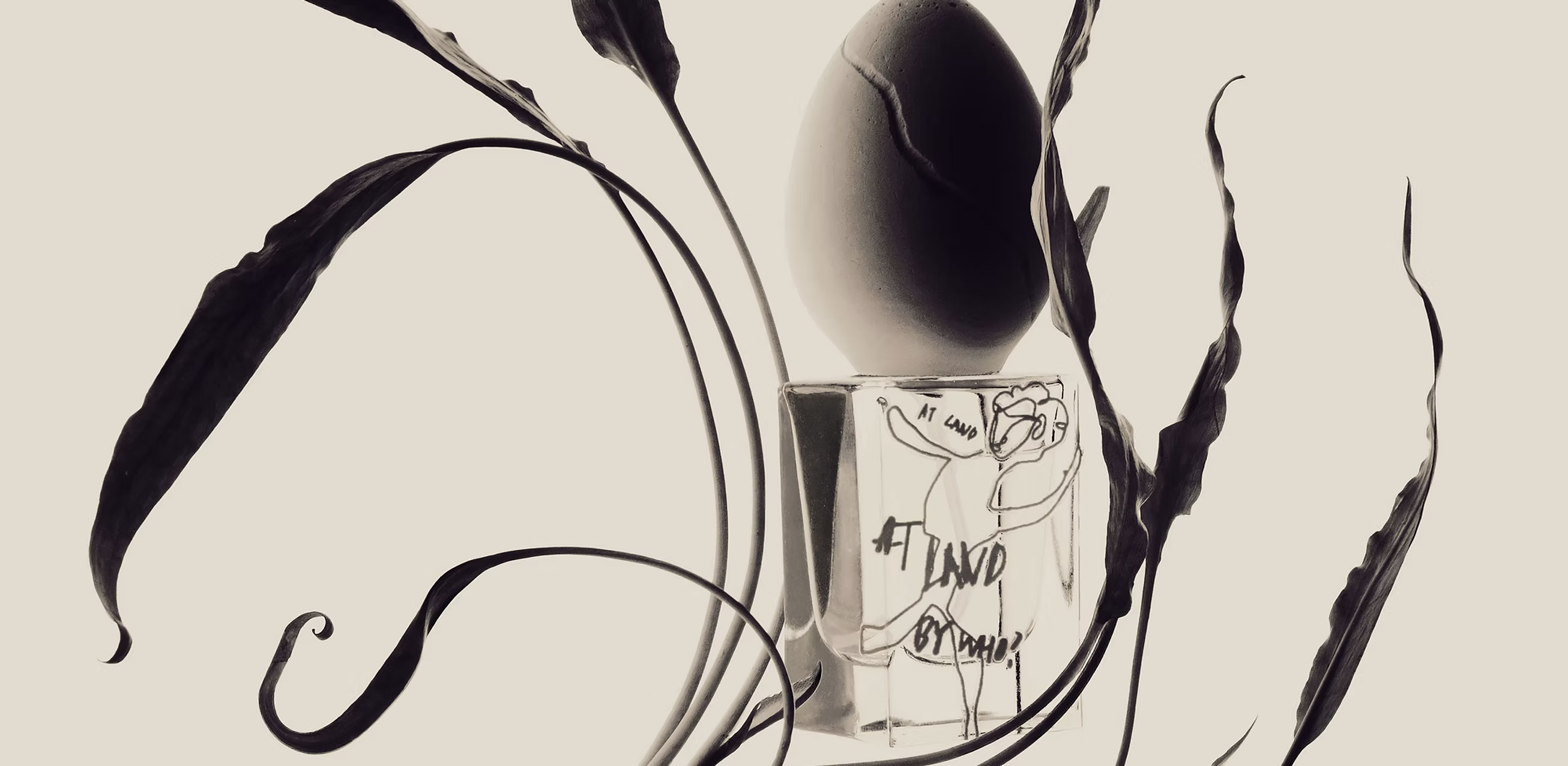
With At Land, the first scent in the Perfume Who collection, I started by gathering elements I found in Maya Deren’s film of the same name: driftwood, the ocean, smoke, and the landscape. I had this vision of something marine but also incense-like, and that became the starting point for the scent. It took more than a year and endless reformulations before I finally felt it was finished.
The earliest stage is usually quite messy. I’ll collect images, words, materials, textures, or individual smells and slowly try to translate that atmosphere into fragrance. When I first started, I would ask friends for their opinions a lot, but over time I realized how subjective scent really is. If you listen to too many voices, you can start to lose the original idea. Now I try to trust that initial vision and follow it until the fragrance feels like the world I imagined.
You did a scent activation for a photography studio in East Williamsburg. Can you tell us about that process? How do you translate someone else’s visual medium into something meant to be inhaled rather than seen?
Yes! It was at Lumin Studio, in collaboration with my dear friends Stefy and Yanran. For the activation, rather than creating a new scent specifically for the space, we diffused one of my existing fragrances, Silex, for the studio launch.
The process was actually very intuitive. I brought all of my scents to the studio and we smelled them together in the space. We all felt that Silex made the most sense. It has this cold, mineral quality that really echoed the studio’s interior, which has a similarly cool, industrial feeling.
I think translating a visual space into scent is less about trying to literally recreate what you see and more about finding a shared atmosphere. In this case, the architecture, materials, light, and scent all had a certain coldness and rawness to them. Silex became another layer of the space, something you experience through smell rather than sight.
You work across small-batch artisan perfume and gallery-adjacent installation art, but you’re also stocked in stores in Taiwan, the UK, Canada, USA. How do you protect the intimacy of “small-batch” as the audience and distribution get larger? Do you feel tension between wanting the studio to grow and wanting to protect the parts of yourself that made it feel personal in the first place?
I think it’s an ongoing balance between staying small-batch and meeting growing demand. At the moment, we’re still a very small team, which means there’s a lot of physical labor behind everything, we hand-pour all of our fragrances and many elements are still made and finished by hand. As we grow, I’d love to bring in more like-minded people who understand that way of working, because of course I also want more people around the world to discover Perfume Who.
There is definitely some tension in growing while protecting that intimacy, but I think the brand will always remain personal because I’m also the perfumer. Every scent we release comes from a piece of my own work, an image, an atmosphere, or a memory. Even if the audience becomes much larger, that starting point doesn’t really change.
Fragrance is invisible and can’t be photographed, screenshotted, or scrolled past the way visual art can. In a brand built so heavily on strong imagery, how do you make sure the scent itself doesn’t become secondary to the aesthetic around it?
To be honest, I think the visual language is vital, especially because scent is invisible. The imagery is often someone’s first encounter with the world of Perfume Who, so it helps communicate an atmosphere before they’ve had the chance to smell anything.
But at the same time, I think most people only really decide to buy a fragrance once they’ve experienced it in person, whether that’s through a sample or testing it in a store. So the visual can draw someone in, but ultimately the scent has to hold its own. I see the imagery as an invitation into the fragrance rather than a replacement for it.
Is there anything coming next for Perfume Who? A new fragrance, collection, collaboration, or piece that you can share with us here first, even just a hint of what it is or what it’s exploring?
Yes! We’re planning to launch our sixth fragrance toward the end of 2026.
We’re also continuing our Object Series, which has become a really exciting part of Perfume Who for me. The idea is to collaborate with artists, designers, and friends on objects that extend the world of fragrance into everyday life. We’re currently working with our friends at KUBEKO on a candle holder, as well as another piece with a ceramicist.
I really like that these collaborations allow Perfume Who to slowly expand beyond perfume without feeling like we’re simply adding products. Each object is an opportunity to work with someone whose practice I admire and see what happens when our worlds meet.
For a studio this small, Perfume Who‘s ambitions extend well past the perfume bottle. A sixth fragrance is due by the end of 2026, and the ongoing Object Series, candle holders with KUBEKO, a forthcoming piece with a ceramicist, points toward a brand that sees scent as one entry point among several into a much larger world.
What holds it together isn’t scale but authorship. Every fragrance still starts with one person’s memory or image, translated by hand, in the same Brooklyn studio where it began. Growth, on these terms, doesn’t mean the intimacy disappears. It just means more people get invited into the question the brand was named for in the first place: who might you become.
Find out more on perfume-who.com