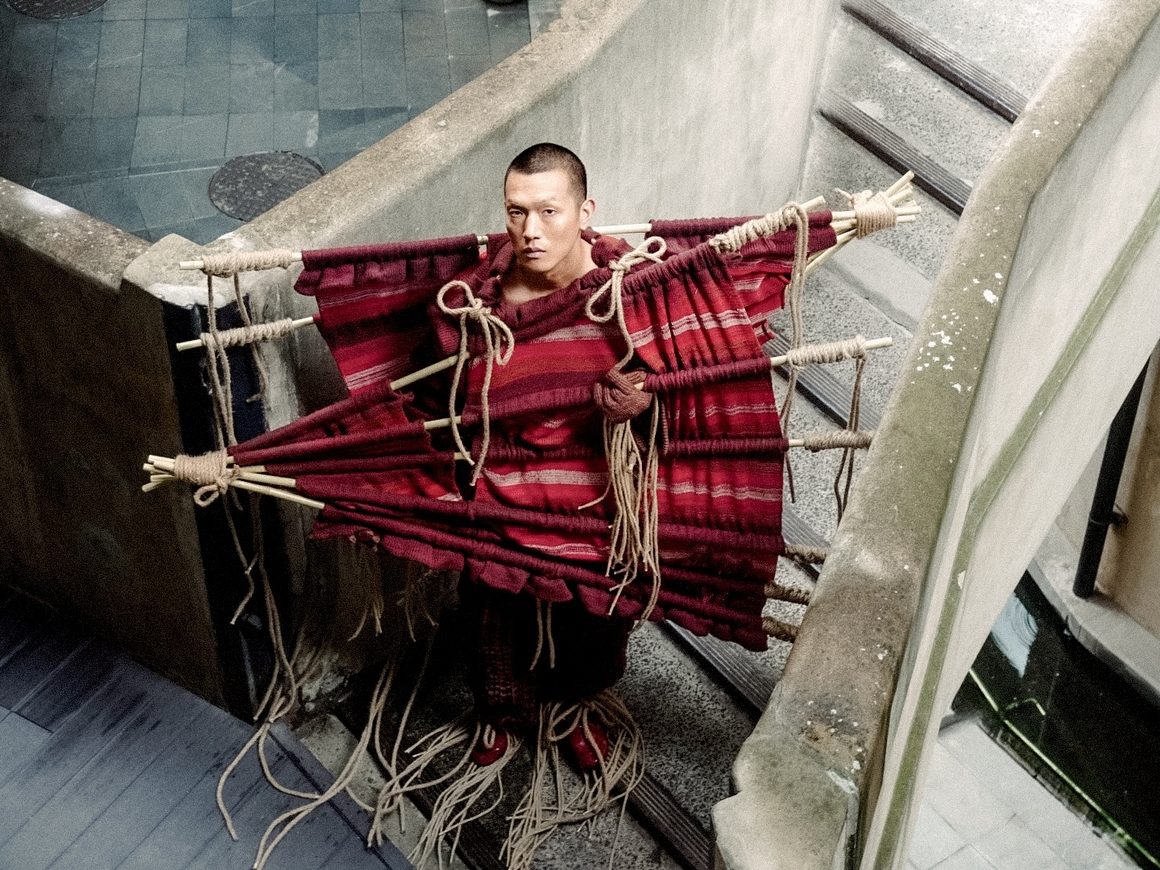
Fashion access remains an alchemy rather than a science and for emerging designers that access can often seem both impenetrable and impossible. Fashion Scout is an award-winning international consultancy and platform based in London who celebrated their 20th anniversary this year. Throughout the last two decades they have been providing a stage for those nascent designers to showcase their vision and values to an audience of the fashion cognoscenti.
An incubator where careful curation meets creativity, Fashion Scout was founded to disrupt a tired fashion formula and to democratise an industry where who you knew was often more important than what you knew. Since opening its doors in 2006 the list of designers who have debuted their work on the Fashion Scout catwalk reads like a who’s who of not only British, but also global, fashion. That alumni includes David Koma, Phoebe English , Iris van Herpen and Eudon Choi, while more recent recipients of that runway exposure include Maximilian Raynor, Tolu Coker and Agro Studio.
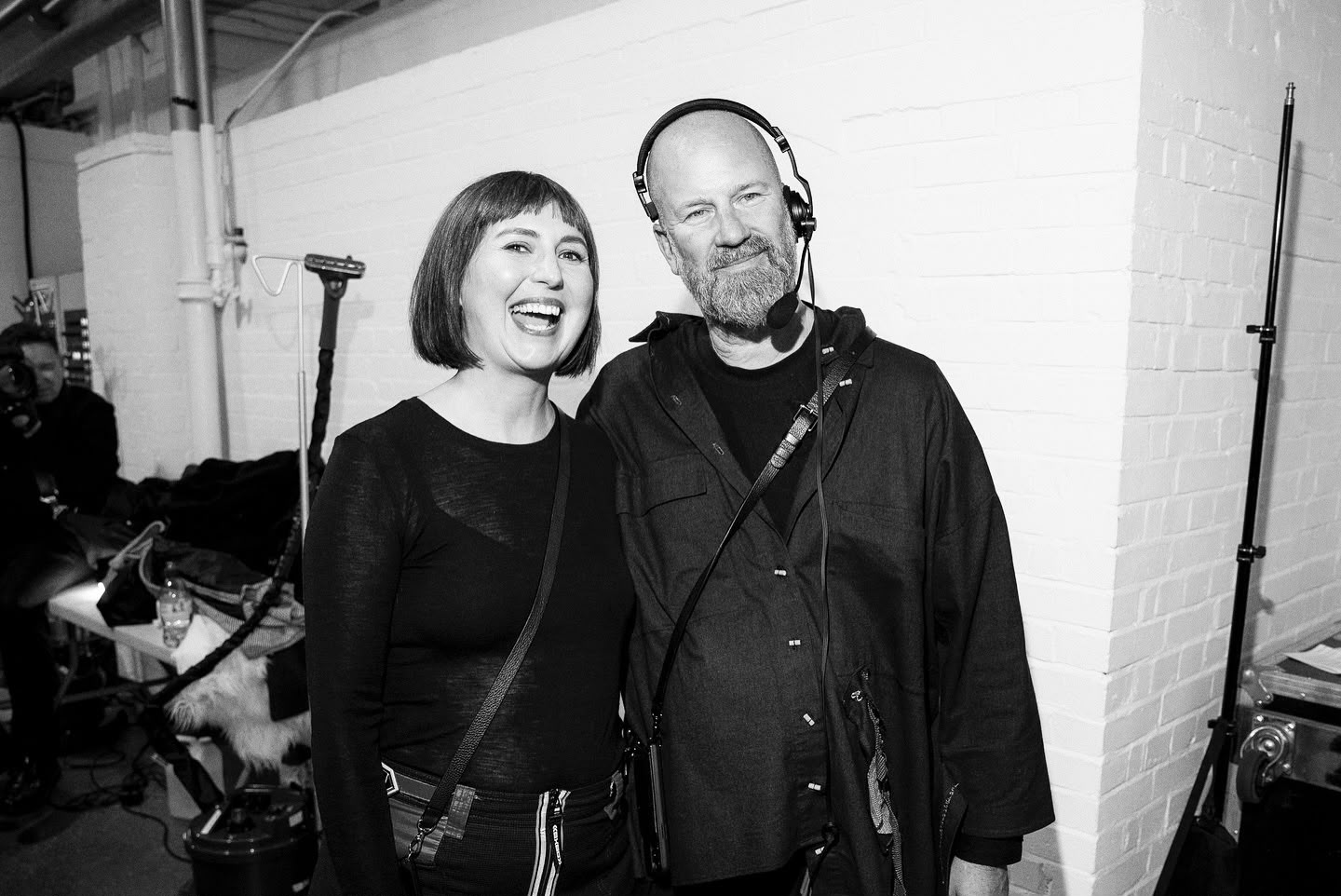
Fashion evolves as the world revolves around it and Fashion Scout Directors, Martyn Roberts and Biljana (Billie) Poposka-Roberts, have not only given opportunities to those with the ability to come to London, but have created an international network which has seen them working on projects with designers and creatives in countries such as Armenia, Ethiopia and Sudan. World-building is a phrase that’s often over-used, but it’s particularly apt when describing the work of Fashion Scout and their global initiatives.
Flanelle spoke to Billie about the platform’s twenty year legacy, the moments and people who have defined those two decades, and their future aspirations.
Words by Brian James
Cover Photo: Chatchai
Congratulations on your 20th anniversary. What was the catalyst for starting Fashion Scout and what were your career backgrounds before that.
It started when I realised designers needed access. Martyn was already working with many designers because he was in PR. He knew John Wolford who was his business partner at the time and they realised that many designers were struggling to find a suitable venue that was also well produced and that was accessible in terms of price point. We started with Karen Walker and Zambesi, New Zealand brands. There were so many international brands at the time who wanted to show in London and that’s still true today. But they just couldn’t, they couldn’t find the opportunities and it was quite hard to access London Fashion Week, so that’s how it all started.
Martyn had a career in fashion PR whilst I was working at a University, I worked at the Institute of Marangoni and also worked at London College of Fashion where I worked in the Careers Department, the Business Resource Studio. I’d already been working with emerging designers and seeing what they were doing, so it was a great opportunity for me to get to know the talent coming through and connect them with Fashion Scout. At the time it was only Martyn who was running it. Later on we joined forces as partners in crime.
You started Fashion Scout in a pre-social media era and in the infancy of digitalisation, so how has it changed in those twenty years?
I feel that we’ve had the opportunity to bring London Fashion Week to a wider audience and create that excitement. Before that, it felt really closed off and really exclusive. Of course, the exclusivity is still there, and there’s still hype about exclusivity. But I also feel that with things like our Instagram lives of the shows, with us being able to communicate with a wider audience, we have been able to reach a much wider audience than usually would have access to London Fashion Week. People are seeing immediate trends, immediately what’s new and what’s emerging on the same day it happens. Who are the ones to watch?
I think that’s created a lot more access for our designers and also us as producers and organisers of off-schedule events.
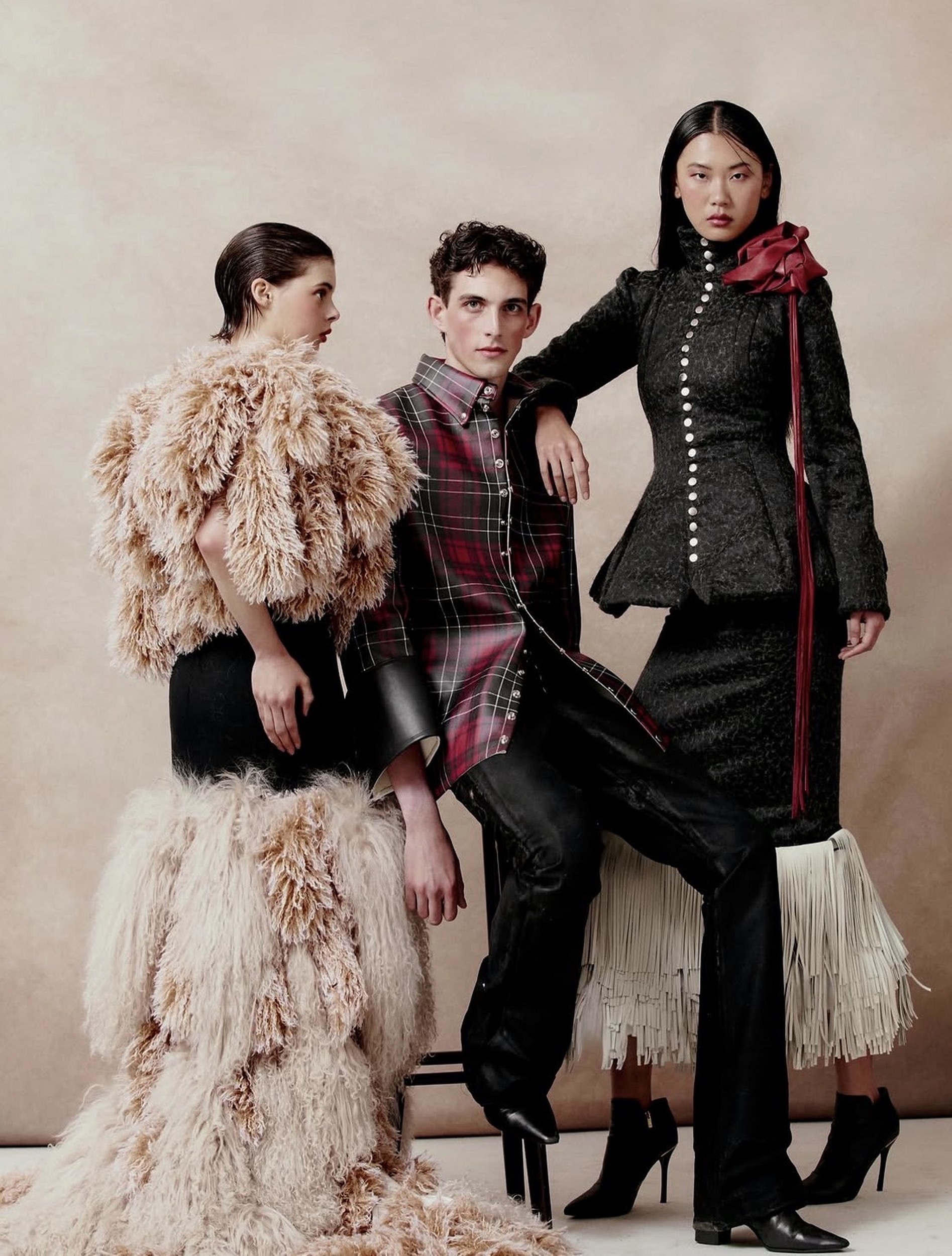
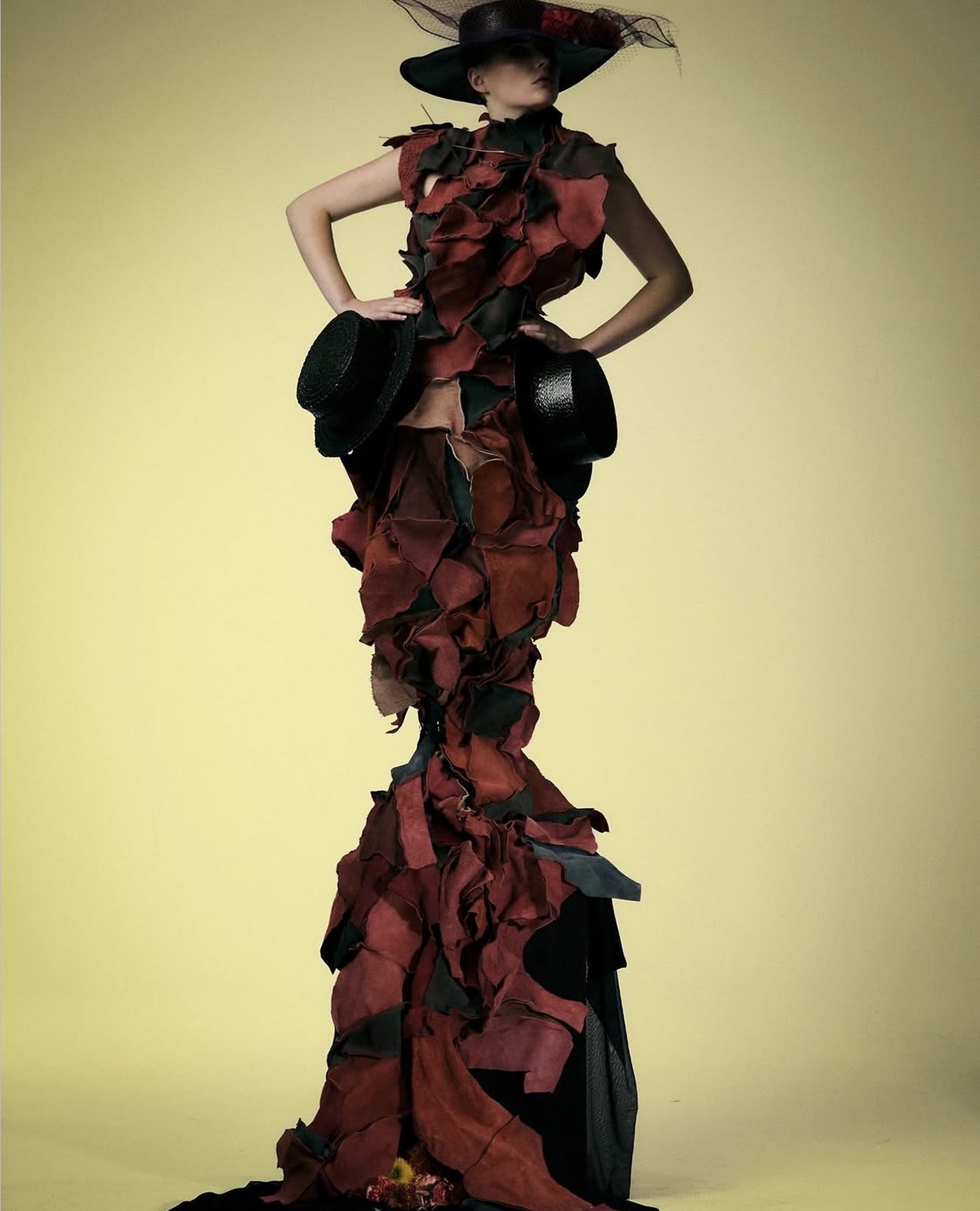
Part of that excitement is the atmosphere around the shows. Fashion Scout has shown at some iconic venues so how important is the venue and the palpable buzz around the shows?
As you know, firstly we started in Baden Powell House which was almost twenty years ago and it was a venue which was originally chosen as we wanted it to be close to London Fashion Week as it had the main tent in the Natural History museum at the time. It’s an unknown secret that the Fashion Scout name comes from Baden Powell who was the founder of the Scouts.
We’ve always tried to choose the venues that are relevant, at the time it was location and when London Fashion Week moved to central London we moved to the Freemasons Hall at Covent Garden. It was a very opulent venue and designers wanted that but things change and more and more designers wanted something else. A warehouse , something different. So it is important to listen to our clients, the designers who, at the end of the day, are the leaders.
We are producing the shows for the designers and it also feels right to be in East London at the moment. Whatever venue you choose I think you can make it work, as an event producer and working with creatives, whether it’s an opulent venue or a warehouse we can make it work. It’s the energy and the excitement which are most important.
What do you think the key to your success and longevity is in an industry that’s often very transitory?
Grit and hard work. Not giving up even when it’s difficult. We are really passionate about what we do so we’ve made our work our life. When we scout for talent and we look around the world, even just to feature on our Instagram and showcase designers, we do that on a daily basis. We are constantly looking to see who’s doing what and if they could benefit from a platform to showcase that.
Things happen at the last minute and we work with so many different creatives, and we need to always be flexible , be passionate and bring that hard work and grit.
For people who might not be aware of Fashion Scout , can you tell us about some of the emerging talents you’ve showcased who’ve then gone on to have stellar careers?
There are many designers, some of the newer ones include Maximillian Raynor who just showed at LFW and we love him. He was part of the recent group of graduates that we picked up. We saw him when he first graduated and because we also do a lot of international work, we had the opportunity to take him to Rwanda for a conference where he showed in front of King Charles who was in the audience. After that, we took him to do a show here. We are really excited about his career and what he’s doing now.
Agro Studios is another, they did their first show with us, and it’s great to see what they’re doing now. Tolu Coker, who of course, was one of the winners of our Merit award, and again we are so proud of her success. Iris van Herpin, David Koma, and the list goes on and on.
Also, other international designers, who may not be as well known here but are having stellar careers in their own countries, Anna October is just one of those doing brilliantly. We are so proud of those designers from all over the world.
Other than the design aesthetic, are there other attributes or qualities you look for before you bring designers on to the Fashion Scout roster?
Usually people say, we’ve enjoyed working with you because you’ve been personable and friendly. Fashion isn’t all that horrible; you don’t have to be stern and not polite and be a diva. You can actually still have fun and enjoy it. The designers that we have built relationships with are those designers and the designers that we are pleased to support are those designers.
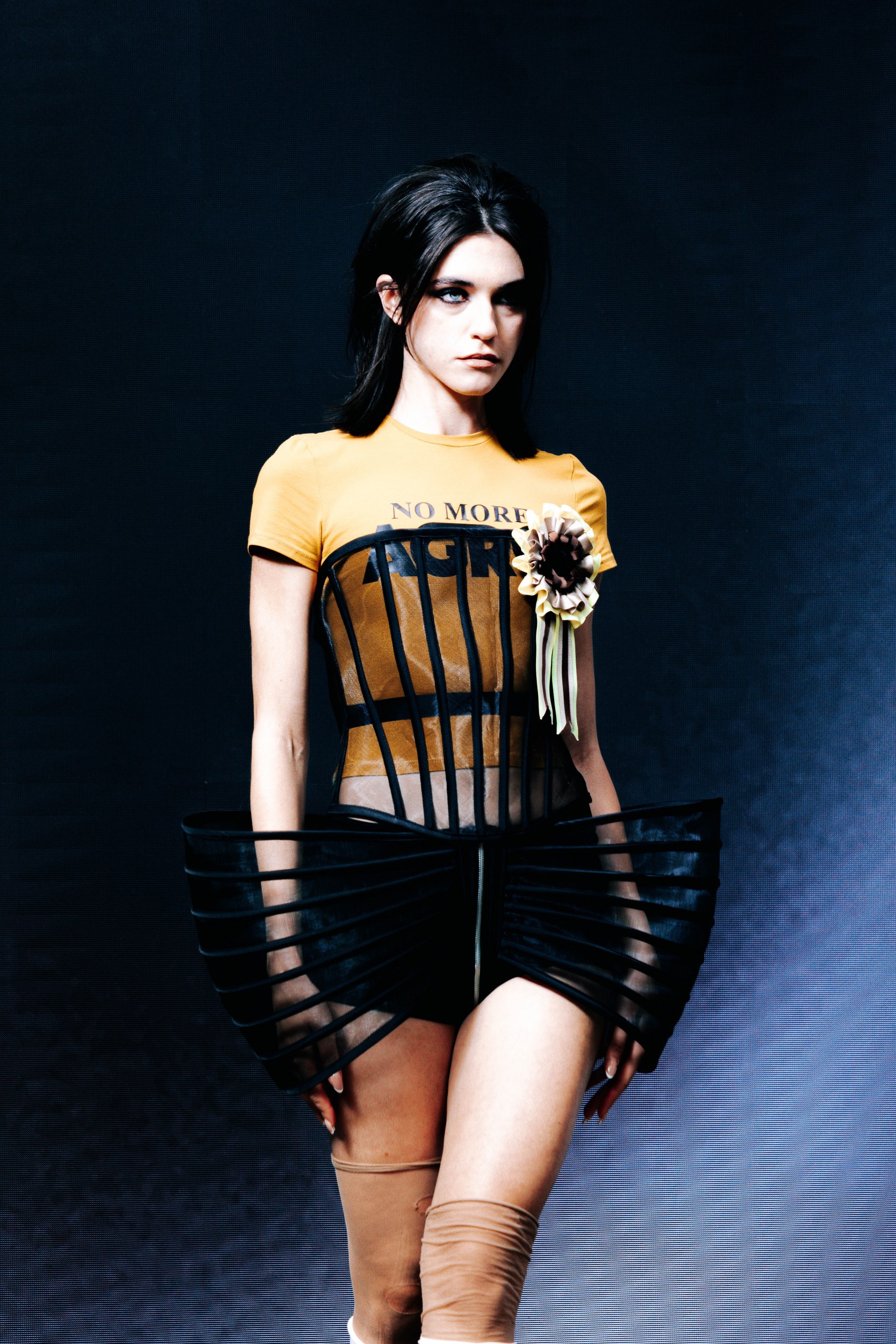
For example, Adolf Maldonado is an adorable character, he’s a joy to work with, and he’s got a great product as well, so that helps. His collection is amazing, the audience love him and he has catwalk appeal as well, which we all love, as at the end of the day, that’s really important. There are so many amazing creatives who might not be right for a catwalk so I think that’s also really important, to ensure that it is the right designer on the catwalk, and there is the opportunity for their brand to grow into a sustainable business. That’s something that’s important to ensure.
You mentioned your global profile , could you tell us about some of those global programmes and what ways an initiative like Fashion Scout Armenia differs from Fashion Scout in London?
We’ve had a great opportunity to work internationally and do amazing projects. We recently just came back from Zimbabwe and did a project with the British Council, which was a mentoring and business acceleration project for ten designers. These opportunities are brilliant because we get to go and meet the creatives and see different energies.
It comes down to designers thinking that because they’re in Armenia or Zimbabwe or Kenya it’s going to be harder or more challenging for them. What they don’t realise is that worldwide we are all struggling with the same issues, they imagine being in London is easier. It’s an opportunity to meet and discover different creatives, but also to share ideas. When we do these projects, for example Creative DNA in Kenya with the British Council, work in Sudan and Martyn did a project in Ethiopia, we go to these places to share our ideas and experience and to learn from each other. Often those projects bring us new talent.
In Armenia for example, the project is to discover new talent and so we created a competition for the creatives there which has the kudos of them being able to apply for an international award. It creates excitement and allows them to be part of something that’s international. Again, London is a leading creative platform and everyone wants to be part of it. Being able to give the opportunity to an emerging Armenian designer to come and showcase at our “Ones to Watch” show has been life changing for them. There is a huge amount of creativity there. In fashion there are always trends, we follow certain countries and certain fashion weeks, but there is also lots of unknown talent in countries such as Armenia, Zimbabwe, Ethiopia and Kenya. In doing these projects we get to be there on the ground and meet them personally.
Having celebrated this 20th anniversary , what are your ambitions and aspirations for Fashion Scout for the next few years ?
We love what we do and we look to continue evolving with the creative industries and the designers. We love “Ones to Watch” and want to continue to work collaboratively to provide more meaningful support beyond catwalk shows, whether that’s mentoring or the press breakfast that we’re doing for a second season. It’s what the designers need beyond the catwalk and we work collaboratively with the PR agencies, with sales, with buyers to provide additional platforms and to give opportunities to grow.
Alongside that we want to continue to collaborate with the art scene, with illustrators, and with galleries. I think that as the industry is always going through certain challenges, it’s important that we work together. We want to encourage people to keep creating and be open to opportunities.
While Fashion Scout has moved location over the last twenty years, from chic, cultured Kensington to the mystique and majesty of Covent Garden’s Freemasons Hall and now to its current home in edgy, eclectic Shoreditch, the excitement and energy remain the same. Not only amongst the ever-increasing cohort of designers who have benefited from the life-changing exposure that Fashion Scout has brought them, but also the swarm-in-the-street crowds who pack every show.
A blueprint for doing things differently, Fashion Scout’s legacy is evidenced not only by that multitude of designers who’ve graced its runways and gone on to have stellar careers, but also the countless creatives for whom its been their fashion entry point and its constant role as a conduit for culture and community. While remaining off-schedule, Fashion Scout remains resolutely on the industry’s radar and we can’t wait to see what they do next.
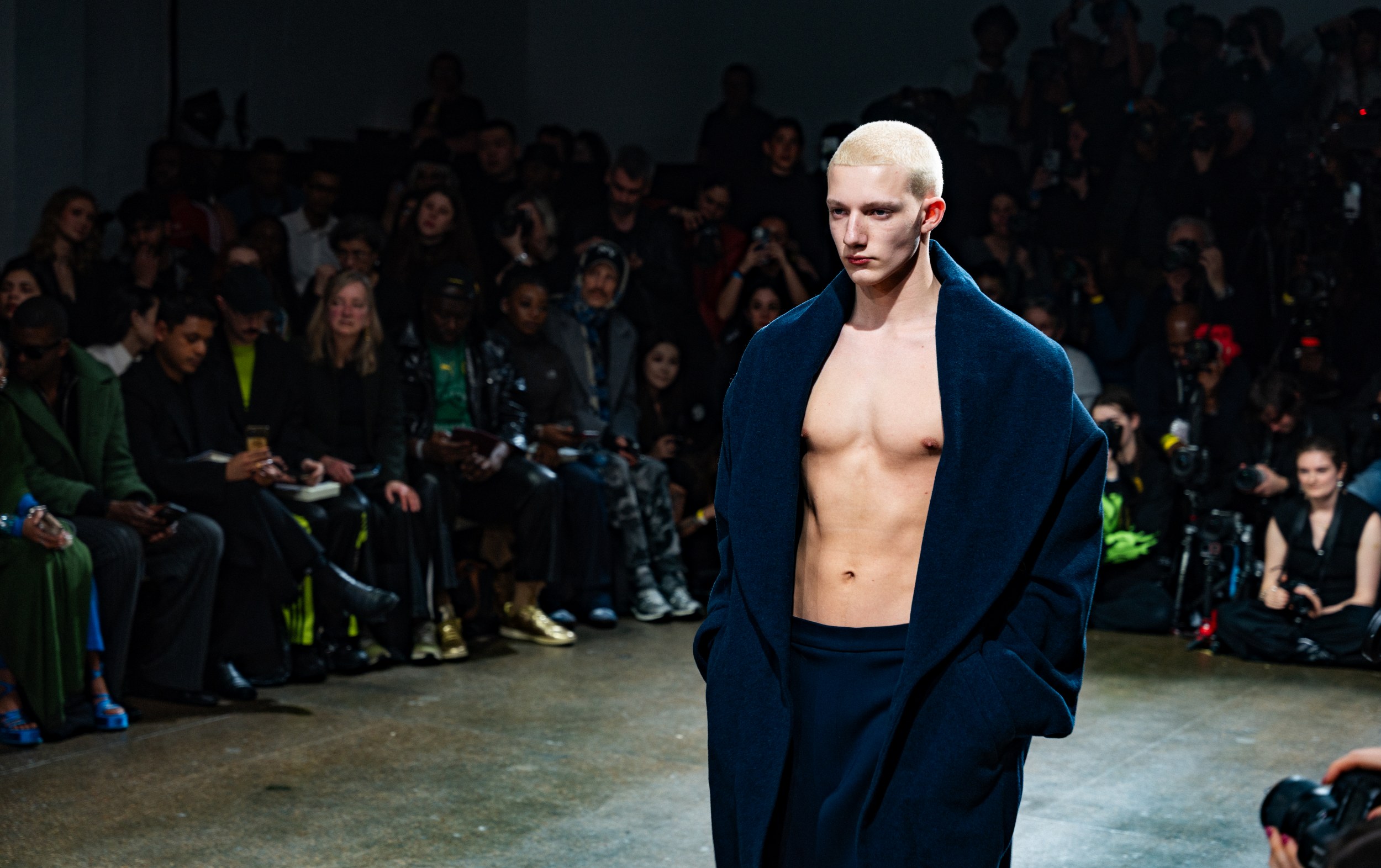
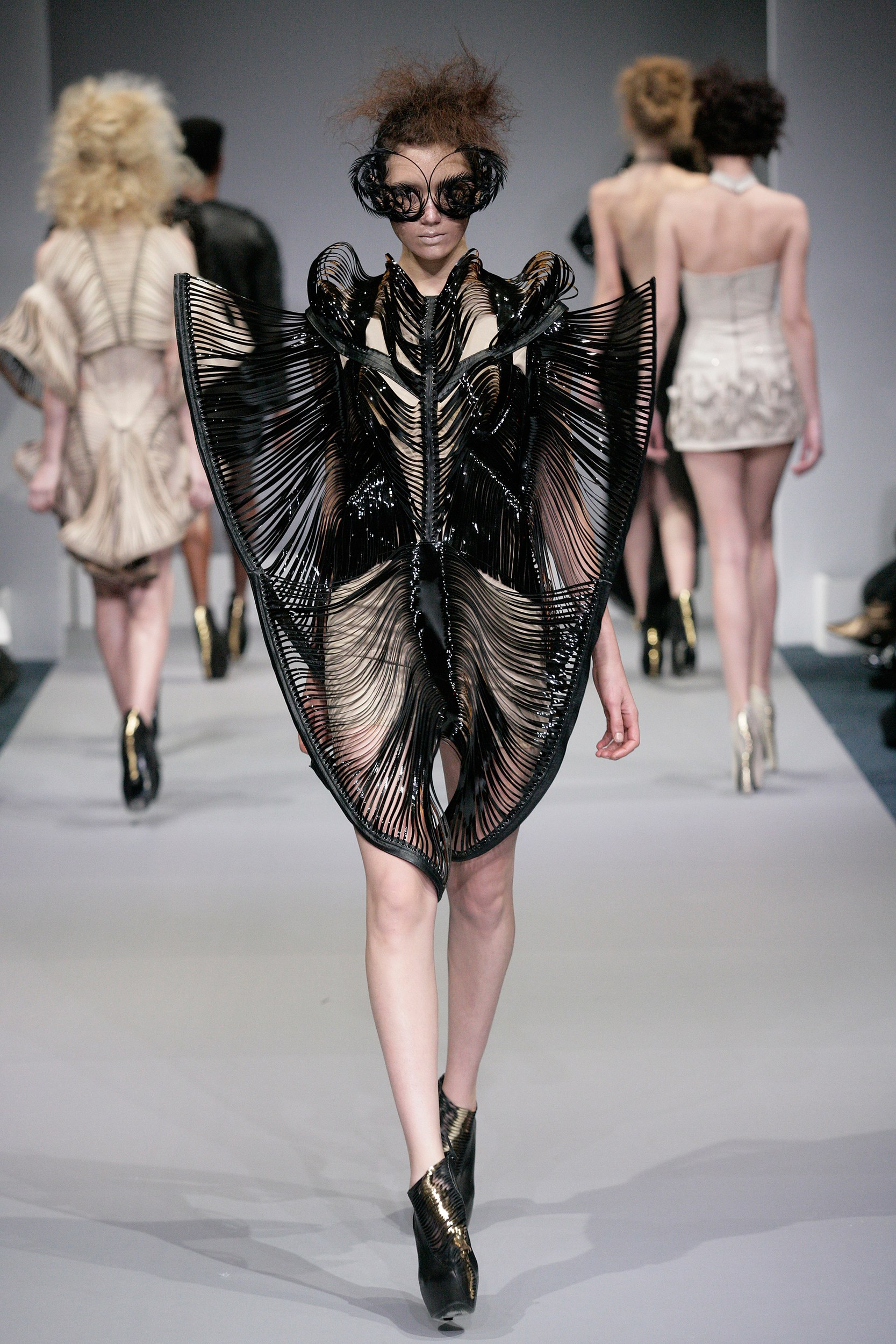
SynesthesiaAW10