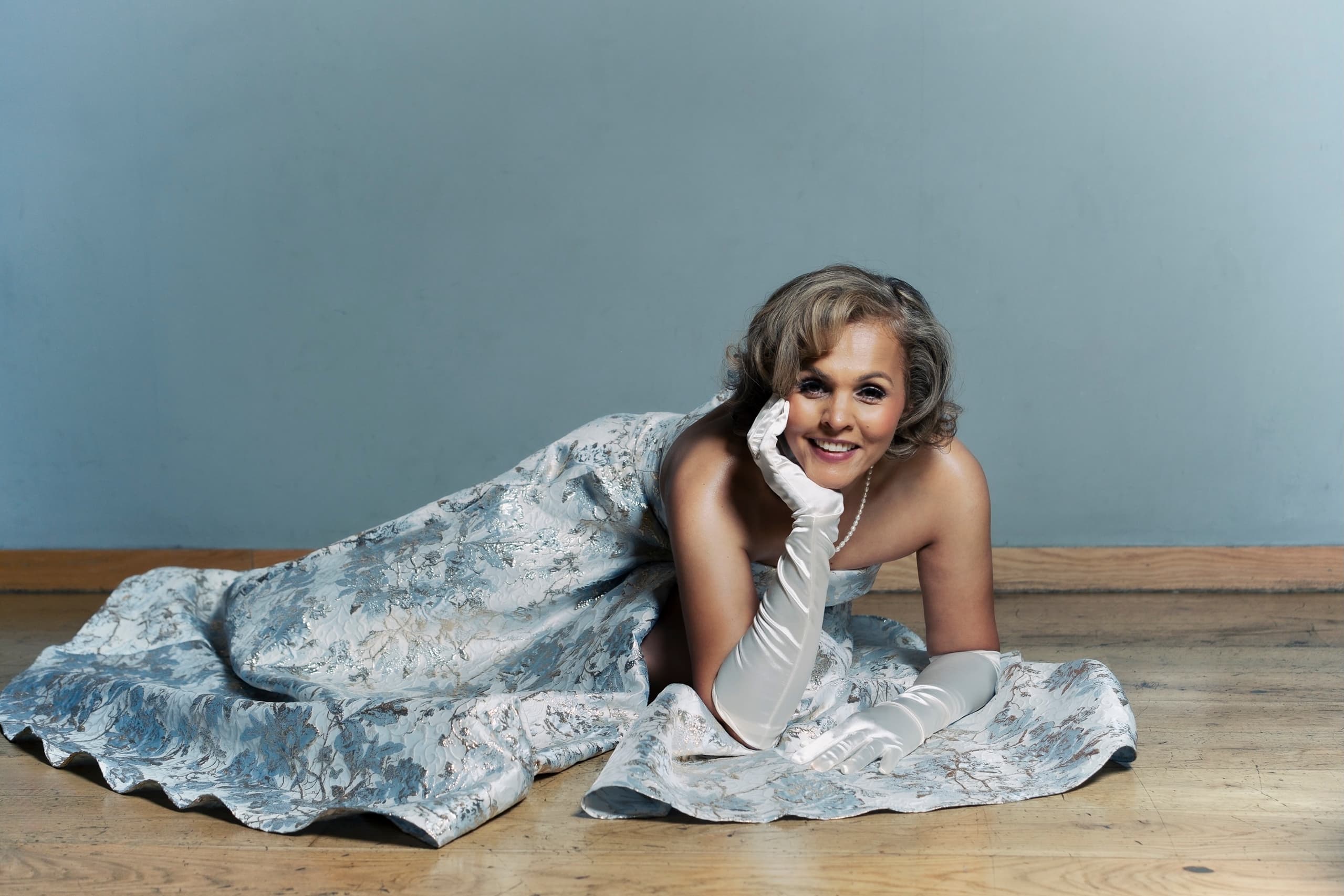
Simin Vaswani | An Interview with Flanelle Magazine
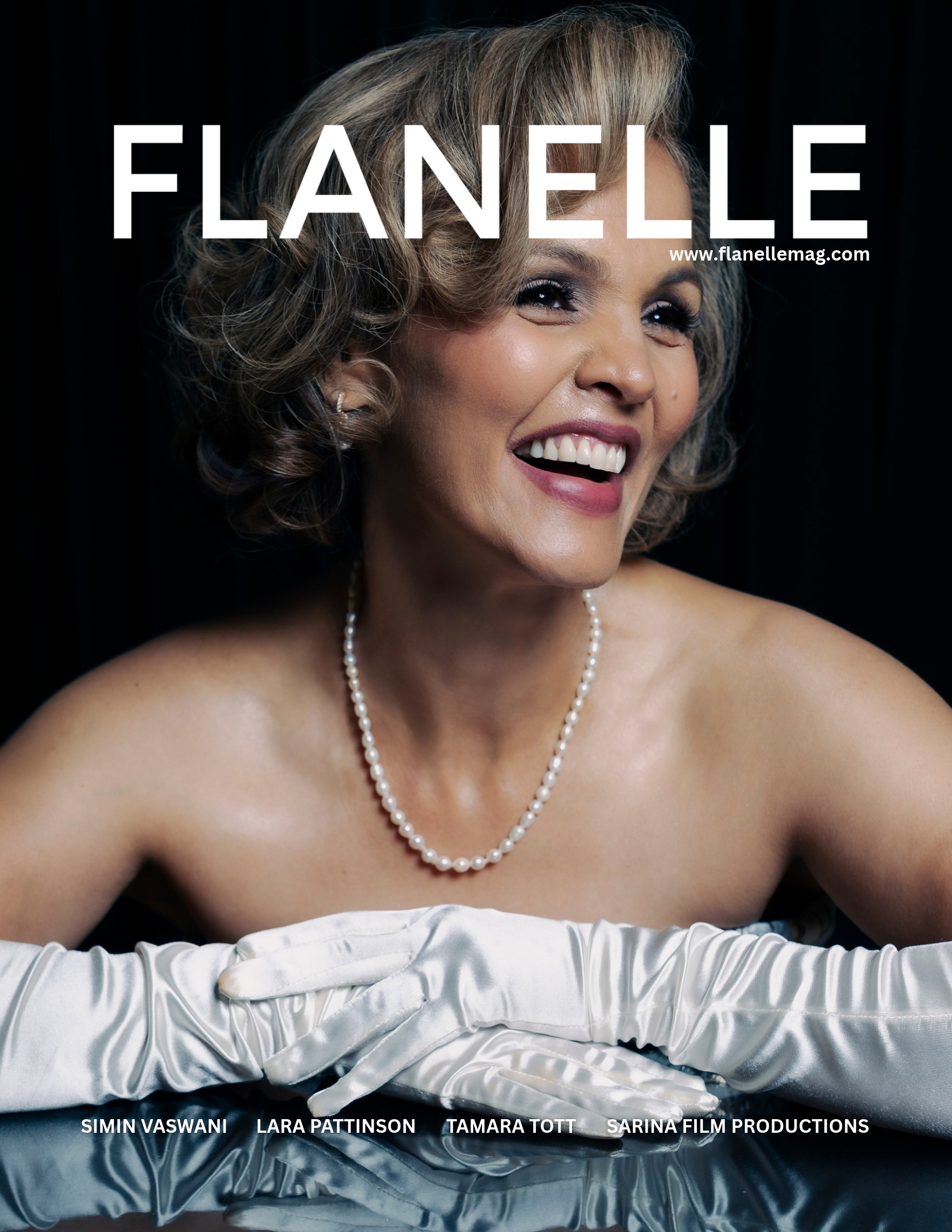
Filmmaker, writer, dancer and somatic practitioner Simin Vaswani talks about caregiving, generational healing, and finding her way back to the woman who never really left.
Women who care for others can disappear in a quiet way. It is rarely dramatic. It happens one small accommodation at a time: a need put off here, a desire set aside there. Then one day the woman in the mirror knows what everyone needs except herself.
Simin Vaswani knows this terrain intimately. After leaving India to build a new life in America, she spent twenty years in information technology. There her intellect served as a shield against a childhood marked by violence, upheaval and loss. Her healing came slowly, and it came through the body. Dance had been her refuge since girlhood. Years of somatic work then taught her to release what she had carried for so long. Today she works across filmmaking, writing, producing and movement. This year she directed for the first time: an animated film inspired by her son’s original music.
She now stands between two generations, caring for her mother through dementia while raising her neurodivergent son. She speaks to us from that tender, demanding place. Photographed in London, Simin reflects on vision and embodiment and on choosing love over inherited fear. She also recalls the moment mid-shoot when a George Michael song brought her back into her own body.
The title of this editorial speaks of returning rather than becoming. What does “returning to yourself” mean to you, and when did you first sense you were finding your way back?
The word becoming suggests evolving into a newer version of myself, and I do believe I am continually evolving through life’s experiences. But for me, returning holds a deeper meaning. It is about reconnecting with my truest essence, one that has always existed within me, filled with light, creativity and vitality.
That essence can become dimmed beneath the weight of responsibilities and duties. I feel this most profoundly as I witness my mother’s gradual decline through dementia. Every day brings a new sense of loss, awakening old wounds of abandonment and grief within me.
Looking at the bigger picture, my journey of returning to myself began when I chose to leave India and migrate to America. Through years of somatic work, creative expression and conscious healing, I began finding my way back to my center. But the defining moment came earlier this year, when I stepped into the role of director for the first time, directing an animated film inspired by my son’s original music composition.
Returning to myself does not mean reclaiming an earlier version of who I was or longing for something I have lost. It means returning to the core of my being, where I experience life through the lens of love. Love gives me the courage to remain present with life’s challenges without losing myself in them.
I wanted to emphasize the word return because I believe it speaks to so many women, particularly caregivers, who have journeyed so far into the needs of others that they have lost touch with their own essence.
You work across filmmaking, writing, producing, dance and somatic practice. How do these disciplines speak to one another, and which one first gave you a language for what you’d lived through?
I have experienced visions since I was four or five years old. These visions guided me through adversity, helping me find solutions and showing me a way forward when circumstances felt overwhelming. Even during an experience of sexual assault in my childhood, I remember reaching for the light within my heart. Help arrived, and I was rescued.
I take my visions very seriously. When I envision a film, a work of art or a dance sequence, my first instinct is to write. Writing is the gateway through which I bring the metaphysical into the physical world.
Dance allows me to embody those visions. Movement grounds my mind in the flow of life, bringing me fully into the present. When I dance, I feel like a vessel through which the energies of the past and future can move.
Somatic practices add another dimension. They help me recognize and release emotional patterns held within my body, while deepening my understanding of human relationships, psychology and the complexities of our inner worlds.
Together, these disciplines form a natural progression. My visions help me see. Writing helps me articulate what I see. Dance brings those visions into physical expression, and somatic practices help me integrate the experience.
Filmmaking brings everything together. When a team of passionate creators comes together to translate a vision onto the screen, something remarkable happens: what began as my personal experience becomes a story that others can recognize within themselves. Film becomes a multisensory experience through which audiences may discover emotions, memories and parts of themselves they had not encountered before. For me, that is one of the most gratifying aspects of being a filmmaker.
Somatic work centers on what the body holds and remembers. How has movement changed your relationship with your own body, and with your healing?
Living with the effects of childhood abuse, humiliation, accidents, violence and riots has meant carrying experiences that affected both my mind and my body. Some memories remained outside my conscious awareness for years, while their emotional and physical effects continued to shape my everyday life.
As a child, I danced and created fine art. Even during periods of conflict at home, these forms of expression gave me somewhere to turn. They became my earliest ways of coping. As I grew older, particularly through puberty, my emotions became increasingly overwhelming, and I began relying on my intellect as a shield. I pursued my education, earned a master’s degree in computer management and spent twenty years working in information technology.
Yet alongside my professional career, I felt a profound need to heal. That search led me to Core Energetics, a body-centered approach to personal transformation. Through this work, I began exploring what is often called the lower self, or shadow self: the defensive patterns, unresolved emotions and aspects of ourselves we may struggle to acknowledge. It gave me the opportunity to confront grief I had carried for years and to begin releasing the emotional burdens tied to it.
Gradually, I began to feel safer being myself. I no longer felt the same need to suppress my vitality or hide the parts of me that were naturally expressive, joyful and filled with light. Movement helped me reconnect with my body as a place where I could experience safety, creativity and freedom, rather than only the echoes of the past.
Perhaps the most profound change has been learning that I can carry the memories of my wounds without allowing them to define who I am.
You’ve spoken about breaking cycles of generational trauma. What does that look like in everyday life? Are there small, ordinary choices that feel like quiet acts of repair?
Generational trauma can be so deeply woven into family relationships that we don’t always recognize when we are living within its patterns. Sometimes it feels as though I am swimming in an ocean without realizing how deeply immersed I have become.
One of the most important lessons from years of somatic work has been learning to recognize when I am disconnected from my heart. When I am grounded in my body and connected to my heart, I can respond with compassion rather than react from old wounds.
This becomes especially important in caring for my mother. As dementia gradually affects her memory, there are moments when she cannot recall something that seems obvious to me. If I expect her to remember, or challenge her inability to do so, we can quickly find ourselves in conflict. In those moments, I recognize how easily frustration and powerlessness can surface.
The quiet act of repair is choosing a different response. It may mean pausing, grounding myself, remembering her vulnerability and approaching her with compassion rather than expectation.
I am especially conscious of these moments because my son is witnessing how we navigate our relationships. I do not want the anger, agony and pain of previous generations to become his inheritance.
There have certainly been setbacks; healing is not a perfectly linear experience. But my husband’s unconditional love and support have been invaluable in helping our family navigate these challenges.
I also see generational trauma transformed through filmmaking. When I write a film centered on trauma, bring it to completion and eventually see it presented to an audience, I witness something deeply personal being transformed into creative expression. Walking the red carpet or receiving recognition for that work becomes a tangible reminder of how far I have traveled.
But the most meaningful changes often happen quietly, without an audience. They happen when I wake up and consciously choose to ground myself, remain present and approach the people I love with compassion.
For me, breaking generational trauma is not one grand gesture. It is the daily practice of choosing love over inherited patterns of fear and powerlessness.
You stand between generations, caring for your mother through dementia while raising your neurodivergent son. What has each of them taught you about love, patience and presence?
Deep love. That is what they teach me.
One of my therapists once said something that has stayed with me: “Even if you are angry, it doesn’t mean you don’t love.”
Anger can be an incredibly powerful emotion, particularly when it emerges from fear, grief or helplessness. As my mother’s health deteriorates, I sometimes witness her anger and the terror she feels as she becomes increasingly aware of her vulnerability. At times, these moments trigger memories of my own past, and I find myself re-traumatized.
Then I look at my son. His presence reminds me that I have a choice. I can interrupt the pattern. I can choose not to carry that emotional experience into the next generation.
Sometimes all it takes is a minute of deep breathing, a walk around the room, stepping away briefly, listening to music or consciously shifting my energy. When the intensity settles, I can reconnect with what lies beneath it all.
Love.
My son may come over and give me a hug. My mother may call me to share something silly or ask me to bring her a favorite treat. And suddenly, we are simply a family again, sharing affection, laughter and tenderness. I find myself kissing my mother, feeling our connection and remembering that love has never disappeared, even in our most difficult moments.
This love between generations carries me. It gives me the purpose to keep healing, and the strength to say no to a past that sometimes tries to become my present.
What do you know about yourself now that you couldn’t have known when you were younger, and what are you letting go of?
I now recognize the depth of my strength and the extraordinary capacity I have to love my family. When I was younger, I couldn’t have imagined how much life would ask of me, or how much love I would discover within myself in answering those challenges.
I also couldn’t have known that my future held a man who would stand beside me through so many of life’s adversities. I dreamed of him, but I never fully understood how deeply committed he would be to supporting my healing and our family’s journey.
What I am continually learning to let go of is the feeling of being victimized. Using the tools I have developed over the years, I regularly ask myself whether I am experiencing life from a place of powerlessness or of empowerment. It is a conscious practice of recognizing that while I cannot control everything that happens around me, I can choose how I respond.
Every day, I want to change the story from “This is happening to me” to “I have the power to choose how I respond to what is happening.” That shift allows me to reclaim my agency without denying the reality of what I have lived through.
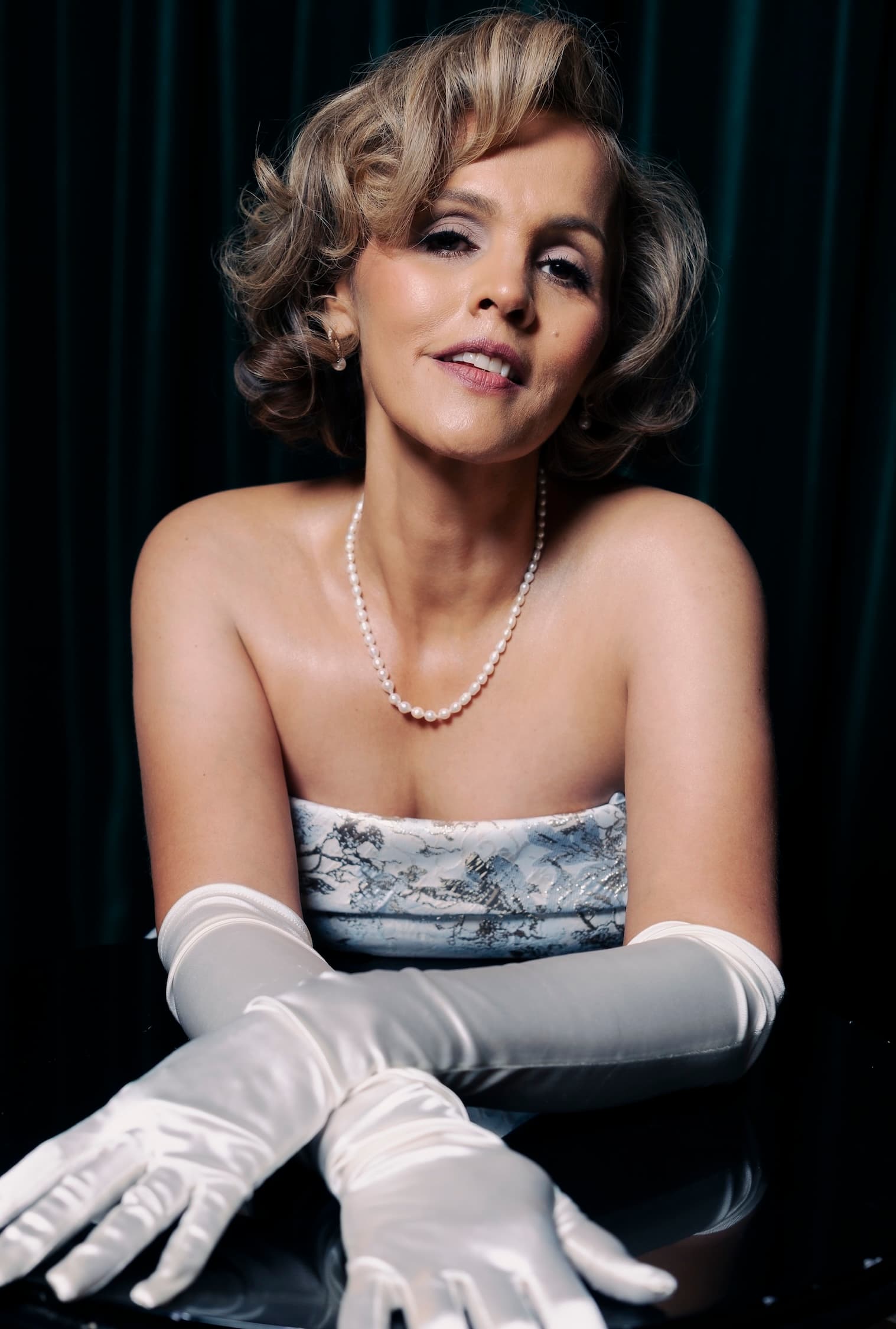
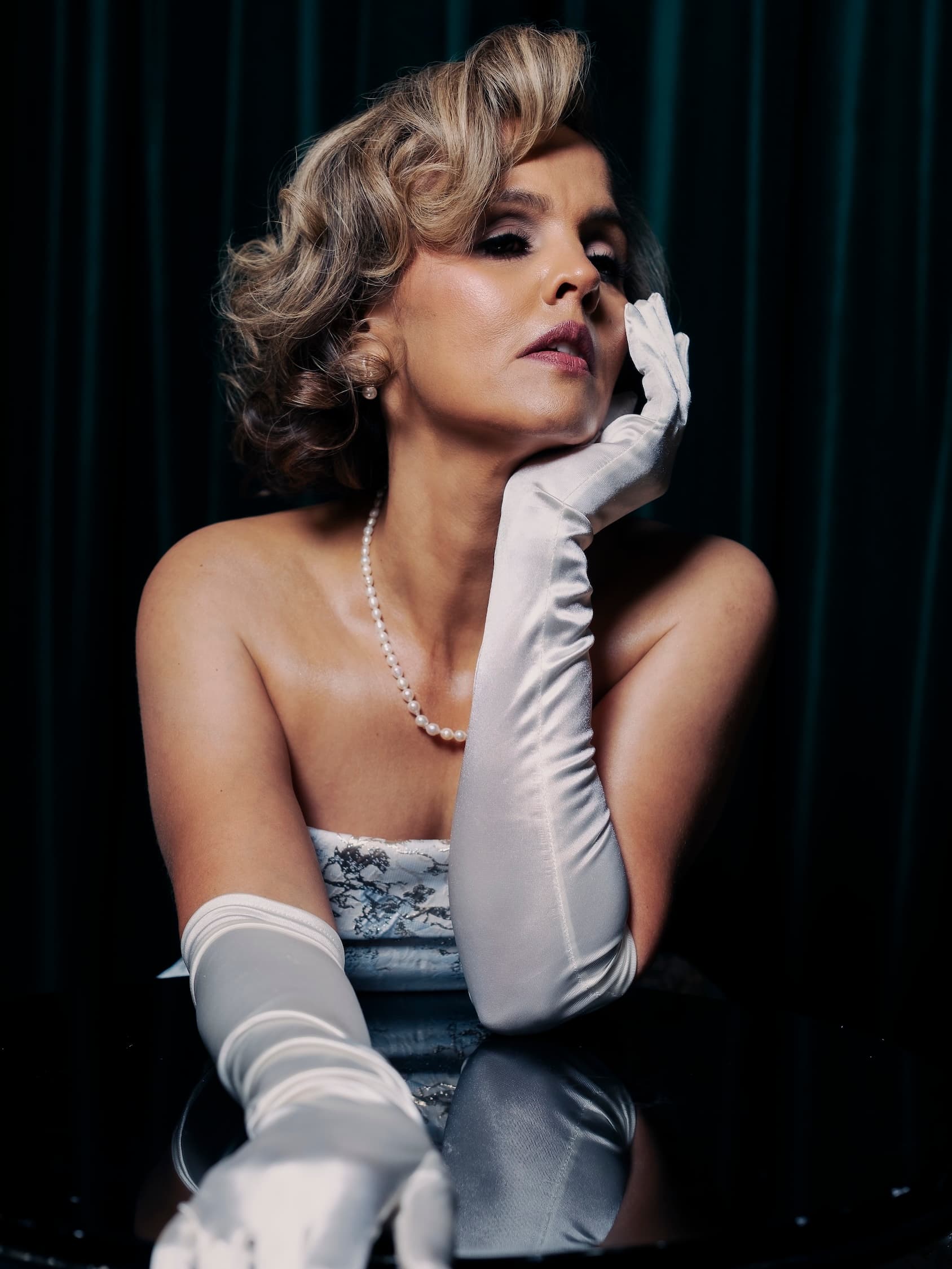
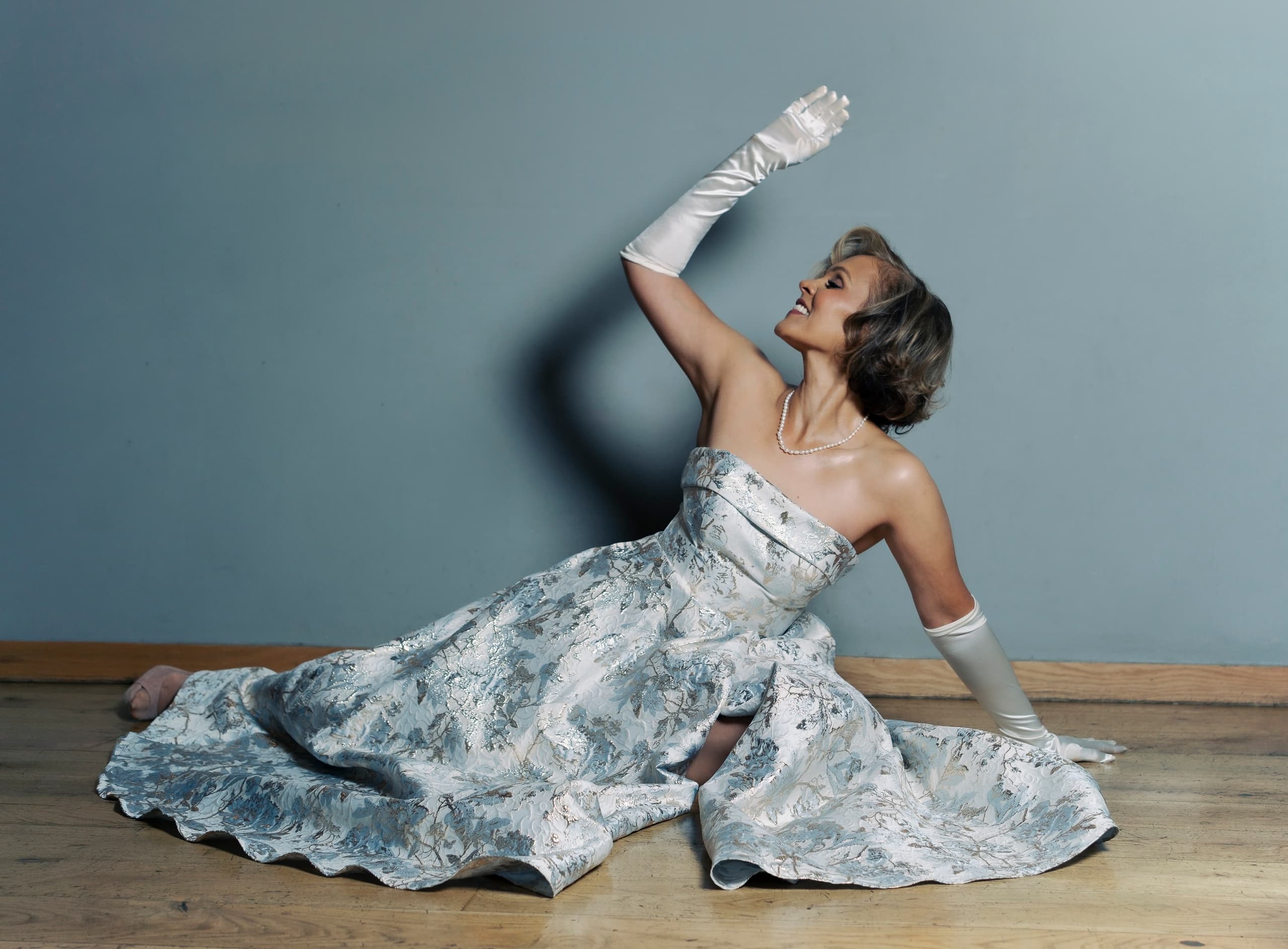
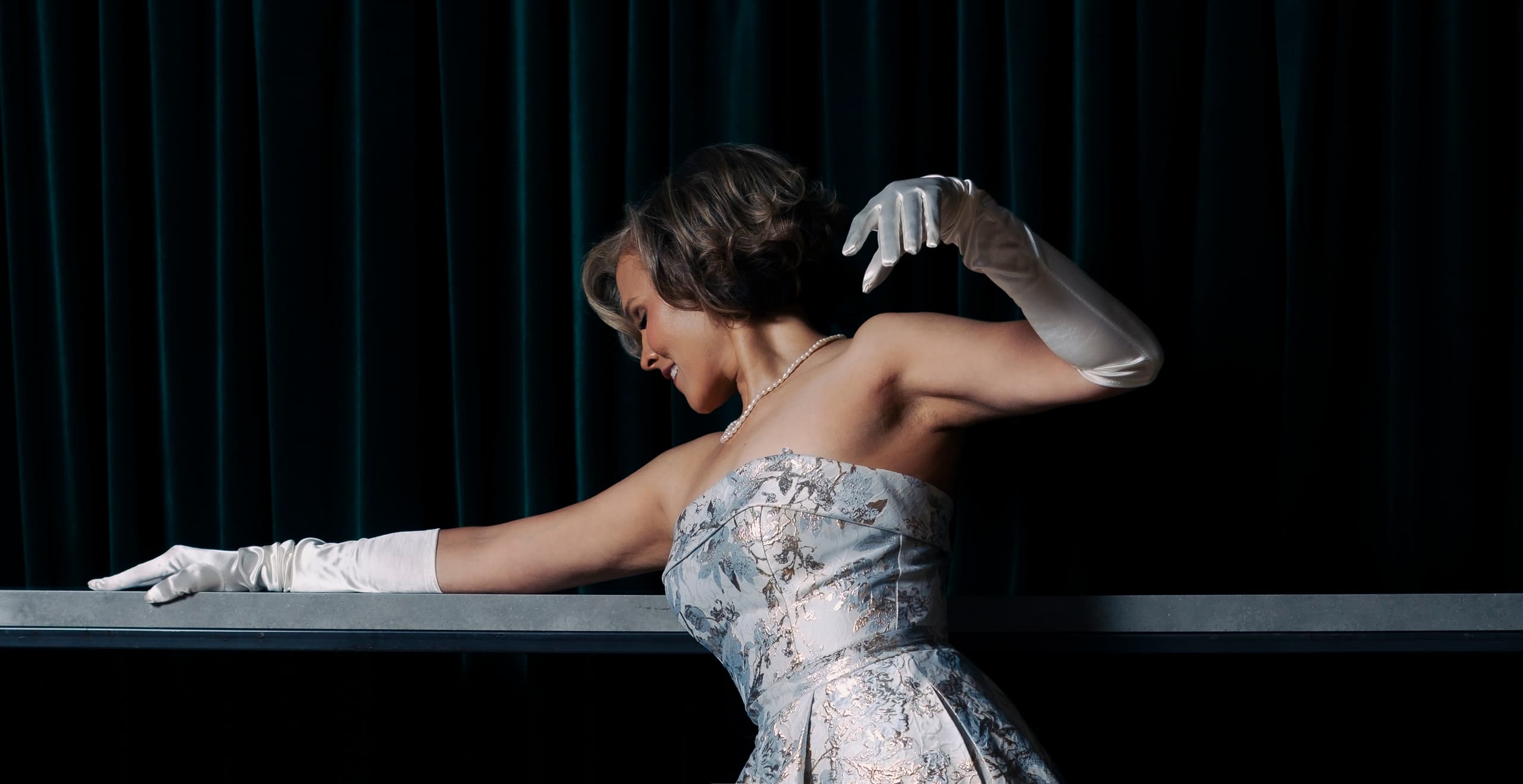
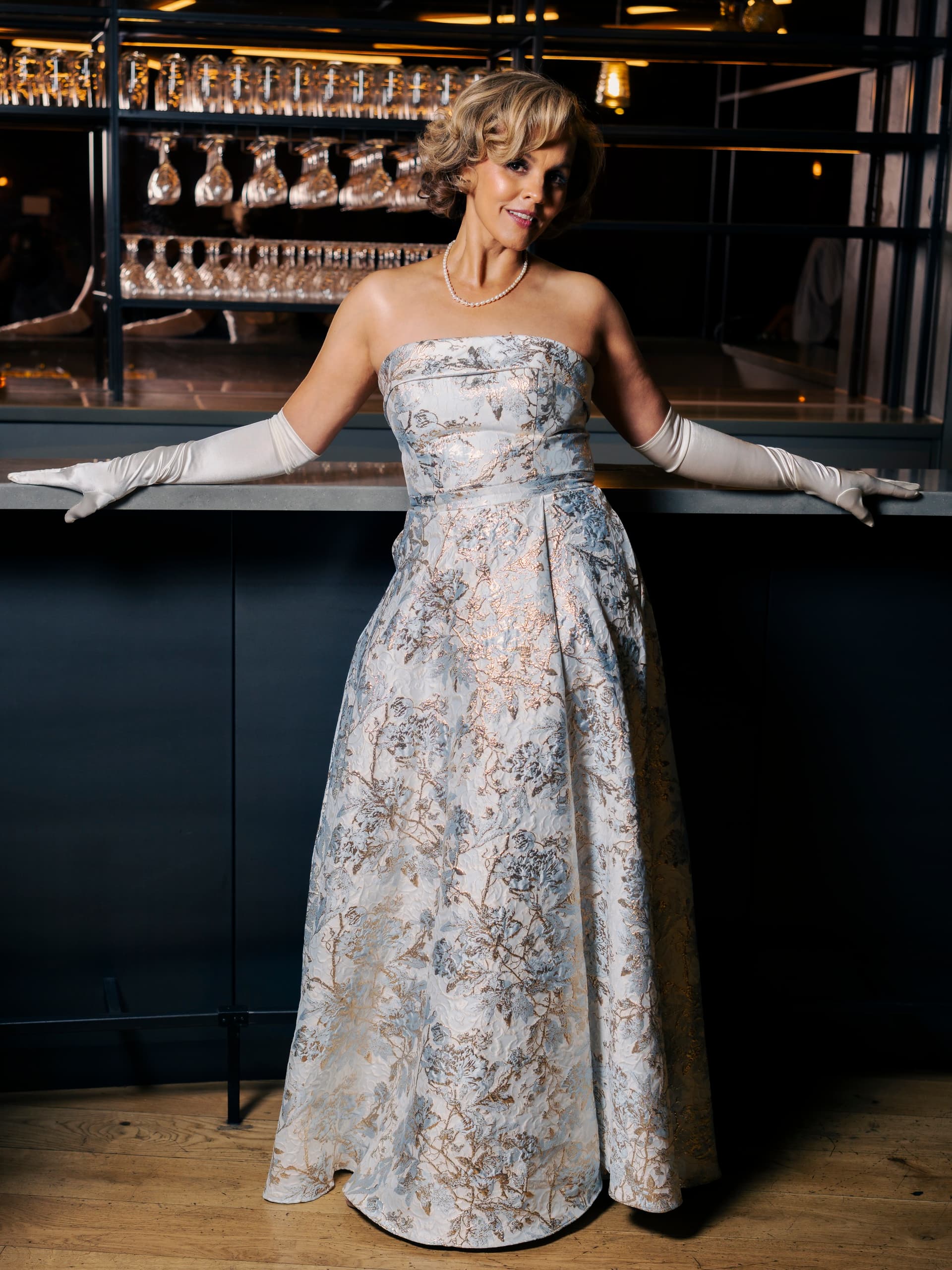
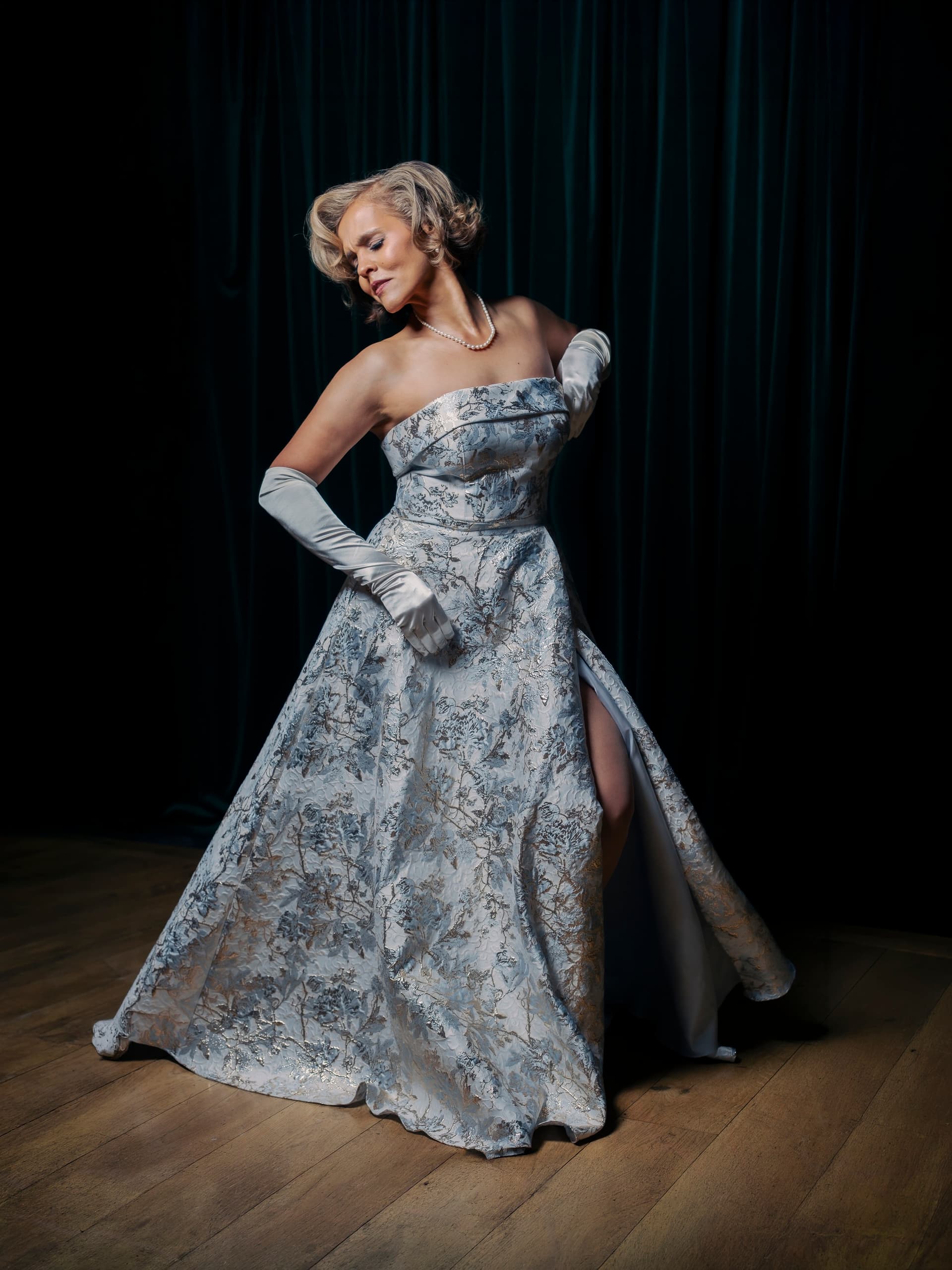
These images celebrate elegance, femininity, vulnerability and strength together. How did it feel to be photographed this way, and was there a moment on set with Lara when you recognized yourself?
When I feel vulnerable, I sometimes retreat from my own existence. I become accommodating, placing others’ needs before my own and gradually denying myself the space to exist fully. That was the emotional place I was in when we began the photoshoot in London.
Then Lara suggested I try a sensual, sexy pose, and in that moment I realized just how far I had stepped away from that part of myself. Somewhere along the way, in my pursuit of being the perfect caregiver and healer for my family, I had lost touch with the woman within me.
I felt challenged by the pose. Lara and I experimented, and I quickly recognized how disconnected I had become from my own sensuality. But one particular pose she suggested took me back in time. I remember thinking, Wait, I know this side of myself. I know the sensual woman within me, and I have always been comfortable expressing her.
Then I suddenly remembered something. Before leaving the United States for London, I had made a George Michael playlist especially for this shoot. I love George Michael, and I had carefully chosen some of my favorite dance songs to help me connect with the energy I wanted to bring to the photographs. In the intensity of the shoot, I had completely forgotten about it.
So I put on the playlist and began to move. The music brought me back into my body. I danced, felt the rhythm and reconnected with a part of myself that had been overshadowed by responsibility. I was no longer trying to create a sensual pose; I was experiencing my sensuality. I felt my womanhood, my confidence and that deep, earthy expression of femininity returning through movement.
What began as a photoshoot became something far more meaningful: a moment of recognizing the woman who had always been there.
You speak of becoming a beacon of light. What would you say to a woman who is still at the beginning of her own return?
I would tell her: even if it’s terrifying, follow your womanly instincts.
A woman’s intuition is one of her greatest sources of power, yet so many of us are conditioned to question it, suppress it or turn away from it. There is extraordinary strength in femininity.
Your sensuality, eroticism and womanhood may feel overwhelming or even frightening, particularly if life has taught you to disconnect from those parts of yourself. But they can also become pathways back into your body, your intuition and your deepest sense of being.
You do not have to deny your vulnerability to be powerful. You do not have to abandon your femininity to be strong. And you do not have to become someone else to discover your light.
Sometimes the most courageous journey is simply returning to the woman who has always lived within you, even when life has made her hard to recognize.
She is still there.