A long weekend of museums, artists’ studios and old brick streets, with two very different hotels to come home to.
Words and Photos by Sarah-Eve Leduc
Ask most travelers to picture Boston, and they will reach for the familiar props: Freedom Trail plaques, a Red Sox cap, a bowl of chowder eaten in a wharf-side window. All of that is still here, and all of it still works. But spend a long weekend actually wandering the city, rather than checking off its monuments, and a different Boston comes into focus. It is smaller and warmer. A city of art students sketching in museum gardens, chefs reinventing their grandmothers’ recipes, and gulls wheeling over a harbor that still smells faintly of salt and diesel. Boston does not announce its creative energy the way Brooklyn or Los Angeles might. It simply hands you a paintbrush and a park bench and lets you figure it out.
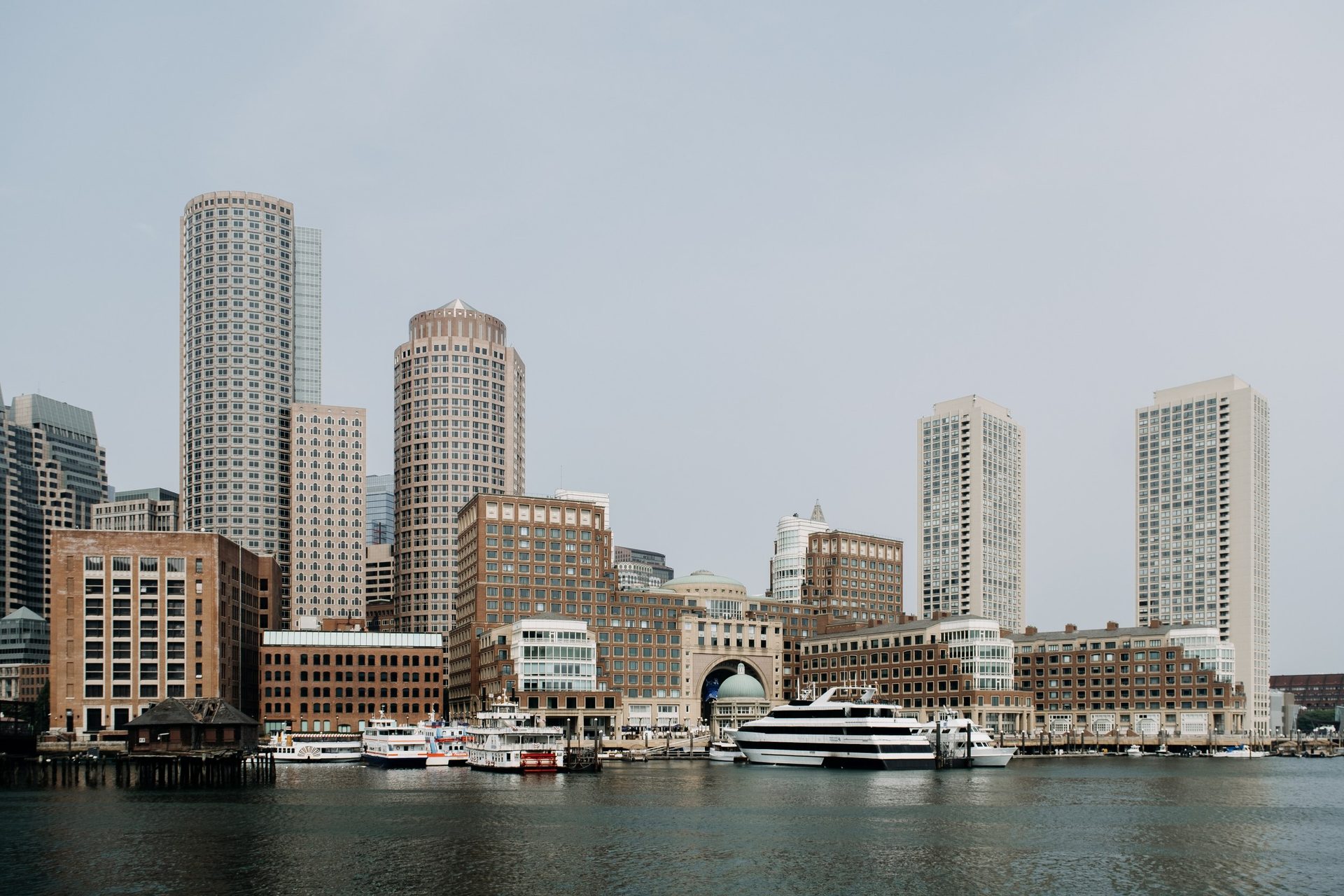
Boston’s museums are its clearest argument for itself, and the smartest way to see them is together. By the docks, the Institute of Contemporary Art has spent nearly nine decades sharing the pleasure, and occasional provocation, of contemporary art with the city. Its glass-walled galleries sit directly on the harbor, and its exhibitions and performances are aimed squarely at the present tense: new artists, new questions, a building that seems to pull the water itself into the room. In warmer months, the museum’s reach extends by boat to a second exhibition space in a former warehouse across the harbor, a detail that says a great deal about how seriously Boston now takes its role as an incubator for working artists, not just a custodian of old masters. Before a few hours on your feet, stop for a calm, produce-driven lunch at Woods Hill Pier 4, which sits close enough to make an easy pairing with a museum afternoon.
That same creative energy runs through the Fenway, home to a cluster of art schools and, not coincidentally, two of the city’s finest museums. In the park, we counted seven easels and their artists standing along the Fens, just past the fence line of the Isabella Stewart Gardner Museum. Some students had set up facing the water, working slowly through a wash of green and gray. A couple shared a bench a little further on, sketchbooks open. Nobody looked like a tourist. On a warm afternoon, this is apparently just what people do here.
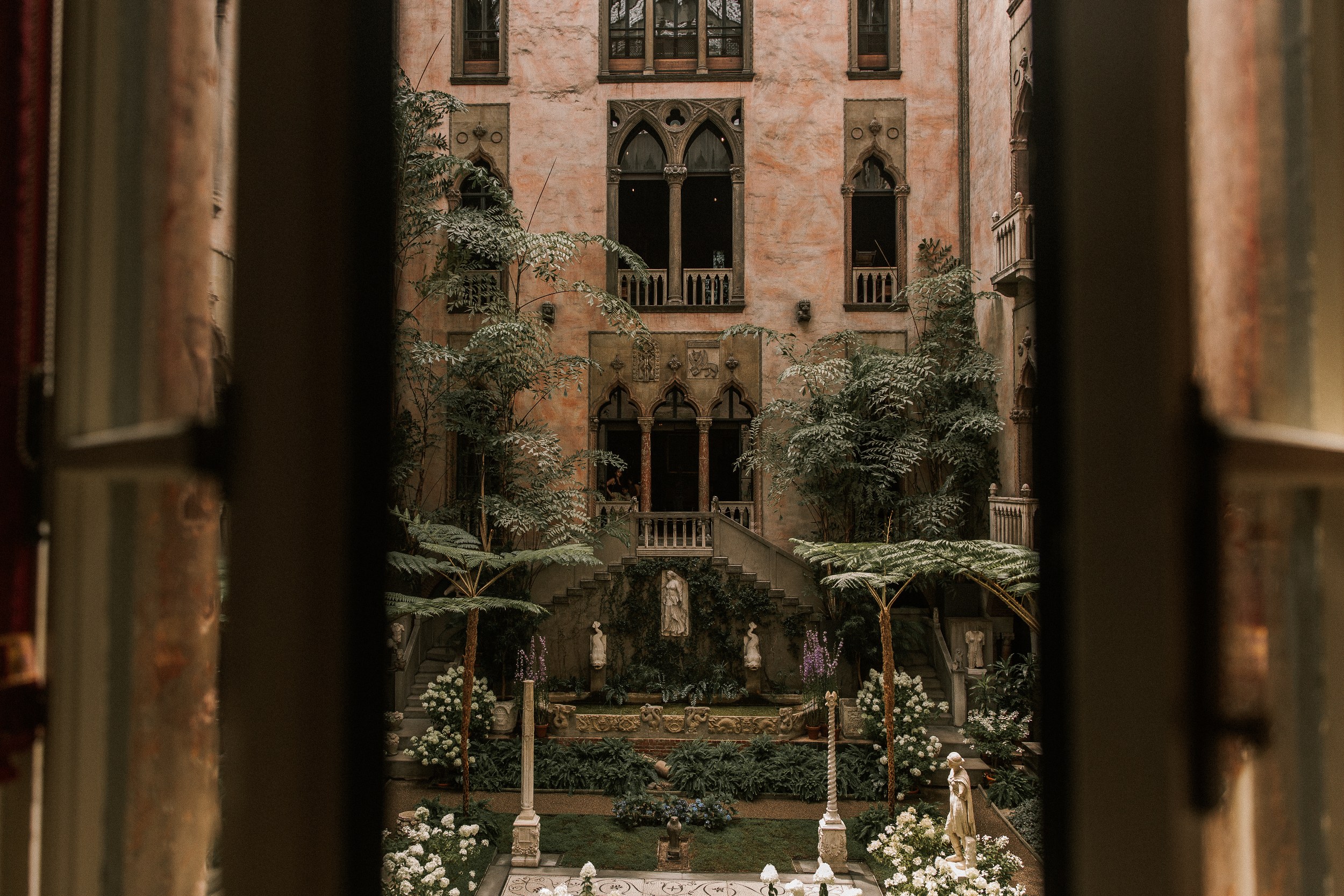
At the Isabella Stewart Gardner Museum, built to resemble a 15th-century Venetian palazzo, the permanent collection is extraordinary, but the real draw for a creative traveler is the crowd it attracts: students and retirees alike, sketchbooks open, sitting in the courtyard garden simply to look and to draw. Down the block, the Museum of Fine Arts anchors the same stretch of green space, and together the two institutions turn this corner of the Fenway into one of the more quietly inspiring stretches of pavement in the city.
Across the river, the Harvard Art Museums round out the triangle, and they do it for free. Just steps from Harvard Square, the museums occupy a beautifully restored building organized around the sunlit Calderwood Courtyard, with more than 50 galleries spread across three floors. Grab a coffee at the on-site café, browse the museum shop, then get lost for an hour or two among the collection. Open Tuesday through Sunday, with no admission fee at all, it is one of the better reasons to cross the river during your stay.
Old Boston, in Brick and Story
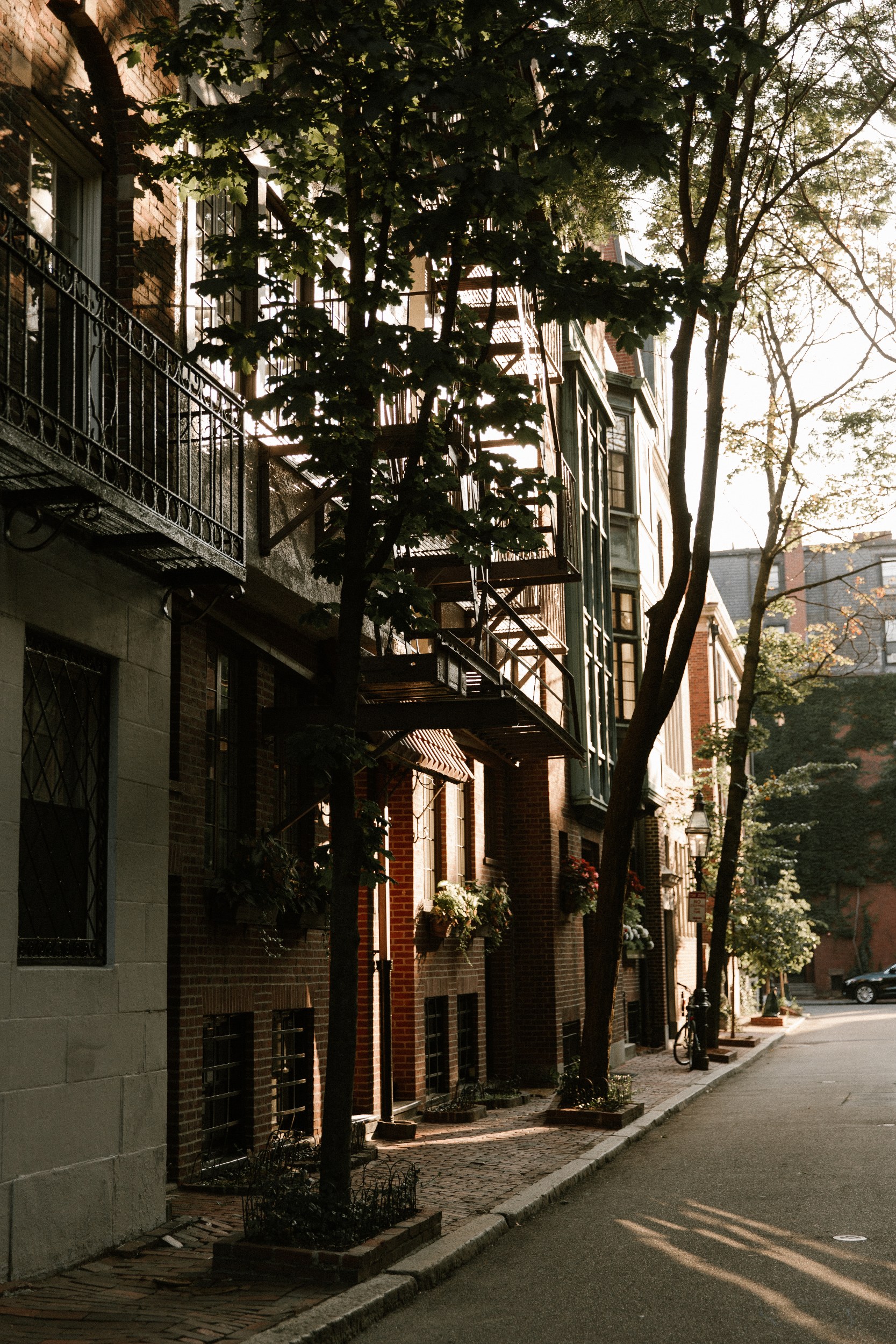
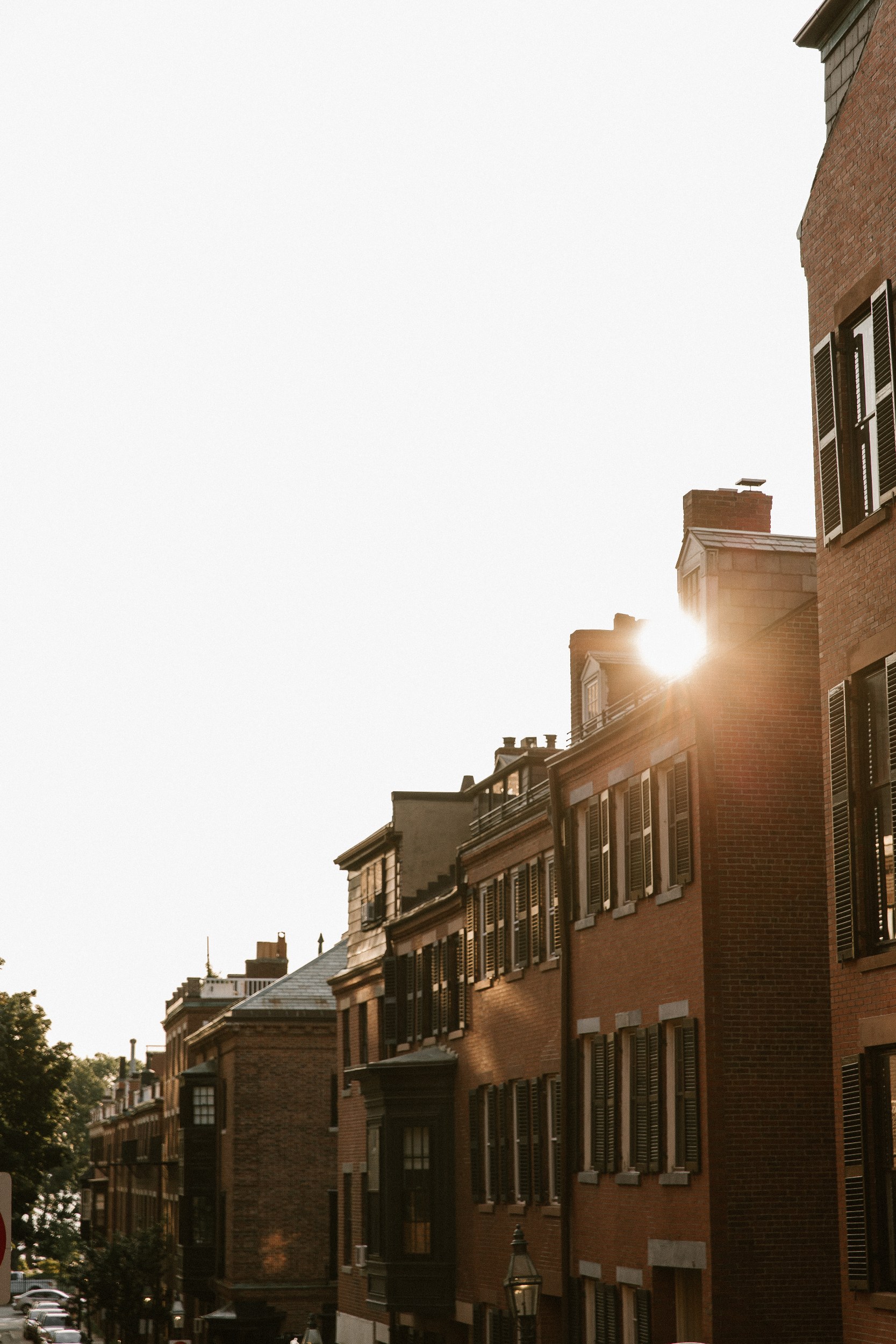
To understand where all this creative confidence comes from, it helps to start with the city’s oldest neighborhood. Beacon Hill’s narrow, gas-lit streets are the country’s best-preserved lesson in early American architecture, largely thanks to Charles Bulfinch, a self-taught architect (America’s first, by most accounts, to practice without formal training) whose Federal-style row houses set the template for the city’s signature red brick look. His influence rippled well beyond Boston, echoing in the neoclassical buildings of Britain as much as in the streets he designed at home.
The best way to take it in is on foot, ideally with a guide to dive deeper in the city’s details. Boston by Foot’s private Beacon Hill walking tour threads through the neighborhood’s South Slope, tracing the connection between architecture and power as the city’s elite built an exclusive enclave beside the new state capital. Along the way you will hear about Hepzibah Swan, an independent investor and the first woman to own property here. The tour also touches on the fight for social justice waged at the Charles Street Meeting House, and ends, as most Beacon Hill walks should, at Louisburg Square, a private garden square so quietly grand it barely needs an introduction. Despite the pedigree, the current neighborhood street has an unexpectedly loose, bohemian streak once the historians clear out for the day. Wander down Charles Street on a weekend afternoon and you might pass a tarot reader set up on the sidewalk between an antiques shop and a small farmers’ market stall, cheerfully at odds with the Federal-style townhouses looking on. In your own time, the Public Garden, Boston Common and the Charles River Esplanade are all within easy reach and reward an unhurried wander.
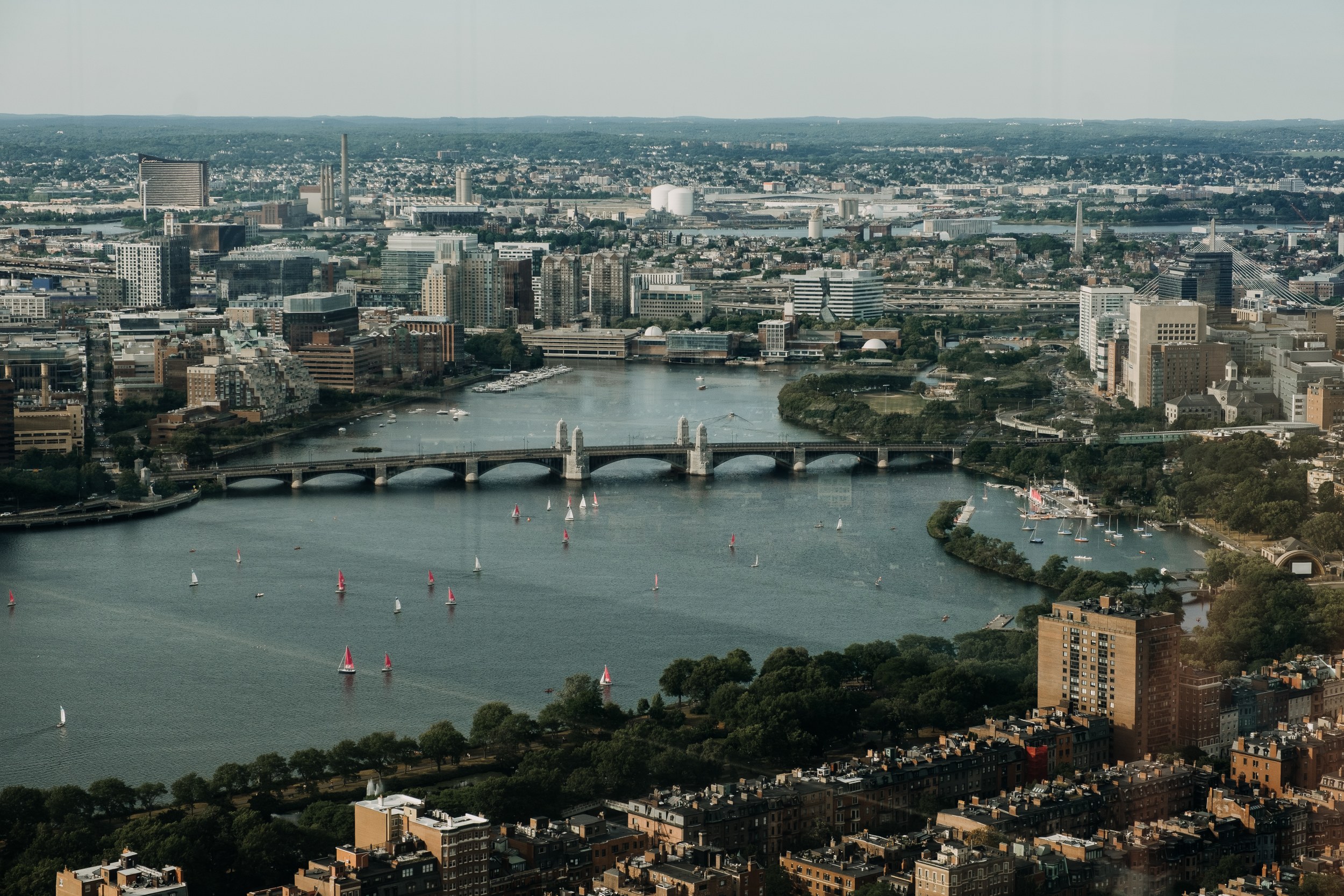
From Beacon Hill it is a short walk to Newbury Street, a mile of 19th-century brownstones turned into Boston’s liveliest run of shopping, dining and people-watching, just east of Massachusetts Avenue. Boutiques and flagship stores fill the ground floors, food trucks line up along the sidewalks by midday, and the rooftop terraces start filling in well before dinner. Come evening, the street shows its dining side in full. Krasi, a Greek restaurant that does not take itself too seriously, pairs an exceptional spirits and wine list with a kitchen that clearly knows what it is doing, all inside a room lively enough to feel festive and quiet enough to hold a conversation. Reserve ahead; even on a Monday night, it was full. For orientation above it all, head up to View Boston, the 360-degree observation deck crowning the Prudential Tower, a fine place for a drink on the terrace while the harbor, the State House dome and the Back Bay’s brownstone grid arrange themselves neatly below.
For a city so steeped in history, Boston’s contemporary creative scene deserves equal billing, and the best place to find it is south of downtown, at the SoWa Open Market. Running Sundays from May through October, SoWa is one of the largest open-air art and farmers’ markets in the city, its pedestrian-only Thayer Street lined with regional vendors, food trucks, galleries and shops. Our personal favorite however, was right on the corner; wander past the market stalls and into the surrounding industrial buildings, four stories of working artist studios where you can watch handmade jewelry, paintings, paper crafts and photography come together in real time. It was here that we walked in a studio and met Joanne Dumont Buteau, an artist who has worked in Boston for fifteen years. Conversations like that one are the real reason to visit SoWa. The market is worth the trip for the objects alone, but it is the people behind them who make the neighborhood feel alive.
The Langham
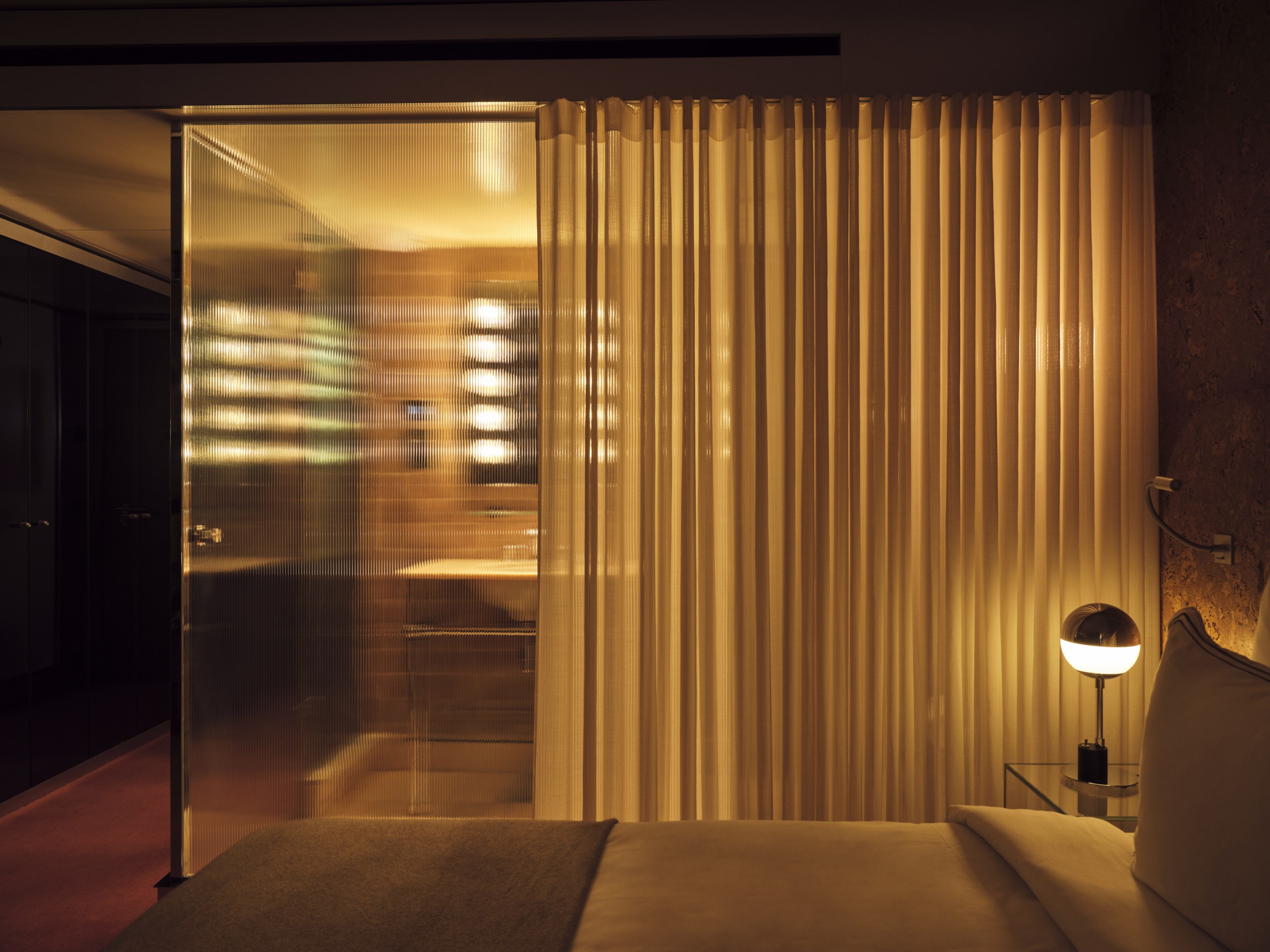
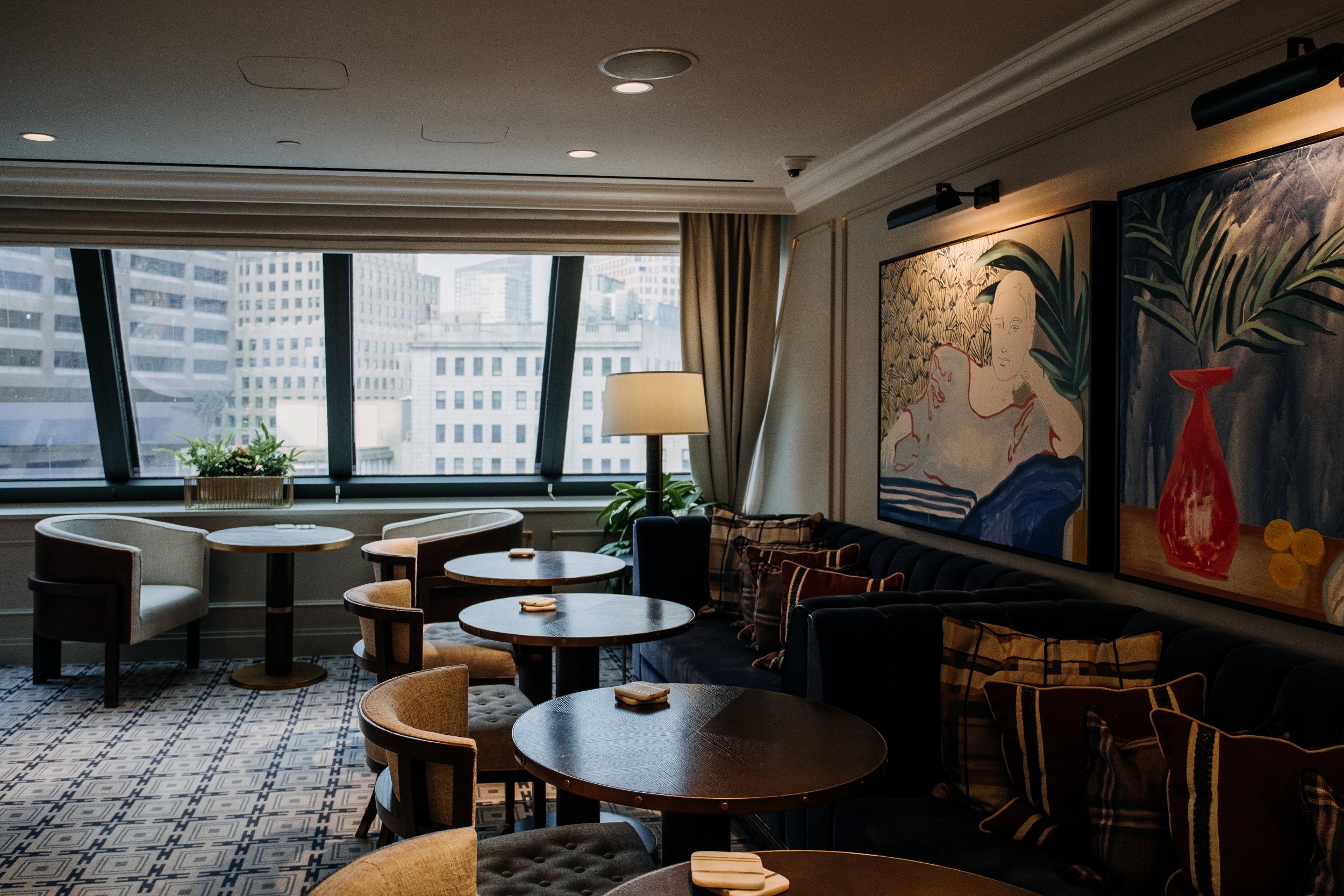
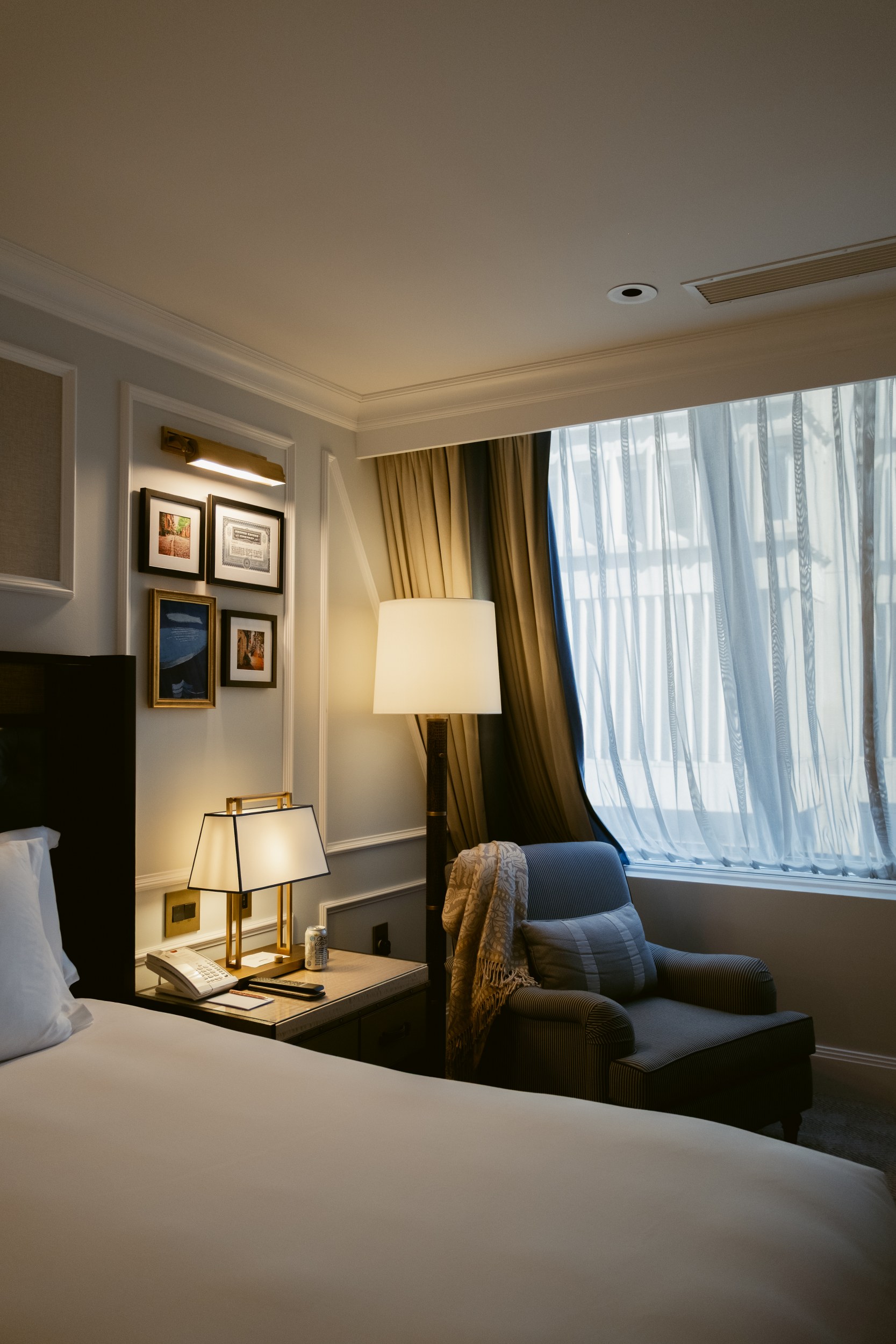
Of every hotel bed we’ve slept in across a decade of American travel, the one at the Langham stands out. It might have been the storm that rolled through on our first afternoon, rain sheeting down the huge, protruding bay window of our room while we sat inside with a pot of tea, watching the Financial District blur into gray. Or it might simply be that the room itself, generously sized and quietly plush, does not ask anything of us beyond sinking in. Whatever the reason, we slept better there than almost anywhere else, and woke up still thinking about it.
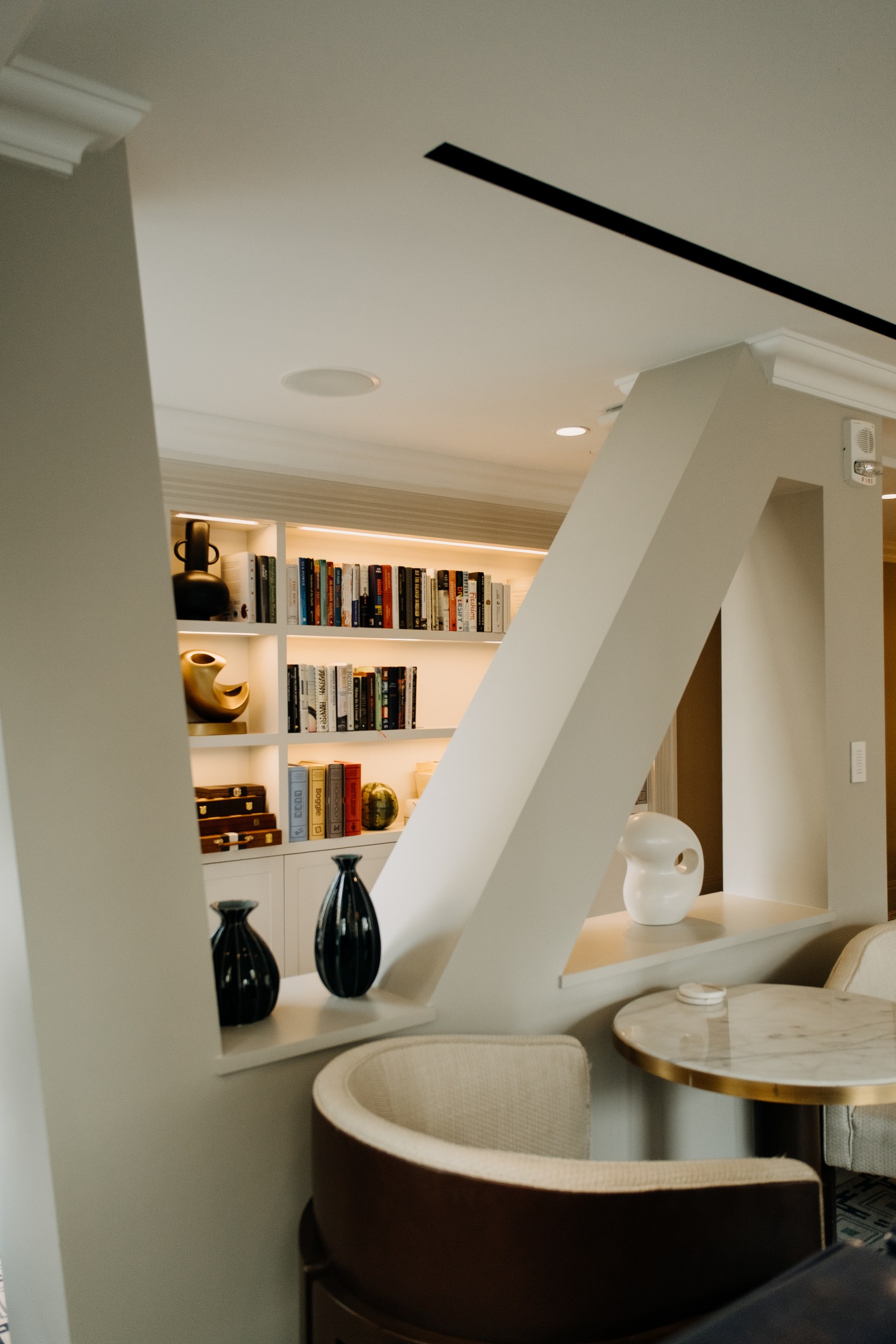
Breakfast the next morning only deepened the impression. The hotel’s upstairs salon, lined with fashion and art books and largely empty at that hour, felt more like a private library than a hotel restaurant, the kind of room that makes us want to linger over a second coffee rather than rush out the door. The food was simple and thoughtfully done rather than showy, which suited the mood exactly. From there, it is an easy, pleasant walk east along the Greenway toward the harbor and the ICA, the whole morning still humming faintly with the calm of that breakfast room. Service throughout the stay was the kind that gets remembered rather than merely noted: attentive, warm, and never once intrusive.
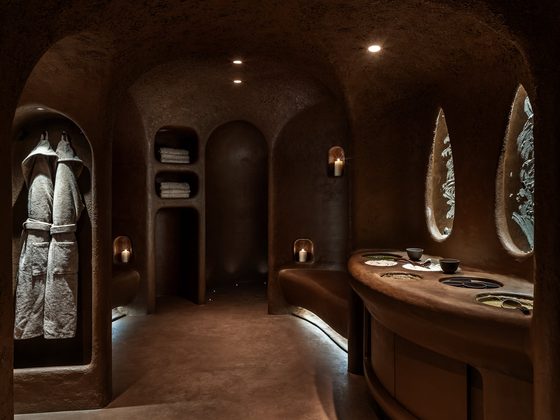
Some of that calm surely comes from the building itself. The Langham occupies the former Federal Reserve Bank on Franklin Street, and its bones still carry a certain institutional confidence: soaring ceilings, heavy stonework, the sense of a room built to inspire trust rather than mere comfort. That gravity has been softened everywhere it counts, with New England-inflected interiors in warm neutrals and dark wood, and a wellness floor, complete with a 40-foot indoor pool, sauna and steam room, that few other downtown hotels can match. For dinner, GRANA’s all-day Italian menu is a reliable, unfussy option a few steps from the elevator, and guests staying on the executive floor can retreat to the Langham Club, a quiet lounge with food and drink service running well into the evening. It is, in short, a hotel built for people who actually intend to stay in and enjoy it, not just pass through.
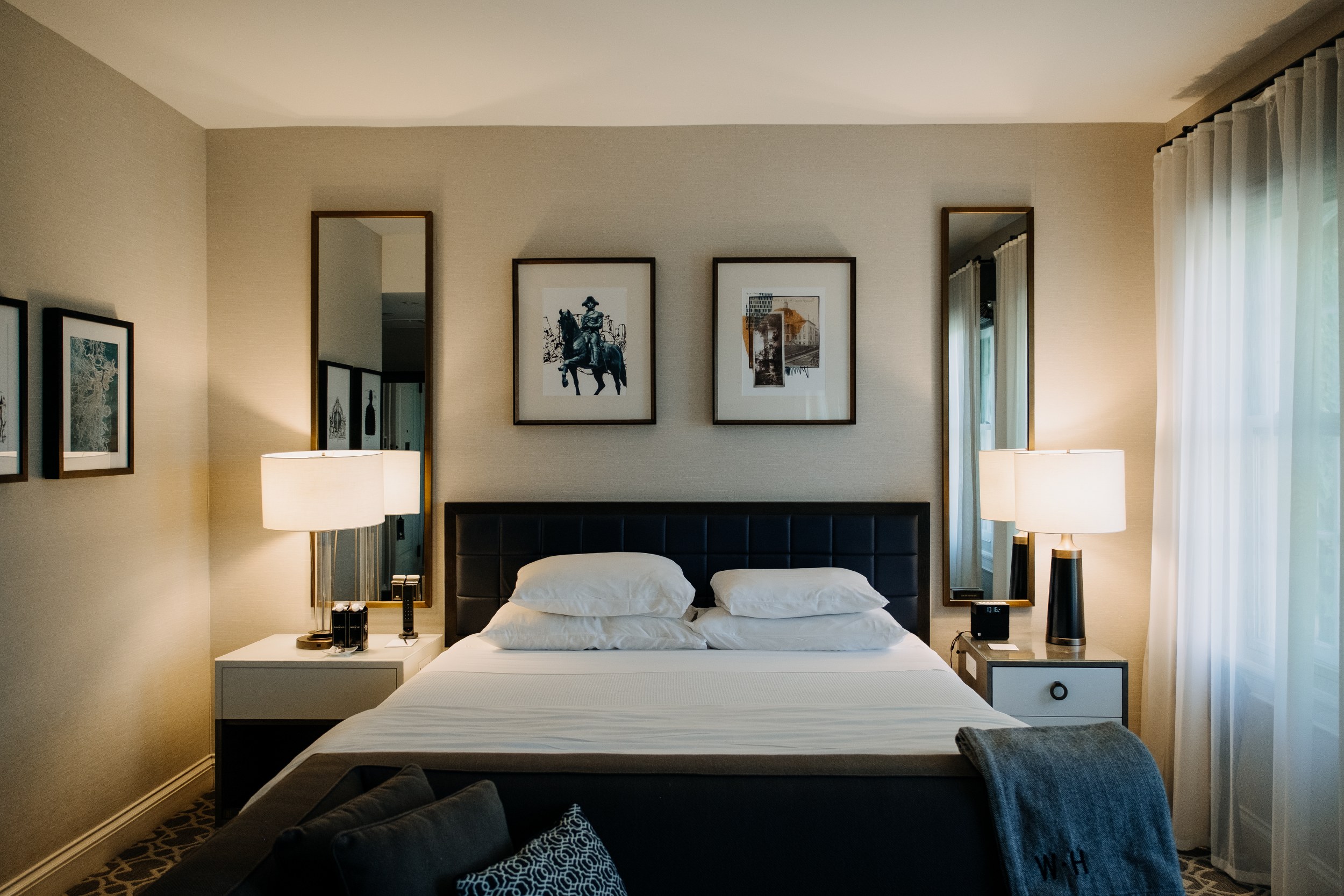
The Whitney
What sold us on the Whitney was less the hotel itself, at first, than everything within reach of its front door. A short walk over the bridge puts you on the Charles River Esplanade, a long ribbon of parkland with a marina, boating classes underway on the water, and enough space to properly stretch your legs before breakfast. Head the other direction and you land straight on Charles Street, Beacon Hill’s own strip of small, bohemian shops, the kind where it is genuinely hard to leave empty-handed. A subway station sits close enough to make the whole city easy to reach without ever needing a taxi, which matters more than it sounds like it should on a long weekend.
Inside, the hotel keeps things similarly unfussy and well judged, from the book-lined lobby with its working fireplace to rooms dressed in Frette robes and stocked with proper coffee. Breakfast, though, is the detail worth booking the hotel for on its own: taken outside in the small interior garden, coffee in hand, newspaper open, with just enough birdsong and street noise drifting over the walls to remind us that we were still, somehow, in the middle of a city. It is the kind of morning routine that already has us planning our next Boston trip around it.
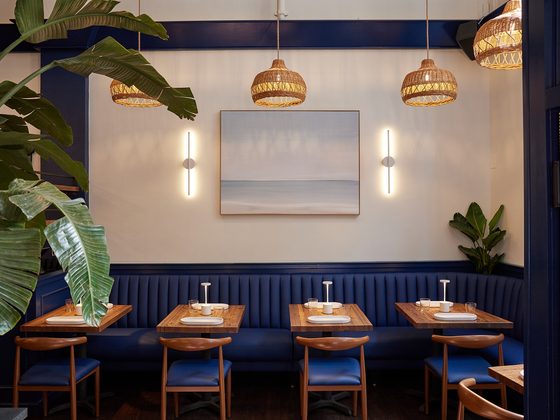
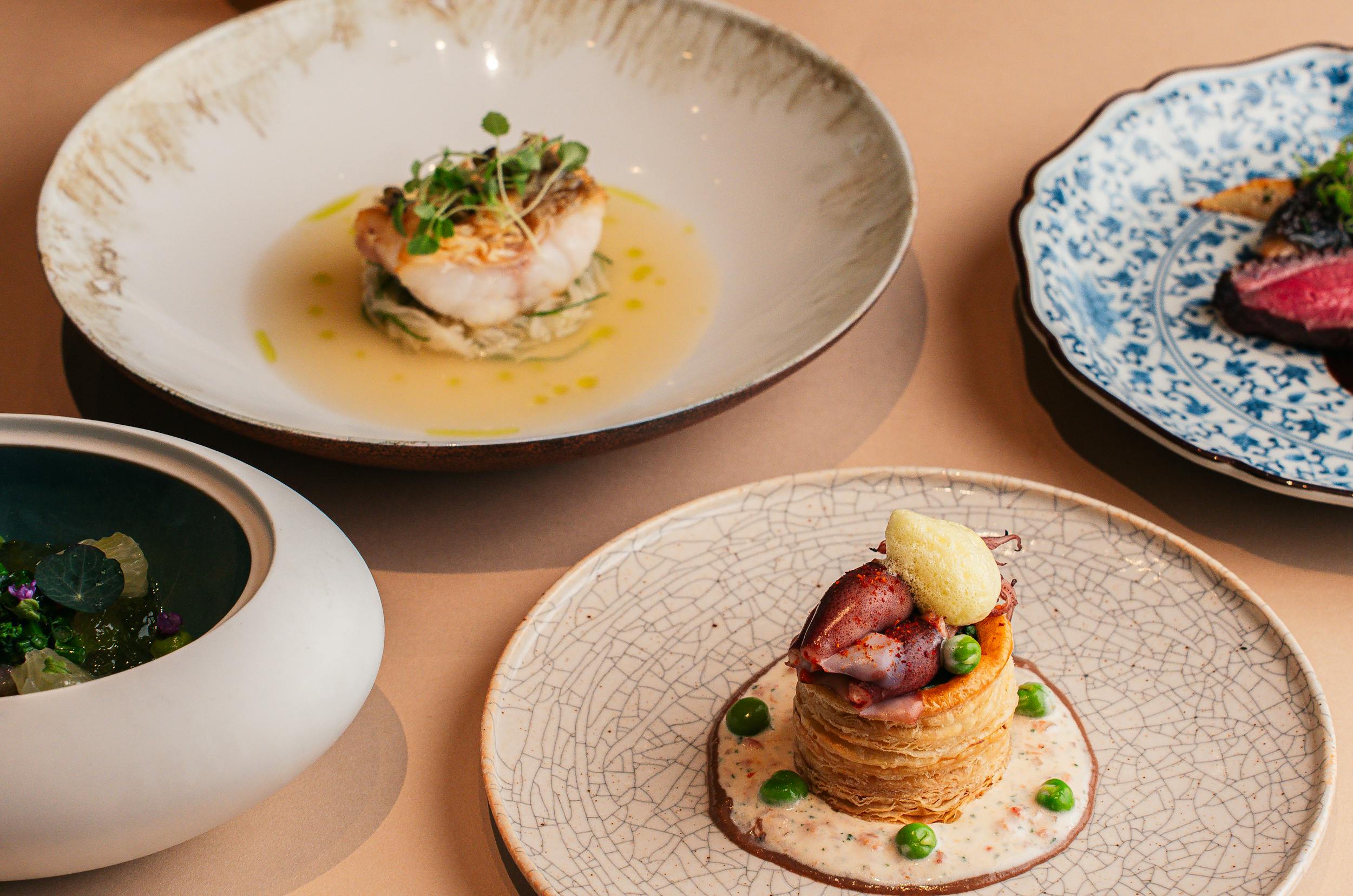
The Whitney is a relatively recent addition to Beacon Hill, having opened inside a carefully restored landmark building at the corner of Charles and Cambridge streets, and it wears its newness lightly. With just 65 rooms, it has the unhurried, well-tended feel of a private club rather than a hotel built for volume, and the small gestures back that up: a fleet of complimentary bicycles for exploring the neighborhood, a proper fitness studio, and a genuine willingness among the staff to point you toward whichever nearby shop, café or bar actually suits what you are looking for, rather than the obvious answer. Downstairs, Peregrine’s coastal Mediterranean menu is worth a dinner reservation on its own, best enjoyed with a cocktail at the bar before the table opens up. Between the Esplanade on one side and Charles Street on the other, it is hard to imagine a more useful base for exploring Boston on foot.
________________
We thought about that afternoon at the Langham more than once after we got home, rain sliding down the window while the tea went cold, no particular urgency to be anywhere else. It wasn’t the only moment that stuck. There was the sparkling wine at the top of View Boston, watching the whole city arrange itself below us as the light shifted. There was Jorge at Krasi, patient and precise in a room too busy to slow down for anyone else, but somehow doing it anyway. None of these were the biggest sights of the trip. They were just the moments we kept coming back to, equal parts impressed and nostalgic, and maybe that says something about the city itself: it rewards the traveler who slows down enough to actually notice. That, in the end, is what creatives crave on a weekend away: a chance to recharge, a reason to pay attention, and the sense that inspiration is still there for the taking.