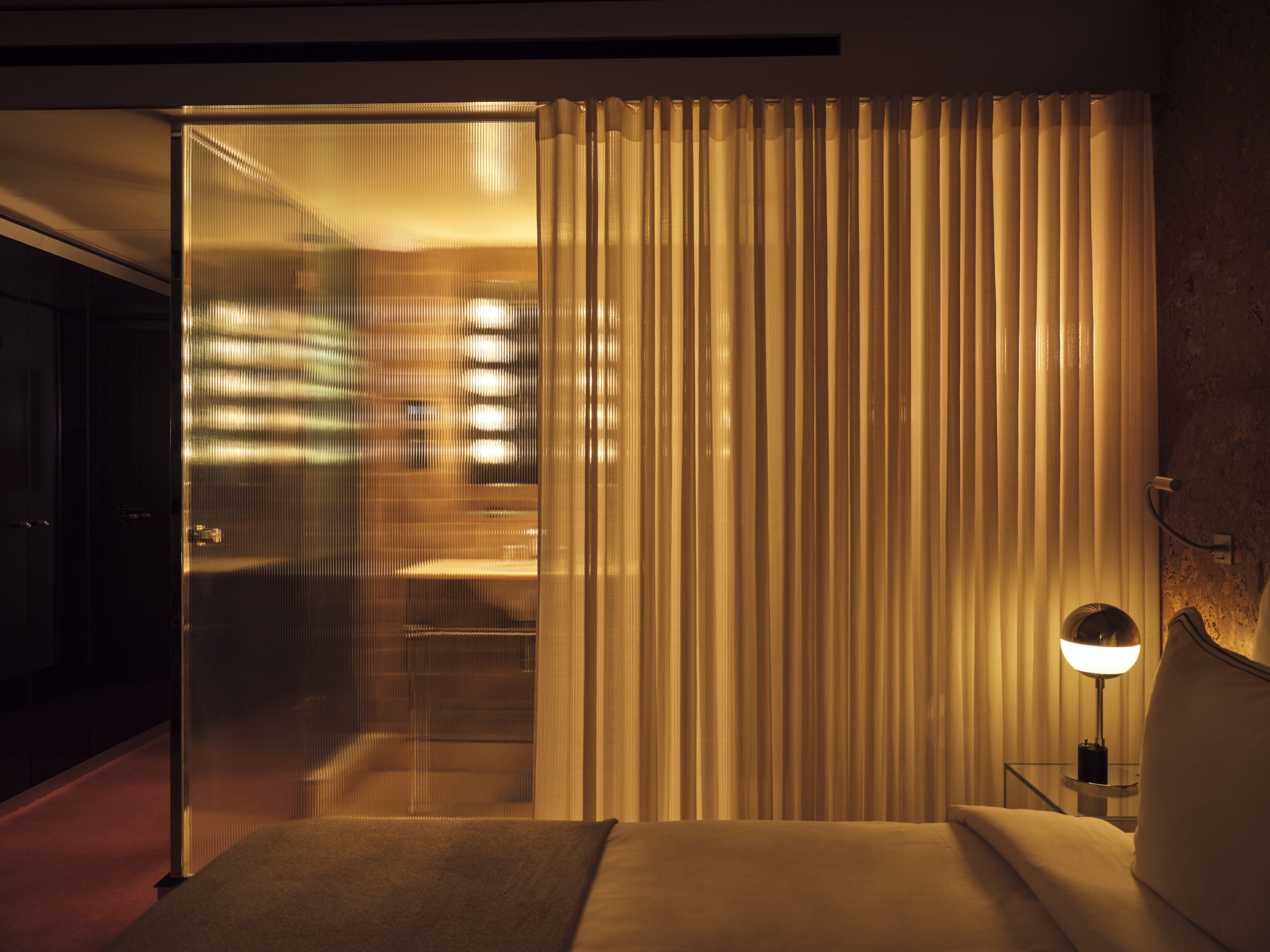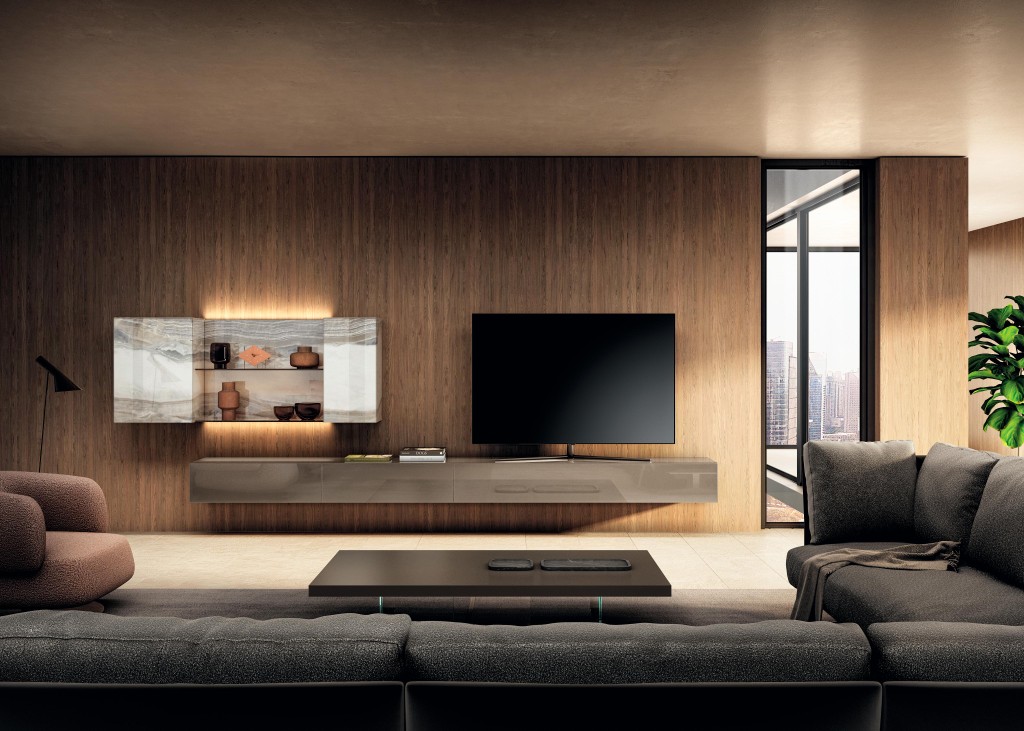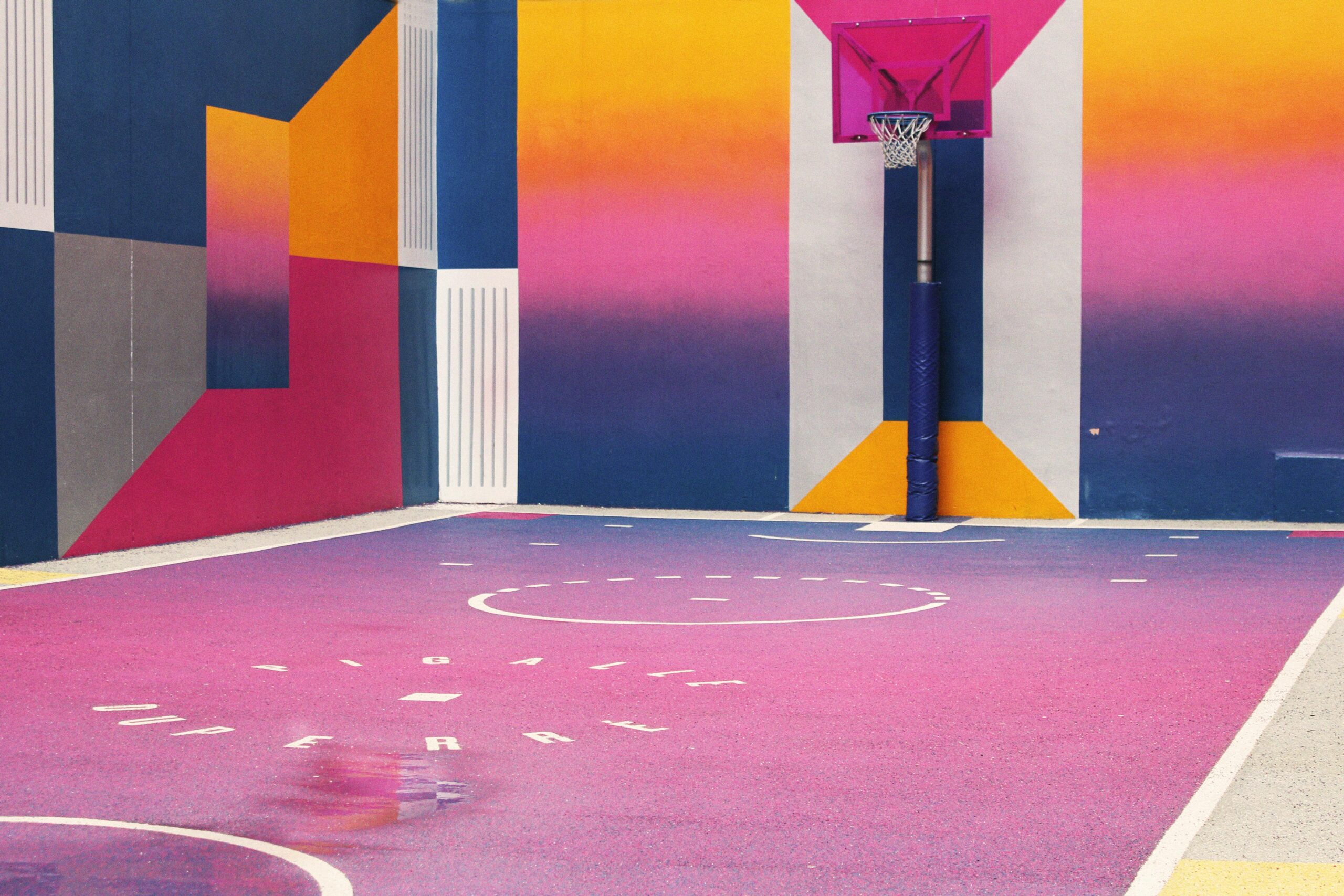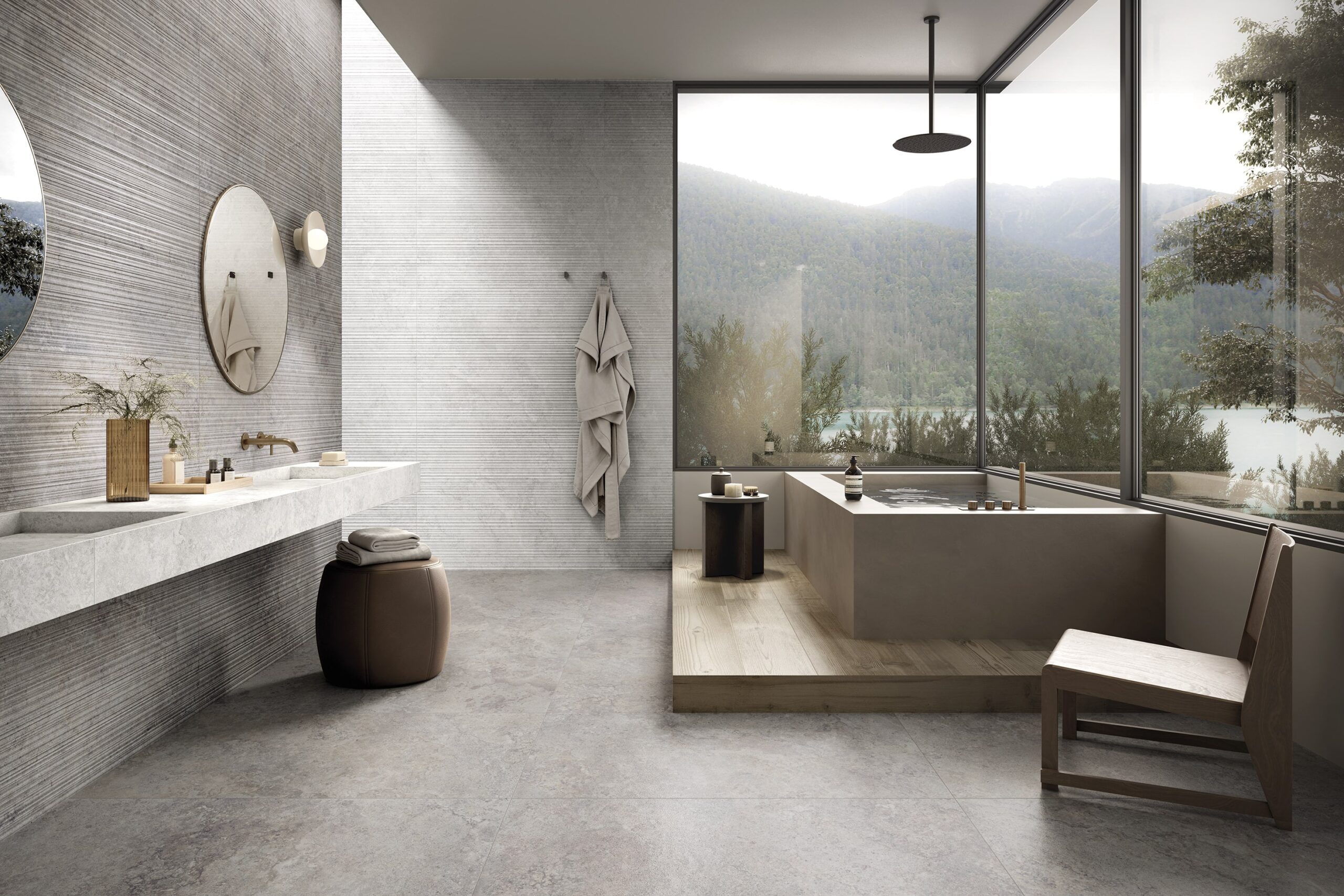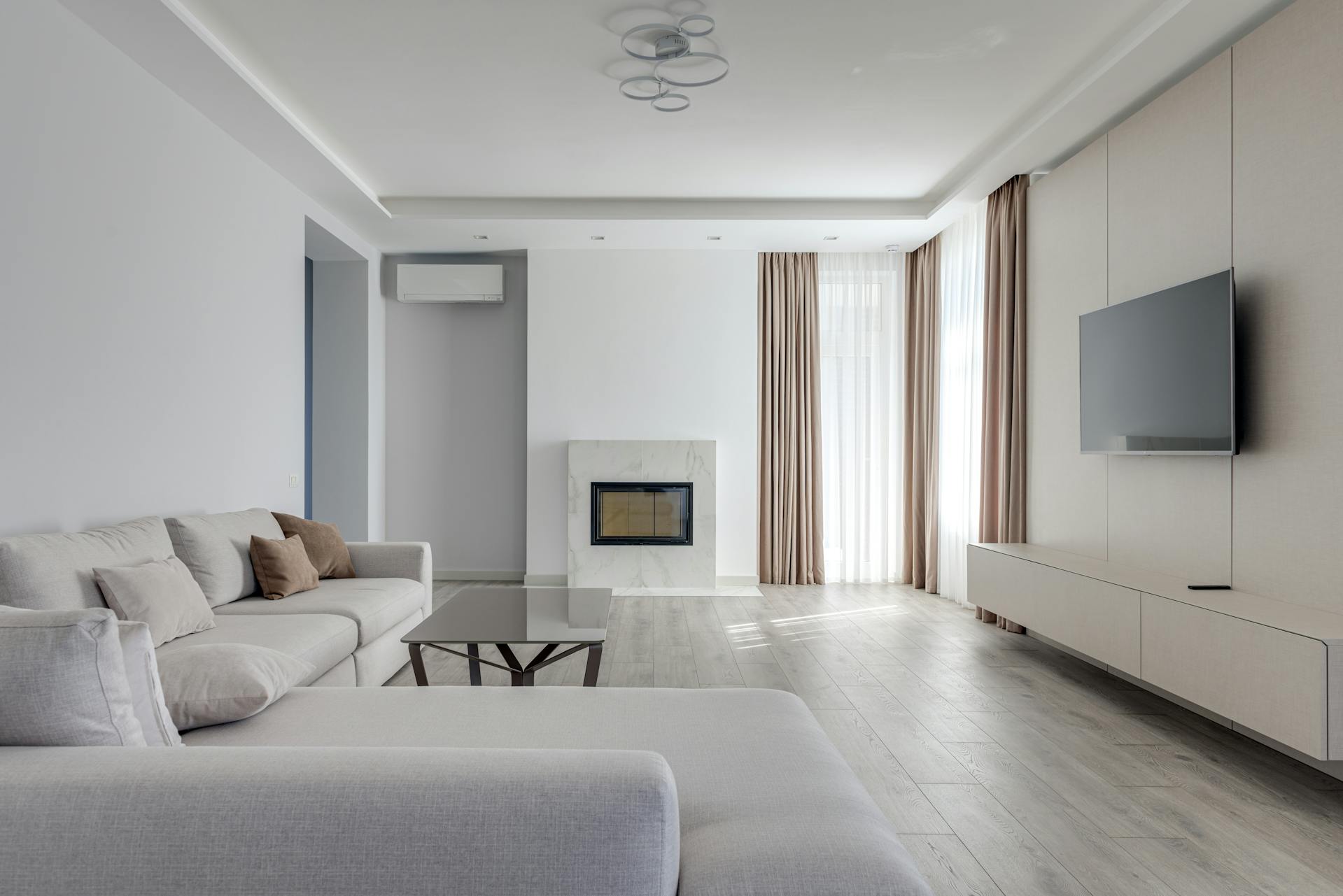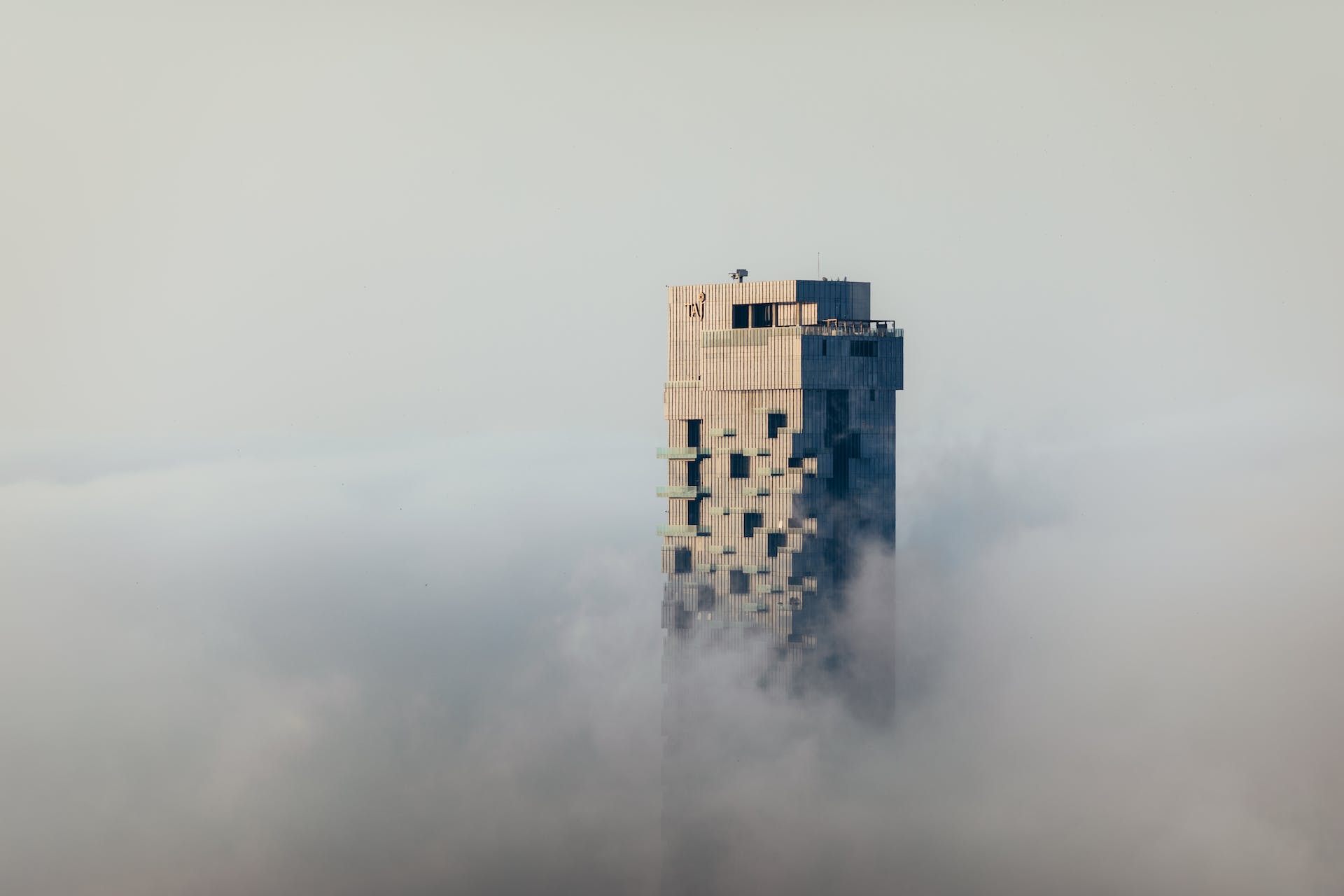
Some places are encountered long before they can be visited. A boutique hotel appears first as a launch film, the camera moving slowly through a lobby that doesn’t exist yet, past surfaces that have been chosen but not yet installed, through windows that open onto a view the building still hasn’t claimed. A villa arrives online as a sequence of interiors dissolving into landscape. A gallery is introduced through darkness interrupted by light.
This is how architecture increasingly circulates now. Not first as a building to enter, but as an image, a mood, a visual event in a feed or a campaign. The building exists later. The feeling arrives first.
Buildings Are Seen Before They Are Entered
The architectural image has always preceded the building to some extent — the competition drawing, the model under glass, the artist’s impression in the press release. What’s changed is the richness of that preview, and the scale at which it reaches audiences.
Hotels launch through digital campaigns months before opening. Residential projects are introduced through editorial imagery and video before construction completes. Galleries and cultural venues build anticipation through carefully composed visual sequences that communicate design identity long before the public can arrive. On visual platforms and in design media, architecture moves alongside fashion and art and travel as a form of cultural content, consumed and shared and felt before it’s physically encountered.
This shift changes what the image has to do. It’s not a document of a building. It’s an introduction to one — and introductions create impressions that outlast the encounter that follows.
What Movement Makes Possible
A still image can capture composition. It can fix a moment of light, a surface, a relationship between elements. It cannot show how an entrance opens gradually into something larger. It cannot reveal how daylight moves across a room between morning and afternoon, how a staircase guides the body, how materials change as you move toward and away from them, how two moments — a terrace, a bedroom, a corridor — connect.
Before a hotel, villa, gallery, or residential concept exists physically, it may already have a visual life online. Through sketches, still images, mood films, and 3D architecture animation, designers can communicate how a space unfolds rather than only how it looks from one angle. The architecture becomes temporal — experienced across a duration, like reading, like listening, like walking through.
This temporal quality is precisely what makes spatial sequences legible in a way that individual frames cannot achieve. The arrival at a resort is not a view; it is a transition. The entry into a private room is not a composition; it is a series of perceptions. Motion accommodates this in a way that static imagery, however skilled, cannot.
The Language Borrowed From Fashion
The visual vocabulary that architectural presentations increasingly use is not new — it is borrowed from fashion film, from editorial photography, from luxury campaign culture.
The same tools apply: pacing calibrated to build anticipation. Close-ups that privilege texture over overview. Shadows used deliberately, not eliminated. Music as an atmospheric instrument. Reveals structured so that the most significant spatial moment arrives not immediately but after a sequence of preparation. Restraint as an aesthetic position.
This is not simply about making architecture look more glamorous. Fashion film has developed over decades a sophisticated language for communicating desire through image and movement — for translating an object or an environment into something that can be felt before it is touched. Architecture, navigating a world in which spaces must establish themselves digitally before they can establish themselves physically, has found in that language something genuinely useful.
The results, when handled with intention, are not promotional. They are closer to short films: documents of an imagined place, composed to produce a response.
Hotels and Villas as Sequences of Experience
Hospitality and residential design are the contexts where this approach operates most naturally, because these spaces are explicitly designed to be experienced over time rather than observed from outside.
A resort is not only a building. It is a progression — from approach to arrival to reception to room, from morning in the garden to evening at the terrace. The pleasure of a well-designed hotel is partly the sequence itself: the particular feeling of crossing a threshold, the shift in atmosphere as spaces change character, the way the building manages the transition between public and private, outdoor and indoor. All of this unfolds in time.
A villa where the interior opens progressively toward a landscape, a boutique hotel lobby where light and material create a specific kind of welcome, a private residence where the architecture choreographs movement from entrance to living room to water — these experiences are spatial and sequential, and the visual forms that communicate them most faithfully are those that honor duration.
Where Atmosphere Becomes Distortion
A caveat worth carrying through this: visual storytelling works best when it is honest to what will actually exist.
The architectural image operates with the same selective power as all representation. Camera angle, lighting conditions, materials, occupancy, weather — each choice shapes interpretation. A lobby presented in cinematic golden-hour light during a moment of perfect calm communicates something about the building that may be real on particular afternoons and unrecognizable on an overcast morning.
The strongest architectural visual narratives are the ones that communicate something true about scale, material quality, spatial atmosphere, and design intent — not the ones that use atmosphere to obscure what the building actually is. Design audiences are skilled at reading images, and they bring a skepticism refined by experience to any presentation that offers beauty without grounding it in something credible.
The Screen as the Site of First Encounter
Design audiences encounter places through screens now before they encounter them through bodies. The digital visit precedes the physical one — sometimes by months, sometimes by years, sometimes by the lifetime of a project that never gets built.
This makes the quality of the visual introduction consequential in a new way. It’s not background communication around a primary physical experience. For many spaces and many audiences, it is the primary experience. The impression formed is real, and it persists.
Architecture that understands this tends to invest in how it is introduced, not only in what it becomes. The same care applied to a material palette or a spatial sequence finds its way into how that palette and sequence are first made visible to the people who will respond to them.
Before construction begins, a space can already have a rhythm. A light. A way of arriving. A place in the imagination of people who have never stood in it. That is what it means for architecture to have a first life as image: not a preview of something that will eventually be real, but a complete encounter with something that is already being felt.