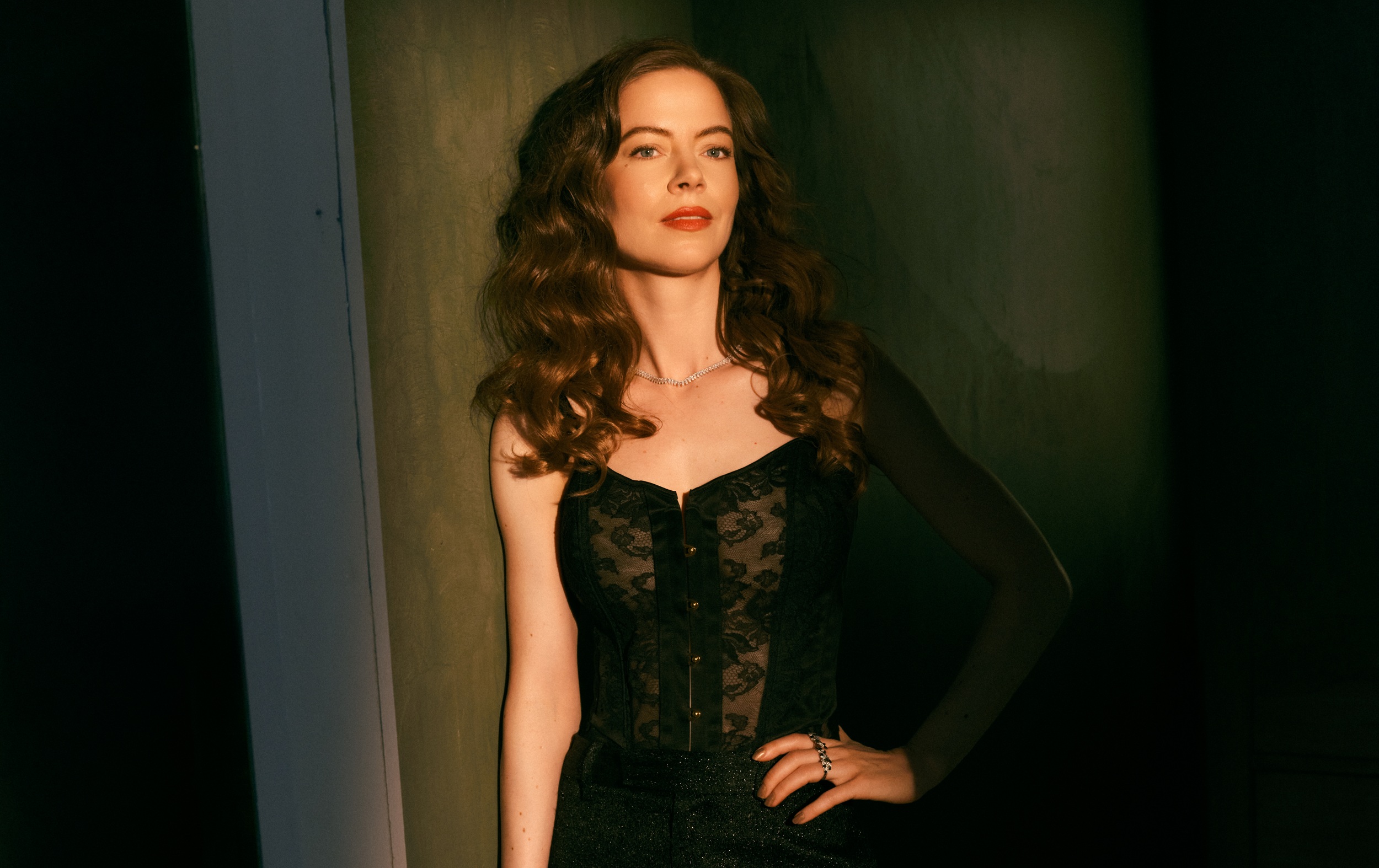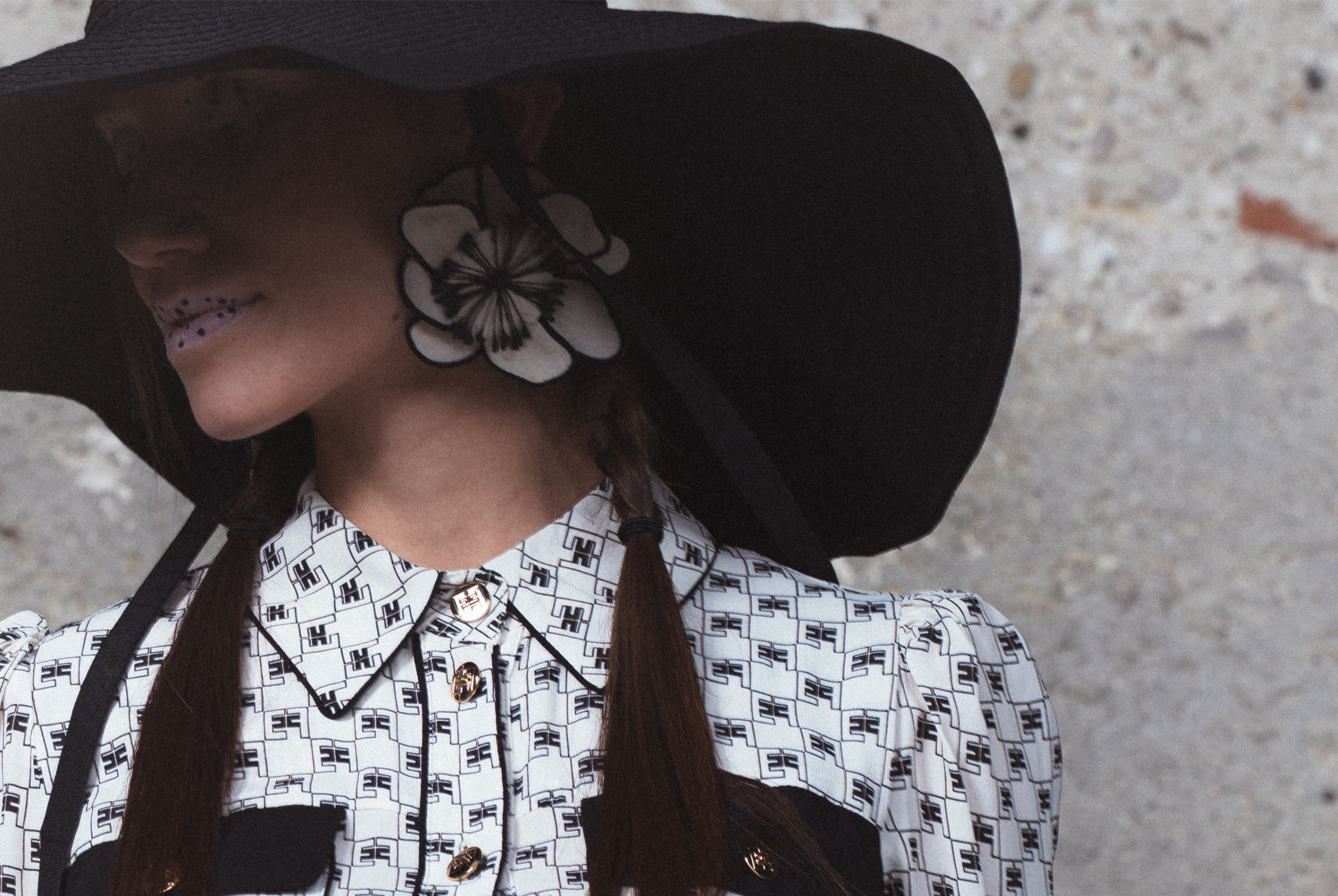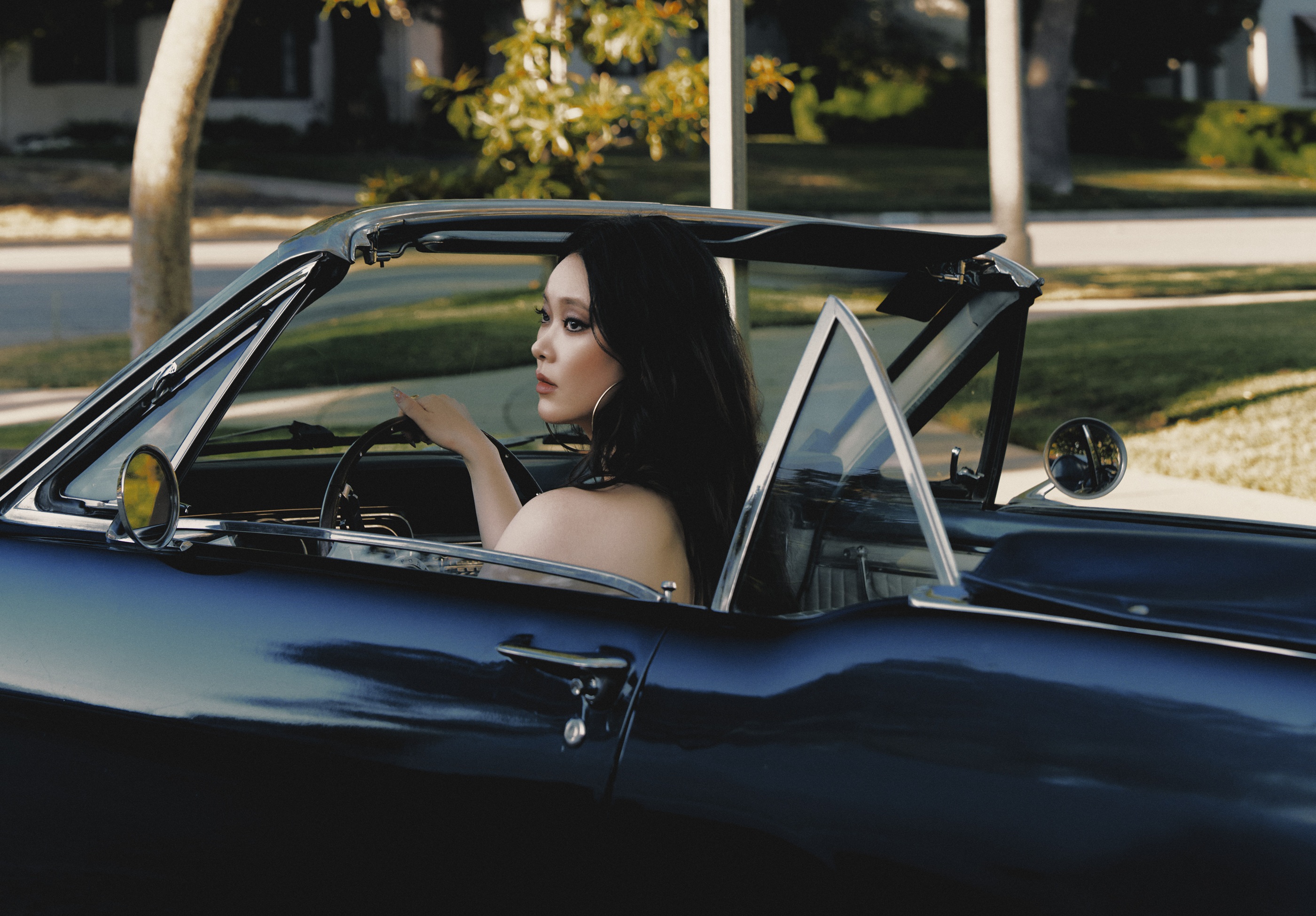
SAAY gets personal with her new single ‘Slow’.
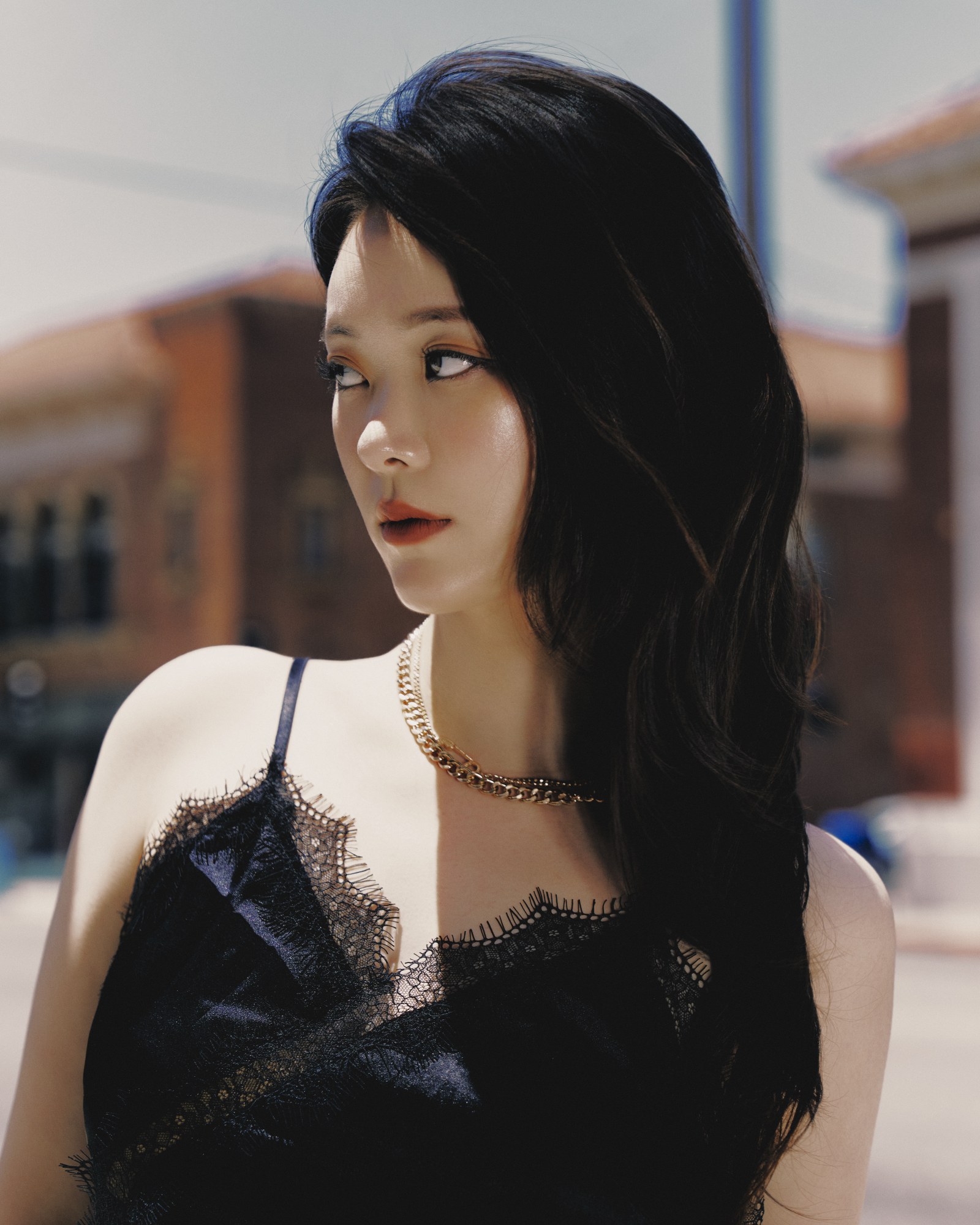
R&B singer SAAY is used to traveling the globe for her work, so time zone differences are nothing new to her. When we had our conversation at midnight, she didn’t seem fazed one bit. In fact, she relished the opportunity to talk about her music. A singer-songwriter born in Busan, South Korea, she is based across the world. She grew up in Brooklyn, New York, and spent part of her youth in Japan, where she forged her own understanding of music, from being taught traditional Korean music by her mother, to being exposed to jazz in New York, to J-pop and eventually the K-pop industry. But she doesn’t just sing. She also performs and produces her music, accompanied by its visual direction, all supported by her own independent label, TEAM SAAY. Juggling many different roles and responsibilities doesn’t seem to intimidate her. She chooses not to separate these positions but rather sees them as different ways of telling the same story. When she’s writing lyrics, she already imagines how she’ll sing them. While she produces, she thinks about the emotions and what she wants people to feel. As she’s creating her music, she naturally visualizes the performance, the choreography, the lighting, and even the camera movements, so everything happens simultaneously in her mind. It doesn’t feel like she’s switching between different roles. Running her own label and handling so many business commitments on top of her own craft may present the biggest challenge in her day-to-day life. But even if balancing all these different positions at once is so difficult, she embraces that challenge wholeheartedly, knowing every role exists for one reason: to communicate emotion as honestly as possible. She says, “Whether I am singing, writing, dancing, producing, or directing, ultimately I am trying to tell the same story from different angles.”
Considering her background as a K-pop artist, SAAY doesn’t seem to think Korean R&B is that dissimilar. The biggest difference is the way the music is created. K-pop is incredibly collaborative, involving dozens of people on a single project, songwriters, producers, choreographers, stylists, performance directors, and visual teams, all working toward one shared vision. It’s a very detailed and highly organized creative process, one she learned a great deal from over her years in that environment. She chooses not to divide by genre, yet R&B does feel much more personal. Most of her songs begin with a private emotion or experience. She usually writes alone or with one or two collaborators, and the focus is less on creating a perfect performance and more on capturing an honest feeling. Despite this, SAAY doesn’t see the two as opposites: “I think they’ve both shaped me as an artist. K-pop taught me perfectionism and discipline, and R&B taught me vulnerability, freedom, and emotional honesty.” Having experienced both genres, SAAY’s music naturally exists somewhere in between, caring deeply about strong production and performance while never losing sight of the emotional truth at the center of her music. That’s where SAAY’s identity as an artist comes from. In moving from the perfectionism of K-pop to the vulnerability and freedom of R&B, SAAY discovered that everything comes and goes very naturally, but it took a long time to find that balance for herself. She started in the music industry as a trainee, and through years of soul-searching and practicing her craft, she drew on the experiences and abilities she developed over a long time in the industry to shape her identity as an artist in the way she wanted. It didn’t come easily, but every experience and environment helped her along the way.
After working with Universal Music, SAAY founded her own independent label, TEAM SAAY. It’s an interesting pattern in the industry today: whether in film or music, female artists have increasingly been creating their own independent productions, reflecting a broader shift in the modern industry. Founding TEAM SAAY changed SAAY’s life in many ways. After spending years working within the traditional industry, she reached a point where she wanted complete ownership over her creative decisions, to decide when she released music, how she presented it visually, and who she collaborated with, but more importantly, what kind of career she wanted to build without constantly seeking approval. But independence comes with a lot of responsibility — she’s not only an artist anymore, she’s also the CEO, an executive producer, a director, and often the person making business decisions behind the scenes. She said, “It can definitely be overwhelming at times, but it’s also incredibly rewarding, because every decision comes from an honest, artistic place. If something succeeds or fails, I know it truly reflects my own choices, and I think there’s something very empowering about that.” This also marks a shift in pop culture, as independent music becomes stronger than ever, with more and more artists departing from the mainstream during the streaming era. Technology has made it possible for artists to connect directly with audiences all over the world. SAAY doesn’t think independence means doing everything alone these days — rather, it means having the freedom to build your own vision and your own system. That’s exactly what she hopes TEAM SAAY continues to become.
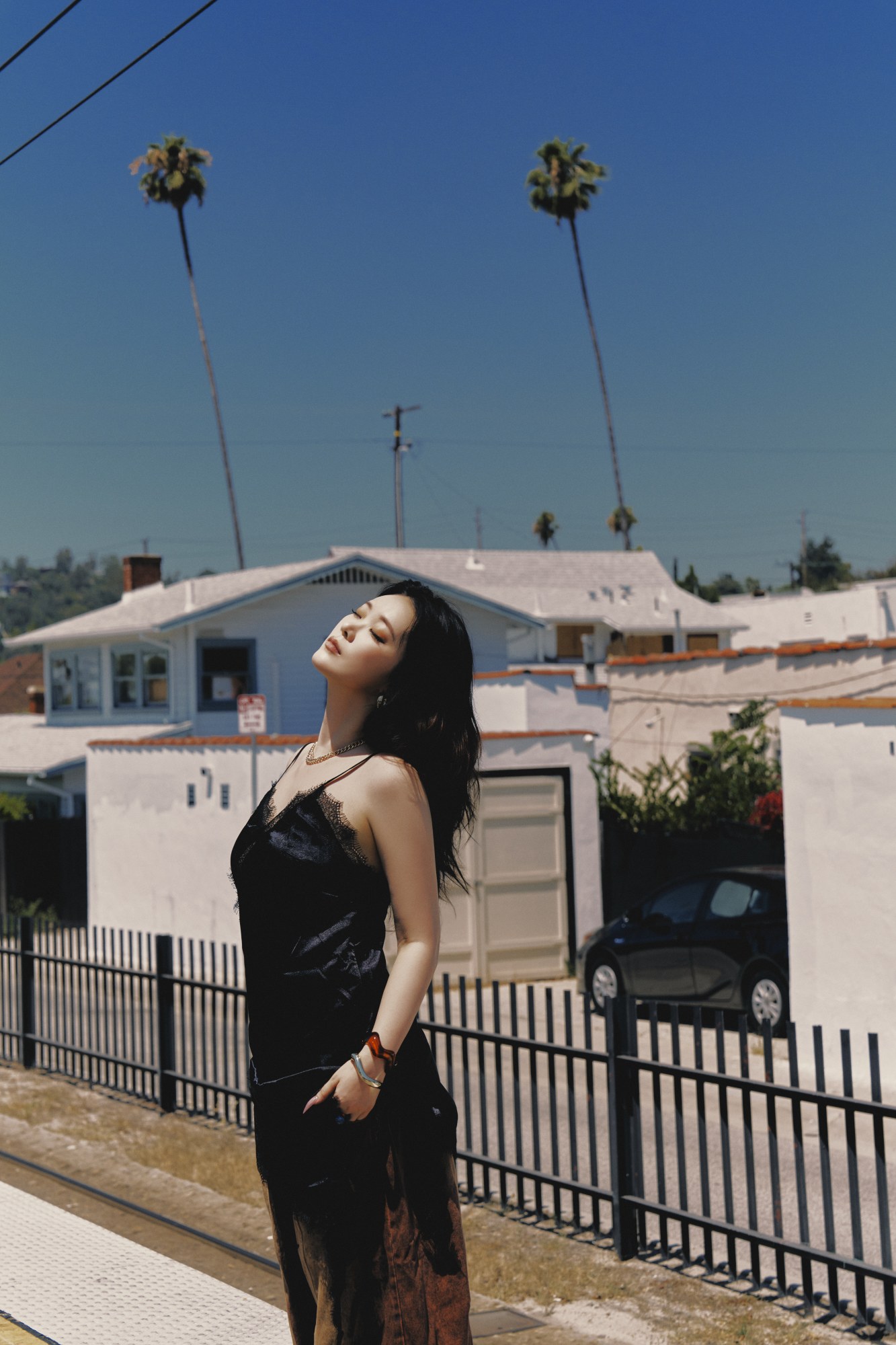
It took a long time for SAAY to find that balance in the music industry. She started her journey at nine or ten years old, facing difficult challenges at every stage, from trainee, to musician, to businesswoman. When she’s in the studio, she tries to deliver her own messages through her songs, then goes straight into business mode as CEO. After her contract with Universal Music ended two and a half years ago, she’s still learning as a CEO in many ways, but she believes she’s in the best position she’s ever been in her life. She describes her time at Universal Music with gratitude. It gave her opportunities to grow, both professionally and personally. Working with a global label taught her a great deal about the music business, international promotion, and how artists develop careers on a larger scale. It also introduced her to many talented people she’s still connected with today. At the same time, every artist eventually reaches a point where they ask themselves what kind of career they truly want. For SAAY, becoming independent wasn’t about rejecting that experience, it was about taking everything she had learned and applying it to her artistry in her own way. Both chapters were equally important: Universal helped her grow, and TEAM SAAY gave her the freedom to fully become herself.
Being both an artist and a businesswoman gives her a different perspective. She learned her trade by staying involved in the creative process from beginning to end, she was always the one saying it was time to have a meeting for her album, showing initiative: “I want this person, I want this photographer, this director on my album, and I was always doing that, because I genuinely love creating. Seeing different systems from top to bottom was so interesting and really helped me run my own label, because I genuinely invest my own budget in my projects these days, which I’m so grateful for.” SAAY has people around her who can help right away in many different areas; they’ve been working together for a long time, around eight to eleven years, so they know her and she knows them. If she’s sure about something, that this is the message she wants a project to carry, they simply go ahead and do it. “We don’t hesitate, we don’t waste our energy dragging it out. That’s why I feel so grateful for my time at Universal Music.”
With the release of her new single “Slow,” SAAY feels a sense of catharsis in bringing a new part of her soul out to the world. “Slow” is one of the most emotionally honest songs she’s written in recent years. It’s about knowing you should let someone go, but realizing that emotions don’t always move at the same speed as logic. Sometimes you’ve already made the decision in your head, but every time that person or emotion resurfaces, even through something as small as a phone call or a message, you find yourself falling back into the same emotional cycle. SAAY thinks a lot of people have experienced that feeling of wanting to move on while secretly hoping things might still change. That’s the emotional space she wanted to explore through the song. The creative process was actually daunting, since she usually starts with melodies before lyrics, as melodies communicate emotion before words do. But once she found the atmosphere she was looking for, the lyrics came naturally. She also wanted the production to reflect the title: nothing felt rushed, the groove moved patiently, almost as if it kept pulling you back. She explains, “I wanted to make something so listeners could experience that emotional tension through the song, not just hear it in the lyrics.” She thought deeply about the relationship between emotion and logic while making the song, as she’s interested in human psychology and believes there’s no perfect answer for it. To her: “It’s my point of view, but maybe we’re just human beings. All the emotions are really familiar if we’ve been in these situations; those different feelings we can feel in a relationship with someone else, even with our own self, or an old version of ourselves. All the feelings we feel in this reality look very similar and are often familiar to everyone.”
One of the interesting traits of SAAY’s work is how central soul and vulnerability are to her self-expression. She doesn’t think people expect perfection from an artist. When she was younger, she always told herself she had to be perfect, that she should only show her perfect parts through her work, her albums, to her listeners and audiences. Over time, she realized that “nobody is perfect, and it’s okay to be vulnerable, and it’s okay to share my authenticity and my vulnerabilities through my work, that’s just what artists can do.” Music was never separate from SAAY’s real life. Every experience eventually finds its way into a song, even if she doesn’t realize it right away. Sometimes it’s very personal, like a relationship or a difficult period in her life. Other times, it’s a conversation she overheard, a film that stayed with her, a city she visited, or simply the way people interact with each other. Sharing her honest self through her songs is the best part of being an artist; it’s the one thing artists can do through their music, and it’s what her artist name represents.
“I love to communicate my own stories through music, and to continue building bridges between Korea and the global music community.”
When SAAY was a child, she dreamed of success, but back then, success meant bigger stages, awards, and chart positions. Those things still matter, but as she’s gotten older, her definition of success has changed drastically. Today, her biggest dream is longevity as an artist — to continue making music twenty or thirty years from now without losing her curiosity or her identity as an artist. “I want people to hear a few seconds of a song and immediately recognize that it’s SAAY, not only because of my voice, but because of my emotions, the production, and the perspective behind it. I love to communicate my own stories through music, and I’d love to continue building bridges between Korea and the global music community.” Throughout her career, SAAY has worked with artists from many different backgrounds, including K-pop icon Baekhyun and hyperpop girl group Aespa, and she’s now expanding her work internationally. Music is one of the few languages that doesn’t need translation, and she hopes her career can continue connecting different cultures through sound. SAAY’s biggest dream is simple: if someone listens to her songs during a difficult time and feels understood, that’s the greatest achievement she could ask for.
SAAY previously spoke about how meaningful failure has been in shaping and reshaping her understanding of her art, and her view of success is no different. Her definitions of both have changed a great deal over the years. When she was younger, she measured success through achievements, recognition, bigger opportunities, but those don’t tell the whole story anymore. Success, to her, is creating something that feels completely honest, continuing to make music without losing her curiosity, integrity, or love for the process. Failure has changed too. It’s not just releasing a song that underperforms, or making mistakes along the way. To SAAY, failure would be creating music she doesn’t believe in simply because she’s afraid of disappointing people. Every setback has taught her something valuable; looking back, some of the moments that felt like failures actually pushed her toward becoming the artist she is today. “I don’t really see success and failure as opposites anymore. I see them as different parts of the same journey, and both are necessary if you want to keep growing.”
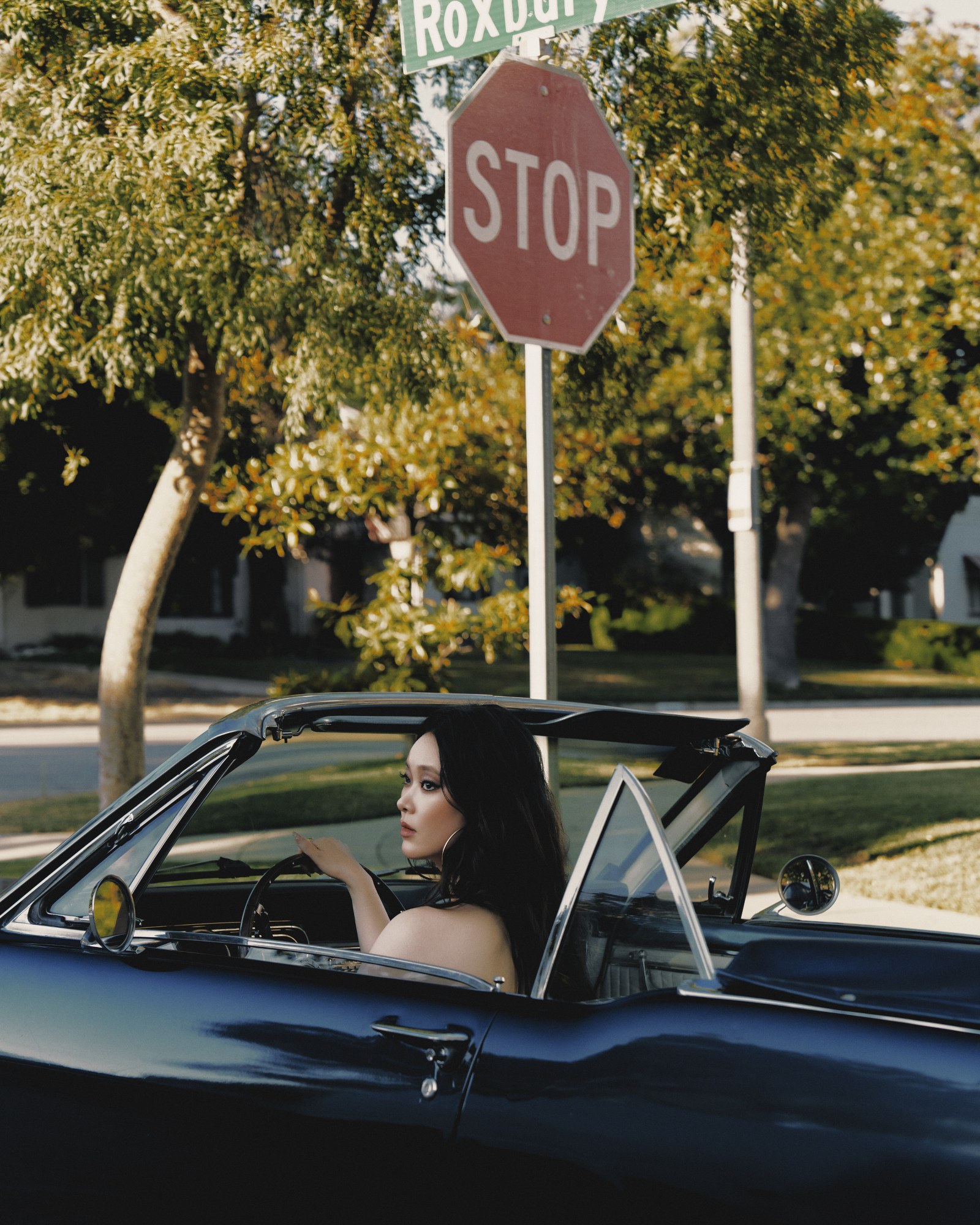
In this digital era, it feels much harder to overcome these pressures. A lot of people measure success in terms of statistics, rankings, and profit, an obsession with numbers that’s hard to shake given the pressure and influence of social media. Overcoming that mental battle, and finding a healthy state of mind and peace in this world, is no easy task. Like any artist dedicated to her craft, SAAY constantly feels that pressure and acknowledges how much harder it’s become in the age of social media. It never fully disappears, even though she’s tried many times to erase it from her life. Every artist feels pressure, no matter where they are in their career. The difference is that she’s learned not to treat that pressure, or those heavy feelings, as an enemy anymore. “I try to see it as proof that I care deeply about what I’m creating. When I feel overwhelmed, I go back to the basics. I spend time with my dogs, work out, clean my house, or take a walk without thinking about work and music. Those simple routines remind me that my value as a person isn’t determined by one album, one performance, or one review.” As an independent artist, SAAY also carries business responsibilities now, so there’s definitely more pressure than before. But she doesn’t have to solve everything in one day; if she focuses on making one honest decision after another, the bigger picture usually takes care of itself. Artists tend to thrive under that kind of pressure and challenge; it makes everything more satisfying when they come through it. That moment, or period, is often when they feel most alive in their artistry, and SAAY agrees completely.
Recently, she’s been thinking about what makes her feel alive, as she’s about to open a new chapter in her life, running her own label and heading into her next album as an independent artist. It feels, again, like she’s facing a major transition on her way to the biggest chapter of her life so far. Earlier this year — around February — she faced her biggest burnout yet. That experience pushed her to reconnect with the most important things in her life in order to carry herself into this next chapter. Everything feels fresh now. And yet, even as she runs her own project with her team as CEO, she’s not the type of person to constantly fixate on outcomes. The creative process matters more, and that takes time, many months, even years. All she can do is be patient and trust the process. It’s when she gives in to that process that she feels most alive.
Happiness, for SAAY, is often found through art or the people closest to her. She takes advice from many outside sources, but ultimately, the most important thing is being herself: only she can make herself happy, as long as her soul is present, so she can give her energy to the audience through her work, and to her team and everyone around her. “You have to know yourself, and that’s the reason why the core messages of religion often tell us that you have to know yourself, because you are the answer, and it will solve the problem inside of you. I do believe in that. What makes me happy is myself. That’s the first step.” SAAY entered the industry through K-pop, like many artists in Korea, and that experience gave her a strong foundation. It taught her discipline, consistency, and how much work goes into becoming a professional artist. As her career developed, she became increasingly interested in what happened behind the scenes. She didn’t just want to perform songs; she wanted to understand how they were written, produced, and arranged. That curiosity led her to work as a songwriter, producer, and vocal director for many K-pop artists before fully focusing on her own music. Each role and collaboration taught her something different, culminating in a journey she’s deeply grateful for. Working within the industry helped her understand music from many different perspectives, and that’s part of why she approached her own project the way she did. But this love and passion for music started even earlier, when her mother, the CEO and a teacher at a traditional Korean music institute, personally trained her in traditional Korean music. That was her introduction to music and became her first genre, something she describes as unlike anything found in any other country, something you have to watch to understand. Being raised in that tradition is something she’s proud of as a Korean: “Knowing my own roots and where I came from, I think that’s really important.”
If K-pop leans toward perfectionism, and R&B leans toward freedom and vulnerability, it made me wonder what traditional Korean music represented for her. SAAY sees this genre as something entirely different, full of natural movements and a patient rhythm and groove specific to traditional Korean music. The biggest difference is the language: even though she speaks in English and sings in Korean, that doesn’t create any real distance in the song, but it’s interesting to see how those differences carry from one body to another during a performance. Some of SAAY’s fans have told her that watching her perform live gives them a particular impression: “Some of my Korean fans told me that even though I’m singing in English, and even though the main genre of that song is R&B, my gestures on stage and my presence give them traditional Korean music vibes.” Maybe it’s just in her DNA, growing up in Brooklyn, surrounded at once by traditional Korean music, jazz, classical, and R&B; all of these genres shaped who she became as an artist and as a person.
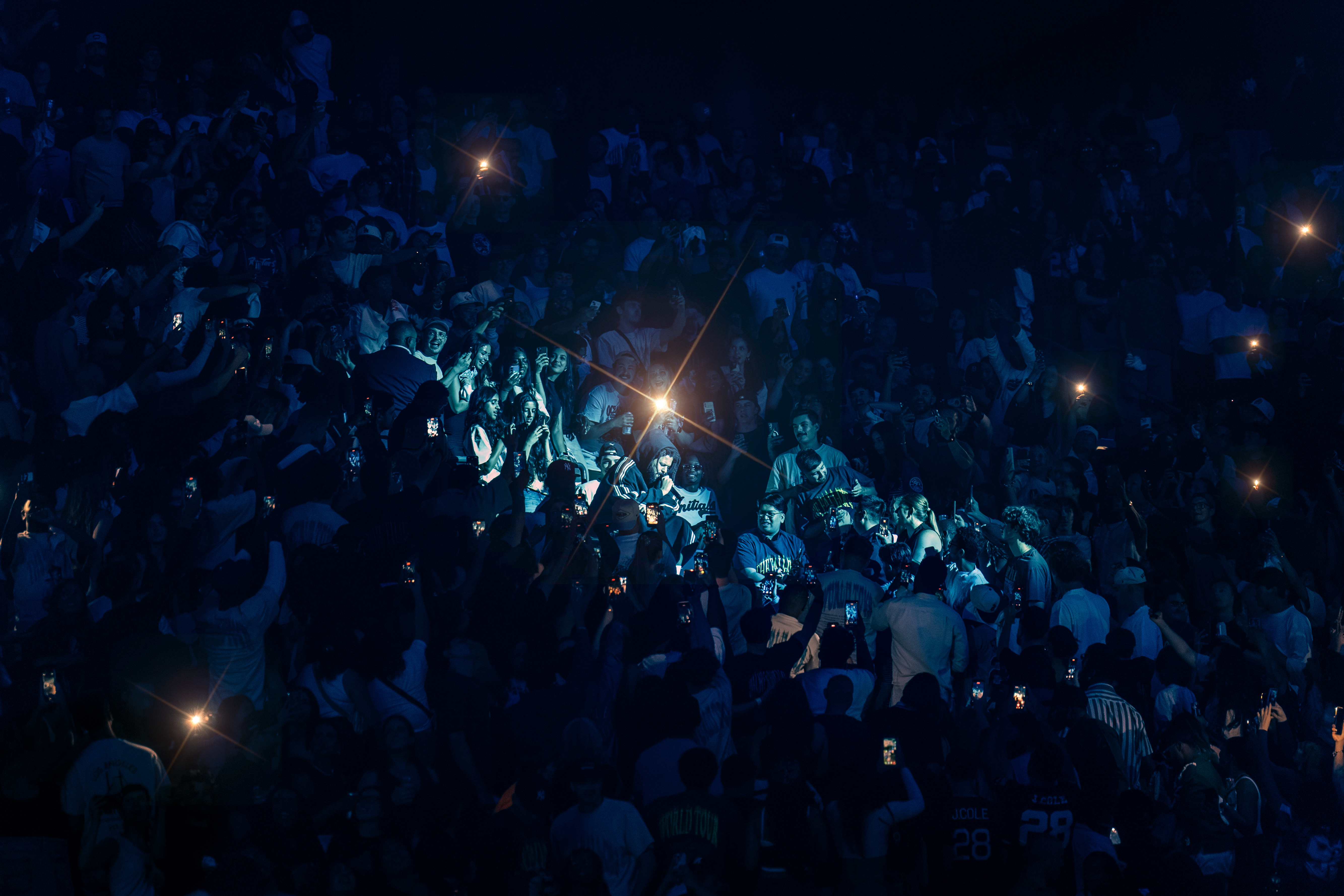
Performing live in Korea is a very different experience for SAAY, always an emotional one. Korean audiences are incredibly attentive; they don’t just come to watch a performance, they really listen. Even during quiet moments, she can feel everyone completely focused on the music, creating a special atmosphere on stage. One thing SAAY appreciates is how respectful Korean audiences are: “They give you space to express yourself, but when the moment comes, they also give you so much energy in return. It’s almost like having a conversation without words.” As someone who writes and produces her own music, performing live is probably the moment when everything finally comes together: songs that started as ideas in her notebook, or demos in her studio, suddenly become something shared between her and the audience. No matter how many shows she does, that feeling never gets old. Speaking with pure excitement and passion about the release of her new single, SAAY says she’s used to this feeling to some extent, but each time still feels like the first. The countdown, and eventually sharing her art with the world, is a moment she could never give up as a musician. Right now, she’s focused on finalizing everything, without dwelling on any one particular part of it — she’s simply going with the flow.
Credits:
Words by Zakariya Ahmed @zakahmedfilms
Copyedited by Sarah-Eve Leduc
Photographer: Yeyoung Choi (@yeng__p)