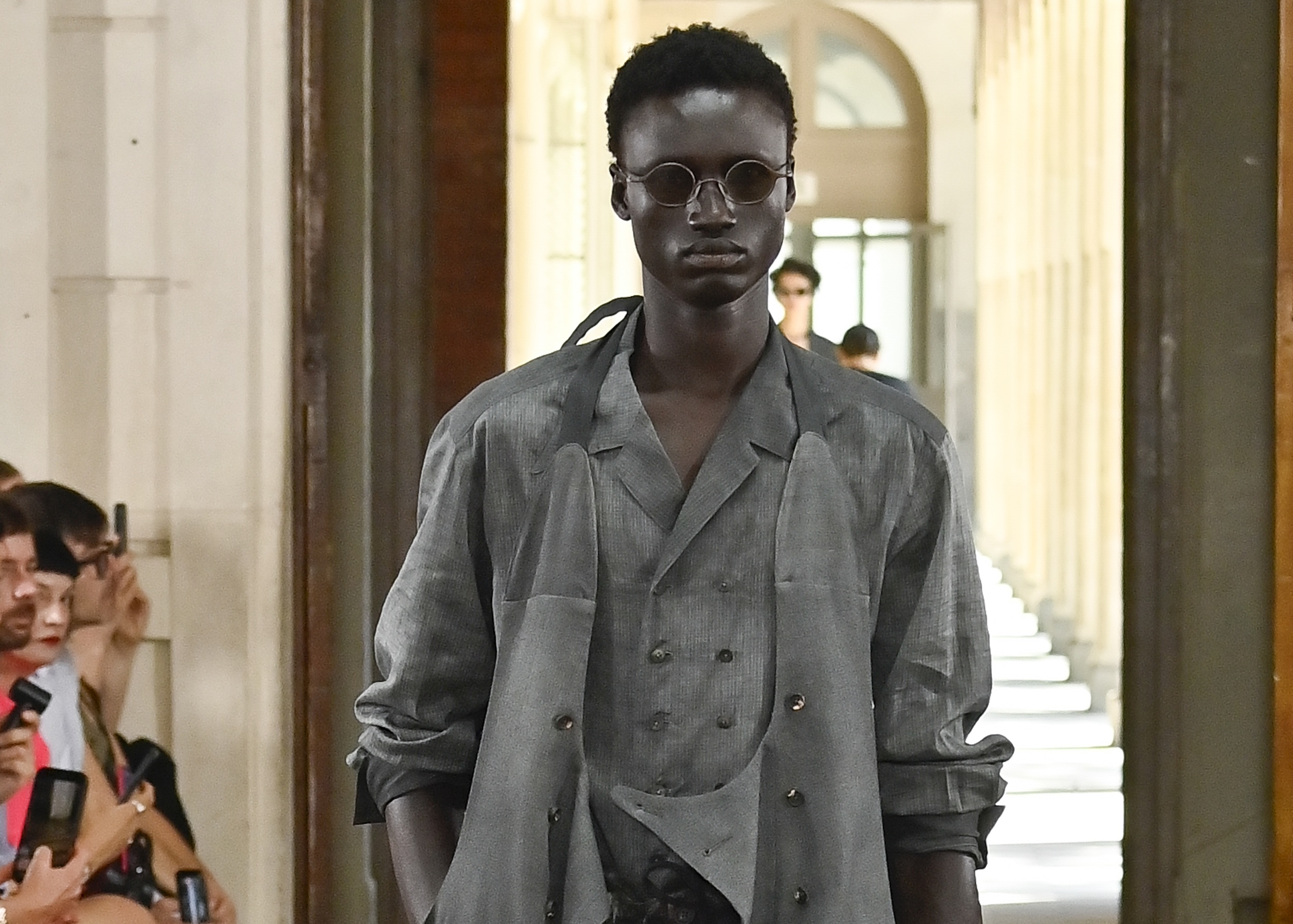
Ziggy Chen reflects on cultural exchanges and personal style of comfort
Words by Zakariya Ahmed @zakahmedfilms
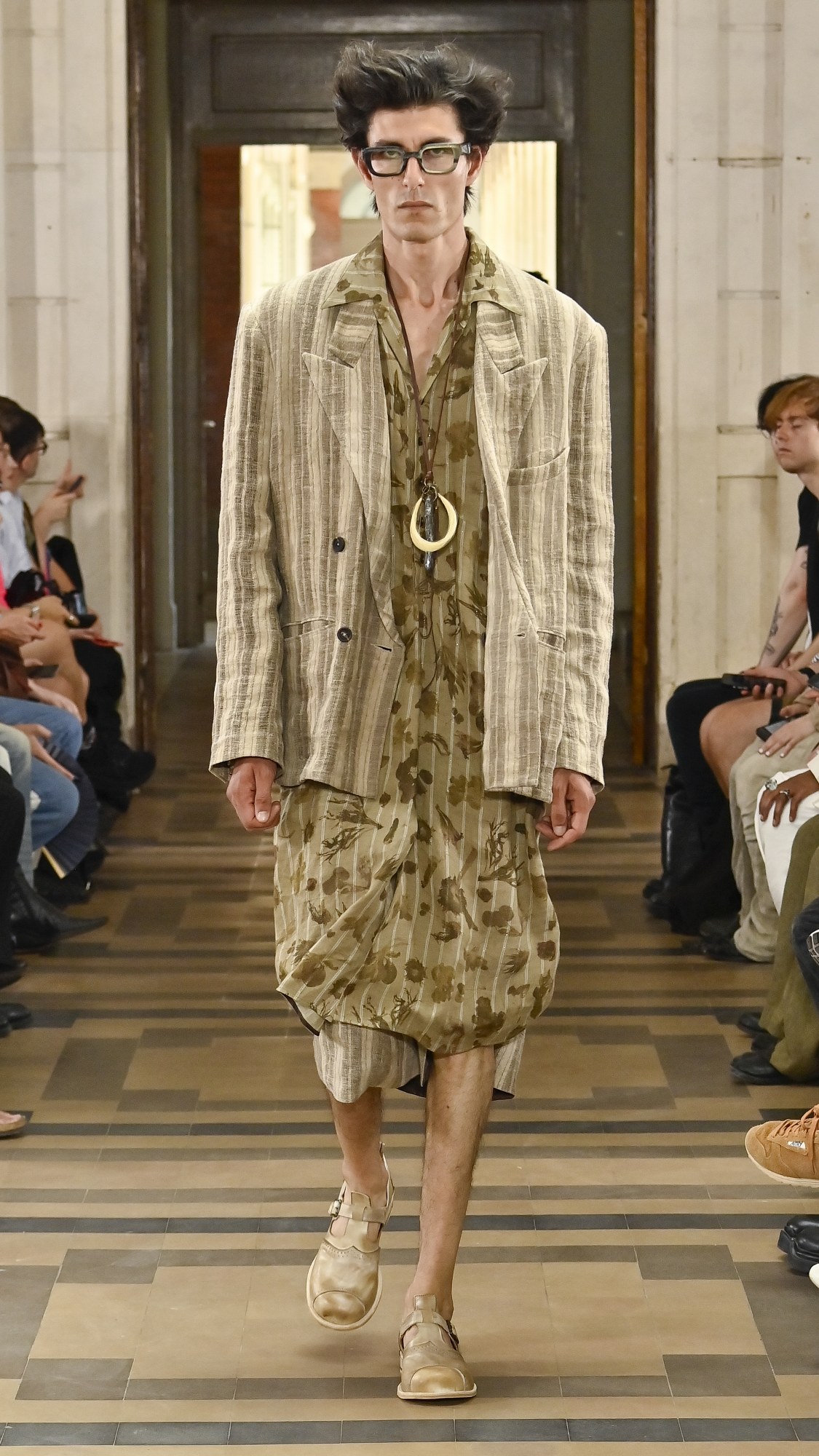
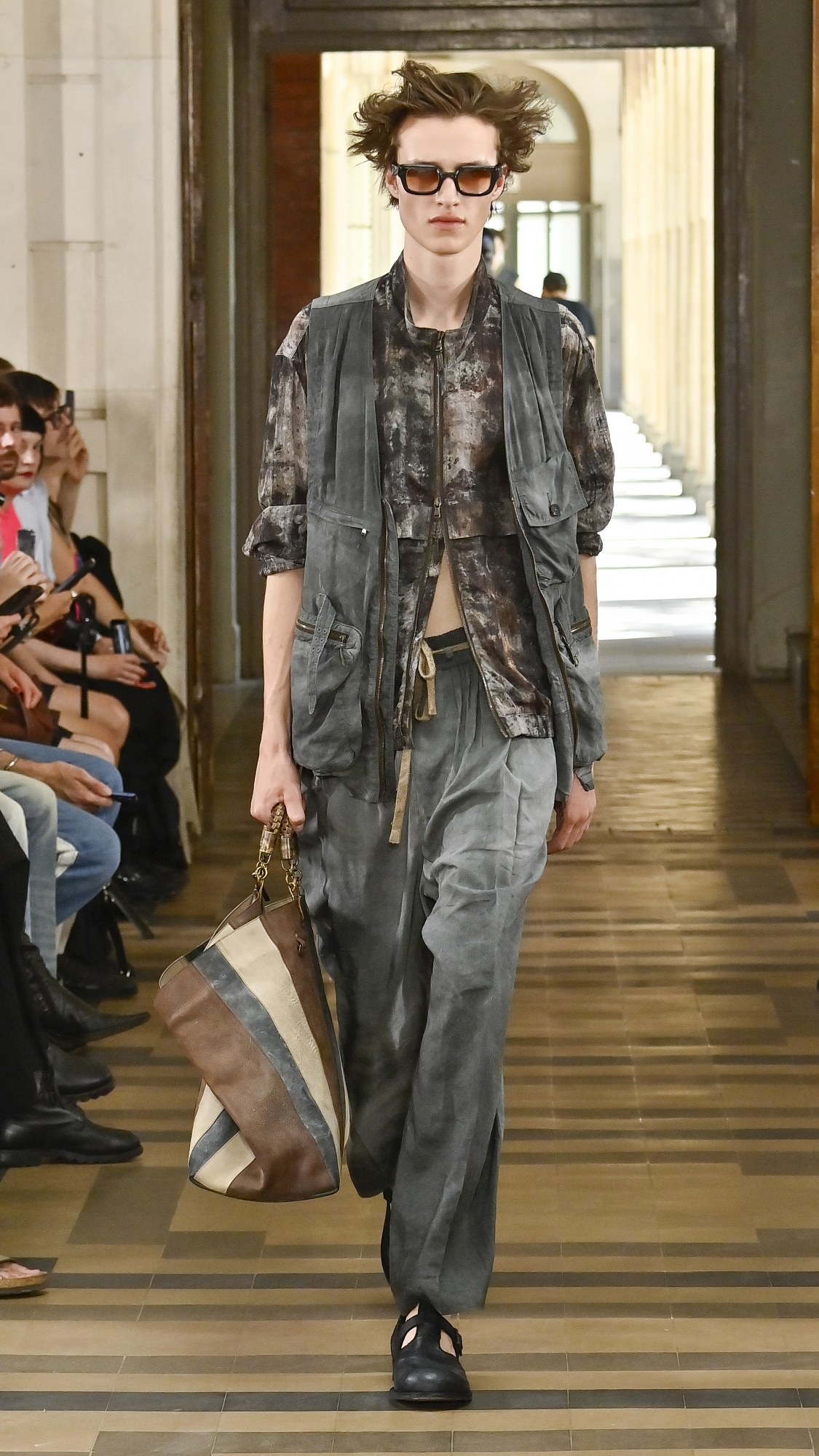
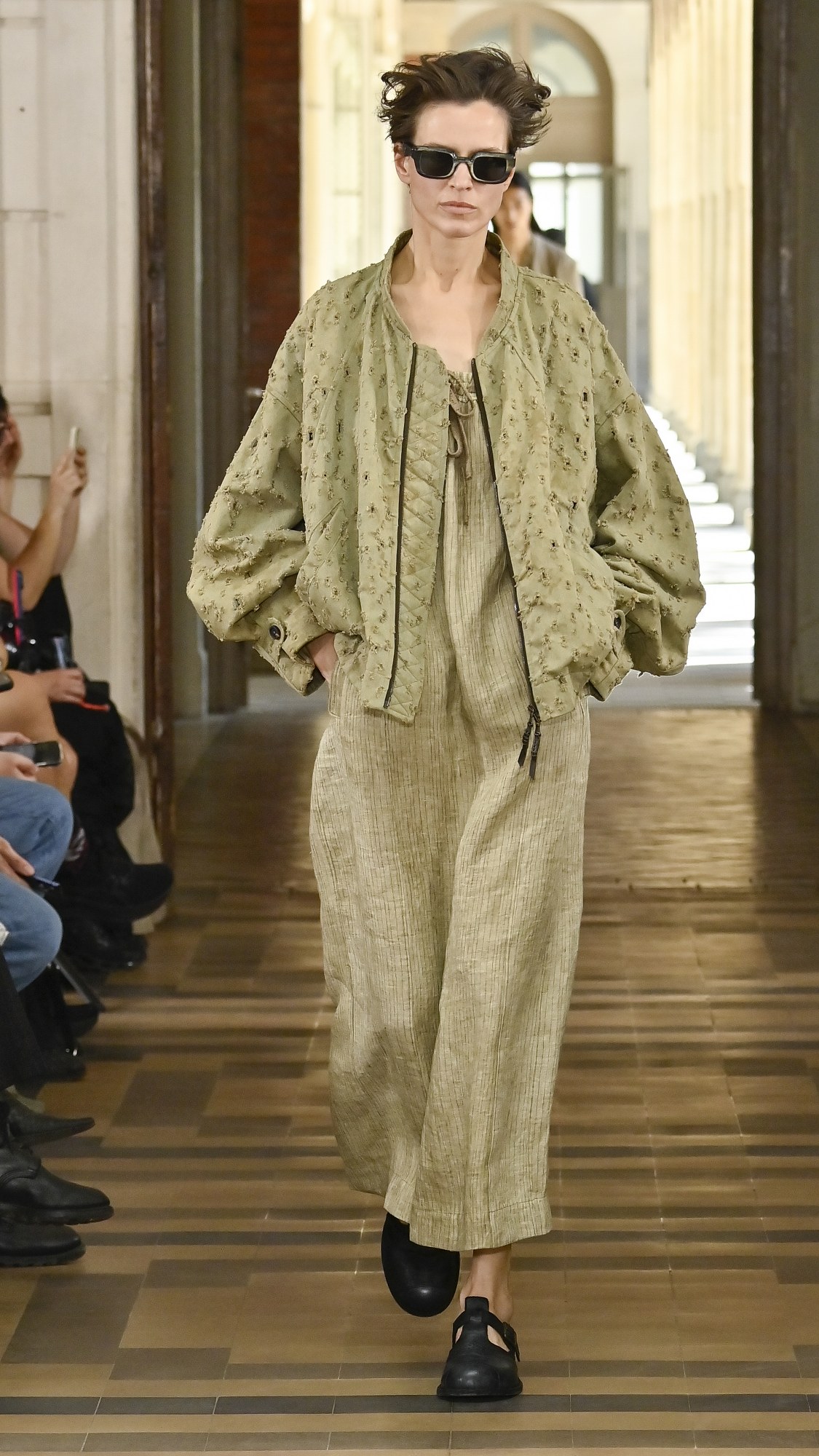
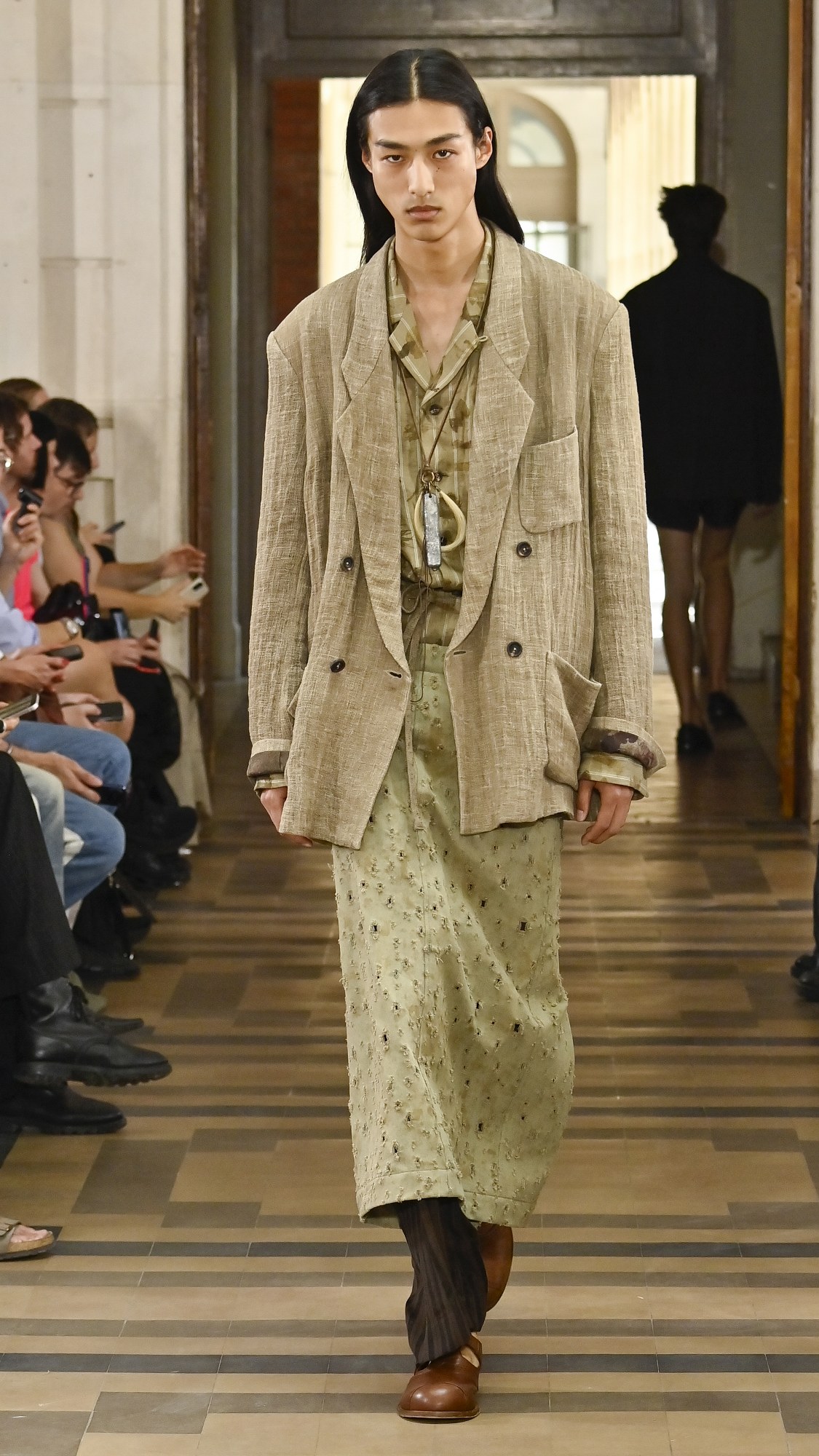
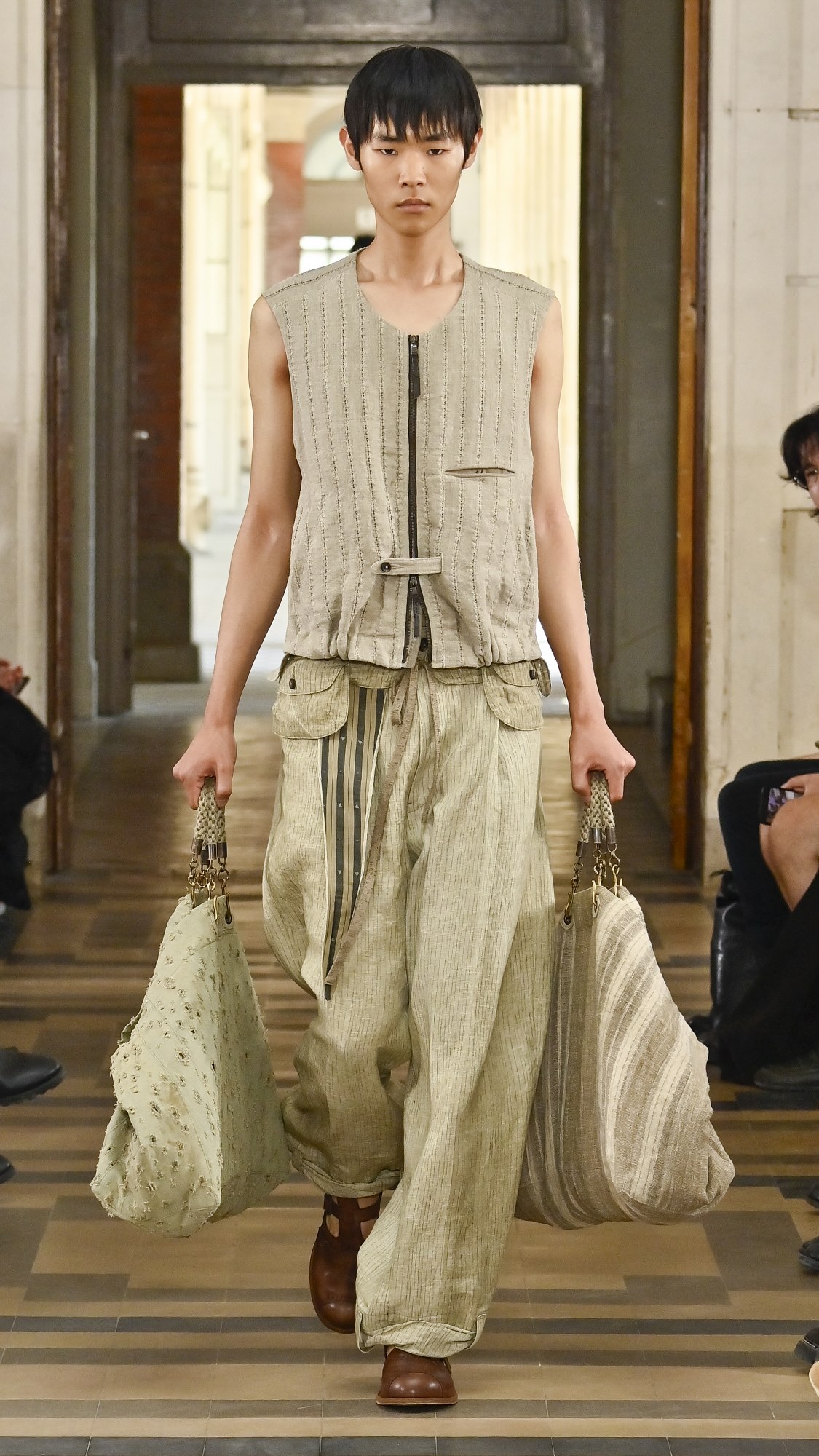
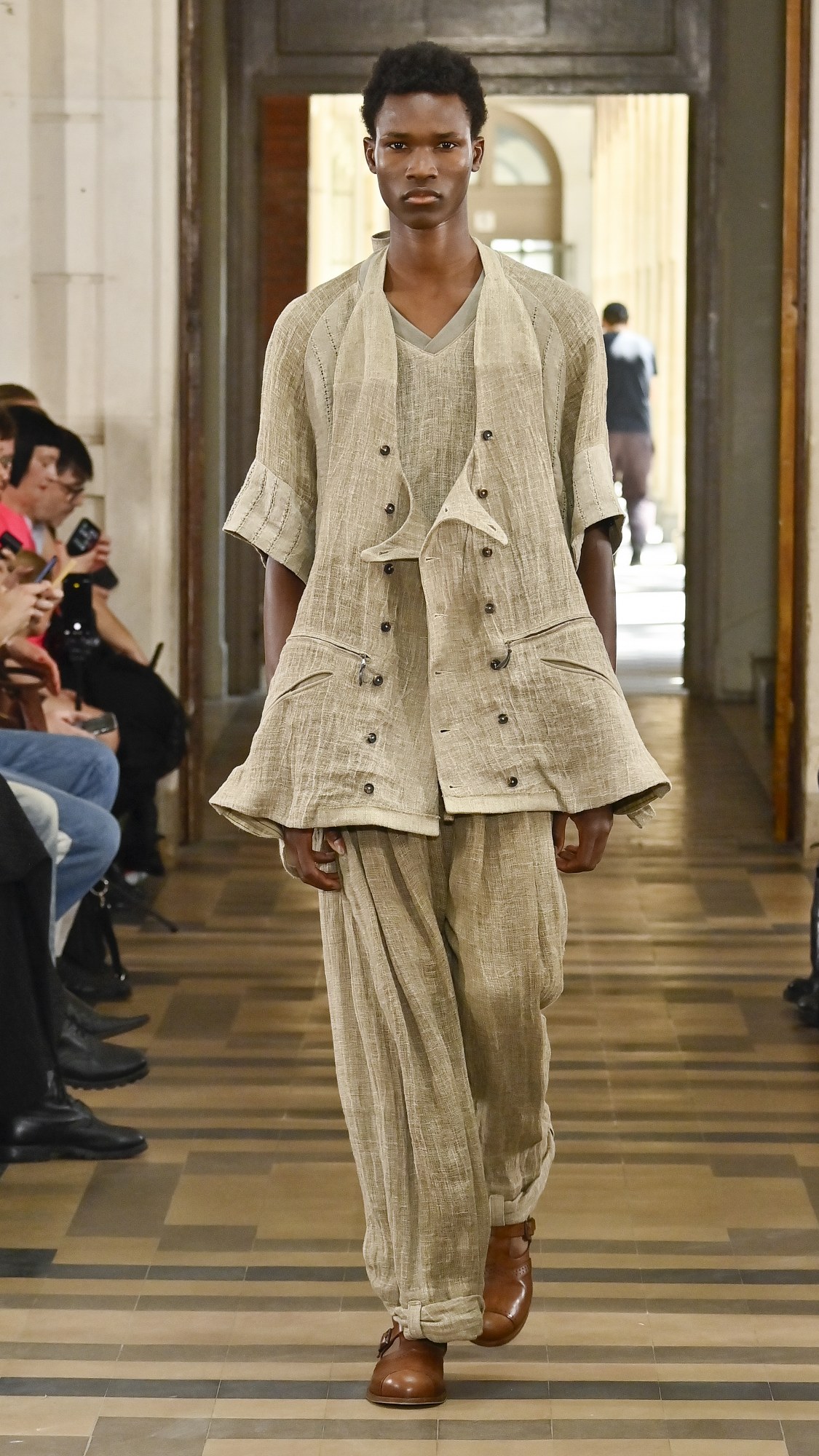
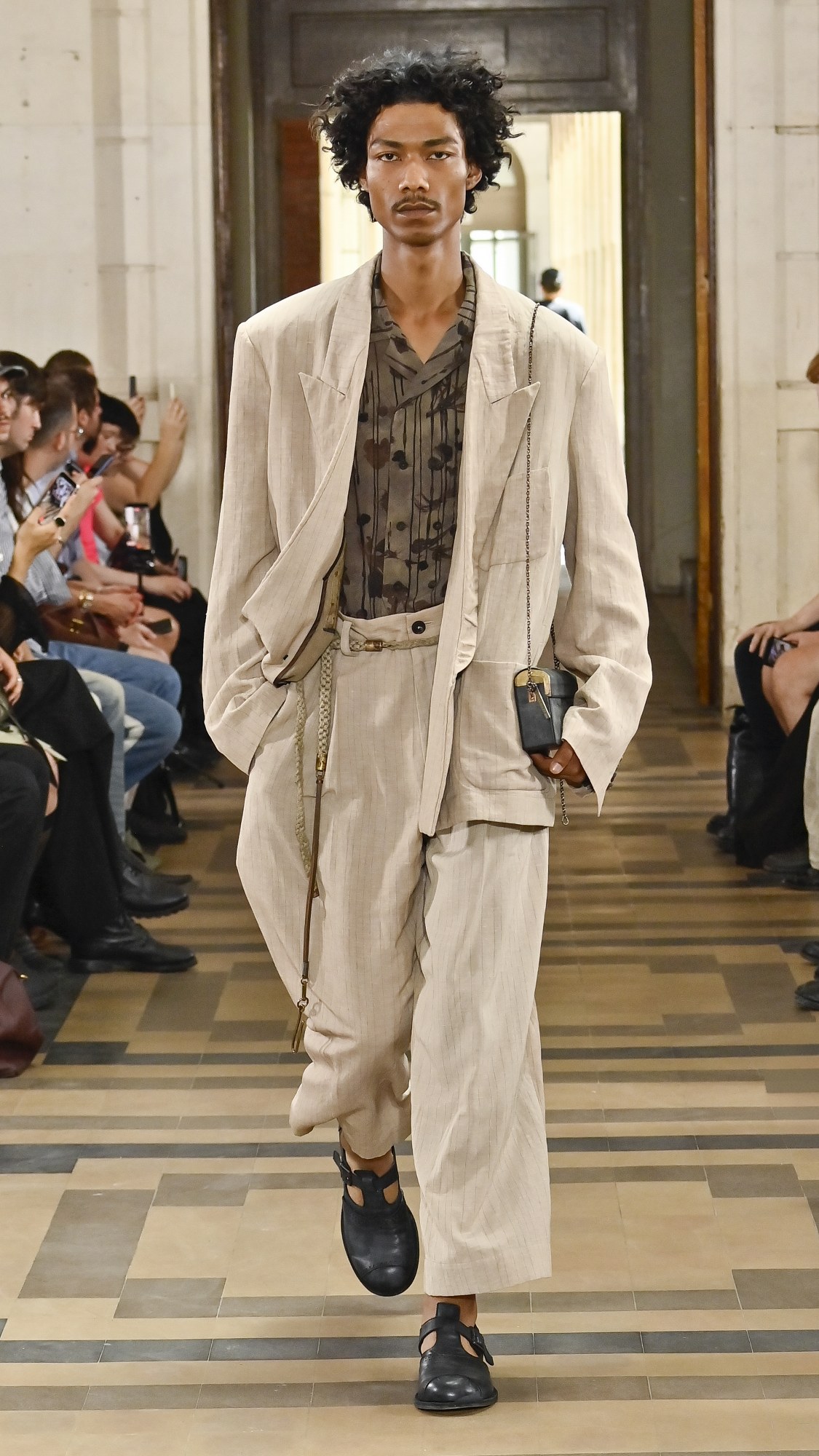
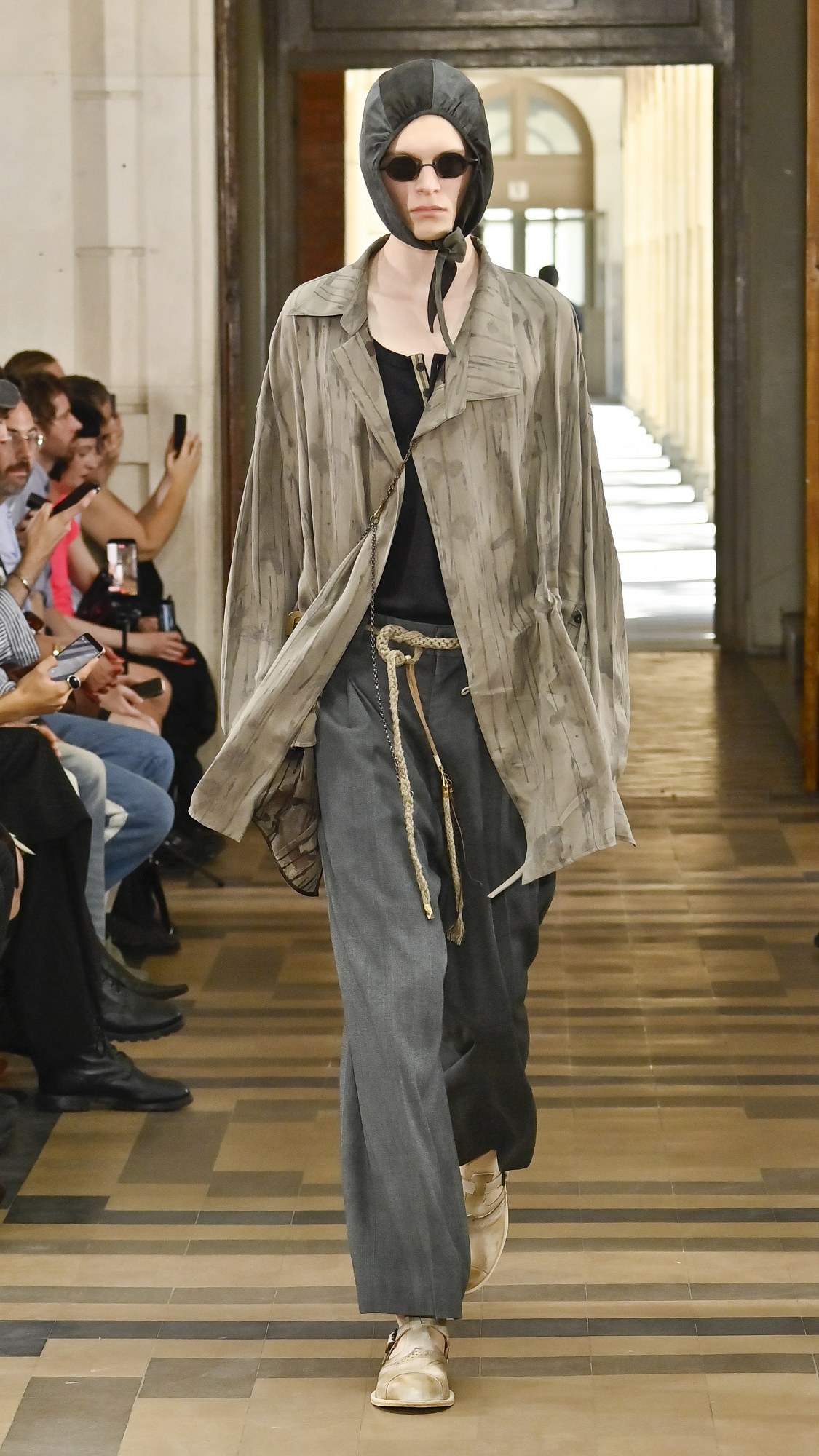
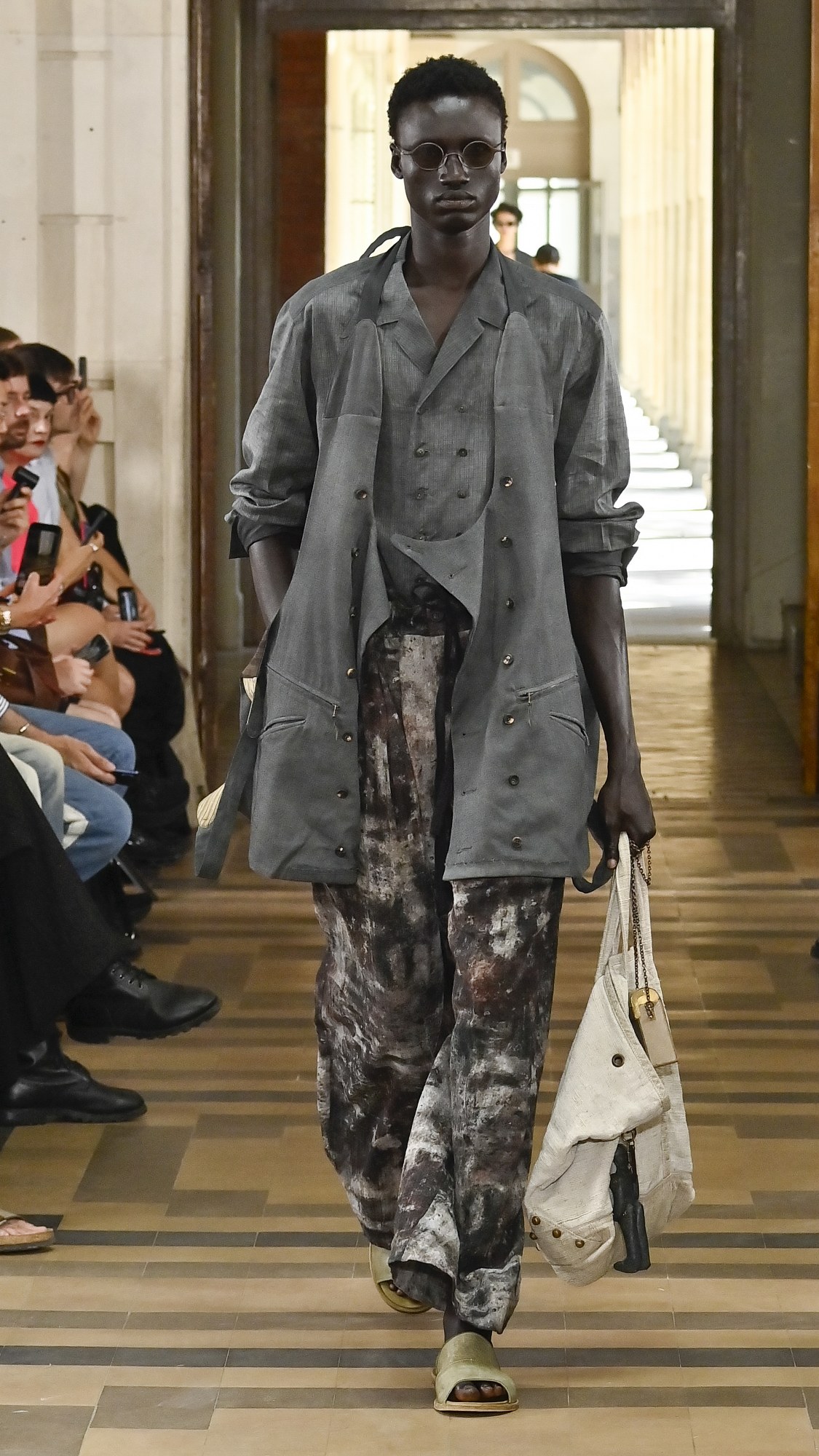
China-based designer Ziggy Chen has always been drawn to understanding how he wants to express himself through his clothing while acknowledging his own culture and heritage. Previously, taking inspiration from the contrast between traditional Eastern and contemporary Western fashion, yet recognized the necessity for modern-day comfort and everyday wear. His style of matte textures and muted colors isn’t just a form of expression in his search for peace with the world, but also a way for one to feel comfortable in their own skin. For his spring/summer 2027 collection, Ziggy unveiled his latest collection, ‘Ambiepose’ at Paris men’s fashion week, where we take a look at his approach to finding emotional intuitiveness by creating a stronger relationship between designer and wearer. Described as a fusion of ambience and purpose, where time becomes a lived-in character by achieving a balance of ease and order through function and restrained silhouettes. Designer Ziggy Chen shares his creative process and how he navigated his own journey of bringing culture and identity to his style without interference, but harmony.
Flanelle: How do you try to combine traditional Chinese fashion with contemporary Western aesthetic? Particularly your inspiration from Shanghai and Jiangnan culture in your clothing and fabric.
Ziggy Chen: In the early stages of the brand, I experimented with many structures from traditional Chinese clothing, such as the continuous sleeve construction, as well as the proportions and lengths of 1930s changshan. I also explored structures from Western menswear, including garments from the 18th century and earlier periods. These approaches were more direct and, in some ways, quite surface-level. However, over time, I gradually began to hide those structures and proportions that were not suitable for contemporary lifestyles. If one emphasizes traditional elements purely through visual references, the result can easily become overly theatrical. Looking back, those early explorations were actually a process of learning. Through studying the history of clothing from both Eastern and Western cultures, from ancient times to modern history, and then through the 1960s, 70s, and 80s — I realized that fashion from every period is inseparably connected to the way people lived, as well as the social and cultural context of that time. Therefore, allowing clothing design and craftsmanship to relate to the lifestyle of contemporary people, or maintaining a certain level of practicality, has become increasingly important. We live in an era of cultural exchange, and within this context, an individual’s personal style becomes especially important.
My current understanding is that who you are matters more than where you come from.
Returning to the original question, beyond my cultural background, where I come from, and my life experiences, what truly shapes my aesthetic perspective? I believe personal taste and style are, in some sense, innate, while also being shaped by one’s environment and experiences. In recent years, I have become less interested in creating garments with obvious traditional cultural references. Instead, I prefer to express something more personal through colors, materials, craftsmanship, and subtle details. Sometimes, the most obvious elements are better when they remain hidden. For me, materials have always been the most important aspect of clothing. This includes not only the fabrics, but also the linings and all the supporting components, because together they determine the overall experience of the wearer. Therefore, every season begins with colors and materials. In terms of design, I have recently focused more on the wearer’s experience — considering how cutting, construction, and craftsmanship can support this idea. Naturally, this has led to fewer exaggerated designs, becoming more like a process of self-refinement and renewal. In fact, I do not want to constantly emphasize the influence of Shanghai or Jiangnan culture on each collection. Cultural background is already naturally present, and the influence of one’s upbringing is something deeply rooted within oneself.
How does this cultural crossover or clash in style spark ideas in your mind creatively in relation to Ambiepose?
Previously, I spent a lot of time thinking about the relationship between Eastern and Western cultures. But now, I think less about it. Many things have already become part of who I am; they exist naturally within me. I simply follow my own feelings and create according to what I believe in. For the Spring/Summer 2027 collection, when I first developed the colors and materials, I wanted to focus on the relationship between clothing and the wearer. Why do we choose to wear certain clothes? What is their purpose? Are they comfortable? Do they allow freedom of movement? Is the length appropriate? Should the internal construction of the garment be approached differently? These questions actually began during the development of the Fall/Winter 2026 collection. For these two seasons, my approach has been to reduce exaggerated design elements and instead focus on refining tailoring, improving construction, and exploring new craftsmanship techniques. As I mentioned before, I believe this idea of cultural exchange is something that should be absorbed and hidden rather than directly displayed.
What did the garment industry teach you in developing your own brand and design?
To maintain my passion for this industry and remain fully committed to it. To believe in the power of teamwork. To build and continuously improve an industrial system that suits the identity and needs of the brand. And to establish appropriate goals for each season, then find ways to achieve them.
What part of your day-to-day life do you tend to find your best ideas?
While driving and traveling.
When deciding on how you design a set, how much consideration do you give to comfort while trying to maintain your style and vision?
I always place the wearer’s comfort as the highest priority. If a garment feels uncomfortable, my first reaction is always to adjust or even modify it. I hope that when people wear ZIGGY CHEN, they can feel relaxed and natural in their daily lives — ideally forgetting about the clothes themselves. Clothing should not restrict the body. I believe our garments have not yet reached the standard I envision, or perhaps improving comfort will always remain one of our most important goals. I hope we can continue to do better in the future.
What is your relationship like with wearing clothes yourself? Is it different from how you perceive others wearing your clothes, or ultimately the same feeling you search for?
This is an interesting question. I am actually very casual when it comes to my own clothing. I do not pay much attention to my appearance. When I work, I often wear the same type of outfit every day. Of course, there are occasions when I need to dress more carefully. When I wear my own designs, I consciously observe and experience them, as this is also part of my work. However, I have realized something: I personally have a very high tolerance for
discomfort and may not always be sensitive enough to certain details. But I have met many people who are extremely sensitive to clothing. They pay close attention to various details of the wearing experience. Gradually, I have developed the habit of understanding the feelings and feedback of people who wear ZIGGY CHEN, allowing me to improve and correct aspects that may cause discomfort. At the same time, I have seen people of different ages and from different places wearing ZIGGY CHEN. Sometimes I am genuinely surprised by their styling choices and their personal interpretations of the garments. My hope is that clothing can help people express their individuality, rather than using clothing to hide who they truly are.
What does clothing evolution mean to you?
The evolution of clothing represents the changes of an era.
In an era where trends constantly come and go even after a week, how do you try to go with your own flow in this fast-changing world?
Actually, I do not really understand this kind of rapidly changing rhythm, and I do not think it is necessary to follow it, so I do not pay much attention to it. I believe everyone has their own unique style and personality. Following your own pace is enough. Maintaining your own rhythm perhaps comes from understanding yourself — having a consistent aesthetic and not being overly sensitive to external changes. Personally, I am someone who reacts slowly to new things. The things I love tend to stay with me for a long time, whether it is music, food, or other interests. So it is difficult for me to answer how to maintain one’s rhythm, because this is simply part of my personality.
Can you explain your color theory and why you felt this set works well for your spring/summer collection?
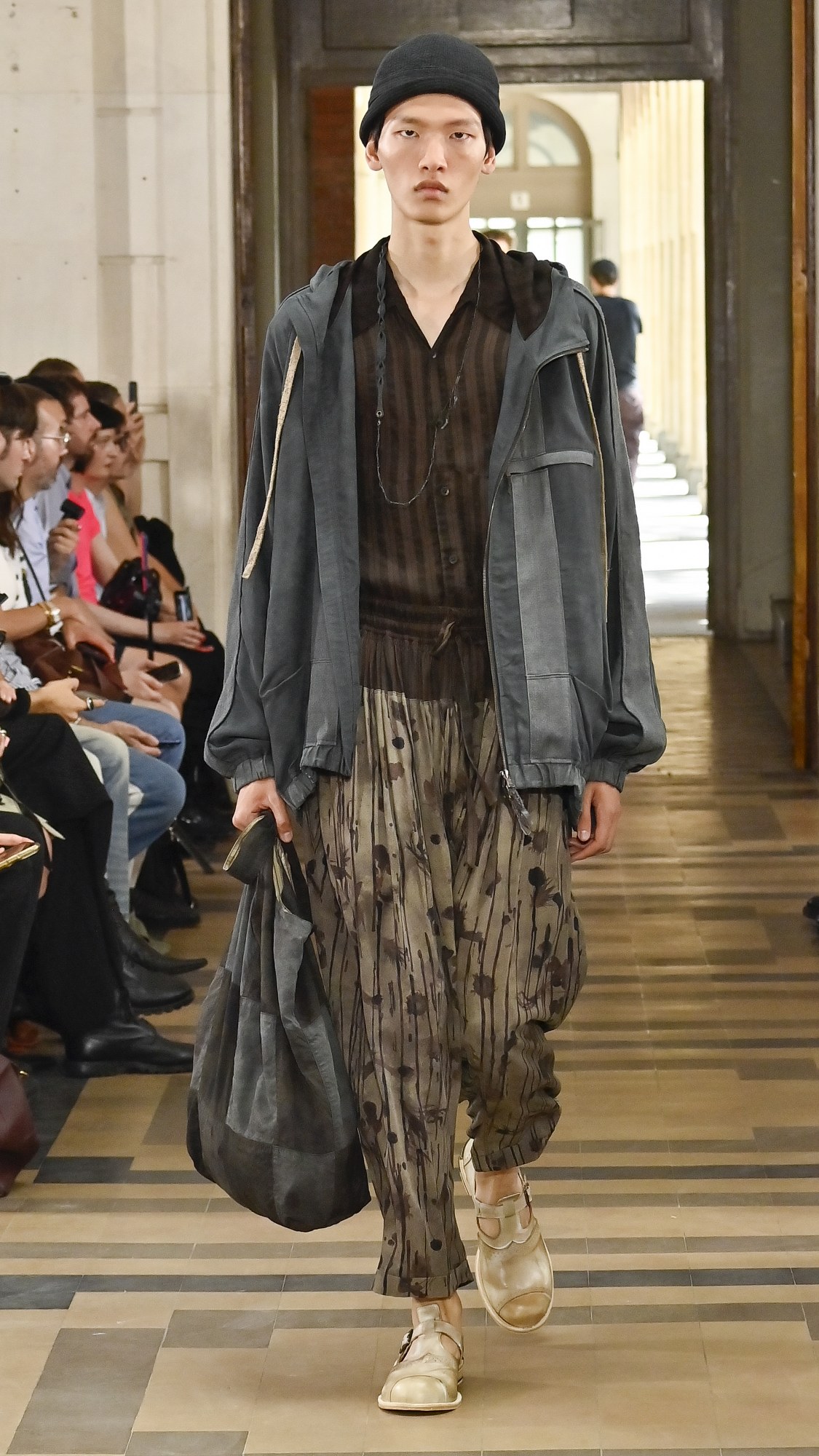
When it comes to color, intuition and emotion are the most important elements for me, rather than following a specific concept or theory. For this season, the color palette was roughly divided into two directions: soft, light tones and more obscure, deeper shades.
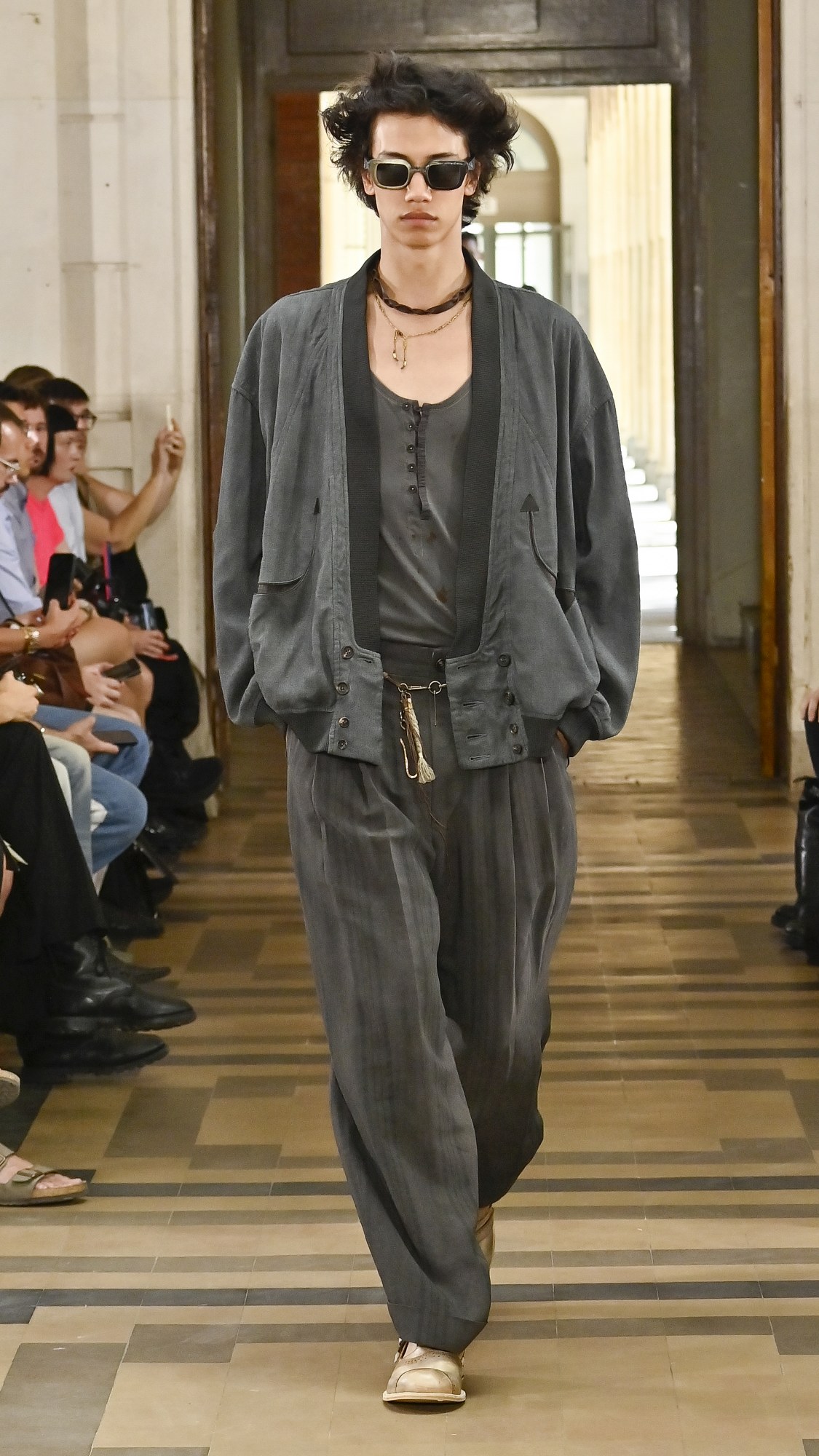
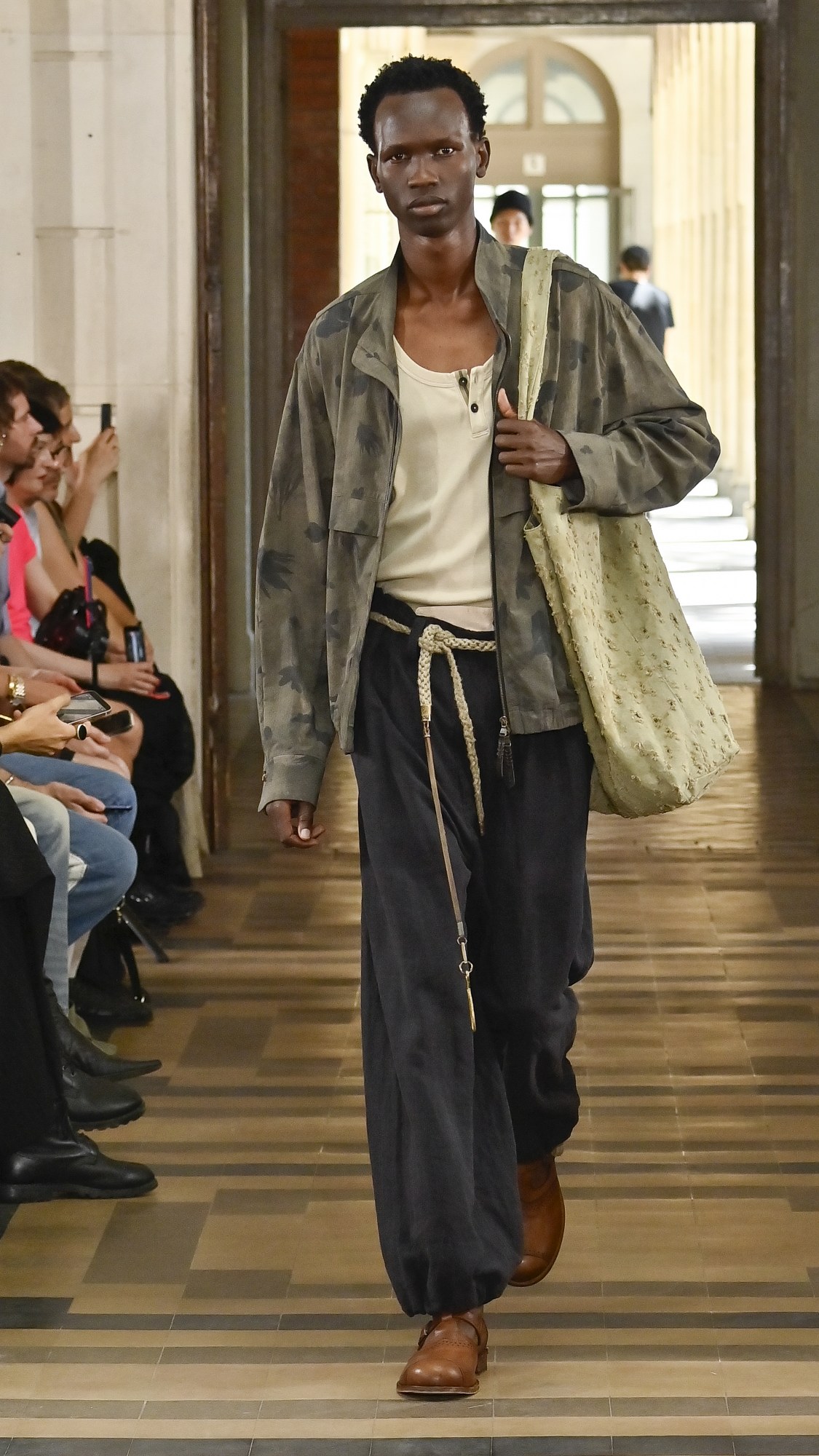
The lighter tones come from the natural variations of undyed fibers — ranging from ivory and neutral beige-grey tones to the warm grey-white colors found on the aged walls of traditional gardens, gradually moving toward imperfect, softened blacks. The darker palette is inspired by old black and indigo garments that have been repeatedly worn and aged over time, creating beautiful variations of grey-blue tones. These were further developed and combined with dusty purple shades inspired by the weathered colors of old architectural columns. I have always been drawn to the darker tones. Perhaps they feel too deep for a Spring/Summer collection, but once I completed this color palette, I decided that they had to belong to this season regardless. It is simply an instinctive decision.
Why do you think natural tones and matte textures can help you create your own ambience and discover the purpose you are looking for?
Perhaps I was naturally never very good at understanding bright, vivid colors with a strong sense of shine. They do not create much emotional connection for me.
Instead, I find excitement in muted, intermediate tones with matte surfaces — colors that are subtle, layered, and full of quiet variations. I love old objects, including their colors and materials. For this season, if we talk about the word “purpose,” it is mainly about exploring the balance between garment structure, texture, and the wearer’s body, as well as the relationship between clothing and comfort.
For any aspiring Asian diaspora designers, what advice would you offer in trying to maintain their culture when expressing their identity in the West?
I have not experienced living or studying in the West myself, so I do not feel qualified to provide a definitive answer. From a very personal and basic perspective, I believe everyone’s style is connected to their own life experiences, aesthetic preferences, and personal interests. As a creator, if you want to maintain a connection with your cultural roots, you need to truly live with that culture and understand the parts beyond surface-level symbols. Only then can your expression come from genuine personal experience. Another approach is to identify the aspects that you are truly interested in and confident about, and develop them into a creative language that represents your own personality. Ultimately, the most important thing is not simply to represent where you come from, but to discover and express who you truly are.