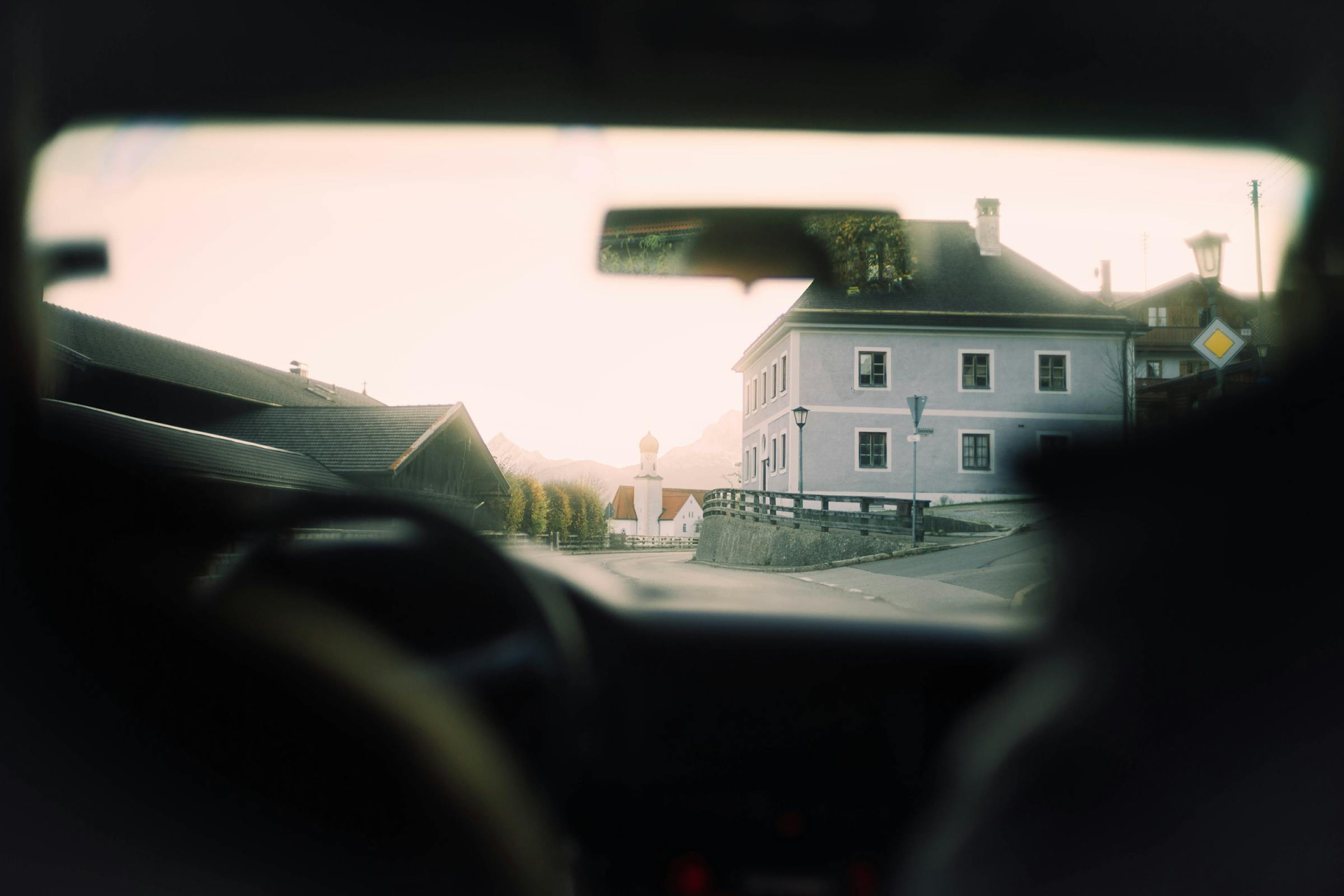
It’s advisable to rent a car if you want to explore Charlotte and the Carolinas, because the region spreads out quickly once you leave the city, and public transit does not reach many of the places people want to visit. If your plans extend beyond central neighborhoods, you’ll need to get behind the wheel and hit the highways. If you’re planning a trip to Charlotte and want to use it as a base to explore the Carolinas, here’s a guide to doing so with a rental car.
First, find the right car
Ideally, pre-book your rental car before you hit the ground. There are plenty of options for car hire in Charlotte, so shop around to find the perfect vehicle for your needs. For example, if you’re planning to head up into the Blue Ridge Mountains, you might want a larger vehicle capable of handling rougher terrain.
Weather and distance also matter. Summer heat can make long drives tiring, so it’s a good idea to find a car with good AC. Also, remember that you’ll be spending hours in the driver’s seat on longer routes, so choose a vehicle that keeps you comfortable.
Before you finalise the booking, check the pickup details. Make sure you know where the car is located, when the desk opens, and how fuel is handled. These details can have more impact on your trip than most people expect.
Picking up the car and getting out of the city
For a smooth and stress-free pickup process, allow more time than you think you need. Rental centres can be busy, especially at the airport, and queues will move at different speeds depending on the time of day.
Before you drive off, take a few minutes with the car. Walk around it and note any marks. Adjust the seat and mirrors and sort out your navigation aids before driving off. This will set you up for a better driving experience from the get-go.
When you leave Charlotte, focus more on timing than route choice. Main roads out of the city slow down during weekday mornings and late afternoons. As such, avoiding these windows usually means spending less time in traffic. Once you clear the outer areas, driving becomes more straightforward, and distances start to feel manageable.

Driving beyond Charlotte
Once you are out of the city, traffic thins out, and you can pick up the pace. This is where having a car really starts to pay off, especially if you plan to cover a lot of ground.
Highways around Charlotte are generally easy to follow, but it still helps to keep an eye on your speed as you pass through smaller towns. Speed limits can change quickly, and it’s easy to miss a sign if you are not paying attention.
Fuel stops are straightforward on main routes, but they become less frequent once you move into quieter areas. If you see a station before a longer stretch of driving, it’s usually worth stopping. By doing so, you avoid having to backtrack later and eliminate the stress of keeping half an eye on the fuel gauge.
As you get further from the city, driving times can start to feel deceptive. Distances that look short on a map often take longer than expected, especially on rural roads. Build that into your day and resist the temptation to squeeze too much into a single route.
Choosing where to go next
It’s easy to underestimate how big this region is purely from looking at a map. You can cover some serious distance by car, but only if you stay realistic about how long drives will actually take. A loose plan usually works better than trying to tick off multiple places in one go.
If you head west from Charlotte, you’ll find the landscape rising quite quickly. Roads curve more, and average speeds drop even during light traffic. This part of the region suits casual road-trip days, when you are happy to spend time driving and stop whenever something catches your attention.
Driving east feels flatter and more drawn out. Towns here are farther apart, so journeys often take longer than expected. This direction works best when you commit most of the day to the journey rather than trying to squeeze a lot into a short window.
You can also stay relatively close to Charlotte and still get a decent change of scene. Short drives north or south will take you into areas with plenty to see and do, without demanding hours on the road. These routes are good for days when you want to explore without spending hours in the car.
You don’t need any special preparations to cross into South Carolina. In fact, you might not even notice the change of state if you somehow miss the sign! You’ll stay on similar roads, with similar signage. You do need to watch your speed as you pass through smaller towns, however, as speed limits can change quickly in SC.
Parking and stopping
Parking is rarely a major issue outside the bigger cities, but it still pays to consider where you’re pulling in. Smaller towns usually offer free street parking close to shops, cafés, and attractions, but don’t count on it. It’s always a good idea to check for any parking limits, charges, or regulations before you walk away from the car.
It’s usually reasonably straightforward to stop somewhere overnight – although it is illegal to sleep in your car in many parts of the Carolinas. Luckily, hotels and motels outside major cities almost always include parking, and you rarely need to reserve a space in advance. If you are staying in a historic town centre, check whether parking is on site or if it’s a short walk away, as this can affect how easy it is to unload bags.
When you stop along the way for food or fuel, choose places with obvious access from the road. This saves you from navigating tight back streets or awkward exits when you are ready to move on. As you plan each stop, think about how long you actually want to stay there. Some places are great for a slow wander, while others work better as brief pauses before you get back on the road. Keeping that balance in mind helps the drive feel like part of the trip rather than something you rush through.
Final thoughts
Exploring the Carolinas from Charlotte works best when you plan your driving around distance rather than ambition. Pick one main destination per day and allow time for slower roads once you leave the highways. Refuel before longer stretches, keep an eye on daylight if you are driving in rural areas, and avoid packing too much into a single route. If you do that, driving stays manageable, and the trip stays enjoyable.