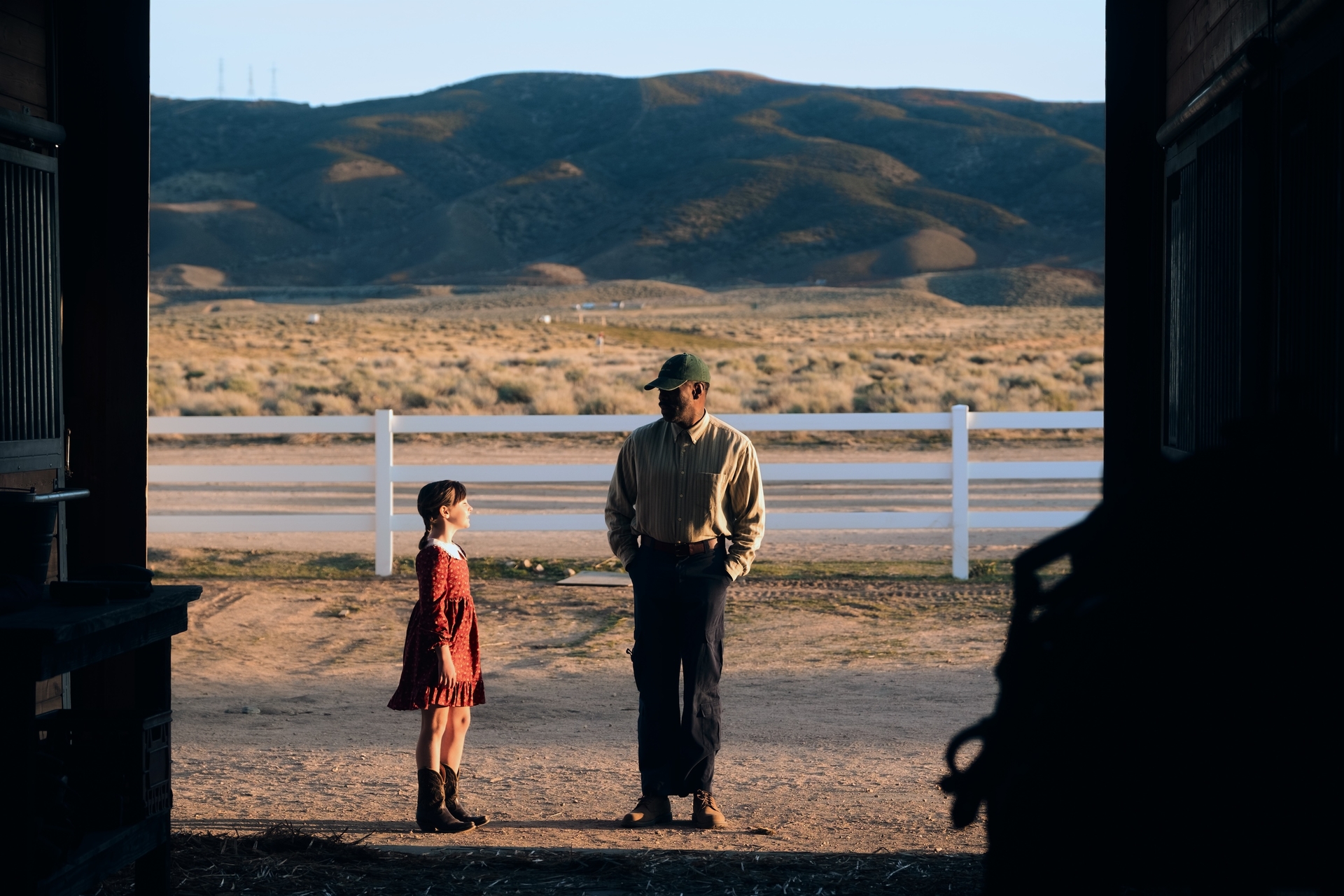
The ninety-minute, dust-choked conclusion of Euphoria marks a stark tonal departure for the series. What began as a neon-hued, glitter-streaked melodrama about teenagers stumbling through house parties, love triangles, and the slippery slope of party drugs gradually morphs into something far darker. By its final episodes, the high-school drama has curdled into a Tarantinoesque Western rife with drug cartels, gang warfare, and a world where survival feels entirely transactional.
Words by Cristin Proctor Rooney
Photos by by Eddy Chen/HBO

Over three seasons, Sam Levinson’s HBO drama shifts from a portrait of adolescent excess into an American tragedy. By the finale, the characters who once sat at the centre of the story have been pushed to its edges. The glitter clears to reveal something harsher underneath: a generation inheriting a world defined by exploitation, loneliness, addiction, and economic precarity.
Levinson’s final season often feels at war with itself, uncertain of its own purpose. Storylines wander without resolution, characters drift away from recognisable versions of themselves, and the most troubling creative decision is its repeated insistence on funnelling nearly every female character toward some form of sex work.
Yet even as the season strains under the weight of its ambitions, it remains anchored to its central protagonist and narrator: Rue Bennett. Across all three seasons of Euphoria, we follow Rue more closely than anyone else – her voice guiding much of the story as she moves through adolescence and into a pattern of escalating addiction.
Unlike many of her peers, Rue’s drug use does not emerge from rebellion or party culture, but from grief. It begins as a way of numbing the pain of her father’s terminal illness and gradually hardens into a dependence that shapes the entire trajectory of her life.
For that reason, her death in the finale feels less like a narrative shock than the endpoint the series has been circling from the very beginning. From its first episode, Euphoria frames Rue’s story as a sustained and increasingly fragile negotiation with self-destruction.
Yet the significance of her ending lies less in the fact that she dies but in how she dies.
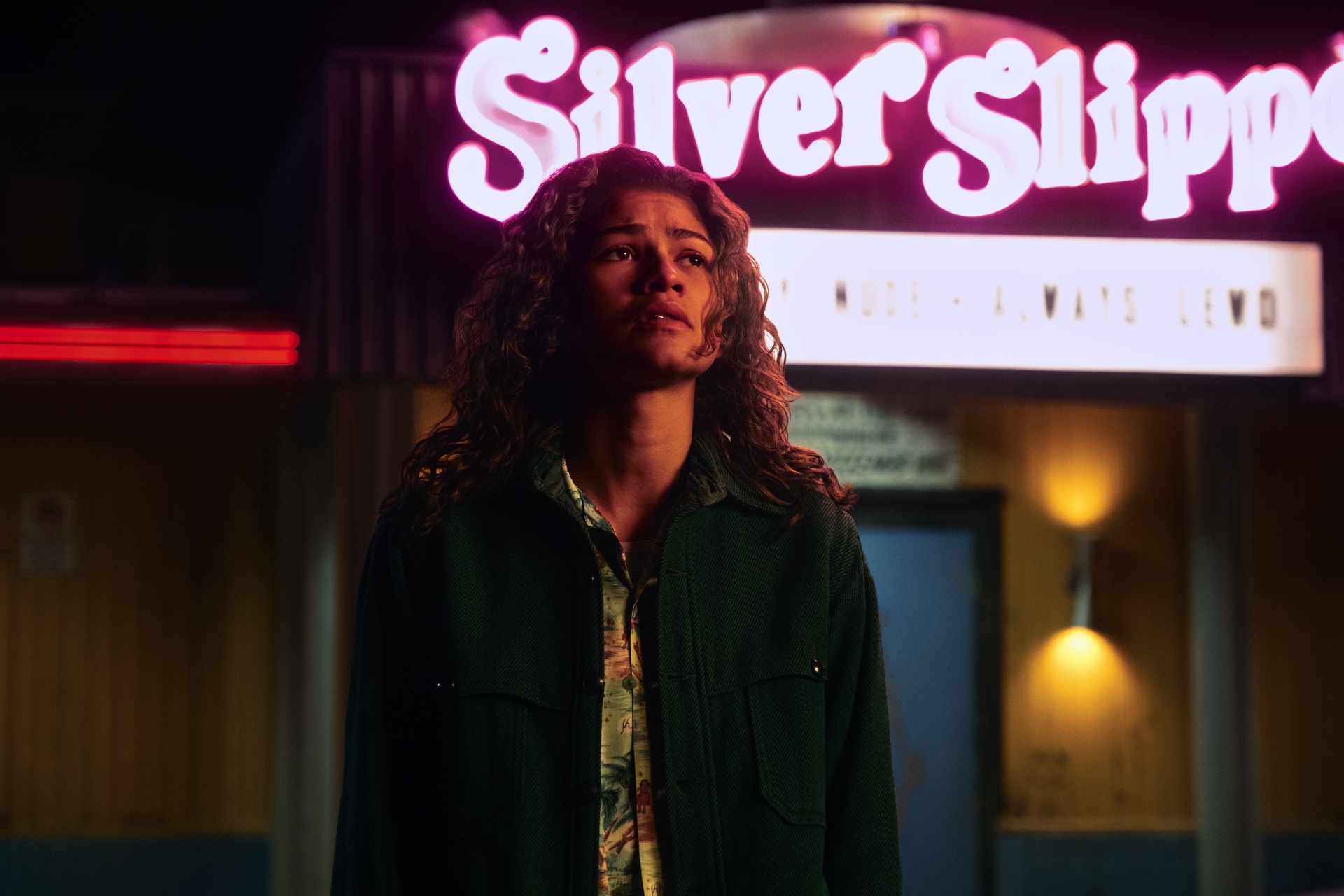
After spending an entire series evading death in circumstances that frequently border on the absurd, Rue is ultimately killed by something far more mundane: a painkiller unknowingly laced with fentanyl, taken for pain rather than pleasure. Her death becomes a final expression of her addiction itself, what began to ease pain ultimately is the circumstance that kills her.
However, her death is no longer simply the consequence of her own actions. Rue’s death is no longer presented as the inevitable outcome of addiction, but as the result of chance. Caused by a laced pill, her death becomes a microcosm of the fentanyl epidemic itself – the threat of which has lingered since the beginning of the season. It exists in the drugs circulating through Laurie’s network and the overdose deaths that punctuate the series’ margins.
Speaking at a recovery meeting, Ali, Rue’s sponsor, notes that fentanyl is now the leading cause of death for Americans under fifty – a statistic which underscores how the crisis extends the confines of chronic addiction, impacting the lives of ordinary people.
The question hanging over the season is: Why kill the customer? The answer the series presents is a distorted American dream so consumed by greed that human life has become secondary to profit.
Rue’s death is therefore not simply the story of one addict. It is the culmination of the series’ broader argument about a generation raised amid the collapse of the American promise. Having survived every dramatic threat the show could invent, she is ultimately claimed by something far more frightening: a system for which her survival was never a priority.
The meta-tragedy in Rue’s final moments, is in her fentanyl induced hallucination she runs to save Fezco – a character whose actor, the late Angus Cloud, died from an accidental overdose in real life in 2023. Whether intentional or not, the scene adds a haunting emotional weight.
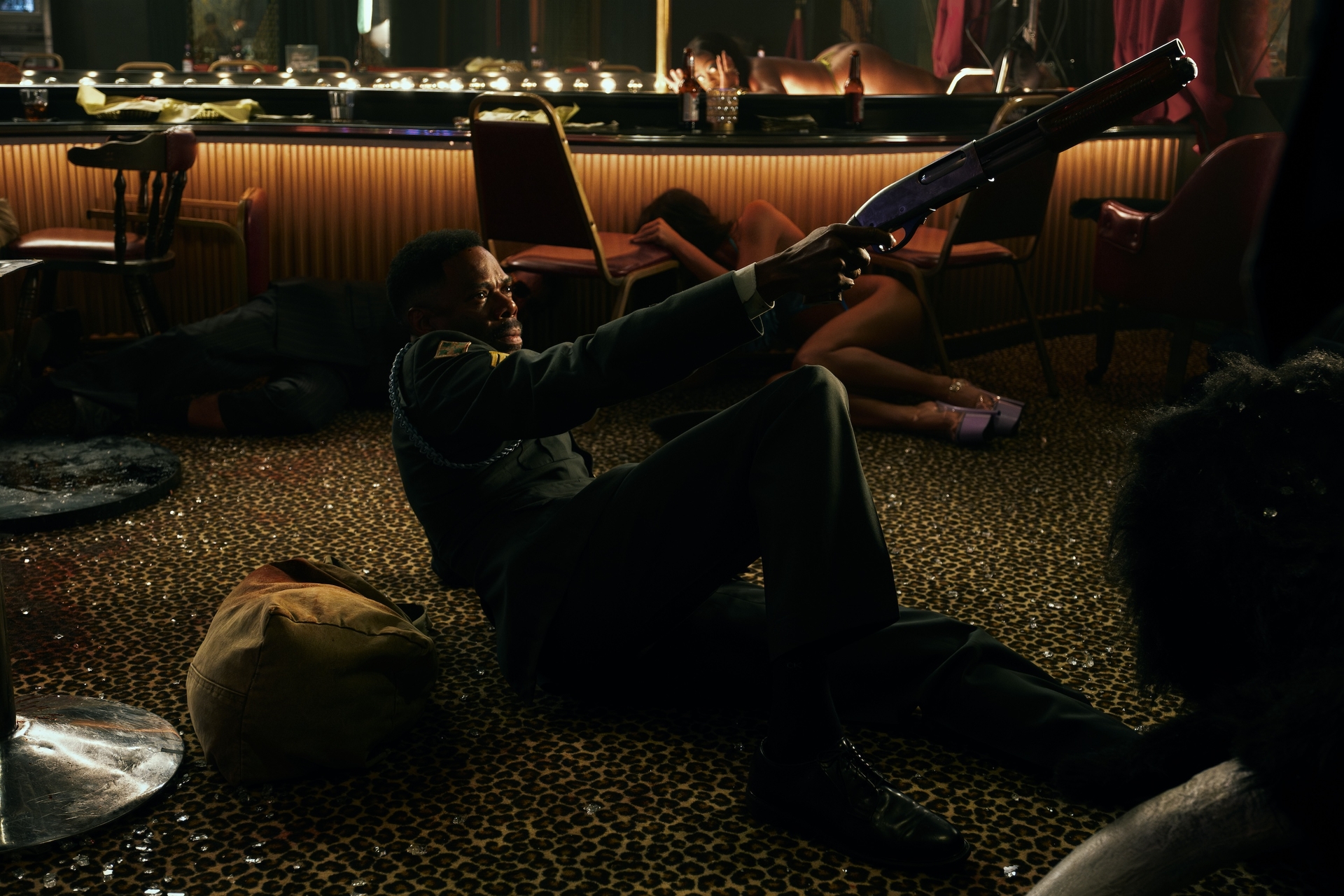
The finale’s most surprising decision is after we lose Rue, the transfer of narrative authority shifts to Ali. For much of the series, Ali occupied the margins as Rue’s sponsor, mentor, and occasional moral compass. In the final episode, he inherits the story. The choice has frustrated some viewers who expected the focus to shift to Rue’s family and friends, yet it is a masterstroke in tragic realism – Ali is the only person left who never stopped showing up for Rue.
The decision highlights one of the more sombre realities of adulthood: once you leave school, the people who once constituted your entire world gradually drift into separate orbits. Friendships dissolve; former loves and heartbreaks become strangers; lives branch off in different directions until those who once knew every detail about you no longer know anything at all. For a season you are the central protagonists in one another’s lives, until paths diverge so completely that you lose any real influence over each other’s outcomes and for the most part no longer know–or care–what happens next.
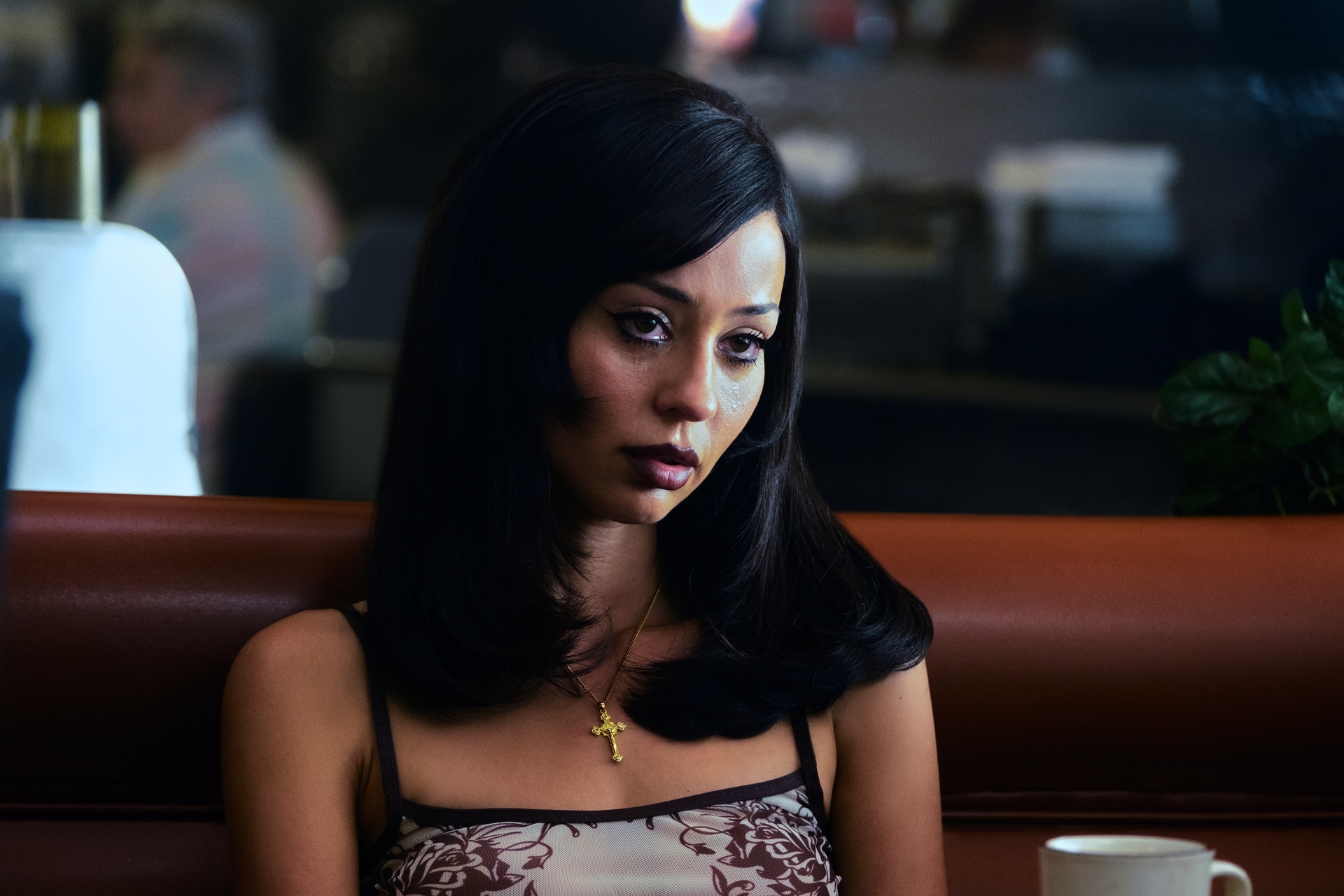
Seen in this light, Jules’s absence as a central focus of the season feels deliberate rather than neglectful. Once the emotional centre of Rue’s world, she is reduced to little more than a fleeting presence. Her distance reflects the way Rue’s social circle has gradually chosen to remove her from it. The series is not punishing Rue; it is simply depicting a reality in which people often withdraw from the lives of addicts, often as a necessary act of self-preservation.
Even Rue’s mother and sister have reached that point. Leslie Bennett appears only briefly, through a phone call and then again in Rue’s fentanyl-induced fantasy as she slips away. Ali is left to deliver the news of her passing. As a former addict himself, he is the only character capable of understanding Rue without either romanticising her or turning away from her. No matter how destructive she becomes, he continues to keep her in his life.
Significantly, the finale withholds almost everyone else’s reaction to Rue’s death. We see Ali’s grief, but little of anyone else’s. The implication is not that Rue was unloved. Rather, it is that her death no longer fundamentally alters the trajectories of the lives around her.
Later, when Cassie attempts to comfort Lexi, she dismisses any gravity that could be associated with her death: “She was a drug addict.” The remark captures the ease with which society compartmentalises these deaths. Addiction becomes explanation enough – case closed.
In the end, Levinson leaves us with Ali’s final monologue functioning as an indictment on us as a viewer. He condemns institutions, rejects easy religious consolation, and implicates all of us in the conditions that produced Rue’s life and death. Only Ali remains to honour Rue’s memory, carrying out her wish to return to the isolated house in Texas she visited earlier in the season, where she briefly believed she had found a kind of peace. There is an irony in the house being occupied by the religious fundamentalist family wary of outsiders, shaped by fear as much as faith. Yet Ali sits with them and breaks bread, inhabiting a space defined by the very contradictions the series has been circling throughout.
The final image of the series is an American flag blowing in the desert breeze outside the isolated Texas home.
The flag functions as a bookend, recalling the very beginning of Euphoria. In the opening episode, Rue tells us she was born in the shadow of 9/11, her earliest days spent in the cold, blue glow of television screens broadcasting the collapse of the Twin Towers and its aftermath. That sense of inherited American catastrophe returns in the finale. As the flag waves, Rue’s narration returns one final time: “God bless us all.” The line closes the series with a profound sense of dread, landing less as a blessing than as a warning.
What lingers after the final frame is not simply grief for Rue, but a broader sense of foreboding for the generation she represents, inheriting a landscape that is not indifferent but actively predatory. The neon haze of youth has evaporated, revealing a harsher truth: the American Dream that once promised freedom, prosperity, and reinvention no longer offers a path forward. The children born in the shadow of national collapse have come of age only to discover that the promise they were raised on has become the trap designed to consume them.