Every few years, a city reclaims the attention of people who thought they already knew it. Milan is having one of those years.
The Milanese have long regarded their city with the quiet confidence of someone who knows they’re underrated. While Rome gets the pilgrimages and Florence the reverence, Milan gets on with things: the fashion houses, the design studios, the aperitivo culture that has been quietly perfecting itself for decades. But in 2027, the rest of the world is catching up. Two landmark hotel openings are reordering how well-traveled guests think about the city, new train connections have made it a natural gateway to the Alps, and a neighborhood that was already excellent is somehow becoming more so.
The Brera Quarter: Milan’s Design District on Foot
My base for the week was the Brera district, which remains the most rewarding place in Milan to simply walk. Once a fishing village where boats arrived via canal from the northern lakes, it is now considered one of the most romantically beautiful parts of Milan, though “boho chic” is a phrase best retired. The streets are cobbled and narrow, the bars are generally excellent, and the weekly outdoor mercato on Via San Marco, with its overflowing flower stalls, leather gloves, and cashmere sweaters, feels stubbornly like the city that existed before every luxury brand on earth decided to open a flagship here.
The Pinacoteca di Brera anchors the neighborhood both literally and culturally. Napoleon, newly crowned King of Italy, reportedly intended it to become the Louvre of Italy. Whether it has achieved that ambition is debatable, but on a Tuesday morning with a competent guide and no school groups in sight, it comes close. Antonio Canova’s colossal marble statue of Napoleon himself, standing in the central courtyard, has a theatrical absurdity that the emperor would probably have appreciated.
For meals, I largely ignored the tourist-facing restaurants on the main pedestrian stretch and did better for it. Stendhal Brera is one of those beautifully classic Milanese restaurants that fills at lunchtime with well-dressed locals; the ossobuco with risotto alla milanese is silky, rich, and deeply saffroned, exactly what you hope for when ordering it in this city. The historic Marchesi café, around the corner on Via Montenapoleone, handled my mornings admirably, the espresso arriving without ceremony, just as it should. Horto, on the upper floors of a building whose terraces look out toward the Duomo one way and the Castello Sforzesco the other, takes a sustainability-focused approach, working almost exclusively with ingredients sourced within an hour of the city. The tasting menu reads as a love letter to Lombardy’s seasons, though the view from the terrace during aperitivo hour is enough reason to go regardless of what’s on the plate.
Two of the Best New Hotels in Italy, Opening in Milan
Six Senses Milan: A Design-Forward Wellness Hotel in the Heart of Brera
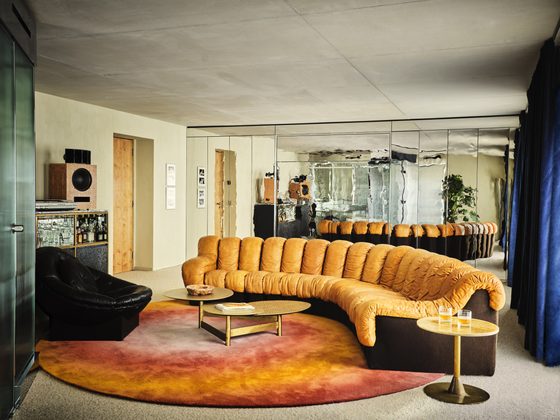
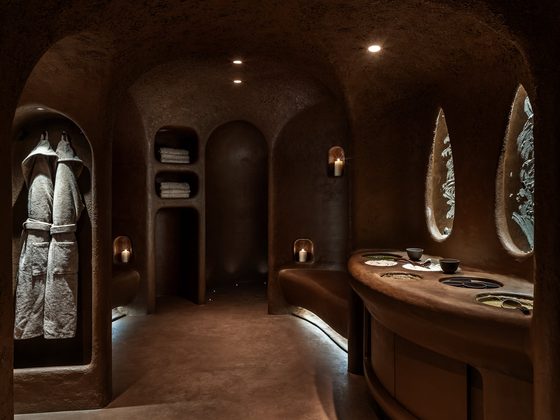
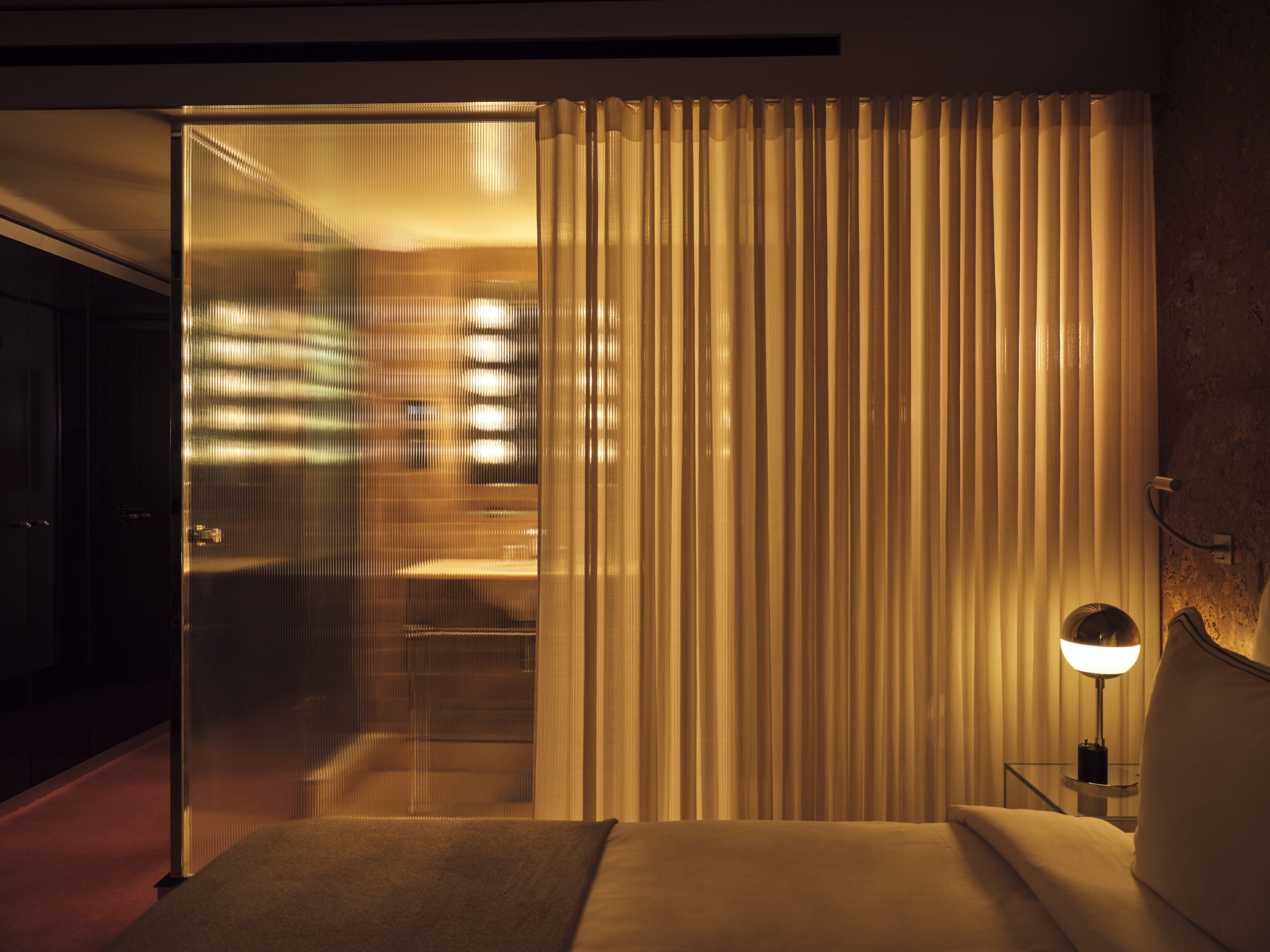
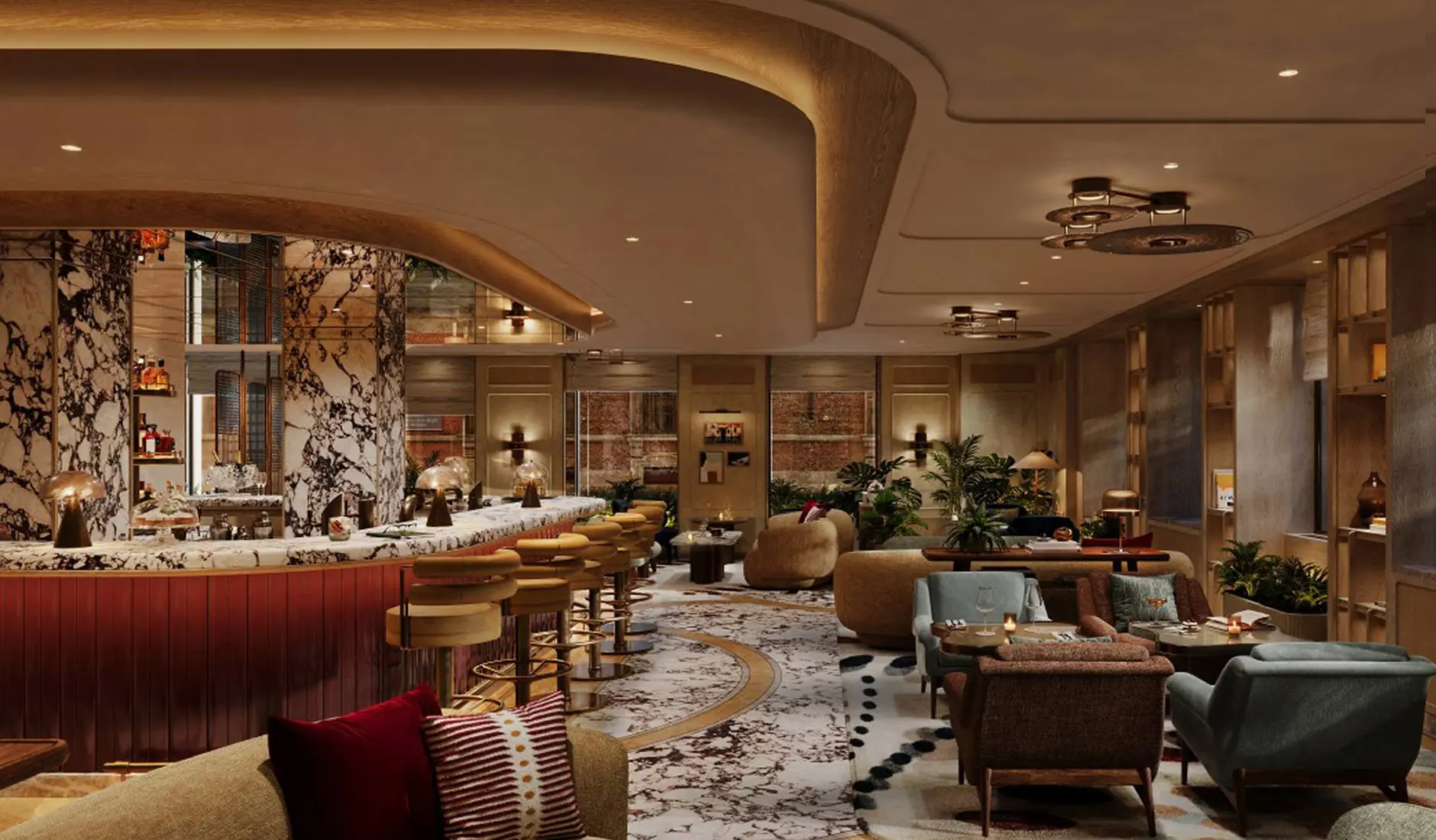
The hotel conversation in Milan this year is really two separate conversations. Six Senses Milan, arriving in 2027, will plant itself at the heart of Brera on Via Brera 19, facing the Pinacoteca, with interiors by Tara Bernerd & Partners that draw directly from the neighborhood’s legacy of craftsmanship. Design features include arabescato marble, antique brass detailing, handmade smoked glass, textured ceilings, and mosaics that suggest someone paid close attention to what the city already does well, rather than imposing a brand identity onto it. The 69 rooms include 16 suites, two with private plunge pools, and one with a 41-foot terrace pool. Guests will also have access to a hidden courtyard, a sky pool, a rooftop bar, a restaurant, and a spa with a 50-foot indoor pool, two saunas, a steam room, and a cold plunge. Rates start from €1,200 per night on a bed-and-breakfast basis. Pre-opening reservations are already available; waiting until the reviews come in is the sensible approach, but I suspect demand will not reward patience.
Rosewood Milan: A Fashion District Hotel in a 19th-Century Palazz
Several blocks south and east, in the fashion district, Rosewood Milan is taking a different position entirely. Housed in the historic 19th-century Palazzo Branca and Palazzo della Banca Commerciale on the edge of the Quadrilatero della Moda, the 70-room hotel, designed by Parisian firm Studio KO, blends eclectic and colorful elements with the timeless elegance that characterizes the brand. Its address, steps from Via Montenapoleone, says something about the guest it is courting: someone who is also planning to stop into Loro Piana on their way back from dinner. The property will house a bar and restaurant with a courtyard and garden, alongside the Asaya wellness facility with an indoor pool and fitness center. Opening timelines have shifted over the past year and the Rosewood’s website now lists 2027, but the project is well advanced and the city is ready for it.
The two hotels make an instructive contrast. Six Senses has chosen to embed itself in the cultural heart of the city, in a neighborhood of galleries and mercatos, where a guest might walk out of the lobby and directly into an art supply shop that has been there since before the brand existed. Rosewood has placed itself at the center of the commercial apparatus that gives Milan much of its international identity. Both are defensible choices. Which one suits you depends on what you came to Milan for.
The Quadrilatero della Moda is worth visiting regardless of whether you intend to shop, which was my position until I found myself standing in front of a suede jacket in a shade of green I cannot adequately describe and had to be persuaded to leave. The streets between Via della Spiga and Via Montenapoleone have a composed, almost theatrical quality on a weekday afternoon, the window displays arranged with the care of museum installations, the clientele moving through them with the unhurried confidence of people who know exactly what they are looking for. Rocco Forte’s Carlton Milan, which opened late last year in a 19th-century palazzo on Via della Spiga, has an inner garden and a bar worth stopping into whether you are a guest or not.
Lake Como EDITION: Italy’s Most Anticipated New Hotel Opening of 2026
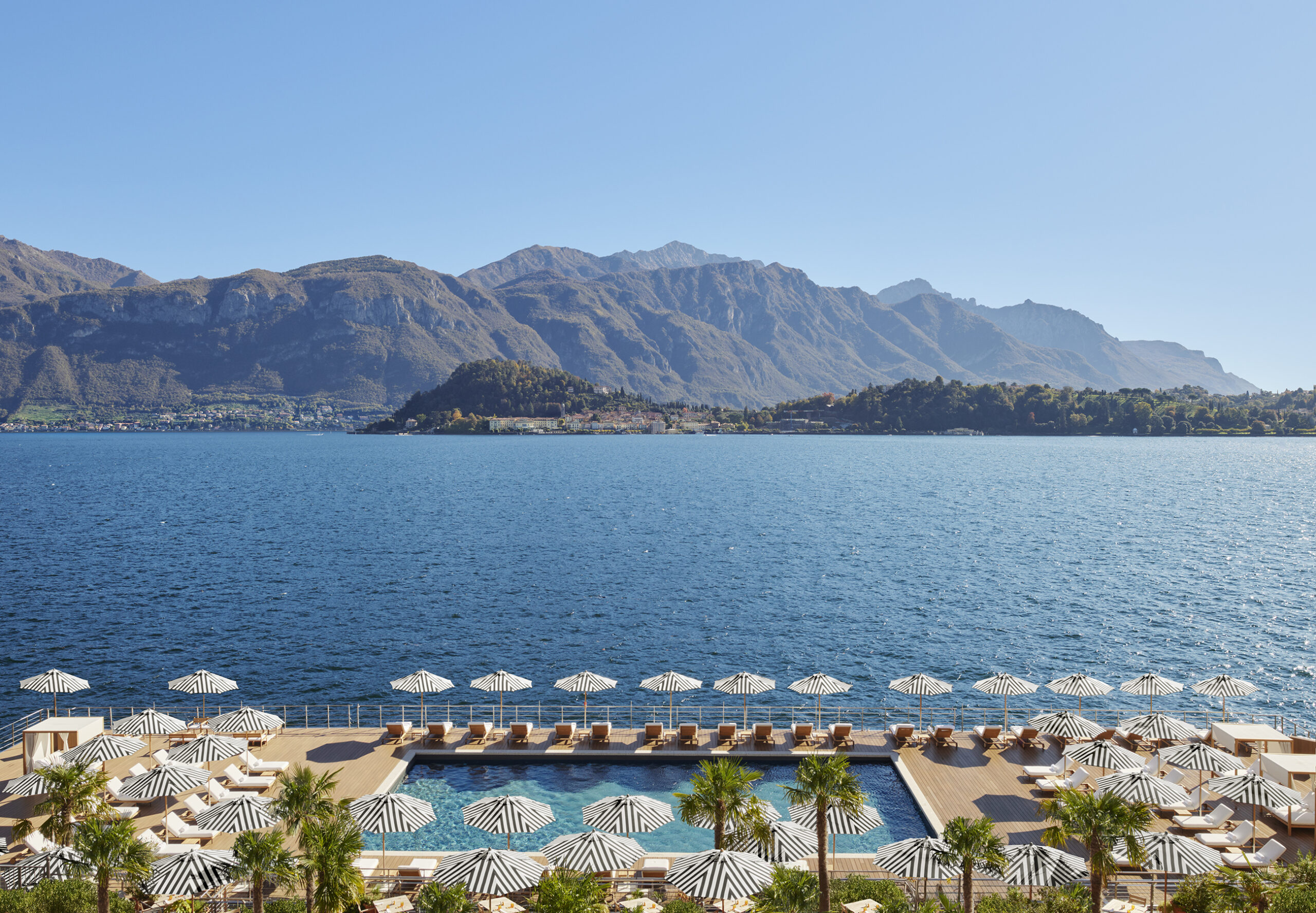
No Milan itinerary in 2026 should neglect what is happening an hour up the road. The Lake Como EDITION opened in April, bringing the Ian Schrager lifestyle brand to the iconic Italian lakefront, and it has already drawn the sort of opening crowd (architects, photographers, chefs) that tends to indicate a property worth taking seriously. The hotel occupies a redeveloped 19th-century palazzo formerly known as the Hotel Britannia Excelsior, with 148 rooms and suites across seven room types, four dining venues, a destination spa, and Lake Como’s largest floating pool.
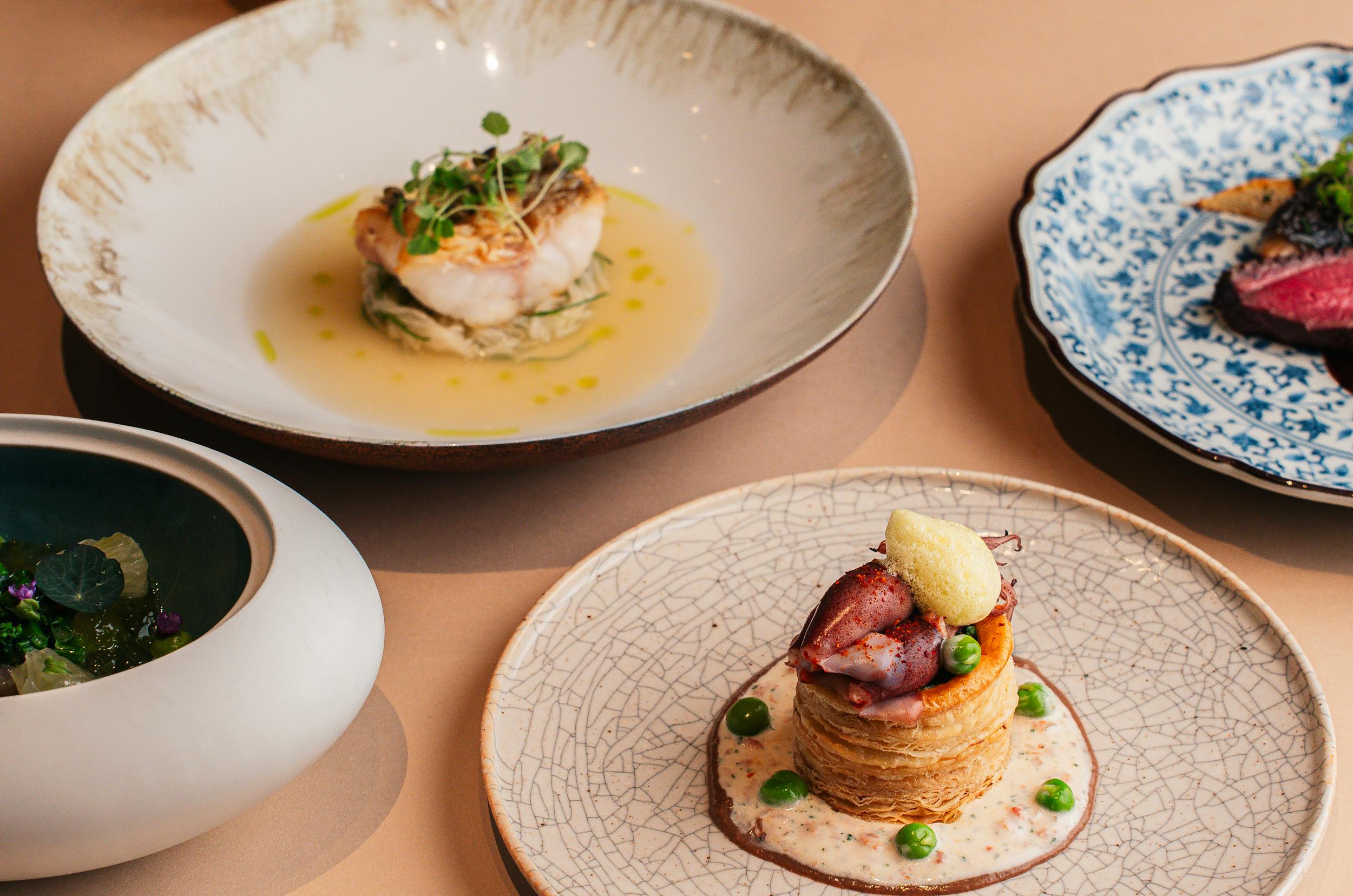
The lobby’s high arches and marble staircases acknowledge Italian craftsmanship, while Palomba stone, terrazzo, and teak wood add texture throughout, and floor-to-ceiling windows open the interiors to lake views in a way that makes the boundary between inside and outside feel pleasantly negotiable. The signature restaurant, Cetino, marks three-Michelin-starred chef Mauro Colagreco’s first Italian venture. Dishes include Rosa di Branzino with daikon and citrus, Ravioli di Trota with smoked goat cheese cream, and a salt-crusted catch of the day that arrives with the kind of ceremony that is only theatrical if it doesn’t also taste very good. It does. At the terrace restaurant Renzo, shaded by a pergola and framed by Mediterranean herbs and citrus trees, an all-day menu of contemporary Italian dishes plays out against panoramic views of the lake. I sat there long enough that the afternoon light changed twice.
The lake ferry system, which connects the western shore towns to Bellagio and beyond, remains one of the great underrated pleasures of northern Italy. Take it rather than a car, stay at least one night, and avoid July and August, when the hordes arrive and the restaurants begin to behave accordingly.
Getting There: How to Get to Milan in 2026
Milan is more accessible than it has any right to be for a city of this caliber. Nonstop flights now operate from Atlanta, Chicago, Miami, New York JFK, Newark, Toronto, and Montreal to Milan Malpensa Airport, making it a realistic long-weekend proposition for much of North America. High-speed rail connects the city to Venice in two and a half hours and to Florence in under two. A new Trenitalia service launching this year will link Milan to Munich, extending the city’s natural territory northward into the Alps. For those traveling with the EDITION already booked on Lake Como, a car or the ferry from Como’s central station handles the final leg efficiently.
Milan has always rewarded the traveler who stays three days when they planned to stay one. The city is, among other things, a masterclass in the kind of confidence that requires no explanation. This year, with two significant hotels arriving, a design week that drew more international visitors than any previous edition, and a food scene that continues to find new ways to be serious without taking itself too seriously, it rewards the longer stay more than ever.