Fashion lovers should prioritize Milan, Paris, Tokyo, Copenhagen, and Antwerp in 2026. Cities where exceptional shopping, design heritage, and style culture converge to create transformative experiences beyond typical tourism. Each destination offers distinct fashion perspectives, from haute couture archives to cutting-edge streetwear, making them essential stops for anyone who views travel through a sartorial lens.
Why Fashion Destinations Matter
The relationship between travel and personal style has deepened significantly. Fashion-focused travel isn’t about shopping only, it’s about understanding how different cultures approach design, craftsmanship, and self-expression. It’s a crucial part of learning style and educate oneself. These cities offer immersive experiences that reshape how we think about clothing, from visiting ateliers where garments are still made by hand to exploring neighborhoods where street style becomes living art.
In 2026, as fashion moves toward more intentional consumption and appreciation for craft, traveling to see where and how clothing is created has become increasingly valuable. These destinations provide context that online shopping and social media cannot replicate.
Milan: The Epicenter of Italian Craftsmanship
Milan remains unmatched for anyone serious about understanding fashion’s intersection with craft and luxury. The city’s Quadrilatero della Moda houses flagship stores from every major Italian house, but the real discoveries happen in smaller ateliers and showrooms throughout Brera and Porta Venezia.
When to Visit Milan
September during Milan Fashion Week offers the most dynamic experience, though the city swells with industry professionals and prices rise accordingly. April and May provide ideal conditions; pleasant weather, fewer tourists, and the spring collections still fresh in boutiques. Avoid August when many shops close for summer holidays.
What Makes Milan Essential
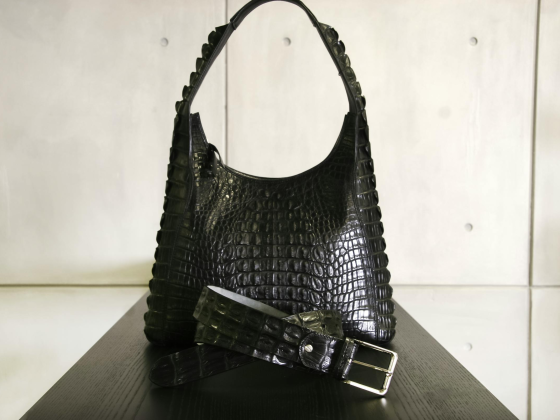
The city’s fashion heritage runs deep. Visit the Armani/Silos museum to understand how Giorgio Armani revolutionized the blazer, or explore Fondazione Prada’s experimental approach to fashion as art. But Milan’s true gift is access to craftsmanship. Small leather goods workshops in Porta Romana still create bespoke pieces, while fabric showrooms near Porta Garibaldi reveal the textiles that become next season’s collections.
The shopping experience itself differs from other cities. Milanese boutiques expect informed customers who understand quality and construction. Sales staff can discuss fabric weights, finishing techniques, and the provenance of materials.
Where to Shop Beyond the Obvious
Skip the tourist-heavy Galleria Vittorio Emanuele II unless you’re there for the architecture. Instead, explore Corso di Porta Ticinese for emerging Italian designers, or visit 10 Corso Como for its curated selection that balances established and experimental labels. Antonia on Via Pontaccio offers one of the world’s best edited selections of contemporary fashion.

Paris: Fashion History and Future Collide
Paris holds a unique position as both guardian of fashion’s heritage and incubator for its future. The city’s fashion ecosystem spans from metiers d’art workshops preserving centuries-old techniques to Le Marais boutiques launching designers who reimagine what fashion can be.
Timing Your Paris Visit
June and October provide the best balance of weather and fashion activity, with trade shows and presentation weeks bringing fresh energy to the city. September’s Fashion Week creates excitement but also crowds and inflated hotel prices. Spring months from March through May offer excellent conditions for exploring on foot.
Beyond Shopping: Understanding Fashion’s Evolution
The Palais Galliera fashion museum presents rotating exhibitions that provide scholarly context for trends and movements. The Musée Yves Saint Laurent offers intimate insight into one designer’s creative process. But Paris’s greatest asset is its vintage and archive scene. Shops like Thanx God I’m a V.I.P. and Kiloshop house pieces from every era of fashion history, allowing you to trace how silhouettes and aesthetics have evolved.
The Neighborhoods That Define Parisian Style
Le Marais remains the creative heart, where concept stores like L’Exception and The Broken Arm showcase French and international designers with intellectual rigor. The Saint-Germain-des-Prés area houses legacy boutiques where shopping feels ceremonial. Deyrolle for curiosities that inspire designers, or Huilerie Artisanale for the beauty products French women actually use.
Rue Cambon and Avenue Montaigne deliver high luxury, but approach these streets with specific intentions rather than browsing – the experience is formal and prices reflect global demand. For accessible luxury with Parisian perspective, explore the department stores: Le Bon Marché for curation and La Samaritaine for its recently renovated art deco interiors.
Tokyo: Where Innovation Meets Obsessive Detail
Tokyo offers fashion experiences impossible to replicate elsewhere. The city’s approach to clothing, rooted in technical innovation, subculture, and meticulous craft, has influenced global fashion for decades while maintaining distinctly Japanese character.
Best Time to Experience Tokyo’s Fashion Scene
March through April during cherry blossom season provides ideal weather, though expect crowds at major sites. November offers comfortable temperatures and fewer tourists, while January sales at major retailers present rare opportunities to access Japanese brands at reduced prices.
Understanding Tokyo’s Fashion Districts
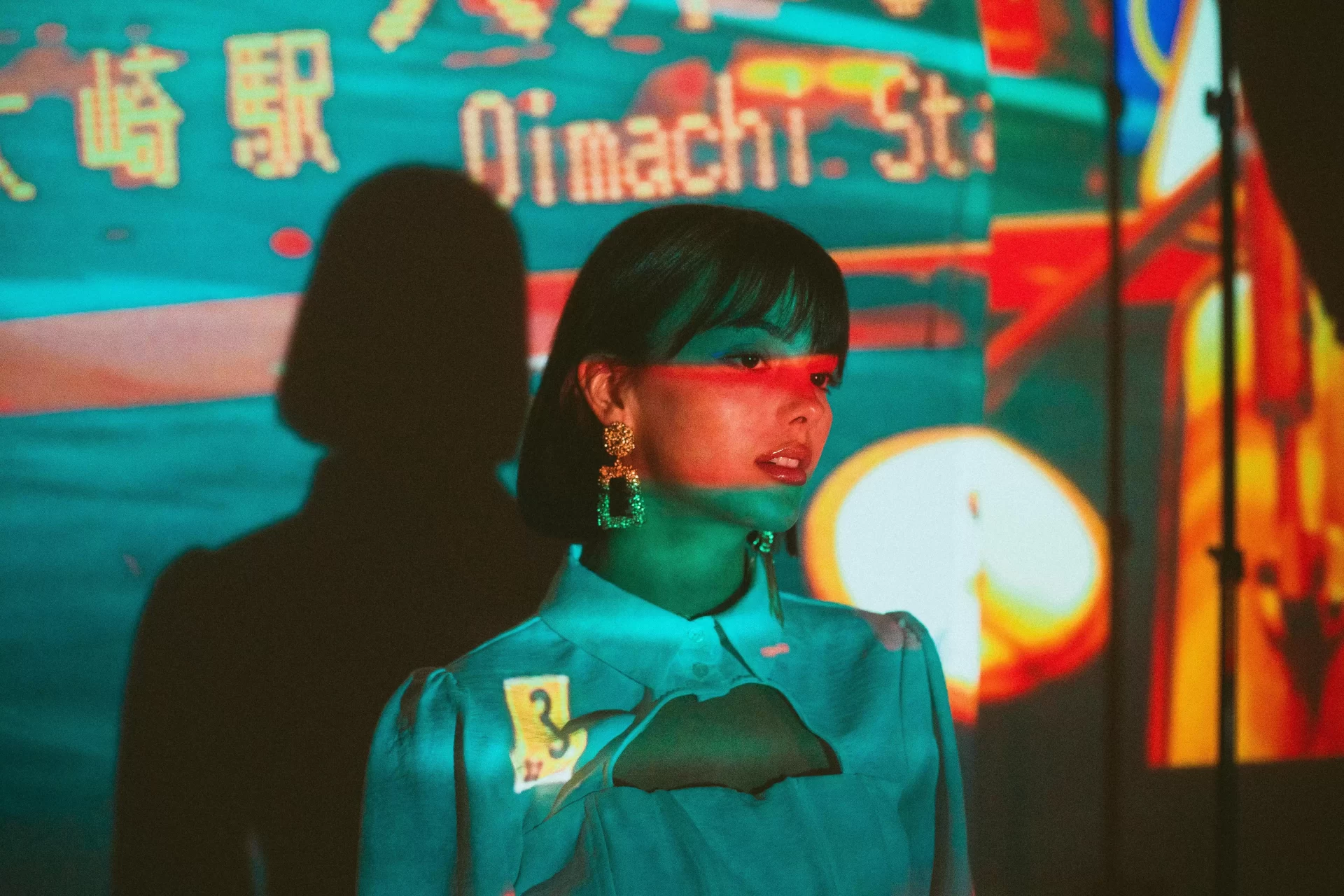
Each neighborhood serves different fashion perspectives. Harajuku and Omotesando contrast dramatically within walking distance! Harajuku’s Takeshita Street showcases youth culture and experimental style, while Omotesando’s tree-lined boulevard houses flagship stores from Comme des Garçons, Issey Miyake, and international luxury brands in architectural statements.
Shibuya has evolved beyond its teenage shopping reputation, now home to Miyashita Park’s elevated retail complex and the revitalized Shibuya Parco, which dedicates entire floors to streetwear and emerging Japanese designers. Daikanyama offers boutique shopping in a calmer setting, with shops like Okura focusing on natural materials and traditional Japanese textile techniques.
What Makes Japanese Fashion Unique
The technical innovation in Japanese fashion deserves attention. Brands like Goldwin and Snow Peak apply outdoor gear technology to urban clothing, while labels like Needles and Needles rebuild vintage garments into new pieces. The attention to fit and construction exceeds most Western standards even fast fashion in Tokyo shows more careful pattern-making and finishing.
Vintage and secondhand shopping in Tokyo operates at a level of curation and condition that makes it viable even for pristine pieces. Stores like Ragtag and 2nd Street organize inventory by brand and style with department store precision, while smaller shops in Shimokitazawa offer treasure hunting among racks of perfectly preserved archive pieces.
Copenhagen: Scandinavian Minimalism with Edge
Copenhagen has emerged as fashion’s most exciting emerging capital, combining Scandinavian design principles with unexpected creativity. The city’s fashion week now rivals established capitals for influence, and its designers have redefined what “minimalism” means in contemporary context.
When Copenhagen Shines
May through September offers the best weather for exploring this bike-friendly city. August during Copenhagen Fashion Week provides peak energy and pop-up shopping opportunities, though booking accommodation requires advance planning. June and early September balance good weather with manageable crowds.
The New Scandinavian Aesthetic
Copenhagen fashion challenges stereotypes about Scandinavian minimalism. While brands like Totême and The Row represent refined restraint, Copenhagen labels like Ganni, Stine Goya, and Rotate Birger Christensen inject color, print, and playfulness. This duality makes the city fascinating. Shops carry both restrained classics and experimental pieces within the same thoughtfully designed spaces.
Where to Shop in Copenhagen
Strøget, the pedestrian shopping street, covers basics and international brands, but the real discoveries happen in side streets. Jægersborggade in Nørrebro houses independent boutiques like Norse Store alongside vintage shops and cafes. Værnedamsvej offers a more local shopping experience with Danish brands in intimate settings.
Storm in the city center provides Copenhagen’s best edit of international and local designers, while Wood Wood serves as headquarters for the streetwear perspective that thrives here. For vintage and secondhand, Episode and Gittes Antik offer well-organized selections at reasonable prices.
The Lifestyle Approach
Copenhagen fashion exists within a broader design context. The city’s furniture design, architecture, and food culture all reflect the same principles: quality materials, thoughtful construction, and items meant to last. This integration makes Copenhagen valuable for understanding how fashion fits into a designed life rather than existing separately.
Antwerp: Where Fashion Gets Experimental
Antwerp maintains cult status among fashion insiders for good reason. The city produced the Antwerp Six in the 1980s, and the Royal Academy of Fine Arts continues graduating designers who challenge fashion conventions. Antwerp offers something different: a place where fashion is intellectual, artistic, and uncompromising.
Timing Your Antwerp Visit
April through June and September through October provide ideal weather for walking Antwerp’s compact center. The city doesn’t host a major fashion week, which actually works in visitors’ favor. Antwerp exists outside fashion’s seasonal calendar, making it accessible year-round without event-driven price increases.
The Legacy and Current Scene
Dries Van Noten’s shop on Nationalestraat remains essential visiting; four floors of his collections plus other designers he admires, housed in a former palace. The space itself demonstrates his approach: rich color, layered textures, and respect for garments as objects worthy of beautiful presentation.
Ann Demeulemeester’s legacy persists throughout the city despite her departure from her namesake brand. Het Modepaleis, the former Demeulemeester flagship, now houses Walter Van Beirendonck’s colorful, subversive collections a study in contrasts that captures Antwerp’s range.
Shopping Beyond the Famous Names
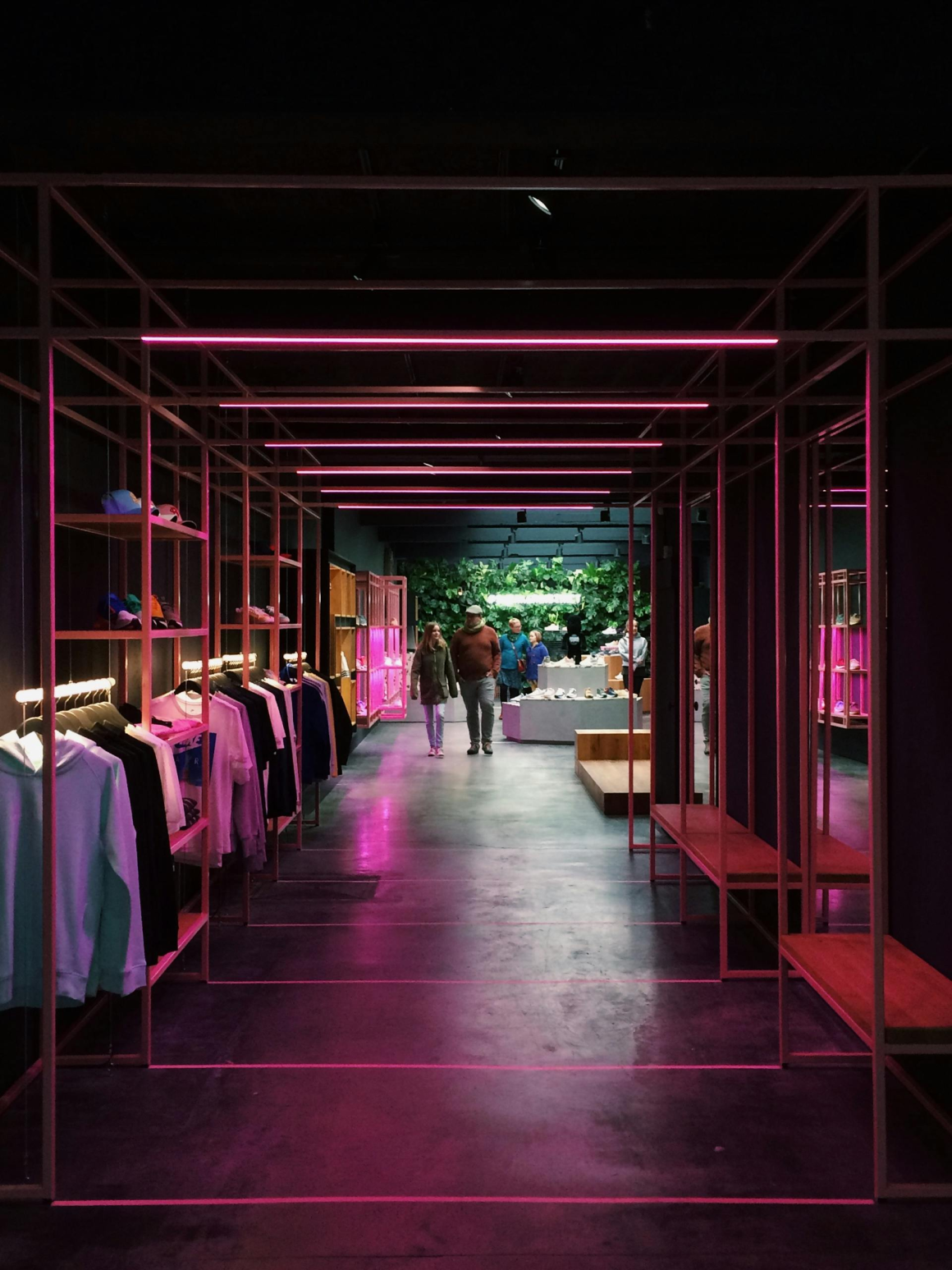
Antwerp’s boutiques curate with an intellectual edge. Graanmarkt 13 combines fashion, furniture, and a restaurant in a concept that treats all as equally worthy of consideration. Hunting & Collecting focuses on designers who prioritize craft and unusual materials. Louis offers the most comprehensive selection of Belgian and international avant-garde fashion.
Why Antwerp Matters for Fashion Education
Antwerp allows you to see fashion as art and craft rather than product. The MoMu fashion museum presents exhibitions that examine fashion’s cultural and political dimensions. The city’s scale means you can visit designers’ studios, see where garments are actually made, and understand fashion as a creative practice rather than just an industry.
Practical Considerations for Fashion-Focused Travel
Building Your Itinerary
Allow three to five days per city to move beyond surface-level tourism. Fashion shopping requires time…thoughtful purchasing means returning to shops, trying pieces in different combinations, and having conversations with staff who can provide context about designers and collections.
Budgeting Beyond Shopping
Set aside budget for museum visits, vintage shopping, and unexpected discoveries. The most valuable purchases often happen in smaller shops where prices remain accessible. Many cities offer museum passes that include fashion exhibitions alongside general admission.
Shipping and Customs
For larger purchases, investigate international shipping options through retailers – many offer services that handle customs documentation. Keep receipts organized and photograph items before packing for insurance purposes. Research your home country’s customs allowances to avoid surprises.
Seasonal Sample Sales
Many cities host sample sales where previous season’s pieces sell at significant discounts. Paris holds Les Braderies in July, Milan’s sales run in January and July, and Tokyo’s sales begin in January and July. Timing visits around these events can stretch shopping budgets significantly.
What You’ll Gain from Fashion Travel
Fashion-focused travel changes how you engage with clothing. Seeing garments in cultural context, understanding why certain cities produce particular aesthetics, and experiencing fashion ecosystems firsthand builds appreciation that transcends trends. You develop an eye for quality, understand how construction affects longevity, and recognize the human skill behind pieces that might otherwise seem merely expensive.
These cities offer education that no amount of online research can replicate. You return with not just new additions to your wardrobe, but refined taste, deeper understanding of what you value in clothing, and connections to places where fashion remains a vital creative force rather than just an industry.
For anyone who takes fashion seriously as craft, culture, or personal expression. These destinations provide transformative experiences that influence style long after returning home.