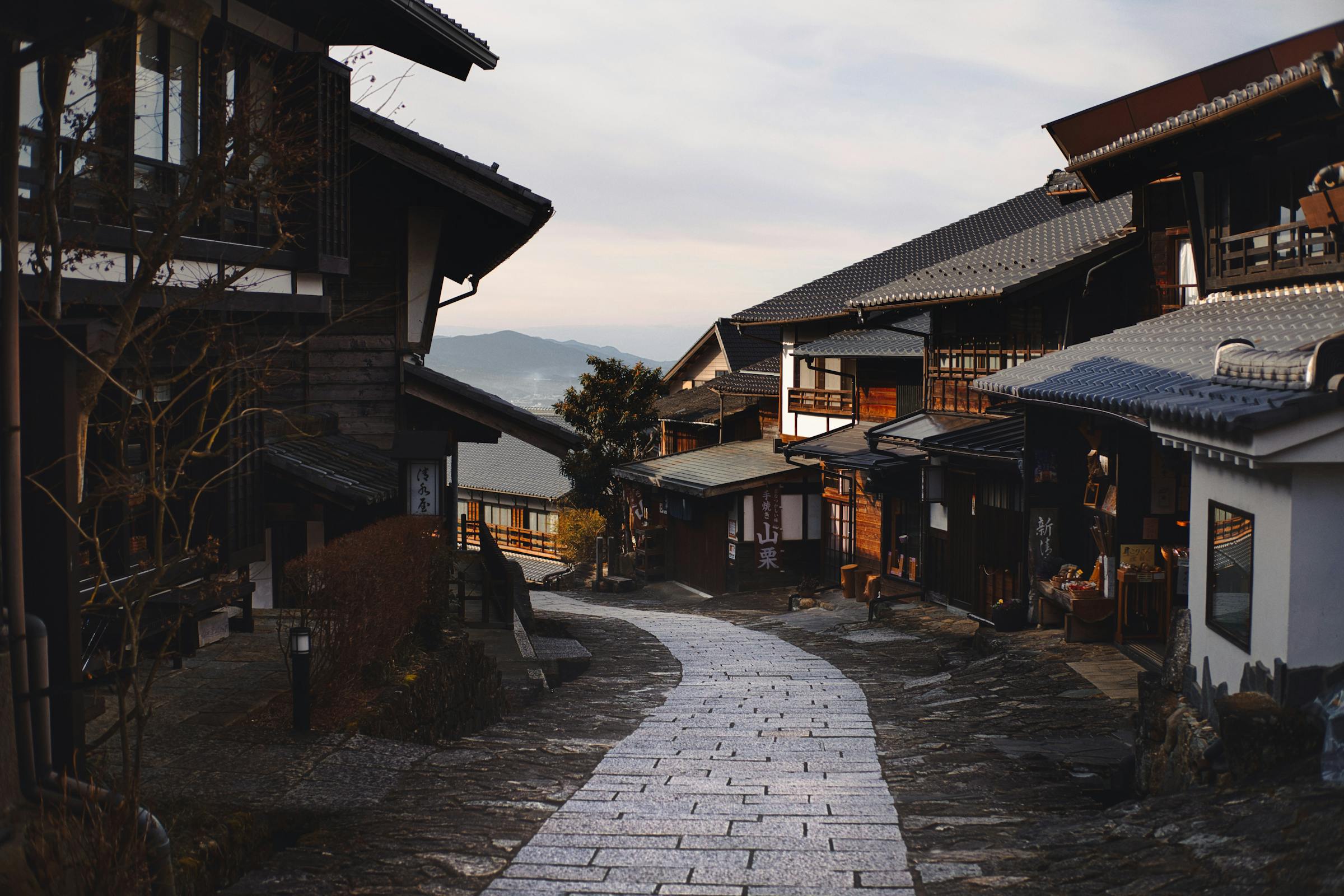
The best time to visit Japan is during spring (late March to May) or autumn (October to November), when temperatures are comfortable, natural scenery is at its peak, and regional festivals bring cultural depth to the experience. Both seasons offer distinct advantages depending on whether you prioritize cherry blossoms, fall foliage, or simply pleasant conditions for exploring cities and countryside alike.
Table of Contents
- Why Timing Matters More in Japan Than Most Destinations
- Spring in Japan: Cherry Blossoms and Cultural Renewal
- Summer: Festivals and Regional Escapes
- Autumn: Peak Conditions for Most Travelers
- Winter: Skiing, Hot Springs, and Urban Exploration
- Regional Timing Variations That Matter
- Practical Planning Considerations
- Final Considerations for First-Time Visitors
Why Timing Matters More in Japan Than Most Destinations
Japan’s geography spans from subarctic Hokkaido to subtropical Okinawa, creating dramatic seasonal variation that shapes everything from what you’ll pack to which regions remain accessible. The country’s tourism infrastructure handles crowds efficiently, but certain periods—particularly Golden Week in early May and the Obon festival in mid-August—see domestic travel surge to levels that affect availability and prices even in major cities.
Climate also plays a more active role than in many destinations. Summer brings intense humidity across most of the country, while winter can render mountain regions inaccessible and create challenging conditions for travelers unfamiliar with snow. Understanding these patterns helps match your visit to your priorities, whether that means witnessing specific natural phenomena or simply exploring comfortably.
Spring in Japan: Cherry Blossoms and Cultural Renewal
When Cherry Blossoms Actually Bloom
Cherry blossom season runs from late March through early May, but timing varies significantly by region. Tokyo and Kyoto typically see peak bloom in early April, while northern cities like Sendai peak in mid-April and Hokkaido doesn’t reach full bloom until early May. The Japan Meteorological Corporation releases forecasts starting in January, allowing visitors to plan around predicted peak dates.
Peak bloom lasts only about one week in each location, with the prior week showing buds and the following week bringing the brief but celebrated period when blossoms fall like snow. This narrow window creates intense demand—hotel prices in Kyoto can triple during peak week, and popular viewing spots become genuinely crowded.
Beyond the Blossoms: What Spring Offers
Spring temperatures range from 10°C to 20°C (50°F to 68°F) across most of Honshu, creating ideal conditions for walking through cities and temple grounds. The season marks the beginning of Japan’s cultural calendar, with numerous festivals celebrating the transition from winter. Takayama’s spring festival in mid-April showcases elaborate floats and traditional performances, while the relative absence of summer humidity makes exploring densely packed neighborhoods like Tokyo’s Shibuya or Osaka’s Dotonbori far more pleasant.
This is also when Japanese cuisine shifts toward spring vegetables and mountain plants that appear briefly on menus. Seasonal dining experiences in Japan reward attention to timing—spring offers bamboo shoots, wild plants called sansai, and sakura-flavored sweets that disappear once the season ends.
The Golden Week Challenge
Avoid late April and the first week of May if possible. Golden Week—a series of national holidays from April 29 through May 5—triggers Japan’s largest domestic travel period. Transportation books solid, tourist sites become genuinely overcrowded, and hotels raise rates while reducing availability. If your dates coincide with Golden Week, book everything months in advance and build flexibility into daily plans to accommodate crowds.
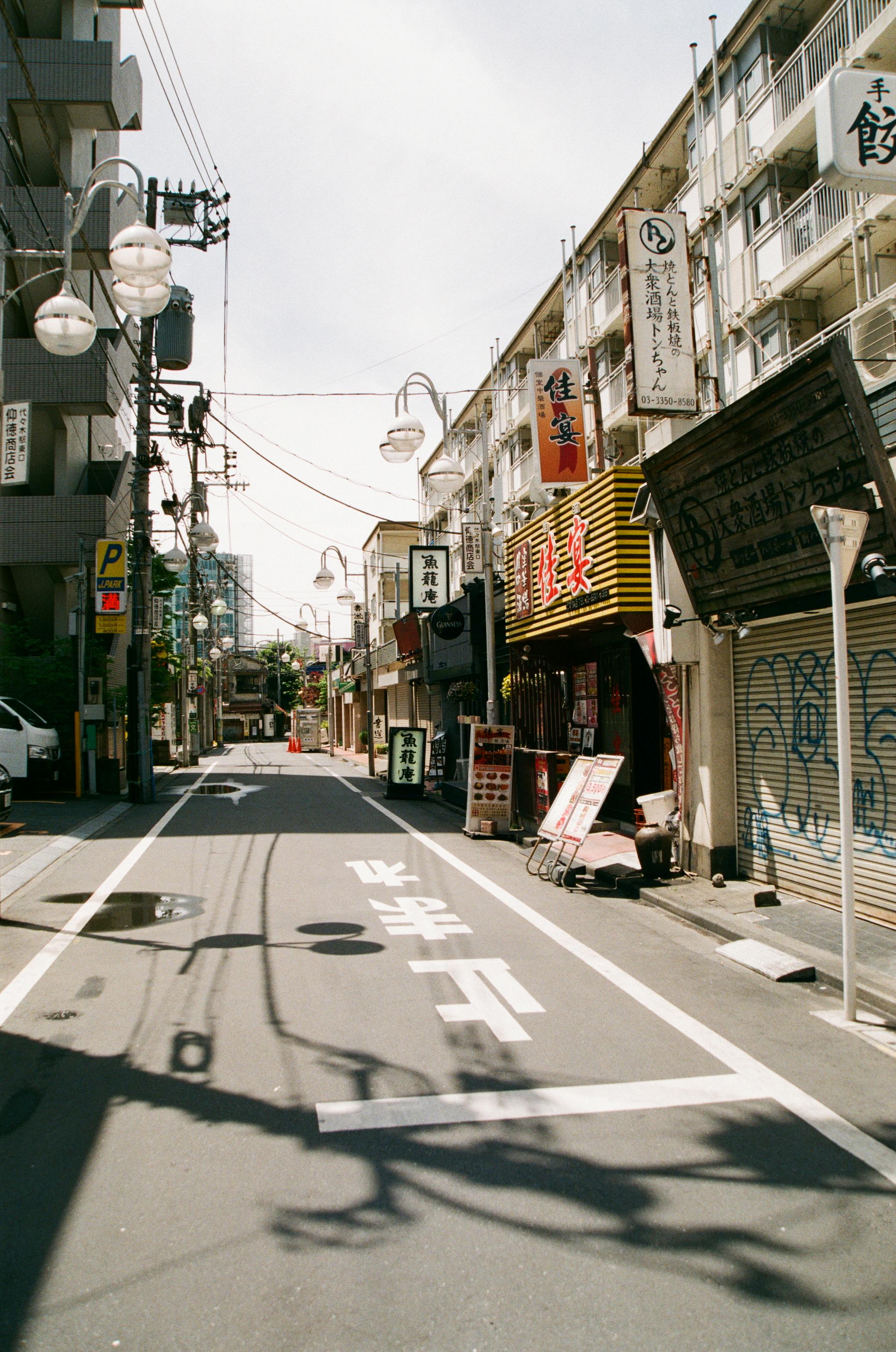
Summer: Festivals and Regional Escapes
Understanding Japanese Summer Weather
June through August brings heat and humidity that surprises visitors from temperate climates. Tokyo regularly reaches 32°C (90°F) with humidity levels that make outdoor exploration taxing. June specifically marks rainy season (tsuyu) across most of the country, with extended periods of overcast skies and regular precipitation that can disrupt outdoor plans.
Despite challenging conditions, summer remains viable for visitors who understand the climate and plan accordingly. Cities are fully air-conditioned, and Japanese culture has evolved sophisticated ways of managing summer heat, from cooling fabrics to architectural features designed to encourage airflow.
Why Visit Despite the Weather
Summer hosts Japan’s most spectacular festivals. Kyoto’s Gion Matsuri spans the entire month of July and represents one of the country’s oldest continuous cultural traditions, while Osaka’s Tenjin Matsuri and Tokyo’s Sumida River Fireworks draw millions of participants. These events offer insight into aspects of Japanese culture that remain invisible at other times of year.
Northern regions and mountain areas provide natural relief from heat. Hokkaido enjoys mild summer temperatures around 22°C (72°F), while the Japanese Alps offer hiking trails that become accessible once snow melts in late June. Coastal areas like Kamakura near Tokyo or the islands south of Okinawa draw both domestic and international visitors seeking beach weather.
Practical Considerations for Summer Travel
Summer offers the year’s best prices and lowest crowds at major tourist sites. The challenging weather deters visitors, creating a buyer’s market for hotels and easier access to popular locations like Kyoto’s Fushimi Inari Shrine or Tokyo’s teamLab Borderless. If you can manage heat and occasional rain, summer provides budget-friendly access to experiences that feel overwhelming during peak seasons.
Obon week in mid-August mirrors Golden Week’s impact—domestic travel surges, availability drops, and prices rise. The specific dates shift annually based on the lunar calendar, typically falling around August 13-16. Many businesses close during this period as Japanese families return to ancestral homes, creating a notably quieter atmosphere in major cities but reduced services and fully booked regional accommodations.
Autumn: Peak Conditions for Most Travelers
Why Autumn Edges Out Spring
October and November offer Japan’s most reliably pleasant weather. Temperatures range from 15°C to 25°C (59°F to 77°F) across most regions, humidity drops to comfortable levels, and rainfall becomes infrequent. These conditions make autumn the practical choice for visitors who prioritize comfortable exploration over specific natural phenomena.
Fall foliage (koyo) provides visual drama comparable to cherry blossoms but with more forgiving timing. The color change progresses gradually from north to south, starting in Hokkaido in late September and reaching Kyoto and Tokyo in late November. The extended timeline and broader geographic spread mean less competition for accommodations and more flexibility in planning.
Where to See Fall Colors
Different regions offer distinct autumn experiences. Kyoto’s temple gardens frame fall colors within carefully composed landscapes—Tofuku-ji Temple and Eikando Temple draw photographers seeking that perfect composition of crimson leaves against traditional architecture. The Japanese Alps around Kamikochi showcase dramatic mountain scenery with foliage that extends across entire valley floors.
Tokyo’s gardens and parks provide accessible autumn viewing without leaving the city. Rikugien Garden and the Meiji Jingu Gaien ginkgo avenue offer contained experiences that work well for visitors with limited time. Rural areas like Nikko, two hours north of Tokyo, combine UNESCO World Heritage shrines with mountainous terrain that explodes in color throughout November.
Cultural Calendar Advantages
Autumn hosts numerous regional festivals with less tourist focus than summer events. Local harvest festivals, particularly in rural areas, offer glimpses of community traditions that feel more authentic than events designed for visitors. The season also marks peak time for experiencing Japanese hot springs (onsen) as temperatures cool enough to make the experience pleasant rather than overwhelming.

Winter: Skiing, Hot Springs, and Urban Exploration
Cold Weather Benefits
December through February brings winter conditions that vary dramatically by region. Hokkaido and the Japan Alps receive heavy snowfall that creates world-class skiing conditions, while Tokyo and Kyoto see occasional light snow but generally remain accessible and navigable. Winter travel offers Japan’s lowest prices, smallest crowds, and most available accommodations outside the New Year period.
Cities become particularly enjoyable in winter. Tokyo’s neighborhoods empty enough to explore without fighting crowds, while Kyoto’s temples take on a serene quality under occasional snow. Indoor attractions like museums, department stores, and covered shopping arcades become more appealing, and Japan’s exceptional food scene feels especially relevant when weather discourages outdoor activities.
Skiing and Snow Country
Japan’s powder snow enjoys cult status among skiers for good reason. Resorts like Niseko in Hokkaido and Hakuba in Nagano receive consistent, dry snowfall that creates ideal conditions. The infrastructure at major resorts rivals anywhere globally, while smaller regional ski areas offer access to uncrowded slopes at reasonable prices.
Snow country regions also preserve traditional winter culture. Takayama in the Japan Alps maintains its historical merchant district under snow, while villages like Shirakawa-go showcase traditional gassho-zukuri farmhouses designed to shed heavy snow loads. These areas combine winter sports access with cultural depth that pure resort destinations lack.
The New Year Exception
Late December through early January represents Japan’s major holiday period. Most businesses close December 29 through January 3, transportation becomes crowded with domestic travelers, and tourist sites either close or adjust hours. If visiting during this period, book everything well in advance and understand that many restaurants and shops will be unavailable. The upside: Japanese New Year traditions, temple visits for hatsumode (first shrine visit), and elaborate New Year food offer cultural experiences unavailable at other times.
Regional Timing Variations That Matter
Hokkaido’s Extended Seasons
Japan’s northernmost island operates on a different seasonal calendar. Summer remains cool and pleasant from June through August, making Hokkaido the smart choice when the rest of Japan swelters. Winter extends from December through March with reliable snow and legitimate cold—budget for winter clothing if visiting Sapporo or ski resorts during these months.
The Sapporo Snow Festival in early February draws over two million visitors to see elaborate ice sculptures and winter festivities. This single event drives Hokkaido’s peak winter tourist season, creating accommodation challenges but showcasing winter culture at its most elaborate.
Okinawa’s Subtropical Timing
Okinawa and the Ryukyu Islands south of mainland Japan maintain warm weather year-round but operate on distinct seasonal patterns. Summer brings typhoon risk from June through October, while winter temperatures around 17°C (63°F) feel cool to locals but mild to visitors from colder climates.
Visit Okinawa from March through May or November through December for the most reliable weather. These shoulder seasons offer warm beach conditions without summer’s humidity or typhoon risk. January and February remain viable but can be too cool for extended swimming despite sunny conditions.
Mountain Region Accessibility
The Japanese Alps and mountain areas experience seasonal road closures that affect access. The Tateyama Kurobe Alpine Route, one of Japan’s most spectacular mountain crossings, operates only from mid-April through November. Many mountain hiking trails remain snow-covered through May, while autumn snow can arrive in higher elevations as early as October.
Check access conditions for mountain destinations before booking. What appears straightforward on a map may require significant detours or prove entirely inaccessible depending on season and current conditions.
Practical Planning Considerations
Booking Timeline by Season
Spring and autumn require the longest advance planning. Book hotels in popular areas like Kyoto, Kanazawa, and Takayama at least three to four months ahead for April or November travel. Cherry blossom timing uncertainty complicates this—you’re essentially gambling on forecast accuracy when booking six months out.
Summer and winter allow shorter booking windows. Two months typically provides adequate selection except during Golden Week, Obon, and New Year periods. Last-minute deals become possible in summer, particularly for business hotels in major cities.
Transportation Considerations
Japan Rail Pass offers the best value for visitors planning multiple city visits, but purchase timing matters. The pass must be bought before arriving in Japan and activated within three months of purchase. Peak seasons justify the expense even for shorter trips, while off-peak travelers might find individual tickets more economical.
Reserve seats on popular routes during peak seasons. The Tokaido Shinkansen between Tokyo and Kyoto runs frequently enough that unreserved seats usually remain available, but traveling during holidays or weekends increases the risk of standing for the full journey.
Weather-Appropriate Packing
Spring and autumn require layers—mornings can be cool while afternoons warm significantly. Bring a light rain jacket regardless of forecast, as brief showers occur unpredictably. Comfortable walking shoes matter more than fashion, as you’ll likely walk 15,000-20,000 steps daily exploring cities.
Summer demands different preparation. Lightweight, breathable clothing becomes essential, while an umbrella serves double duty for sun and rain. Many visitors underestimate summer intensity and suffer accordingly—plan indoor breaks during peak afternoon heat.
Winter visitors need genuine cold-weather gear if visiting Hokkaido or mountain regions, but cities require less extreme preparation. Tokyo winters rarely drop below freezing, making a warm coat and layers sufficient for urban exploration.
Final Considerations for First-Time Visitors
First trips to Japan benefit from spring or autumn timing. These seasons minimize weather challenges while providing comfortable conditions for learning to navigate transportation, understanding cultural norms, and exploring without the complication of extreme heat or cold.
That said, Japan rewards visits during any season for travelers who understand what they’re choosing. Summer festivals, winter snow, and even rainy season’s quiet temples offer experiences that peak seasons cannot replicate. The “best” time ultimately depends on what you value most—iconic natural events, comfortable weather, cultural depth, budget considerations, or simply avoiding crowds.
Japan’s tourism infrastructure handles visitors efficiently year-round. The country’s organization, cleanliness, and service culture mean that even off-peak visits feel polished and accessible. This makes it more forgiving of seasonal miscalculation than destinations where infrastructure struggles during certain periods.
Whatever season you choose, allow enough time to adjust to the rhythm of Japanese travel. The country rewards slower exploration over rushed itineraries, and seasonal characteristics often enhance specific regions or experiences in ways that become apparent only once you arrive.