An unmistakably French affair met Montreal’s appetite for a party, as DJ Snake took the city on a nostalgic trip through the generation-defining sounds and sensations that brought a decade of dance floors to life.
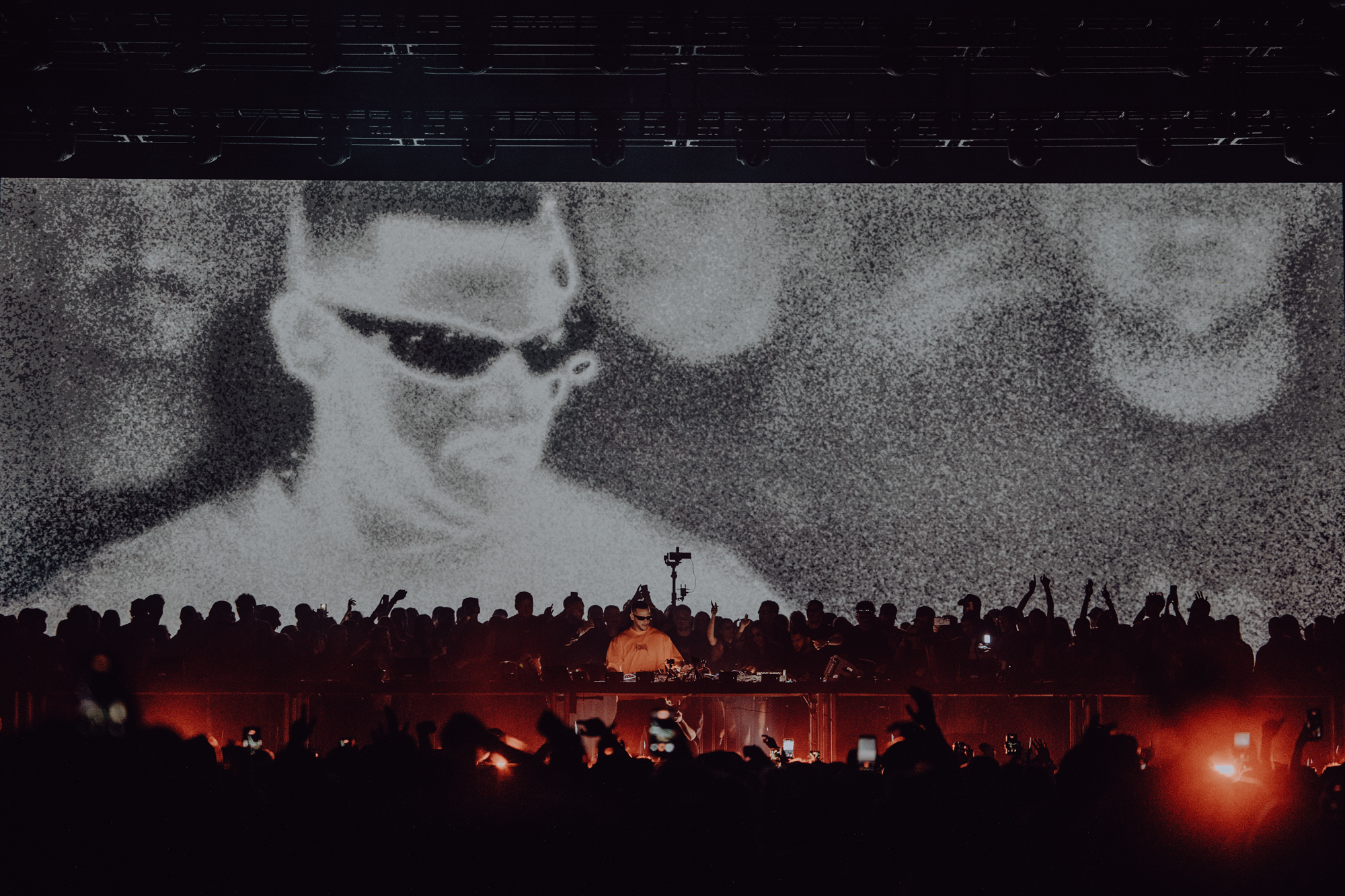
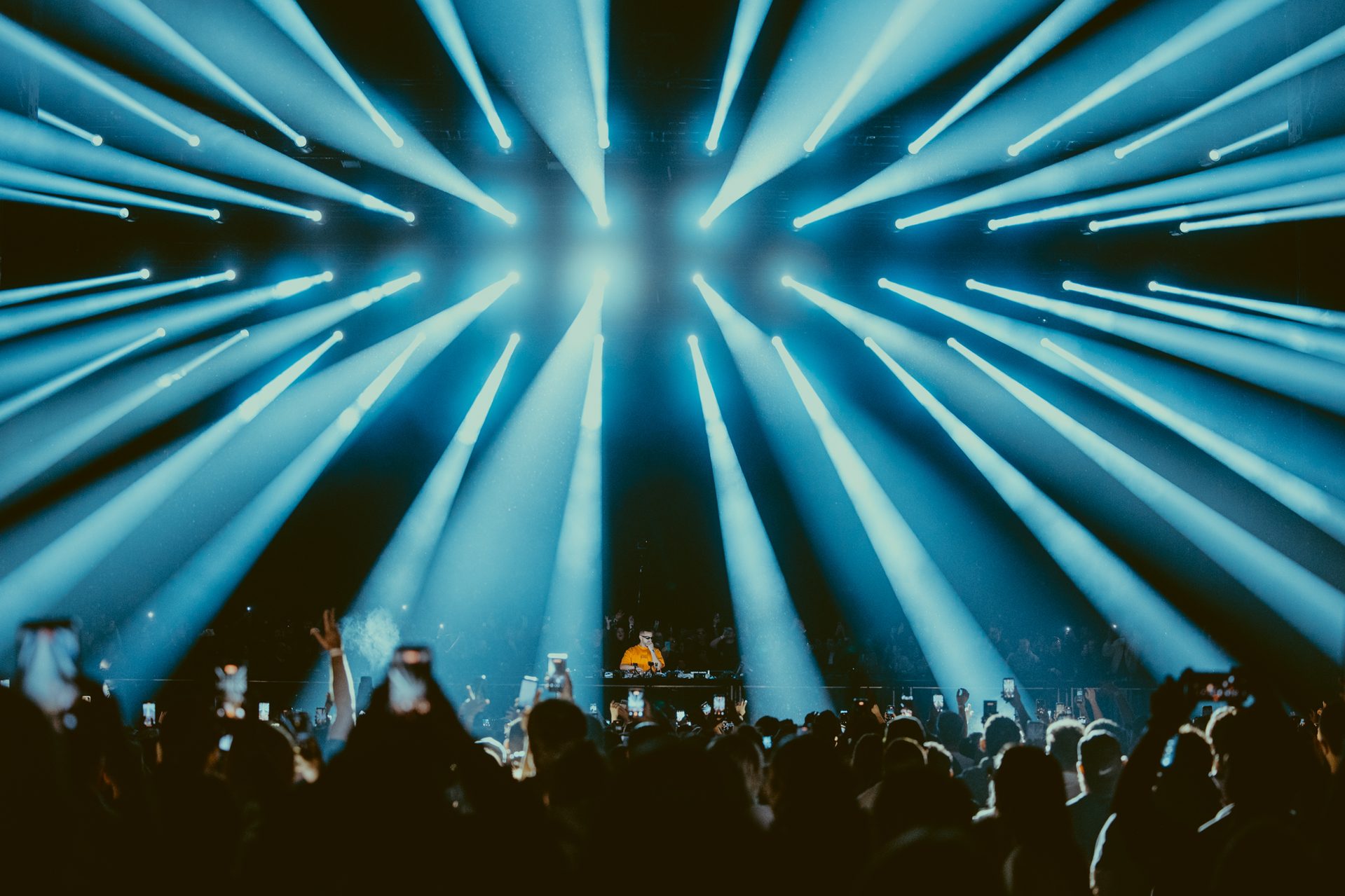
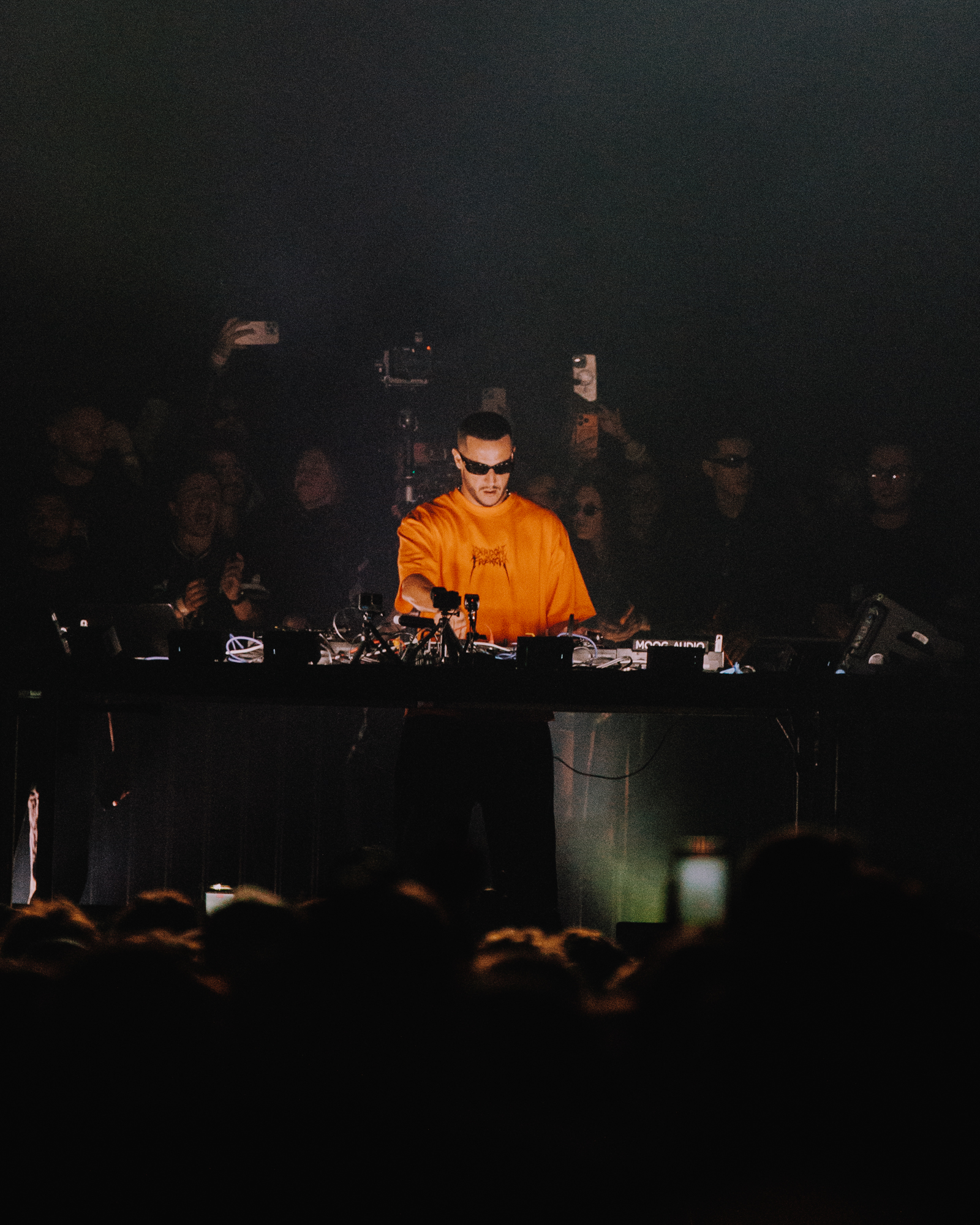
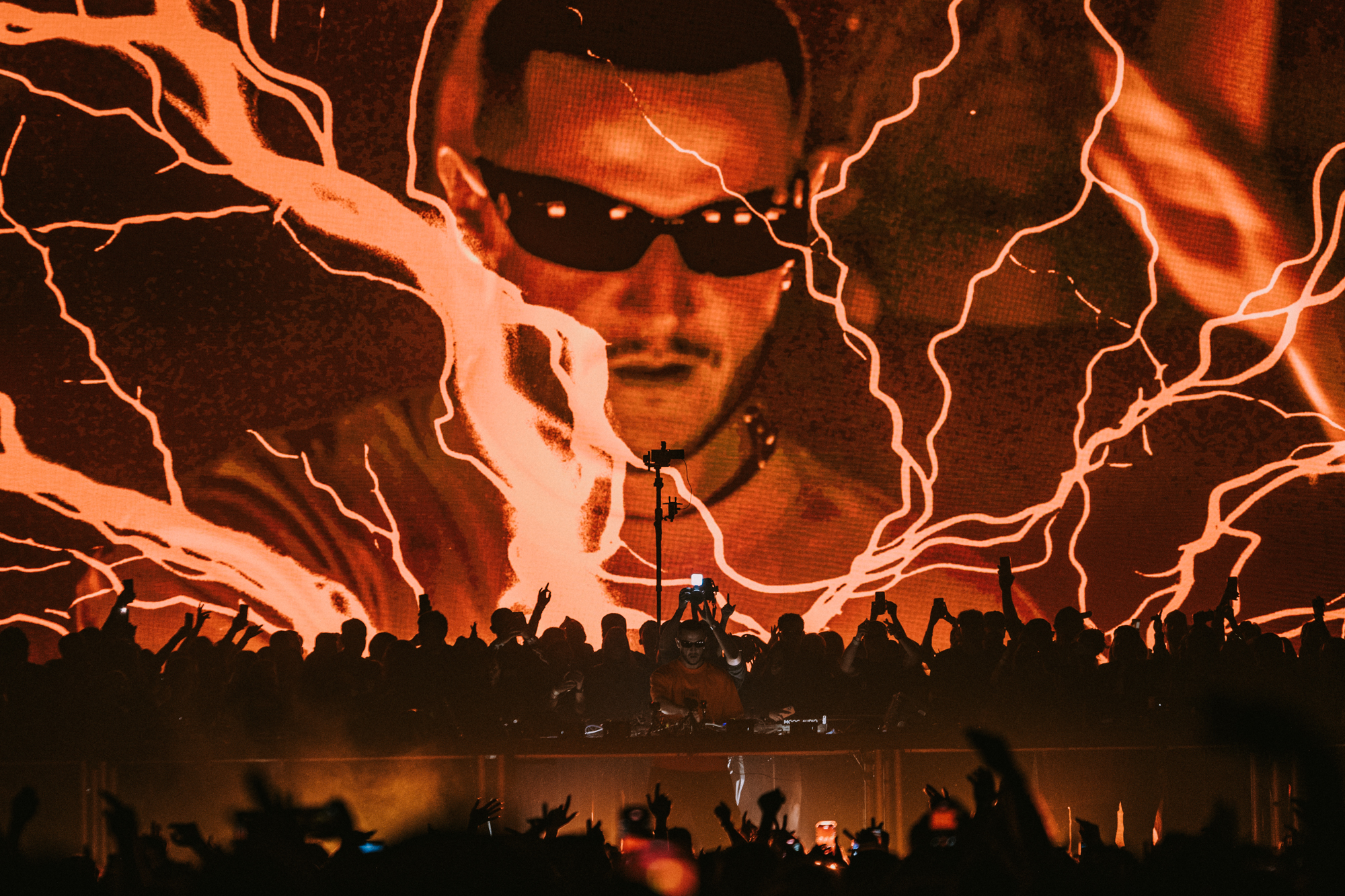
Montreal was in for a hot one on November 13, 2026, as DJ Snake brought the fire to Place Bell to kick off the weekend in suitably explosive fashion. Behind his signature dark sunglasses, French-Algerian producer DJ Snake, born William Sami Étienne Grigahcine, was poised to take the city on a journey through the sounds that had defined an era while enveloping the audience in an entirely new sensory experience. The evening was a trip through the evolution of electronic music, where old favourites found new life beneath a barrage of lights and flames. Part nostalgia trip, part full-throttle electronic fever dream, the night brought a little French heat to Montreal’s dance floor.
Text by Mia Colaner
Photos by Nadia Davoli
Long before DJ Snake captivated crowds at some of the world’s biggest venues, he made a name for himself by slipping through the streets of Paris after dark and leaving his graffiti tag across the city’s architecture. One of his earliest inspirations came from Mathieu Kassovitz’s 1995 classic film La Haine. Particularly struck by the iconic scene in which Cut Killer DJs from his apartment window, blending hip-hop records and French classics with the sounds of the neighbourhood below, a fourteen-year-old Grigahcine found himself magnetized to the possibilities of DJing in such fashion. The film’s evocative portrait of Parisian street culture, underscored by its unmistakable soundtrack, opened a window onto a creative world he felt drawn to. His graffiti alias, Snake, would eventually follow him well beyond the streets where it first appeared, becoming the name attached to one of electronic music’s most recognizable figures.
From there, Grigahcine built a career that took him from Parisian street culture straight into the orbit of global pop royalty. His production work on Lady Gaga’s “Born This Way” earned him a Grammy nomination for Album of the Year in 2012, followed by another in 2015 for Best Music Video for his collaboration with Lil Jon, “Turn Down for What.” It was one thing to hear the catalogue of an artist whose music had travelled so far, quite another to see it brought to life on an arena-sized stage. With an entire arena at his disposal, DJ Snake turned Place Bell into his own fiery playground.
Opening with a swirl of reds and an eruption of flames, DJ Snake introduced himself to Montreal before asking the question: was the city ready to party? Brilliant flashes of light swept across the room, leaving an impression you could still see with your eyes closed. The opening stretch was all fire and frenetic drum and bass, before he slipped into a reworked take on Bruno Mars’ “Locked Out of Heaven,” setting the tone for a set that moved just as easily between genres as it did between eras. Then he moved into “Turn Down for What,” its opening notes alone enough to send the crowd ablaze. The unmistakable anthem seemed to transport the entire arena back to the 2010s, revisiting the sounds that left an undeniable mark on dance music.
DJ Snake knew that, as thrilling as an explosive drop could be, the anticipation of a well-timed build could be every bit as satisfying. As he moved into “Lean On,” his 2015 collaboration with Major Lazer and MØ, rather than rushing into the track’s familiar opening, he teased out its melodies and drew the crowd in with every beat. He was taking the hit track apart, stretching its most recognizable moments, introducing new layers and finding room for a few surprises along the way. The crowd gave it back twice as loudly, as the arena dissolved into hypnotic shades of blue lights.
In a welcome change of pace, DJ Snake brought out a special guest, Bipolar Sunshine, to revisit one of their most beloved collaborations, “Middle.” Taking his place atop the DJ booth, Bipolar Sunshine delivered the track’s smooth vocals, floating effortlessly over Snake’s production as the two found their rhythm together onstage. The crowd was quick to return the favour, meeting the surprise appearance with plenty of enthusiasm and loud enough chants for another track that the pair obliged. They returned for “Paradise,” which sampled Phil Collins’ classic 1989 hit “Another Day in Paradise” and was steeped in the same romantic euphoria, making for an impossibly nostalgic combination. Moving from full-throttle bravado to something a little more tender, DJ Snake knew just as well how to pull at the heartstrings as he did to set the stage alight.
By the end of the night, DJ Snake had taken Montreal on quite the trip through time. For all the nostalgia, he was continuously breathing new life into the sounds that once dominated dance floors. It was a full-circle moment for the DJ who had once slithered through the streets of Paris, from the music that first inspired him to the sounds still taking shape. The night was a tribute to how much dance music has changed and how certain songs will never really leave us, no matter the decade. DJ Snake brought an era back to life at Place Bell as something still very much alive, still evolving and, judging by the crowd that night, still capable of bringing an entire city to its feet.