Something is pulling travelers to India that has nothing to do with five-star pools or viral rooftop bars. People are showing up at Varanasi’s riverbanks at dawn, sitting through Ganga aarti ceremonies with tears on their faces, and booking second and third trips before their first one is even over. Spiritual and cultural tourism in India is recovering, but it’s also being rediscovered in a way that feels different from the wave that came before it.
The practical side of getting there has also become considerably less complicated. India’s e-medical and tourism visas now cover citizens of over 171 countries, and if you’re sorting out your entry documentation, using the Electronic Visa for India Online with HandleVisa keeps the paperwork from becoming the most stressful part of your trip planning.
The Numbers Behind the Movement
Europe sent approximately 2.66 million visitors to India in 2024, accounting for 26.70 percent of all foreign tourist arrivals. That figure represents only a 3.20 percent dip from 2019 pre-pandemic numbers, which is a recovery pace that surprised even optimistic forecasters. Northern Europe led the way, contributing around 1.168 million travelers, representing an 11.74 percent share of total foreign arrivals.
The United Kingdom alone accounted for roughly 1.022 million visitors, or 10.28 percent of all foreign arrivals. Germany sent 256,348 travelers, France contributed 206,855, and Italy added 142,239. These aren’t backpacker numbers, they represent a broad cross-section of European travelers, many of them repeat visitors who have built a deep and ongoing relationship with the country.
December, January, February, and November combined accounted for 40.68 percent of foreign arrivals in 2024, with December holding a 10.66 percent share on its own. European winters have a lot to do with that timing, but so does India’s festival calendar, which gives travelers concrete, time-specific reasons to plan around.
What’s Actually Drawing People There
When you look at why European visitors are coming, leisure and holiday travel topped the list at 45 percent of arrivals. But dig into what “leisure” means in the Indian context and the picture gets more interesting. Travelers are timing trips around Diwali, Holi, and Durga Puja. They’re making their way to the Kumbh Mela, to Bodh Gaya’s Buddhist retreat centers, and to the Ganga aarti ceremonies that happen every single evening in Varanasi without fail, whether there are tourists present or not.
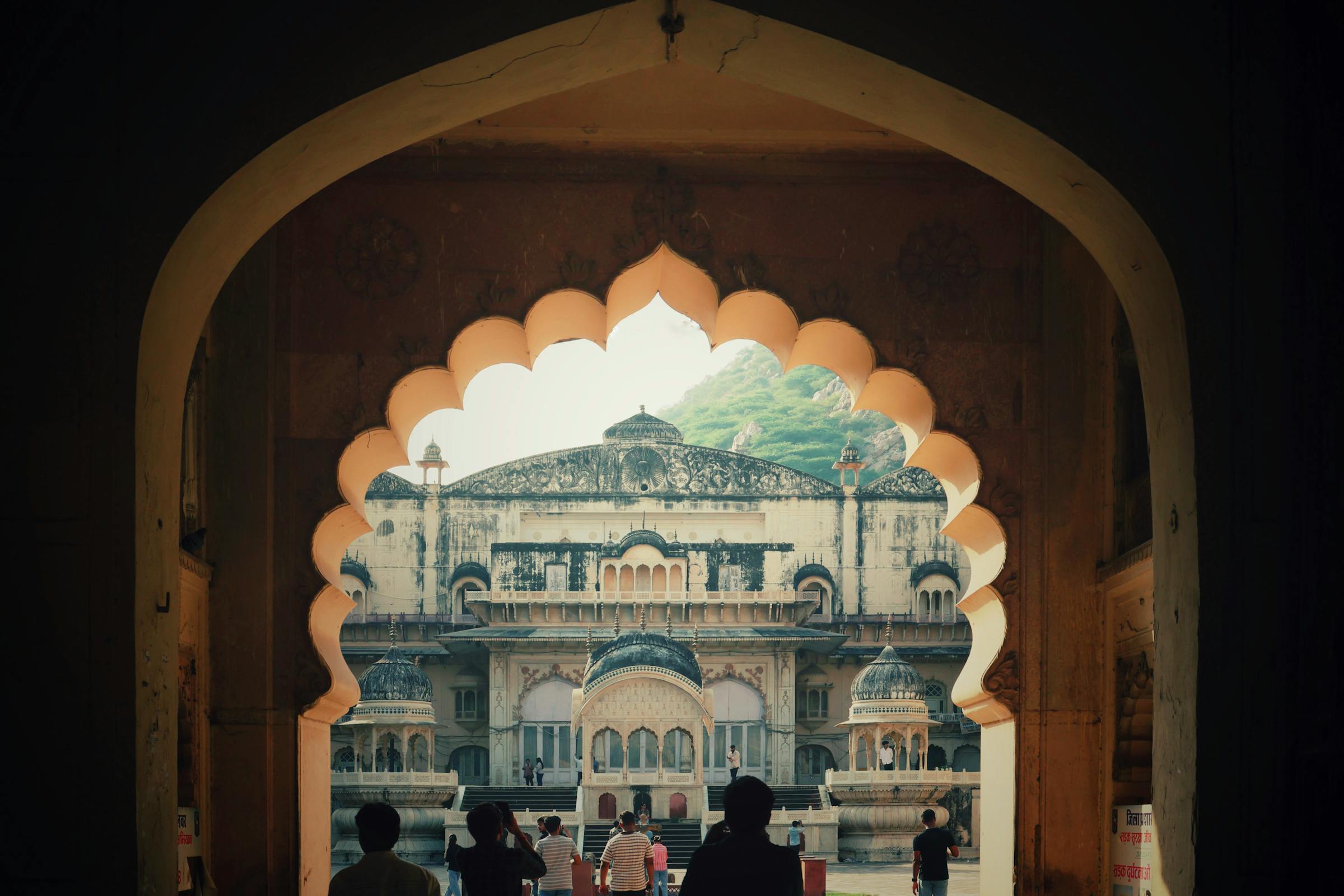
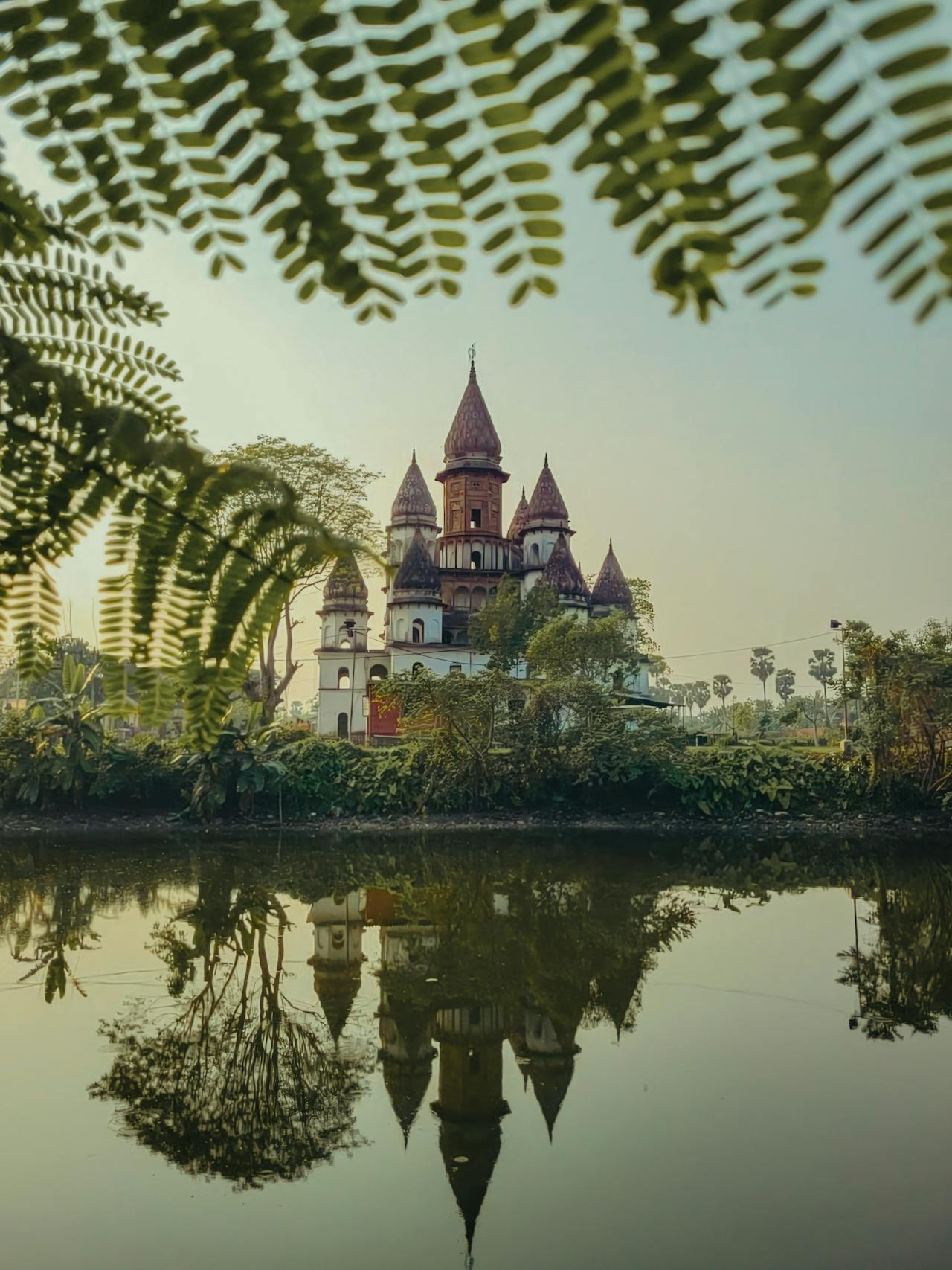
Rajasthan’s forts and havelis draw visitors who sleep in 18th-century rooms and watch camel processions at dusk. Kerala’s backwaters offer a slower pace with houseboats, Kathakali performances, and Ayurvedic treatments that have moved well beyond spa-day territory into authentic wellness programming. Varanasi and Pushkar have been opening their doors to cultural exchange in ways that go beyond the transactional tourist experience.
Among Indian states, Maharashtra recorded approximately 3.71 million foreign tourist visits in 2024, while West Bengal followed with 3.12 million. Uttar Pradesh, home to Varanasi and Agra, and Rajasthan round out the top destinations, reflecting how strongly the spiritual and heritage circuits are driving real visitor traffic.
The Government Is Backing This With Investments
India’s tourism revival isn’t happening by accident. The PRASHAD scheme, specifically designed to develop pilgrimage and spiritual heritage sites, has sanctioned 54 projects totaling $183.5 million, with over $127.8 million already released by December 2025. The goal is straightforward: take sites that matter deeply to visitors and make them more functional with better infrastructure, interpretation centers, and facilities that don’t undermine the experience of being there.
Swadesh Darshan 2.0 has been running alongside PRASHAD, developing heritage and spiritual circuits that move travelers beyond the standard Golden Triangle route. Upcoming Ramayana, Buddhist, and tribal circuits are in development, designed to bring lesser-known destinations into the conversation. Smart tourism upgrades like QR-coded signage and augmented reality at monuments are being rolled out to help visitors engage with sites more meaningfully rather than just photographing them and moving on.
The revamped Incredible India portal now offers digital planning tools and virtual tours, which has given international travelers the ability to research and plan with more confidence before committing to a destination.
What You Can Expect If You Go
India’s sensory landscape is intense to say the least, and this is not a destination that asks you to observe from a comfortable distance. Street food tours, classical dance workshops, craft villages where traditional textiles are still produced by hand, language classes that introduce basic Sanskrit chants; these are the kinds of experiences that end up being the ones people talk about years later.
For travelers considering India for the first time, the winter months offer the most comfortable entry point and you can expect pleasant temperatures, a concentration of major festivals, and the energy of a country that takes celebration seriously.
Sorting out your visa well ahead of travel is non-negotiable. India’s e-visa system has made the process considerably more straightforward than it was even a few years ago, but processing takes time, and scrambling at the last minute is a stressor you don’t need when you’re trying to plan a meaningful trip.
India is not asking you to be changed by visiting it. But a significant number of people who go find that it happens anyway.