Fashion photography has evolved far beyond simply documenting clothing. Modern studio editorials focus on atmosphere and visual storytelling. Inside a controlled studio environment, photographers can shape every detail with precision, from lighting and shadows to texture and composition.
Many editorial photographers believe the studio is where fashion concepts become their most refined and visually powerful. Among them is fashion photographer in Miami – Daria Koso, whose work focuses on emotionally driven fashion imagery.
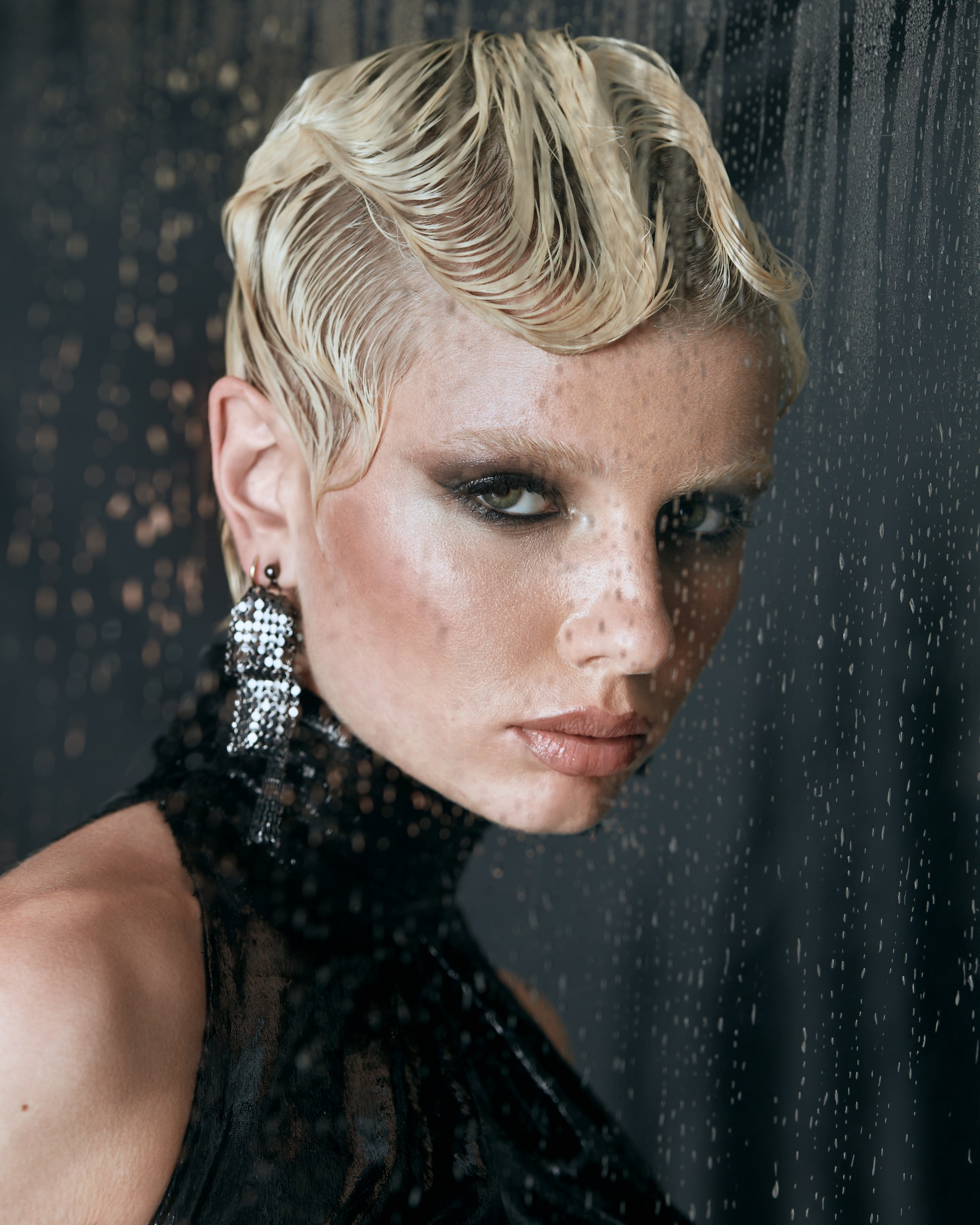
Why Studio Photography Still Dominates Fashion Editorials
Despite the rise of outdoor campaigns and social media content, studio photography still defines many of fashion’s most iconic images. Luxury fashion houses including Chanel and Dior frequently use studio setups for beauty campaigns and cinematic productions because studios provide complete control over mood and visual consistency.
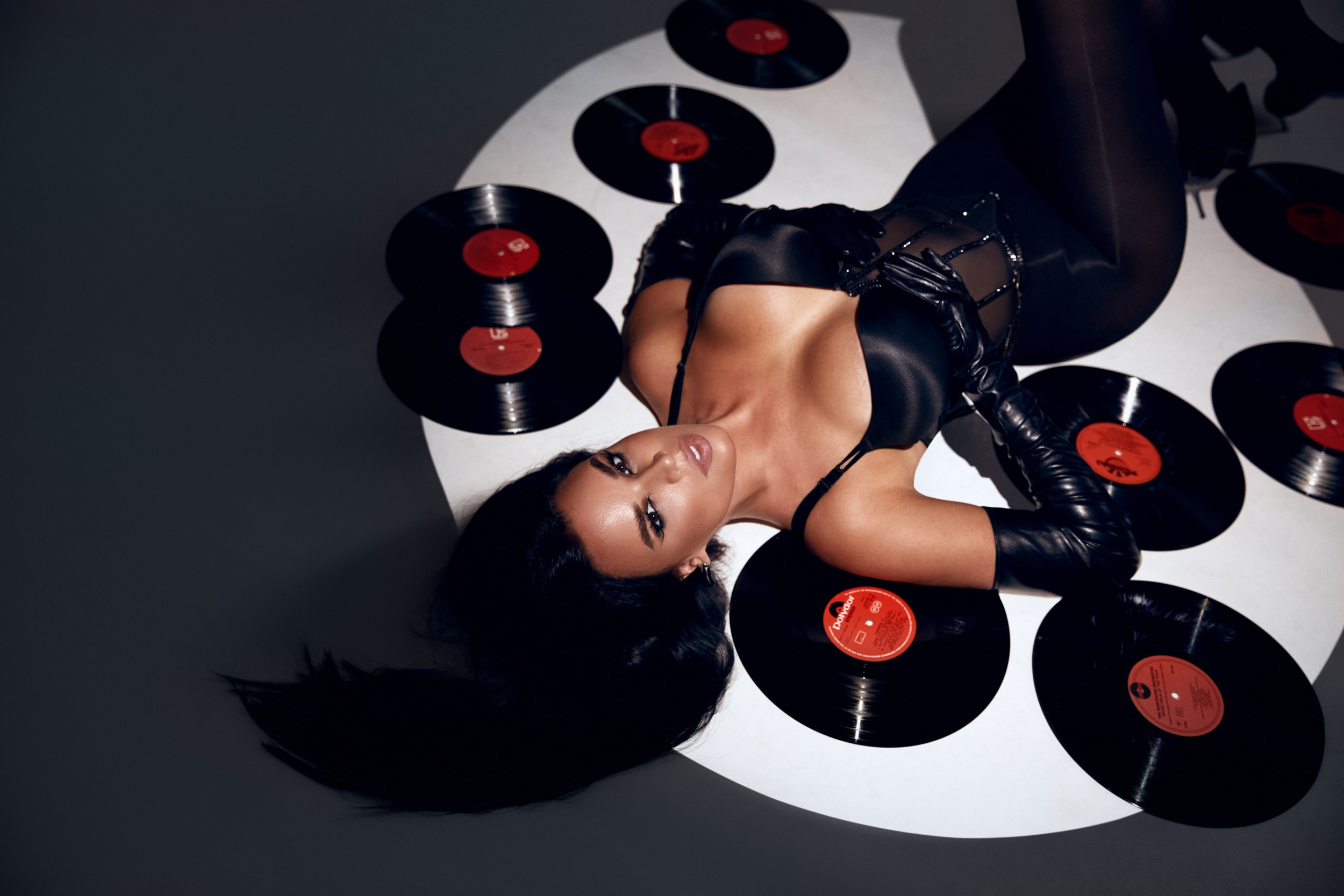
Many modern beauty campaigns use soft monochromatic lighting to create clean and luxurious imagery, while fashion shoots inspired by cinema often rely on dramatic contrast and sculptural shadows. Studio environments also allow photographers to experiment with reflective surfaces and movement without worrying about weather or changing natural light.
Some of the most recognizable editorials in magazines like Vogue and Harper’s Bazaar were created inside controlled studio environments where photographers could fully control lighting, atmosphere, and composition.
Studios also make complex productions far more efficient. Stylists, makeup artists, assistants, and creative directors can collaborate in one controlled environment while maintaining visual consistency across an entire campaign or magazine shoot.
This level of precision becomes especially important when productions involve multiple wardrobe changes, detailed beauty styling, or carefully planned lighting setups designed to create magazine-ready imagery.
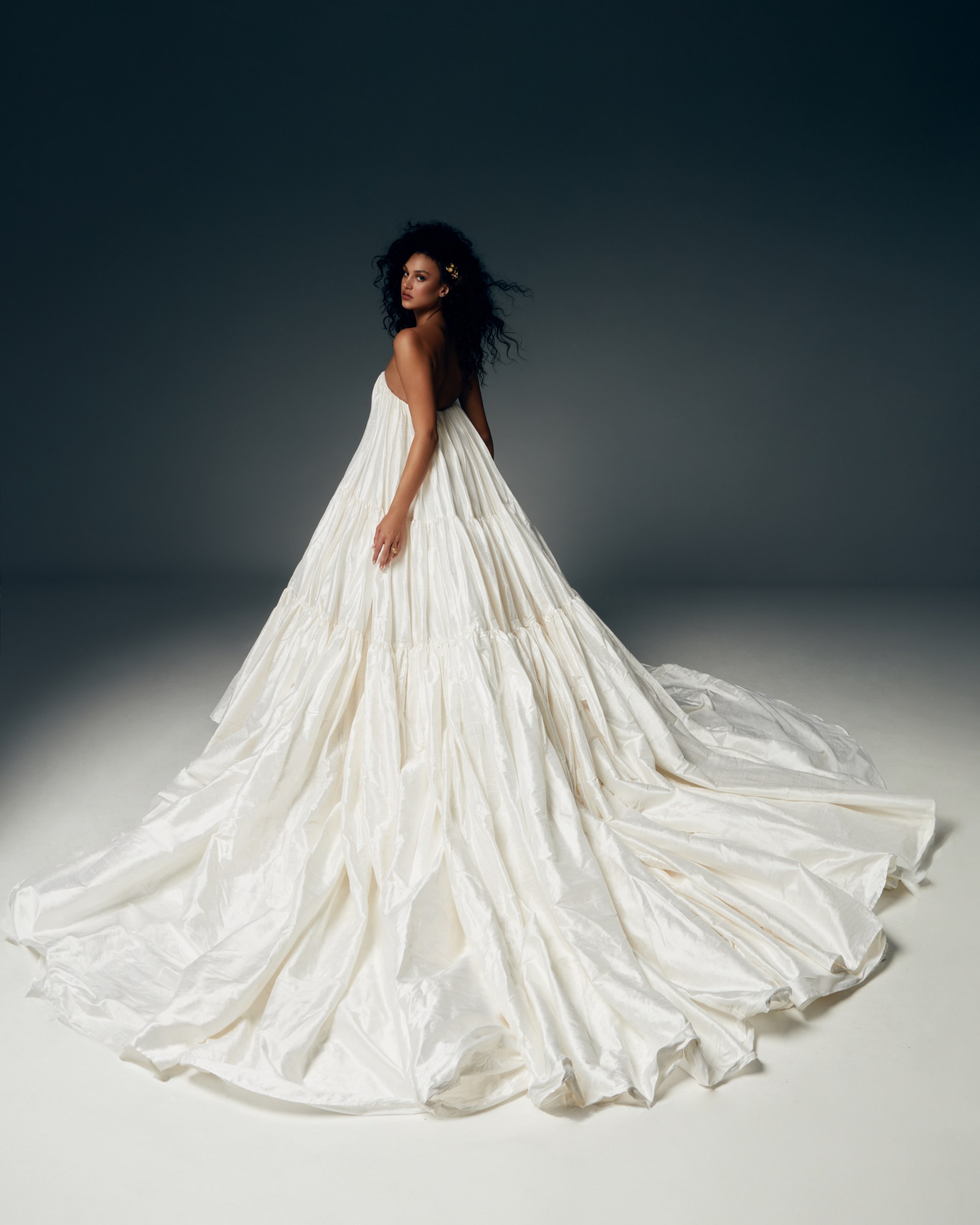
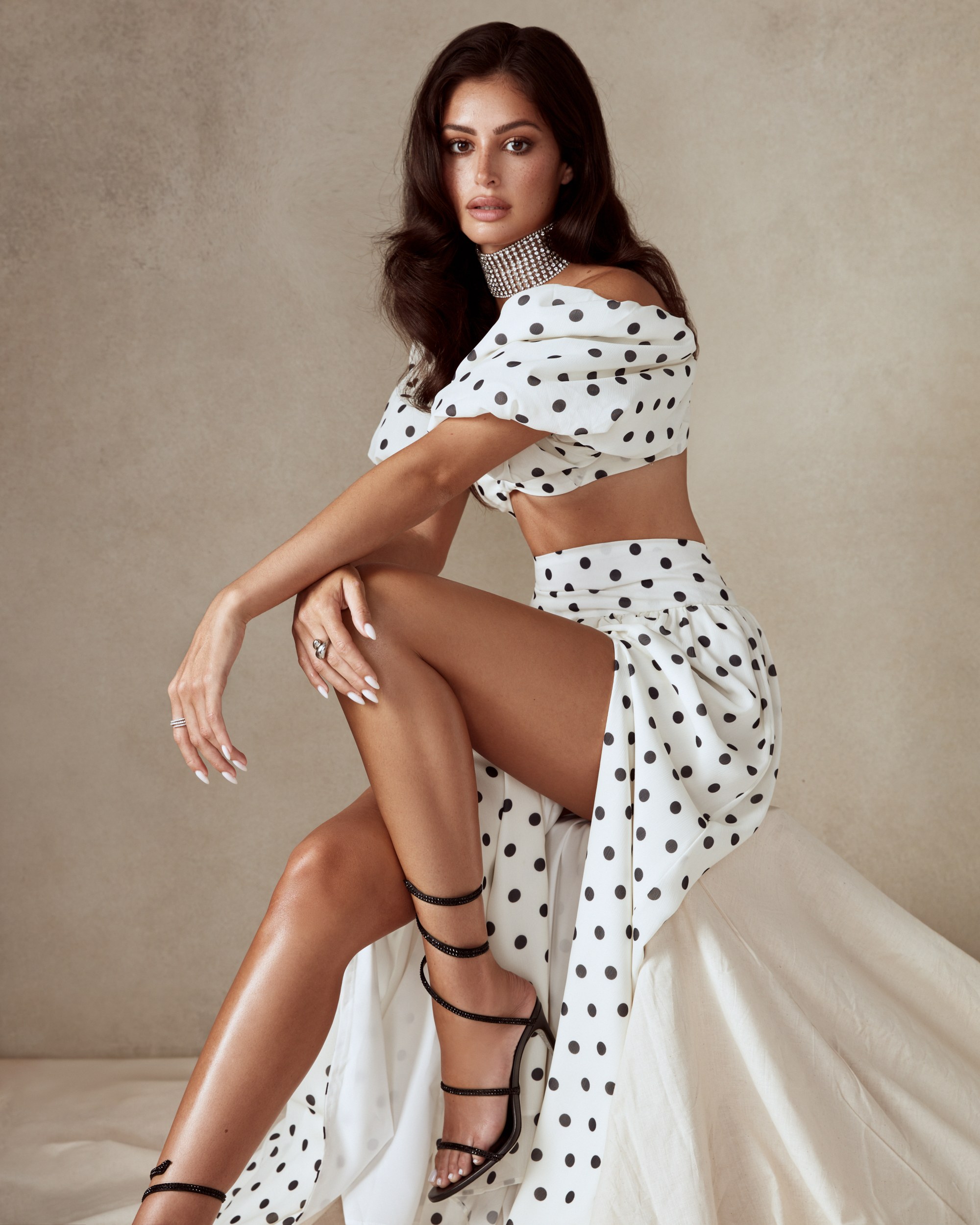
The Equipment Behind Editorial-Looking Images
Strong fashion imagery is never created by equipment alone, but the right tools can dramatically influence the final aesthetic. In fashion photography, lenses, lighting modifiers, and camera settings all contribute to the emotional tone of the image.
Many photographers prefer portrait lenses that create natural proportions while preserving texture and detail. Longer focal lengths can add a more refined editorial feel by compressing perspective and isolating the subject from the background. In studio environments, this helps clothing textures, makeup details, and facial structure appear more polished on camera.
Lighting equipment plays an even larger role. Softboxes and diffusion panels help create smoother transitions across skin tones and fabrics, while directional lighting can sculpt facial features and create stronger emotional depth.
According to Daria Koso, photographers often spend more time shaping light than taking the actual photographs because even small adjustments completely change the mood inside the frame.
The most recognizable fashion photographers are often known for their lighting style long before viewers recognize the photographer’s name. Some favor soft tonal balance and minimal contrast, while others build dramatic cinematic shadows that immediately create a signature visual identity.
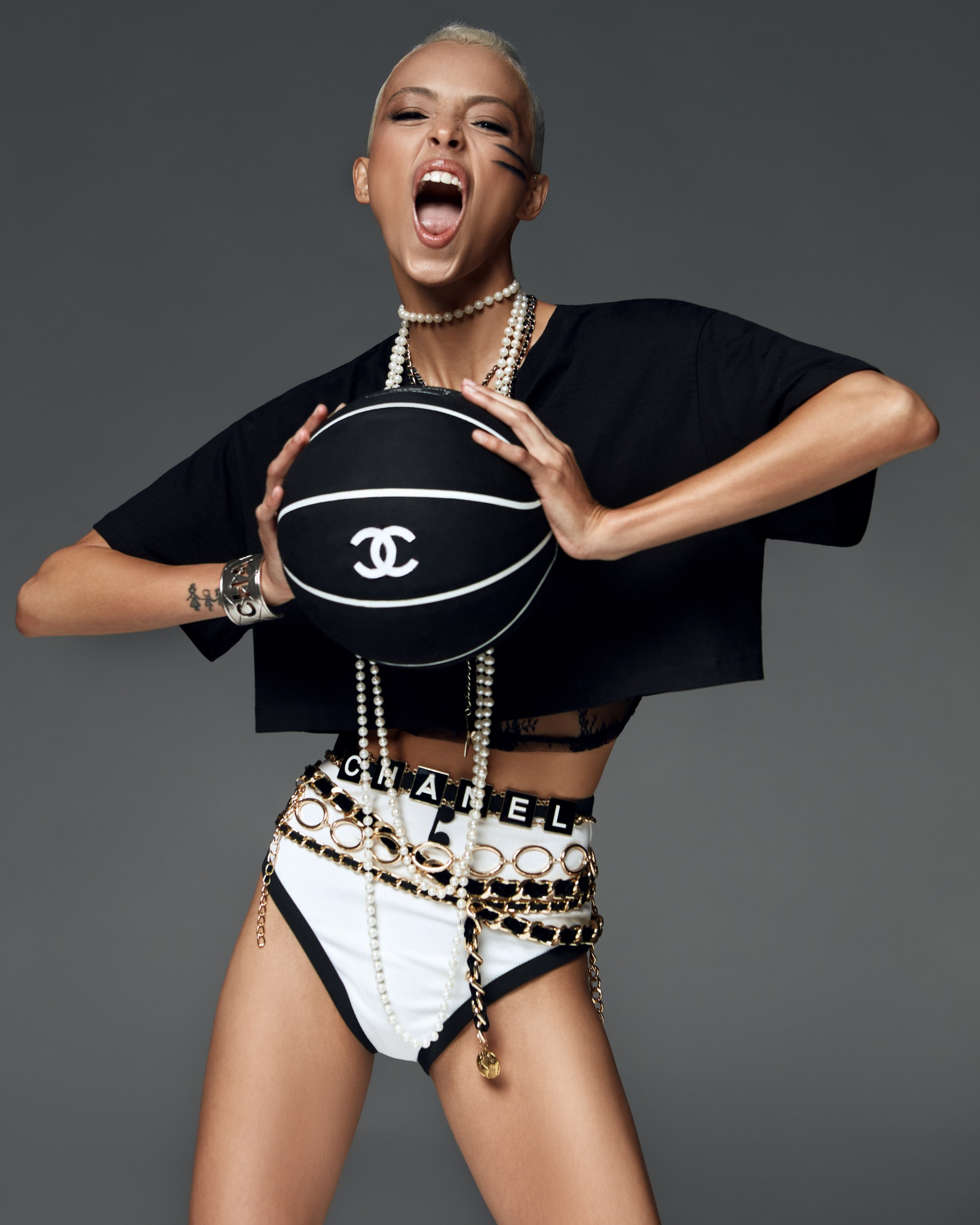
Lighting Shapes Emotion and Atmosphere
In the fashion world, lighting is rarely used only for technical exposure. It becomes part of the storytelling itself. The same wardrobe and model can communicate entirely different emotions depending on how light interacts with texture and shadow.
Soft frontal lighting often creates a clean and luxurious beauty aesthetic associated with classic magazine editorials. Side lighting introduces dimension and mystery, while harder directional light can produce a sharper and more dramatic atmosphere. Even subtle shadows can completely transform how confidence, vulnerability, or power are perceived within an image.
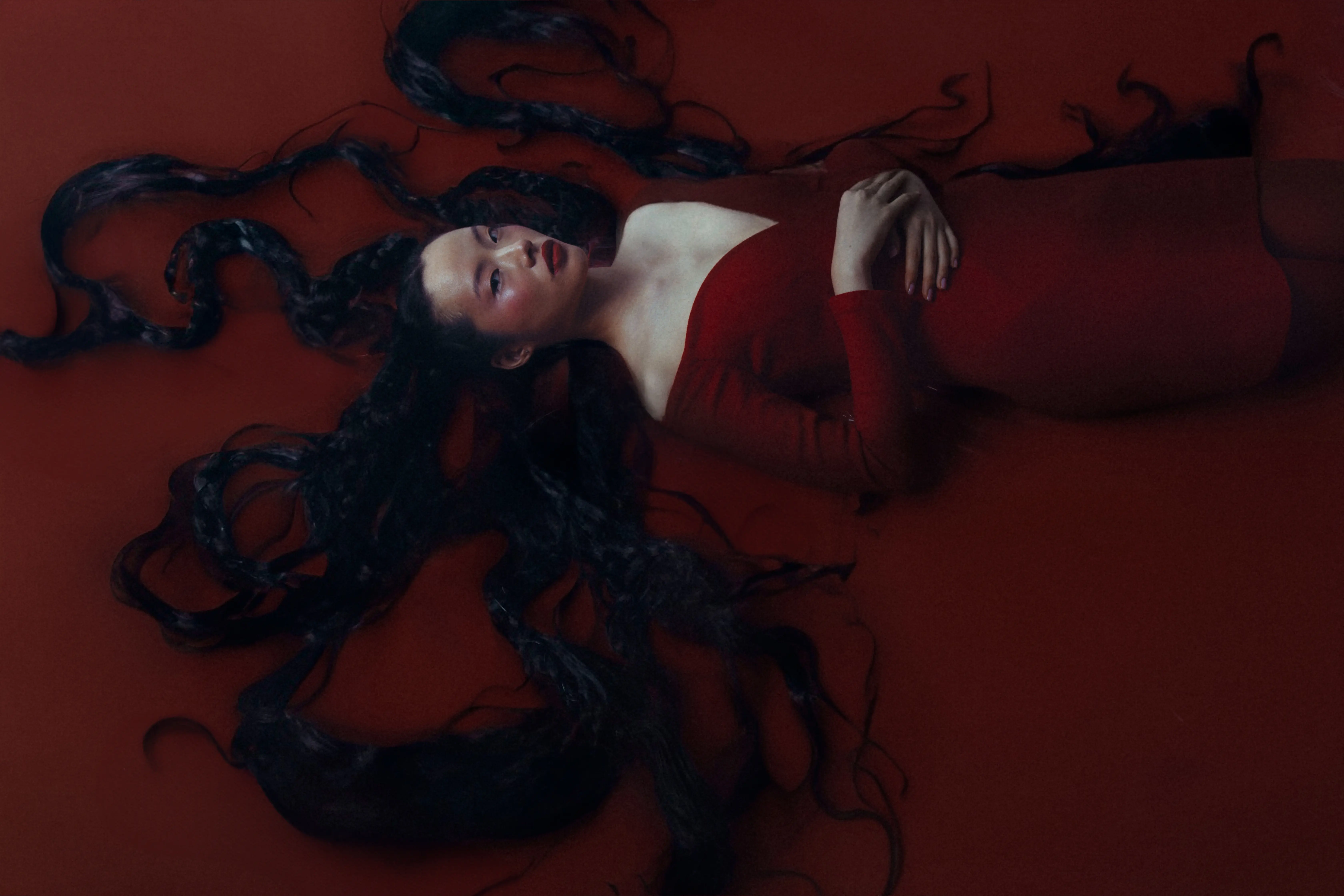
Modern studio photography increasingly borrows inspiration from cinema. Many fashion shoots now use lighting to create mood-driven narratives rather than static portraits. Controlled highlights, shadow gradients, and layered textures help fashion imagery feel more immersive and emotionally cinematic.
Daria Koso believes lighting should never feel accidental in studio work. Every shadow and highlight should support the emotional direction of the image. In fashion imagery, the mood often matters just as much as the clothing itself.
Styling Is What Gives Fashion Images Their Identity
Great styling transforms photographs into visual narratives. Clothing may be the foundation of fashion photography, but the complete atmosphere comes from the interaction between wardrobe, makeup, hair, accessories, textures, and composition.
The strongest editorials usually feel visually cohesive because every element inside the frame supports the same creative direction. Even small details such as jewelry placement, fabric texture, or color balance can influence whether an image feels minimal, cinematic, experimental, or luxurious.
Minimalist styling has become especially influential in modern studio editorials. Clean backgrounds and carefully selected wardrobe pieces often create stronger emotional focus by removing unnecessary distractions. This approach allows movement, confidence, and facial expression to become central elements of the visual story.
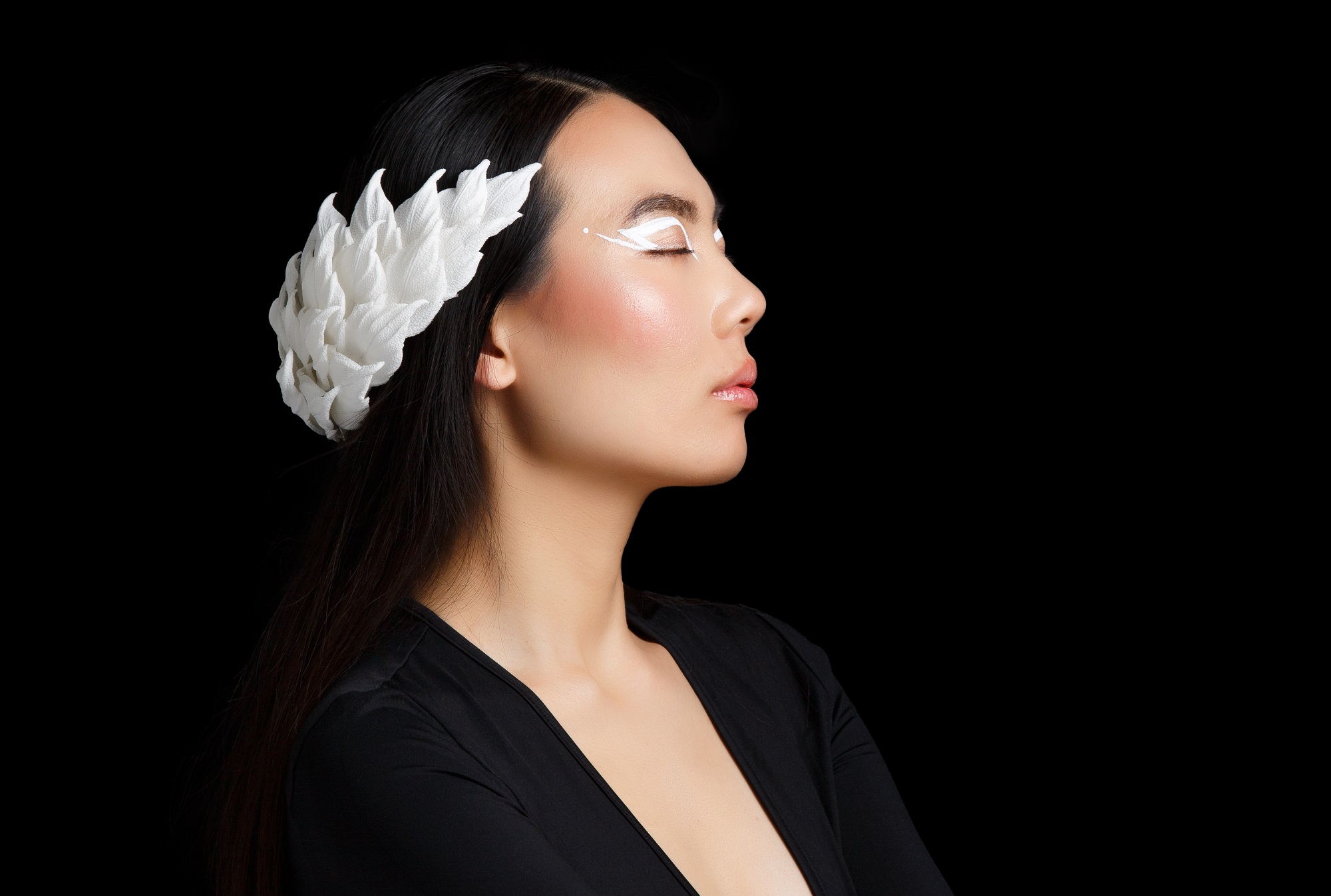
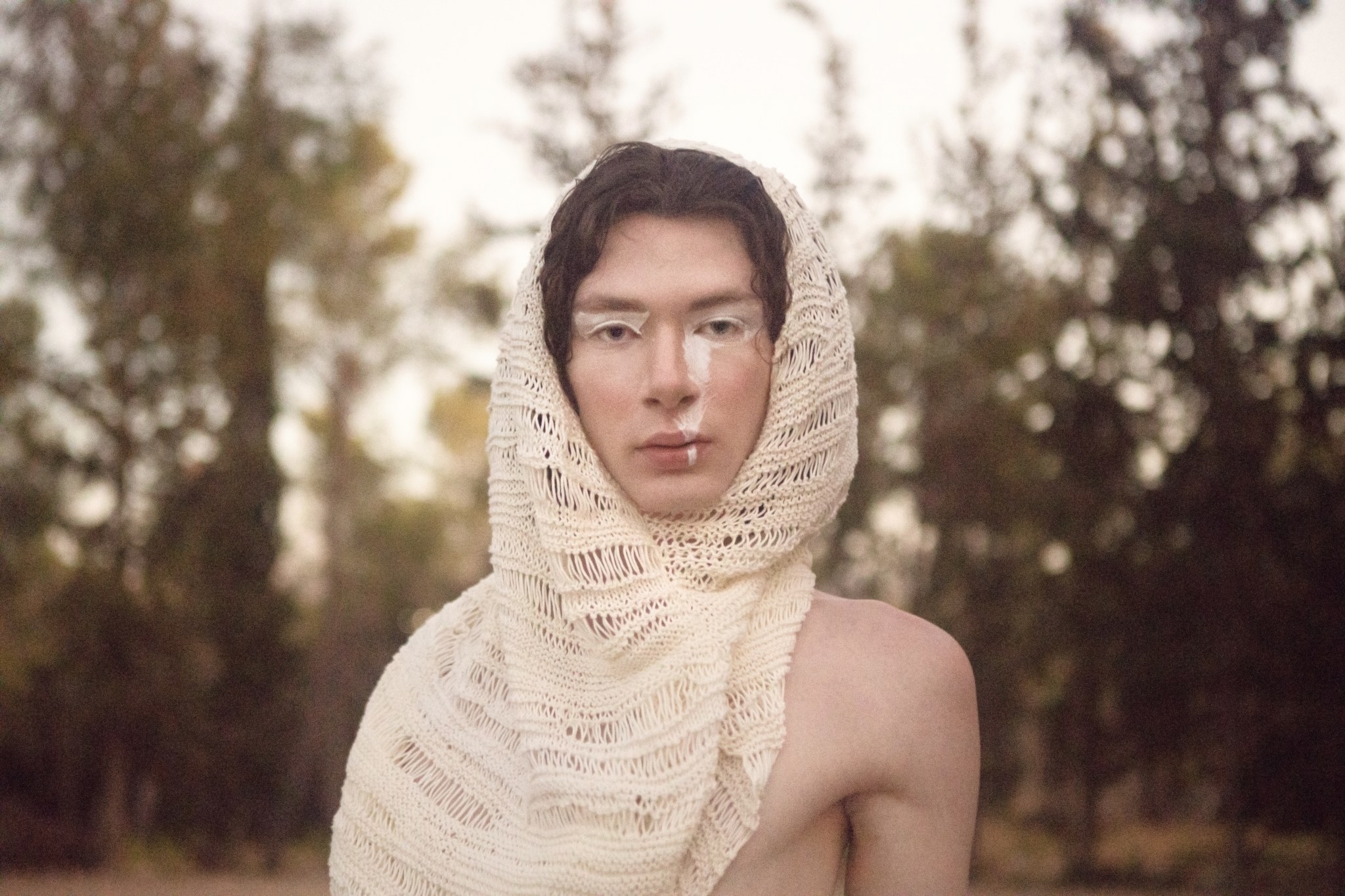
At the same time, contemporary fashion photography continues to embrace more experimental aesthetics. Oversized silhouettes, sculptural styling, monochromatic palettes, and unconventional makeup are increasingly used to create stronger artistic impact and a more recognizable visual identity.
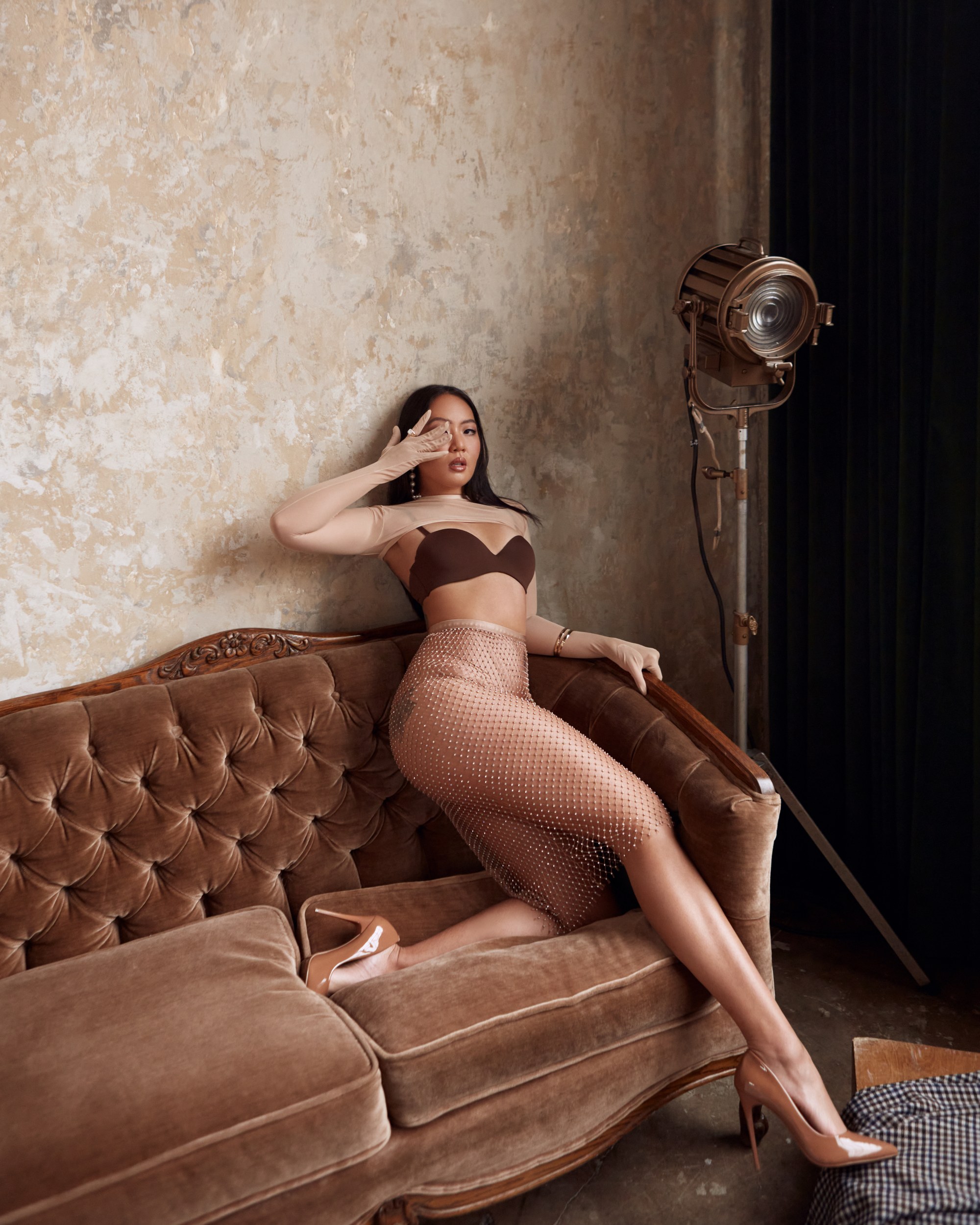
Creating Natural Movement in Front of the Camera
One of the biggest misconceptions about fashion photography is that successful images depend entirely on posing. In reality, emotion and movement often create far more compelling imagery than perfectly controlled poses.
Experienced photographers understand that creating a relaxed atmosphere is essential for authentic expression. Models tend to produce stronger photographs when they stop focusing on the camera itself and begin interacting naturally with movement, clothing, and emotion.
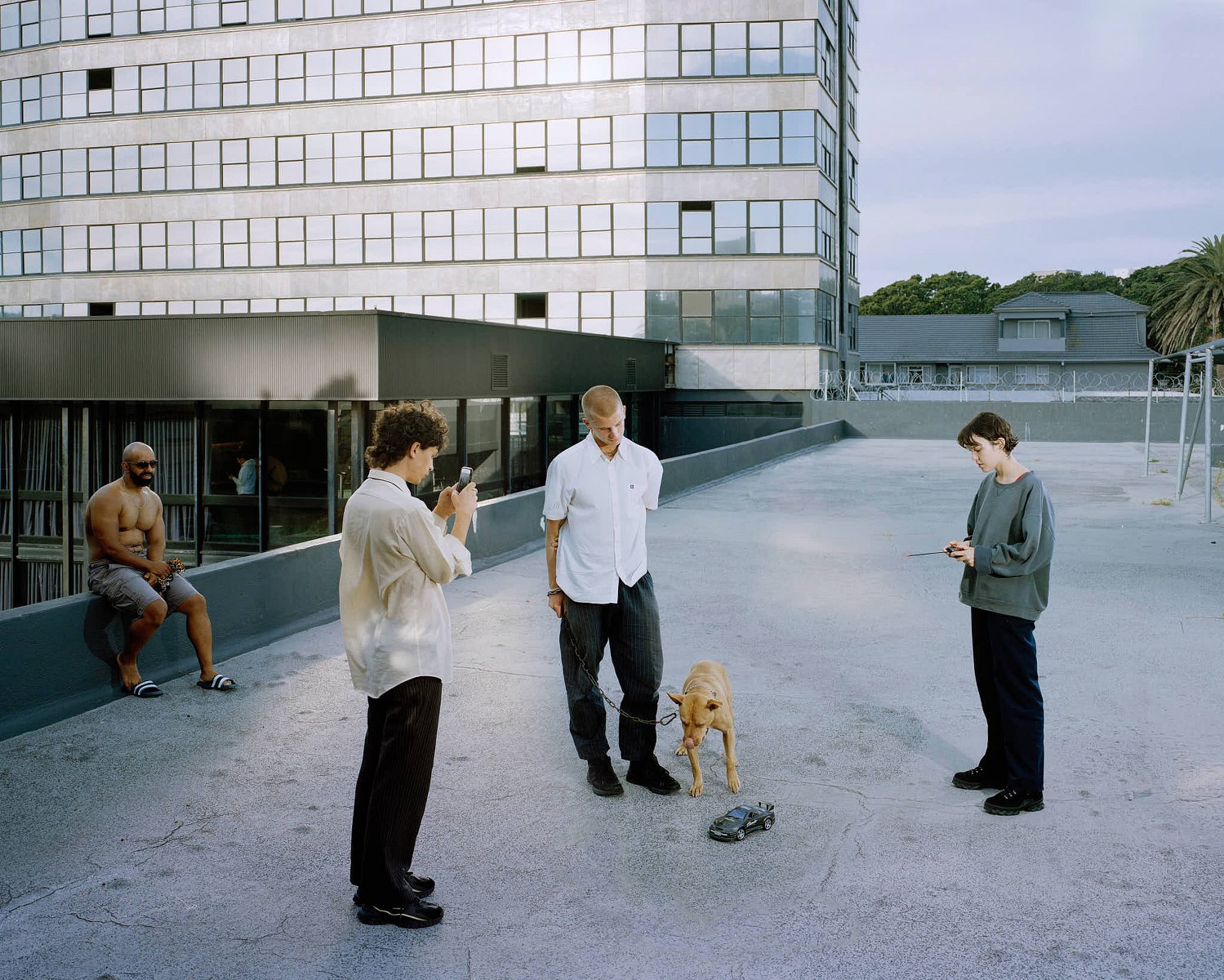
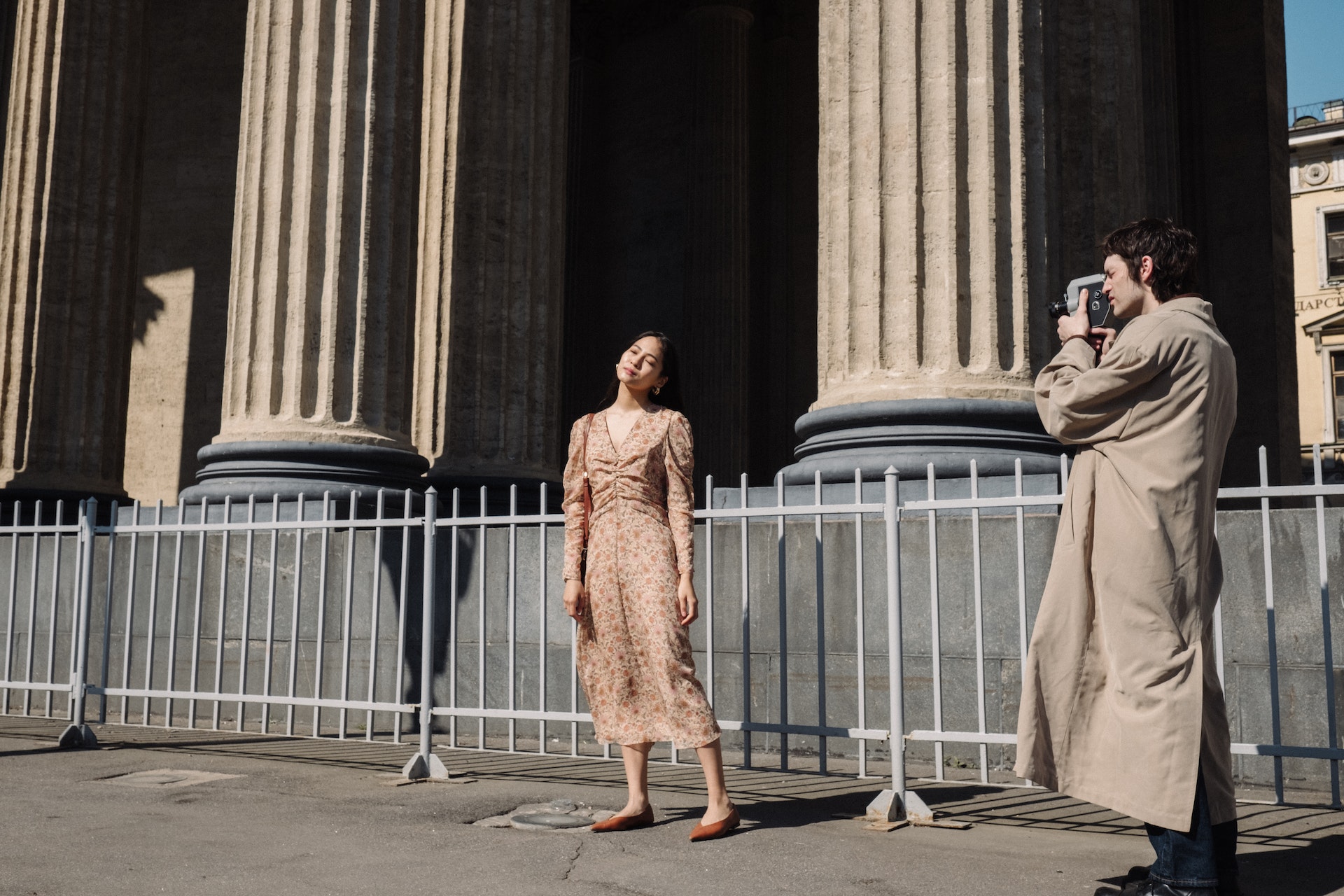
Modern fashion campaigns frequently emphasize motion because movement creates energy inside the frame. Walking, turning, adjusting fabric, or interacting with shadows often makes photographs feel more cinematic and alive. Small imperfections can sometimes make fashion imagery feel more authentic and emotionally engaging.
Communication also plays a major role during studio productions. Daria Koso explains that strong fashion photography often comes from trust between the photographer and the subject. Confidence becomes visible on camera immediately, and that emotional connection frequently defines the strength of the final image.
Creative Direction Defines the Entire Editorial
The most memorable studio campaigns rarely happen spontaneously. Strong creative direction shapes every visual decision before the camera is even lifted.
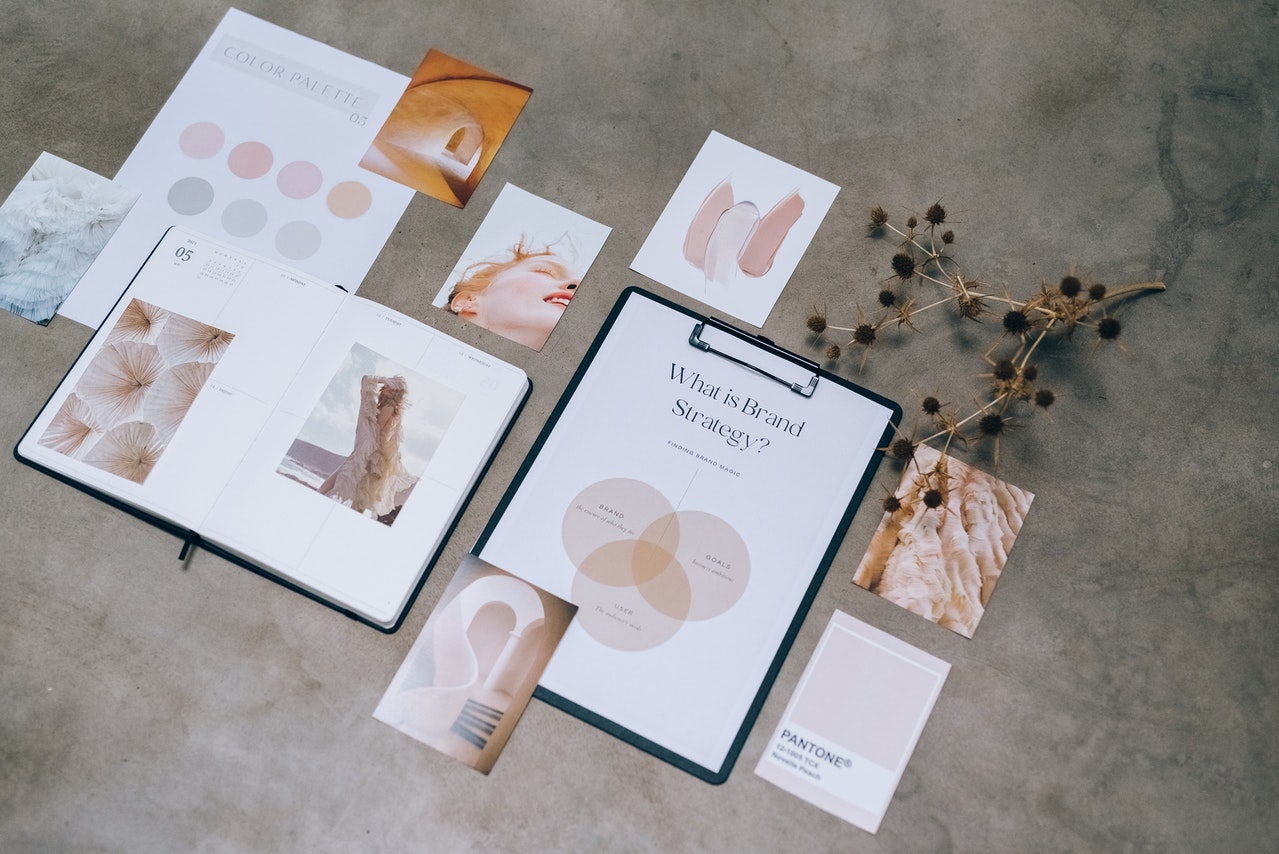
Mood boards, cinematic references, lighting sketches, styling concepts, and color palettes help creative teams establish a consistent visual language. This preparation allows photographers, stylists, and makeup artists to work toward the same emotional atmosphere throughout the shoot.
Cinema continues to influence fashion photography more than ever before. Many modern editorials focus less on static perfection and more on storytelling, tension, atmosphere, and emotional realism. This cinematic approach helps studio imagery feel immersive rather than overly staged.
Developing a recognizable visual identity has also become increasingly important in today’s fashion industry. Social media and digital publishing have created endless streams of imagery, making artistic consistency more valuable than ever. Photographers who establish a distinctive visual identity are often the ones who leave lasting impressions.
Why Passion Still Defines Great Fashion Photography
Fashion photography combines technical precision with emotional storytelling. Lighting setups, styling decisions, and camera techniques all matter, but passion remains the element that gives fashion imagery real energy and personality.
Audiences immediately recognize when photographs feel emotionally authentic. The strongest fashion images communicate confidence, atmosphere, vulnerability, or tension in ways that feel natural rather than overly manufactured.
Building a recognizable creative voice also takes time. Most successful photographers spend years refining their approach to lighting, composition, pacing, and storytelling before developing a signature aesthetic that audiences instantly recognize.
Studio photography continues evolving alongside fashion, culture, and digital media, yet its purpose remains remarkably consistent. The goal is not simply to photograph clothing. It is to create visual worlds that make viewers feel something the moment they see the image.