Antique jewelry is known for its rich history and timeless elegance and is a delightful addition to any collection. Whether you’re a seasoned collector or a novice enthusiast, shopping for antique jewelry can be both exciting and daunting. This guide will help you navigate the world of antique jewelry, making sure you make informed purchases.
Understanding Antique Jewelry
Antique jewelry refers to pieces that are at least 100 years old. These pieces often reflect the artistic styles and cultural trends of their respective eras. Understanding the different periods can greatly enhance your shopping experience. Key periods include:
- Georgian (1714-1837): Known for its intricate designs and use of high-quality stones.
- Victorian (1837-1901): Characterized by romantic and sentimental motifs, often featuring gemstones like diamonds, opals, and turquoise.
- Edwardian (1901-1910): Marked by delicate and elegant designs, utilizing platinum and intricate filigree work.
- Art Nouveau (1890-1910): Recognizable by its flowing lines and nature-inspired themes.
- Art Deco (1920-1935): Distinguished by bold geometric patterns and vibrant colors.
Research and Knowledge
Before embarking on your shopping journey, invest time in researching the different periods and styles. Books, online resources, and antique jewelry forums can provide valuable insights. Understanding hallmarks and maker’s marks is crucial, as these can authenticate a piece and provide information about its origin and age.
Establishing Authenticity
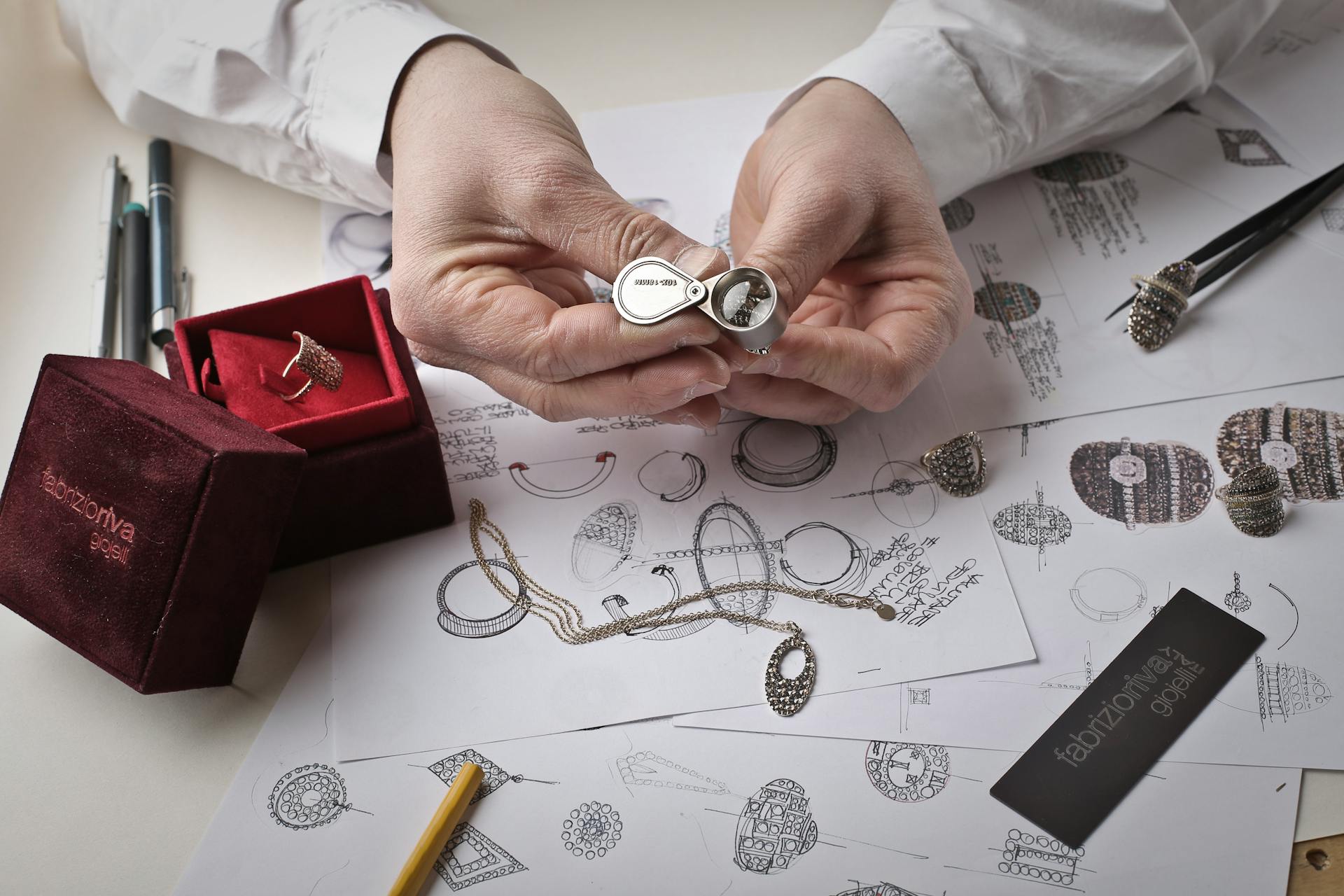
Authenticity is paramount when purchasing antique jewelry. Look for reputable dealers who specialize in antique pieces. Established auction houses and certified antique jewelry stores are generally reliable sources. When possible, request provenance documents or certificates of authenticity. Examine the piece closely for signs of age, such as wear patterns, and use a jeweler’s loupe to inspect hallmarks and maker’s marks. If you are looking for fine emerald jewelry or any other type of antique jewelry, then going to a reputable seller means you will get the real deal.
Condition and Restoration
Antique jewelry often shows signs of wear, which can add to its charm and history. However, it’s important to assess the condition of the piece carefully. Check for any damage or repairs, as these can affect both the value and wearability. Some restoration may be acceptable, but extensive repairs can diminish the piece’s integrity and value. Always inquire about any restoration work that has been done.
Understanding the Market Trends
Keeping abreast of market trends can enhance your antique jewelry shopping experience. Trends in the antique jewelry market can be influenced by fashion, cultural shifts, and even economic factors. For instance, certain periods or styles might become more popular due to cultural events, film releases, or celebrity endorsements. Subscribing to antique jewelry magazines, following reputable blogs, and joining collector communities can provide valuable insights into current trends.
Buying from Different Sources
- Antique Shops and Fairs: These are excellent places to find unique pieces and to interact directly with knowledgeable sellers.
- Auctions: Both live and online auctions offer a wide range of antique jewelry. Be sure to understand the auction process and any associated fees.
- Online Marketplaces: Websites like eBay and Etsy can have hidden gems, but exercise caution. Verify the seller’s reputation and return policies before making a purchase.
Building a Relationship with Dealers
Establishing a good relationship with reputable antique jewelry dealers can be beneficial. They can provide you with insider knowledge, alert you to new acquisitions, and sometimes offer better prices to loyal customers. Attend jewelry shows and exhibitions to meet and network with dealers.