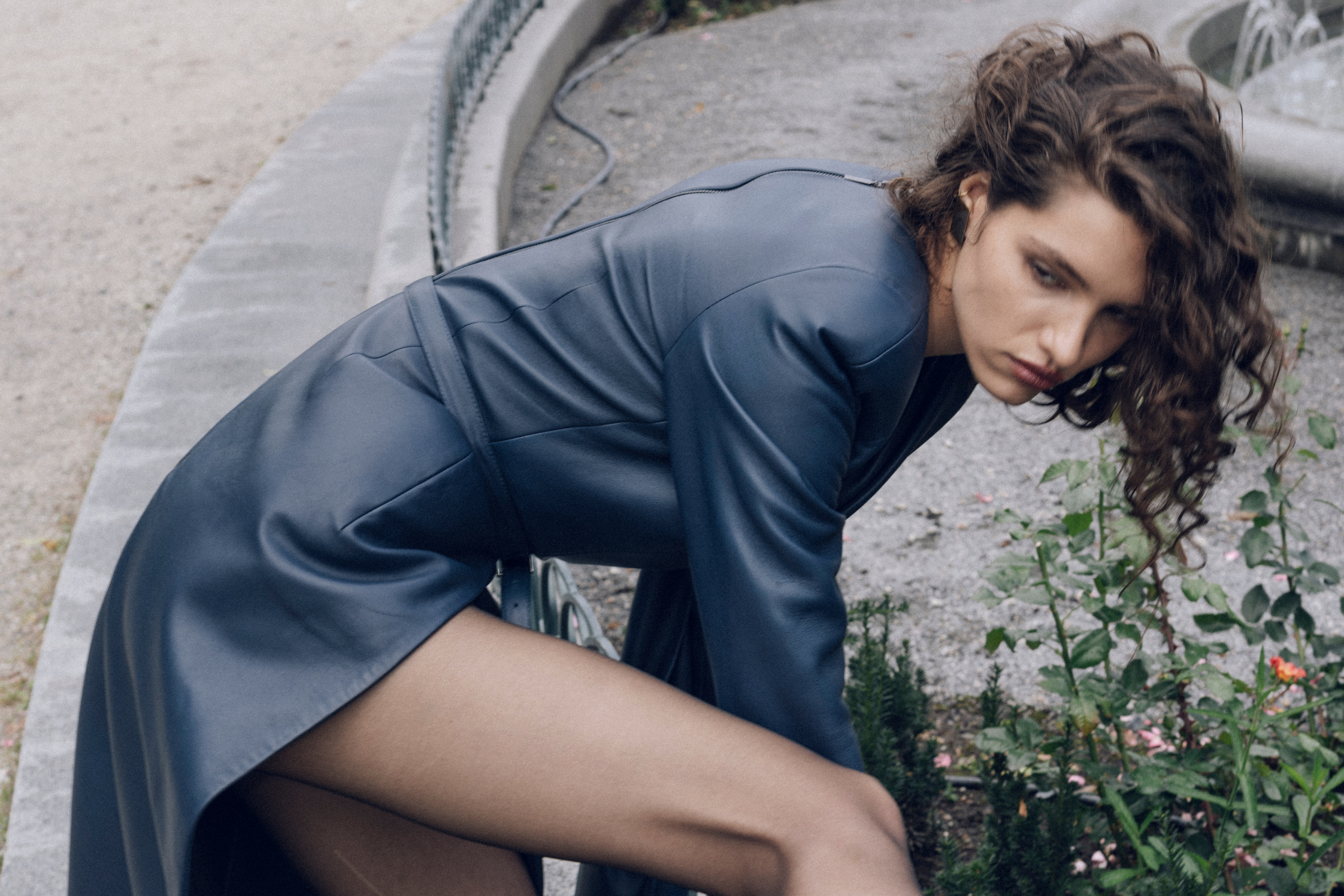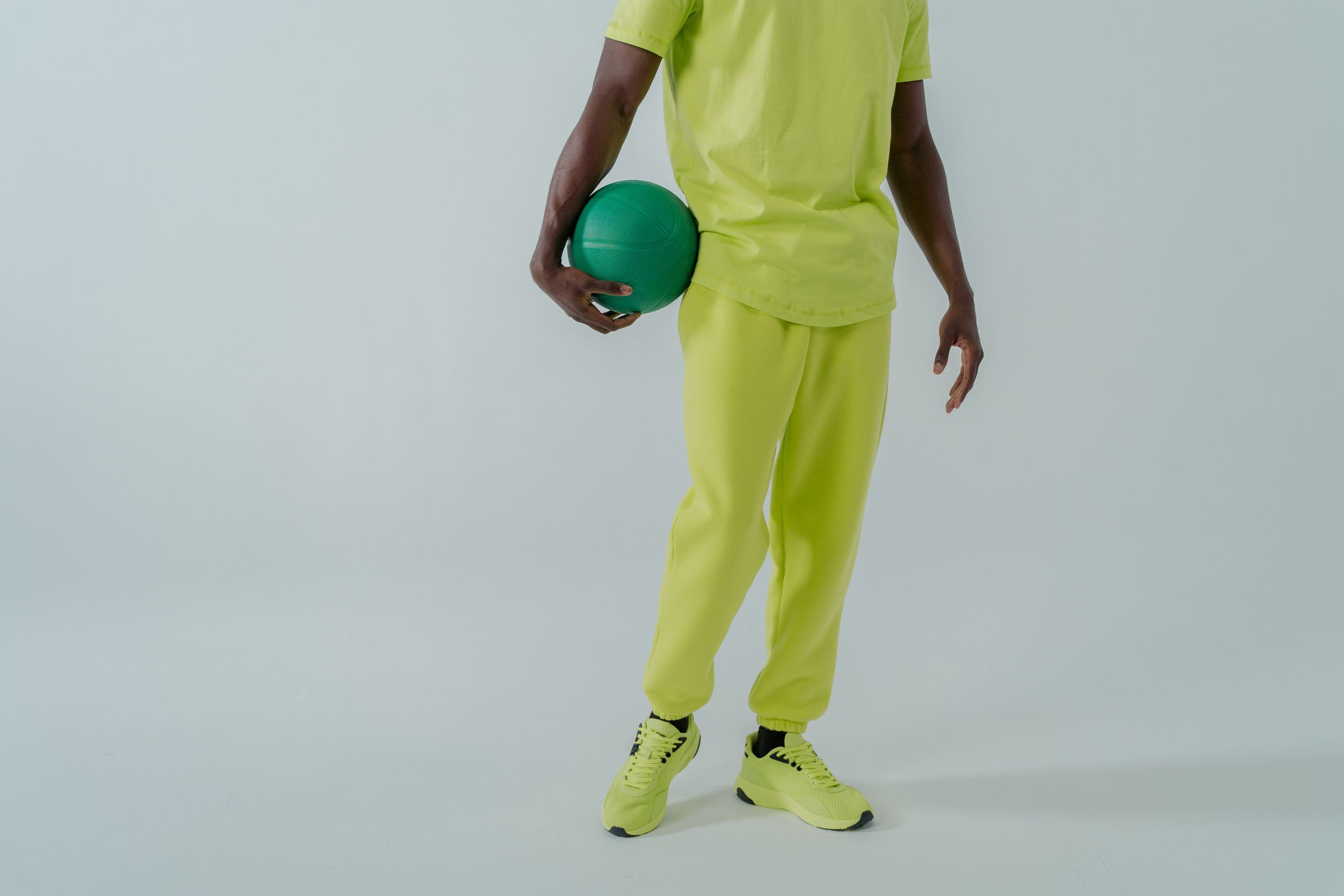
Men’s clothing used to require a fairly clear choice between comfort and appearance. Athletic wear offered flexibility and breathability, while office-ready clothing tended to prioritize structure and presentation. Performance fabrics are helping to close that gap, giving men more options that look polished without feeling restrictive or difficult to maintain.
Originally developed for sports and outdoor activities, performance materials are now appearing in shirts, pants, jackets, and other everyday wardrobe staples. Their growing popularity reflects a wider shift toward clothing that can keep up with busy, varied routines.
Comfort That Lasts Throughout the Day
Traditional dress shirts and trousers can feel stiff, especially after several hours of sitting, commuting, or moving between appointments. Performance fabrics often contain stretch fibers that allow clothing to move more naturally with the body.
This flexibility can make a noticeable difference during long workdays, business travel, or social events. Instead of feeling constrained by a rigid shirt or waistband, wearers can bend, reach, and sit more comfortably while still looking appropriately dressed.
Breathability is another major advantage. Many modern fabrics help release heat and manage moisture, reducing the heavy or clammy feeling that can develop in warmer environments. Items such as performance polos can therefore offer a practical balance between a neat appearance and the comfort usually associated with activewear.
Easier Care for Busy Lifestyles
Performance materials are also changing expectations around clothing maintenance. Many garments are designed to resist wrinkles, dry quickly, and hold their shape after washing. This can reduce the need for ironing, dry cleaning, or frequent touch-ups throughout the day.
Wrinkle resistance is particularly useful for travelers. A shirt that can be folded into a suitcase and worn shortly after arrival makes packing simpler and helps reduce the number of backup outfits needed for a trip.
Some fabrics also offer stain-resistant or odor-resistant qualities. While these features do not eliminate the need for regular washing, they can help clothing remain fresher and more presentable during demanding days.
More Versatile Wardrobes
As dress codes become more flexible, men increasingly need clothes that can work in several settings. A single outfit might need to be suitable for a morning meeting, an afternoon commute, and dinner afterward.
Performance menswear supports this kind of versatility. A stretch shirt can be paired with tailored pants for work, then worn with jeans or shorts in a more casual setting. Lightweight performance jackets can provide structure without the weight or stiffness of traditional outerwear.
Function Without the Sporty Look
One reason performance menswear has become more widely accepted is that it no longer has to look like gym clothing. Advances in textile production allow brands to create technical fabrics with smooth finishes, subtle textures, and tailored silhouettes.
As a result, shoppers can enjoy practical features without sacrificing personal style. Performance fabrics are not replacing traditional menswear entirely, but they are encouraging designers to think differently about what everyday clothing should provide. Today’s wardrobe can look sharp, feel comfortable, and adapt to real life, all at the same time.