The Seoul-based technical outerwear brand marks its most ambitious moment yet with a new flagship designed by Tokyo’s DAIKEI MILLS and a collection built around the idea of connection.


SAN SAN GEAR is having a significant August. On the 21st, the South Korean brand opens its second flagship store, this one in Hannam, Seoul, housed in a converted private residence and designed in collaboration with Tokyo-based spatial design studio DAIKEI MILLS. Three days later, on August 24, the brand drops the first release of its Fall/Winter 2026 collection, titled CABLE. The two moves are not coincidental. Together, they signal where SAN SAN GEAR is headed: deeper into its own world, on its own terms.
Founded in 2019, SAN SAN GEAR built its reputation on technical outerwear that takes its design cues from subcultural movements rather than the athletic mainstream. Its jackets and pants are waterproof, water-repellent, and breathable; they are also visually considered in ways that performance wear rarely is. The brand is now stocked in 53 retailers across domestic and international markets, including GR8 in Japan, IT in Hong Kong, Goodhood in the UK, and Extra Butter in the US. That distribution list reads like a map of the cities where technical streetwear carries genuine cultural weight.
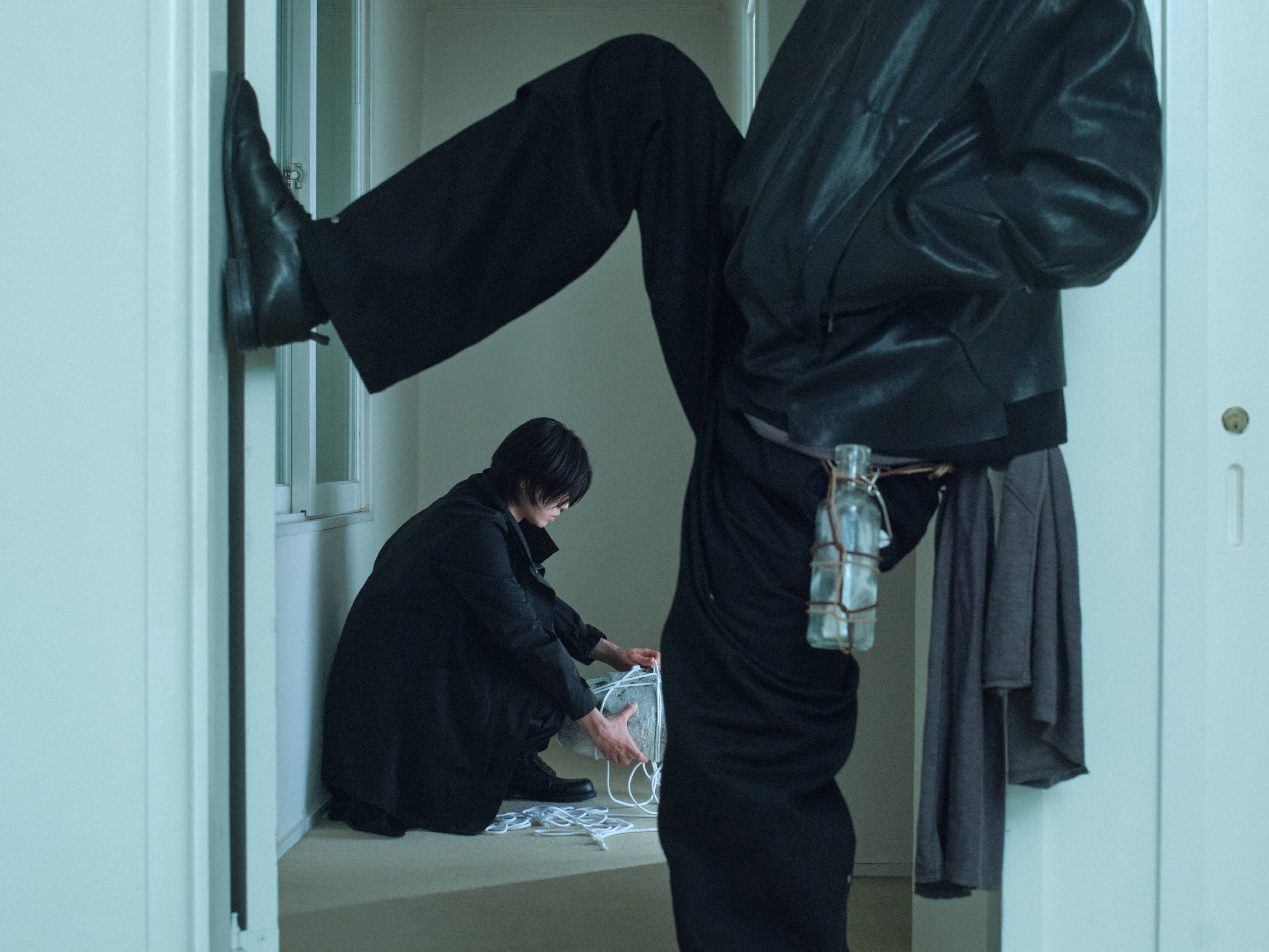
CABLE, the FW26 collection, is organized around the concept of connection. Utility aesthetics are the starting point: technical fabrics, adjustable details, streamlined construction. What SAN SAN GEAR does with that material is produce silhouettes that read as both functional and sculptural. The lines are precise. The forms hold their shape. The collection does not ask the wearer to choose between a garment that performs and one that looks deliberate. CABLE will be available from August 24 at the Hannam flagship, the existing Hapjeong flagship, and The Hyundai Seoul, as well as through the brand’s online store from 6 PM KST and at selected stockists.
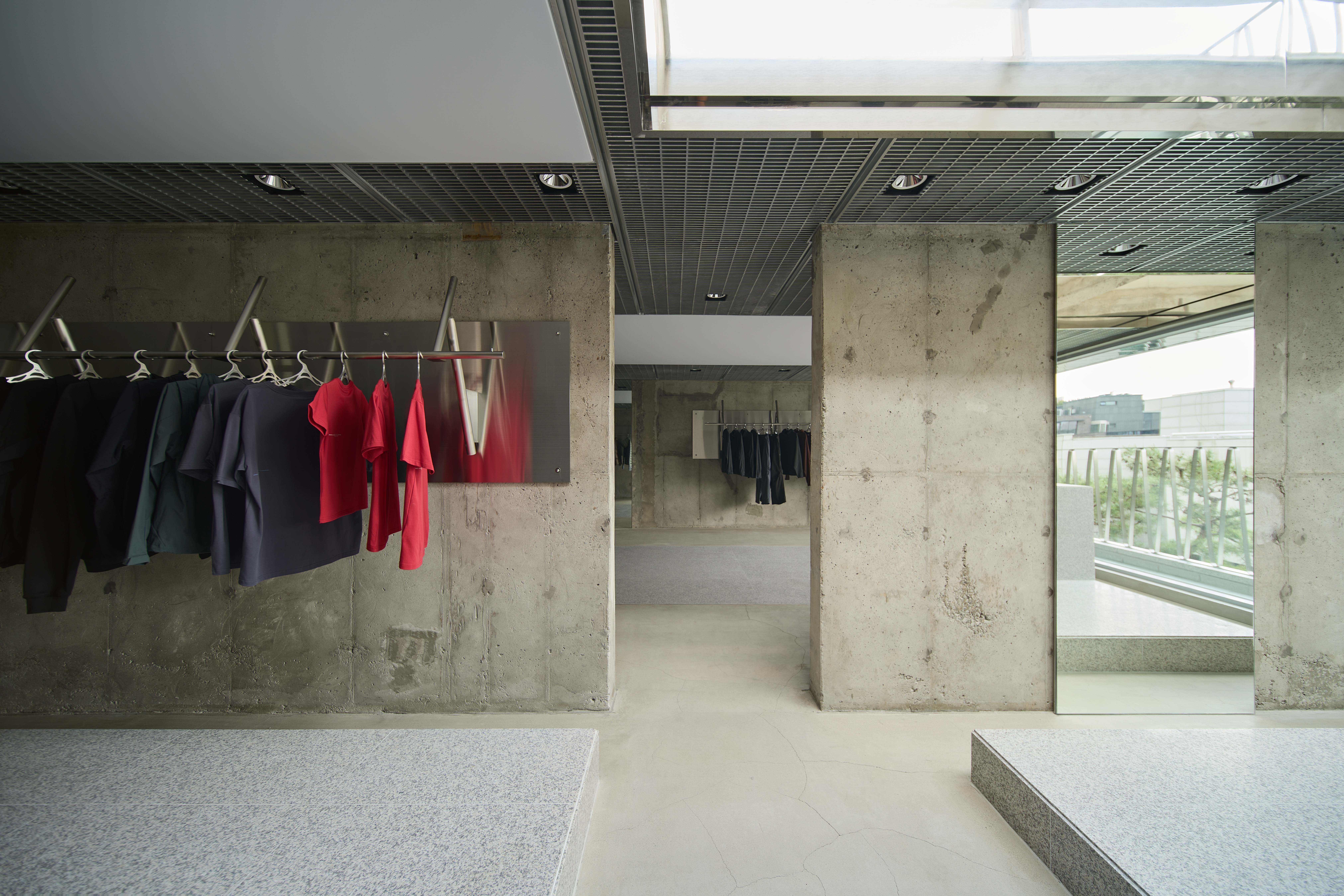
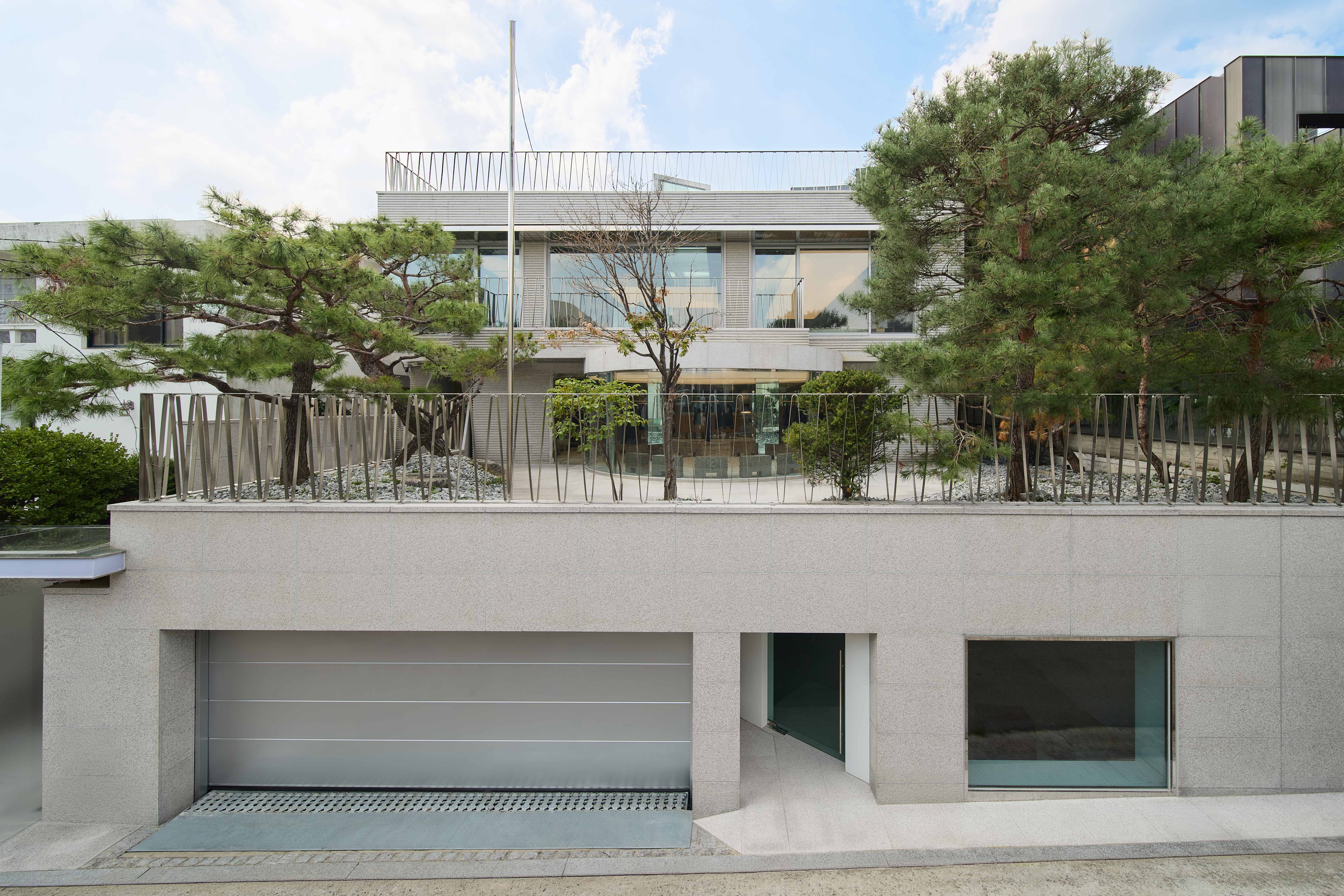
The Hannam flagship, at 37-10 Itaewon-ro 55-gil in Yongsan-gu, is the more complex story. The building is a former private residence, which gives it a structural character that a purpose-built retail unit would not have. DAIKEI MILLS, the Tokyo studio behind spatial projects for Issey Miyake, Auralee, and Lemaire, and the adaptive reuse project SKWAT, approached the space according to its guiding philosophy: bring out the inherent value of a place through minimal intervention. This marks the studio’s first project in Korea.
The result is a space where the original textures and structural openness of the building remain visible and functional. DAIKEI MILLS did not paper over the building’s history. The design uses what was already there, letting the architecture breathe rather than subordinating it to retail logic. The tension between private and public, between a space built for living and one now built for an audience, is present throughout. That tension is the point.
The furniture on the first floor comes from SIIN SIIN, a Tokyo-based design studio. The pieces function as sculptural objects within the room, establishing a visual and tonal language that holds its own against the architecture while remaining coherent with SAN SAN GEAR’s aesthetic. On the second floor, the furniture is the work of Seong-il Choi, a Seoul-based designer who previously worked across London and Berlin. His pieces bring a denser, more composed atmosphere to the upper level, a shift in register that gives the two floors distinct personalities within the same building.
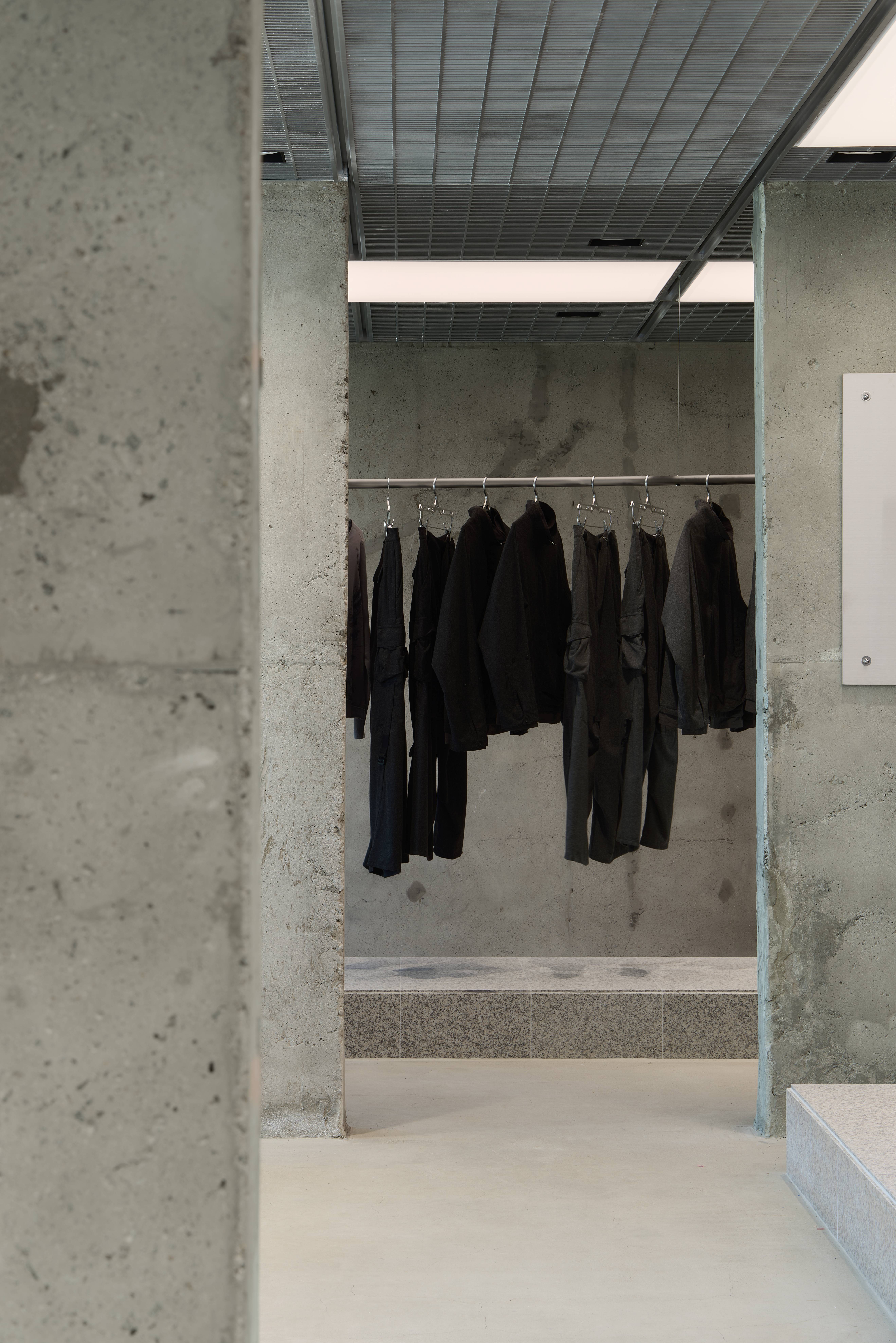
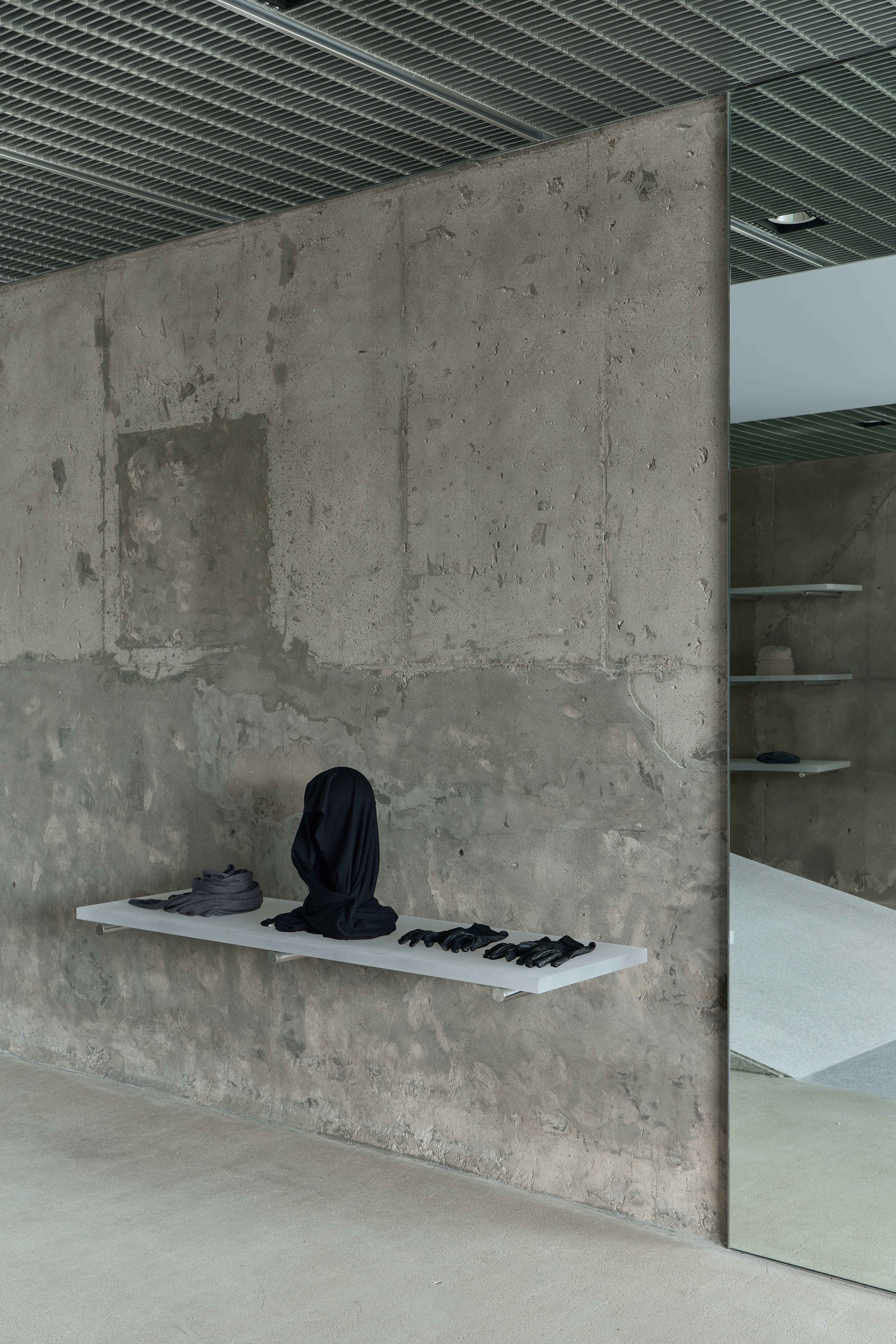
The Hannam flagship opens August 21. Hours run Monday through Thursday from 11 AM to 8 PM, and Friday through Sunday from 11 AM to 9 PM. It is not SAN SAN GEAR’s first store, but it is the brand’s most considered one. The choice of DAIKEI MILLS, the decision to work within the constraints of an existing building rather than building to specification, and the layering of furniture from studios in Tokyo and Seoul all point to a brand that knows what kind of company it wants to be.
SAN SAN GEAR operates in a space that many brands claim and few occupy convincingly: technical function and considered design, performance and cultural specificity, urban environments and outdoor use. The brand’s version of that space is not borrowed from European outdoor heritage or American sportswear. It comes from Seoul, from subcultural references that the brand’s founders treat seriously, and from a commitment to materials that actually work in the conditions the clothing is meant for.
CABLE and the Hannam flagship arrive together at a moment when SAN SAN GEAR’s international presence is established enough to support genuine ambition. The collection asks what connection looks like when rendered in technical fabric and precise construction. The store asks what a brand space can be when it refuses to erase the building it inhabits. The answers, in both cases, say something real about where the brand stands.