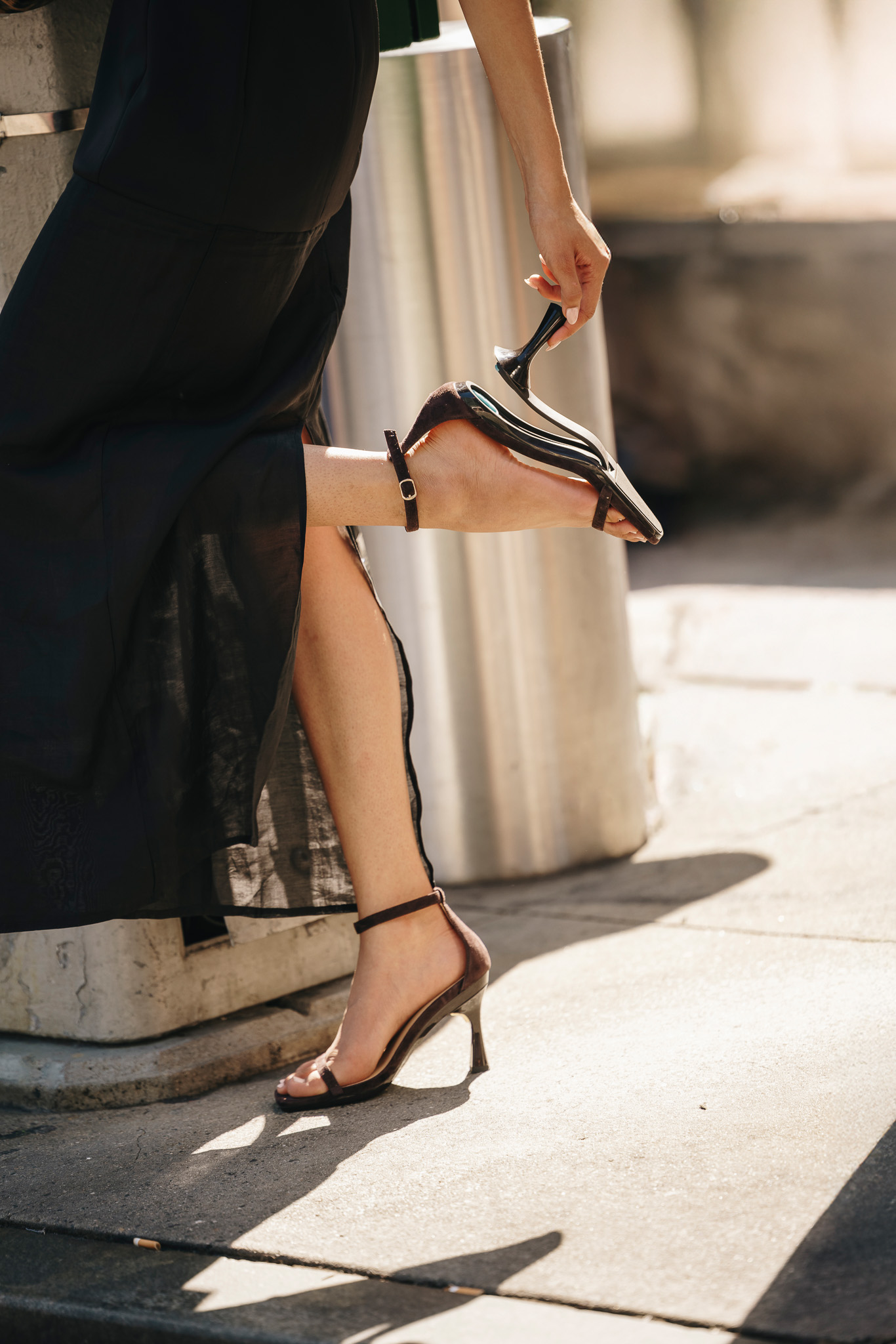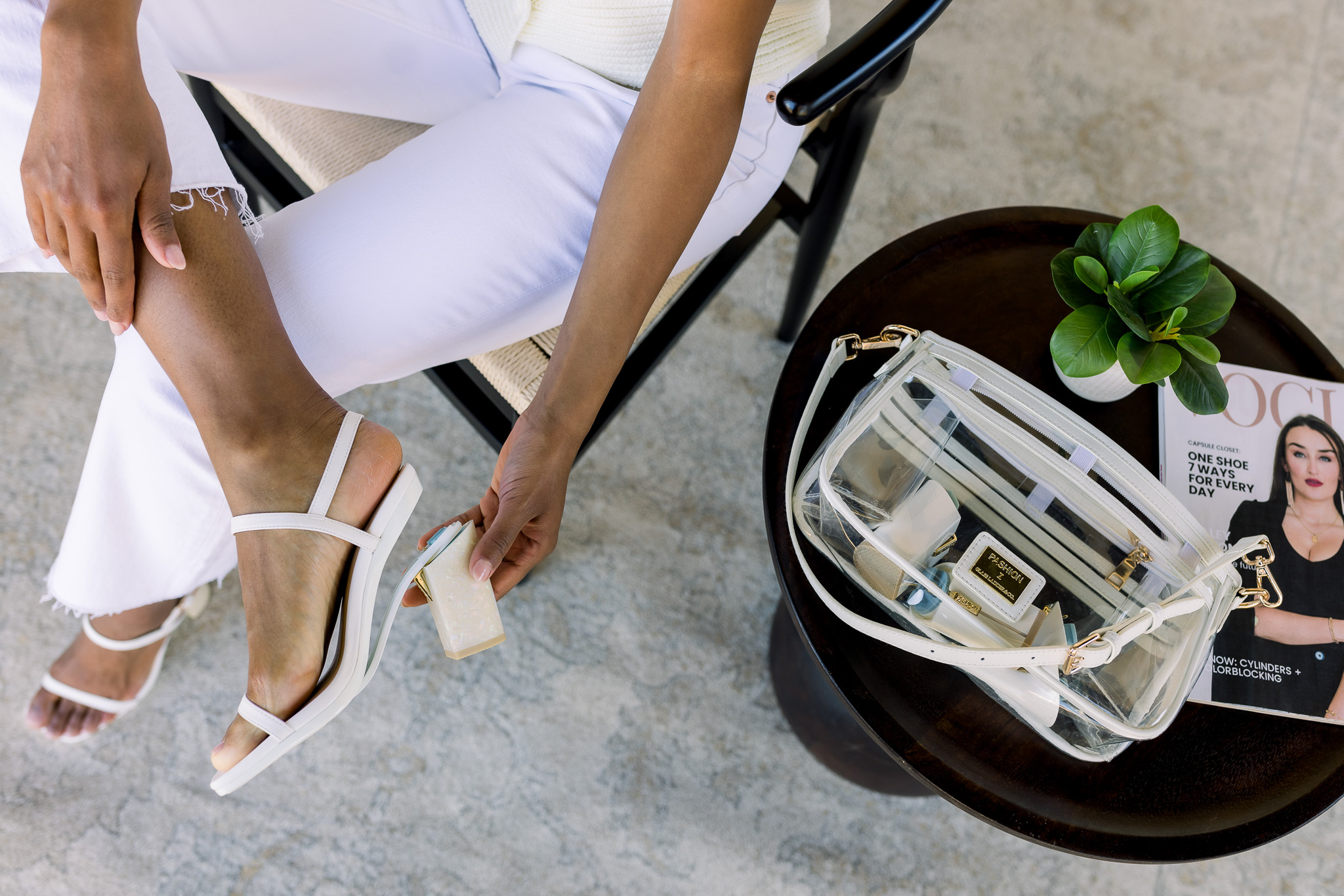
When Haley Pavone was a college student dancing barefoot because her heels had started to hurt, another woman’s stiletto came down on her foot, doing real damage. That’s the injury that started PASHION Footwear. From this came a question that no one in the shoe business seemed to be asking: Why should a woman have to choose between wearing heels and actually being able to stand, walk or dance in them?
Back in school, Pavone spent about two and a half years chasing an answer, burning through about ten prototypes before landing on a mechanical, patent-pending system that lets a heel detach from a shoe entirely. People in footwear engineering told her it couldn’t be done, that the category hadn’t seen structural innovation like this in decades, according to reports. She built it, anyway. Since then the company has raised over a million dollars, been on Shark Tank, held a crowdfunding round that secured hundreds of thousands of dollars from hundreds of backers in its first day, and expanded from the original convertible pump into boots, booties, wide width options, and now a more casual style: a flip-flop that becomes a heel.
The last one is what I tried, so here’s the short version. The device works. This shoe is very comfortable after it breaks in. And the break-in takes longer than most will budget for when buying this three days before a flight.
How the Conversion Works in Practice
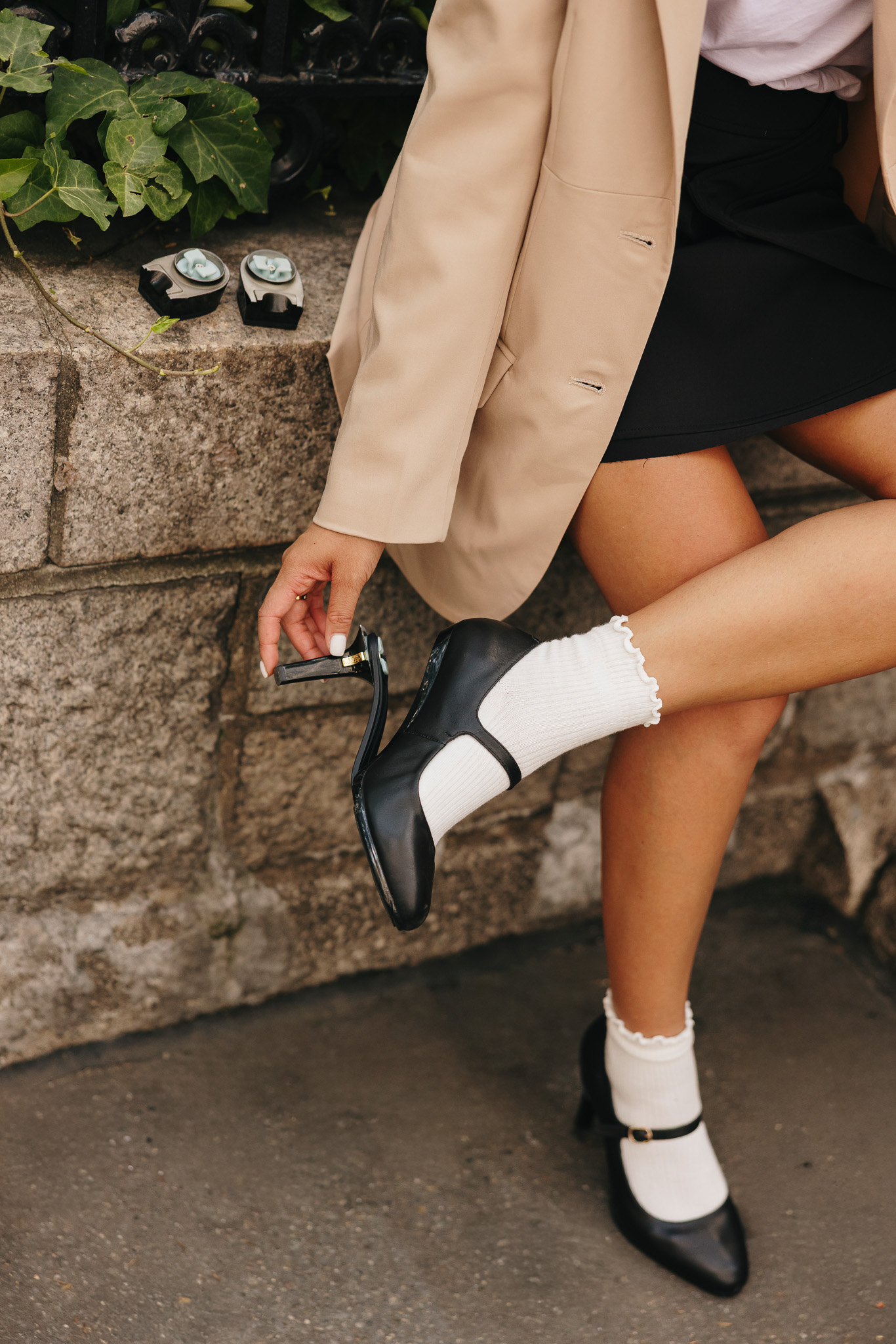
The shoe begins as a normal-looking feeled flip-flop. On the flip side, there’s a small mechanical fastening system built into the sole, the same core tech PASHION calls the Stelo, which the brand initially built for its convertible pumps before adapting it into something more casual. To change modes, you remove the flat sole, attach the heel piece and lock it down.
It’s not a one-motion trick the first time you try it. Some fumbling is to be expected. But after a few wears the process is nearly automatic, muscle memory rather than technical skill, which is about what you’d want from a shoe you might be doing this with in an airport bathroom or a hotel room mirror.
The Break-In Period
Now here’s the bit that actually matters more than the conversion mechanism, and it’s the bit that most reviews gloss over. The flat sole is not flat out of the box. It has a bit of built-in curve with the toe area angled up, giving the whole shoe a wavy, almost curled-under feel underfoot. You need to break them in straight out of the box, particularly the toe.
That curve is not a flaw. It’s a break-in period. The material is intended to flatten with use, and it does, in a week or two of regular use. The wavy feeling is gone, and what is left is a flat stable base that doesn’t feel anything like the first day.”
That means timing isn’t an option. If your flight is in 3 days and you just bought these for the trip, you will be standing on the beach in shoes that are still mid-break-in. Shop early. Wear them at home first. Let it do its job, for once, and do it alone.
Fit and Comfort
This is where the shoe earns its keep in comfort. Even during the break-in period, before the sole had flattened out, the shoe felt comfortable, not something you just tolerated. When the sole settles, that comfort increases dramatically. The whole point of a travel shoe in the first place is that casual wear all day is fine.
Most feet will find sizing to be true, though some foot shapes may find it runs a little small. If you’re in between sizes, or want a little extra room, size up.
The Question a Hybrid Shoe Can’t Completely Dodge
All convertible products are eventually faced with the same dilemma: if you’re able to do two things well, does each one get done a little worse than it would by a shoe built to do just that one thing? PASHION’s sandal is not quite free of it, and it doesn’t need to be. In pure flip flop terms this will probably still outperform a dedicated flip flop built with nothing else in mind. This one seems like it’s going to be more stable in heel mode than a dedicated heel is. That’s the trade, a fair trade to consider before you buy.
You get a single pair of shoes instead of two, but a functional conversion that actually holds up to repeated use and comfort that is genuinely good once broken in. Whether or not that trade is worth it depends entirely on how you pack. This is a definite yes if you are someone who hates giving up every inch of suitcase space to a “just in case” shoe. If you want to have one shoe that does one job really well, you may not be so sold.
The source of the idea
The origin story is more specific than many founder narratives and is worth knowing because it explains why the mechanism exists at all. Founder Haley Pavone was a college student who was taking her heels off to dance barefoot at a party when another woman’s stiletto came down on her foot and caused a serious injury. Then came an obvious but unanswered question: Why should one have to choose between wearing a heel and being able to actually stand, walk, or dance in it?
Still a full-time student, Pavone worked on about ten prototypes over the course of about two and a half years before settling on the patent-pending mechanical system, which allows a heel to detach and be swapped out. She said people in the footwear industry told her that you couldn’t make a truly convertible heel, that there hadn’t been any real structural innovation in the category in decades. PASHION has since raised more than a million dollars, appeared on Shark Tank, hosted a crowdfunding round that garnered hundreds of thousands of dollars from hundreds of backers on its first day, and grown from the original convertible pump into boots, booties, wide-width options and now this more casual flip-flop silhouette.
This sandal solves a really annoying travel problem, and it does so with a working mechanism and lasting comfort. The only thing that can surprise someone is the break-in period, so plan for it the same way you would plan for breaking in new hiking boots before a trip, not the week before you leave. Size for room if you want. Outside of that, it comes down to what kind of traveller you are: if you’re the type who travels light, this is an easy call, and if you want a shoe built for one job and one job only, you should probably keep packing two pairs.